
تحتوي كبسولات قهوة الفطر على القهوة المطحونة مع مستخلص الفطر النشط، سواء كان بدة الأسد أو الشاجا أو الريشي أو الكورديسيبس، في كوب يقدم مرة واحدة إما بحجم كوب K أو نسبريسو. بالنسبة للشارب، فإنهم يقدمون دفعة سلسة ومنخفضة الطاقة من الكافيين. بالنسبة للعلامات التجارية للقهوة، ليست الوصفة هي التي تشكل العقبة: بل جرعات الكمية الضئيلة من المسحوق النشط بتناسق دقيق وإغلاقها قبل أن تصبح قديمة. هذا هو الغوص في ما هو موجود بالفعل في الكبسولة، وكيف يتم ملؤها، وتكلفة خط علامة التبويب، وكيف تصل العلامة التجارية إلى واحدة دون فرض غرامات مثل اللاعبين الأوائل في هذه الفئة.
إجابة سريعة
تمزج كبسولات قهوة الفطر القهوة المطحونة مع مسحوق الفطر المستخرج بشكل مزدوج (غالبًا ما تكون نسبة القهوة إلى الفطر 8:2)، وقم بقياسها بدقة وحشوها في كوب قابل لإعادة التدوير قبل إغلاقها بالحرارة. تميل الكبسولة إلى احتواء حوالي 40-60 ملجم من الكافيين مقارنة بـ 95-150 ملجم التي ستجدها في الكوب العادي. تبدأ معظم العلامات التجارية باستخدام أداة التعبئة المشتركة (تحتوي الكبسولات على 5000-10000 وحدة كحد أدنى)، وتنتقل إلى الإنتاج الداخلي إذا انطلقت أعمالها.
المواصفات السريعة: كبسولات قهوة الفطر
| تنسيقات جراب | كأس K (Keurig)، نسبريسو أوريجينال وفيرتو، ESE |
| تعبئة القهوة النموذجية | 8.13 جم (كأس K) /5.6 جم (نيسبريسو) |
| الفطر الشائع | عرف الأسد، تشاجا، ريشي، كورديسيبس، ذيل الديك الرومي |
| الكافيين | ~ 40.60 مجم لكل جراب (مقابل ~ 95.150 مجم عادي) |
| موك ذات العلامة الخاصة | ~5000 إلى 10000 كبسولة؛ تجري التجربة 100500 |
| مهلة الإنتاج الأولى | 6-14 أسبوع |
ما هي كبسولات قهوة الفطر؟
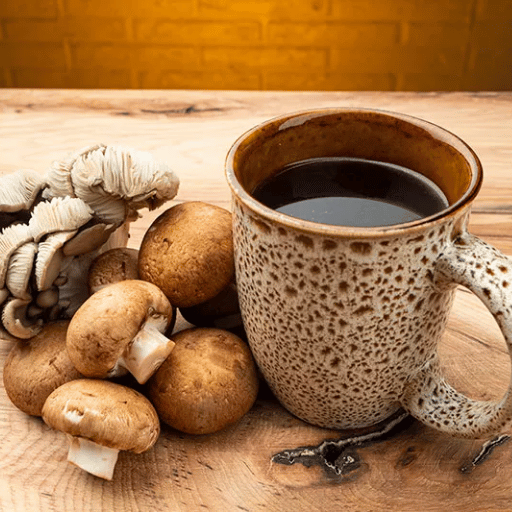
تجمع كبسولات قهوة الفطر بين القهوة المطحونة المفضلة لديك مع مزيج قوي من الفطر الوظيفي مثل تشاجا وبدة الأسد والريشي الذي قد يساعد في التركيز ووظيفة المناعة وصحة الأمعاء. لا يتم تخمير محتوى الفطر أو استكماله أو إضافته بعد وقوعه؛ يصل إلى مسحوق ناعم ويتم مزجه ببساطة مع القهوة المطحونة قبل حشو الكوب، لذا كل ما تفعله هو تحضيره والاستمتاع به تمامًا مثل أي كبسولة أخرى.
مصمم لتنشيطه بلطف أكبر باستخدام كمية أقل من الكافيين، ضع ما يقرب من 40-60 مجم في الكوب مقابل 80-100 ملغ تستشهد بها إدارة الغذاء والدواء الأمريكية لتناول القهوة العادية لقد انتقلت القهوة المخففة بلمسة من وظيفة الفطر من مسحوق مشروب متخصص إلى الممر المريح بفضل القرون. في حين أن الناس يقدرون طقوس القهوة التي يتم تقديمها مرة واحدة، فإن مساحة رف الكبسولة تجعلها جذابة للعلامة التجارية والمستهلكين على حد سواء. ما الذي يفكر فيه القليلون على الأرجح: ما الذي يناسب تلك الصناديق الصغيرة.
الفطر والمكيفات داخل الكبسولة
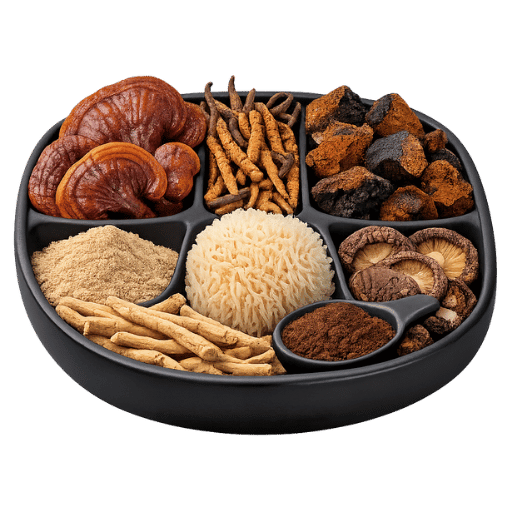
يمكن أن تتراوح وصفة قهوة الفطر من مكون وظيفي واحد إلى ما يصل إلى سبعة أو أكثر في كثير من الأحيان بما في ذلك مكونات الفطر مع أدوات التكيف النباتية مثل أشواغاندا. يخدم كل فطر غرضه الخاص، وسيقدم نفسه بشكل مختلف عن المعدات الموجودة على خط الإنتاج. شيء يجب أن تضعه في الاعتبار بمجرد إنتاج مئات الآلاف من الأكواب شهريًا. تحدد هذه الشبكة المكونات الأكثر شيوعًا، وما يُعرف به كل منها، وكيف يعمل كل منها في قادوس التعبئة.
| نوع الفطر/المكون | تستخدم ل | مفتاح نشط | سلوك التعبئة |
|---|---|---|---|
| عرف الأسد (هيريسيوم إريناسيوس) | التركيز، الذاكرة | بيتا جلوكان، هيريسينون | خفيف ومنخفض الكثافة وعرضة للجسور |
| تشاجا (إينونوتوس المائل) | مضادات الأكسدة، المناعية | بيتا جلوكان، الميلانين | يمتزج اللون الداكن والكثيف بشكل جيد بصريًا |
| ريشي (لينجزي) | الهدوء والنوم | ترايتيربين، بيتا جلوكان | المر 1 جرعات صغيرة فقط |
| كورديسيبس | الطاقة والقدرة على التحمل | كورديسيبين، بيتا جلوكان | التدفق الحر |
| ذيل تركيا | صحة الأمعاء، المناعية | PSK، بيتا جلوكان | ليفي، متغير |
| مايتاكي | المناعة والتمثيل الغذائي | بيتا جلوكان | تدفق معتدل |
| اشواغاندا (ويثانيا المنومة) | الإجهاد (المكيف) | ويثانوليدات | لزجة، استرطابي |
| إل-ثيانين (غالبًا ما يضاف) | ينعم الكافيين | حمض أميني | جرعة صغيرة 100 يحتاج إلى الدقة |
| قاعدة أرابيكا العضوية | نكهة، الجسم | الكافيين | التدفق المرجعي (سهل) |
مصفوفة الكبسولة الوظيفية المكونة من 5 فطر.
يوجد مستوى واحد تحت هذه المستويات، ويحدد ما إذا كانت العناصر النشطة موجودة بالفعل: الجسم الثمري مقابل الميسليوم. الجسم الثمري هو غطاء الفطر المألوف 2000 فطر تشاجا أو عرف الأسد الذي قد تتخيله؛ الميسليوم هو هيكل يشبه الجذر، وعادة ما ينمو على ركيزة الحبوب. اكتشاف مستمر في الاختبارات المعملية المستقلة للمنتجات التجارية, 2017، مرددًا تحليل التقارير العلمية لعام 2017: مستخلصات الجسم الثمري محملة بشكل غني بالبيتا جلوكان، وغالبًا ما تتصدر 25% ومغشوشة إلى الحد الأدنى بالنشا، في حين أن الميسليوم الموجود على الحبوب يمكن أن ينخفض إلى أرقام مفردة للبيتا جلوكان ويسجل 30% أو أكثر. النشا أقرب بكثير إلى الحبوب التي زرعت عليها منه إلى الفطر نفسه. سوف يتكرر هذا في قسم الجودة، حيث أن كلاهما يبدوان متماثلين تمامًا على ملصق الكبسولة.
هل قرون قهوة الفطر مفيدة لك؟ الفوائد والكافيين والجوانب السلبية
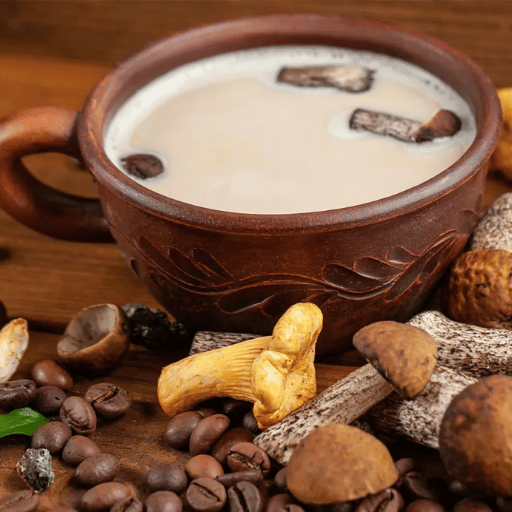
الإجابة الصادقة هي “ بشكل معتدل، وتعتمد على الجرعة.” إن مركبات الفطر الوظيفية لها أبحاث حقيقية وراءها، ولكن عادةً ما تستخدم الدراسات جرعات أعلى بكثير مما تحتويه الكبسولة. وصلت مستخلصات عرف الأسد الموحدة في الدراسات إلى حوالي 1.8 جرام إلى 3 جرام من المستخلص (حتى ذلك الحين، النتائج المعرفية مختلطة ويبدو أنها تعتمد على السياق) يوميًا؛ لا تقترب الكبسولة التي تحتوي على مزيج من خمسة أنواع مختلفة من الفطر بوزن إجمالي 1-2 جرام.
الكافيين هو المكان الذي تفوز فيه القرون بشكل واضح. نظرًا لأن مسحوق الفطر لا يحتوي على الكافيين ويتم إضافته إلى القهوة المطحونة الموجودة، فإن كوب K-Cup الوظيفي للفطر عادة ما يزن 40-60 ملليجرام من الكافيين، مقابل 95-150 مجم في الكوب العادي (يتم وضع كوب سعة 8 أونصة بحوالي 80-100 مجم بواسطة إدارة الغذاء والدواء الأمريكية)، مما يعطي طاقة “ دون تأثير التوتر الذي يصفه شاربي تأثير.
ما هو الجانب السلبي لقهوة الفطر؟
ثلاثة أشياء. أولاً: إذا كان يحتوي على الكثير من الريشي أو الشاجا، يمكن أن يصبح الطعم ترابيًا أو مريرًا، على الرغم من أن منتجات القرون المصنعة جيدًا تحقق طعمًا محايدًا وغير مسيء، حيث يلاحظ أحد المراجعين في منتدى القهوة مذاقها المفضل: “، طعمه في الواقع مثل القهوة، وليس الفطر.” ثانيا: التكلفة. سوف تعيدك حبة واحدة إلى الوراء أكثر من مجرد كأس K سلعة إلى حد ما. ثالثًا، وربما الأكثر أهمية: الكشف عن الجرعات. تروج الغالبية العظمى من العلامات التجارية لكمية الفطر المعبأة في الكبسولة، ولكن نادرًا ما تعطي جرعات محددة بالملليجرام، لذلك لا توجد طريقة لمعرفة ما إذا كنت ستحصل على كمية كافية على مستوى البحث، أو مجرد رش. تحظى فجوة المعلومات هذه، كما تظهر الأقسام أدناه، باهتمام تنظيمي متزايد.
تنسيقات POD: توافق K-Cup وNespresso وESE
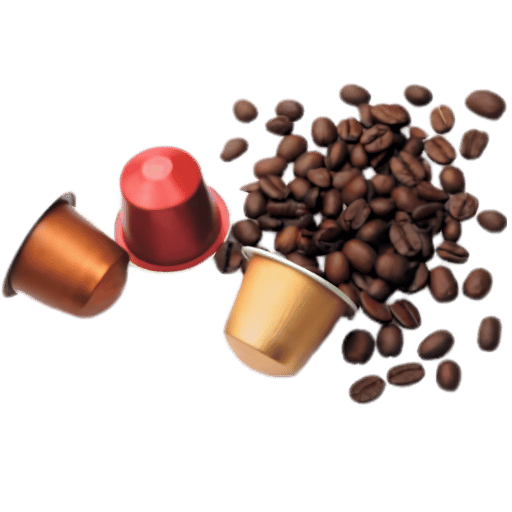
إن اختيارك للتنسيق يحدد في النهاية المعدات ووزن التعبئة والمشتري. ثلاثة أمور للعلامة التجارية الوظيفية.
| تنسيق | آلة | تعبئة نموذجية | الأفضل ل |
|---|---|---|---|
| كأس K (قرون ذات خدمة واحدة) | كيوريج 1.0 / 2.0 | 8 reas13 جم | السوق الشامل للولايات المتحدة، الاشتراك |
| نسبريسو الأصلي | الخط الأصلي | 5 (6 جرام | إسبرسو، تحديد المواقع المتميزة |
| نسبريسو فيرتو | فيرتو (الباركود) | يختلف حسب حجم الكوب | كوب أكبر، نظام مرخص |
| إيسي (44 ملم) | ماكينات الإسبريسو ESE | ~7 جم | مقاهي، جراب ورقي/قابل للتحلل |
هل يمكنك وضع قهوة الفطر في كيوريج؟
نعم، إذا كان بتنسيق K-Cup المتوافق مع Keurig. النموذج القياسي هو كوب K مقاس 51 مم متوافق مع مصنعي البيرة Keurig 1.0 و2.0، والعديد منها متوفر الآن بأكواب قابلة لإعادة التدوير أو قابلة للتحويل إلى سماد. على الرغم من أنك لا ترغب في محاولة صب مسحوق الفطر السائب في مرشح قابل لإعادة الاستخدام وتوقع نتيجة متسقة – فهو جيد جدًا، وسوف يعمل كوب K على وجه التحديد لأن المزيج يتم تصنيعه بالجرعة المناسبة في المصنع، باستخدام أ آلة تعبئة وختم K-Cup.
كيف يتم صنع كبسولات قهوة الفطر بالفعل
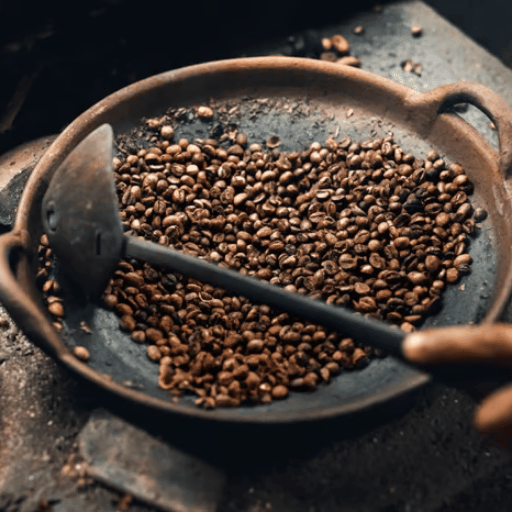
يتم حذف هذه المرحلة على صفحات الويب الخاصة بالعلامة التجارية. تتضمن حجرة K-Cup الوظيفية للفطر خطوتين: أولاً تحويل الفطر إلى مسحوق قابل للاستخدام، وثانيًا، تخدير K-Cup.
من منظور المكونات، يبدأ منتجو الجودة بعزل الجسم الثمري، وتجفيفه عند درجة حرارة منخفضة، وطحنه إلى مسحوق. يتم بعد ذلك تحضير مسحوق الفطر عن طريق استخلاص الماء الساخن، مما يؤدي إلى تحطيم جدران الخلايا، وتركيز البيتا جلوكان القابلة للذوبان في الماء. تضيف أفضل المكونات الكحول (استخلاص مزدوج) لزيادة قابلية ذوبان البيتا جلوكان وكذلك التقاط ترايتيربين. يتم تجميد هذه المستخلصات أو تجفيفها بالرش وتحويلها إلى مسحوق كامل الطيف ومزجها مع حبوب البن المحمصة المطحونة في أي مكان من القهوة المحمصة الخفيفة أو المتوسطة إلى القهوة المحمصة الداكنة الجريئة غالبًا بنسبة 8:2 من القهوة إلى الفطر لذلك لا يزال طعمها مثل القهوة. على سبيل المثال، يوفر استخدام التحميص المتوسط طعمًا سهلاً بينما يمكن أن يساعد التحميص الداكن في إخفاء طعم مزيج الفطر أكثر من المتوسط.
من منظور الحشو، يتم بعد ذلك تغذية المزيج في كل جراب؛ في أغلب الأحيان، يتم تحقيق ذلك باستخدام مثقاب حجمي أو حشو وزن؛ ويتبعه شطف النيتروجين، مما يبطئ معدل أكسدة الأكسجين، والختم الحراري بغطاء من الرقائق المعدنية. ترتيب التشغيل مهم جدًا، أولاً، المسحوق، ثم الإزاحة، ثم الختم.
يمكن لكل كبسولة K-Cup أن تحتوي على ما يقرب من 8-13 جرامًا. يمكن ملء الدقة في حدود 1 جرام لكل كوب من خلال إمداد ثابت إلى المثقاب – ولكن فقط إذا كانت المكونات المخلوطة بالفطر تتدفق بسلاسة. إنها هذه الطبيعة الاسترطابية لزيوت القهوة (وكذلك المستخلصات)، التي تعتبر حساسة للأكسدة وبالتالي تتطلب إجراء تنظيف النيتروجين داخل رأس التعبئة، وليس فقط أسفل الحشو. في الواقع، تطبيق واحد من مكتب الولايات المتحدة للبراءات والعلامات التجارية لـ جرعة كبسولة المسحوق الجاف (US9642812B2) يذهب إلى حد القول إن المسحوق يمكن شحنه من تطهير النيتروجين، مما يعزز حقيقة أنه بالنسبة للمساحيق الوظيفية، يعد الغاز جزءًا من تحدي التعبئة وليس فقط الحفظ.
لماذا يصعب ملء المساحيق الوظيفية مقارنة بالقهوة العادية
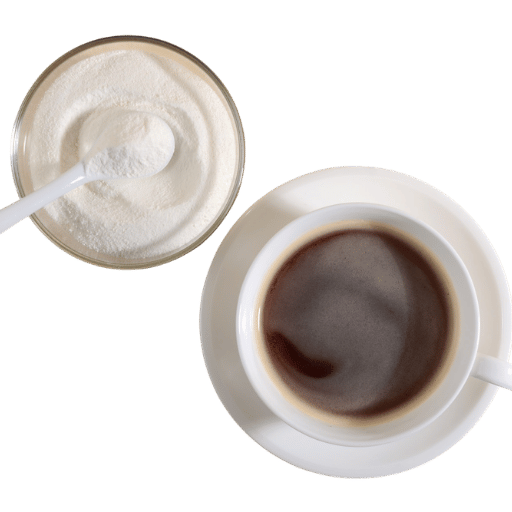
يعتقد معظم الناس خطأً أنه عندما يشترون قهوة الفطر في حجرة، فهي مجرد قهوة تحتوي على مسحوق. هذا لا يمكن أن يكون أبعد عن الحقيقة. كما قد تتخيل، يمكن أن تكون القهوة جافة جدًا وتتدفق بحرية. ومع ذلك، فإن مسحوق الفطر خفيف جدًا، ومسترطب، ويخضع لتشكيل “بريدج” أو قوس فوق المثقاب عند خروجه من القادوس بحيث يختنق من تدفق “ دون أي تحذير من توقف التدفق وبالتالي يمتلئ دون أن يتم اكتشافه. لذا فإن الحشو بمزيد من الفطر ليس بالضرورة أفضل لأن كل مكون إضافي مضاف هو مسحوق آخر بوزنه الخاص والذي يقدم طريقة أخرى لتغيير كمية التعبئة.
وهذا هو بالضبط السبب وراء عدم قيام الغالبية العظمى من هذه المنتجات الوظيفية بتسليم العملة وفقًا للملصق. يصنف هذا المقياس المكونات الشائعة حسب مدى صعوبة تحديد الجرعة بدقة.
| مسحوق | قابلية التعبئة (1 سهل و 5 صعب) | لماذا |
|---|---|---|
| قهوة مطحونة | 1 | مرجع كثيف وحر التدفق |
| مستخلص الكورديسيبس | 2 | التدفق الحر بشكل معقول |
| مستخلص تشاجا | 3 | حجم الجسيمات كثيفة ولكن متغيرة |
| مستخلص بدة الأسد | 4 | جسور خفيفة جدًا ومنخفضة الكثافة |
| ريشي/مزيج متعدد الفطر | 4 | تفصل الكثافات المختلطة |
| اشواغاندا / إل-ثينين | 5 | استرطابي، جرعة مستهدفة صغيرة |
مقياس قابلية تعبئة المسحوق الوظيفي.
براءات اختراع التعبئة الصناعية مثل USPTO جرعة المسحوق الجاف (US9642812B2) موجود على وجه التحديد لقياس المسحوق منخفض الكثافة دون جسر أو انجراف ثابت. بالنسبة للعلامات التجارية، تكون الرسالة صريحة: مطالبات الملصق الخاصة بك لا تهم إذا لم تتمكن من ملئها باستمرار. يجب اعتبار دقة جرعات “ هذه مشكلة في تصميم الماكينة، والأهم من ذلك، مشكلة في تدفق القادوس والمسحوق بقدر ما هي مسألة وصفة؛ لذلك، فهي المواصفات التي تريد التحقق منها على أعلى مستوى.
العلامة البيضاء مقابل العلامة الخاصة مقابل الإنتاج الداخلي
هناك ثلاثة أساليب واسعة لوضع جراب قهوة الفطر على الرف، في كل مرة تداول، للتحكم والهامش. يوضح السلم أدناه الخطوات الثلاث التي من المرجح أن تتبعها غالبية الشركات المصنعة.
| طريق | الوقت حتى الرف | موك | التحكم في الوصفة | اختر متى |
|---|---|---|---|---|
| التسمية البيضاء (الصيغة الموجودة) | الأسرع | منخفض | لا شيء 200 مزيج ثابت | اختبار السوق بسرعة |
| علامة خاصة (مزيج مخصص) | 6-14 أسبوع | ~5000 إلى 10000 كبسولة | كاملة لنسبك | بناء علامة تجارية متميزة |
| خط تعبئة داخلي | أطول إعداد | الجري الخاص بك (من ~ 3 كجم مزيج) | إجمالي الوصفة + الجرعة + مراقبة الجودة | الحجم مثبت، والهامش مهم |
العلامة البيضاء → العلامة الخاصة → سلم الإنتاج الداخلي.
انسَ وضع “، الشركة المصنعة المعتمدة من قبل FDA، في قائمة مراجعة البائعين الخاصة بك. العبارة لا تحمل أي معنى، لأن إدارة الغذاء والدواء لا يوافق على النباتات أو الملصقات الغذائية قبل أن يصلوا إلى السوق. ما تحتاجه يمكن التحقق منه: المنشأة هي مسجل لدى إدارة الغذاء والدواء الأمريكية ويعمل بموجب cGMP, ، ويتم إسناد التسمية الخاصة بك بشكل صحيح. تحت 21 CFR 101.5, ، إذا كنت تمتلك العلامة التجارية وقام أحد المتعبئين بصنع القرون، فيجب أن تعلن العلامة عن “Manufactured for” أو “Distributed by” us عبارة صغيرة تخبر المنظمين والمشترين الذين هم على خطاف المنتج.
“الدفع مقابل خط الإنتاج في المنزل يوفر المال في اليوم الذي تكلف فيه فاتورة الحزمة المشتركة الخاصة بك لتشغيل إنتاج واحد أكثر من شهر من دفعات الخط. بالنسبة لمعظم العلامات التجارية للبودات، يأتي هذا الحد بسرعة مدهشة، عادةً بمجرد أن تتجاوز الطلبات العادية حوالي 20000 كبسولة يوميًا.”
ifpak الفريق الهندسي، أنظمة التعبئة ذات الخدمة الواحدة
ما هي تكلفة إطلاق خط كبسولات قهوة الفطر
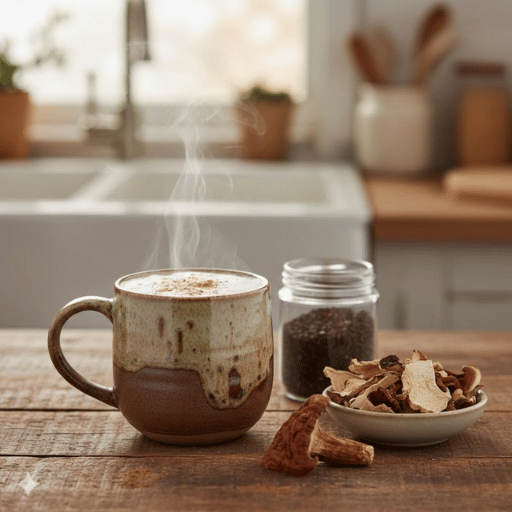
تنخفض تكلفة الكبسولة إلى عدد قليل فقط من العناصر، ولا يوجد أي منها ثابت. هذا الجدول عبارة عن دليل تخطيط وليس عرض أسعار.
| مكون | مرجع نموذجي |
|---|---|
| كوب فارغ | $0.035 “$0.05” |
| غطاء احباط | ~$0.01 |
| مزيج القهوة + الفطر | يتتبع أسعار القهوة الخضراء والمستخلصات |
| ملء العمالة | مشغلو التعبئة والتغليف/التعبئة في الولايات المتحدة ~$21/ساعة |
| آلة تعبئة | الدخول من حارة واحدة إلى خط متعدد الحارات |
هناك مجموعتان من البيانات الحكومية تثبت ذلك. متوسط الأجر لمشغل آلة التعبئة والتغليف والتعبئة هو $21.44 في الساعة اعتبارًا من مايو 2025، وفقًا لـ مكتب الولايات المتحدة لإحصاءات العمل . . والمواد تهيمن: في ذلك ثانية 10-ك, ، أبلغت Keurig Dr Pepper عن المكونات والمواد بحوالي 55% من تكلفة المبيعات، مع الراتنج واللب، وتم تسمية الكوب والغطاء على أنهما المحركان الرئيسيان لتكلفة K-Cup.
هذه المدخلات في حالة تغير مستمر. في ملفها لعام 2025، أبلغت شركة Keurig Dr Pepper عن انخفاض قدره 4.8% في حجم كبسولات K-Cup الأمريكية من حيث مرونة السعر وانخفاض قدره 11% تقريبًا في الدخل التشغيلي لقطاع القهوة، مستشهدة بالمكونات والمواد غير المواتية وتأثير التعريفة بقيمة حوالي 22 نقطة مئوية. الدرس المستفاد من العلامة التجارية الجديدة: قم بتصميم تكلفتك لكل كبسولة كهدف متحرك، وقم بحماية الهامش حيث تتحكم في الملء الزائد والرفض ووقت التوقف عن العمل والتعبئة والتغليف. هذه هي الطريقة الموثوقة والدقيقة خط إنتاج كبسولة القهوة يكسب الاحتفاظ به.
الجودة والامتثال: بيتا جلوكان ومشكلة رايز
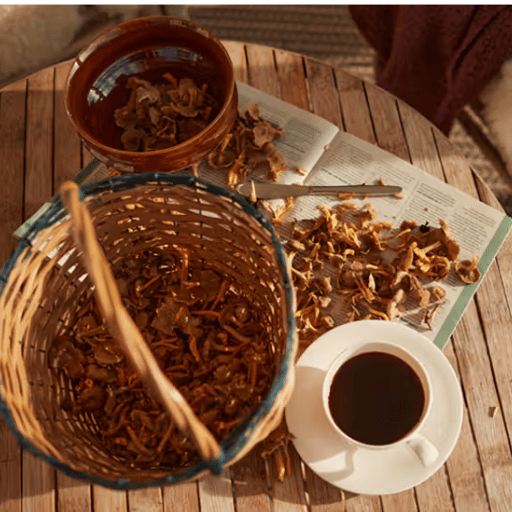
هذا هو المكان الذي يتم فيه صنع أو كسر علامة تجارية وظيفية. يقوم فحصان بفصل حجرة قهوة الفطر ذات المصداقية عن تلك التسويقية.
فجوة تسمية الجسم الثمري مقابل الفطريات. ويعود الفرق إلى بيتا جلوكان، وهي المركبات التي تقف وراء معظم الفوائد في الفطر الوظيفي. تنتج مستخلصات الجسم الثمري محتوى عاليًا من بيتا جلوكان، في حين أن الميسليوم المزروع على ركيزة من الحبوب يكون أقل بكثير، وعادةً ما يكون مع نشا كبير. ومع ذلك، طالما تم دمج القهوة العضوية مع جسم ثمر أو أفطورة مزروعة بالحبوب، يمكن أن يكون المزيج مؤهلاً للحصول على شهادة عضوية ويتم تصنيفه بهذه الطريقة. لا يمكن للمشتري التمييز بينهما ما لم يتم ذكر نسبة بيتا جلوكان ومطالبة الجسم الثمري، ويفضل أن يكون ذلك مع شهادة تحليل. يشهد الختم العضوي لوزارة الزراعة الأمريكية على طريقة النمو، وليس المصدر أو الفعالية.
المطالبات والملوثات. الفئة تحت الأضواء الحقيقية. رايز سوبرفوودس أسقطت ادعاءاتها الصحية في سبتمبر 2025 بعد تحقيق أجراه قسم الإعلان الوطني للبرامج الوطنية BBB في عبارات مثل “all-day Energy” و“sharper Focus” of حالة ذلك ضع تسويق القهوة الوظيفية في الإشعار. لقد تم حل مطالبة اقتراح كاليفورنيا رقم 65 بشكل منفصل بشأن تحذيرات التعرض للرصاص. النصيحة العملية لعلامة تجارية جديدة: احتفظ بالمطالبات المتعلقة بلغة البنية/الوظيفة التي يمكن الدفاع عنها، واختبر كل دفعة بحثًا عن المعادن الثقيلة باستخدام الفطر والرصاص والكادميوم المتراكم بيولوجيًا هي حالات الفشل التي تنهي العلامات التجارية.
توقعات الصناعة: حيث تتجه كبسولات القهوة الوظيفية
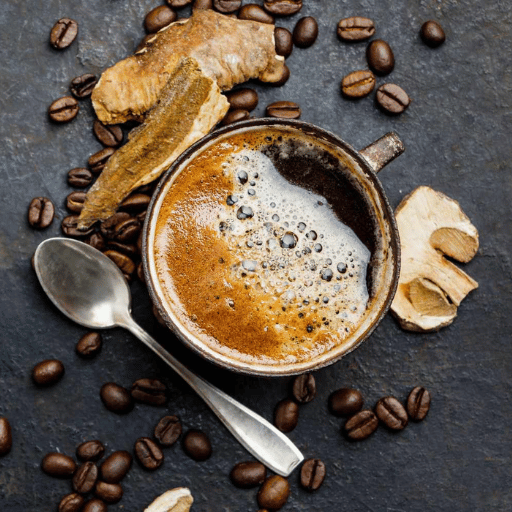
لا تزال هذه الفئة في اعتمادها المبكر لتنسيق الكبسولة.
كان سوق قهوة الفطر يقع بالقرب $2.9 مليار في عام 2025 ويستمر في التفاقم خلال أوائل الثلاثينيات، كان عرف الأسد أكبر فطر منفرد بحوالي 39%. إشارة الطلب عالية: أبلغت Yelp عن قفزة قدرها 501% على أساس سنوي في عمليات البحث عن مشروبات “mushroom” في عام 2025.
التنسيق نفسه يدور ببطء من الأحواض والحزم ذات الخدمة الواحدة إلى القرون. بدأت شركة Four Sigmatic في إطلاق كبسولات القهوة الوظيفية الخاصة بها، والتي تحمل اسم كبسولات الإسبريسو الوظيفية، في سبتمبر 2025 في شركة Whole Foods؛ قد يكون هذا علامة على المستوى التالي من المنافسة القادمة في تنسيق الكبسولة، وليس المسحوق. بالنسبة للعلامة التجارية التي تقرر ما إذا كان الوقت قد حان لدخول مساحة كبسولات قهوة الفطر، الآن من خلال علامة تجارية خاصة لإثبات طلبك ثم جلب إمكانات التعبئة الخاصة بك عبر الإنترنت لاحقًا لأن الحجم يبرر التكلفة، فمن المحتمل أن تكون استراتيجية رابحة.
سيكون الهدف النهائي هو إظهار العلامة التجارية التي ستفوز للصناعة: أولئك الذين لديهم جرعة صادقة توفر أيضًا ختمًا نظيفًا، يبدأون بالتحكم في عملية التعبئة نفسها.
الأسئلة المتداولة
ما هو الجانب السلبي لقرون قهوة الفطر؟
عرض الإجابة
هل يمكنك وضع قهوة الفطر في كيوريج؟
عرض الإجابة
كيف يتم غرس الفطر في القرون؟
عرض الإجابة
ما هي كمية الكافيين الموجودة في جراب قهوة الفطر؟
عرض الإجابة
هل قرون قهوة الفطر عضوية وقابلة لإعادة التدوير؟
عرض الإجابة
ما هو الحد الأدنى للطلب لإطلاق علامتي التجارية الخاصة بقهوة الفطر؟
عرض الإجابة
الأجسام الثمرية مقابل الميسليوم · الذي يوجد في الكبسولة؟
عرض الإجابة
المراجع والمصادر
- مكملات عرف الأسد والوظيفة المعرفية (دراسة تجريبية) 2 المعاهد الوطنية للصحة/NCBI
- التأثيرات الحادة للهرمريشيوم إيريناسيوس على الإدراك والمزاج 2 المعاهد الوطنية للصحة/NCBI
- سكب الفاصوليا: ما هي كمية الكافيين الزائدة 1 إدارة الغذاء والدواء الأمريكية
- 21 CFR 101.5 21 إعلان الشركة المصنعة/الموزع لملصقات الأغذية up القانون الإلكتروني للوائح الفيدرالية
- إحصاءات العمالة والأجور المهنية (مايو 2025) over مكتب الولايات المتحدة لإحصاءات العمل
- نموذج Keurig Dr Pepper 10-K (تكلفة المبيعات/مواد K-Cup) us هيئة الأوراق المالية والبورصة الأمريكية
- توقف Ryze Superfoods عن المطالبات الصحية بعد استفسار NAD برامج BBB الوطنية
- حجم سوق قهوة الفطر والتوقعات 9 أبحاث الأسبقية
لماذا كتبنا هذا
هنا في AFPAK، نقوم بتوريد آلات التعبئة والختم المتوافقة مع K-Cup وNespresso، ويمكننا أن نرى بوضوح التناقض بين المطالبات المدرجة على جانب جراب القهوة الوظيفي وكمية المنتج التي يمكن وضع حشو معين بشكل مناسب في الكوب، والذي يتراوح عادةً من 8 جرامًا إلى 13 جرامًا اعتمادًا على شكل المنتج والتغليف.
تأتي ملاحظات التعبئة وأرقام دقة الجرعات هذه من وجهة نظر الإنتاج الخاصة بنا، ولكن يتم الحصول على بيانات السوق والصحة والامتثال من المعلومات العامة حتى يمكن التحقق منها.


