
Nespresso vs Dolce Gusto: Οδηγός κατασκευαστή για την επιλογή του σωστού συστήματος κάψουλας καφέ
Γρήγορες προδιαγραφές: Σύγκριση κάψουλας Nespresso vs Dolce Gusto
| Παράμετρος | Nespresso Original Line | Ντόλτσε Γκούστο |
| Διάμετρος κάψουλας | 37 mm (εξωτερικό) | 60 χλστ |
| Ύψος Κάψουλας | 29 χλστ | 38 χλστ |
| Χωρητικότητα | ~5 soci7 g καφέ (όγκος 15 ml) | ~6 με 16 γρ γέμιση (διαφέρει ανά ποτό) |
| Υλικό σώματος | Αλουμίνιο (τοίχος 110 μm) | PP πλαστικό + καπάκι από φύλλο αλουμινίου |
| Πίεση ζυθοποιίας | 15 adve19 bar | 14 adve15 bar |
| Μέθοδος σφράγισης | Τοπ σφραγίδα φύλλων αλουμινίου αργιλίου | Δύο βήματα: εσωτερική πλαστική ταινία + εξωτερικό φύλλο αλουμινίου (σφραγίδα αστεριών 7 σημείων) |
Ενώ η Nespresso και η Dolce Gusto βρίσκονται και οι δύο κάτω από την ομπρέλα Nestl, η καθεμία είναι προσαρμοσμένη σε διαφορετικό τμήμα της αγοράς καφ Οι καταναλωτές ρωτούν ποια μηχα.
Σε αυτή τη σύντομη εξέταση εξετάζουμε τη συζήτηση nespresso vs dolce gusto από την άποψη της παραγωγής προδιαγραφές κάψουλας, απαιτήσεις πλήρωσης, ζήτηση αγοράς.
Nespresso και Dolce Gusto με μια ματιά είναι οι βασικές διαφορές για τους παραγωγούς
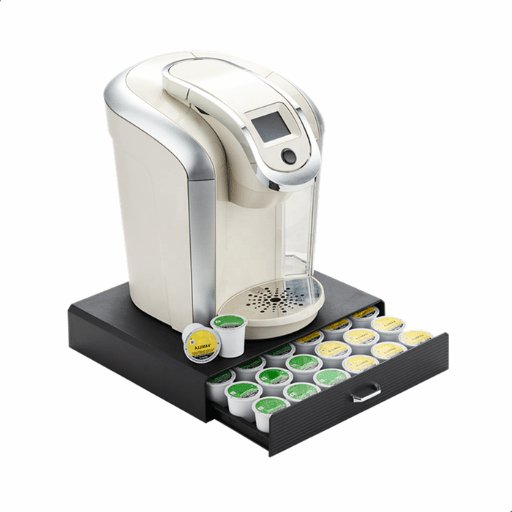
Οι διαφορές στη μηχανική μεταξύ dolce gusto και nespresso εκτείνονται πολύ πέρα από το γευστικό προφί Οι διαφορές περιλαμβάνουν μεγέθη κατασκευής, πρώτες ύλες, τεχν.
| Προδιαγραφή | Nespresso Original Line | Ντόλτσε Γκούστο |
|---|---|---|
| Μητρική Εταιρεία | Nestlé (από το 1986) | Νεστλέ / Νεσκαφέ (από το 2006) |
| Εξωτερική Διάμετρος | 37 χλστ | 60 χλστ |
| Ύψος | 29 χλστ | 38 χλστ |
| Υλικό σώματος | Αργίλιο (110 μm πάχος τοίχων) | Πλαστικό πολυπροπυλενίου (PP) |
| Υλικό καπακιού | Φύλλο αλουμινίου αργιλίου | Φύλλο αλουμινίου αργιλίου (μοτίβο αστεριών 7 σημείων) |
| Φόρτωση καφέ | 5 με 7 γρ αλεσμένο καφέ | 6 χρονο16 γρ (διαφέρει ανάλογα με τον τύπο ποτού) |
| Πίεση ζυθοποιίας | 15 adve19 bar | 14 adve15 bar |
| Όγκος εξόδου ποτού | 25 rec110 ml (espresso to lungo) | 30 ads300 ml (espresso σε μεγάλα ποτά) |
| Συμβατά λοβά τρίτων | Ευρέως διαθέσιμο (ανοικτό σύστημα) | Περιορισμένη διαθεσιμότητα |
Η πιο σημαντική διαφορά παραγωγής? Ενώ η σειρά Nespresso Original είναι μια σχετικά ανοιχτή πλατφόρμα, εκατοντάδες μάρκες τρίτων, από Lavazza έως μικρά ψητά, κατασκευάζουν και πωλούν κάψουλες συμβατές με Nespress Αντίθετα, οι κάψουλες Dolce Gusto έχουν πολύ λιγότερο οικοσύστημα τρίτων με λιγότερα συμβατά προϊόντα.
Σχεδιασμός καψακίων και διαστάσεις Pod old What Manufacturers Need to Know
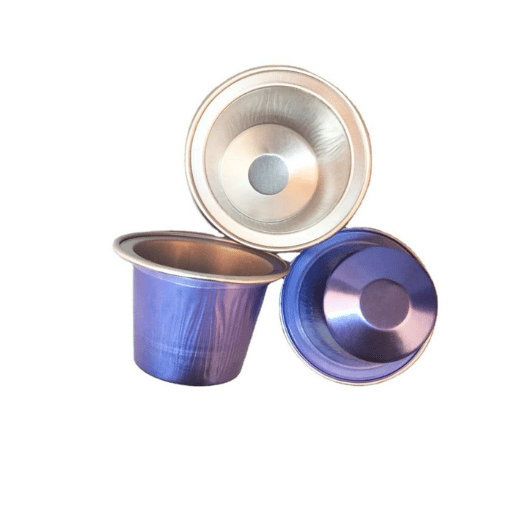
Η διαφορά μεγέθους μεταξύ της συσκευασίας nespresso vs dolce gusto επηρεάζει κάθε βήμα της διαδικασία Οι κάψουλες Nespresso είναι συνήθως μικρά κουτιά αλουμινίου σχεδιασμένα για εσπρέσο υψηλής πίεση Τα κύπελλα Dolce Gusto τείνουν να είναι μεγαλύτερα και σχεδιασμένα για μια ευρύτερη ποικιλία ζεστών ροφημάτων που περιέχουν γάλα.
Διαστατικά, αυτές οι μορφές βρίσκονται μακριά μεταξύ τους Οι αρχικές-συμβατές διαστάσεις καψών που χρησιμοποιούνται σε αυτή τη σύγκριση είναι 37 χι σε όλο το επάνω χείλος, 29 χι στο ύψος και 24 χι σε όλη τη βάση Το δηλωμένο πάχος αργιλίου είναι 110 μm (0, .
Συγκριτικά, η συσκευασία Dolce Gusto είναι πολύ μεγαλύτερη και παχύτερ 60 mm πλάτος και 38 m Τα εξαρτήματα πολυπροπυλενίου (PP) χυτευμένα με έγχυση διατηρούν χαμηλό κόστος ανά μονάδ Μια διαδικασία δύο σταδίων σφραγίζει το έδαφος με ένα εσωτερικό πλαστικό φύλλο και στη συνέχεια τοποθετεί μια ετικέτα εξωτερικού φύλλου με αστέρια που σπάει μια μηχανή Dolce Gusto κατά την εξαγωγή.
📐 Σημείωση Μηχανικής
Ο σχεδιασμός μικρών πλαστικών καλουπιών έγχυσης για κάψουλες dolce gusto πρέπει να επιτρέπει ανοχές 0, 05 mm στη διεπιφάνεια της σφράγισης αστεριών Κατά τη διάρκεια της επεξεργασίας, οι λανθασμένες ευθυγραμμίσεις πάνω από αυτά περιορίζουν προβλήματα εξαγωγής δύναμης ή προκαλούν διαρροές Εν τω μεταξύ, οι κάψουλες αλουμινίου που χρησιμοποιούνται για το nespresso απαιτούν σταθερό μέγεθος ή πάχος τοιχώματος για την αποΚανονισμοί υλικών επαφής με τρόφιμα της EFSA στην ΕΕ ή FDA 21 CFR 174-186 στις ΗΠΑ).
Από την άποψη της παραγωγής, η βασική διαφορά είναι ότι απαιτείται εξοπλισμός εργαλείων αλουμινίου για την κατασκευή καψουλών nespress Ενώ η παραγωγή καψουλών dolce gusto απαιτεί μηχανήματα έγχυσης πλαστικών ακολουθούμενα από μια διαδικασία σφράγισης δύο σταδίω Οι διαφορές σχεδιασμού που υπαγορεύουν το κόστος του εξοπλισμού και των εργαλείων εξηγούν γιατί οι περισσότεροι χειριστές ιδιωτικών ετικετών επι.
Coffee Quality and Drink Range or Espresso, Latte και Beyond
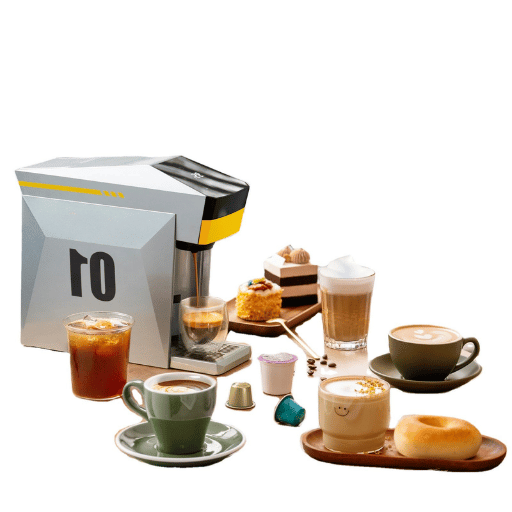
Αριθμός υποστηριζόμενων τύπων ποτών για κάθε σύστημα κάψουλας ενημερώνει την αγορά σας με δυνατότητα διεύθυνσης ως παραγωγό Οι λοβοί Nespresso και οι λοβοί Dolce Gusto εκπληρώνουν ουσιαστικά διαφορετικές προσδοκίες των καταναλωτών.
Η Original Line της Nespresso στοχεύει στον καφέ σε στυλ καφέ Το μικρό της μέγεθος κάψουλας σχεδιάστηκε για να δημιουργεί συμπυκνωμένα σφηνάκια καφέ υψηλής ποιότητας (25-40 ml εσπρέσο, 110 ml lungo), με πάχος κρέμας που συναγωνίζεται αυτό που παράγει μια παραδοσιακή μηχανή εσπρέσο Η ποιότητα του καφέ εξαρτάται από κόκκους μονής προέλευσης και προφίλ καβουρδίσματος, τοποθετώντας το Nespresso ως κορυφαία πηγή.
Από την άλλη πλευρά, το Dolce Gusto ακολουθεί διαφορετική προσέγγιση. Επειδή η μεγαλύτερη κάψουλα χωρά 6-16 g σκόνης και όχι μόνο αλεσμένο καφέ, όπως γάλα σε σκόνη, σοκολάτα σε σκόνη ή φύλλα τσαγιού, η πλατφόρμα έχει χρησιμοποιηθεί για ροφήματα όπως ζεστή σοκολάτα, λάτε, μακιάτο, καφέ κρύας εκχύλισης και κρύα ποτά, καθώς και Nesquik για παιδιά. Οι κάψουλες γάλακτος που περιέχουν σκόνη για αφρόγαλα προορίζονται να συνδυάζονται η καθεμία με μία μερίδα καφέ, ώστε να παρασκευάζονται ροφήματα με γάλα, όπως λάτε μακιάτο και καπουτσίνο. Προσφέροντας μεγαλύτερη ποικιλία επιλογών με και χωρίς καφέ, το Dolce Gusto απευθύνεται σε καταναλωτές που επιθυμούν περισσότερες επιλογές στον οικιακό σταθμό παρασκευής ροφημάτων.
| Κατηγορία Ποτών | Nespresso OL | Ντόλτσε Γκούστο |
|---|---|---|
| Espresso (25 ads40 ml) | 30+ ποικιλίες | 5 ποικιλίες διαφημιστικού 8 |
| Lungo (110 ml) | 10+ ποικιλίες | 2 ποικιλίες διαφημιστικού 3 |
| Καπουτσίνο / Λάτε | Απαιτεί ξεχωριστό αφρό | Ενσωματωμένο (Μερίδα καφέ γάλακτος + Μερίδα καφέ) |
| Ζεστή Σοκολάτα | Μη διαθέσιμο | Πολλαπλές επιλογές συμπεριλαμβανομένου του Nesquik |
| Κρύα / Παγωμένα Ποτά | Limited (Barista Creations) | Αφιερωμένοι κρύοι λοβοί ποτών |
| Επιλογές γάλακτος με βάση τα φυτά | Όχι σε κάψουλα | Λοβοί γάλακτος βρώμης, αμυγδάλου, καρύδας |
Για τον παραγωγό, αυτός ο πίνακας παρουσιάζει ένα βασικό στρατηγικό χάσμα Εάν ο τελικός σας χρήστης ενδιαφέρεται περισσότερο για τη γκάμα των επιλογών καφέ κάψουλας και τους τύπους καφέ που σερβίρονται, τότε οι κάψουλες Nespresso εξυπηρετούν αυτή τη ζήτησ Εάν ο τελικός σας χρήστης εκτιμά την ευκολία από μια μηχανή καφέ dolce gusto που χειρίζεται τα πάντα, από lattes έως ζεστούς λοβούς σοκολάτας, .
Οικοσύστημα μηχανών για μερίδα καφέ — Μηχανή Nespresso έναντι μηχανών Dolce Gusto
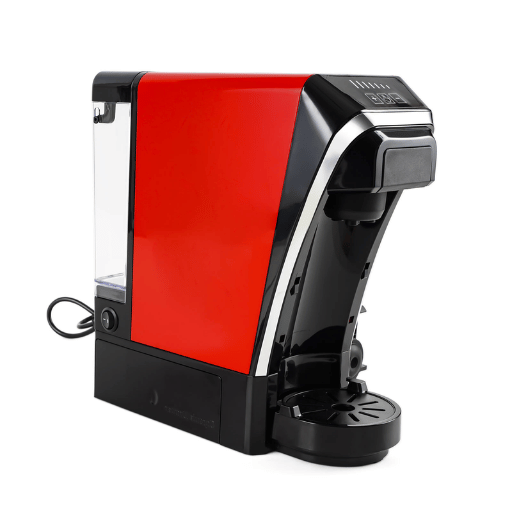
Η εγκατεστημένη βάση των μηχανών καφέ μερίδων καφέ στα νοικοκυριά καθορίζει το μέγεθος της μελλοντικής ικανότητας αγοραστών για τις κάψουλές σα Οι μεγαλύτερες εγκατεστημένες βάσεις έχουν ως αποτέλεσμα τη μεγαλύτερη επαναλαμβανόμενη κατανάλωση αυτού του τύπου καψών.
Επί του παρόντος, δύο σειρές μηχανών φέρουν το όνομα Nespresso: η Original Line (κλασική παρασκευή εσπρέσο, ~$100 rec$300) και η γραμμή Vertuo (φυγόκεντρη παρασκευή για μεγαλύτερα κύπελλα, ~$150 rec$250 Τα δύο συστήματα είναι ασύμβατα μεταξύ του Για τρίτους πωλητές καψουλών, αυτό μπορεί να είναι ένα πλεονέκτημα: ο σχεδιασμός της μηχανής Nespresso OL με μεγάλο όγκο επιτρέπει έν.
Οι μηχανές Dolce Gusto εισαγωγικού επιπέδου ξεκινούν από ~$40-$70 για επιλογές εισαγωγικού επιπέδου χαμηλού κόστου Αυτό μπορεί να φέρει τους καταναλωτές στη μορφ Ωστόσο, λιγότερες επιλογές συμβατές με τρίτους βρίσκονται στην αγορά για λοβούς καφέ Dolce Gusto, κάτι που μπορεί να εξηγηθεί από τα αυστηρά χειριστήρια μορφής της Nestle και την πρόσθετη πολυπλοκότητα των συστημάτων ποτών με .
Η αξία της αγοράς συμβατών καψουλών τρίτων για τη Nespresso ήταν $2, 37 δισεκατομμύρια το 2024 και προβλέπεται να φτάσει τα $6, 5 δισεκατομμύρια έως το 2035. σε CAGR 9, 6% Αυτό αντανακλά την αυξανόμενη ζήτηση για χαμηλότερη τιμή λοβών συμβατών με Nespress Για τον κατασκευαστή της κάψουλας, αυτό δείχνει ότι η μορφή Nespresso OL προσφέρει μια καθιερωμένη, μεγάλη, αναπ.
Το Tassimo μερικές φορές αναφέρεται ως τρίτη επιλογή στο τμήμα των μηχανών καφέ pod Ωστόσο, η ιδιόκτητη μορφή T-Disc καθιστά τις κάψουλες Tassimo ασύμβατες με την παραγωγή τρίτων, χρησιμοποιώντας σάρωση γραμμωτού κώδικα Από την άποψη της κατασκευής, η κλειστή μορφή παρέχει πολύ μικρή δομή για τη δημιουργία μιας κάψουλας ιδιωτικής ετικέτας.
Ζήτηση αγοράς και Οικονομικά της Παραγωγής από Ποια Μορφή Pod Πουλάει Περισσότερα?
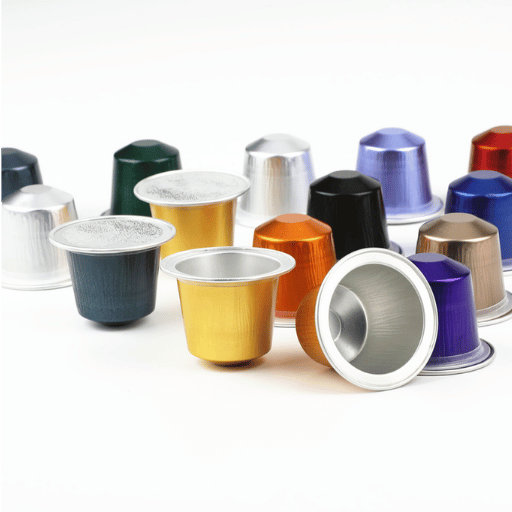
Η επιλογή της σωστής μορφής κάψουλας θα πρέπει να βασίζεται σε δεδομένα της αγοράς και όχι σε προσωπικές προτιμήσεις Αυτή είναι μια από τις πιο κοινές αποτυχίες ιδιωτικής ετικέτας για νεοεισερχόμενους.
Το 2024, η παγκόσμια αγορά για λοβούς και κάψουλες καφέ έφτασε περίπου τα $29, 6 δισεκατομμύρια με προβλέψεις να ξεπεράσει τα $48 δισεκατομμύρια έως το 2032. Η Nestl, αξιοποιώντας την επωνυμία Nespresso μαζί με τις κάψουλες Nescaff Dolce Gusto, κέρδισε περίπου 181 TP3T μερίδιο της παγκόσμιας εξειδικευμένης αγοράς για κάψουλες το 2023, συνολικά εκτιμάται ότι $6, 8 δισεκατομμύρια σε πωλήσεις κάψουλας.
Για τους παραγωγούς ιδιωτικής ετικέτας, βασικός παράγοντας είναι το τμήμα της αγοράς συμβατών καψουλών. Η παγκόσμια αγορά καψουλών συμβατών με Nespresso αποτιμήθηκε σε $2.37 δισεκατομμύρια το 2024 και αναπτύχθηκε με ρυθμό 9.6% κατά την επόμενη δεκαετία. Η ανάπτυξη αποδίδεται στην επιθυμία των καταναλωτών να μειώσουν το κόστος της εμπειρίας καφέ nespresso: $0.30-$0.50 ανά κάψουλα έναντι $0.70-$1.00 για τις επίσημες επώνυμες κάψουλες.
Δεύτερον, η αγορά συμβατή με Dolce Gusto είναι σημαντικά μικρότερ Υπάρχουν περιορισμοί με τον διαθέσιμο αρθρωτό εξοπλισμό, τις αυξημένες απαιτήσεις εργαλείων και παραγωγής (διπλά ποτά, μεγαλύτερο σώμα κάψουλας και πιο περίπλοκη βαφή με αστεροειδή σφραγίδα) και την αυστηρότερη διαχείριση μορφής της Nestl.
Επιλέγοντας τη μορφή κάψουλας με βάση το ρόφημα καφέ της επιλογής Αυτό που απαιτεί η αγορά, τα προγράμματα μηχανών για συγκεκριμένες περιοχές και τα οικονομικά της κατασκευής θα επηρεάσουν αυτήν την επιλογ Οι μηχανές Nespresso κυριαρχούν στην Ευρώπ Η χρήση μηχανών Dolce Gusto είναι υψηλότερη σε ορισμένες αγορές της Λατινικής Αμερικής και της Ασίας λόγω προσβασιμότητα Ελέγξτε αυτό το στατιστικό πριν αγοράσετε μια συσκευ.
Ασφαλώς, η απόδοσ σύγχρονος εξοπλισμός πλήρωσης και σφράγισης καψών (ιδίως, για τις μορφές ενός καψακίου) λειτουργεί με ταχύτητες μεταξύ 50 και πάνω από 2000 μονάδες ανά λεπτό Οι κατασκευαστές εξοπλισμού προσφέρουν τη μέγιστη διαθεσιμότητα για το σχήμα Νεσπρέσο λόγω της συμβατής με το νεσπρέσο τροχιάς πωλήσεών του Τα μηχανήματα πλήρωσης και σφράγισης καψών Ντόλτσε Γκούστο απαιτούν συγκεκριμένα εργαλεία,.
Ποιο Σύστημα Καψακίων Πρέπει να Παράγει η Επιχείρησή σας?
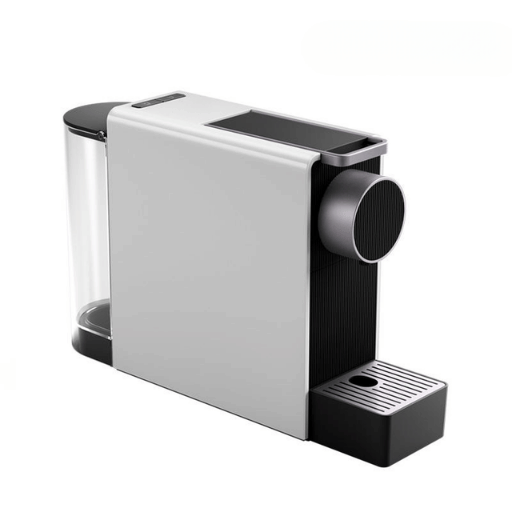
Είναι οι Dolce Gusto και nespresso pods οι ίδιες επιχειρήσεις? Απολύτως όχ Κάθε μορφή διαχειρίζεται διαφορετική ροή εργασιών παραγωγής και πελατειακή βάσ Εδώ είναι η σύγκριση μέσα από τον τόπο λειτουργίας του παραγωγού.
✔ Nespresso OL 2 πλεονεκτήματα για παραγωγούς
- Η μεγαλύτερη αγορά καψουλών τρίτων ($2.37 B, αυξάνεται κατά 9, 61 TP3T/έτος)
- Ευρέως διαθέσιμος εξοπλισμός πλήρωσης από πολλούς προμηθευτές
- Απλούστερη διαδικασία σφράγισης ενός φύλλου
- Ανοχή τιμολόγησης Premium ($0.30 confert$0.50/pod λιανική)
- Ισχυρή αναγνώριση και εμπιστοσύνη της επωνυμίας καταναλωτών
⚠ Nespresso OL ‘s Περιορισμοί για Παραγωγούς
- Υψηλότερο κατά καψάκιο κόστος υλικού (αλουμίνιο έναντι πλαστικού)
- Έντονος ανταγωνισμός από καθιερωμένες συμβατές μάρκες
- Περιορίζεται μόνο σε ποτά εσπρέσο και λούνγκο
- Ευαισθησία αλυσίδας εφοδιασμού αργιλίου
✔ Dolce Gusto 2 πλεονεκτήματα για παραγωγούς
- Χαμηλότερο κόστος υλικού κατά κάψουλα (PP πλαστικό σώμα)
- Ευρύτερη γκάμα ποτών (καφές, ποτά με βάση το γάλα, τσάι, σοκολάτα)
- Λιγότερος ανταγωνισμός τρίτων (μικρότερη συμβατή αγορά)
- Ισχυρή παρουσία σε αναδυόμενες αγορές ευαίσθητες στις τιμές
⚠ Dolce Gusto ist Περιορισμοί για Παραγωγούς
- Μικρότερη διευθυνσιοδοτούμενη αγορά τρίτων
- Πιο πολύπλοκα εργαλεία (σφράγιση δύο βημάτων, γεωμετρία αστεριών, ±0, 05 mm ανοχή)
- Τα ποτά με βάση το γάλα απαιτούν ξεχωριστή ικανότητα πλήρωσης μερίδων καφέ γάλακτος
- Λιγότεροι προμηθευτές εξοπλισμού για γραμμές πλήρωσης μορφής ΓΔ
- Η χαμηλότερη τιμολόγηση λιανικής ανά λοβό ($0.20 concert$0.40) συμπιέζει τα περιθώρια
Πλαίσιο αποφάσεων: 4 παράγοντες που καθορίζουν την καλύτερη μορφή σας
- Περιοχή στόχος: Η Ευρώπη και η Βόρεια Αμερική ευνοούν τη Νεσπρέσσ η Λατινική Αμερική, η Μέση Ανατολή και τμήματα της Νοτιοανατολικής Ασίας έχουν υψηλότερη διείσδυση μηχανών Dolce Gusto.
- Σειρά προϊόντων: Σειρά μόνο για καφέ Nespress Ποτά πολλαπλών κατηγοριών (καφές + σοκολάτα + ροφήματα γάλακτος) Dolce Gusto.
- Προϋπολογισμός κεφαλαίου: Οι γραμμές πλήρωσης σε μορφή Nespresso είναι διαθέσιμες σε ένα ευρύτερο εύρος τιμών ($15K-$200K+ Τα εργαλεία Dolce Gusto ξεκινούν συνήθως σε υψηλότερο σημείο εισόδου λόγω της απαίτη.
- Στρατηγική επιλογή: Είσοδος σε ένα κορεσμένο αλλά επεκτεινόμενο ώριμο πεδίο συμβατό με Nespresso ή απόκτηση βάσης σε μια σχετικά ανεκμετάλλευτη θέση με λιγότερο ανταγωνιστικό κορεσμό όπως το Dolce Gusto συμβατό?
Το AFPAK το εκθέτει στους πελάτες στις πρώτες εισαγωγικές συναντήσει Περίπου 70% νέων εταιρειών καψουλών που συμβουλεύουμε να ξεκινήσουν από τη μορφή Nespresso OL 2, εάν το μεγαλύτερο μέγεθος, η απλούσ.
Ρύθμιση γραμμής παραγωγής 0 από την επιλογή κάψουλας έως την πρώτη παρτίδα
Μόλις καθορίσετε το σχήμα της κάψουλάς σας, η διαδρομή από την απόφαση επιλογής έως την υλοποίηση στη γραμμή παραγωγής συνοψίζεται σε ένα από τα πέντε βήματα.
- ✔
Βήμα 1 / Έρευνα Αγοράς: Επιβεβαιώστε την τοπική εγκατεστημένη βάση μηχανών, το τμήμα καταναλωτών στόχων, και το ανταγωνιστικό τοπί (2 συν 4 εβδομάδες) - ✔
Βήμα 2 0 κάψουλα & προμήθεια καφέ: Επιλέξτε άδειο προμηθευτή κάψουλας (αλουμίνιο ή ΡΡ) και πράσινους/ψητούς κόκκους καφέ Ζητήστε δείγματα για δοκιμές πλήρωση (2 συν3 εβδομάδες) - ✔
Βήμα 3 / Επιλογή εξοπλισμού: Αγώνας μηχανή πλήρωσης και σφράγισης καψών χωρητικότητα στους στόχους όγκου παραγωγής σα Οι τυπικές γραμμές εκκίνησης εκτελούν 50 κάψουλες adv200 ανά λεπτ (3 συν6 εβδομάδες συμπεριλαμβανομένης της θέσης σε λειτουργία) - ✔
Βήμα 4 / Δοκιμή Παραγωγής & QA: Εκτελέστε δοκιμαστικές παρτίδες, ελέγξτε την ακεραιότητα της σφράγισης, επαληθεύστε τη συμβατότητα παρασκευής σε πολλά μοντέλα καφετιέρα (1 στις 2 εβδομάδες) - ✔
Βήμα 5 / Κλίμακα & Εκκίνηση: Οριστικοποιήστε τη συσκευασία, λάβετε πιστοποιήσεις ασφάλειας τροφίμων, ξεκινήστε την εμπορική παραγωγ Συνολικό χρονοδιάγραμμα από την έρευνα έως την πρώτη εμπορική παρτίδα: συνήθως 8 με 16 εβ.
Έτοιμοι να ξεκινήσετε το έργο παραγωγής κάψουλας?
Συχνές Ερωτήσεις
Ε: Μπορεί ένα μηχάνημα να παράγει κάψουλες Nespresso και Dolce Gusto?
Προβολή Απάντησης
Ε: Είναι οι κάψουλες Nespresso και Dolce Gusto το ίδιο μέγεθος?
Προβολή Απάντησης
Ε: Ποια μορφή κάψουλας έχει χαμηλότερο κόστος παραγωγής?
Προβολή Απάντησης
Ε: Είναι ο Ντόλτσε Γκούστο μέρος του Νεσπρέσο?
Προβολή Απάντησης
Ε: Μπορώ να χρησιμοποιήσω λοβούς Νεσπρέσο σε μηχανή Ντόλτσε Γκούστο?
Προβολή Απάντησης
Ε: Ποια μορφή pod αυξάνεται ταχύτερα για τρίτους παραγωγούς?
Προβολή Απάντησης
Σχετικά με Αυτή την Ανάλυση
Η AFPAK παράγει μηχανήματα πλήρωσης και συσκευασίας για τη μορφή Nespresso και Dolce Gusto και έχει εξάγει σε περισσότερες από 40 χώρες από το 2012. Ο αριθμός παραγωγής και ο πίνακας αποφάσεων που εμφα.
Το σημείο σύγκρισής μας είναι ίσο, όποια μορφή και αν εξετάζεται.
Αναφορές & Πηγές
- Nespresso ) Βικιπαίδεια
- Ντόλτσε Γκούστο ) Βικιπαίδεια
- Υλικά Επαφής Τροφίμων αντίστοιχα Ευρωπαϊκή Αρχή για την Ασφάλεια των Τροφίμ
- Παγκόσμια Έκθεση Μεγέθους Αγοράς Καψακίων Καφέ ices GlobeNewsWire / The Business Research Company
- Διεθνής Οργανισμός Καφέ 0 ICO


