
Κατανόηση υλικών Nespresso Pod: Από κάψουλες αλουμινίου έως κομποστοποιήσιμες εναλλακτικές λύσεις
Γρήγορες προδιαγραφές: Υλικά κάψουλας Nespresso
| Παράμετρος | Αξία |
| Πρωτογενές Υλικό | Κράμα αργιλίου 8011-Ο |
| Εσωτερική Επίστρωση | Λάκα ποιότητας τροφίμων ανά FDA 21 CFR 175.300 |
| Πάχος Τοίχου | ~0, 1 χλστ |
| Βάρος καψακίου (άδειο) | ~1 g (Πρωτότυπο) /~2, 5 g (Vertuo) |
| Άζωτο Γέμισμα | >95% N2 ατμόσφαιρα |
| Ανακυκλωσιμότητα | Απείρως ανακυκλώσιμο αργίλιο |
| Ανακυκλωμένο Περιεχόμενο | 80% ανακυκλωμένο αλουμίνιο σε κάψουλες 2024+ |
Τι είναι στην πραγματικότητα τα Nespresso Pods Made Of ‘at Layer by Layer
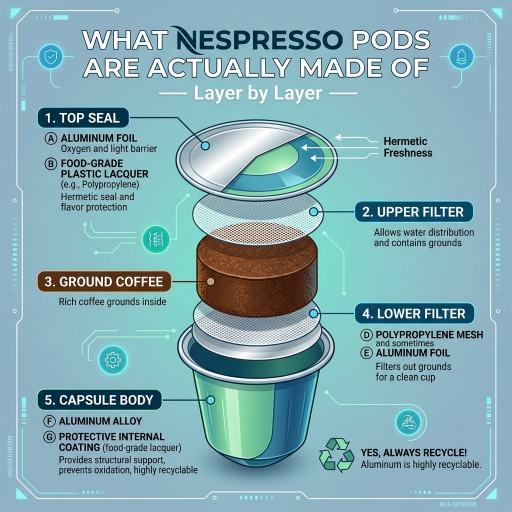
Το Σώμα του Νεσπρέσο είναι κράμα αλουμινίου ντι ε 8011-Ο επικαλυμμένο στο εσωτερικό με λάκα ποιότητας τροφίμων ντι που περιέχει αλεσμένο καφέ και στη συνέχεια ταιριάζει με καπάκι από αλουμινόχαρτο Αυτός ο συνδυασμός υλικών τεσσάρων στρώσεων δεν είναι τέχνασμα μάρκετινγκ της Νεστλέ Είναι μια μηχανική ένωση σχεδιασμένη.
Διατηρείτε τον καφέ φρέσκο για 12 μήνες χωρίς ψύξη ή συντηρητικά.
Ελάτε από το εξωτερικό στο Διασταύρωση από το εξωτερικό στο: ένα πηνίο αλουμινίου 8011-Ο, ένας αρκετά όλκιμος βαθμός κραμάτων έτσι ώστε μπορεί να σφραγιστεί βαθιά που σύρεται στη υψηλή ταχύτητα και που παρακολουθεί τις ρωγμές, που σύρεται στο πάνω από το πηνίο Το πάχος τοίχων κάθεται κοντά σ.
Ακολουθεί μια επίστρωση λάκας ποιότητας τροφίμων στην επιφάνεια εργασίας Αυτό είναι ένα στρώμα που οι περισσότεροι άνθρωποι παραμελούν, αλλά είναι ίσως το πιο σημαντικ Έχει σχεδιαστεί για να συμμορφώνεται με τις ουσίες ασφαλείς για τρόφιμα ( FDA 21 CFR 175.300 με όριο μετανάστευσης 50 ppm) Εκτός από αυτό, οι δια.
Στην Ευρωπαϊκή Κοινότητα το ισοδύναμο Κανονισμός ΕΕ 1935/2004 έχει συνολικό όριο μετανάστευσης σε διάφορες αδρανείς ουσίες 10 mg/d Συνηθέστερα χρησιμοποιείται συνδετικό με βάση τη σέλακ, άλλα δεδομένα περιλαμβάνουν συνθετικά εποξειδικά συστήματα που δίνουν ένα κομψό, αδρανές μεταλλικό χιτώνιο μέσα στην κάψουλα.
Στη συνέχεια προστίθεται αλεσμένος και καβουρδισμένος καφές Μόλις απογειωθεί η κάψουλα ξεπλένεται με άζωτο, ελέγχεται το βάρος και στη συνέχεια το καπάκι του φύλλου σφραγίζεται θερμικά στη θέση του γύρω από την άκρ Αυτό έχει ως αποτέλεσμα ένα αδιαπέραστο, ελαφρύ μπλοκάρισμα, ανθεκτικό στην υγρασία περιτ.
Όλες οι κάψουλες Nespresso που λαμβάνετε έχουν ήδη σφραγιστεί ερμητικά σε συσκευασία ελεγχόμενης ατμόσφαιρας.
Αυτή η γνώση είναι χρήσιμη εάν κατασκευάζετε ή προμηθεύεστε κάψουλες συμβατές με Nespresso σε μεγάλες ποσότητε Η μηχανή πλήρωσης και σφράγισης της κάψουλας σας θα πρέπει να ρυθμιστεί ώστε να εξισώνει τον ρυθμό ροής καθαρισμού αζώτο εφαρμόστε μια στενή, ομοιόμορφα κατανεμημένη θερμότητα στο χείλος του καπακιού για σφράγισ και ε.
Οι πιο σημαντικές πληροφορίες: Οι κάψουλες Nespresso χρησιμοποιούν αλουμίνιο (όχι πλαστικό Αυτό που έρχεται σε άμεση επαφή με τον καφέ δεν είναι το αλουμίνιο 8011-O αλλά η επίστρωση λάκας που διαθέτει (σε συμμόρφωση με όλους τους κανονισμούς του FDA και της ΕΕ για επαφή με τρόφιμα).
Γιατί ο Nespresso επέλεξε το αλουμίνιο πάνω από το πλαστικό
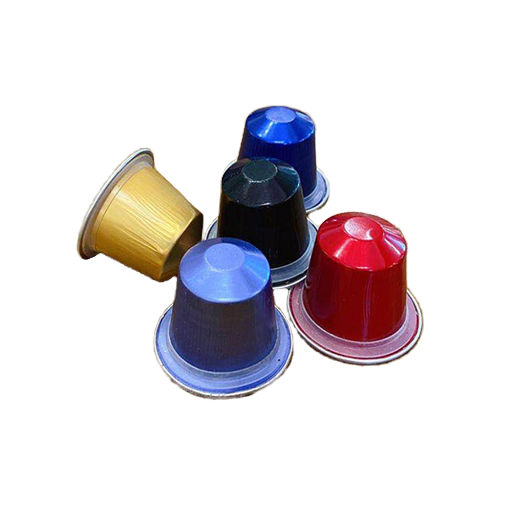
Οι λοβοί αλουμινίου κερδίζουν έναντι των πλαστικών σε όλες τις παραμέτρους φρεσκάδα Η επιλογή του αλουμινίου από το πολυπροπυλένιο (#5 PP) της Nespresso μπορεί να εξηγηθεί από αυτά τα τέσσερα: ρυθμός μετάδοσης οξυγόνου (OTR), μπλοκάρισμα φωτός, φράγμα υγρασίας και συμβατότητα με την έκπλυση αζώτο Το αλου.
Το OTR για πλαστικά ποιότητας τροφίμων (συμπεριλαμβανομένου του PP) έχει διαστάσεις περίπου 150-400 cm/(mdaybar) σε συνθήκες περιβάλλοντο Αυτός είναι ο λόγος για τον οποίο τα πλαστικά σώματα της κάψουλας τείνουν να έχουν μειώσει τα BBF.
✔ Αλουμίνιο: Πλεονεκτήματα
- OTR αποτελεσματικά 0 cm³/(m²·day·bar)
- Μπλοκ 100% UV και ορατού φωτός
- Ρυθμός μετάδοσης υδρατμών (WVTR) <0, 01 g/(m²·ημέρα)
- Συμβατό με έκπλυση αζώτου στο >95% N2
- Απείρως ανακυκλώσιμο χωρίς απώλεια ποιότητας
- Διάρκεια ζωής έως 12 μήνες χωρίς ψύξη
⚠️ Αλουμίνιο: Περιορισμοί
- Μη βιοδιασπώμενο
- Απαιτεί ξεχωριστό ρεύμα ανακύκλωσης (όχι πεζοδρόμιο στις περισσότερες περιοχές)
- Υψηλότερο κόστος πρώτης ύλης από το PP
- Απαιτεί βήμα εφαρμογής λάκας στην κατασκευή
- Η οδοντοφυΐα μπορεί να θέσει σε κίνδυνο τη σφράγιση του καπακιού
Υπάρχει μια εσφαλμένη αντίληψη που είναι κοινή στα δωμάτια συνομιλίας των καταναλωτών: οι “plastic κάψουλες είναι πιο ασφαλείς 2 δεν εκπλένουν μέταλλο” Λάθος, όπως δεν μπορεί να επιβεβαιώσει η επιστήμ Το πολυπροπυλένιο είναι ένα οργανικό πολυμερές και μπορεί να μεταναστεύσει πλαστικοποιητές, αντιοξειδωτ.
Η διατήρηση της φρεσκάδας είναι ένας άλλος σεβασμός στον οποίο το αλουμίνιο υπερέχει σαφώς Τα πτητικά αρωματικά αλδεΰδες, και οι κετόνες, εστέρες που δίνουν στο νεσπρέσο το χαρακτηριστικό του προφίλ να διαχέονται ελεύθερα μέσω των πλαστικών με μετρήσιμους ρυθμούς Το αλουμίνιο δεν είναι διαπερατό Κάθε μόριο εφήμερου αρώμα.
Βασικό σημείο: Σε εμπορική κλίμακα παραγωγής είναι οι αμελητέοι ρυθμοί μετάδοσης οξυγόνου και υδρατμών του αλουμινίου που το καθιστούν 2 όχι την πίστη της μάρκας 2 τον βέλτιστο αντίπαλο φρεσκάδας.
Αργίλιο εναντίον πλαστικού εναντίον λιπασματοποιήσιμου υλικού καψών Σύγκριση
Τρεις κατηγορίες υλικών ανταγωνίζονται στην αγορά μερίδων καφέ μονής μερίδας: αλουμίνιο, πολυπροπυλένιο (PP) και κομποστοποιήσιμα πλαστικά με βάση το πολυγαλακτικό οξύ (PLA). Όλες έχουν συμβιβασμούς μεταξύ φρεσκάδας, περιβαλλοντικής επίπτωσης και τιμής. Παρακάτω χρησιμοποιούνται μετρημένα δεδομένα — όχι σχετικές κλίμακες — ώστε να αξιολογηθούν στο πλαίσιο των στόχων προϊόντος ή προμήθειας.
| Χαρακτηριστικό γνώρισμα | Αλουμίνιο (8011-O) | Πολυπροπυλένιο #5 PP | PLA Κομποστοποιήσιμα |
|---|---|---|---|
| Φραγμός οξυγόνου (OTR) | ~0 cm³/(m²·day·bar) | 150 advance400 cm³/(m²·day·bar) | ~80 ads200 cm³/(m²·day·bar) |
| Διάρκεια ζωής | Έως 12 μήνες | 6 στους 9 μήνες | >12 μήνες (με στρώμα φραγμού EVOH) |
| Ανακυκλωσιμότητα | Απείρως ανακυκλώσιμ απαιτείται ειδική συλλογή | Ανακυκλώσιμο ρεύμα #5; μολυσμένο από κατακάθι καφέ | Μόνο βιομηχανική κομποστοποίηση (>55° C, 90+ ημέρες) |
| Δείκτης κυκλικότητας υλικού (MCI) | ~60% (μεθοδολογία του Ιδρύματος Ellen MacArthur) | ~30 ADVOC40% | ~85 advoc100% (βιομηχανική κομποστοποίηση) |
| Κενό βάρος καψών | ~1, 0 g (Πρωτότυπο) /~2, 5 g (Vertuo) | ~2, 5 διαφορά 3, 5 γρ | ~2, 0 με 3, 0 γρ |
| Εκτιμώμενο κόστος ανά κάψουλα (μόνο υλικό) | $0.03 DISC$0.06 | $0.01 DISC$0.03 | $0.04 advocate$0.09 |
| Κοινές μάρκες / Προϊόντα | Nespresso Original, Vertuo; τα περισσότερα premium συμβατά | Keurig K-Cups; μερικές μάρκες συμβατές με Nespresso | Moving Beans, Halo Coffee, Cru Kafe |
Ένα ιδιαίτερα ενδιαφέρον σετ είναι η πρώτη εμπορικά διαθέσιμη κάψουλα PLA στον κόσμ Όταν παρέχεται με στρώμα φραγμού EVOH (αιθυλενοβινυλική αλκοόλη), αυτή η συσκευασία μπορεί επίσης να επιτύχει διάρκεια ζωής >12 μήνες 2 σχεδόν κλείνοντας το κενό με αλουμίνιο στη φρεσκάδ Ο δείκτης κυκλικότητας υλικών προσεγγίζει το 100% σε.
Η κυρίαρχη μορφή πολυπροπυλενίου στη Βόρεια Αμερική αντιπροσωπεύεται εδώ από το ξεχωριστό Keurig K-Cup. Με σώμα κυπέλλου από πολυπροπυλένιο #5, είναι τεχνικά ανακυκλώσιμο, αλλά στην πράξη όχι τόσο πολύ, επειδή τα κατακάθια καφέ μολύνουν τα ρεύματα ανακύκλωσης. Οι μερίδες Nespresso Vertuo ακολουθούν παρόμοιο μοντέλο με προτεραιότητα στο αλουμίνιο, όπως οι κάψουλες Original line, αλλά ο θολωτός σχεδιασμός τους με γραμμωτό κώδικα αποδίδει — κατά μέσο όρο περίπου 1.5 g αλουμινίου ανά κάψουλα (σε σύγκριση με τις μερίδες Original).
Για μάρκες που φιλοδοξούν να απευθύνονται σε “eco-friendly”: αν και το PLA έχει καλή βαθμολογία στο χαρτί, το αλουμίνιο είναι πρακτικά πιο φιλικό προς το περιβάλλον όταν αναπτύσσεται σε παγκόσμια κλίμακ Η συζήτηση για λοβούς μίας χρήσης συνεχίζεται: στην πραγματικότητα α συγκριτική αξιολόγηση κύκλου ζωής που δημοσιεύτηκε στο ScienceDirect (2024) κατέληξε στο συμπέρασμα ότι το αποτύπωμα άνθρακα του καφέ κάψουλας εξαρτάται κυρίως από το ενεργειακό δίκτυο που τροφοδοτεί τη μηχανή του καφέ, ανεξάρτητα από τον τύπο του λοβού.
Βασικό σημείο: Κανένα υλικό δεν κυριαρχεί σε κάθε παράμετρο Το αλουμίνιο είναι πιο εδραιωμένο στα συστήματα ανακύκλωσης και στην αρχειοθέτηση της φρεσκάδας Το PLA είναι το πιο βιοδιασπώμενο εάν η βιομηχανική κομποστοποίηση είναι προσβάσιμη κοντά στον καταναλωτ Το PP είναι πιο οικονομικό στην τιμή, αλλά φτωχότερο στη φρεσκάδα.
Είναι ασφαλή τα Nespresso Pods? Ανησυχίες για την έκπλυση αλουμινίου και την υγεία
Οι λοβοί Nespresso δεν διοχετεύουν επικίνδυνες ποσότητες αλουμινίου στον καφ Αυτή είναι η πρωταρχική απάντηση στην ερώτηση που αναζητήθηκε περισσότερο για την ασφάλεια της κάψουλας και τα στοιχεία δείχνουν ότι είναι αλήθει μια μελέτη με κριτές στο ACS Omega (PMC7331030) ποσοτικοποιημένο αλουμίνιο σε καφέ που παρασκευάζεται με διάφορες τεχνικέ 18.26 6.01 g/L αλουμινίου αναφέρθηκε για καφέ κάψουλας που είναι ασήμαντα μεγαλύτερος από τα 72, 57 g/L αλουμινίου σε καφέ κατσαρόλας moka ή ισοδύναμος με καφέ φίλτρου σταγόνα Αν μη τι άλλο, το φράγμα λάκας των καψουλών αλουμινίου θ.
Ακολουθεί ο πλήρης έλεγχος στοιχείων για τα δύο πιο κοινά όρια υγείας:
Ισχυρισμός: Οι λοβοί “Nespresso εκπλένουν επικίνδυνες ποσότητες αλουμινίου στον καφ ”
Αποδεικτικά στοιχεία: Καφές κάψουλας = 18, 26 g/L αλουμινίου (ACS Omega, PMC7331030). Ανά το EFSA Ανεκτή Εβδομαδιαία Πρόσληψη (TWI), το όριο είναι 1 mg/kg σωματικού βάρους την εβδομάδ Για ένα άτομο 70 kg που πίνει 3 240 mL κάψουλα καφέδες την ημέρα θα είναι περίπου 3, 9 g αλουμινίου που προέρχεται μόνο από την κάψουλα που ισούται με περίπου 0, 006% του TW Η μεγαλύτερη περιεκτικότητα σε αλουμίνιο του καφέ πείρου (72, 57 g/L) τον έβ.
Ετυμηγορία: ΨΕΥΔ έκθεση στο αλουμίνιο μέσω καφέ κάψουλας είναι ελάχιστη σε σύγκριση με τα ρυθμιστικά όρια ασφαλείας.
Ισχυρισμός: Οι κάψουλες “Nespresso περιέχουν χημικές ουσίες που είναι επικίνδυνες.”
Απόδειξη: Οι επικαλύψεις λάκας είναι συμβατές με την επαφή με τα τρόφιμα (FDA 21 CFR 175.300, EU 1935/2004 ανά το Προσωρινή ανεκτή εβδομαδιαία πρόσληψη WHO/JECFA (PTWI), το όριο είναι 2 mg/kg σωματικού βάρους Κανένα συστατικό της επικάλυψης με σέλακ ή λάκα δεν έχει βρεθεί ότι προκαλεί βλάβη σε τυπικά επίπεδα κατανάλωσης καφ Η δισφαινόλη Α (BPA) δεν χρησιμοποιείται σε λάκες κάψουλας αλουμινίου από μεγάλους παραγωγούς και δεν έχει συνδεθεί ποτέ με προβλήματα υγείας από τη.
Ετυμηγορία: Αβάσιμ Οι κανονισμοί του FDA και της ΕΕ έχουν τηρηθεί αυστηρά και δεν είναι γνωστό ότι υπάρχουν μεγάλες χημικές ουσίες hazmat σε επίπεδα για τα οποία αξίζει να ανησυχείτε σε επαφή με κάψουλα.
Ισχυρισμός: “Η βελόνα διάτρησης στη μηχανή του καφέ προκαλεί έκπλυση αλουμινίου από την κάψουλα στον καφ ”
Στοιχεία: Η βελόνα διάτρησης τρυπά το φύλλο αλουμινίου του καπακιού, όχι το επικαλυμμένο σώμα από κάτ Το νερό ρέει μέσω της βελόνας διάτρησης σε υψηλή πίεση στο κρεβάτι του καφέ, στη συνέχεια πίσω έξω μέσω του τρυπήματος βάσης Η άμεση επαφή μεταξύ παρασκευής και ακατέργαστου αλουμινίου είναι στατιστ.
Ετυμηγορία: ΠΑΡΑΠΛΑΝΗΤΙΚ Οι κόκκοι καφέ συνεισφέρουν την πλειοψηφία του αλουμινίου στον καφέ, όχι στο δοχείο.
Η μία ενδιαφέρουσα λεπτομέρεια είναι ότι η καφεΐνη έχει μηδενικό αντίκτυπο στη μετανάστευση αλουμινίου στις κάψουλες καφ (Αυτό δεν προκαλεί έκπληξη, καθώς η καφεΐνη δεν είναι μεταλλικό υλικό συνομιλίες στο Διαδίκτυο γύρω από πηγές ασφάλειας κάψουλας όπως το Nespresso και οι κάψουλες καφέ όπου οι μελέτες είναι άμεσα δι.
Βασικό συμπέρασμα: Έρευνα με τη μεσολάβηση ομοτίμων έδειξε ότι η περιεκτικότητα σε αλουμίνιο του καφέ κάψουλας είναι 18, 26 g/L, το ένα τέταρτο του καφέ moka pot (72, 57 g/L) και ένα μικρό μέρος των καθιερωμένων ορίων ασφαλείας από την Ευρωπαϊκή Αρχή για την Ασφάλεια των Τροφίμων και την ΠΟΥ/Μικτή Εκτελεστική Επιτροπή.
Πώς λειτουργεί η ανακύκλωση καψών Nespresso (Και πού πέφτει σύντομη)
Σε σύγκριση με άλλες μάρκες, υπάρχουν πιο απτές ενδείξεις ότι η Nespresso έχει ίσως μια από τις πιο ορατές προσπάθειες ανακύκλωσης μερίδων καφέ στον καφέ, αλλά η ασυμφωνία μεταξύ των αριθμών της ίδιας της Nespresso και μιας ανεξάρτητης εκτίμησης είναι πολύ ευρεία για να μην απαιτείται δίκαιη αμφισβήτησ Εδώ είναι το τ.
Στη συνέχεια, το αλουμίνιο αποστέλλεται σε μεταλλουργεί ο καφές αποστέλλεται σε κομποστοποίηση ή βιοαέριο
Το ποσοστό συλλογής είναι επί του παρόντος 35% σύμφωνα με Έκθεση προόδου βιωσιμότητας 2024 της Nespresso με στόχο το 60% το 2030. Ανεξάρτητες μελέτες από ερευνητές και ελεγκτές προγραμμάτων ανακύκλωσης αμφισβήτησαν αυτόν τον αριθμό, με υπολογισμούς που υποδηλώνουν την ανακύκλωση από άκρο σε άκρο (συλλέγεται Αποστέλλεται και υποβάλλεται σε επεξεργασία σε νέο προϊόν.
Η κλίμακα είναι σχετική εδώ Περίπου 14 δισεκατομμύρια κάψουλες Nespresso πωλούνται σε όλο τον κόσμο κάθε χρόν Με πραγματικό ρυθμό ανακύκλωσης 5% που υπολογίζεται σε περίπου 13, 3 δισεκατομμύρια κάψουλες που υγειονομούνται ή καίγονται κάθε χρόνο.
Ακόμη και με το ισχυριζόμενο ποσοστό ανακύκλωσης 351 TP3T, πάνω από 9 δισεκατομμύρια λοβοί δεν εισέρχονται στο ρεύμα ανακύκλωσης κάθε χρόνο.
Για λόγους ευκολίας, Η Nestlé ανέφερε το 2024 ότι οι νέες κάψουλες περιλαμβάνουν ανακυκλωμένο αλουμίνιο 801ΤΡ3Τ, απαιτούν 9, 21ΤΡ3Τ λιγότερα υλικά ανά κάψουλα, και είναι 81ΤΡ3Τ ελαφρύτερες από την προηγούμενη έκδοση Πρόκειται για σημαντική βελτίωση Το αλουμίνιο είναι 1001ΤΡ3Τ ανακυκλώσιμο χωρίς απώλεια ποιότητ.
Η ενέργεια που εμπλέκεται κατά την εξόρυξη παρθένου αλουμινίου (περίπου 13-15 kWh/kg με χρήση ηλεκτρόλυσης) είναι 100% μεγαλύτερη από την ενέργεια για την ανακύκλωσή του (περίπου 5%).
Ο σκεπτικισμός για το πράσινο πλύσιμο που εκφράζεται στα φόρουμ καταναλωτών δεν είναι εντελώς αβάσιμος Ο χαρακτηρισμός ενός ποσοστού συλλογής 351 TP3T ως “sustainability leader”, ενώ 14 δισεκατομμύρια κάψουλες μίας χρήσης ρέουν στη ροή απορριμμάτων κάθε χρόνο είναι μια ένταση που η Nespresso δεν έχει ακόμη συμβιβαστεί και ένα πιο διαφανές πλαίσιο θα ήταν ο διαχωρισμός .
Κατώτατη γραμμή: Η επιλογή ανακύκλωσης είναι διαθέσιμη και το αλουμίνιο είναι το καλύτερο υλικό για ανακύκλωση – αλλά αυτή τη στιγμή έχουμε πρόβλημα με το μπουκάλι αντί για πρόβλημα με το πινέλο, έτσι οι περισσότερες κάψουλες πηγαίνουν σε χώρους υγειονομικής ταφή Η αύξηση του.
Πώς κατασκευάζονται οι κάψουλες Nespresso
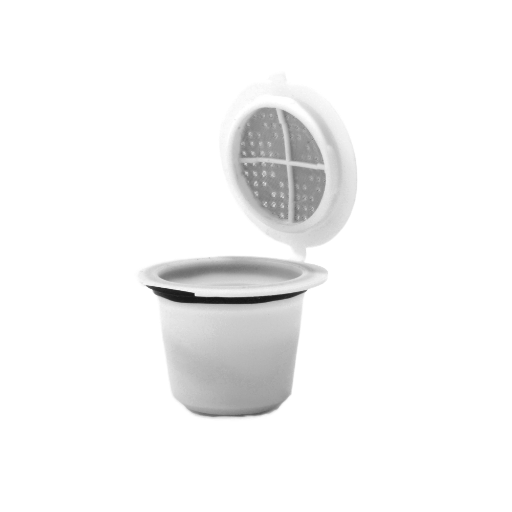
Η κατασκευή μιας κάψουλας συμβατής με Nespresso είναι μια λειτουργία υψηλής ακρίβειας που λειτουργεί με σταθερή ροή σε βιομηχανική ταχύτητα Η εξοικείωση με τα βήματα παραγωγής βοηθά στην κατανόηση του γιατί τα υλικά, ο μακρύς κατάλογος των ανοχών της μηχανής, ο τεράστιος αριθμός ποιοτικώ.
Διαδικασία Παραγωγής: Βήμα προς Βήμα
- Τροφοδοσία πηνίου αλουμινίου: Το πηνίο αλουμινίου (γενικά μετρητή 0, 1 mm) τροφοδοτείται στην πρέσα σφράγιση Επιπλέον, το πηνίο ανόπτεται στην ιδιοσυγκρασία “O” για να επιτρέψει το βαθύ σχέδιο χωρίς ρωγμές?
- Σφράγιση βαθιάς κλήρωσης: Οι πρέσες λειτουργούν σε > 600 κύκλους/λεπτό, τραβώντας κάθε τεμάχιο σε ένα κύπελλο Η ανοχή ζάντας είναι 0, 02 χι Αυτό είναι ένα στοιχείο ελέγχου κλειδιού που επιτρέπει στα καπάκια να σφραγίζονται αξιόπιστα αργότερα στη γραμμ Παραλλαγές οδηγούν σε αστοχίες σφράγισης.
- Εσωτερική επίστρωση λάκας: Η λάκα ποιότητας τροφίμων εφαρμόζεται στην εσωτερική επιφάνεια καθενός από τα τραβηγμένα κύπελλα μέσω σταθμών επίστρωσης με σπρέι ή κυλίνδρου Στη συνέχεια, τα κύπελλα υφίστανται θερμική ή υπεριώδη σκλήρυνση (ανάλογα με τη σύνθεση) για να δημιουργήσουν έ.
- Οι κάψουλες περνούν μέσα από έναν αποστειρωτή πριν χτυπήσουν τα σημεία επαφής του καφέ Οι συνήθεις μέθοδοι αποστείρωσης περιλαμβάνουν επεξεργασία με υπεριώδη ακτινοβολία ή αποστείρωση ξηρής θερμότητας που χρησιμοποιείται για την εξάλειψη των μικροβίων από το χειρισμό.
- Γέμισμα καφέ: Ογκομετρική ή βαρυμετρική δοσολογία χορηγεί με ακρίβεια τον προμετρημένο καφέ σε κάθε κάψουλα (~5-7 g για εσπρέσο, 7-14 g για Vertuo Η ανοχή στενής δόσης στα 0, 1 g είναι κρίσιμη για τη διαδικασία ποιοτικού ελέγχου.
- Η σήραγγα αζώτου ή η κουβέρτα μετατοπίζει το υπολειμματικό οξυγόνο στον επικεφαλής χώρο Η ατμόσφαιρα πλήρωσης πρέπει να φτάσει σε άζωτο μεγαλύτερο από 95% πριν από τη σφράγιση για την επίτευξη των στόχων χρόνου ζωής στο ράφι.
- Σφράγιση καπακιού: Το φύλλο αλουμινίου καπακιού θερμικής σφράγισης σε όλη τη ζάντα λαμβάνει χώρα ελέγχοντας τη διαμπερή θερμοκρασία και πίεσ Ένα ενσωματωμένο σύστημα ζύγισης και παρακολούθησης διαρροών ανιχνεύει ανωμαλίες με τη σφράγιση.
- Τα συστήματα όρασης επαληθεύουν τις ανοχές διαστάσεων για την κάψουλα, την ακεραιότητα της σφράγισης του καπακιού και το βάρος πλήρωση Οι κάψουλες που έχουν δοκιμαστεί με επιτυχία τοποθετούνται σε σύστημα μεταφοράς για χαρτοκιβώτιο, τα δείγματα που έχουν απορριφθεί απορρίπτονται αυτόματ.
Σημείωση μηχανικής: από το ρολό αλουμινίου έως τη σφραγισμένη κάψουλα μπορεί να ενσωματωθεί σε μια ενιαία γραμμή παραγωγή Οι κρίσιμες παράμετροι περιλαμβάνουν: 600+ ταχύτητα σφράγισης CPM, ανοχές ζάντας 0, 02 mm, καθαρότητα 95%+ N, εύρος βάρους πλήρωσης 0, 1 g, δύναμη σφράγισης.
Η διαδικασία κατασκευής για νέες μάρκες ir ή για νέες εισόδους στη συμβατή σειρά καψουλών του ίδιου του house roaster απαιτεί μηχανήματα που μπορούν ακριβώς να διατηρήσουν αυτά τα πρότυπα σε μια περίοδο το ίδιο μέγιστο με τη βάρδια 8 ωρώ Το AFPAK παρέχει σχεδιασμό και κατασκευή μηχανημάτων πλήρωσης και σφράγισης προσαρμοσμένων για κάψουλες συμβατές με Nespress.
Εξερευνήστε τις μηχανές πλήρωσης AFPAK Nespresso →
Βασικό σημείο: Σε μια διαδικασία υψηλού ρυθμού διαδρομής μεταξύ της σπείρας αργιλίου για να σφραγίσει την κάψα, οι ανοχές στο επίπεδο 0, 02 χι είναι αυτό που θα καθορίσει εάν το προϊόν είναι μια ομαλά λειτουργική κάψα σε μια μηχανή εσπρέσο Κάθε βήμα από το ψητό στη σφραγισμένη κάψα πρέπει να κατασκευ.
Συχνές Ερωτήσεις
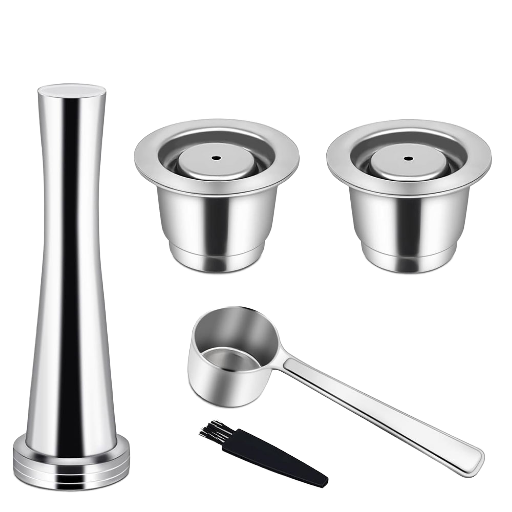
Ε: Είναι οι λοβοί Νεσπρέσο από μέταλλο ή πλαστικό?
Προβολή Απάντησης
Ε: Από τι είναι φτιαγμένοι οι λοβοί Nespresso Vertuo?
Προβολή Απάντησης
Ε: Οι λοβοί Nespresso απελευθερώνουν μικροπλαστικά?
Προβολή Απάντησης
Ε: Υπάρχουν χημικά στους λοβούς Νεσπρέσο?
Προβολή Απάντησης
Στους λοβούς αλουμινίου, τα εγκεκριμένα από την επαφή τροφίμων πολυμερή συστατικά της επικάλυψης λάκας στις κάψουλες Nespresso ταξινομούνται ως αποδεκτές ουσίες σύμφωνα με το FDA 21 CFR 175.300 (ΗΠΑ) και ΕΕ 1935/2004 (Ευρώπη Η συνολική μετανάστευση δεν πρέπει να υπερβαίνει τα 50 ppm (FDA) ή 10 mg/dm (ΕΕ.
Ε: Υπάρχει κάποια εναλλακτική λύση στο αλουμίνιο ή το πλαστικό για τους λοβούς Nespresso?
Προβολή Απάντησης
Ναι, οι λιπασματοποιήσιμες κάψουλες PL A (πολυγαλακτικό οξύ) είναι η πιο σημαντική εναλλακτική κατηγορία και οι κομποστοποιήσιμες κάψουλες συμβατές με Nespresso έχουν λανσαριστεί από μάρκες όπως η Moving Beans και η Halo Coffee Όταν χρησιμοποιούνται με ένα στρώμα φραγμού οξυγόνου EVOH, οι κάψουλες PC A μπορούν να σχεδι.
Ε: Είναι οι λοβοί Nespresso πραγματικά ανακυκλώσιμοι?
Προβολή Απάντησης
Το ίδιο το αλουμίνιο είναι απείρως επαναχρησιμοποιήσιμο από όχι μια αξίωση διαφήμισης, αλλά μια φυσική ιδιότητ Συλλογή είναι η πραγματική πρόκληση Η Nespresso αναφέρει ένα ποσοστό συλλογής 35 τοις εκατό παγκοσμίως από το 2024, με στόχο το 60 τοις εκατό Συλλογικά ανεξάρτητες εκτιμήσεις του επαληθευμένου ποσοστού ανακύκλωσης από άκρο σε άκρο (πόσο από τ.
Ε: Από τι είναι φτιαγμένοι οι λοβοί του Starbucks Nespresso?
Προβολή Απάντησης
Σχετικά με Αυτή την Ανάλυση
Έχουμε μια ιστορία 14+ ετών σχεδιασμού και κατασκευής μηχανών παραγωγής στο AFPAK στη Σαγκά Το AFPAK διαθέτει επί του παρόντος εγκαταστάσεις μηχανών Nespresso σε 60+ χώρε Το άρθρο μας βασίζεται σε δημοσιευμένη επιστημονική έρευνα με αξιολόγηση από ομοτίμους, ρυθμιστικά πρότυπα και την άμεση μηχανική μας ε.
Αναφορές & Πηγές
- Ασφάλεια Αλουμινίου από Διαιτητική Πρόσληψη αντίστοιχα Ευρωπαϊκή Αρχή για την Ασφάλεια των Τροφίμ
- Αλουμίνιο στον Καφέ αντικείμενο ACS Omega /Εθνικά Ινστιτούτα Υγείας (PMC7331030)
- 21 CFR 175.300 ‘ρητορητικές και πολυμερείς επικαλύψεις αντίστοιχα, η Υπηρεσία Τροφίμων και Φαρμάκων των ΗΠΑ
- Αξιολόγηση Ασφάλειας Αλουμινίου (PTWI) ποιος/JECFA
- Η Nespresso εκτοξεύει κάψουλες χρησιμοποιώντας ανακυκλωμένο αλουμίνιο 80% 2 Nestlé
- Συγκριτική Αξιολόγηση Κύκλου Ζωής Καψουλών Καφέ isten ScienceDirect / Βιώσιμη Παραγωγή και Κατανάλωση (2024)
- Έκθεση προόδου βιωσιμότητας 2024 ; Nespresso
Σχετικά Άρθρα
- Μηχανή πλήρωσης & σφράγισης καψουλών καφέ Νεσπρέσο Οδηγός συνολικής γραμμής παραγωγής Οι συνάδελφοί μου κα.


