
Hơn sáu mươi tỷ vỏ cà phê bị loại bỏ hàng năm trên toàn cầu, khoảng 95% trong số này đi trực tiếp đến bãi rác. quan tâm đến vỏ có thể tái sử dụng nespresso vertuo tăng lên để phù hợp, tăng 18% trong không gian của một năm duy nhất. bất kể bạn là một người uống cà phê cá nhân đang cố gắng tránh lãng phí hay một doanh nghiệp cà phê đã thành lập so sánh các định dạng viên nang khác nhau, vỏ Vertuo có thể tái sử dụng đặt ra ba câu hỏi khác biệt, trong thế giới thực: ‘Chúng có thực sự hoạt động không?
Chúng có vị thế nào?
Bên ngoài nhà như thế nào? ’
Câu trả lời cho cả ba được trả lời dưới đây bằng cách sử dụng thông số kỹ thuật chính thức, phản hồi của khách hàng và Nespresso viên nang điền kinh nghiệm bằng máy, công ty đã sản xuất hơn hàng trăm triệu viên nang cho các thương hiệu cà phê trên hơn 40 quốc gia trên toàn thế giới.
Vỏ tái sử dụng Nespresso Vertuo là gì?
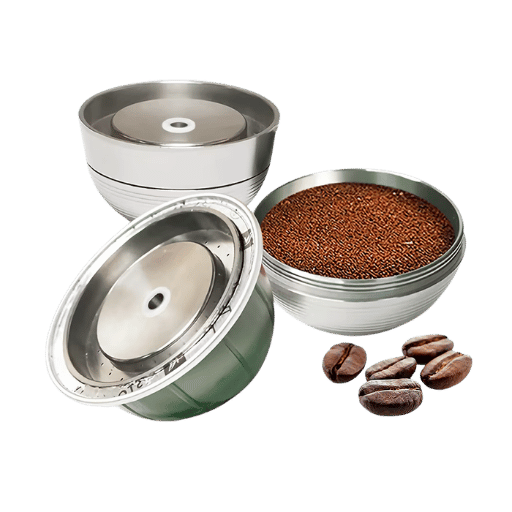
Một viên nang có thể nạp lại Nespresso Vertuo được làm từ PP, SS 304 hoặc hợp kim Nhôm cấp thực phẩm được thiết kế để giữ cà phê xay yêu thích của bạn, đóng bằng giấy bạc và được pha như một viên nang Nespresso Vertuo bình thường.
Bit kỹ thuật quan trọng: Hệ thống Vertuo đọc một phong vũ biểu đọc không phải là một hệ thống quét mã vạch quang học đọc một mã vạch với một ống kính có đường kính và đặc điểm vành của một vỏ Vertuo.Để sử dụng với một vỏ có thể tái sử dụng được hình thành đúng cách không có gì phải thay đổi thành vỏ cà phê có thể tái sử dụng.Đó là lý do tại sao nó hiện đang hoạt động trong bất kỳ mô hình Vertuo nào.
Thông số kỹ thuật nhanh Ức Vỏ Vertuo có thể tái sử dụng
| Kích thước cốc có sẵn | Espresso (38mm) / Espresso đôi / Gran Lungo / Cà phê / Alto (58mm) |
| Điền công suất | 7–13 g bã cà phê (thay đổi tùy theo kích cỡ cốc) |
| Vật liệu nắp | Giấy nhôm cấp thực phẩm (nhiệt niêm phong) hoặc nắp chụp silicone |
| Cơ chế nhận biết | Áp suất khí quyển (dựa trên đường kính) IF không cần mã vạch |
| Vật liệu tương thích | Nhựa PP cấp thực phẩm · Thép không gỉ 304 · Hợp kim nhôm |
| Chu kỳ tái sử dụng (avg.) | 30–50× (nhựa PP) · 60–80× (thép không gỉ) |
Pods có thể tái sử dụng có tương thích với tất cả các máy Vertuo của Nespresso không?
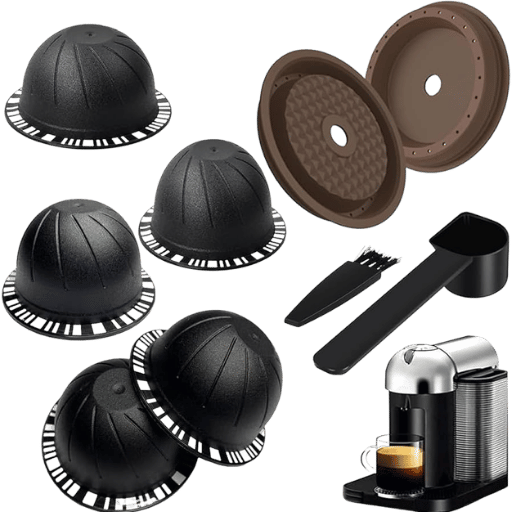
Bạn có thể sử dụng Pods tái sử dụng với Nespresso Vertuo?
Viên nang có thể tái sử dụng sẽ được nhận dạng đầy đủ miễn là chúng có kích thước phù hợp để đảm bảo kích thước cốc thích hợp với máy.Dòng Vertuo được trang bị để nhận ra viên nang Nespresso dựa trên đường kính của vành vỏ; máy thực sự tìm kiếm một đường kính nhất định của kim loại trái ngược với mã vạch nằm trên nắp vỏ Vertuo tiêu chuẩn.
Một từ về firmware: Vào năm 2023, Nespresso đã phát hành một bản cập nhật firmware chặn các nhóm bên thứ ba cụ thể trên một số máy Vertuo Next.Những bản cập nhật này nhằm mục đích chặn các nhóm mang mã vạch Nespresso giả và vì các nhóm có thể tái sử dụng không có mã vạch, chúng không bị ảnh hưởng bởi hạn chế này.
| Mô hình Vertuo | Chấp nhận Pod tái sử dụng | Ghi chú |
|---|---|---|
| Vertuo tiếp theo | ✅ Vâng | Tất cả các kích cỡ cốc; tiêu chuẩn đầu đọc khí quyển |
| Vertuo Plus | ✅ Vâng | Tất cả các kích cỡ cốc |
| Vertuo Pop | ✅ Vâng | Chỉ có kích thước Espresso & Double Espresso |
| Vertuo Creatista | ✅ Vâng | Tất cả các kích cỡ cốc |
| Vertuo Lattissima | ✅ Vâng | Tất cả các kích cỡ cốc |
| Dòng gốc (tất cả các mẫu) | ❌ Không | Định dạng pod khác nhau; yêu cầu mã vạch. sử dụng Nespresso Viên nang có thể nạp lại tương thích với Original thay th. |
Heads Up. chỉ sử dụng kích thước pod có thể tái sử dụng tương ứng với kích thước cup – của bạn đã chọn một pod có kích thước espresso đôi ở chế độ espresso, sẽ dẫn đến lỗi máy, nhưng không phải do máy không tương thích, do đường kính không nhất quán của pod để cảm biến.Xem thẻ Thông số kỹ thuật nhanh của chúng tôi cho đường kính phù hợp.
Cách đổ đầy và niêm phong vỏ Nespresso Vertuo có thể tái sử dụng
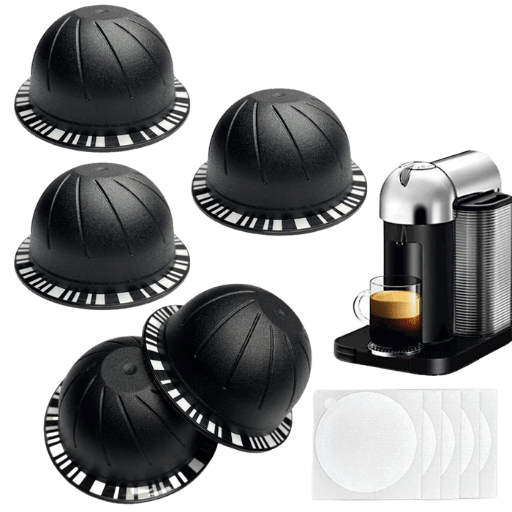
Nạp lại vỏ bằng tay có thể mất khoảng 60-90 giây sau khi kỹ năng đã được học qua một vài phiên. quy trình hiển thị dưới đây là sau một số thử nghiệm sử dụng kết quả đã được chứng minh từ các tài liệu tham khảo và kỹ sư sản xuất tại nhà.
- Lắp ráp vỏ. Vỏ đã qua sử dụng – cẩn thận phá vỡ lớp niêm phong giấy bạc khỏi mép trên bằng một con dao gọt mỏng; đổ bã; rửa kỹ trong nước xà phòng ấm; khô hoàn toàn trong không khí. Vỏ mới (bạn có thể mua viên nang rỗng – trừ đi cà phê – đã được trang bị nắp) – tiến hành trực tiếp đến bước hai. Không bao giờ đóng gói một vỏ ẩm – làm ẩm trước khi pha khiến bã bị dính và chiết xuất không đúng cách.
- Quay số trong xay của bạn (trung bình-mịn hoặc xay cà phê espresso tốt).Đây là bước quan trọng nhất duy nhất trong quá trình.Bạn sẽ tìm thấy (trong một sợi r/nespresso cũ của hơn 400 ý kiến rằng một con số khổng lồ 60% của báo cáo thất bại pod quy rằng quá thô xay, không phải là một viên nang bị lỗi hoặc con dấu xấu).Khi xay quá thô, khai thác dưới sẽ mang lại cà phê mỏng, nước mà mang lại ít-to-không crema.
- Điền vào trọng lượng mong muốn 9g là mong muốn cho viên nang espresso đơn của chúng tôi và 11 g cho viên nang espressoscapsules đôi Để lại 1-2 mm khoảng không để tránh làm đầy capsuel của bạn quá nhiều O-Điền là lỗi lớn thứ hai-và có thể có nghĩa là lá của bạn có thể ‘phẳng trong để làm cho một Seal hermatic và cũng có thể vỡ trong viên nang ly tâm 50mph trong quá trình sản xuất bia Nespresso Đối với viên nang ’Mug Coffee‘ và ’Alto’ lớn của chúng tôi lên đến 12-12,5g
- Các tamps ánh sáng đầu tiên thực sự có thể nhận được một vài gram thêm với vòng tiếp theo là tốt. muỗng có một kết thúc phẳng, sử dụng mà báo chí nhẹ- không nén để một quả bóng. nén có thể dẫn đến cùng một kênh và nước bỏ qua như trên mài thô.
- Nhấn nắp lá của bạn vào trung tâm của K-cup và đặt nó xuống và uốn máy kẹp 90 độ trên K-Cup.Đảm bảo không có khoảng trống tất cả các cách xung quanh.Đặt lộn ngược vào máy và bắt đầu cà phê bình thường của bạn và pha.
Một mẹo hay là làm đầy vỏ theo mẻ vào sáng Chủ nhật. 1 giờ = ~ 40-50 quả (tôi ước tính), bạn có thể cho những thứ này vào tủ lạnh trong một bồn kín, nơi chúng sẽ tươi trong tối đa năm ngày, không phải điều mà nhiều người có thể nghĩ. Xay tươi Cà phê có nguồn gốc duy nhất của bạn trong một viên nang có thể tái sử dụng có lẽ cũng có vị vượt trội hơn nhiều so với một loại cà phê nguyên bản cũng đã sản xuất hàng loạt nội dung của nó.
Làm đầy thủ công và tự động: Cái nào phù hợp với khối lượng sản xuất của bạn?
Trên đây là một quy trình thủ công đầy đủ lên đến vài trăm vỏ/tuần. sau đó, chính sự nhất quán sẽ trở thành vấn đề: lấp đầy độ lệch trọng lượng, hỏng hóc của vòng đệm và chi phí lao động trên mỗi vỏ đều tăng theo logarit. Có một điểm mà tại đó:
- Ít hơn 100 pods/tuần: bộ nạp thủ công (~$20).Có hoạt động, giá rẻ, 30-60sec mỗi pod.
- 100-1.000 pods/tuần: Desktop Semi Automated Filler ($200-800). điền vào các pods trong khoảng.10 giây với độ chính xác trọng lượng được cải thiện.
- 40-600 CPH (dung sai liều 0,1 gram) Hệ thống nạp & niêm phong: Máy thương hiệu AFPAK có thể cung cấp sản lượng cao, chẳng hạn như hơn 1.000 viên mỗi tuần (nếu xem xét một sản phẩm thương mại). dung sai trọng lượng điền không phải là tùy chọn ở quy mô thương mại – chỉ 0,5 gram tràn/viên nang lượng đến $50k trong chất thải cho sản lượng 50.000 viên/ngày.
Kiểm tra chất lượng cà phê: Vỏ Vertuo Nespresso có thể tái sử dụng có tốt không?
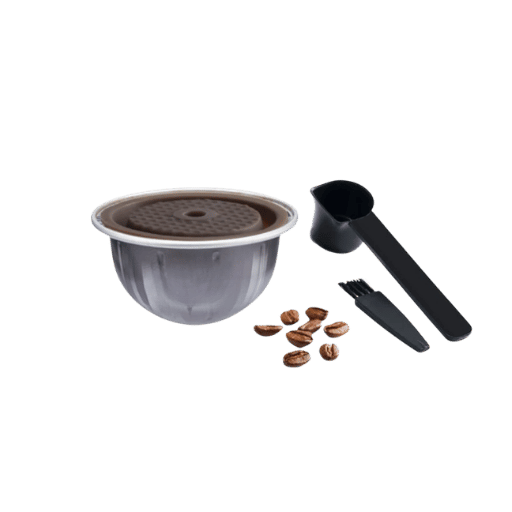
Vỏ Vertuo có thể tái sử dụng có tốt không?
Vâng, giả sử bạn quay số trong xay và điền. 2024-2025 dường như đã chuyển ý kiến, với ít nói chuyện tiêu cực hơn về những điều này. trên thực tế, ngay cả một bài đánh giá Pocketful of Joules năm 2025 cũng cho thấy hương vị trên thiết bị tái sử dụng là “tương tự – thực sự ngon hơn và táo bạo hơn”, so với việc sử dụng vỏ nguyên bản, nếu sử dụng bột cà phê espresso chất lượng tốt. Ngay cả các thử nghiệm như thế này (video có 68.000 lượt xem) trong video này của bộ Capmesso cũng sẽ hiển thị sản xuất crema khi bạn sử dụng chúng, đó là đặc điểm hình ảnh quan trọng nhất mà bất kỳ người dùng Vertuo nào mong đợi.
Lời cảnh báo: Mặc dù crema nhẹ hơn một chút so với vỏ nhà máy, nhưng điều này là do viên nang gốc được xả nitơ độc quyền của Nespresso giải phóng CO chính xác hơn trong quá trình chiết ly tâm. Bạn sẽ đến gần hơn với cà phê tươi hơn và – xay mịn nhưng sẽ không bao giờ sao chép hoàn hảo bản gốc Nespresso nếu đây là điểm chuẩn so sánh của bạn.
Đối với các thương hiệu cà phê: Cơ hội Trong lĩnh vực cà phê, điều này mang đến cơ hội định vị; một viên nang có thể tái sử dụng của nguồn gốc duy nhất mới rang của bạn sẽ mang lại một hồ sơ hương vị không có nhà máy niêm phong vỏ ban đầu có thể chạm vào. câu chuyện là chất lượng khác nhau không tệ hơn.
✔ Ưu điểm
- Kiểm soát hoàn toàn nguồn gốc cà phê, mức độ rang và độ tươi
- Chi phí 85% thấp hơn mỗi cốc so với vỏ ban đầu
- Không có rủi ro về khóa đăng ký hoặc tính khả dụng của nhóm
- Hỗ trợ định vị thương hiệu một nguồn gốc cao cấp
- Sự hình thành Crema được xác nhận trên tất cả các kích cỡ Vertuo
⚠ Hạn chế
- Crema nhẹ hơn một chút so với bản gốc được niêm phong tại nhà máy
- Kỷ luật mài yêu cầu ather thô mài = khai thác thất bại
- 5-10 lần điền cố gắng Quay số Trọng lượng điền & mài tối ưu
- Tuổi thọ vỏ pod: 30–50× (nhựa) · 60–80× (không gỉ)
- Làm sạch thủ công thêm ~ 30 giây mỗi pod sau khi pha
Phân tích chi phí: $0.23 Mỗi Cup so với $1.50
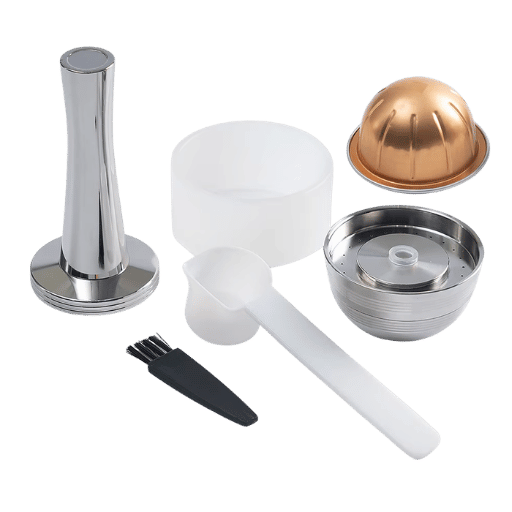
Chi phí của viên nang Vertuo có thể tái sử dụng trường hợp chi phí cho một vertuo pod có thể nạp lại thực sự khá rõ ràng, và được xác minh từ nhiều nguồn (homebodyeats.com, 2022 và Pocketful of Joules, 2025), nó có khoảng $0.23 để nạp lại từ cà phê xay bán lẻ so với $1.00-$1.50 để mua từ Nespresso Originals.
$0.23
mỗi cốc (điền có thể tái sử dụng)
85%
giảm chi phí so với vỏ ban đầu
$511
tiết kiệm hàng năm (1 cup/ngày)
Điểm ‘hòa vốn’ cho một khách hàng là sau khoảng 13 lần sử dụng cho gói nạp $20.Hình ảnh thậm chí còn hồng hào hơn cho lề khi bạn nhìn vào điều này từ góc độ thương hiệu Cà phê:
| Mô hình sản xuất | Chi phí Pod | Giá Bán Lẻ | Tỷ suất lợi nhuận gộp |
|---|---|---|---|
| Vỏ Nespresso nguyên bản (bán lại) | $1.00 | $1.50 | 33% |
| Bộ dụng cụ có thể tái sử dụng (nhân cà phê của bạn) | ~$0.23 | $0.80–$1.20 | 71–80% |
| Tùy chỉnh có thương hiệu có thể tái sử dụng + điền (thương mại) | ~$0.30 | $1.50+ | 80%+ |
(Các hình dưới đây chỉ minh họa -pod và ước tính chi phí niêm phong từ giá cà phê xay bán lẻ $8-12/250g và chi phí niêm phong lá bán buôn ~$0.03 mỗi đơn vị – bạn sẽ muốn kiểm tra nguồn cung ứng của riêng mình. chi phí khác nhau tùy theo nhà cung cấp cà phê và khối lượng đặt hàng.)
Thép không gỉ so với nhựa và nhôm: Bạn nên lấy nguyên liệu nào?
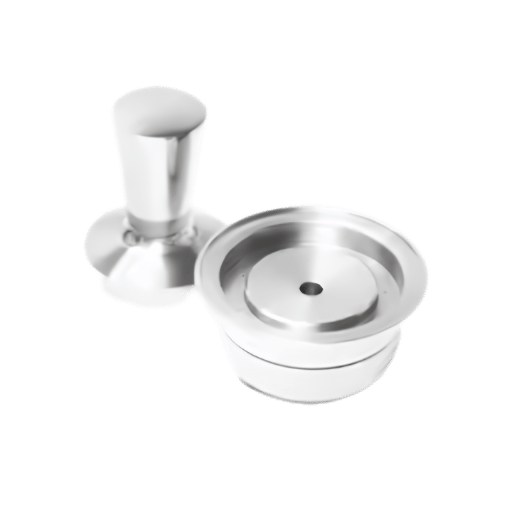
Vấn đề lựa chọn vật liệu Nếu bạn đang tìm nguồn cung ứng vỏ Vertuo có thể nạp lại cho một thương hiệu hoặc tạo sản phẩm nhãn hiệu riêng, bạn đang tìm kiếm điều gì? Điều này liên quan đến một số số liệu chính ảnh hưởng đến chất lượng, chi phí, tuổi thọ và khả năng tự động hóa của vỏ của bạn. Dưới đây là 3 lựa chọn phổ biến nhất:
| Tài sản | Nhựa PP | Thép không gỉ 304 | Hợp kim nhôm |
|---|---|---|---|
| Tái sử dụng chu kỳ | 30–50× | 60–80× | Sử dụng một lần |
| An toàn thực phẩm | Yêu cầu không có BPA | Tuân thủ FDA/EU | Tuân thủ FDA/EU |
| Tự động hóa phù hợp | Tốt | Tốt nhất | Tốt nhất (1-sử dụng) |
| Lời kêu gọi của người tiêu dùng | Tiêu chuẩn | Cao cấp | Eco + phí bảo hiểm |
| Đơn giá (bán buôn) | $0.80–1.50 | $3 -6 | $0.05–0.15 |
Lưu ý kỹ thuật: Nó, đáng chú ý cho các hoạt động thương mại, một hoạt động làm đầy thương mại sẽ ưu tiên các vỏ bằng thép không gỉ 304 do khả năng tương thích đường dây tự động. vỏ nhựa PP có thể biến dạng nhẹ khi tiếp xúc với nước trên 95C, dẫn đến thất bại niêm phong từ 1-3% trên các đường dây tốc độ cao. sự khác biệt của 1000-50.000 + vỏ mỗi ngày làm tăng thêm chi phí và chất lượng đáng k. Viên nang rỗng và nắp giấy bạc có thể tái sử dụng của AFPAK đã được kiểm tra nghiêm ngặt để sử dụng với các vật liệu tương thích.
Trường hợp môi trường: 576.000 tấn chất thải Pod
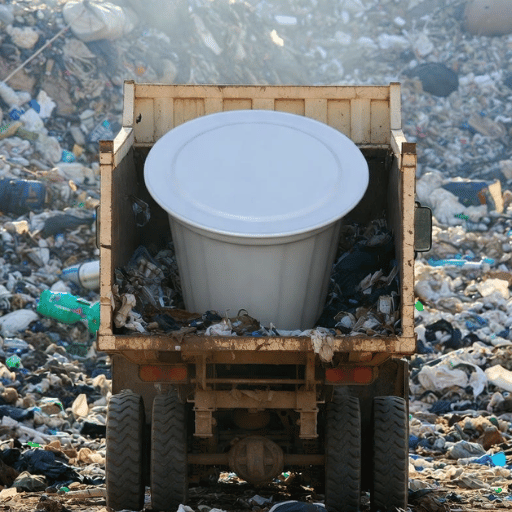
Sự thật ‘sinh thái’ mà thương hiệu của bạn nên trích dẫn xung quanh tác động môi trường của vỏ cà phê dùng một lần so với vỏ cà phê có thể tái sử dụng là gì? Điều này thực sự cần phải là trung tâm trong thông điệp của người tiêu dùng về lý do tại sao họ nên chuyển từ Nespresso Originals sang sản phẩm viên nang có thể tái sử dụng.
1, sản xuất vỏ cà phê và viên nang đang tạo ra một lượng chất thải khổng lồ, 576.000 tấn chất thải mỗi năm và ngày càng tăng. Đây là một vấn đề vì hiện chỉ có khoảng 5% viên nang được tái chế, vì hầu hết đều có các thành phần được làm từ các vật liệu khác nhau không thể phân hủy bằng cách sử dụng các dòng tái chế tiêu chuẩn hiện tại, vì vậy 95% đi đến bãi rác. 60.000.000.000 vỏ mỗi năm trong số này đã được đưa vào bãi rác hoặc tái chế khi blog này được in, một con số phần lớn trước đại dịch.
Điều này tương đương với 1,46 kg chất thải không tái chế mỗi năm cho mỗi người tiêu dùng.Sử dụng viên nang Vertuo có thể nạp lại 50 lần giúp giảm chất thải cho mỗi người tiêu dùng bằng 98%.
576K
tấn chất thải vỏ/năm
~95%
của vỏ quả cuối cùng được đưa vào bãi rác
200 -644g
CO2 mỗi cốc (tất cả các phương pháp pha)
Quy định cũng đang nóng lên xung quanh các vật liệu composite, bao gồm cấu trúc nhôm/nhựa điển hình của vỏ cà phê phục vụ một lần, vì nó nằm trong sự thúc đẩy quy định về nhựa sử dụng một lần. Vào tháng 7 năm 2021, EU đã thực hiện ‘Chỉ thị về Nhựa Sử dụng Một lần’ vốn đã có tác động vượt ra ngoài nhựa đồ uống sử dụng một lần và sự gián đoạn thị trường đó cuối cùng cũng có thể ảnh hưởng đến bao bì cà phê.
Một nguồn tài nguyên tuyệt vời khác có thể được tìm thấy tại người giải thích của AFPAK: Sử dụng vỏ cà phê có thân thiện với môi trường không?
Mở rộng quy mô: Cách các thương hiệu cà phê sản xuất thương mại vỏ Vertuo có thể tái sử dụng
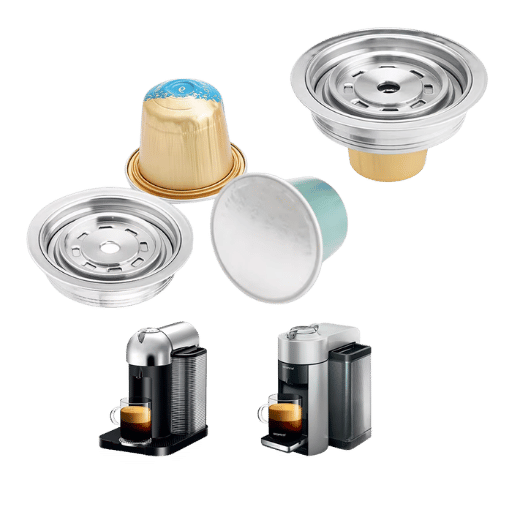
Tuy nhiên nếu bạn là một thương hiệu cà phê đang xem xét cung cấp các loại vỏ Vertuo có thể tái sử dụng, cuộc thảo luận sẽ thay đổi từ “công việc có thể tái sử dụng” thành “con đường thiết bị nào phù hợp với khối lượng sản xuất của bạn”.Bởi vì như quy trình đã đề cập ở trên cho thấy, có lợi nhuận giảm dần, nhanh chóng: nếu bạn phải tự điền 50.000 vỏ với tốc độ điền nói trên là 1 CPM mỗi phút, bạn đang xem ước tính 833 giờ người.
Đây là cách các tầng khối lượng ánh xạ tới các tùy chọn thiết bị:
| Khối lượng Pod hàng năm | Loại Thiết bị | CPM | Điền Độ chính xác | Ước tính. Đầu tư |
|---|---|---|---|---|
| <5.000 | Bộ nạp lại thủ công | 1–2 | ±0,5 -1g | $15 -25 |
| 5,000–50,000 | Máy tính để bàn bán tự động phụ | 5–20 | ±0,3g | $500–3.000 |
| 50,000–500,000 | Máy chiết rót cà phê Nespresso AFPAK H1/RN1S | 40–120 | ±0,1g | Báo giá cần thiết |
| 500,000+ | Đường dây quay AFPAK RN120 | lên đến 600 | ±0,1g | Báo giá cần thiết |
Được đặt tên là Framework
Điểm sẵn sàng sản xuất Pod có thể tái sử dụng của AFPAK
Tự Điểm Bản thân.Tính toán mức độ bạn phù hợp với bốn loại dưới đây, trên thang điểm từ 1-3 (1 = tác động thấp/tối thiểu, 3 = tác động cao/tối đa).Bạn có thể tính tổng điểm của bạn sẽ trực tiếp ánh xạ bạn đến lớp thiết bị thích hợp cho hoạt động của bạn:
- Khối lượng hàng năm – <5k (1) | 5k-50k (2) | 50k+ (3)
- Chất lượng nghiền – Không nhất quán /hướng dẫn sử dụng (1) | Bán kiểm soát (2) | 0,1g Đặc điểm kỹ thuật thương mại (3)
- Chất lượng con dấu − Không chính thức /Trang chủ (1) | Sẵn sàng bán lẻ (2) | Quy định /Chất lượng xuất khẩu (3)
- Sản phẩmSKU − 1-2 (1) | 3-5 (2) | 6+ SKU /Đa định dạng (3)
Tính điểm của bạn: Nếu điểm của bạn là 4-6: Bán tự động hoặc thủ công có thể dành cho bạn Nếu điểm của bạn là 7-9: Bán tự động để nhập cảnh thương mại có thể sẽ hoạt động tốt nhất Nếu điểm của bạn là 10-12: Bạn có thể thuộc về các dòng điền thương mại của AFPAK.
AFPAK đã sản xuất máy chiết rót Nespresso disciple trong hơn 15 năm, và giữ các chứng nhận như CE, ISO và SGS. đội ngũ của chúng tôi cung cấp một loạt các máy chiết rót tùy chỉnh được hỗ trợ bởi sự hỗ trợ kỹ thuật chuyên gia từ các kỹ sư đặt tại Padua, Ý. cụ thể, máy RN1S phổ biến của AFPAK chạy trong khoảng 50-70 CPM với độ chính xác định lượng 0,1g trên cả viên nang Nespresso có thể tái sử dụng và sử dụng một lần.
Triển vọng thị trường 2025 -2027: Tại sao cửa sổ đang mở
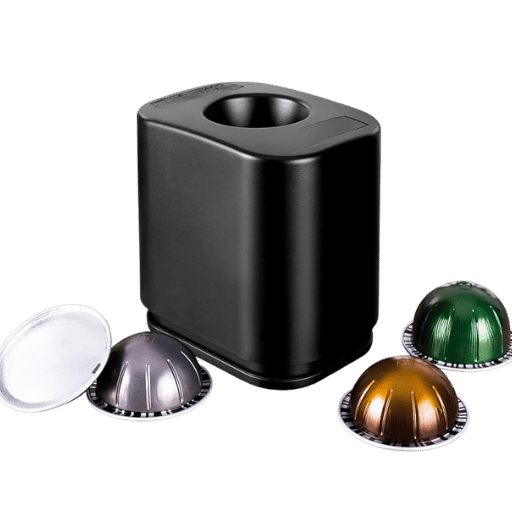
Đây có phải là lúc để nhảy vào viên nang có thể tái sử dụng? Các con số cho thấy… nó đã được. Mặc dù thị trường bền vững đang phát triển nhanh chóng – nhiều thương hiệu cà phê chậm đầu tư vào dây chuyền sản xuất các sản phẩm có thể tái sử dụng và có thể nạp lại đại diện cho tiểu thể loại phát triển nhanh nhất của thị trường vỏ cà phê. Ba lực hội tụ cho thấy thị trường có thể tái sử dụng và có thể nạp lại đang phát triển với tốc độ chóng mặt, biện minh cho khoản đầu tư.
Thị trường toàn cầu cho vỏ cà phê được định giá $8,9 tỷ vào năm 2026 và dự kiến sẽ đạt $18,81 tỷ vào năm 2035, tăng trưởng với tốc độ tăng trưởng kép hàng năm (CAGR) là 8,6%, theo dự báo thị trường.Các sản phẩm có thể tái sử dụng và nạp lại sẽ chiếm thị phần đáng kể trong thị trường này-và họ đã làm điều đó nhanh hơn những người khác nhờ ba lực lượng đang phát triển.
- Nhu cầu: Sự quan tâm đến “vỏ cà phê nespresso vertuo có thể tái sử dụng,” trong 12 tháng tính đến tháng 10 năm 2025, đã tăng 18%. (tìm kiếm: 1.600 – 1.900 mỗi tháng.) Tổng danh mục tìm kiếm “vỏ cà phê nespresso có thể tái sử dụng” cũng duy trì mức độ lành mạnh, chứa khoảng 14.800 lượt tìm kiếm hàng tháng, qua từng năm.
- Quy định: Chỉ thị về nhựa sử dụng một lần của Liên minh Châu Âu sẽ đặt ra những rào cản mới và đáng kể đối với các lựa chọn vỏ dùng một lần trong thị trường cà phê cao cấp lớn nhất thế giới. Điều này mang lại cho các thương hiệu lựa chọn thiết kế có thể tái sử dụng lợi ích của việc được định vị cho nhu cầu trong tương lai.
- Sự khác biệt: Đối với tất cả các tìm kiếm của người tiêu dùng cho các nhóm có thể tái sử dụng, phần lớn các trang kết quả tìm kiếm có sẵn bị chi phối bởi các liên kết sản phẩm. thương hiệu cà phê đang tụt hậu so với các thương hiệu dám nghĩ dám làm cung cấp nội dung giáo dục một thẩm quyền SEO để nắm bắt.
Đối với một thương hiệu hiện chỉ tập trung vào các định dạng nhóm sử dụng một lần, giai đoạn 2025-2026 thể hiện khoảng thời gian trong vòng đời sản phẩm trong đó SKU nhóm Vertuo có thể tái sử dụng vẫn là một điểm khác biệt – so với việc chơi trò đuổi bắt. Các quyết định về định dạng được đưa ra hiện tiếp tục phức tạp trong 5-7 năm tiếp theo trong bối cảnh đầu tư cơ sở hạ tầng, như đã được khám phá trong Hướng dẫn so sánh Nespresso vs. K-Cup trên afpak machine.com.
Câu hỏi thường gặp: Nespresso Vertuo Reusable Pods
Nguồn & Tài liệu tham khảo
- GreenMatch. “Có phải vỏ và viên nang cà phê không tốt cho môi trường?” Cập nhật lần cuối vào tháng 10 năm 2024. greenmatch.co.uk
- Thông tin chi tiết về nghiên cứu kinh doanh. “Coffee Pod Market Size, Trends, Growth By 2035.” businessresearchinsights.com (truy cập tháng 5 năm 2026)
- Homebody Eats. “Cách tái sử dụng Nespresso Vertuo Pods (Trong 3 bước).” homebodyeats.com (Tháng 9 năm 2022)
- Bỏ túi Joules. “Đánh giá trung thực: Vỏ cà phê Nespresso có thể tái sử dụng dễ dàng hơn nhiều so với tôi mong đợi.” pocketfulofjoules.com (tháng 6 năm 2025)
- Y ban châu Âu. “Nhựa dùng một lần.” environment.ec.europa.eu (Chỉ thị 2019/904, có hiệu lực vào tháng 7 năm 2021)
- Máy AFPAK. “Máy chiết rót viên nang cà phê bia.” afpakmachine.com/nespresso-filling-machine (trang sản phẩm, đã xác minh vào tháng 5 năm 2026)
Đọc liên quan trên afpakmachine.com
- Nespresso so với K-Cup: Công ty cà phê của bạn nên sản xuất định dạng viên nang nào?
- Cà phê pod điền các loại máy, tốc độ, và làm thế nào để chọn một trong những quyền
- Giải pháp máy chiết rót viên nang Nespresso & K-Cup tự động
- Hướng dẫn cho các nhà sản xuất máy chiết rót và niêm phong viên nang cà phê
- Cung cấp viên nang nhôm và nắp đậy kín AFPAK


