
Kapsul Kopi Aluminium: Apa yang Perlu Diketahui Setiap Profesional Pengemasan
Quick Specs
| Paduan Primer | 8011-O / 8079-O (DIN EN 602:2004) |
| Ketebalan Dinding | 60͕120 μm |
| Penghalang Oksigen | >99,9% |
| Shelf Life (disegel) | 12ج24 bulan |
| Berat Kapsul (kosong) | ~1.0 g |
| Isi Nitrogen | ≥99.9% N2 |
| Kontak Makanan | FDA 21 CFR §175.300, UE 1935/2004 |
Saat ini kapsul aluminium mewakili salah satu bagian yang tumbuh paling cepat dari pasar kopi satu porsi. Untuk insinyur pengolahan dan pengemasan dan pembeli dihadapkan dengan trade-off desain dan perbandingan kualitas, mengetahui alasan teknis bahan kapsul yang diberikan, tata letak garis, dan standar kualitas dipilih adalah dasar ¡tini adalah pengetahuan dasar minimum. Ikhtisar komposisi paduan, proses manufaktur, titik pemeriksaan ambang kualitas, kompatibilitas dan realitas kekurangan daur ulang yang dihadapi semua merek dan co-packer dimaksudkan untuk berfungsi sebagai referensi Anda.
Apa Itu Kapsul Aluminium dan Mengapa Mendominasi Pasar Kopi?
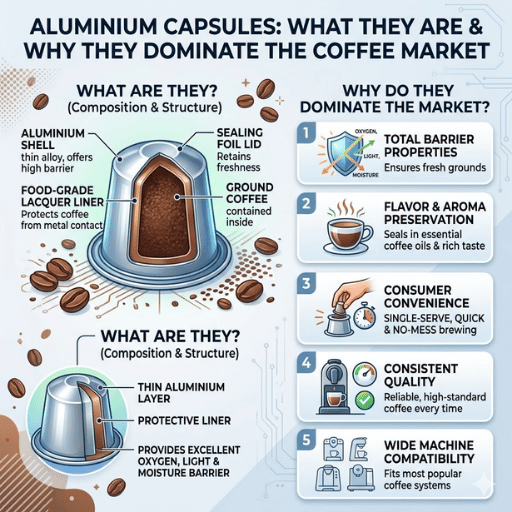
Kapsul aluminium dibentuk dari lembaran foil yang mengeras menggunakan proses deep-draw, menempatkan produk secara luas sejalan dengan pembuatan tubuh kaleng logam tradisional. Kapsul ditutup rapat dengan tutup foil di bawah siram nitrogen untuk memberikan kondisi homeostatis untuk umur simpan dan penyimpanan.
Apa yang dimaksud dengan kapsul aluminium bagi pengguna industri memiliki definisi yang relatif sempit: bentuk cangkir tarik yang dibentuk dari aluminium foil yang dipernis, datar, dan disegel dengan tutup foil foil. Polong plastik umumnya terbuat dari film penghalang multi-lapisan, sedangkan aluminium bergantung pada sifat penghalang yang melekat pada struktur sel.
Nilai standar yang digunakan adalah 8011-O dan 8079-O, diatur oleh DIN EN 602:2004 dan DIN EN 573-3:2013 masing-masing. Pasar yang sensitif terhadap biaya dapat menentukan foil #1100, namun menunjukkan pengurangan keuletan aluminium dan umumnya akan lebih tinggi-gauge dalam rangka untuk mengkompensasi. Mengharapkan alat pengukur menjadi 60 ¡ ¡ 120 m dengan kapsul Nespresso khas (garis asli) lebih dalam kisaran ketebalan 80 ¡ ¡ 100 m, memberikan kekuatan optimal dan daya tusuk.
Dimensi standar untuk kapsul Nespresso Original Line adalah: diameter dalam atas 30 mm, diameter luar atas 37 mm (ini adalah tepi flensa), diameter bawah 24 mm, tinggi kapsul 29 mm, dan berat kapsul kosong 1g. Variasi untuk asli atau setara yang kompatibel dengan Nespresso harus diukur untuk memastikan kualitas minuman yang dapat diterima tanpa masalah kinerja pengumpanan jalur yang belum terselesaikan.
Mengapa mempertimbangkan penggunaan aluminium untuk kapsul kopi premium? Tiga faktor teratas untuk insinyur pengemasan:
- Penghalang tiga jalur potensial primer. Oksigen, cahaya, dan kelembaban (yang membawa kelembaban dalam kopi bubuk) semua dapat diblokir oleh aluminium, memberikan baik kesegaran dan pelestarian aroma, tanpa perlu mempekerjakan lapisan penghalang tambahan pada foil atau segel foil dalam rangka untuk mencegah degradasi.
- Penetrasi tekanan yang konsisten selama ekstraksi. Karena air panas yang dikirim dalam kapsul melalui sistem tekanan tinggi Nespresso yang unik menembus dengan distribusi aliran dan tekanan yang akurat, profil ekstraksi dalam cangkir dapat dihasilkan yang secara berulang menghasilkan lapisan creme yang hampir seperti custard… isyarat sensorik utama untuk dapat mengidentifikasi tembakan atau campuran espresso mewah yang berkualitas.
- Berkolaborasi dengan akhir-of-hidup sebagai titik visi merek. cerita daur ulang, sering ternoda atau rumit oleh kesalahan konsumen dari apa yang dapat didaur ulang, berarti bahwa aluminium berkontribusi positif dan dalam beberapa kasus pilihan aluminium daur ulang yang paling menarik untuk berpikir ke depan merek kopi.
Bagaimana Kapsul Aluminium Dibuat — Dari Coil ke Pod Tertutup
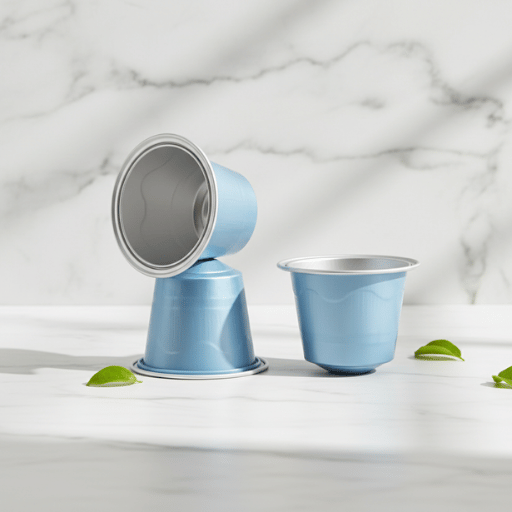
Pembuatan kapsul aluminium mengikuti urutan berurutan dengan dampak langsung pada titik kendali mutu penting seperti; penghalang, tumpukan mesin, dan timah ekstraksi.
1. Coil Menggorok dan Mengosongkan
1. Proses pembuatan:
Langkah pertama adalah pembuatan stok kumparan aluminium dalam kelas paduan yang ditentukan (biasanya 8011-0). Stok kumparan digorok ke lebar web yang diperlukan dan dikosongkan menjadi potongan melingkar atau berbentuk datar. Inspeksi material yang masuk pada tahap ini menegaskan ketebalan seragam di seluruh lebar kumparan Թ perbedaan yang melebihi 5 m dapat menyebabkan kesulitan pembentukan hilir.
2. Menggambar Jauh dan Stamping
Kosong datar ditarik melalui serangkaian progresif deep-draw menekan yang membentuk bentuk cangkir kapsul. Aluminium ditarik dari foil datar dipernis ke dalam geometri meruncing akhir dalam satu atau lebih stroke. Die tooling harus dipertahankan untuk menutup toleransi: cincin tarik kusam menyebabkan penipisan dinding yang kompromi kekuatan dinding samping kapsul dan menimbulkan kebocoran lubang jarum.
3. Interior Makanan-Safe Lacquer Coating
Pernis food-contact-grade – – (melapisi permukaan bagian dalam) – – (mesin) – EMPOXY-phenolic atau PET-based. Lacquer mencegah kontak langsung dengan kopi panggang dan aluminium telanjang, dan memberikan permukaan penyegelan yang lebih halus untuk foil tutup. Uji tembaga sulfat digunakan untuk memeriksa integritas lapisan: setiap aluminium yang terbuka menjadi gelap jika bersentuhan dengan larutan.
4. Pembilasan Nitrogen
Sebelum pemberian dosis dengan kopi, rongga kapsul dibilas dengan nitrogen (kemurnian 99,9% N). Mengganti oksigen sisa di dalam pod kemudian menciptakan atmosfer yang dimodifikasi yang melindungi kopi panggang dari kerusakan oksidatif. Target oksigen sisa biasanya di bawah 2% setelah penyegelan.
5. Dosis Kopi Tanah
Biji kopi panggang tanah dimasukkan ke dalam setiap kapsul oleh mesin dosis volumetrik atau gravimetri. Toleransi berat isi adalah spesifik mesin dan produk tetapi konsistensi pada tahap ini memberikan ekstraksi yang seragam, kualitas cangkir yang baik dan kepuasan konsumen. Kantong berlebih juga dapat menyebabkan baik kontaminasi segel dengan denda kopi pada flensa, atau lemah, minuman berair.
6. Foil Lidding dan Heat Sealing
Kapsul ditutup dengan tutup aluminium foil, yang disegel panas ke flensa. Penghalang kedap udara ini menyimpan produk dan mengunci kesegaran.
Catatan Teknik
Suhu segel biasanya sekitar 170-200 C, tergantung pada komposisi pernis dan waktu tinggal. Terlalu rendah dan kekuatan pengelupasan berkurang di bawah minimum 8 N yang diperlukan untuk mencegah kebocoran selama transit. Terlalu tinggi dan kerutan aluminium, menciptakan kerutan segel yang membahayakan penghalang.
Peralatan dosis gravimetri dan volumetrik dapat digunakan untuk mengisi kopi dalam kapsul, tetapi toleransi berat akan berbeda dari batch ke batch berdasarkan kalibrasi peralatan dan karakteristik batch. Menentukan berat kapsul untuk produksi secara langsung berdampak pada keseragaman ekstraksi dan kinerja kehidupan bagian dan pada akhirnya dapat mempengaruhi kepuasan konsumen.
Jika diinginkan pengoperasian turnkey, penggunaan peralatan yang mencakup proses pembentukan dan penyegelan kapsul akan terlihat memodernisasi jalur produksi dengan produsen kapsul non-plastik.
Kapsul Kopi Aluminium vs Plastik — Perbandingan Garis Kemasan
Aluminium versus plastik jauh lebih dari sekadar preferensi material atau manfaat ekologis yang dirasakan. Untuk operator lini pengemasan, ini memengaruhi kualitas penghalang, tantangan umur simpan, tata letak dan biaya peralatan modal, ekonomi unit rakitan dan pemasaran akhir masa pakai. Baca di bawah Aspek terukur dari keduanya:
| Properti | Aluminium | Plastik (PP/PE) |
|---|---|---|
| Oksigen Barrier (OTR) | Near-zero (disegel) | Membutuhkan multi-layer untuk yang serupa |
| Shelf Life | 12ج24 bulan | 6͕12 bulan (bervariasi berdasarkan lapisan penghalang) |
| Daur ulang | Dapat didaur ulang tanpa batas | Terbatas / downcycling |
| Biaya Satuan | 15͕30% lebih tinggi | Lower |
| Energi untuk Daur Ulang | 5% produksi primer | Lebih tinggi untuk multi-layer |
| Kualitas Crema | Unggul (tekanan-tusukan) | Variabel |
Keunggulan Aluminium
- Oksigen lengkap, kelembaban, dan penghalang cahaya tanpa laminasi
- Mempertahankan aroma kopi selama 12 ¡24 bulan umur simpan
- Ekstraksi tekanan-tusukan yang konsisten menghasilkan crema yang andal
- Dapat didaur ulang tanpa batas — tidak ada degradasi material di seluruh siklus
- Posisi merek premium untuk pasar espresso yang sadar kualitas
Keterbatasan Aluminium
- 15 ج 3 0 % biaya per unit lebih tinggi dari polong plastik injeksi-cetakan
- Membutuhkan lapisan pernis interior untuk kepatuhan kontak makanan
- Format kecil membuat pengumpulan daur ulang menjadi sulit secara logistik
- Perkakas deep-draw memiliki persyaratan perawatan yang lebih ketat
- Lebih sensitif terhadap variasi parameter segel dibandingkan segel panas plastik
Kapsul aluminium bisa 15-30% lebih mahal menurut beratnya daripada plastik cetakan Injeksi. Untuk merek berkualitas lebih tinggi yang ingin mempromosikan penghalang dan pesan lingkungan, premi harga delta ini dapat dibenarkan. Untuk label pribadi kelas bawah, volume tinggi namun, kapsul kompatibel plastik dapat menjadi proposisi ekonomi yang lebih menarik untuk saat ini Թ meskipun ini mungkin dipengaruhi oleh undang-undang kemasan UE yang baru.
Parameter Kontrol Kualitas untuk Kapsul Kopi Aluminium
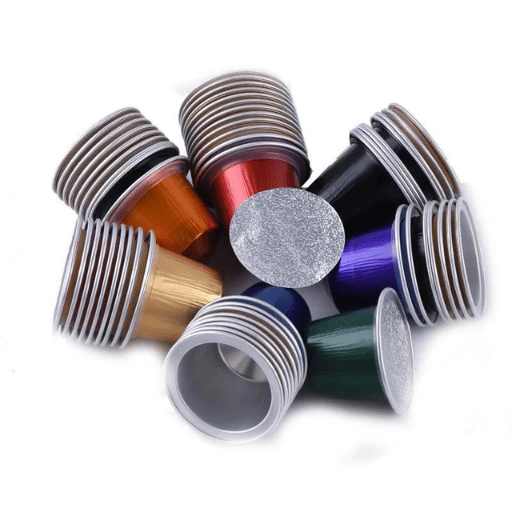
Kapsul yang terlihat bagus masih bisa salah di lapangan. Program kontrol kualitas yang baik untuk kapsul kopi aluminium menguji setiap tahap, dari bahan yang masuk hingga produk kemasan akhir. Berikut adalah daftar periksa praktis yang digunakan di produsen kapsul yang lebih mapan.
- ✔ Verifikasi ketebalan koil masuk (± 5 μm toleransi)
- ✔ Menarik konsistensi mendalam di semua rongga
- ✔ Integritas lapisan pernis (uji titik tembaga sulfat)
- ✔ Pengujian kekuatan kulit segel (kisaran target 8 ¡15 N)
- ✔ Akurasi dimensi untuk kompatibilitas mesin asli
- ✔ Stasiun pemeriksaan berat (verifikasi pengisian gravimetri)
- ✔ Deteksi kebocoran (peluruhan tekanan atau metode perendaman air)
- ✔ Pengujian oksigen sisa (target <2% setelah segel)
Batas Keamanan Pangan dan Migrasi
Kekhawatiran konsumen lain yang meningkat Σ aluminium migrasi ke kopi ◎ telah diselidiki secara langsung oleh data peer-review. Sebuah artikel 2020 yang diterbitkan melalui National Institutes of Health menilai kadar aluminium dalam kopi yang diseduh kapsul (18,26 6,01 g/L). Sebagai perbandingan, itu jauh lebih rendah daripada kopi moka pot (72,57 23,96 g/L) dan hanya sebagian kecil dari jumlah mingguan EFSA yang dapat ditoleransi secara integral.
Atas dasar peraturan, kapsul aluminium untuk kontak dengan kopi tunduk pada peraturan di bawah FDA 21 CFR 175.300 (pelapis untuk permukaan kontak makanan) dan Peraturan UE 1935/2004 (bahan yang dimaksudkan untuk menghubungi makanan). Batas migrasi mencapai 60mg/kg di bawah aturan UE. Model kepatuhan UE didasarkan pada pelapis pernis interior, dan residu dari kopi panggang (setelah pelapis utuh) tidak meningkatkan pembacaan migrasi melampaui batas.
Untuk merek yang ditargetkan pada peminum espresso, temuan ini mewakili peluang pemasaran yang signifikan. Kopi yang diseduh dalam kapsul telah terbukti mengekspos konsumen untuk aluminium kurang dari sistem pembuatan stovetop konvensional جم جم فاه ميناء poin keselamatan penting untuk disebutkan dalam informasi produk dan pada bahan kemasan untuk line-machines dari produsen asli.
Kompatibilitas Kapsul dan Pertimbangan Profil Panggang
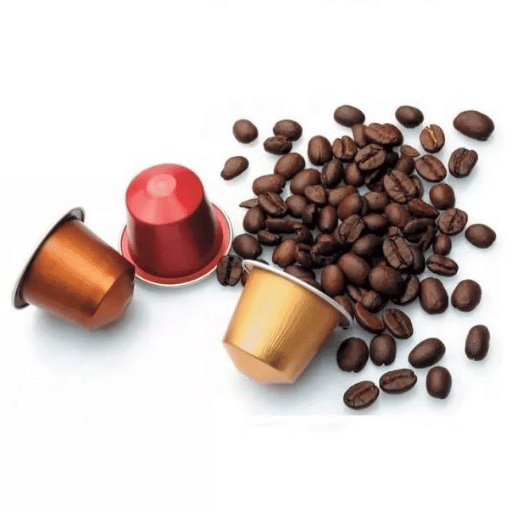
Mesin Nespresso Original Line jauh dan jauh dari platform rumah dengan kapsul kopi aluminium paling banyak. Jika ada pihak ketiga yang akan digunakan dengan mesin Nespresso ini, itu harus sesuai persis dalam parameter kapsul asli yang diproduksi: tinggi setiap kapsul harus mendekati 29 mm, diameter luar pelek atas harus sangat dekat dengan 37mm, dan sudut orientasi harus memberikan tempat duduk yang baik di ruang minuman.
Secara komposisi profil minuman juga berinteraksi dengan desain kapsul dengan cara yang perlu dihargai oleh para insinyur paket. Panggang kopi espresso Italia yang lebih gelap — campuran kopi panggang yang sangat gelap — akan mengeluarkan gas secara signifikan lebih banyak CO setelah waktu pemanggangan, pengemasan dan penyegelan yang dapat memberi tekanan internal pada kapsul. Ini tidak terduga tetapi perlu dibangun ke dalam spesifikasi kekuatan segel ¡t , jika kekuatan kulit berada pada tingkat yang lebih rendah dari kisaran 8-15N daripada koktail panggang gelap yang sangat degassing dapat menyebabkan segel akhirnya bertiup.
Campuran lungo kopi arabika yang lebih ringan membawa beberapa pertimbangan lain. Pengaturan penggilingan harus sering diatur sedikit lebih kasar daripada untuk espresso dan mengisi bobot mungkin juga harus sedikit ditinggikan untuk mencapai parameter tembakan. Dalam kasus kapsul gaya Nespresso, dosis lungo adalah sesuatu seperti 6-7 g kopi sebagai lawan dari standar 5- 5,5 g untuk tembakan espresso.
Hal ini membawa serangkaian pertimbangan berbeda pada kalibrasi dosis dan perlakuan headspace seputar pembilasan nitrogen.
Memperkenalkan berbagai paket ¡ ¡ · kombinasi profil multi-panggang dalam satu paket ritel, adalah segmen pasar yang semakin populer. Dari perspektif logistik produksi, paket varietas melibatkan persyaratan pergantian yang cukup besar karena paket dapat berisi hingga dua belas rasa yang berbeda, membutuhkan array serius peralatan pergantian, atau garis pengisian paralel. Pembuatan kapsul yang mewakili seluruh rentang bidikan profil, dari campuran Arabika ringan hingga espresso Italia yang diledakkan hitam, harus menggabungkan fleksibilitas yang mendalam ke mesin integralnya, yang mampu mengisi dengan penggilingan apa pun, berat, tanpa masalah, tanpa kehilangan efisiensi dalam jangka panjang.
Garis Keurig K-Cup, secara komparatif, masih cukup mesin plastik dan menggunakan plugin ekstraksi yang sama sekali berbeda, sehingga interoperabilitas lintas platform antara pod Nespresso dan Keurig bukan merupakan faktor untuk pod aluminium.
Memiliki produsen peralatan kapsul yang mapan seperti AFPAK membantu Anda merancang jalur pengisian berarti Anda dapat menyimpan beberapa profil panggang dan polong yang kompatibel dengan kecepatan tinggi, memberikan kopi berkualitas secara konsisten di seluruh proses produksi.
Keberlanjutan dan Daur Ulang — Kasus Bisnis Aluminium
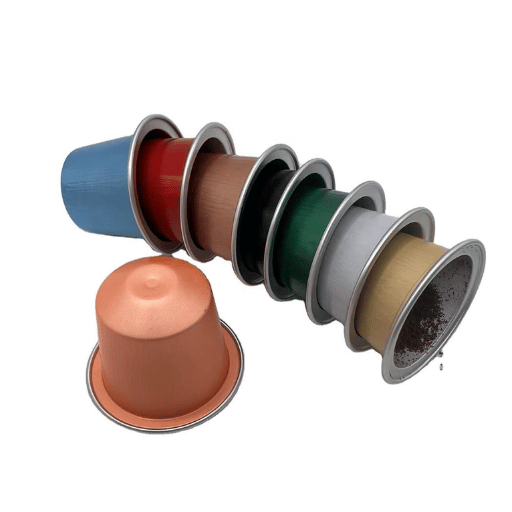
Sayangnya, kaleng “pod” aluminium didaur ulang dengan kecepatan hanya sekitar 5% dari sekitar 14 miliar pod kopi yang dijual oleh produsen global setiap tahunnya. Meskipun proses daur ulang aluminium secara berkelanjutan tidak ada habisnya dan 75% penuh dari seluruh aluminium yang diproduksi masih beredar, pasar gagal mengimbanginya.
Pada intinya, masalahnya adalah mekanis. Kapsul aluminium bekas hanya terlalu kecil untuk diambil oleh peralatan penyaringan MRF yang sudah ada sebelumnya. Ukuran objek minimum yang khas adalah 2,5 inci (63,5 mm) untuk layar penyaringan, dan tidak ada peralatan penyaringan yang diketahui digunakan di pabrik daur ulang konvensional yang akan menangkap kapsul Nespresso dengan diameter 37 mm.
Akibatnya, mereka harus didaur ulang melalui sistem pengumpulan kapsul tertentu daripada daur ulang aliran tunggal di tepi jalan secara umum.
Daur ulang dalam praktek cukup mudah setelah pengumpulan berlangsung: kapsul kadaluwarsa berujung ke shredder, di mana aluminium dipisahkan dari bubuk kopi bekas, yang terakhir dikomposkan dan mantan dicairkan kembali. Re-melting hanya menggunakan sekitar 5% dari energi yang dibutuhkan untuk menghasilkan aluminium selama peleburan awal —yang merupakan penghematan yang signifikan dan manfaat yang jelas — membuat kesenjangan koleksi bahkan lebih membuat frustrasi.
Saat ini, organisasi industri menantang hal ini. The Aluminium Eropa Asosiasi Foil dan Kemasan Fleksibel Eropa telah berkolaborasi dalam program yang berfokus pada infrastruktur pengumpulan aluminium format kecil. Yang menggembirakan, yang baru Peraturan Limbah Pengemasan dan Pengemasan UE (PPWR), yang akan mulai berlaku pada Agustus 2026, akan menetapkan bahwa 100 persen dari semua kemasan harus dapat didaur ulang pada tahun 2030, dan sepenuhnya didaur ulang pada skala pada tahun 2035. bagi pembuat kapsul, peraturan ini memberikan tenggat waktu kepatuhan dan kesempatan untuk berpikiran maju merek untuk membangun keunggulan kompetitif dengan memelopori infrastruktur koleksi sejak awal.
Dari segi bisnis, kasus seputar keberlanjutan kapsul aluminium sangat kuat, tetapi perusahaan harus jujur. Mereka sebenarnya dapat menegaskan bahwa kapsul mereka terbuat dari bahan yang dapat didaur ulang tanpa batas, tetapi tidak boleh menyatakan bahwa kapsul mereka “didaur ulang” tanpa memenuhi syarat tingkat pemulihan yang sebenarnya. Konsumen yang terinformasi akan menghargai transparansi, dan itu akan menempatkan merek dalam posisi yang baik untuk peraturan di masa depan.
Pertanyaan yang Sering Diajukan
Q: Apa itu kapsul aluminium?
Lihat Jawaban
Q: Apakah kapsul aluminium lebih baik dari plastik?
Lihat Jawaban
Q: Apakah kapsul kopi aluminium aman?
Lihat Jawaban
T: Bagaimana kapsul aluminium dibuat?
Lihat Jawaban
T: Bisakah kapsul aluminium didaur ulang?
Lihat Jawaban
T: Apakah kapsul aluminium sudah kadaluarsa?
Lihat Jawaban
Tentang Panduan Ini
Bagian ini dikembangkan dalam kemitraan dengan AFPAK, produsen mesin pengisian kapsul, penyegelan, dan karton dengan pengalaman 14+ tahun melayani pelanggan kapsul kopi aluminium di seluruh dunia. Spesifikasi dan tingkat QC yang dirujuk di sini mewakili praktik khas di seluruh basis klien global AFPAK. Untuk pertanyaan peralatan, kunjungi afpak machine.com.
Referensi & Sumber
- Kandungan Aluminium dalam Kopi Diseduh dengan Metode Berbeda φ Institut Kesehatan Nasional (PMC)
- Paten Kapsul Paduan Aluminium (US20230026694A1) φ Paten Google
- Panduan Zat Kontak Makanan φ Badan Pengawas Obat & Makanan AS
- Ikhtisar Peraturan Limbah Pengemasan dan Pengemasan UE (PPWR) Թ Amcor Insights
- Data Daur Ulang Aluminium dan Laporan Industri φ Asosiasi Aluminium Eropa
- Aluminium Alloy 8011 – Properti dan Aplikasi Σ AZoM
Artikel Terkait
- Mesin Pengisi Kapsul Kopi φ Panduan pembeli lengkap untuk peralatan produksi kapsul
- Kemasan Kapsul Nespresso-Compatible ◎ Peralatan dan spesifikasi format
- Teknologi Penyegelan Kapsul φ Parameter segel panas dan kontrol kualitas
- Solusi Kemasan Kopi Satu Saji جمال فالم فایل فاله اللمي فایل فایل فاله فایل فالعربي اللال اللميناء فالایل اللميناء فالایل فایل فایل فایل اللایل العربي الاه و الللالعربي الالالالالالالالالالالالالالالالالالاه فالالالاه فالالالالال


