
Mengapa Aluminium Coffee Pods Menggantikan Plastik — Dan Bagaimana Merek Memproduksinya dalam Skala
Kopi satu porsi mencapai $32,62 miliar pada tahun 2025, dan sektor yang tumbuh paling cepat bukanlah plastik. Ini adalah aluminium. Paket kapsul kopi untuk merek kelas atas seperti Nespresso dan toko panggang batch kecil pasar massal mengadopsi aluminium — dan bukan karena penampilannya.
Dengan penghalang oksigen yang lebih baik dan daur ulang yang tak ada habisnya, selera konsumen mulai mendikte perpindahan ke aluminium. Laporan ini mengeksplorasi ilmu material dari pod kopi aluminium, melakukan perbandingan langsung dengan plastik dan kompos, dan kerusakan proses produksi langkah demi langkah —dari cakram kosong ke pod yang dibilas nitrogen dan dikemas vakum siap untuk disimpan di rak.
Quick Specs
| Bahan Utama | Paduan aluminium food-grade (8011 / seri 3003) |
| Ketebalan Dinding | 0,08 φ 0,12 mm |
| Lapisan Barrier | Lapisan pernis internal yang aman untuk makanan (mencegah kontak langsung) |
| Format Umum | Nespresso Asli (37 mm), K-Cup (48 mm), Dolce Gusto (52 mm) |
| Tingkat Transmisi Oksigen | <0,05 cm³/kapsul/hari |
| Shelf Life (disiram nitrogen) | 12 ج 18 bulan |
Apa Itu Aluminium Coffee Pods?
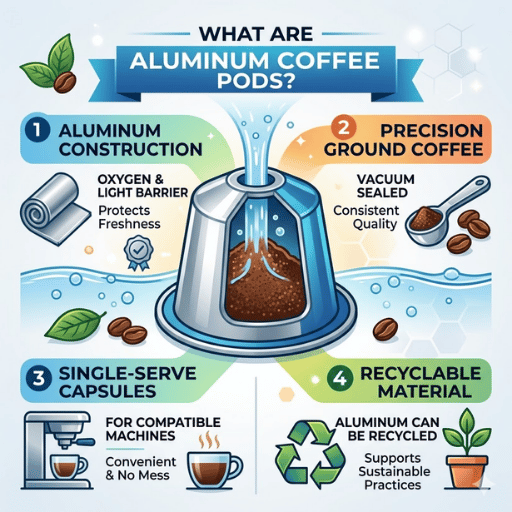
Kapsul kopi Foil—Potent 2. wadah penghalang, ditekan dari paduan aluminium food grade, dikemas dengan bubuk kopi panggang dari biji kopi terbaik, nitrogen memerah dan foil ditutup dengan aluminium penutup foil. Mereka seperti kubah hermetis kecil —permeable untuk tidak oksigen atau kelembaban, atau panjang gelombang cahaya.
2000-an Idenya bukan hal baru. Pada tahun 1976, Nestle mengajukan paten kapsul aluminium pertama. Sejak itu, Nespresso memonopoli format dengan kapsul aluminium yang dipatenkan selama beberapa dekade.
Ini berakhir karena paten berakhir dan roaster pihak ketiga memasuki pasar kapsul yang kompatibel dengan Nespresso. Cambio Roasters meluncurkan pod aluminium pertama untuk pembuat bir Keurig pada tahun 2024, membawa aluminium ke dalam format mesin kopi yang sebelumnya dikunci ke K-Cup plastik.
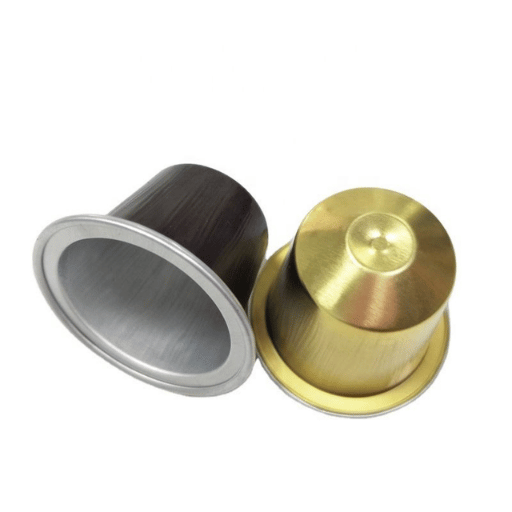
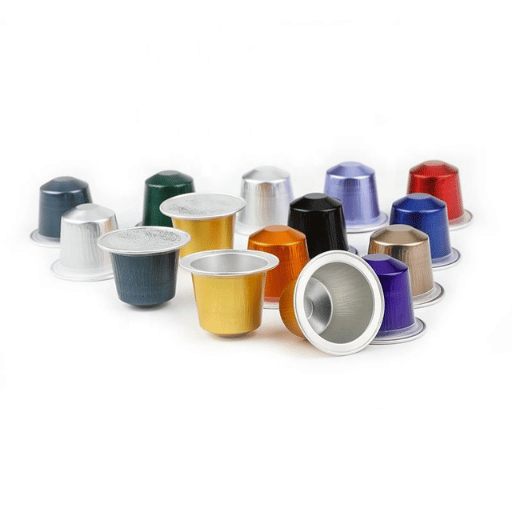
Saat ini, kapsul kopi aluminium masuk ke dalam tiga ekosistem mesin yang luas: mesin Nespresso Original Line (diameter 37mm), Keurig K-Cup (48mm), dan Dolce Gusto (52mm). Berkat formabilitas material yang luar biasa, produsen mampu membentuk polong dalam hampir semua bentuk dengan semua karakteristik penghalang tetap utuh ɗ sesuatu polong plastik dan bahan kompos yang sulit dicocokkan. Merek espresso Italia dan roaster khusus menghargai fleksibilitas ini saat meluncurkan paket variasi di berbagai platform mesin.
Aluminium vs. Pod Kopi Plastik: Perbandingan Berdampingan
Pilihan bahan pod Anda mengontrol kesegaran produk Anda, kemampuan daur ulang produk Anda, bagaimana persepsi pengguna, dan harganya untuk diproduksi. Di bawah ini adalah perbandingan objektif pada 8 kriteria untuk skor pemilihan bahan tertentu φ seperti 2, 3 dari skala peringkat bidang.
| Kriteria | Aluminium | Plastik (PP/PE) | Kompos (PLA) |
|---|---|---|---|
| Oksigen Barrier (OTR) | <0,05 cm³/tutup/hari | 50 Σ 150 cm³/m²/hari | 100 Σ 300 cm³/m²/hari |
| Shelf Life | 12 ج 18 bulan | 6 ج 9 bulan | 3 ج 6 bulan |
| Kesegaran di 18 Bulan | 83% dipertahankan | 54% dipertahankan | T/A (kadaluarsa) |
| Daur ulang | Infinite (tepi jalan) | 1 ج 2 siklus maks | Hanya kompos industri |
| Biaya Bahan/Unit | $0.03 φ $0.06 | $0.01 φ $0.03 | $0.05 φ $0.10 |
| Tahan Panas | >300 °C | 120 ͕ 160 °C | <70 °C |
| Berat Pod Kosong | 1.0 Σ 1.5 g | 2.5 Σ 3.5 g | 3.0 Σ 4.0 g |
| Persepsi Konsumen | Premium, eco-sadar | Anggaran, komoditas | Eco-niche, ketersediaan terbatas |
Defisit laju transmisi oksigen (OTR). Aluminium yang mendekati 0 OTR sama dengan potensi untuk mengunci kesegaran, dan menahan atribut senyawa volatil aroma seperti espresso halus atau lungo. penelitian yang dipublikasikan di Kemasan Makanan dan Umur Simpan (PMC, 2024) mengungkapkan bahwa setelah 18 bulan kopi yang diseduh mempertahankan 83% dari profil kesegaran asli ketika disimpan dalam kapsul aluminium, dibandingkan hanya 54% ketika menggunakan polong polypropylene standar.
Ini adalah pertanyaan umum dan masalah migrasi logam berbahaya ketika air panas dilewatkan melalui kapsul aluminium telah dipelajari secara rinci dan terbukti tidak berdasar. Sebuah studi yang dilakukan oleh Journal of Food Composition and Analysis menemukan kadar aluminium dalam espresso yang diseduh adalah 0,46 mg/kg, yang hanya 0,15% dari asupan harian awal yang direkomendasikan oleh Otoritas Keamanan Pangan Eropa (EFSA). Kapsul aluminium food-grade dilapisi dengan pernis di bagian dalam yang mencegah aluminium bersentuhan dengan bubuk kopi Otoritas kesehatan termasuk EFSA mengkonfirmasi bahwa potensi risiko kesehatan dari kapsul aluminium dapat diabaikan pada konsumsi normal — bahkan lima tembakan espresso sehari tetap jauh di bawah ambang batas keamanan.
Mengapa Merek Kopi Beralih ke Kapsul Aluminium
Pindah dari polong plastik ke kapsul aluminium bukanlah tren — itu adalah koreksi pasar struktural.. Berkat regulasi, permintaan konsumen dan ekonomi ada 5 kekuatan yang menarik merek ke arah aluminium.
1. Kesegaran sebagai parit kompetitif. Selama tes blind brew, kopi dari kapsul aluminium yang dibilas nitrogen memberikan lapisan krema beludru, aroma bertubuh penuh, dan kompleksitas rasa yang tidak dapat ditandingi polong plastik setelah periode penyimpanan yang sama. Apakah menyeduh ristretto, americano, atau latte, perbedaan kesegaran itu mendefinisikan pengalaman kopi. Untuk roaster khusus dengan biji arabika asal tunggal atau profil kopi panggang gelap, keunggulan itu adalah produknya. Aluminium mengunci kesegaran dari panggang ke cangkir — setiap roaster yang memproduksi kopi satu porsi memahami keunggulan ini.
2. Tekanan peraturan semakin cepat. The Peraturan Limbah Pengemasan dan Pengemasan UE (PPWR), efektif 2024, menetapkan bahwa semua kemasan harus dapat didaur ulang dalam skala pada tahun 2030. Aluminium sudah memenuhi syarat. Sejumlah format plastik satu-serve tidak φ memaksa merek yang menjual ke pasar Eropa untuk merumuskan kembali, atau dikenakan denda kepatuhan.
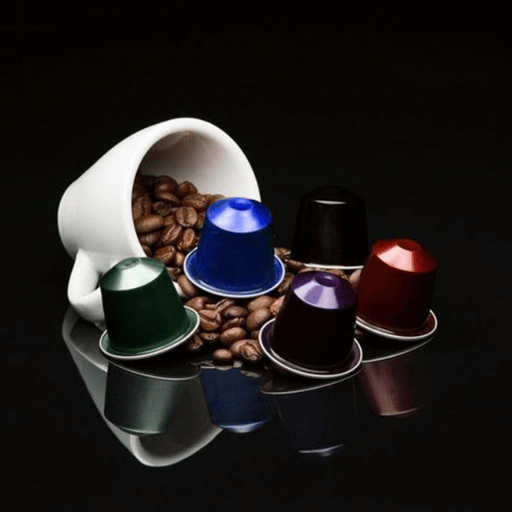
3. Preferensi orang konsumen. Penelitian IQ Nielsen dari 2024 menunjukkan bahwa 78% konsumen menganggap keberlanjutan sebagai pengaruh pembelian, dan pecinta kopi semakin mengasosiasikan polong aluminium dengan kopi berkualitas yang dapat didaur ulang yang sesuai dengan ritual kopi harian mereka. Hasil akhir metalik menandakan pengalaman kopi tingkat barista di rak ritel -sebuah produk plastik tepi gambar tidak dapat memberikan.
4. Merek-merek besar bergerak. JDE Peet berjanji untuk memperluas kemitraannya untuk memproduksi dan mendistribusikan kapsul aluminium bermerek Costa ke Inggris Raya pada September 2024. Nespresso mengumumkan pada Januari 2026 bahwa mereka telah bermitra dengan Amcor dan Lindt untuk mengembangkan infrastruktur daur ulang Eropa untuk pengumpulan dan penyortiran kapsul aluminium. Ini bukan komitmen satu kali ͕فالله فاله و الله اللعربي اللعربي اللعربي العربي اللعربي فالاله الللله الللي فالالهو الالاله فالالاله فالالالالالالالالاله فالالالالاله و ال.
5. Total biaya kepemilikan mempersempit kesenjangan harga. Biaya aluminium $0.03-$0.06 per pod versus kisaran plastik $0.01-$0.03. Namun, umur simpan yang diperpanjang (12-18 bulan versus 6-9 bulan) mengurangi limbah dari kelebihan persediaan dan fluktuasi permintaan. Pada volume produksi komersial, pembusukan aluminium yang lebih rendah dan kekuatan harga premium melebihi premi biaya material pada tahun pertama.
Jika Anda mempertimbangkan untuk beralih dari plastik ke aluminium. SKU margin tertinggi mewakili pengembalian terbaik untuk kategori tersebut. Diperiksa sebagai persentase dari campuran kopi panggang premium dengan harga premium, asal tunggal atau gelap, biaya bahan tambahan diminimalkan, dan produk-produk ini mempertahankan manfaat maksimal dari umur simpan yang lebih lama.
Bagaimana Aluminium Coffee Pods Diproduksi: Dari Kosong ke Brew-Ready
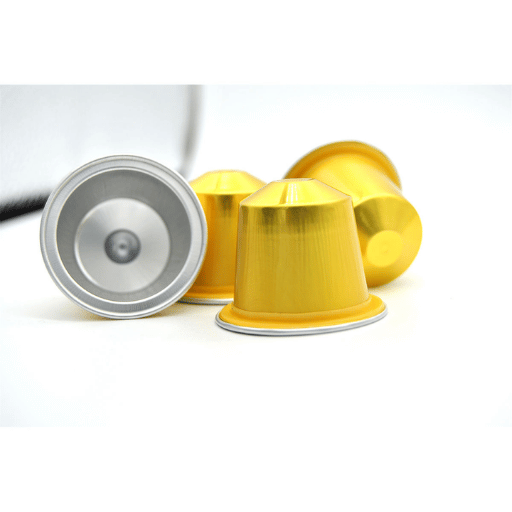
Mengekstraksi kapsul kopi berbasis aluminium pada volume komersial mengamanatkan proses yang dikontrol ketat dan sangat berurutan yang dilakukan setiap stasiun di bawah satu detik per kapsul. Di bawah ini adalah aliran produksi tujuh langkah yang digunakan pada jalur pengisian di seluruh dunia.
Langkah 1: Kapsul Denesting ke stasiun pengisian. Kapsul aluminium dipotong sebelumnya dan dikirim dalam wadah curah yang dikenal sebagai majalah. Perangkat denesting secara pneumatik memisahkan kapsul menjadi unit individual dan menyimpannya pada posisinya di jalur pembawa. Banyak stasiun pengisian dan penyegelan kapsul kompatibel dengan kapsul yang kompatibel dengan K-Cup, Dolce Gusto, dan mesin asli Nespresso dengan pergantian alat cepat.
Langkah 2: Grounding Coffee. Kopi bubuk dimasukkan ke dalam kapsul aluminium yang disiapkan dengan menggunakan pengisi header volumetrik tipe sekrup yang dikendalikan komputer. Bobot isi berkisar dari 5 · · · · · · · · · · · g untuk kapsul espresso hingga 9 · · · · · · · 12 g untuk porsi lungo, dengan campuran decaf dan dark roast menggunakan target berat yang sama. Toleransi industri standar adalah ± 0,2 gram sedangkan mesin canggih mampu mencapai ± 0,1 gram. Untuk tekanan kapsul membangun serta waktu ekstraksi adalah baik disetel sesuai dengan ukuran menggiling.
Langkah 3: Tamping (beberapa kali diperlukan). Format tertentu memerlukan paket lembut dari tempat tidur kopi, menjaga bahkan saluran air melalui tempat tidur. Kekuatan yang diterapkan dan kedalaman paket adalah fungsi dari geometri pod (kapsul: tekanan Nespresso ringan, K-Cup lebih sering dilewati).
φ Langkah 4: Siram nitrogen Ini adalah langkah pelestarian Kesegaran yang penting. Gas nitrogen menggantikan oksigen dalam kapsul yang sudah terisi. Sisa oksigen harus turun di bawah 1%, dicapai dengan mempertahankan konsentrasi nitrogen di atas 95% dari stasiun dosis sampai stasiun penyegelan.
Serangkaian port injeksi nitrogen di sepanjang garis memastikan perpindahan oksigen yang seragam. Oksidasi berhenti, dan senyawa aroma yang mudah menguap tetap terperangkap di dalam kapsul selama 12 Ƒ18 bulan.
Catatan Teknik
Efisiensi ‘nitrogen flush’ dinyatakan dengan tiga parameter; laju aliran gas (biasanya 2-5 L/min/laneway), waktu tinggal antara injeksi dan penyegelan (kurang dari 0,5 detik untuk jalur kecepatan tinggi) dan metode pengukuran O sisa. Sensor sel-zirkonia yang dipantau di stasiun penyegelan dan penganalisis paramagnetik yang digunakan untuk target QC Ƒ batch kurang dari 1% sisa O dengan verifikasi per produksi berjalan melawan ASTM D3985 spesifikasi kromatografi gas
Langkah 5 ج Lidding penyegelan foil. Tutup aluminium foil disegel panas atau dilas ultrasonik ke pelek pod. Kualitas segel sangat penting ج a pelanggaran dalam segel memberikan masuknya oksigen dan mengalahkan tujuan pembilasan nitrogen.
Pengujian kekuatan segel (sesuai dengan permintaan batch) sepanjang persyaratan gaya pengelupasan (biasanya 8-15 N untuk tutup format Nespresso).
6. Pemeriksaan kualitas. Kapsul tertutup melewati checkweigher (menolak pengisian di bawah/di atas), penguji integritas segel (peluruhan tekanan atau metode vakum) dan detektor logam. tingkat penolakan pada jalur yang dirawat dengan baik kurang dari 0,5%.
Langkah 7: Pengepakan karton dan kasus. Pod yang sudah selesai mengalir ke bawah conveyer ke mesin karton otomatis untuk kemasan ritel (biasanya 10 atau 20 hitungan). Pengemas kasus palletize untuk distribusi.
Dari cangkir kosong hingga karton tertutup, seluruh lini berjalan dengan intervensi manual minimal.
Memilih Peralatan Pengisian Pod Aluminium yang Tepat
Volume produksi, campuran format pod, dan rencana pertumbuhan menentukan kelas mesin pengisian pod mana yang sesuai dengan operasi Anda. Keputusan utama Anda adalah antara linear (inline) dan rotary set-up.
| Faktor | Linear Mesin | Mesin Rotary |
|---|---|---|
| Speed | 30 ͕ 200 BPS | 200 Σ 600+ CPM |
| Ruang Lantai | 6 ج 12 m² (kompak) | 15 ج 30 m² |
| Fleksibilitas Format | Multi-format dengan perubahan alat | Biasanya format khusus |
| Akurasi Pengisian | ±0.2 g standard | ±0.1 g achievable |
| Investasi Modal | Titik masuk yang lebih rendah | Lebih tinggi, tetapi biaya/pod lebih rendah pada volume |
| Terbaik Untuk | Startup, pengepakan kontrak, multi-SKU | Merek format tunggal bervolume tinggi |
- ✔ Tentukan target output Anda: pod per menit, shift per hari, volume tahunan
- ✔ Konfirmasikan kompatibilitas format pod: Nespresso, K-Cup, Dolce Gusto, atau kepemilikan
- ✔ Tentukan persyaratan akurasi dosis: ± 0,1 g untuk premium, ± 0,3 g dapat diterima untuk komoditas
- ✔ Evaluasi waktu pergantian jika menjalankan beberapa SKU atau format pada baris yang sama
- ✔ Hitung total biaya kepemilikan: modal + pemeliharaan + energi + waktu henti
AFPAK, dengan 14+ tahun spesialisasi di peralatan pengisian dan penyegelan kapsul kopi, menawarkan baik linear dan sistem pengisian kapsul putar meliputi rangkaian 30 ¡600+ CPM penuh. Tim teknik mereka menyediakan konsultasi khusus format untuk merek yang beralih dari produksi pod plastik ke aluminium.
Daur Ulang dan Keberlanjutan: Siklus Hidup Pod Aluminium
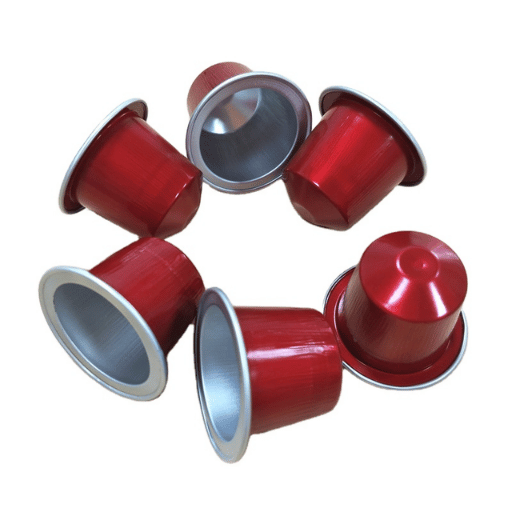
Aluminium adalah salah satu dari segelintir jenis bahan kemasan yang dapat didaur ulang selamanya, tanpa mengorbankan sifat fisik bawaannya. 75% dari semua aluminium yang pernah diproduksi masih digunakan secara aktif hingga saat ini, the Asosiasi Aluminium catatan.4 Dibutuhkan hanya 5% dari energi primer untuk menghasilkan aluminium dari sumber daur ulang versus penambangan perawan bijih bauksit (penghematan energi 95%): jejak karbon yang sesuai per kapsul yang dapat didaur ulang berkurang secara dramatis.
Di sini, kapsul pembuatan bir aluminium mengikuti siklus sederhana: konsumen mengosongkan kopi bubuk bekas ke dalam wadah kompos, membilas kapsul dan menyimpannya dalam aliran daur ulang di tepi jalan; fasilitas mengurutkan elemen aluminium secara magnetis/menggunakan teknologi arus eddy, melelehkan kembali, dan mencetak ulang sebagai produk aluminium baru; waktu dari kapsul yang dibuang ke bahan baku siap simpan: kurang dari 30 hari.
Pelaporan transparan tentang masalah daur ulang di sini. Sementara dalam teori aluminium dapat didaur ulang tanpa batas, tingkat daur ulang kapsul kopi satu porsi hanya terdaftar 32% secara global untuk Nespresso, pemimpin pasar; perkiraan independen (Mongabay, Bumi.org) menunjukkan rata-rata global untuk cangkir secara keseluruhan lebih dekat ke 5%, dengan sekitar 29.000 kapsul yang dibuang setiap menit berakhir di tempat pembuangan sampah. Perbedaan ini antara “dapat didaur ulang” dan “didaur ulang” menggarisbawahi mengapa banyak program pengambilan kembali yang didukung industri dan masalah aliansi koleksi Nespresso/Amcor 2026.
Faktor Utama Keberlanjutan
- Daur ulang aluminium menggunakan energi 95% lebih sedikit daripada peleburan primer
- di sini, 75% yang menakjubkan dari semua aluminium yang pernah diproduksi masih beredar.
- Program pengumpulan kota bervariasi, periksa secara lokal.
- Bubuk kopi di dalam kapsul dapat dibuat kompos dan dipisahkan sebelum didaur ulang
- Pod aluminium yang dapat didaur ulang mendukung kisah keberlanjutan dari pertanian ke cangkir untuk merek kopi
- Wajib PPWR UE 2024 bahwa format produk akhir utama dapat didaur ulang dengan skala pada tahun 2030: aluminium sudah ada.
Pertanyaan yang Sering Diajukan
Apakah buah kopi aluminium aman untuk diminum?
Lihat Jawaban
Apakah buah kopi aluminium lebih baik dari plastik?
Lihat Jawaban
Bagaimana Anda mendaur ulang polong kopi aluminium?
Lihat Jawaban
Apakah buah kopi aluminium mengandung PFAS atau timbal?
Lihat Jawaban
Apakah polong kopi aluminium mempengaruhi rasa kopi?
Lihat Jawaban
Berapa lama polong kopi aluminium bertahan sebelum kadaluarsa?
Lihat Jawaban
Berapa biaya untuk beralih dari produksi plastik ke aluminium pod?
Lihat Jawaban
Siap Mulai Memproduksi Aluminium Coffee Pods?
AFPAK menyediakan lengkap solusi pengisian dan penyegelan kapsul aluminium dari 30 hingga 600+ kapsul per menit — dengan dukungan teknik untuk merek yang beralih dari plastik.
Tentang Analisis Ini
AFPAK telah memproduksi peralatan pengisian dan penyegelan kapsul kopi selama lebih dari 14 tahun, memasok jalur produksi ke roaster dan merek di 60+ negara. Data proses produksi, parameter pembilasan nitrogen, dan spesifikasi peralatan dalam artikel ini mencerminkan konfigurasi yang kami rekayasa dan terapkan untuk jalur pod aluminium setiap hari. Data pasar dan studi keselamatan bersumber dari laporan industri yang tersedia untuk umum dan penelitian yang ditinjau oleh rekan sejawat yang dikutip dalam referensi di bawah ini.
Referensi & Sumber
- Studi Umur Simpan Film Multilapis Polypropylene dan Pod Kopi yang Dapat Didaur Ulang (2024) — PMC / National Institutes of Health
- Opini Ilmiah EFSA tentang Keamanan Aluminium dalam Makanan — Otoritas Keamanan Pangan Eropa
- Migrasi Aluminium dari Bahan Kontak Makanan ke Minuman Kopi — Journal of Food Composition and Analysis (ScienceDirect)
- Peraturan Limbah Pengemasan dan Pengemasan UE (PPWR) — Komisi Eropa
- Kapsul Kopi: Menyeduh Badai Sampah yang Nyaman — Mongabay
- Kapsul Kopi: Menyeduh Badai Sampah yang Nyaman — Earth.org
- Aluminium dalam Kopi — PMC / National Institutes of Health
- ASTM D3985 Metode Uji Standar untuk Laju Transmisi Gas Oksigen — ASTM International


