
Lottando con l’aumento dei costi del caffè? questa incertezza rende difficile la pianificazione per aziende come la tua. Diamo un’occhiata a quando le cose potrebbero stabilizzarsi.
Gli esperti prevedono che i prezzi elevati del caffè potrebbero restare in circolazione per almeno altri 8 mesi. Fattori chiave come il clima e la forte domanda continuano a spingere al rialzo i costi, con i recenti prezzi dei futures che raggiungono livelli preoccupanti. La stabilità non è prevista molto presto.

Comprendere la situazione attuale è fondamentale Analizziamo i numeri e le ragioni alla base di questi prezzi elevati, a partire dal costo effettivo in questo momento Continua a leggere per ottenere il quadro completo.
Quanto costano i chicchi di caffè in questo momento?
Vedere cartellini dei prezzi del caffè scioccanti? sconvolge i budget e rende le previsioni complicate Hai bisogno di numeri chiari per pianificare in modo efficace.
I prezzi attuali dei chicchi di caffè sono molto alti e cambiano spesso, Ad esempio, i futures di marzo 2025 hanno recentemente raggiunto $3,9833 per libbra. I prezzi dipendono fortemente dal tipo di chicchi, dalla qualità e dai cambiamenti del mercato globale.

Ottenere un unico “prezzo” per i chicchi di caffè è difficile perché il mercato si muove costantemente Pensatelo meno come un numero fisso e più come un intervallo che si sposta quotidianamente Un indicatore chiave che osserviamo è il mercato dei futures Recentemente, il prezzo per i contratti che consegnano nel marzo 2025 ha raggiunto un massimo di $3,9833 per libbra Questo dimostra che gli acquirenti si aspettano che i prezzi rimangano alti anche nel prossimo anno.
Naturalmente, il prezzo effettivo che si paga dipende da molte cose:
- Tipo di fagiolo: Arabica di solito costa più di Robusta.
- Qualità e grado: I fagioli speciali con punteggi elevati richiedono prezzi premium.
- Origine: I fagioli provenienti da alcune regioni note per la qualità sono spesso più costosi.
- Volume di acquisto: Acquistare importi maggiori potrebbe farti ottenere una tariffa leggermente migliore.
- Condizioni di mercato: Le notizie quotidiane sulla domanda e sull’offerta causano fluttuazioni.
Nella mia esperienza nella gestione di AFPAK, ho visto i clienti sorpresi dalla rapidità con cui le quotazioni dei prezzi possono cambiare. Evidenzia quanto sia importante rimanere informati sulle tendenze del mercato quando si tratta di prodotti agricoli come il caffè.
Perché i chicchi di caffè sono così costosi attualmente?
Ti chiedi perché il budget del tuo caffè è ridotto? questi improvvisi aumenti dei costi danneggiano la redditività Comprendere le cause ti aiuta a prepararti.
Il maltempo, in particolare la siccità e il caldo durante la fioritura, riducono significativamente l’offerta, Allo stesso tempo, la domanda rimane forte e i fornitori devono affrontare pressioni Anche i livelli di scorte attuali molto bassi spingono i prezzi più in alto.
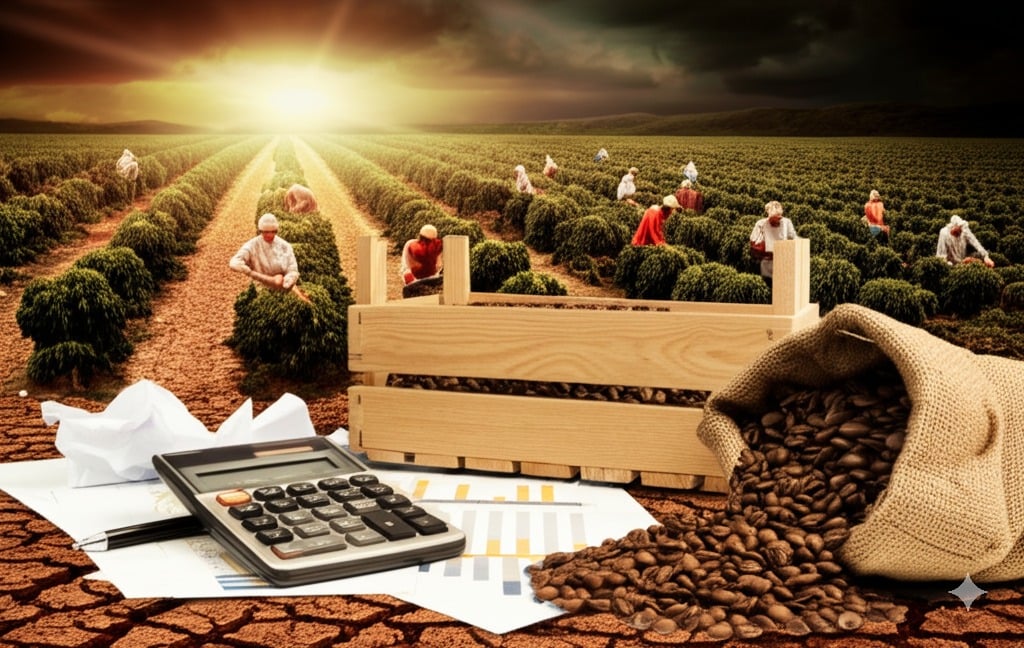
Diversi fattori stanno lavorando insieme per spingere i prezzi del caffè verso l’alto in questo momento Uno dei principali è il tempo Le principali regioni di coltivazione, in particolare in Brasile (il più grande produttore mondiale), hanno dovuto affrontare una grave siccità e temperature elevate Questo è accaduto in momenti cruciali, come quando le piante di caffè stavano fiorindo, che incide direttamente sulla quantità di fagioli prodotti In poche parole, si sta raccogliendo meno caffè.
Allo stesso tempo, la domanda globale di caffè non ha davvero rallentato La gente vuole ancora la loro tazza quotidiana In aggiunta al problema, alcuni fornitori apparentemente hanno promesso più caffè di quanto potrebbero procurarsi in modo affidabile, creando una corsa nel mercato Questo squilibrio domanda-offerta è una ricetta classica per prezzi più alti.
Un altro pezzo critico è l’inventario Le scorte di chicchi di caffè erano già basse e gli scarsi raccolti non hanno contribuito a ricostruirli Rapporti recenti suggeriscono che i livelli di inventario sono estremamente ridotti, forse solo circa 1,2 milioni di sacchi per il periodo 2024/25. Quando c’è pochissima offerta di riserva, qualsiasi interruzione ha un impatto maggiore sul prezzo. La società di fornitura nazionale del Brasile (CONAB) prevede un calo di 4,4% nella produzione totale di caffè del paese nel 2025/26, con i chicchi di Arabica colpiti più duramente (-12,4%). Questa previsione supporta ulteriormente l’idea di prezzi costantemente elevati.
Quali sono i chicchi di caffè più costosi al mondo?
Curioso del caffè di lusso? anche se forse non per l’uso quotidiano, conoscere la fascia alta dimostra il valore del caffè. È roba affascinante!
Alcuni caffè ottengono prezzi incredibili Panama Geisha può costare oltre $10.000/kg all’asta Altri come Black Ivory (elefante lavorato) e Kopi Luwak (zibetto lavorato) sono famosi per la lavorazione unica e ad alto costo.
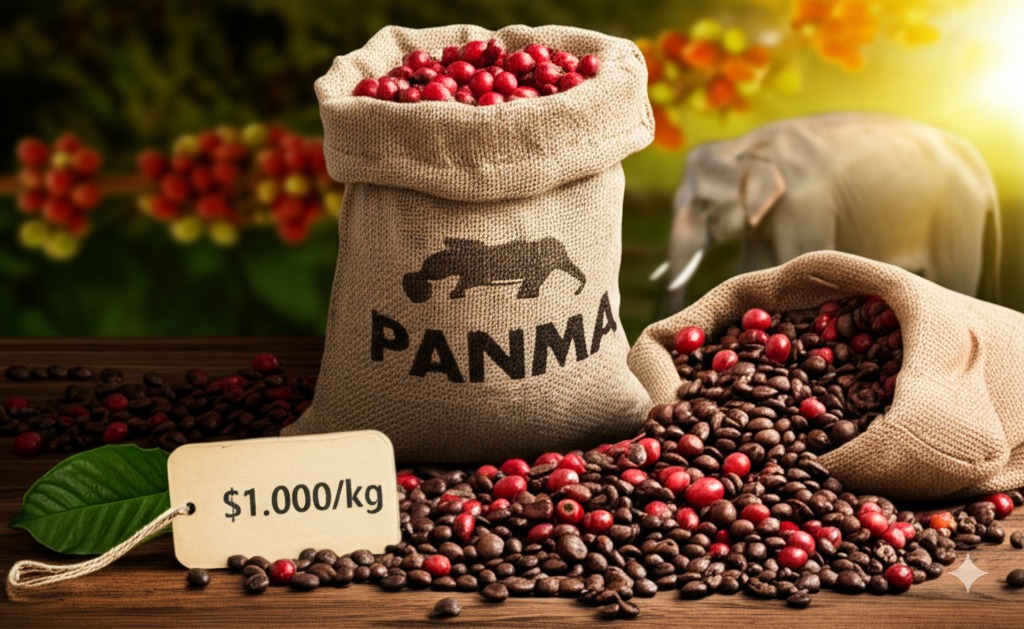
Mentre la maggior parte di noi ha a che fare con qualità di caffè standard, c’è tutto un altro mondo di caffè ultra-premium, incredibilmente costosi Queste non sono le tue birre di tutti i giorni; sono rare, spesso hanno storie uniche e hanno prezzi sconcertanti Il loro costo deriva da estrema rarità, metodi di lavorazione complessi e talvolta insoliti, profili di sapore eccezionali e alta domanda da parte di collezionisti e intenditori.
Ecco alcuni esempi che risaltano davvero:
| Nome Caffè | Prezzo ca | Caratteristica chiave/Note di sapore |
|---|---|---|
| Geisha di Panama | Fino a $10.005/kg (asta) | Molto ricercato, noto per le note floreali, simili al tè, di frutta tropicale |
| Caffè Avorio Nero | Circa $3.500/kg | Lavorato attraverso elefanti, gusto unico liscio, note di cioccolato, frutta |
| Dinastia Ospina | Circa $1.580/libbra | Coltivato ad alta quota in Colombia da una famiglia storica, sapore complesso |
| Kopi Luwak (selvaggio) | Fino a $1.300/kg | Lavorato attraverso zibetti di palma asiatici, noto per il gusto ricco e liscio |
Mentre il mio lavoro in AFPAK si concentra su macchinari di confezionamento efficienti per caffè più accessibili, vedere i prezzi e i processi a questa fine di lusso è sempre interessante Mostra l’incredibile valore che le persone attribuiscono alle esperienze uniche del caffè Questi chicchi rappresentano il picco assoluto della coltivazione del caffè e della lavorazione artigianale.
I prezzi del caffè continueranno a salire nel 2025?
Necessità di budget per il prossimo anno? prevedere i costi futuri è vitale per la stabilità aziendale Guardiamo le previsioni per il 2025.
Sì, i segnali indicano che i prezzi sono continuati alti o in aumento fino al 2025. Il raccolto inferiore previsto dal Brasile, i livelli attuali delle scorte molto bassi e la forte domanda globale suggeriscono che la pressione al rialzo sui prezzi persisterà.
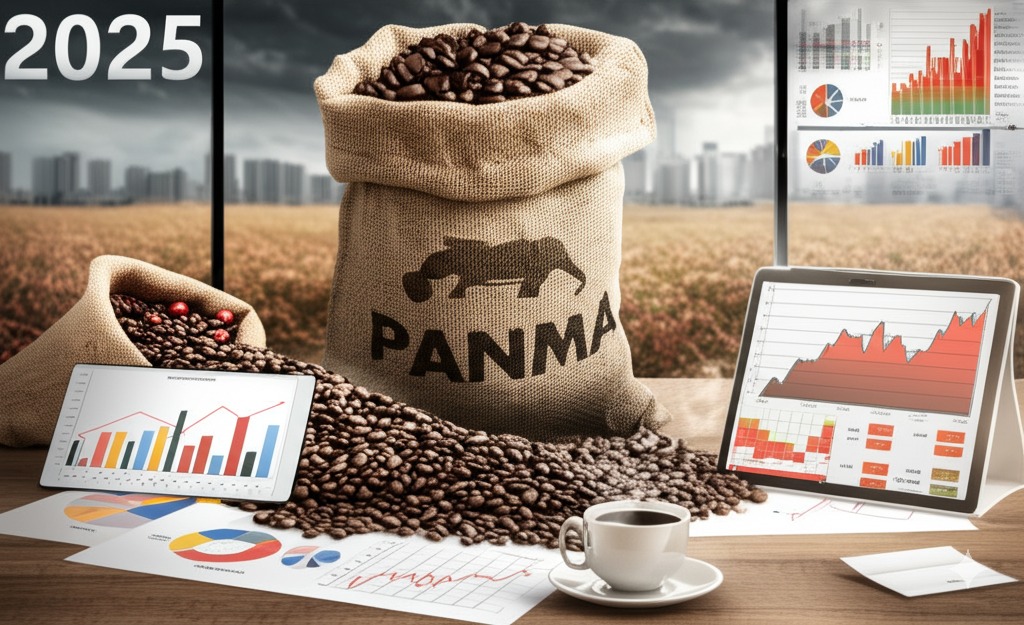
Guardando al 2025, le informazioni attuali suggeriscono che è probabile che i prezzi elevati del caffè continuino, e potrebbero anche aumentare ulteriormente Diversi indicatori chiave puntano in questa direzione.
In primo luogo, la situazione dell’offerta non sembra destinata a migliorare rapidamente Come detto, le previsioni ufficiali del Brasile (CONAB) per il raccolto 2025/26, che avranno un impatto sull’offerta nel corso del 2025, prevedono una diminuzione Nello specifico, si prevedono un calo complessivo di 4,4%, con una significativa riduzione di 12,4% nella produzione di Arabica Poiché il Brasile è un attore così enorme, questa carenza si farà sentire a livello globale.
In secondo luogo, i livelli di inventario esistenti sono criticamente bassi (circa 1,2 milioni di sacchi stimati per il 2024/25). Semplicemente non c’è molta scorta stabilizzatrice per assorbire gli shock dell’offerta o soddisfare picchi di domanda inaspettati.
In terzo luogo, il mercato stesso sembra anticipare prezzi ancora elevati Il fatto che i contratti futures di marzo 2025 siano stati recentemente scambiati a $3,9833 per libbra dimostra che gli acquirenti professionali stanno bloccando le forniture a questi livelli elevati.
In quarto luogo, il mercato complessivo del caffè è ancora in crescita Le proiezioni stimano che il valore del mercato globale raggiunga quasi $103 miliardi nel 2025, con una crescita continua prevista Una forte domanda di fondo combinata con una fornitura ristretta di solito significa che i prezzi rimangono alti o vanno più in alto Sulla base di questi fattori, sto consigliando i miei clienti di AFPAK che confezionano i prodotti a base di caffè al budget con cautela per il 2025.
Qual è il chicco di caffè più popolare venduto in tutto il mondo?
Scegliere il chicco di caffè giusto conta per il successo del prodotto Conoscere il leader di mercato aiuta a capire le tendenze Vediamo quale chicco domina.
L’Arabica è il chicco di caffè più venduto a livello globale, favorito per il suo sapore sfumato Sebbene la produzione di Robusta sia in leggero aumento, Arabica domina ancora il mercato nonostante le recenti sfide di produzione in regioni chiave come il Brasile.
Quando si guarda al mercato globale del caffè, un tipo di chicco si distingue chiaramente come il più popolare: Arabica. Costituisce la maggior parte del consumo mondiale di caffè Perché? principalmente a causa del suo gusto I chicchi di arabica sono noti per i loro profili aromatici complessi, le qualità aromatiche e il gusto più liscio rispetto all’altro tipo principale, la Robusta.
Anche i fagioli Robusta svolgono un ruolo importante, però Sono generalmente piante più resistenti, più facili da coltivare nei climi più caldi e contengono più caffeina Il loro sapore è spesso descritto come più audace, più forte e talvolta più duro o più amaro La Robusta è comunemente usata nelle miscele di caffè espresso (per crema e calcio) e nel caffè istantaneo Mentre le previsioni suggeriscono che la produzione di Robusta potrebbe aumentare leggermente, non è sufficiente per superare il dominio di Arabica o compensare il calo previsto della fornitura di Arabica da produttori chiave come il Brasile (che cresce circa 29% del caffè mondiale).
Ecco un semplice confronto:
| Caratteristica | Arabica | Robusta |
|---|---|---|
| Market Share | Dominante (maggioranza) | Più piccolo, ma significativo |
| Profilo del sapore | Più liscio, aromatico, complesso | Più audace, più duro, più amaro |
| Caffeina | Inferiore | Più alto (all’incirca il doppio) |
| Bisogni Crescenti | Alta quota, clima specifico | Climi più adattabili e più caldi |
| Uso comune | Caffè preparato, miscele speciali | Miscele espresso, caffè solubile |
Comprendere la differenza tra questi chicchi è importante, anche dal mio punto di vista nei macchinari per l’imballaggio Il tipo di fagiolo influenza la macinatura, la densità, i requisiti di imballaggio e il mercato di riferimento per il prodotto finale Le attuali sfide nella produzione di Arabica sono una delle ragioni principali delle pressioni sui prezzi che stiamo vedendo in tutta l’industria del caffè.
Conclusione
Ultimamente abbiamo i prezzi alle stelle dei chicchi di caffè? È soprattutto a causa di un grave disallineamento tra domanda e offerta. Da un lato, il tempo pazzo, come siccità e caldo, ha ridotto la produzione di caffè in grande quantità, lasciandoci con molti meno chicchi del solito. D’altra parte, il lato della domanda sta rallentando a tutti i fatti, è peggio! Gli intermediari e i commercianti di caffè hanno bloccato una tonnellata di contratti, molto più del previsto, il che mantiene la domanda alle stelle Quindi, con meno caffè da girare e ancora chiedendo a gran voce di più, i prezzi non scenderanno presto.


