
k カップ包装機は単一の装置ではありません ⁄ 生産システムです。ほとんどの購入者は、充填ユニットにデポジットを配置した後にこれを発見し、シーリング ステーション、フィルター インサーター、窒素モジュールが $8,000 ~ $18,000 を追加する別個のライン アイテムであることを学びます。このガイドでは、システム全体について説明します。.
最初の見積もりについて当社にご連絡いただく前に、その構成、お客様のボリュームに対応する機械バンド、仕様が実際に何を意味するか、および推定生産量が何である必要があるかを確認してください。.
によると、世界のコーヒーポッドとカプセルの市場収益は2023 年に$380 億に達し、年率6.2%で2030 年までに$580 億に成長すると予測されている グランドビューリサーチ. その間、 NCA 2025 全国コーヒーデータ傾向 レポートによると、アメリカのコーヒーを飲む人の23%は、毎日単一のサーブビール醸造所を使用していますが、プライベートブランドのコーヒー焙煎機を社内のカプセル生産に向けて推進し続ける数字です。 1日500ポッド用の半自動kカップ充填機を見ている場合でも、50,000ポッド用の回転ラインを見ている場合でも、決定の枠組みは同じです。まずシステムを理解し、次に機械を出力ターゲットに一致させます。.
Kカップ包装機とは何ですか? (単なる充填剤の向こう側)
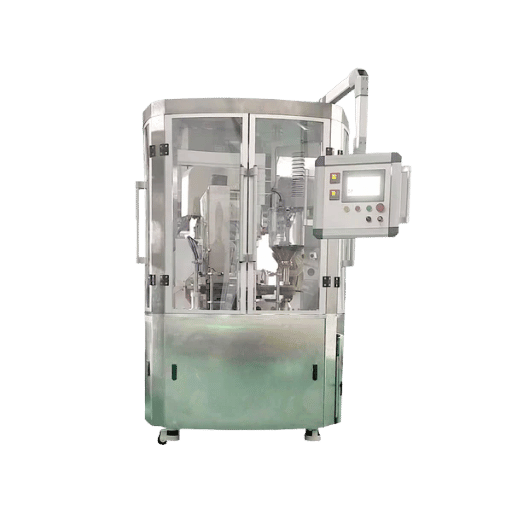
「k カップ包装機」に適用されるのは充填ステーションのみです。焙煎業者が本当に必要としているのは、5 つの別々のステーションで構成される包装ラインです。購入する前にステーションを把握し、K カップ操作のセットアップで最も一般的に発生するコストのかかるエラーを回避します。.
完全なKカップ生産ラインはこのシーケンスで動作します:
- カプセルの供給と選別 = 空の K カップ殻を巣またはポケットに入れます。これは、自動化された (空気圧脱営巣ユニット) または半自動機械によって実行され、オペレーターがカプセルを手動で配置して各カプセルを手動で装填します。.
- コーヒーの投与&充填 = コーヒーは、オーガースクリューまたは重量投与システムを使用してカプセルに投与されます。当社のKカップでは、ロースト密度とグラインド設定によって決定される9-12gの充填重量を目指しています。.
- フィルター挿入 ¤ このステーションは K カップ専用です。コーヒーベッドと出口ニードルポイントの間にペーパーフィルターが配置されています。. これは、ほとんどの購入者の予算が驚く場所です。.
- 窒素フラッシング ¤ オプションですが、小売流通には強くお勧めします。窒素ガスは密閉前にヘッドスペースから酸素を追い出し、保存期間を 2 ~ 4 か月から 6 ~ 24 か月に延長します。.
- ヒートシーリングおよび出力 ¤ 加熱されたダイプレスによりホイルの蓋が密閉され、完成したカプセルがコンベアまたは回収トレイに排出されます。.
Kカップはコーヒーベッドと出口針の間に紙フィルターを必要とし、ネスプレッソとドルチェグストのフォーマットが義務付けていないステーション。フィルターインサーターは、機械価格と余分な機械的ブレークポイントに$3,000-$5,000 を追加し、ほとんどの競合他社のパンフレットは、見出しのスペックから除外されていますそれのための予算!
ほとんどの半自動構成では、シーリングステーションは別のユニットです: コーヒーカプセル包装機はポッドを満たしますが、専用のkカップシーリング機は熱と圧力の下でホイルの蓋を適用します。インラインおよびロータリー層では、充填とシーリングが 1 つのフレームに統合されています。この区別を知ることで、価格見積もりがシステム全体をカバーするのか、それとも充填ヘッドのみをカバーするのかを評価するのに役立ちます。.
キーテイクアウト: 完全なKカップ包装システムには、充填、フィルター挿入、窒素フラッシング、シールが含まれています。 4つのステーションすべての予算 ――充填剤だけでなく ――機械の見積もりを依頼する前に。互換性のあるカプセル形式の完全な内訳については、こちらをご覧ください コーヒー カプセル 包装 機 ガイド.
3 つのマシン層: セミオート、インライン オートマチック、ロータリー
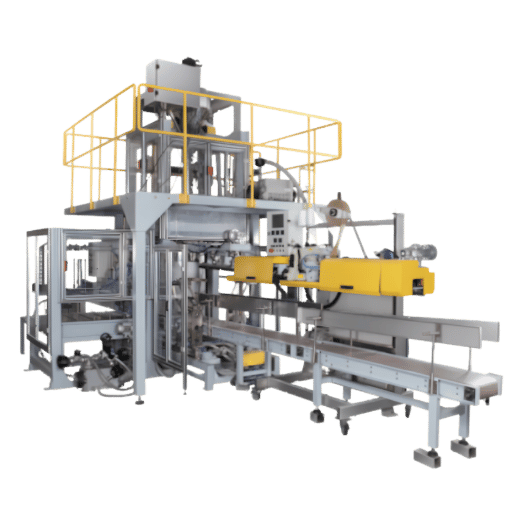
Kカップ充填機は4 つの生産層に分かれており、それぞれが個別の出力帯域を提供しています。現在の数量を超えると資本が浪費されます。以下で購入すると、18 か月以内に高価なアップグレードを強制する容量上限が作成されます。 AFPAK の設置ベースからの生産データは、各層を下の表の現実的な毎日の生産量に固定します。.
| ティア | 評価される速度 | 毎日の出力 (8 時間シフト) | オペレーター | 価格帯 |
|---|---|---|---|---|
| マニュアル/卓上 | 2 ~ 5 CPM | 100 ~ 400 ポッド/日 | 1–2 | $1,500~$5,000 |
| 半自動 | 8 ~ 25 CPM | 500 ~ 2,000 ポッド/日 | 1–2 | $5,000 ~$15,000 |
| インライン 自動 | 40~80 CPM | 3,000 ~ 10,000 ポッド/日 | 1 | $15,000~$50,000 |
| ロータリー | 100~600+ CPM | 10,000 ~ 50,000+ ポッド/日 | 1–2 | $80,000~$300,000+ |
kカップ充填機は実際にどのくらいの速さで動作しますか?
定格CPMと有効日スループットは異なる数値です。 25 CPM定格の半自動機械は、オペレーターが各カプセルを手動でロードする必要があります; 持続8 時間の生産では、有効スループットは平均12 ~ 15 CPMで、シフトあたりおよそ1,200 ポッドを生成します。 インラインおよびロータリーマシンは、カプセルローディングが自動化されているため、定格速度により近づきます。 ⁄ 60 CPM インラインマシンは通常、45 ~ 50 CPM で持続的に動作し、8 時間シフトあたり 5,400 ~ 6,000 ポッドを供給します。.
半自動機械には、速度統計で見逃される重要な利点が 1 つあります。フォーマット切り替え時間です。K カップからネスプレッソ ツーリングへの半自動の交換には 15 ~ 30 分かかります。ロータリー ラインの切り替えは 60 ~ 120 分かかります。マルチフォーマットの焙煎業者は、半自動のシングル サーブ包装機械の方が、1 つのフォーマットにロックされたより高速な機械よりも効果的に利用できることをよく知っています。.
“「適切なマシンは、最速でも安くもないものです」 毎日、出力を安定してクリーンに、予測可能に保つマシンです”
――機器の専門家、カップ充填およびシール業界
半自動モデルのより深い比較は、私たちのものです k カップ充填機の究極の購入ガイド, 、小規模および中規模の焙煎機の特定のモデルベンチマークをカバーします。.
<500pods/day manual ($1,500-$5,000). 500-2,000 pods/day semi-auto ($5,000-$15,000). 2,000-10,000 pods/day inline automatic ($15,000-$50,000). 10,000+ pods/day rotary ($80,000+). 7 節で詳述したProduction Scale Formulaを使用して、独自のスケールに正確な速度計算を適用します。.
デコードされた主な仕様: 生産における数値の意味
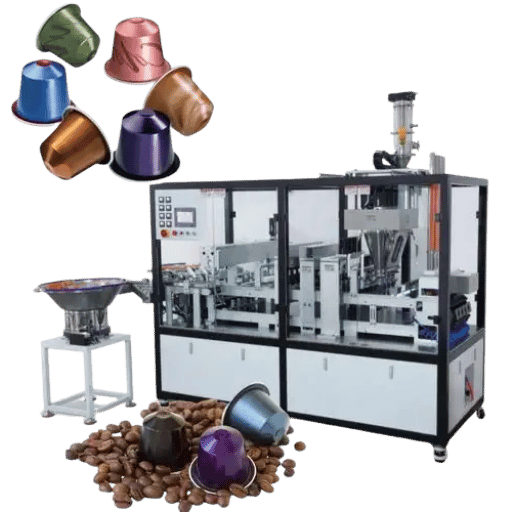
a k カップ包装機の仕様書には、充填精度、毎分カップ (CPM) 速度、残留酸素パーセンテージ、シール温度、フレーム材料、認証がリストされていますが、この数字は文脈がなければ意味がありません。各パラメータが生産用語で翻訳されるものは次のとおりです。.
| 指定 | 典型的な範囲 | What It Means | AFPAK ベンチマーク |
|---|---|---|---|
| 充填精度 | ±0.1g~±1g | ±0.5gの分散と10,000 ポッド/日で、あなたは約500g/日 ⁄ $4 ~$8 /日のグリーンコーヒーの超過コストで過剰充填します | ±0.1g (重量) ・ ±0.3g (体積) |
| スループット (CPM) | 8~600+ CPM | 評価される速度 k u k 有効なスループット; 半自動実際の ue 50 ~ 60% は手動ローディングのために評価しました | 8~25 (セミオート) ・ 40~200+ (インライン/ロータリー) |
| 残留O2 % | 0.08%–5%+ | O2 >5% = 2 ~ 3 日以内の酸化; <3% = 6 ~ 12 か月; <0.5% = 最大 24 か月 | <3%規格・0.08%マルチステージ |
| シーリング臨時雇用者 | 160~220°C | 間違った温度=しわシール、酸素の侵入、またはフィルムの褐変; カプセル材料と一致する必要があります | PP: 180 ~ 220° C ・ アルミニウム: 160 ~ 190° C |
| フレーム材料 | 304 SS / 316L SS | 304 SSは食品等級の標準です; 316Lは高酸か高湿気環境のためのよりよい耐食性を提供します | 304 SS (すべての AFPAK モデル) |
| 認定 | CE / NSF / HACCP | CE = EUの機械の安全性; NSF = 北米の食品機器の材料と設計基準; SQFまたはBRC監査に必要なHACCP互換の設計 | CE が文書化されています (すべての AFPAK モデル) |
PP (ポリプロピレン) カプセルはシール温度 180 ~ 220 °C を必要とします。 160 ~ 190 °C でアルミニウム ホイル カプセル シール。 PP で校正されたシール ヘッドを実行すると、ホイルが過熱し、目に見えてシールが破損することなく酸素の侵入を可能にする微小破壊が発生します。 PP でアルミニウム設定を実行すると、接着が不完全になり、分配処理で機能しなくなるソフト シールが発生します。カプセル材料を切り替える場合は、シール ヘッド温度を再調整し、滞留時間 ⁄ 物理的な工具の巣だけではありません。.
AFPAK のサーボ モーター駆動オーガー システムは、±0.1g 重量ベンチマークの主な理由です。 ¢ サーボ モーター制御により、空気圧システムやベルト駆動システムでは高い CPM レートでは匹敵しないリアルタイムのオーガー速度調整が可能になります。.
認証について: NSF 食品 機器 認証 プログラム 機械の食品接触材料、設計、および洗浄性が定義された安全基準を満たしていることを確認します。米国市場への参入の場合、機械自体は FDA 登録を必要としません ――ただし、お客様の登録が必要です 生産施設 遵守する必要があります FDA 21 CFR Part 117, FSMA の下での現在の適正製造基準および予防的制御規則 HACCP 互換設計 (衛生溶接、デッドゾーンなし、アクセス可能な現場清掃アクセス ポイント) を備えた機械により、そのコンプライアンス パスが大幅に容易になります。校正規格に関するより深いガイドについては、 の記事を参照してください k カップ投与量の校正と精度のベンチマーク.
PP プラスチック対アルミニウム: カプセル材料が機械の選択にどのような影響を与えるか
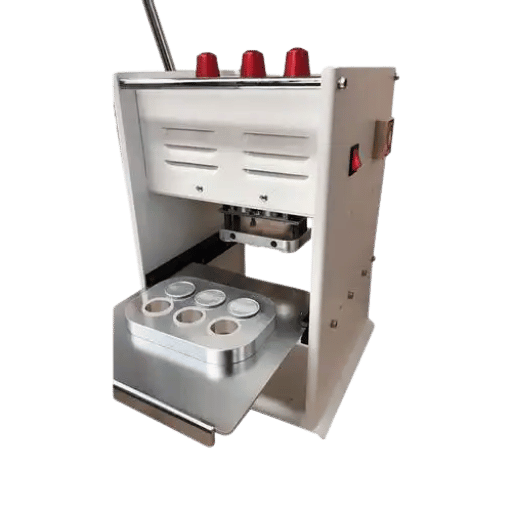
Kカップフォーマットは、PPプラスチックカプセル (PPポリプロピレン) を標準シェルとして採用しています。 ネスプレッソ互換カプセルは、アルミニウムカプセルまたはPPのいずれかで購入できます。 材料の選択は単なる視覚的なものです。これにより、どの温度パラメータ内でどのシーリングステーションが必要か、またどのような酸素バリア特性が達成されるかが決まります。.
| パラメータ | PPプラスチック(Kカップ規格) | アルミニウム(ネスプレッソ対応) |
|---|---|---|
| シーリング温度 | 180~220°C | 160~190°C |
| O2 バリア | 中程度 (窒素フラッシュをお勧めします) | 優秀(最もよい固有の障壁) |
| 材料費 | より低い (~$0.03 ~$0.05/カプセル) | より高い (~$0.06 ~$0.12/カプセル) |
| 用紙フィルターが必要です | はい(K-Cup形式)・は$3 ~5K局を追加します | いいえ (ネスプレッソ形式) |
| 消費者の認識 | スタンダード/大衆市場 | プレミアム/スペシャリティ |
| 堆肥化可能なオプション | 利用可能 (PLA ベース) × <160° C のシールが必要です | 堆肥化ではなくリサイクル可能です |
Kカップ専用ロースターの場合、PPをお勧めします。 Keurig Kカップ互換のカプセルフォーマットは、PP構造を中心に設計され、フィルターインサーターステーションは、PPリムジオメトリを中心に設計されています。ネスプレッソ互換とKカップロースターの両方が必要な場合は、追加のツーリングセット(30 90分間の切り替え、カプセルの巣の交換、投与漏斗とシールヘッド)を備えたマルチフォーマットのカプセル製造機を購入することが可能です。.
2 番目のセットの上に追加の $5,000 ~ $15,000 を置きます。.
この現在の堆肥化可能なカプセルの傾向を強調するのに適しています。 PLAから作られたもの、私たちの本には、工業用堆肥化では紙複合カプセルが分解されると書かれています。ただし、密閉するには温度をPP範囲に対して160°C以下に保つ必要があります。そうしないと、生体高分子基板が変形して機械密閉が妨げられます。.
2025-2026 年の製品ロードマップが堆肥化可能な K カップと「古い」機械 (低温シールを可能にするため) がまだ使用されている場合/仕様: 温度が 140-150 C まで下がったアップグレード モデル (既存の機械 160-170 C 標準範囲) をリクエストしてください。通常の PP 機械への完全な改造も利用できますが、追加の工具コストがかかります。当社を参照してください ネスプレッソ コーヒー カプセル 充填 シーリング 装置 ガイド ネスプレッソ式機械用.
Kカップ包装機のコストはいくらですか? (真の総投資額)
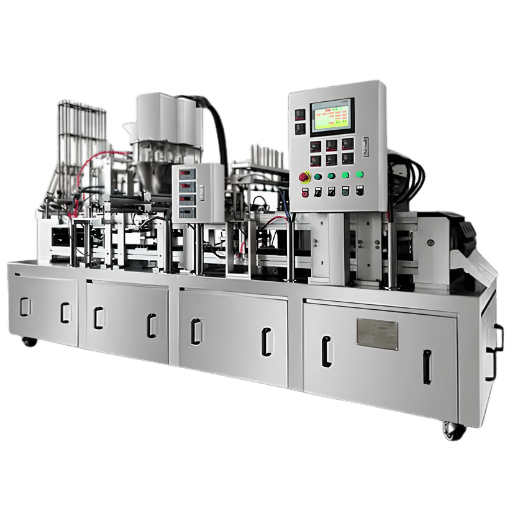
機械購入価格は予算の最初の行 ⁄ 最終行ではありません。発注書に署名する前に総所有コスト (TCO) と ROI タイムラインを理解することは、予算内に留まる購入者と、設置後 90 日で予期せぬギャップを発見する購入者を区別するものです。 $8,000 にリストされている半自動コーヒーポッド充填機は、窒素機能、フィルターインサーターステーション、設置、および初年度のスペアパーツキットを追加するまでに $18,000 に達する可能性があります。.
Kカップの生産を開始するための総投資額はいくらですか?
| コストコンポーネント | セミオートのセットアップ | インライン自動セットアップ | ロータリーのセットアップ |
|---|---|---|---|
| ベース機 | $5,000 ~$15,000 | $15,000~$50,000 | $80,000~$300,000 |
| 窒素モジュール | ベースの+15 ~ 25% | ベースの+15 ~ 25% | 通常は統合されています |
| Kカップフィルターインサーター | $3,000~$5,000 | $3,000~$5,000 | $4,000~$6,000 |
| 視力検査 | オプション ($3K ~ $8K) | $3,000~$8,000 | $5,000~$10,000 |
| インストールと試運転 | $2,000~$4,000 | $4,000~$8,000 | $8,000~$15,000 |
| スペアパーツキット(1年目) | $500~$1,000 | $1,000~$2,000 | $2,000~$5,000 |
| 現実的な合計 | $12,000~$28,000 | $28,000~$80,000 | $100,000~$350,000+ |
層の単位経済当たりの投資決定ホームを駆動します。 afpakは、約$.118/podで$10,000 半自動1,000 ポッド/日 (年間250 労働者日) コストの標準化されたコスト分析; ポッド当たり$.50 から$.80 の消費者小売価格に対して、商業プロセス活動の最初の数ヶ月以内にマシンを償却する利益率。.
| コストコンポーネント | ポッドごとのコスト |
|---|---|
| 機械償却(5 年、250Kポッド) | $0.008 |
| 挽いたコーヒー (10g @ $5/lb) | $0.050 |
| 空のカプセル | $0.030 |
| 蓋/ホイル | $0.010 |
| 労働(1 オペレーター、$20/hr) | $0.020 |
| 合計推定値 | ~$0.118 |
典型的な計画エラー: 購入予算を構築&離れてベストケースロット250,000 ポッド/年の需要。 60%で利用2,000 ポッド/時半自動機械は、償却固定費は、より少ない実際の単位で償却するため、100%で消費500 ポッド/時よりもユニットあたりの無駄が多くなります。 1年目のショップのニーズを計算し、他のすべてを20 から30%の容量クッションで償却し、サイズごとに購入します。.
入場コストを削減するために中古機器を計量する購入者は、当社を見つけることができます 中古 k カップ充填機バイヤーズガイド 便利 – 購入前に確認できる 7 つの危険信号をカバーしています。.
窒素フラッシング ――その価値はいつですか?
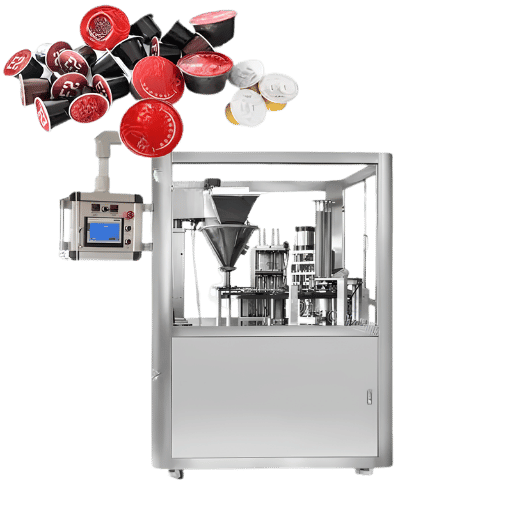
窒素フラッシングモジュールを追加すると、ベースラインマシンのコストが15-25%増加します ただし、そのプレミアムコストが回収されるかどうかは、3 つの要因によって異なります; 流通チャネル、望ましい保存期間の期待、およびコーヒークラスのプレミアムを分析し、情報に基づいた決定に至ることができます。 (窒素パージとフラッシングは交換可能な用語です。プロジェクトでは、ホイルの蓋を密閉する前に、不活性ガスでヘッドスペースの酸素を除去する必要があります。)
酸素は焙煎コーヒーの鮮度の主な敵であり、スペシャルティコーヒーと商品を区別する芳香族化合物の酸化を加速します。 ZHAWと共同でチューリッヒ応用科学大学で研究が行われています 専門 コーヒー 協会 コーヒー容器内の酸素含有量を 0.5% に減らすと、周囲酸素包装と比較して保存期間が最大 20 倍長くなる可能性があることがわかりました。. この数値はマーケティング上の主張ではありません ――管理された保管条件全体にわたる定量化された芳香化合物分析から得られます。.
| 残留O2レベル | 予想される保存期間 | に適しています |
|---|---|---|
| >5%(フラッシュなし) | 2~4ヶ月 | 消費者への直接提供のみ;醸造まで <30 日 |
| <3% (スタンダードフラッシュ) | 6~12ヶ月 | 地域卸売; 30 ~ 90 日間の配布 |
| <1%(エンハンスドフラッシュ) | 12~18ヶ月 | 全国小売; 60 ~ 120 日間のトランジットからシェルフまで |
| <0.5% (マルチステージ) | 最長24ヶ月 | 輸出; 長鎖小売; プレミアムな専門分野 |
目標残留O2: 充填レーンあたり2 ~ 5 リットル/分での単段窒素注入で達成可能な<3% (標準生産) で実証されるように、高度な多段フラッシングは0.08%残留O2 に達する可能性があります Optima Packaging の カプセル 研究. ヘッドスペースサンプリングまたはニードルプローブ分析によるインライン O2 モニタリングは、完成品に到達する前にフラッシュ故障をキャッチするために、5,000 ポッド/日を超える量で推奨されます。.
メトロポリスコーヒー (米国の専門コパッカー) は、イタリア製の充填およびシーリングシステムで窒素フラッシングを使用して「あらゆるメトロポリスコーヒーカプセルの保存期間が12~24か月」であることを保証していると報告しています。その現実世界のデータはAFPAKベンチマークと一致しています:<3% Oのフラッシュカプセルは6-12か月を提供します;高度なフラッシュシステム {12-24か月の保存期間。.
決定の枠組み ー 窒素が必要ですか? あなたの製品が生産から最初の顧客の醸造決定まで60-120 日で小売流通に合格するならば、窒素のフラッシングなしでしないでください。 5%を超えるOレベルでは、芳香化合物の酸化は試験条件下で数日以内 (2-3 日) に検出可能になる可能性があり、その熟成は流通、倉庫、貯蔵時間全体にわたって添加されます。消費者への直接の独占的であり、平均醸造時間が30 日未満であれば、非フラッシュカプセルで十分ですこれらの両極端の間に、ほとんどの焙煎業者は独自の微積分を行う必要があります。.
予算均衡のための価格ポイントノートだけ: 機械購入時に窒素モジュールを注文すると、ベースマシンの支出に15-25%が追加されます 初期設置後に窒素フラッシュモジュールを改造すると、その2 倍以上の費用がかかる可能性があると思われる場合は、事前に指定してください。.
K カップ生産規模の公式
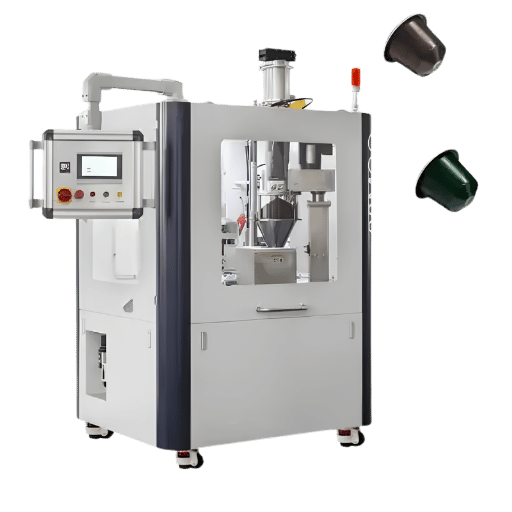
ほとんどの焙煎業者は、間違った方向から機械の選択に取り組んでいます ――彼らは余裕のある機械を選択し、それが生産できるものを計算します。そのロジックを逆転させるのが生産規模の公式です。生産能力の目標から始めて、実際に必要なスループットを計算し、それを満たす最小機械層を特定します。.
ザ フォーミュラ:
1 時間あたりの必須カップ = 1 日あたりの目標 0 日あたりのシフト時間
ステップ 2 必要な CPM
必須 CPM = 必須 CPH × 60
ステップ 3 安全率
Machine Rating Needed = Required CPM × 1.25 (切り替え、メンテナンス、およびランプアップ用の 25% バッファ)
例: 8 時間シフトで 5,000 K カップ/日をターゲットにしたロースター: 必要な CPH = 5,000 × 8 = 625 CPH → 必要な CPM = 625 × 60 = 10.4 CPM → 必要な機械定格 = 10.4 × 1.25 = 最小13CPM. 。 8 ~ 25 CPM の定格の半自動機械はこの容積をカバーする ¢ けれども、半自動のために、25 CPM の定格の速度は filling-station の速度を反映することに注意して下さい; 実際の持続された出力はオペレータ ペースで進められます。 2,000 のポッド/日上の容積のためにオペレータの疲労が処理量のボトルネックになるのを避けるためにインライン自動を考慮して下さい。.
| デイリー ターゲット | 必須 CPH (8 時間シフト) | マシンティア | 投資範囲 | フルシステムの予算 |
|---|---|---|---|---|
| 400 まで/日 | ~50CPH | マニュアル/卓上 | $1,500~$5,000 | $5,000~$12,000 |
| 500~2,000/日 | CPH63~250 | 半自動 | $5,000 ~$15,000 | $12,000~$28,000 |
| 3,000~10,000/日 | CPH375~1,250 | インライン 自動 | $15,000~$50,000 | $28,000~$80,000 |
| 10,000~50,000/日 | CPH1,250~6,250 | ロータリー | $80,000~$300,000 | $100,000~$350,000+ |
その容量の60%で稼働している半自動機械は、全負荷で稼働している小型の機械よりもポッドあたりのコストが高くなります ――固定償却費が分割される実際の単位が少ないため、計算します リアルな初年度巻, 、あなたの楽観的な成長ケースではありません。 scaleのための25%ヘッドルームを追加します。 that buffer is enough to grow into without paying for unused capacity from day one.
特定のマシン構成を計算し、出力ターゲットに合わせたAFPAK価格を取得するには、こちらをご覧ください コーヒーカプセル包装機製品ページ または、AFPAK エンジニアリング チームに直接お問い合わせください。.
2025 ~ 2026 K カップ包装機器の見通し
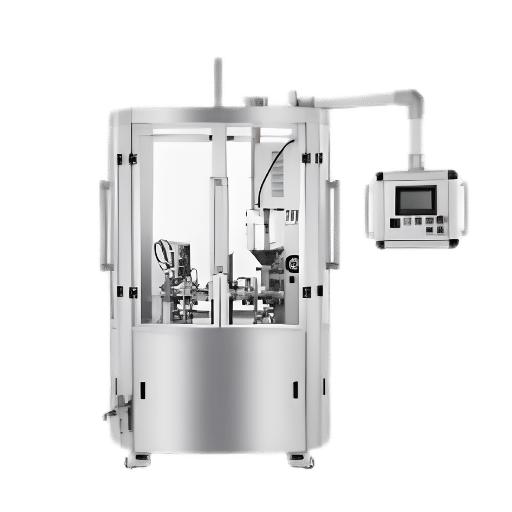
4 つのトレンドが 2026 年までの k カップ包装機市場に影響を与えています。これらのトレンドに精通していれば、機器の投資に時間を費やし、2 年以内に高価な改修が必要となる先行技術の特定を避けることができます。.
1.K-cupのプライベートラベル生産はまだ成長しています。 keurigのk-cupフォーマットの設計特許は2012年9月16 日に期限切れになり、このフォーマットはライセンス料なしでプライベートラベルの生産者が利用できるようになりました。そのウィンドウは10 年以上開かれていますが、生産量は成長を続けています:NCAの2025 National Coffee Data Trendsレポートでは、アメリカのコーヒー愛好家の間でシングルカップ醸造は2022 年の19%から23%で、1 日あたりの使用量は2023 年に$38 億に達し、Grand View Researchによると、2030 年までに$58 億に成長すると予測されています。プライベートラベルロースターの場合、これは依然としてライセンスの制約がゼロの拡大市場です。.
2、堆肥化可能および生分解性ポッドフォーマットは、機械の仕様変更を強制している。 PLAベースおよび紙複合カプセル ――植物ベースの生体高分子から作られた生分解性ポッドオプションを含む ――ブランドが持続可能性の懸念に対処するにつれて、スペシャルティコーヒー小売店に参入している 生体高分子は、従来のPETパッケージよりも20-40°C低いシール温度を必要とする ――ほとんどの場合160°C未満 PPの180-220°Cシーリングウィンドウ専用に任命された機械は、工具や制御の調整なしにPLAを処理することができない 製品開発計画に3 年以内に堆肥化可能なパッケージが含まれている場合、注文仕様に「140°Cまでの調整可能なシール温度」を含める。.
3.米国の関税調整は2025 年の中国製機器の価格設定に影響を与える 米中貿易協定は、2025 年に米国当局が発表したもので、中国製機器に対するIEEPA関税を20%から10%に停止したと発表している イェール バジェット ラボ. 。 関税率は、貿易凍結前に一時的に145%に急上昇した2025年4 月のピーク時よりも2025 年後半の時点で安定している。高関税期間中に注文をキャンセルまたは延期した購入者は、市場に再参入している。 報告されたコストには、10%の関税が含まれる。 ――その後のどちらの方向の解決も、中国調達の機械に納入コストに影響を与えるだろう。.
4. スマート投与とインライン O2 モニタリングは中層に移行しています。. 実際の充填重量に基づいてリアルタイムでオーガー速度を調整する重量フィードバック システム ¤ 以前はハイエンドの回転ラインに限定されていました。 $20,000 ~ $40,000 の範囲のインライン自動機械で利用できるようになりました。同様に、インライン残留酸素センシング (手動オフライン ヘッドスペース サンプリングと) もインライン層で標準仕様になりつつあります。 2028 ~ 2030 年まで稼働し続ける機器を計画している購入者にとって、重量測定による投与と統合された O2 モニタリングは、オプション リストではなく基本仕様である必要があります。.
2025 年の第 3 四半期または第 4 四半期に資本設備に関する決定を行う場合: (1) 将来使用が検討されている場合でも、今すぐ窒素フラッシングを指定します; 改修により $8,000-$12,000 が追加されます; (2) 販売者が将来のアップグレードとして堆肥化可能な材料ツールを供給できるかどうかを確認します; (3) 機械がすべての製品接触面に CE 認証、食品グレードの 304 ステンレス鋼を備えていることを特に確認してください。.
よくある質問frequently Asked Questions
Kカップを生産するにはキューリグのライセンスが必要ですか?
回答を見る
セミオートからオートマチックへの移行を正当化する生産量はどれくらいですか?
回答を見る
1 台のマシンでKカップとネスプレッソの両方のフォーマットを扱えるか?
回答を見る
Kカップ包装機にはどのような認証が必要ですか?
回答を見る
Kカップ充填機はどのくらいの頻度でメンテナンスが必要ですか?
回答を見る
K カップラインを仕様する準備はできていますか?
AFPAKのエンジニアは、40 の市場で500-pod/dayの新興企業から50,000 podの1 日あたりの店舗ブランドまで、300 以上のブランド向けにKカップ包装機械を製造してきました。 、出力目標に一致する容量と構成の見積もりをリクエストしてください。.
この分析について
AFPAKはまた、40+の国で300 以上のプライベートブランドを供給し、14 年間コーヒーカプセルの充填およびシーリングマシンを構築してきました。 価格情報。このガイドの生産数とエンジニアリング仕様は、AFPAKの「現在のライン仕様」と「設置経験」から直接取得されています。入手可能な外部市場情報(SCA調査、NCA調査、グランドビュー調査)にはソースリンクがあります。.
特許有効期限のタイムラインは、法的文書の公開から得られます。このガイドは、K カップ形式に特化しています。ネスプレッソとドルチェ グストはマシン仕様が異なります。.
参考文献と情報源
- NCA 2025 全国コーヒーデータ傾向 ――米国全米コーヒー協会
- FDA 21 CFR Part 117 ――現在の適正製造基準、危険分析、および人間の食品のリスクベースの予防管理 ⁄ 米国食品医薬品局
- NSF 食品 機器 認証 プログラム ―― NSFインターナショナル
- 鮮度の保持: 時間との戦い ¤ 25 雑誌第 4 号 ――スペシャルティコーヒー協会×チューリッヒ応用科学大学(ZHAW)
- コーヒーポッドとカプセルの市場分析 2030 ⁄ グランドビューリサーチ
- K-Cup 特許の有効期限 ――グリーンマウンテンコーヒーの特許は 2012 年 9 月 16 日に期限切れになりました ――特許の進捗状況
- 米国関税の現状: 2025 年 10 月 ――イェール バジェット ラボ
- コーヒーカプセルの窒素節約パッケージ ――オプティマ包装グループ


