
Zal Panama Coffee Hawaii Coffee overtreffen in 2025?
Koffiekenners staan voor een dilemma bij het kiezen tussen premium-oorsprong. Nu koffie uit Panama en Hawaï topprijzen vraagt, vragen velen zich af wat een betere waarde biedt en of de huidige markttrends zich in 2025 zullen voortzetten.
Panama-koffie zal waarschijnlijk zijn concurrentievoordeel ten opzichte van Hawaii-koffie in 2025 behouden dankzij de gevestigde veilinginfrastructuur, diverse microlots en aanzienlijk lagere productiekosten. Hoewel de Hawaiiaanse koffie zijn luxe aantrekkingskracht zal behouden, zullen de Panamese geisha-variëteiten wereldprijsrecords blijven vestigen en mondiale erkenning krijgen.
Als iemand die al jaren premium koffiemarkten volgt, ben ik getuige geweest van de dramatische opkomst van de Panama-geisha en de gestage aanwezigheid van Hawaiiaanse Kona. Beide vragen om premiumprijzen, maar om verschillende redenen. Vooruitkijkend naar 2025 zullen verschillende factoren bepalen welke oorsprong het ultra-premium koffiesegment domineert. Laat me uitsplitsen wat koffieprofessionals en -liefhebbers kunnen verwachten.
Hoe zal de marktpositie van Panama Coffee tegen 2025 veranderen?
Panama koffie wordt geconfronteerd met toenemende concurrentie van opkomende specialistische oorsprong Velen vragen zich af of zijn opmerkelijke prijstraject kan worden voortgezet of dat Panama’s geisha bubble eindelijk zal barsten in 2025.
Panama koffie zal zijn positie tegen 2025 versterken door voortdurende innovatie in verwerkingsmethoden, uitbreiding van zijn genetische diversiteit op koffie buiten geisha, en ontwikkeling van meer directe relaties tussen boerderij en rooster De veiling Best of Panama zal wereldrecords blijven vestigen terwijl producenten klimaatadaptatiestrategieën zullen implementeren om de kwaliteit te beschermen.
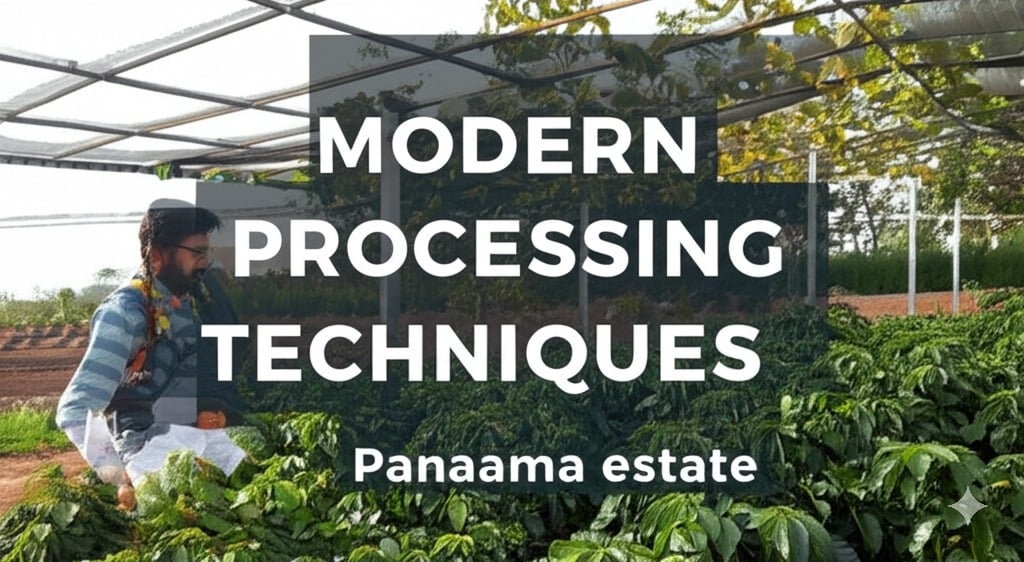
Om dieper in de koffietoekomst van Panama te duiken, moet het huidige traject worden onderzocht Sinds het breken van veilingrecords in het begin van de jaren 2000 met geisharassen heeft Panama consequent de grenzen van de koffiekwaliteit verlegd Tegen 2025 verwacht ik dat verschillende belangrijke ontwikkelingen de prestigieuze positie van Panama zullen behouden.
Klimaatverandering vormt zowel een uitdaging als een kans voor Panamakoffie Stijgende temperaturen bedreigen traditionele teeltzones, maar vooruitstrevende producenten implementeren al aanpassingsstrategieën Tegen 2025 zullen we een uitgebreide teelt op grotere hoogte (boven de 1.800 meter) zien in regio’s die voorheen als te koel werden beschouwd voor de productie van kwaliteitskoffie. Deze nieuwe microklimaten kunnen onderscheidende smaakprofielen opleveren die momenteel niet met Panama worden geassocieerd.
De verwerkingsinnovatie zal tot 2025 versnellen. Terwijl gewassen verwerking tegenwoordig het premiumsegment van Panama domineert, winnen experimentele fermentatietechnieken aan kracht. Anaerobe fermentatie, koolzuurmaceratie en hybride methoden zullen verfijnder en commercieel belangrijker worden. Ik heb boerderijen bezocht die deze technieken al implementeren, en tegen 2025 zullen deze experimentele percelen op veilingen hun eigen premiumcategorie beheersen.
De genetische diversiteit van de koffiegewassen in Panama zal zich uitbreiden tot buiten de geisharassen. Hoewel geisha het vlaggenschip zal blijven, experimenteren producenten al met zeldzame Ethiopische landrassen en gehybridiseerde cultivars. Tegen 2025 zullen we waarschijnlijk opkomende “supervariëteiten” zien die de gevierde bloemencomplexiteit van geisha combineren met een grotere ziekteresistentie en opbrengstpotentieel.
| Panama Coffee Factors | Huidige status (2023) | Verwachte status (2025) |
|---|---|---|
| Gemiddelde Veilingprijs (Top Lots) | $800-1.000/lb | $1.200-1.500/lb |
| Dominante variëteiten | Geisha, Catuai | Geisha, Ethiopische landrassen, Nieuwe hybriden |
| Key Processing Methods | Gewassen, natuurlijk | Verlengde fermentatie, anaërobe, koolzuurmaceratie |
| Klimaatadaptatie | Vroegtijdige implementatie | Wijdverbreide hoogteverschuivingen, schaduwbeheer |
| Markt Erkenning | Speciality coffee segment | Bredere luxe marktherkenning |
Welke uitdagingen zal Hawaii Coffee in 2025 aangaan?
Koffieproducenten in Hawaï kampen met buitengewoon hoge productiekosten en een beperkt teeltoppervlak. Veel waarnemers uit de industrie vragen zich af of Hawaï zijn premium koffietoestand kan behouden, aangezien andere regio’s de kwaliteit verbeteren en minder vragen.
Hawaii koffie zal worden geconfronteerd met toenemende kostendruk tot en met 2025, met arbeidskosten potentieel bereiken $25-30 per uur en grondwaarden blijven stijgen Deze factoren zullen de detailhandelsprijzen hoger te drijven terwijl de concurrentie uit Panama en andere premium oorsprong intensiveert, mogelijk een vermindering van Hawaii’s marktaandeel in het ultra-premium segment.
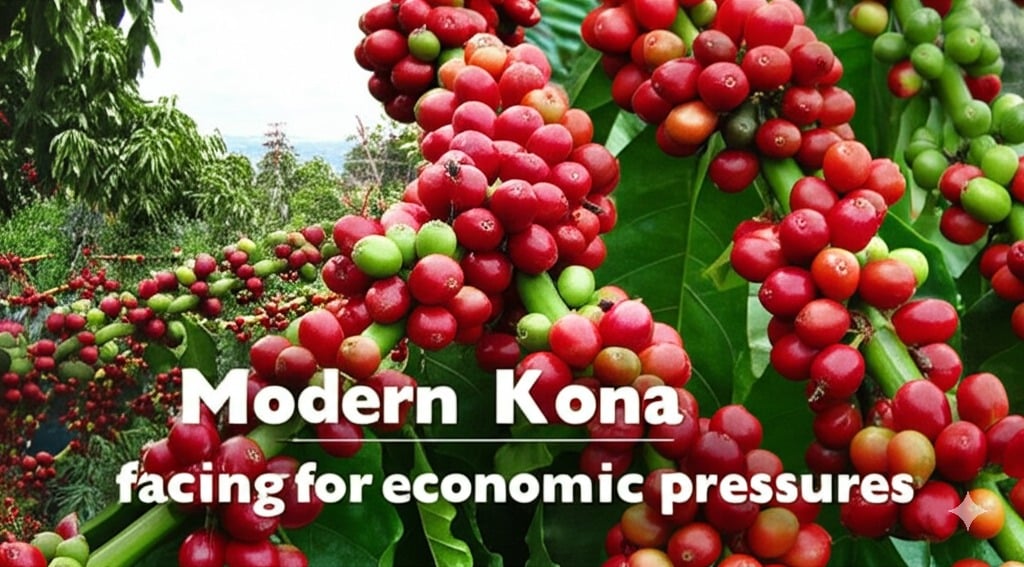
Als we dieper ingaan op de koffietoekomst van Hawaï, ontstaat er een complex beeld van uitdagingen en aanpassingsstrategieën. De koffie-industrie van Hawaï, met name de beroemde Kona-regio, opereert onder unieke beperkingen. Omdat het de enige Amerikaanse staat is die commercieel koffie produceert, weerspiegelen de productiekosten van Hawaï de Amerikaanse arbeidsnormen en de hoge kosten van levensonderhoud van het eiland.
Tegen 2025 zal deze economische druk toenemen Arbeidskosten, die in het huidige tempo al uitdagend zijn, zullen waarschijnlijk stijgen tot $25-30 per uur naarmate het minimumloon van Hawaï stijgt en de concurrentie om geschoolde landarbeiders toeneemt Alleen al door deze arbeidscomponent wordt Hawaï aanzienlijk benadeeld ten opzichte van Panama, waar de arbeidskosten een fractie van die van Hawaï vormen.
De grondwaarden vormen een andere substantiële uitdaging. Het belangrijkste koffieteeltland in Kona beschikt momenteel over $150.000-$200.000 per acre. Tegen 2025 kunnen deze waarden met 15-20% stijgen, waardoor de economische levensvatbaarheid van de koffieteelt verder onder druk komt te staan. Deze druk zal waarschijnlijk de trend versnellen van kleinere familieboerderijen die aan grotere landbouwbedrijven of ontwikkelaars verkopen, waardoor mogelijk het karakter van de Hawaïaanse koffie-industrie verandert.
De gevolgen van de klimaatverandering zullen tegen 2025 variëren tussen de Hawaiiaanse teeltgebieden. Hoewel sommige gebieden baat kunnen hebben bij veranderende regenpatronen, zullen andere gebieden te maken krijgen met een verhoogde druk van koffiebladroest, die al op de eilanden is gedetecteerd. In tegenstelling tot de hoger gelegen boerderijen in Panama hebben de koffieregio’s van Hawaï minder ruimte om opwaarts uit te breiden naar koelere temperaturen naarmate de opwarming voortduurt.
Innovatie in de koffiesector in Hawaï zal zich richten op strategieën met toegevoegde waarde in plaats van productietechnieken. Tegen 2025 verwacht ik meer geïntegreerde toeristische ervaringen, exclusieve direct-to-consumer abonnementsmodellen en co-branding met bedrijven in luxegoederen. Deze benaderingen zullen proberen de nadelen van de productiekosten te compenseren door de waargenomen exclusiviteit van Hawaiiaanse koffie te vergroten.
| Koffiefactoren op Hawaï | Huidige status (2023) | Verwachte status (2025) |
|---|---|---|
| Productie Kosten | $30-35/lb (groene koffie) | $40-45/lb (groene koffie) |
| Arbeidskosten | $15-20/uur | $25-30/uur |
| Landwaarde (Kona) | $150K-200K/acre | $180K-240K/acre |
| Markt Positionering | Geografische exclusiviteit | Luxe/lifestyle integratie |
| Klimaatadaptatie | Beperkte opties | Verhoogde variatiediversificatie |
Hoe zullen prijs en beschikbaarheid zich vergelijken tussen Panama en Hawaii Coffee in 2025?
Koffiekopers en – liefhebbers hebben moeite om de hoge prijzen van premium Panama en Hawaii koffie te rechtvaardigen Velen vragen zich af of deze koffie in 2025 nog exclusievere luxe artikelen zullen worden, waarbij alle behalve de meest toegewijde verzamelaars worden uitgeprijsd.
Tegen 2025 zullen de belangrijkste veilingkavels van Panama waarschijnlijk $1.500/lb bereiken, terwijl de beschikbaarheid in het winkelassortiment $50-100/lb breder blijft. De koffieprijzen op Hawaï zullen stijgen tot $60-80/lb groothandel met een beperkt productievolume. Panama zal een betere waarde bieden tegen prijzen in het midden van de premie, terwijl de topkavels van beide herkomsten luxeartikelen van beleggingskwaliteit worden.
Als we dieper in het toekomstige prijslandschap duiken, komen er aanzienlijke verschillen aan het licht in de manier waarop deze twee oorsprongen zichzelf zullen positioneren. De prijsstratificatie die al zichtbaar is op de koffiemarkten van zowel Panama als Hawaï zal tegen 2025 duidelijker worden, waardoor verschillende niveaus van toegankelijkheid ontstaan.
Het Panamese veilingsysteem, met name de Best of Panama-competitie, zal buitengewone prijzen blijven hanteren voor het winnen van kavels. Ik volg deze veilingen al jaren en zie hoe records herhaaldelijk uiteenvallen. In 2025 verwacht ik dat de beste veilingkavels regelmatig de $1.000/lb zullen overschrijden, met uitzonderlijke kavels die de $1.500/lb benaderen. Deze prijzen voor het verzamelen van krantenkoppen vertegenwoordigen echter een klein deel van de speciale productie van Panama.
De belangrijkste ontwikkeling zal de uitbreiding van de middenmarkt in Panama zijn. Momenteel worden uitstekende Panama-geishakoffies (met een score van 88-90 punten) verkocht voor $40-60/lb. Tegen 2025 zal dit niveau waarschijnlijk stijgen tot $50-80/lb, maar op grotere schaal beschikbaar worden via speciale kanalen. Panamaproducenten zullen de productie van deze “toegankelijke premium” koffiesoorten strategisch uitbreiden om merkherkenning op te bouwen en tegelijkertijd de exclusiviteit van hun beste microlots te behouden.
De prijsstructuur van Hawaï zal anders evolueren Zonder de veilinginfrastructuur van Panama om koersrecords te creëren die de krantenkoppen genereren, zal Hawaii-koffie zich richten op consistente premium positionering. Authentieke Kona-koffiegroothandelsprijzen zullen in 2025 waarschijnlijk $60-80/lb bereiken, met detailhandelsprijzen tussen $90-120/lb. Dit positioneert zelfs standaard Hawaii-koffie in het luxesegment, terwijl Panama meerdere toegangspunten voor consumenten biedt.
De verschillen in productievolume zullen tegen 2025 groter worden Het beperkte teeltareaal van Hawaï (in totaal ongeveer 7.000 hectare) kan niet substantieel uitbreiden, waardoor de productie relatief constant blijft Ondertussen heeft Panama ruimte voor zorgvuldige expansie, met name in de regio’s Boquete en Volcán, waardoor Panama zijn aanwezigheid op de markt kan vergroten terwijl Hawaï beperkt blijft.
De beschikbaarheidspatronen zullen tegen 2025 verder uiteenlopen. Hawaï zal zijn voorspelbare seizoensbeschikbaarheid met consistente kwaliteit behouden. De beste koffiesoorten van Panama zullen steeds vaker worden toegewezen via vooraf gecontracteerde overeenkomsten met elite-branders over de hele wereld, waarbij sommige producenten rechtstreeks transacties uitvoeren met vermogende verzamelaars, vergelijkbaar met toewijzingssystemen voor fijne wijn.
| Vergelijkingsfactor | Panamakoffie (2025) | Hawaii-koffie (2025) |
|---|---|---|
| Top Tier Prijzen | $800-1.500/lb (veiling) | $150-200/lb (direct) |
| Mid-premium detailhandel | $50-100/lb | $90-120/lb |
| Productie Volume | Matige stijging | Statische of lichte afname |
| Beschikbaarheid Kanalen | Veilingen, directe handel, speciale branders | Direct-to-consumer, toerisme, luxe retailers |
| Waarde Propositie | Uitzonderlijke kwaliteit-tot-prijs op middenniveau | Exclusiviteit en geografische uniciteit |
Welke kwaliteits- en smaakverschillen zullen Panama versus Hawaii Coffee in 2025 definiëren?
Koffiedrinkers hebben moeite om de objectieve kwaliteitsverschillen tussen premiumoorsprong te begrijpen Velen vragen zich af of de onderscheidende smaakprofielen van Panama en Hawaii koffie consistent zullen blijven tot 2025 of dat klimaatverandering en productiepraktijken hun kenmerken zullen veranderen.
Tegen 2025 zullen Panama-koffiesoorten meer experimentele verwerkingsmethoden presenteren, waarbij complexe bloem-, tropisch fruit- en wijnachtige zuurgraadprofielen worden geproduceerd. Hawaii-koffiesoorten zullen hun klassieke zoete, schone profiel behouden met een medium body en subtiele noten- en karameltonen, hoewel nieuwe variëteiten meer complexiteit kunnen introduceren om klimaatuitdagingen te bestrijden.

Duik dieper in de zintuiglijke toekomst van deze prestigieuze koffie onthult fascinerende ontwikkelingen aan de horizon De smaakprofielen die deze oorsprong vandaag definiëren zullen evolueren door zowel doelbewuste innovatie als ecologische noodzaak tegen 2025.
De smaakontwikkeling van Panama zal grotendeels worden aangestuurd door verwerkingsexperimenten Het traditionele gewassen proces dat de delicate bloemen – en citrustonen van geisha benadrukte, zal worden vergezeld door meer geavanceerde fermentatietechnieken Uitgebreide anaerobe fermentatie zal intense tropische fruittonen met verhoogde zoetheid opleveren Gecontroleerde gistinentingen, die al worden getest op progressieve boerderijen die ik heb bezocht, zullen voorspelbare smaakresultaten met een ongekende complexiteit creëren.
Klimaatdruk zal ook het smaakprofiel van Panama tegen 2025 beïnvloeden. Iets warmere temperaturen op traditionele groeiverhogingen zullen de fruitkenmerken intensiveren en tegelijkertijd de bloemcomplexiteit mogelijk verminderen. Vooruitstrevende producenten planten al op grotere hoogte om het klassieke geishaprofiel te behouden dat Panama op de kaart heeft gezet. Tegen 2025 zullen we waarschijnlijk zien dat Panama-koffiesoorten specifiek op de markt worden gebracht via hoogtelagen, elk met verschillende sensorische kenmerken.
De smaakontwikkeling van Hawaï zal een conservatiever pad volgen, gedreven door consistentie en traditie. De klassieke Kona-profiel, zoet, middelmatig lichaam met subtiele notenkaramelnoten blijven de maatstaf. Klimaataanpassing zal echter enkele veranderingen noodzakelijk maken. Producenten in Hawaï introduceren al robuustere variëteiten die de opkomende ziektedruk kunnen weerstaan en tegelijkertijd de kwaliteit kunnen behouden.
Tegen 2025 verwacht ik meer onderscheidende regionale differentiatie binnen Hawaï. Hoewel Kona het vlaggenschip blijft, zullen regio’s als Ka’u, Puna en Maui meer gedefinieerde identiteiten ontwikkelen, ondersteund door specifieke verwerkingsbenaderingen die hun unieke microklimaten benadrukken. Deze regionale differentiatie zal Hawaï een breder smaakspectrum geven om te laten zien, hoewel nog steeds gericht op evenwicht en benaderbaarheid in plaats van op het exotische karakter van Panama’s aanbod.
De cupping-scoretrajecten zullen tot en met 2025 verschillen tussen de oorsprong. De topkavels van Panama zullen de bovengrenzen van scoresystemen blijven verleggen, met uitzonderlijke kavels die regelmatig meer dan 95 punten bedragen op de schaal voor speciale koffie. Hawaii-koffie zal solide scores behouden in het bereik van 84-90 punten, wat een uitstekende maar minder exotische kwaliteit vertegenwoordigt.
| Flavour Attribute | Panamakoffie (2025) | Hawaii-koffie (2025) |
|---|---|---|
| Zuurgraad | Helder, complex, wijnachtig | Matig, schoon, appelachtig |
| Body | Licht tot medium | Middelmatig, zijdeachtig |
| Zoetheid | Intens, fruit-forward | Afgerond, karamelachtig |
| Onderscheidende opmerkingen | Jasmijn, bergamot, tropisch fruit, wijn | Macadamia, melkchocolade, subtiele citrus |
| Verwerking invloed | Hoog (experimentele methoden) | Matig (traditioneel met verfijningen) |
| Consistentie | Variabel tussen partijen | Hoge consistentie |
Conclusie
Tegen 2025 zal Panama koffie zijn kwaliteitsleiderschap behouden door innovatie en genetische diversiteit, terwijl Hawaii koffie zijn unieke geografische identiteit zal benutten ondanks hogere kosten Beide oorsprongen zullen premiumprijzen vragen, maar Panama zal een betere waarde bieden over de prijspunten heen en tegelijkertijd de grenzen verleggen van wat speciale koffie kan zijn.


