
Panama Kahvesi 2025’te Hawaii Kahvesini gölgede bırakacak mı?
Kahve uzmanları premium kökenler arasında seçim yaparken bir ikilemle karşı karşıya kalıyor. Panama ve Hawaii kahvelerinin en yüksek fiyatlara hakim olmasıyla birçok kişi hangisinin daha iyi değer sunduğunu ve mevcut pazar eğilimlerinin 2025’te de devam edip etmeyeceğini merak ediyor.
Panama kahvesi, yerleşik açık artırma altyapısı, çeşitli mikrofolotlar ve önemli ölçüde daha düşük üretim maliyetleri nedeniyle muhtemelen 2025 yılında Hawaii kahvesine göre rekabet üstünlüğünü koruyacak. Hawaii’nin kahvesi lüks çekiciliğini korurken, Panama’nın geyşa çeşitleri dünya fiyat rekorları kırmaya ve küresel tanınırlık kazanmaya devam edecek.
Yıllardır premium kahve pazarlarını takip eden biri olarak, Panama geyşasının dramatik yükselişine ve Hawaii Kona’sının istikrarlı varlığına tanık oldum. Her ikisi de premium fiyatlara hakimdir, ancak farklı nedenlerden dolayı. 2025’e baktığımızda, hangi menşein ultra premium kahve segmentine hakim olduğunu çeşitli faktörler belirleyecek. Kahve profesyonellerinin ve meraklılarının neler bekleyebileceğini açıklayayım.
Panama Kahvesinin Pazar Pozisyonu 2025’e Kadar Nasıl Değişecek?
Panama kahvesi, yeni ortaya çıkan uzmanlık kökenlerinden kaynaklanan artan rekabetle karşı karşıyadır. Pek çok kişi, dikkat çekici fiyat gidişatının devam edip edemeyeceğini veya Panama’nın geyşa balonunun nihayet 2025 yılına kadar patlayıp patlamayacağını merak ediyor.
Panama kahvesi, işleme yöntemlerinde devam eden yenilikler, kahve genetik çeşitliliğini geyşanın ötesine genişleterek ve daha doğrudan çiftlikten kavurmacıya ilişkiler geliştirerek 2025 yılına kadar konumunu güçlendirecek. Panama’nın En İyisi müzayedesi dünya rekorları kırmaya devam ederken, üreticiler kaliteyi korumak için iklime uyum stratejileri uygulayacak.
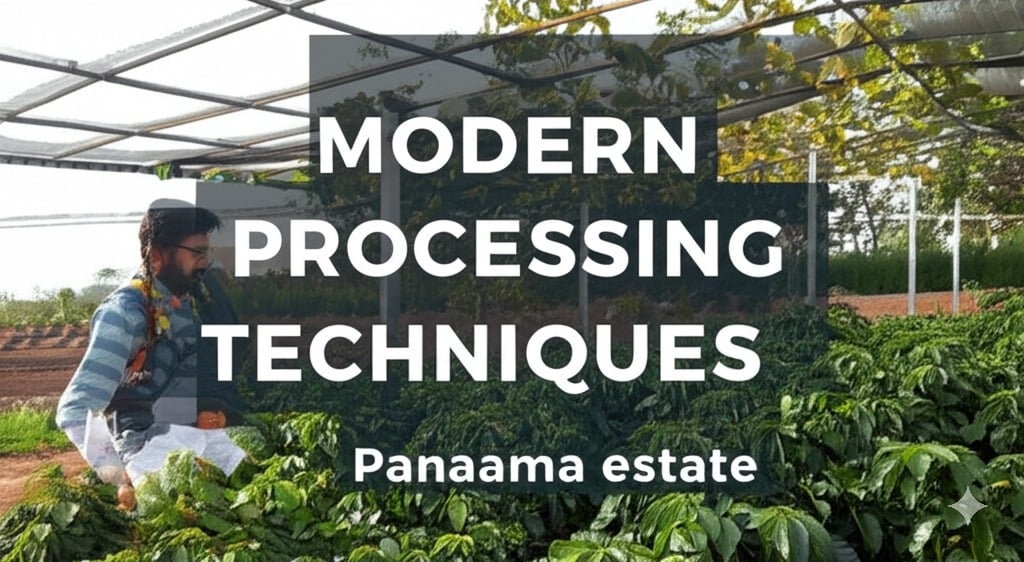
Panama’nın kahve geleceğine daha derin dalmak, mevcut yörüngesini incelemeyi gerektirir.2000’li yılların başında geyşa çeşitleriyle açık artırma rekorları kırdığından beri Panama, kahve kalitesi sınırlarını sürekli olarak zorladı.2025 yılına kadar Panama’nın prestijli konumunu korumak için birkaç önemli gelişme bekliyorum.
İklim değişikliği Panama kahvesi için hem bir zorluk hem de fırsat teşkil ediyor. Yükselen sıcaklıklar geleneksel büyüme bölgelerini tehdit ediyor, ancak ileri görüşlü üreticiler zaten uyum stratejileri uyguluyor. 2025 yılına gelindiğinde, daha önce kaliteli kahve üretimi için fazla serin olduğu düşünülen bölgelerde daha yüksek rakımlarda (1.800 metrenin üzerinde) ekimin genişletildiğini göreceğiz. Bu yeni mikro iklimler, şu anda Panama ile ilişkili olmayan farklı lezzet profilleri üretebilir.
İşleme inovasyonu 2025 boyunca hızlanacak Yıkanmış işleme bugün Panama’nın premium segmentine hakim olsa da, deneysel fermantasyon teknikleri çekiş kazanıyor. Anaerobik fermantasyon, karbonik maserasyon ve hibrit yöntemler daha rafine ve ticari açıdan önemli hale gelecek. Bu teknikleri halihazırda uygulayan çiftlikleri ziyaret ettim ve 2025 yılına gelindiğinde bu deneysel partiler açık artırmalarda kendi premium kategorilerine hakim olacak.
Panama’nın kahve mahsullerinin genetik çeşitliliği geyşa çeşitlerinin ötesine geçecek. Geyşa amiral gemisi olmaya devam edecek olsa da üreticiler halihazırda nadir Etiyopya yerel çeşitlerini ve melezleştirilmiş çeşitlerini deniyor. 2025 yılına gelindiğinde muhtemelen geyşanın ünlü çiçek karmaşıklığını daha fazla hastalık direnci ve verim potansiyeliyle birleştiren yeni ortaya çıkan “süper çeşitler” göreceğiz.
| Panama Kahve Faktörleri | Mevcut Durum (2023) | Öngörülen Durum (2025) |
|---|---|---|
| Ortalama Açık Artırma Fiyatı (En Çok Arsa) | $800-1.000/lb | $1,200-1,500/lb |
| Baskın Çeşitler | Geyşa, Catuai | Geyşa, Etiyopya yerel ırkları, Yeni melezler |
| Anahtar İşleme Yöntemleri | Yıkanmış, Doğal | Genişletilmiş fermantasyon, Anaerobik, Karbonik maserasyon |
| İklim Adaptasyonu | Erken uygulama | Yaygın yükseklik değişimleri, Gölge yönetimi |
| Piyasa Tanıma | Özel kahve segmenti | Daha geniş lüks pazar tanınırlığı |
Hawaii Kahvesi 2025 Yılında Hangi Zorluklarla Karşılaşacak?
Hawaii kahve üreticileri olağanüstü yüksek üretim maliyetleri ve sınırlı büyüme alanıyla mücadele ediyor. Birçok endüstri gözlemcisi, Hawaii’nin diğer bölgeler daha az ücret alırken kaliteyi artırırken birinci sınıf kahve statüsünü koruyup koruyamayacağını sorguluyor.
Hawaii kahvesi, 2025 yılına kadar artan maliyet baskılarıyla karşı karşıya kalacak, işgücü giderleri potansiyel olarak saatte $25-30’a ulaşacak ve arazi değerleri tırmanmaya devam edecek. Bu faktörler perakende fiyatlarını yükseltirken Panama ve diğer premium kökenlerden gelen rekabet yoğunlaşacak ve potansiyel olarak Hawaii’nin ultra premium segmentteki pazar payını azaltacaktır.
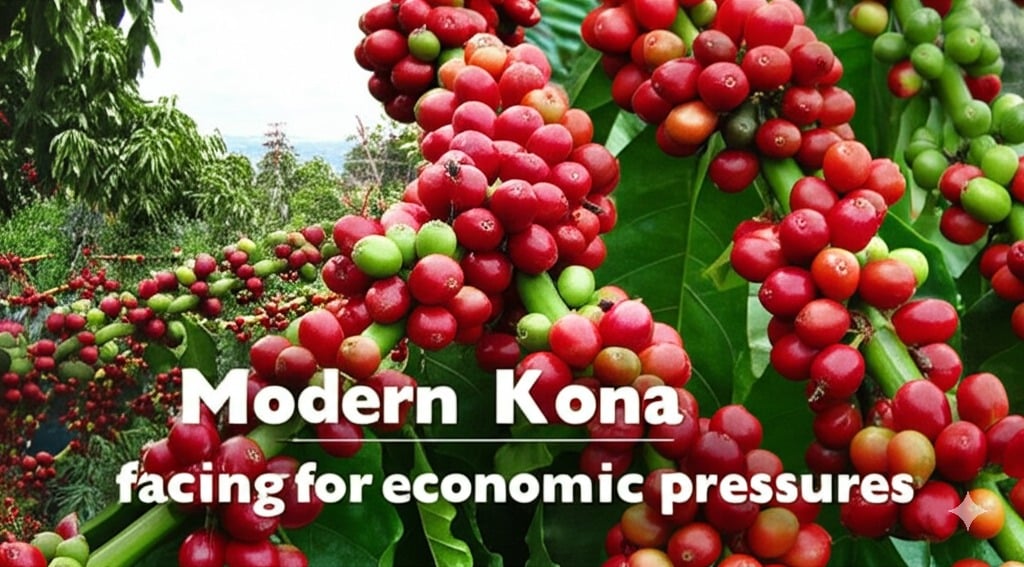
Hawaii’nin kahve geleceğinin derinliklerine dalmak, zorlukların ve uyum stratejilerinin karmaşık bir resmini ortaya koyuyor Hawaii’nin kahve endüstrisi, özellikle de ünlü Kona bölgesi, benzersiz kısıtlamalar altında faaliyet gösteriyor. Ticari olarak kahve üreten tek ABD eyaleti olarak Hawaii’nin üretim maliyetleri, Amerikan çalışma standartlarını ve adanın yüksek yaşam maliyetini yansıtıyor.
2025 yılına gelindiğinde bu ekonomik baskılar yoğunlaşacak. Halihazırda mevcut oranlarda zorlayıcı olan işgücü maliyetleri, Hawaii’nin asgari ücretinin artması ve vasıflı tarım işçileri için rekabetin artmasıyla muhtemelen saatte $25-30’a yükselecek. Bu işgücü bileşeni tek başına Hawaii’yi, işgücü maliyetlerinin Hawaii’ninkinin çok küçük bir kısmı olduğu Panama’ya kıyasla önemli bir dezavantaja sokuyor.
Arazi değerleri başka bir önemli zorluk teşkil ediyor.Kona’daki birinci sınıf kahve yetiştirilen arazi şu anda dönüm başına $150.000-$200.000’e komuta ediyor.2025 yılına gelindiğinde bu değerler 15-20% artabilir ve kahve çiftçiliğinin ekonomik sürdürülebilirliğini daha da zorlayabilir. Bu baskı muhtemelen daha küçük aile çiftliklerinin daha büyük tarım şirketlerine veya geliştiricilere satış yapma eğilimini hızlandıracak ve potansiyel olarak Hawaii’nin kahve endüstrisinin karakterini değiştirecektir.
İklim değişikliğinin etkileri 2025 yılına kadar Hawaii’nin büyüyen bölgelerine göre değişecek. Bazı bölgeler değişen yağış düzenlerinden faydalanabilirken, diğerleri adalarda zaten tespit edilen kahve yaprağı pasından kaynaklanan artan baskıyla karşı karşıya kalacak. Panama’nın yüksek rakımlı çiftliklerinin aksine, Hawaii’nin kahve bölgelerinde ısınma devam ettikçe daha soğuk sıcaklıklara doğru yukarıya doğru genişlemek için daha az alan var.
Hawaii’nin kahve sektöründeki inovasyon, üretim tekniklerinden ziyade katma değerli stratejilere odaklanacak. 2025 yılına kadar daha entegre turizm deneyimleri, özel doğrudan tüketiciye abonelik modelleri ve lüks ürün şirketleriyle ortak markalaşma görmeyi bekliyorum. Bu yaklaşımlar, Hawaii kahvesinin algılanan ayrıcalığını artırarak üretim maliyeti dezavantajlarını dengelemeye çalışacak.
| Hawaii Kahve Faktörleri | Mevcut Durum (2023) | Öngörülen Durum (2025) |
|---|---|---|
| Üretim Maliyetleri | $30-35/lb (yeşil kahve) | $40-45/lb (yeşil kahve) |
| İşgücü Maliyetleri | $15-20/saat | $25-30/saat |
| Arazi Değeri (Kona) | $150K-200K/dönüm | $180K-240K/dönüm |
| Pazar Konumlandırma | Coğrafi ayrıcalık | Lüks/yaşam tarzı entegrasyonu |
| İklim Adaptasyonu | Sınırlı seçenekler | Çeşit çeşitliliğinin artması |
2025 Yılında Panama ve Hawaii Kahvesi Arasında Fiyat ve Stok Durumu Nasıl Karşılaştırılacak?
Kahve alıcıları ve meraklıları, birinci sınıf Panama ve Hawaii kahvelerinin yüksek fiyatlarını haklı çıkarmak için mücadele ediyor. Birçoğu, bu kahvelerin 2025 yılına kadar daha da ayrıcalıklı lüks ürünler haline gelip gelmeyeceğini sorguluyor ve en özel koleksiyoncular dışında hepsini fiyatlandırıyor.
2025 yılına gelindiğinde, Panama’nın en iyi açık artırma partileri muhtemelen $50-100/lb perakende aralığında daha geniş kullanılabilirliği korurken $1.500/lb’ye ulaşacak. Hawaii kahve fiyatları sınırlı üretim hacmiyle $60-80/lb toptan satışına yükselecek. Panama, primin ortasındaki fiyat noktalarında daha iyi değer sunacak, her iki menşein en iyi partileri ise yatırım sınıfı lüks ürünler haline gelecek.
Gelecekteki fiyatlandırma ortamına daha derinlemesine dalmak, bu iki kökeninin kendilerini nasıl konumlandıracağı konusunda önemli farklılıklar ortaya koyuyor. Hem Panama hem de Hawaii kahve pazarlarında halihazırda belirgin olan fiyat sınıflandırması, 2025 yılına kadar daha belirgin hale gelecek ve farklı erişilebilirlik katmanları yaratacak.
Panama’nın açık artırma sistemi, özellikle de Panama’nın En İyileri yarışması, lot kazanmak için olağanüstü fiyatlar kullanmaya devam edecek. Bu açık artırmaları yıllarca takip ettim ve rekorların defalarca kırılmasını izledim. 2025 yılına kadar, en iyi açık artırma lotlarının düzenli olarak $1.000/lb’yi aşmasını ve olağanüstü lotların $1.500/lb’ye yaklaşmasını bekliyorum. Ancak manşetlere çıkan bu fiyatlar Panama’nın özel üretiminin çok küçük bir kısmını temsil ediyor.
Daha önemli gelişme Panama’nın orta pazar genişlemesi olacak. Şu anda, $40-60/lb için mükemmel Panama geyşa kahveleri (88-90 puan alan) perakende. 2025 yılına kadar bu kademe muhtemelen $50-80/lb’ye çıkacak ancak özel kanallar aracılığıyla daha yaygın olarak kullanılabilir hale gelecek. Panama üreticileri, en iyi mikro robotlarının ayrıcalığını korurken marka bilinirliği oluşturmak için bu “erişilebilir premium” kahvelerin üretimini stratejik olarak genişletecek.
Hawaii’nin fiyatlandırma yapısı farklı şekilde gelişecek Panama’nın manşet oluşturan fiyat kayıtları oluşturmak için açık artırma altyapısı olmadan, Hawaii kahvesi tutarlı prim konumlandırmasına odaklanacak Otantik Kona kahve toptan fiyatları muhtemelen 2025 yılına kadar $90-120/lb arasındaki perakende fiyatlarıyla $60-80/lb’ye ulaşacak. Bu, standart Hawaii kahvesini bile lüks segmentte konumlandırırken Panama tüketiciler için birden fazla giriş noktası sunuyor.
Üretim hacmi farklılıkları 2025 yılına kadar daha önemli hale gelecektir.Hawaii’nin sınırlı büyüme alanı (toplam yaklaşık 7.000 dönüm) önemli ölçüde genişleyemez, bu da üretimi nispeten sabit tutar. Bu arada Panama’nın özellikle Boquete ve Volcán bölgelerinde dikkatli bir genişleme alanı var. Bu, Hawaii kısıtlı kalırken Panama’nın pazardaki varlığını artırmasına olanak tanıyacak.
Kullanılabilirlik modelleri 2025 yılına kadar daha da farklılaşacak. Hawaii, öngörülebilir mevsimsel kullanılabilirliğini tutarlı bir kaliteyle koruyacak. Panama’nın en iyi kahveleri, dünya çapındaki elit kavurucularla önceden sözleşmeli düzenlemeler yoluyla giderek daha fazla tahsis edilecek ve bazı üreticiler, kaliteli şarap tahsis sistemlerine benzer şekilde, yüksek net değere sahip koleksiyoncularla doğrudan işlem yapacak.
| Karşılaştırma Faktörü | Panama Kahvesi (2025) | Hawaii Kahvesi (2025) |
|---|---|---|
| En Seviye Fiyatlar | $800-1.500/lb (açık artırma) | $150-200/lb (doğrudan) |
| Orta Premium Perakende | $50-100/lb | $90-120/lb |
| Üretim Hacmi | Orta artış | Statik veya hafif azalma |
| Kullanılabilirlik Kanalları | Açık artırmalar, doğrudan ticaret, özel kavurma makineleri | Doğrudan tüketiciye, turizme, lüks perakendecilere |
| Değer Önerisi | Orta kademelerde olağanüstü kalite-fiyat | Ayrıcalık ve coğrafi benzersizlik |
2025’te Panama ile Hawaii Kahvesini Hangi Kalite ve Lezzet Farklılıkları Tanımlayacak?
Kahve içenler, premium kökenler arasındaki nesnel kalite farklılıklarını anlamakta zorlanıyor. Birçoğu, Panama ve Hawaii kahvelerinin kendine özgü lezzet profillerinin 2025 yılına kadar tutarlı kalıp kalmayacağını veya iklim değişikliği ve üretim uygulamalarının özelliklerini değiştirip değiştirmeyeceğini merak ediyor.
2025 yılına gelindiğinde Panama kahveleri, karmaşık çiçek, tropik meyve ve şarap benzeri asitlik profilleri üreterek daha deneysel işleme yöntemlerini sergileyecek. Hawaii kahveleri, orta gövdeli ve ince ceviz ve karamel notalarıyla klasik tatlı, temiz profilini koruyacak, ancak yeni çeşitler iklim zorluklarıyla mücadele etmek için daha fazla karmaşıklık getirebilir.

Bu prestijli kahvelerin duyusal geleceklerine daha derinlemesine dalmak ufukta büyüleyici gelişmeleri ortaya koyuyor.Bu kökenleri bugün tanımlayan lezzet profilleri, 2025 yılına kadar hem kasıtlı inovasyon hem de çevresel gereklilik yoluyla gelişecek.
Panama’nın lezzet gelişimi büyük ölçüde işleme deneyleriyle yönlendirilecek. Geyşanın narin çiçek ve narenciye notalarını vurgulayan geleneksel yıkanmış süreç, daha gelişmiş fermantasyon teknikleriyle birleştirilecek. Genişletilmiş anaerobik fermantasyon, yüksek tatlılığa sahip yoğun tropikal meyve notaları üretecek. Ziyaret ettiğim ilerici çiftliklerde halihazırda test edilen kontrollü maya aşıları, benzeri görülmemiş karmaşıklığa sahip öngörülebilir lezzet sonuçları yaratacak.
İklim baskıları da 2025 yılına kadar Panama’nın lezzet profilini etkileyecek. Geleneksel yetiştirme yüksekliklerindeki biraz daha sıcak sıcaklıklar, çiçek karmaşıklığını potansiyel olarak azaltırken meyve özelliklerini yoğunlaştıracak. İleri görüşlü üreticiler, Panama’yı haritaya koyan klasik geyşa profilini korumak için halihazırda daha yüksek rakımlarda ekim yapıyor. 2025 yılına gelindiğinde muhtemelen Panama kahvelerinin, her biri farklı duyusal özelliklere sahip, özellikle yükseklik katmanları tarafından pazarlandığını göreceğiz.
Hawaii’nin lezzet gelişimi tutarlılık ve gelenek tarafından yönlendirilen daha muhafazakar bir yol izleyecektir.Klasik Kona profili — temiz, tatlı, ince fındık ve karamel notaları ile orta gövdeli – referans noktası olmaya devam edecek. Bununla birlikte, iklim adaptasyonu bazı değişiklikleri gerektirecektir. Hawaii üreticileri halihazırda kaliteyi korurken ortaya çıkan hastalık baskılarına dayanabilecek daha sağlam çeşitler sunuyor.
2025 yılına gelindiğinde Hawaii’de daha seçkin bölgesel farklılaşma görmeyi bekliyorum. Kona amiral gemisi olmaya devam ederken Ka’u, Puna ve Maui gibi bölgeler, benzersiz mikro iklimlerini vurgulayan özel işleme yaklaşımlarıyla desteklenen daha tanımlanmış kimlikler geliştirecek. Bu bölgesel farklılaşma, Hawaii’ye sergilenecek daha geniş bir lezzet spektrumu verecek, ancak yine de Panama’nın sunduğu egzotik karakterden ziyade denge ve yaklaşılabilirliğe odaklanacak.
Kupa puanı yörüngeleri 2025 yılına kadar kökenler arasında farklılık gösterecek. Panama’nın en üst partileri, özel kahve ölçeğinde düzenli olarak 95 puanı aşan olağanüstü partilerle puanlama sistemlerinin üst sınırlarını zorlamaya devam edecek. Hawaii kahveleri, mükemmel ancak daha az egzotik kaliteyi temsil eden 84-90 puan aralığında sağlam skorları koruyacak.
| Lezzet Niteliği | Panama Kahvesi (2025) | Hawaii Kahvesi (2025) |
|---|---|---|
| Asitlik | Parlak, karmaşık, şarap gibi | Orta, temiz, elmaya benzer |
| Vücut | Hafif ila orta | Orta, ipeksi |
| Tatlılık | Yoğun, meyve ileri | Yuvarlak, karamel gibi |
| Ayırt Edici Notlar | Yasemin, bergamot, tropikal meyve, şarap | Macadamia, sütlü çikolata, ince narenciye |
| İşleme Etkisi | Yüksek (deneysel yöntemler) | Orta (iyileştirmelerle geleneksel) |
| Tutarlılık | Lot arasında değişkenlik gösterir | Yüksek tutarlılık |
Sonuç
2025 yılına kadar Panama kahvesi, yenilik ve genetik çeşitlilik yoluyla kalite liderliğini sürdürürken, Hawaii kahvesi, daha yüksek maliyetlere rağmen benzersiz coğrafi kimliğini güçlendirecek. Her iki köken de premium fiyatlara hükmedecek, ancak Panama, özel kahvenin ne olabileceğinin sınırlarını zorlarken fiyat noktalarında daha iyi değer sunacak.


