
Je skutečně nezbytné po každém běhu důkladně vyčistit plnicí a uzavírací stroj na kávové kapsle?
Právě jste dokončili výrobní sérii se svým strojem na plnění kávových kapslíkáva kapsle plnicí stroj. Pokušení vynechat čištění je silné, zvláště když se blíží termíny. Ale zanedbání tohoto zásadního kroku by mohlo vést k nákladným problémům s kontaminací.
Ano, důkladné čištění vašeho stroje na plnění a uzavírání kávových kapslí po každém běhu je nezbytné Pravidelné čištění zabraňuje křížové kontaminaci mezi různými odrůdami kávy, udržuje kvalitu produktu, zabraňuje hromadění, které může poškodit součásti stroje, a zajišťuje dodržování předpisů o bezpečnosti potravin.
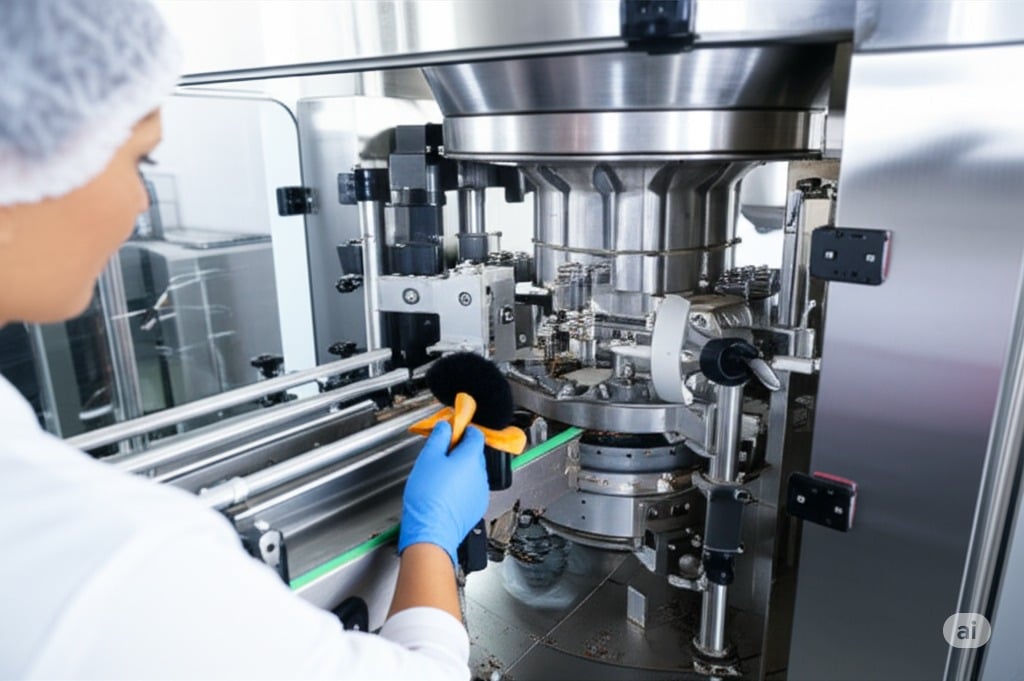
Tuhle lekci jsem si odnesl tvrdě Před lety, když jsem teprve začínal, jsem si říkal, že bych mohl ušetřit čas přeskakováním úklidů mezi podobnými odrůdami kávy Výsledek? Kontaminované produkty a nešťastní zákazníci Teď už to vím lépe, a chci se podělit o to, proč je důkladné čištění nesmlouvavé.
Proč je pravidelné čištění tak důležité pro kávové kapsle?
Vůně čerstvě mleté kávy je nádherná, ale když se ve vašem plnicím stroji nahromadí zbytky, stane se živnou půdou pro bakterie Bez řádného čištění riskujete kontaminaci celých šarží produktu.
Pravidelné čištění zabraňuje křížové kontaminaci mezi různými odrůdami kávy, zajišťuje konzistentní chuťové profily a udržuje celkovou kvalitu vašeho konečného produktu. Oleje v kávě mohou rychle žluknout, pokud jsou ponechány ve stroji, což vede k neochucení v následujících dávkách.
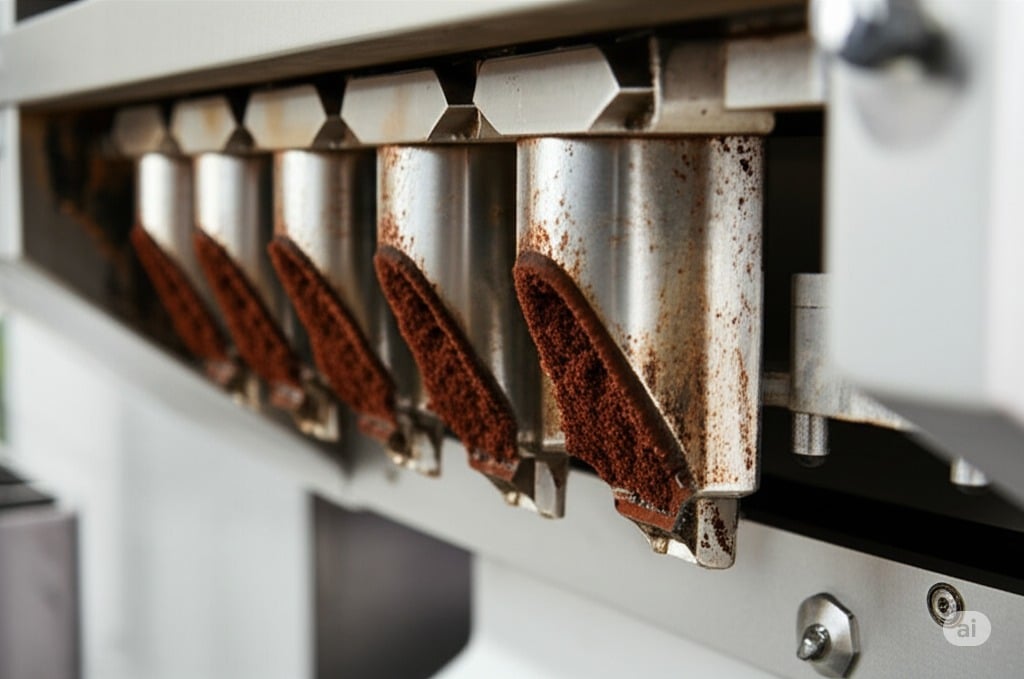
Když jsem poprvé začal vyrábět kávové kapsle, podcenil jsem, jak rychle se kávové oleje mohly hromadit v součástech stroje Káva obsahuje přírodní oleje, které sice přispívají k jejímu nádhernému chuťovému profilu, ale mohou se stát lepkavými zbytky, které zachycují částice a časem se rozkládají Tyto zbytky se shromažďují v dávkovacích komorách, plnicích tryskách a dopravních systémech.
Zjistil jsem, že i provoz podobných produktů (jako jsou středně a tmavě pražené kávy) bez čištění mezi šaržemi může vést k přenosu chuti. Exotičtější nebo ochucené kávy, jako je vanilka nebo lískový ořech, jsou obzvláště problematické, protože jejich výrazné vůně mohou přetrvávat ve stroji a ovlivnit následné neochucené produkty způsoby, kterých si zákazníci rozhodně všimnou.
Pravidelné čištění také zabraňuje hromadění kávového prachu, což může narušit přesnost vašeho dávkovacího systému. Pamatujte, že kávové kapsle obvykle obsahují přesné množství produktu (obvykle mezi 5-7 gramy) a dokonce i malé odchylky mohou ovlivnit kvalitu vaření. Čistý stroj udržuje přesné parametry dávkování a zajišťuje konzistentní kvalitu produktu.
Co se stane, když vynecháte čištění kávových kapslí?
Jednou jsem uspěchal výrobní plán a mezi jednotlivými šaržemi jsem přeskočil důkladné čištění Brzy poté se přivalily stížnosti zákazníků na neochucené a nekonzistentní kvalitu Náklady na stažení výrobků a poškozené renomé daleko přesáhly ušetřený čas.
Přeskočení správného čištění vede ke křížové kontaminaci mezi různými odrůdami kávy, hromadění žluklých kávových olejů, které poškozují budoucí šarže, a potenciálnímu růstu bakterií, který představuje rizika pro bezpečnost potravin. Kromě toho mohou zbytky kávy ztvrdnout a poškodit životně důležité součásti stroje.
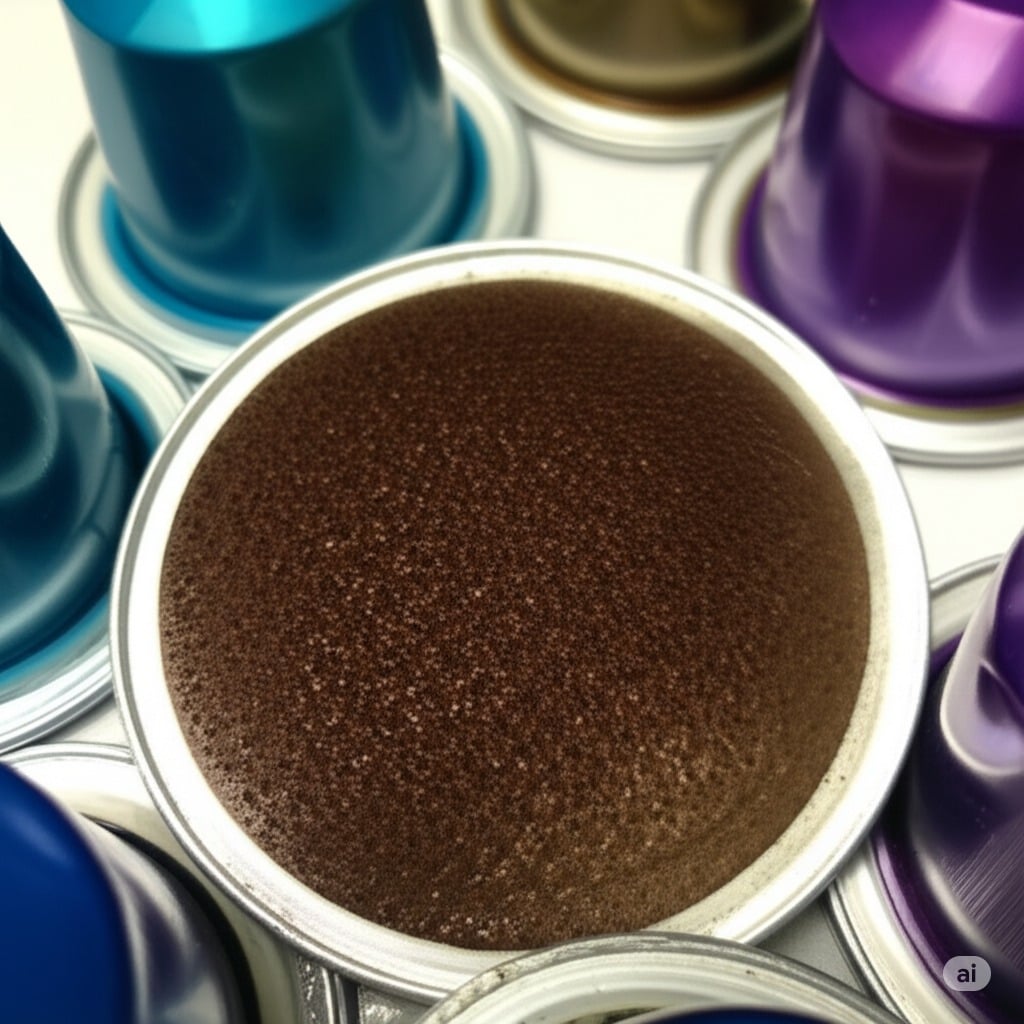
Důsledky zanedbání správných čisticích postupů sahají daleko za jednoduché problémy s chutí. Zbytky kávy obsahují přírodní cukry a oleje, které vytvářejí dokonalé prostředí pro mikrobiální růst, když jsou ponechány nerušené. To je zvláště znepokojivé v prostředí s vysokou vlhkostí nebo během teplejších měsíců.
Byl jsem svědkem toho, jak rychle se mohou vyvinout mechanické problémy z nedostatečného čištění. Částice kávy jsou při sušení překvapivě abrazivní a mohou urychlit opotřebení přesných součástí, jako jsou plnicí trysky, těsnicí matrice a transportní mechanismy. Jeden z mých klientů musel jednou vyměnit celý dávkovací systém, protože vytvrzené zbytky kávy poškodily stěny válců a písty, což způsobilo nepřesné plnění a netěsnost.
Je zde také regulační aspekt, který je třeba vzít v úvahu Inspektoři bezpečnosti potravin berou protokoly o čištění velmi vážně a při auditech je často vyžadována dokumentace vašich postupů čištění. Viděl jsem, že výrobní zařízení čelí značným pokutám a dokonce i dočasným odstávkám kvůli nedostatečným záznamům o čištění nebo postupům. Kávový průmysl, stejně jako veškerá výroba potravin, podléhá přísným předpisům týkajícím se křížové kontaminace a sanitace.
Pamatujte, že kávové kapsle jsou v podstatě uzavřené potravinářské produkty s prodlouženou dobou použitelnosti. Jakákoli kontaminace uzavřená uvnitř těchto kapslí má čas na vývoj a potenciálně způsobuje problémy, než spotřebitel produkt použije. Díky tomu je důkladné čištění mezi výrobními sériemi nejen osvědčeným postupem, ale nezbytným pro bezpečnost spotřebitelů.
Jaký je nejúčinnější čisticí protokol pro kávové kapsle?
Po dlouhém výrobním dni jsem chtěl naposledy hodiny uklízet Ale naučil jsem se, že systematický přístup šetří čas a zároveň zajišťuje důkladné čištění Bez něj mi chyběly kritické oblasti.
Účinný čisticí protokol zahrnuje každodenní rychlé čištění mezi výměnami produktů, důkladnější čištění na konci dne a týdenní hloubkové čištění Používejte potravinářské čisticí prostředky, rozebírejte kritické komponenty pro důkladné čištění a zdokumentujte všechny čisticí postupy pro zajištění kvality.
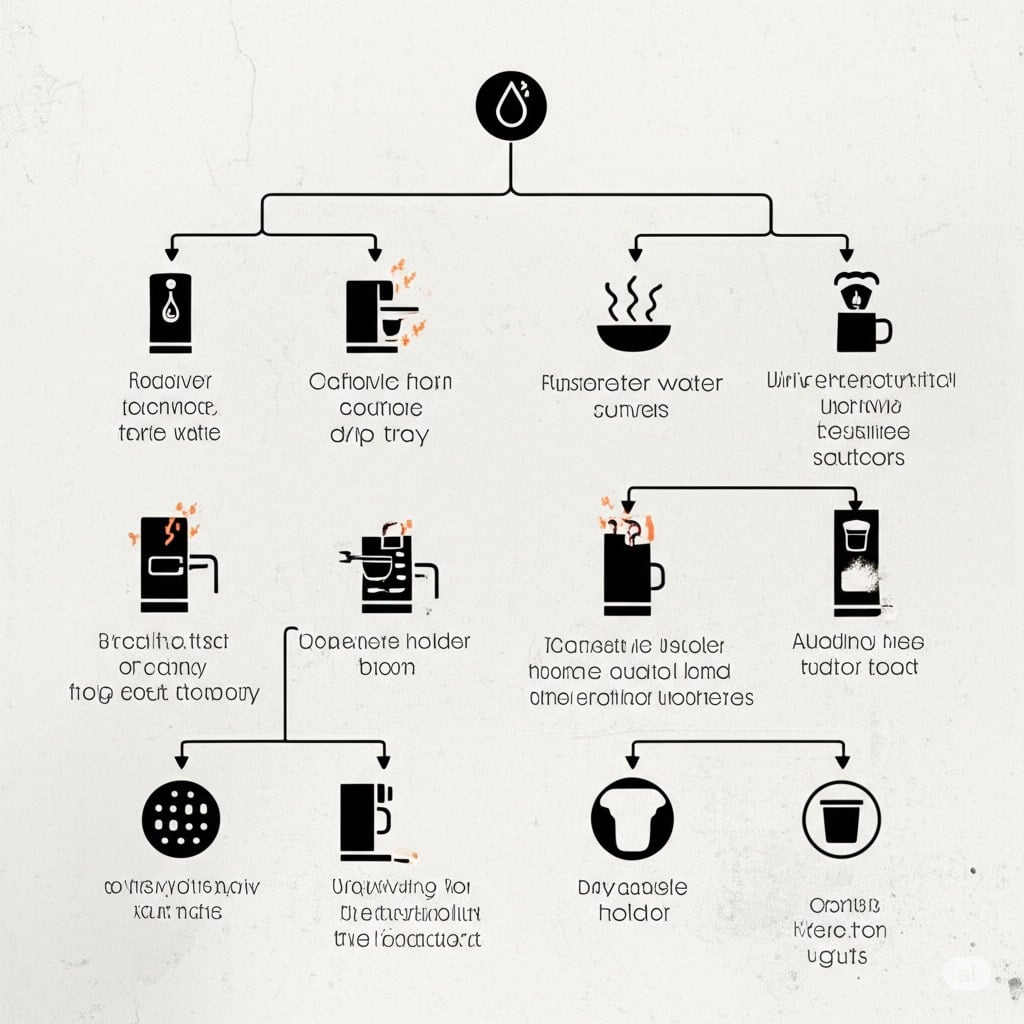
Na základě mých letitých zkušeností s provozem operací plnění kávových kapslí jsem vyvinul třístupňový přístup čištění, který vyvažuje účinnost a důkladnost. Tento systém výrazně snížil naše prostoje při zachování vynikající kvality produktů a výkonu stroje.
Pro rychlé čištění mezi výměnami produktů (zejména při přepínání mezi různými odrůdami kávy) se zaměřujeme na kontaktní cesty produktu. To znamená pročištění systému vzduchem, aby se odstranila uvolněná kávová sedlina, poté proběhnutí malého množství nového produktu systémem a jeho vyřazení, aby se eliminovala křížová kontaminace. To trvá asi 15-20 minut, ale zabraňuje problémům s přenosem chuti.
Čištění na konci dne je komplexnější a zahrnuje použití vhodných čisticích roztoků pro potraviny, Rozebíráme plnicí trysky, dávkovací komory a těsnící matrice, abychom odstranili veškeré zbytky kávy Zvláštní pozornost je věnována těsněním, O-kroužkům a dalším malým součástem, kde mají částice kávy tendenci se hromadit. To obvykle trvá 45-60 minut, ale je nezbytné pro zabránění hromadění přes noc.
Týdenní hloubkové čištění zahrnuje kompletní demontáž všech kontaktních částí produktu, ultrazvukové čištění menších součástí a kontrolu všech těsnění a pohyblivých částí na známky opotřebení. To je také, když kalibrujeme dávkovací systém, abychom zajistili trvalou přesnost. Zjistil jsem, že tento preventivní přístup snižuje nouzovou údržbu téměř o 801 TP3T.
Doporučuji také vytvořit podrobné protokoly čištění, které sledují, kdo provedl každé čištění, kdy bylo provedeno, a jakékoli problémy zjištěné během procesu. Tyto záznamy nejen pomáhají s dodržováním předpisů, ale také vytvářejí odpovědnost a pomáhají identifikovat potenciální problémy dříve, než ovlivní výrobu.
Jak mohou automatizované čisticí systémy zlepšit efektivitu?
Ruční čištění kávových kapslí spotřebovávalo hodiny našeho výrobního času. Potřeboval jsem lepší řešení, které by nedělalo kompromisy v čistotě, ale snížilo by prostoje a mzdové náklady.
Automatizované systémy Clean-in-Place (CIP) mohou výrazně zkrátit dobu čištění a zároveň zajistit důkladnou sanitaci. Tyto systémy automaticky cirkulují čisticí řešení cestou produktu stroje, dostávají se do oblastí, které může být obtížné ručně čistit, a snižují náklady na pracovní sílu.
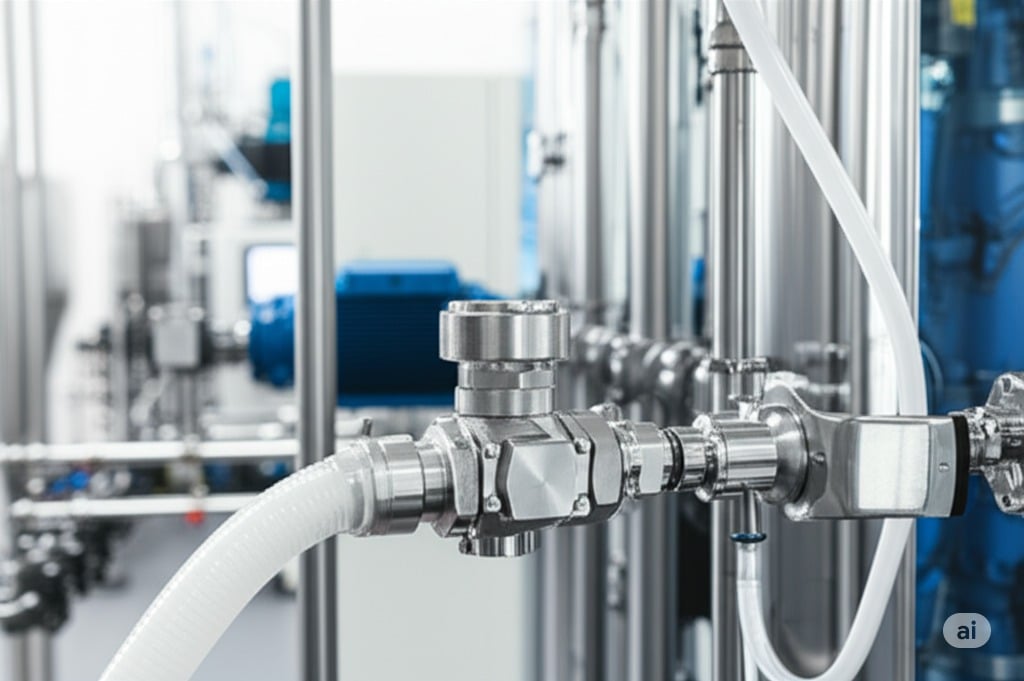
Investice do automatizované technologie čištění byla jedním z nejlepších rozhodnutí, které jsem učinil pro naši výrobní linku kávových kapslí Moderní systémy CIP navržené speciálně pro kávové aplikace využívají specializované čisticí roztoky, které účinně rozpouštějí kávové oleje, aniž by zanechaly zbytky chemikálií, které by mohly ovlivnit chuť produktu.
Nejúčinnější automatizované systémy, které jsem zavedl, se řídí vícestupňovým procesem čištění: za prvé, předoplachování teplou vodou k odstranění uvolněných částic; za druhé, cirkulace alkalického roztoku detergentu k rozkladu olejů a bílkovin; za třetí, roztok na bázi kyseliny k odstranění minerálních usazenin z vody; a nakonec důkladné opláchnutí čištěnou vodou Tento komplexní přístup zajišťuje, že všechny potenciální kontaminanty budou řešeny.
Kromě zjevné úspory času poskytují automatizované čisticí systémy konzistenci, které je obtížné dosáhnout ručním čištěním. Každý čisticí cyklus se řídí přesně stejným postupem s přesně kontrolovanými teplotami, tlaky a dobou čištění. To eliminuje variabilitu, která přichází s různými operátory provádějícími ruční čištění.
Moderní systémy CIP také obsahují ověřovací funkce, které potvrzují, zda bylo čištění úspěšné. Mohou zahrnovat měřiče vodivosti, které měří zbytkový prací prostředek, průtokové senzory, které zajišťují správnou cirkulaci, a teplotní monitory, které ověřují, že roztoky dosáhly požadovaných teplot pro účinnou dezinfekci. Tato dokumentace je neocenitelná pro zajištění kvality a dodržování předpisů.
Zatímco počáteční investice do automatizované čisticí technologie je významná, vypočítal jsem naši návratnost investice na necelých 18 měsíců, když uvažuji o úsporách práce, zkrácení prostojů, prodloužení životnosti stroje a zlepšení kvality produktů. Pro operace vyrábějící více než 5 000 kapslí denně se automatizované čištění rychle stává nejen pohodlím, ale i finanční nutností.
Závěr
Důkladné čištění vašeho stroje na plnění a uzavírání kávových kapslí po každém běhu není jen nezbytnou praxí, protože je nezbytný pro kvalitu produktu, dlouhou životnost stroje a dodržování předpisů. Čas, který investujete do správných čisticích protokolů, se vyplatí v konzistentní kvalitě a spokojenosti zákazníků.


