
Průvodce nákupem prázdných K-Cup: Typy pod, tipy na plnění a kde je získat
Chcete vařit doma s vlastními znovu plnitelnými kávovými kapslemi nebo založit malou privátní značku kávy s jednou porcí? Schopnost plnit otevřené K Cups znamená úplnou kontrolu nad fazolemi a chuťovým profilem. Přečtěte si podrobnosti o různých typech dostupných prázdných kapslí, pokyny pro správné techniky plnění, potenciální problémy s kompatibilitou a kde je koupit v množství, které potřebujete.
Standardní specifikace K Cupu
| Průměr poháru | 51 mm |
| Výška poháru | 44 mm |
| Průměr víka | 51,5 mm |
| Kapacita plnění | 9,13 g kávy |
| Materiál | PP #5 (polypropylen), bez BPA |
| Keurigova kompatibilita | 1.0 (všechny kapsle) • 2.0 (vyžaduje kompatibilní víko) |
Co jsou prázdné podky K Cup a kdo je potřebuje?
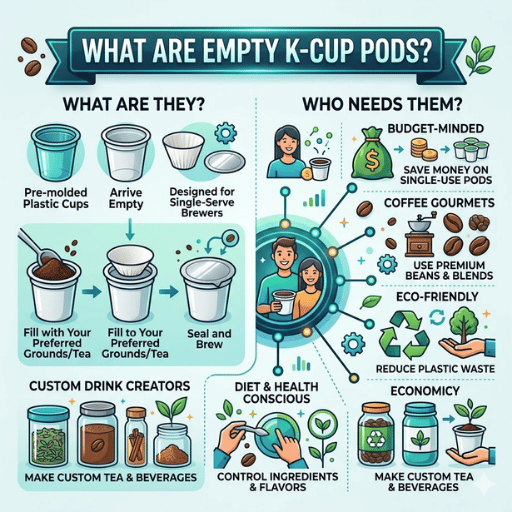
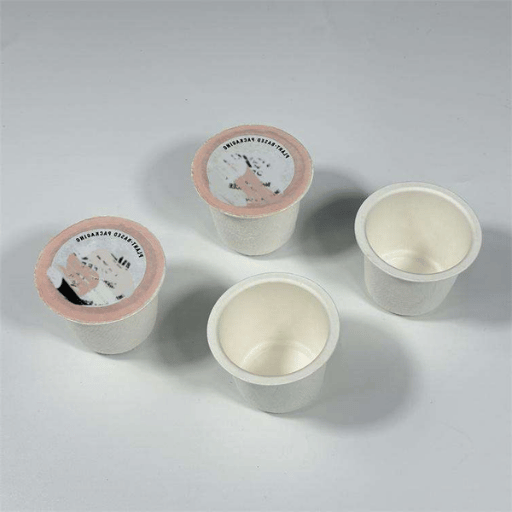
Prázdné K-pohárky jsou nevyplněné balíčky na jedno podání, do kterých si spotřebitel před vařením naplní vlastní kávu, čaj nebo kakaový prášek. Jsou navrženy tak, aby se vešly do kávovarů Keurig, odesílají se prázdné, takže si můžete naplnit vlastní kapsle kávou, která se vám líbí, a vařit ji čerstvou. Mají stejné rozměry průměru a výšky 51 mm jako předem zabalené K-pohárky od Starbucks, Dunkin’, Intelligentsia atd.
Prázdné balíčky K-cup primárně kupují tři skupiny Domácí uživatelé kupují jednotlivé servírovací kapsle k vaření své oblíbené kávy il Starbucks Dark Roast, Intelligentsia Peruvian, nebo jakékoliv značky kávy il bez označení předplněných K cup podů Malí výrobci kávy a značky privátních značek kupují hromadné balíčky pro vlastní značkovou produktovou řadu Podniky jako co-workingové prostory a kanceláře skladují plnitelné K Cupy na své kávové stanici, aby zaměstnanci a návštěvníci mohli vařit personalizované směsi s jakoukoliv kávou nebo čajem, který preferují, a udržují tak přípravu kávy na jedno servírování pohodlnou a cenově dostupnou.
Trh s otevřenými K Cupy explodoval díky zájmu a poptávce spotřebitelů. Komerčně balené kávové kapsle ve Spojených státech měly odhadovanou hodnotu přibližně 1 TP4T9,58 miliardy v roce 2025, a výroba jednodávkových nádob na kávu běží neuvěřitelnou rychlostí 39 000 jednotek za minutu globálně s využitím dat od výzkumníků z Ohio State University. Prázdné K-pohárky představují rostoucí mezeru na tomto obrovském trhu s kávou, dostupné jako jednorázové plnitelné jednotlivé kávové kapsle (na jedno použití) nebo opakovaně použitelné K-pohárkové permanentní síťované filtry určené pro více cyklů vaření.
Typy prázdných kapslí kávy K Cup: Materiály, víčka a kompatibilita s Keurigem
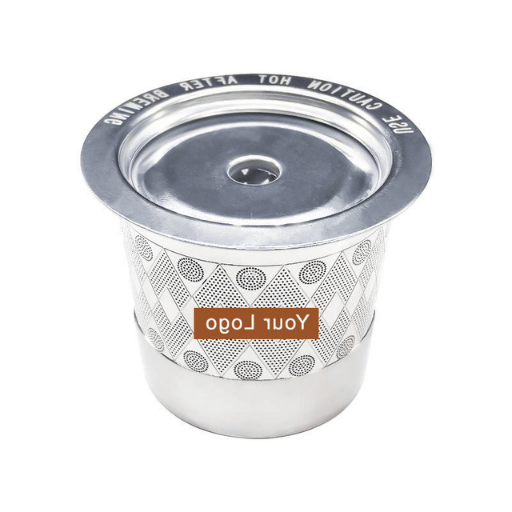
Ne každý otevřený K-pohár používá stejné materiály a materiál určuje recyklovatelnost, trvanlivost, náklady a potřebu dalších součástí, jako jsou fóliová víčka a kávový filtr uvnitř kapsle. Níže naleznete podrobnosti o nejoblíbenějších možnostech.
Polypropylen (PP #5)
K-poháry vyrobené z #5 Polypropylenu (PP) jsou nyní normou pro většinu výrobců, výrobce v USA Keurig Dr Pepper potvrdil že 1001 TP3T jeho nových balení používalo do roku 2020 recyklovatelný PP. PP je schválen FDA pro přímý kontakt s potravinami, bez BPA a bez ftalátů. Přibližně 611 TP3T amerických programů recyklace obytných obrubníků přijímá PP 1 TP5T5, což jej činí vysoce dostupným pro recyklátory.
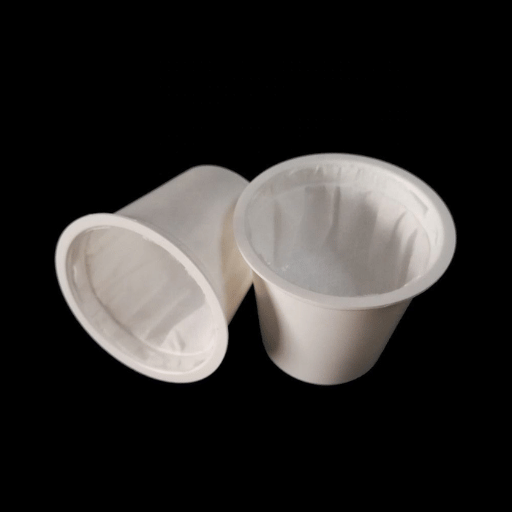
Naprostá většina prázdných balení K-pohárků na bázi PP má uvnitř stěny pohárku bariérový povlak EVOH (ethylen vinylalkohol), který vytváří vzduchotěsné těsnění proti přenosu kyslíku. Tato bariéra dramaticky prodlužuje trvanlivost mletého piva na 9-12 měsíců v kombinaci s fóliovým těsněním na víku. Bez EVOH trvanlivost klesá na 3-4 měsíce.
Kompostovatelné / Biologicky odbouratelné
Mnoho ekologicky uvědomělých spotřebitelů hledá ekologické kompostovatelné kapsle pro vaření vlastní kávy. Obecně mají stejné vlastnosti, ale jsou vyrobeny z PLA (kyseliny polymléčné) nebo vlákniny cukrové třtiny s kompostovatelným filtrem, uváděné na trh s výrazně ekologickou přitažlivostí. Jako otevřené plniva pro vaření však v současnosti existuje jen velmi málo možností, protože poselství šetrné k životnímu prostředí/spotřebiteli se liší od skutečného života v USA. Ve všech 50 státech existuje méně než 100 komerčních kompostovacích center, která přijímají kávové kapsle, a žádné s kapacitou vhodnou pro hromady kompostu na dvorku. A hodnocení životního cyklu publikované v Nature/PMC ukazuje tolik potřebné skutečné výhody se vyskytují pouze tehdy, když jsou tyto lusky průmyslově zpracovány – jejich kompostování na skládce má za následek nulovou čistou ekologickou výhodu. Navzdory označování dochází ke skutečnému biologickému rozkladu těchto materiálů pouze za podmínek průmyslového zpracování. Keurig již podnikl kroky k vývoji K-kolů na bázi papáji pro udržitelné vaření budoucnosti.
Hliník
Hliníkové kapsle poskytují vynikající kyslíkovou bariéru a lze je nekonečně recyklovat ve standardních tocích recyklace kovů. Náklady na kapsli jsou vyšší než PP a formát je mnohem méně rozšířený ve tvarových faktorech K Cup než kapsle kompatibilní s Nespresso (kruh v písku), ale tam, kde je požadována maximální skladovatelnost a kapsle se plní/utěsňuje pro vlastní maloobchodní prodej, je hliník řešením, které stojí za zvážení.
| Nemovitost | PP #5 | Kompostovatelné (PLA) | Hliník |
|---|---|---|---|
| Náklady na pod (hromadné) | $0.03,$0.08 | $0.06,$0.12 | $0.10,$0.18 |
| Kyslíková bariéra | Dobré (vynikající s EVOH) | Chudí až střední | Výborně |
| Recyklovatelné? | Ano 61% programů USA | Pouze průmyslový kompost | Ano, široce přijímané |
| Utěsněná doba použitelnosti | 9,12 měsíce (EVOH) | 3,6 měsíce | 12+ měsíců |
| Nejlepší Pro | Domácí plnění, malé podnikání | Eko-branding (s výhradami) | Prémiové maloobchodní pody |
Kompatibilita víka Keurig 2.0 Empty K Cup: Problém DRM
Stroje K Cup 2.0 přidaly IR skenovací systém, který čte proprietární inkoust na víku modulů. Pokud není skenováno správné označení, stroj zobrazí obecnou zprávu o odeslání a nebude vařit. Pokud jednoduše používáte prázdné moduly K-Cup s obecnými víčky, ovlivní vás to.
K dispozici jsou dvě řešení pro použití převážně potisknutelných (často levnějších) modulů. Nejprve si kupte prázdné K kelímky kompatibilní s 2.0, které se dodávají s víčky již vytištěnými IR čitelným inkoustem. Za druhé, nainstalujte a Klip Svobody2a malý kousek plastu, který se stejným výsledkem zacvakne do přihrádky na víko. Stroje Keurig 1.0 jsou zcela bez DRM a budou fungovat s jakýmkoli generickým pouzdrem. Při nákupu prázdných kávových kapslí vždy zkontrolujte, zda je v seznamu uvedena kompatibilita Keurig 1.0 a 2.0 nebo pouze 1.0.
Technický tip: Evoh, jak se používá v PP K-pohárcích, poskytuje bariéru, která je dostatečně účinná, aby zachovala čerstvost mleté kávy po dobu 9-12 měsíců. Bez ní trvanlivost klesne na 3-4 měsíce. Mějte na paměti, že výkon bariéry je vázán na to, jak dobře je udržováno víko-k-pohár víčka z hliníkové fólie fungují nejlépe.
Jednorázové plnitelné vs opakovaně použitelné K-Cups, které vyhovují vašim potřebám?
Nakonec, ať už se rozhodnete pro jednorázové plnitelné nebo opakovaně použitelné K-cupy, rychlost použití a náklady oproti nákladům na odpad jsou individuální volbou. S oběma modalitami používáte vlastní kávovou sedlinu a můžete pojmout více kávy na jeden šálek než tradiční kávové K-cup lusky, i když se podstatně liší v jejich každodenním používání.
Jednorázové plnitelné K kelímky
Výhody:
- Po každém vaření není potřeba žádné čištění
- Konzistentní fóliové těsnění zachovává čerstvost
- Skládkové moduly vhodné pro cestování s předstihem
- Předvídatelná extrakce každého šálku
Omezení:
- Plastový odpad na jedno použití na pivo
- Opakované náklady ~$0,03 až $0,15 za modul
Opakovaně použitelné K-Cups
Výhody:
- Nulový odpad z lusku na pivo
- Nejnižší dlouhodobé náklady (~$15,$25 jednorázový nákup)
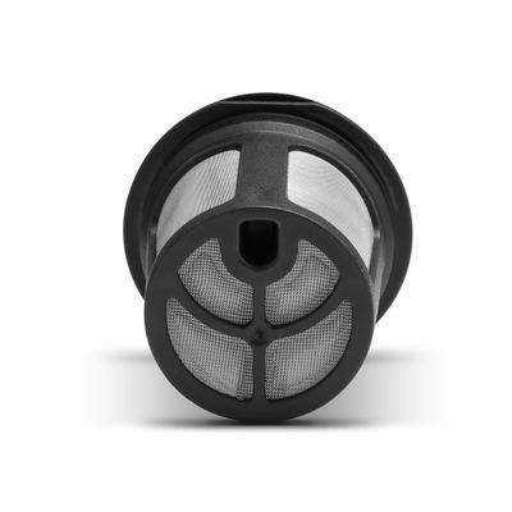
- Kompatibilní s Keurigem funguje s jakoukoli mletou kávou nebo sypaným čajem
Omezení:
- Po každém použití je nutné opláchnout nebo umýt
- Sklon k úniku kolem víka (společná stížnost na fóru)
- Nekonzistentní extrakční prosediment v kelímku
- Znatelně slabší vaření při nastavení 8,10 oz
| Typ | Cena 1. roku (denní sládek) | Cena za šálek | Odpad |
|---|---|---|---|
| Předplněné K-poháry | ~$185 | $0.50:$0.70 | 365 lusků + balení |
| Jednorázové plnitelné | ~$50 + káva | $0.15,$0.25 | 365 lusků (bez obalu) |
| Opakovaně použitelný | ~$20 + káva | $0.08:$0.12 | Nulový odpad z lusku |
Průzkum od Zprávy spotřebitelů zjistili jsme, že příprava vlastního K-Cup z fazolí doma by mohla ušetřit více než polovinu nákladů na jeden šálek nákupu předvyplněných značkových možností. Přesné úspory se liší v závislosti na výběru fazolí a výběru likvidace nebo opakovaně použitelných lusků.
Jedním široce uváděným omezením opakovaně použitelných K-pohárů je, že domácí baristé se domnívají, že vařená káva v nastavení velikosti 8-10 šálků může být nedostatečně dodávána a ohromující při nastavení 6 oz (nebo méně) a že objem sedliny v lusku nemůže fyzicky podporovat větší splachování.
Jak vyplnit prázdné K-Cups: Krok za krokem
Příprava vlastních prázdných kávových tobolek může být jednoduchou záležitostí méně než 2 minuty na jednotku s jakýmkoli kávovarem nebo sládkem Keurig, jakmile vytočíte dávku a rozdrtíte. Zde je návod, jak získat skvělý šálek kávy z plnitelných kávových K-pohárků.
Proces plnění krok za krokem
1. Vyberte si fazole Použitím čerstvějších fazolí ideálně do 2-4 týdnů po pražení kávy (re) zachováte kávovou chuť a vytvoříte živé, složité nálevy spíše než plochou, mrtvou chuť bez ohledu na použitý lusk.
2. Mletí na střední nebo středně jemné. Kávový prášek mletý na texturu granulovaného cukru (velikost částic 600-800 mikronů) je sladkou tečkou pro extrakci oproti filtru uvnitř formátu K-cup.
3. vážit 9-12 g kávy (zhruba 2 úrovně polévkové lžíce) na lusk. Měření pomáhá s konzistentními výsledky.
4. Naplňte rovnoměrně. Natahujte mletou poměrně rovnoměrně přes filtrační lože. Netlačte ani netlačte na filtr, protože systém Keurig má poměrně nízký tlak (~1,5 barů) a uzemnění, které je udušeno, bude bránit průtoku a vytvoří kanál.
5) Utěsněte fóliovým víčkem. (u jednorázových plnitelných K-pohárů) Pevně přitlačte víčko samolepkové fólie dolů po všech stranách, aby se šálek hermeticky uzavřel. (u opakovaně použitelných tobolek) Kliknutím na síťované víčko zapadne na místo a ujistěte se, že rychle praskne.
6) Pijte na 6-8 oz pivovarském nastavení zlatý řez SCA (Specialty Coffee Association) z 1:16 (káva g:wtr g) a 1:18 (poměr piva) znamená 10 g kávy je nejlepší s 170 ml (6 oz) vody, Jít více než 8 oz s touto dávkou bude vařit podextrahované, vodnaté kávy.
Pro Tipy: Pro jednorázové plnitelné K-poháry, hliníková fólie, nejlepší volba na trhu, vyžaduje ruční K-pohár těsnící zařízení (~$15-$30).Ruční tmel vytvoří těsné, hermetické těsnění Pro obchodní váhy praxe, automatizované K-pohár plnění a těsnění stroje balení 1,000-10,000+ lusky za hodinu s přesnou hmotností plnění a tepelného těsnění.
Engineering Poznámka: SCA zlatý řez konverze 1:16 (káva g: voda g) v překladu znamená cca 10 g kávy pro každý 170 ml (6 oz) vařit. Na typické K-pohár náplň 9-12 g, perfektní vařit objem je 6-8 oz. Vaření 10-12 oz se stejnou dávkou bude vařit pod pro přípravu kávy procesu minimální extrakční tyčinka, také známý jako ”vysílat vodnatý” výsledek.
Častý omyl! Použití espresso-jemné mletí v K-poháru ucpe filtrační síťovinu a zastaví sládek To povede k přetečení a vadné výsledky, pokud ne zkrachovalý stroj Nikdy jít pod střední nebo hrubší ve velikosti mletí, Pokud váš Keurig prská a vaří pomalu, vaše velikost mletí je příliš v pořádku.
Kde koupit prázdné kávové lusky a K-Cups
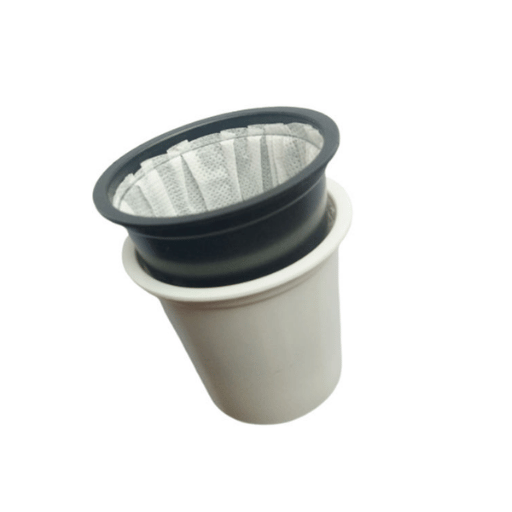
Ceny a zdroje se dramaticky liší v závislosti na velikosti objednávky. Zde jsou tři nejběžnější úrovně nákupu prázdných modulů K-poháru.
1. Maloobchod (malá množství): Balené krabice s 24-288 lusky jsou k dispozici na Amazon, Walmart a iFillCup.com (známé svými plnitelnými K kelímky iFillCup) za $0.08-$0.15 na pod. Nejlepší první nákup pro domácí uživatele testující plnitelné kelímky s kávovarem Keurig K-cups.
2. Velkoobchod (hromadný): Alibaba a GlobalSources místa na prázdné K-poháry 1 000-50 000+ za ceny již od 1 TP4T0.03 každý Minimální množství objednávky se pohybuje kolem 5 000 jednotek. Tyto obyčejné kelímky bez značky jsou nejvhodnější pro privátní značku nebo kancelářskou distribuci.
3. Přímo od výrobce: Aspirující štítky kávových kapslí musí kontaktovat přímo výrobce pro vlastní značku, testování kompatibility kávovaru, materiál šálků (PP, EVOH bariéra, hliník) a konzultace plnicího zařízení. AFPAK poskytuje prázdné šálky a víčka a také stroje pro plnění a těsnění v měřítku.
Nákupní rada: Vždy test koupit vzorovou sadu výroby před objednávkou velkoobchodně Zkontrolujte, že kávový filtr uvnitř každého lusku produkuje správnou extrakci bez přebytečných mletí ve spodní části šálku kávy Ověřte kompatibilitu Keurig 2.0, pokud se vztahuje na vaše stroje K-cup.
Časté chyby při plnění a vaření prázdných kapslí K Cup
Těchto pět chyb je nejčastěji hlášeno na online kávových fórech, Reddit a Quora. Ať už vaříte kávu na jedno podání doma nebo provozujete malý kávový podnik, vyhněte se těmto chybám, abyste zlepšili každý šálek kávy, který vyrábíte z prázdných tobolek.
1) Nesprávná velikost mletí Jemné mletí dusí výstupní jehlu v balení a vede k přetečení. Hrubé mletí dostatečně nevytahují. Nejlépe funguje středně jemná, drť někde mezi velikostí stolního cukru a velikostí moučkového cukru.
2. Přeplněný. Naplnění více než maximálně 12 g sedliny do (standardního) K-poháru zabraňuje distribuci vody a deformuje spláchnutí těsnění víka. Nechte 2-3 mm horního prostoru, aby sedlina nebyla na okraji.
3. Použití špatného víka. IR skener v Keurig 2.0 čte inkoustový vzor na papírovém víku. Použijte prázdné K-poháry se značkou 2.0 kompatibilní nebo trvale nasaďte Freedom Clip.
4. Vaření příliš velkého šálku Správné mletí půdy na 10 g kávy a její vtlačení do K-cupu dělá velmi silný nálev při 6 oz. Nechte K-cups při nastavení 6-8 oz pro správné vaření.
5. Nečištění jehly Káva se hromadí uvnitř nosní části a výstupní jehly. Jehly čistěte jednou měsíčně pomocí dodaných nástrojů nebo špendlíku.
Kontrolní seznam rychlé opravy
Mletí středně jemného (600 až 800 mikronů, jako krystalový cukr)
Dávka 9-12 g sedliny s 2-3 mm horním prostorem
Použijte 2.0 kompatibilní víčka nebo Freedom Clip pro Keurig 2.0
Pijte při 6-8 uncích, ne 10-12 oz
Čistěte jehly Keurig jednou měsíčně
Často kladené otázky
Jsou prázdné K-poháry kompatibilní se všemi stroji Keurig?
Zobrazit odpověď
Většina K-pohárů je použitelná pro jakýkoli stroj Keurig 1.0, který nemá žádná omezení Keurig 2.0 používá světelný skener, který nařizuje inkoust na víku Potřebujete kompatibilní víčka, nebo klip, abyste se zbavili čtečky.
Můžete naplnit prázdné K-cups čajem nebo horkou čokoládou?
Zobrazit odpověď
Ano Přidejte do každého lusku 2-3 g sypkého listu nebo 10-15 g kakaa Použijte nastavení 6 oz; papírová vložka filtru odrazuje od průchodu čajových lístků, pokud ji vaříte horkou.
Vyprší platnost prázdných K-pohárů?
Zobrazit odpověď
Nevyplněné lusky však nevyprší, jakmile přidáte sedlinu, spotřebujte do 1-2 týdnů bez EVOH vložky, 2-3 měsíce s fólií kvůli retardérům plísní..
Jsou prázdné K-cups recyklovatelné?
Zobrazit odpověď
PP #5 akceptován v 61% amerických obrubníkových zařízení. Annulujte fóliové víko, proužkový filtr a opláchněte zbytek půdy a recyklujte. Všimněte si, že kompostovatelné kapsle vyžadují komerční kompostovací zařízení – hnijí v běžném domácím kompostéru.
Kolikrát můžete jednorázový K-pohár znovu použít?
Zobrazit odpověď
Jednou. Jednorázové použití je účelem jednorázových znovu plnitelných tobolek – fóliové víko nelze znovu uzavřít. Opakovaně použitelné kelímky K pro znovu plnitelné tobolky z oceli nebo plastové síťoviny Keurig 6-12 měsíců, pokud se pravidelně myjí. Opakovaně použitelné kávové tobolky jsou udržitelnou dlouhodobou alternativou.
Jaká je nejlepší velikost mletí pro plnitelné K-poháry?
Zobrazit odpověď
Střední až středně jemný, jako u granulovaného cukru Kolem 600-800 mikronů Dostatečná rychlost k extrakci všech sedlin, ale ne příliš velký odpor z filtru.
Hledáte prázdné K-Cup pro vaši kávovou firmu?
AFPAK poskytuje prázdné podvěsy K-poháru a těsnící víka i plnicí stroje Jednotlivý stroj na stovky, včetně vzorků na plné výrobní linky.
O tomto průvodci
AFPAK poskytuje plnicí stroje a balicí linky pro kapsle vyrobené v USA již více než 14 let. Pověření jsou veřejně udělována na této stránce. Zdrojem dat jsou veřejní, obecné standardy a zkušení uživatelé kávových kapslí na kávových fórech.
Reference a zdroje
- 100% K-Cup Pods nyní recyklovatelné óch Keurig Dr Pepper
- Hodnocení životního cyklu kompostovatelných kávových lusků 0 Příroda/PMC
- Odpad z kávy ve stylu pod státní univerzita v Ohiu
- Alternativy K-Cup Ušetřete peníze zprávy o spotřebiteli
- SCA Coffee Ratio Guide (Průvodce poměrem kávy) (Internets) Pro přípravu kávy normy
- Balení Dive- Kompostovatelná alternativa Keurig K-Rounds
- Computerworld- Obchvat Keurig 2.0 DRM
Související články
- Plnicí a uzavírací stroje K-Cup
- Prázdné poháry a víčka Supply
- Prázdné K-Cups, vysoká bariéra, výplň 8-13 gramů
- O AFPAK


