
Wird Panama Coffee Hawaii Coffee im Jahr 2025 in den Schatten stellen?
Kaffeekenner stehen vor einem Dilemma bei der Wahl zwischen Premium-Ursprüngen. Da Kaffees aus Panama und Hawaii Spitzenpreise erzielen, fragen sich viele, welches Preis-Leistungs-Verhältnis besser ist und ob sich die aktuellen Markttrends bis ins Jahr 2025 fortsetzen werden.
Panama-Kaffee wird aufgrund seiner etablierten Auktionsinfrastruktur, vielfältigen Mikrolotten und deutlich niedrigeren Produktionskosten wahrscheinlich auch im Jahr 2025 seinen Wettbewerbsvorteil gegenüber Hawaii-Kaffee behaupten. Während Hawaiis Kaffee seinen Luxus-Appeal behalten wird, werden Panamas Geisha-Sorten weiterhin Weltpreisrekorde aufstellen und weltweite Anerkennung erlangen.
Als jemand, der jahrelang Premium-Kaffeemärkte verfolgt hat, habe ich den dramatischen Aufstieg der Panama-Geisha und die stetige Präsenz von Hawaiian Kona miterlebt Beide erzielen Premiumpreise, aber aus unterschiedlichen Gründen Mit Blick auf das Jahr 2025 werden mehrere Faktoren darüber entscheiden, welche Herkunft das Ultra-Premium-Kaffeesegment dominiert Lassen Sie mich aufschlüsseln, was Kaffeeprofis und -begeisterte erwarten können.
Wie wird sich die Marktposition von Panama Coffee bis 2025 ändern?
Panama-Kaffee sieht sich einer zunehmenden Konkurrenz durch aufstrebende Spezialitäten ausgesetztViele fragen sich, ob sich seine bemerkenswerte Preisentwicklung fortsetzen kann oder ob Panamas Geisha-Blase bis 2025 endlich platzen wird.
Panama-Kaffee wird seine Position bis 2025 durch kontinuierliche Innovation bei den Verarbeitungsmethoden, die Ausweitung seiner kaffeegenetischen Vielfalt über Geisha hinaus und die Entwicklung direkterer Farm-to-Roaster-Beziehungen stärken. Die Best of Panama-Auktion wird weiterhin Weltrekorde aufstellen, während die Produzenten Klimaanpassungsstrategien umsetzen werden, um die Qualität zu schützen.
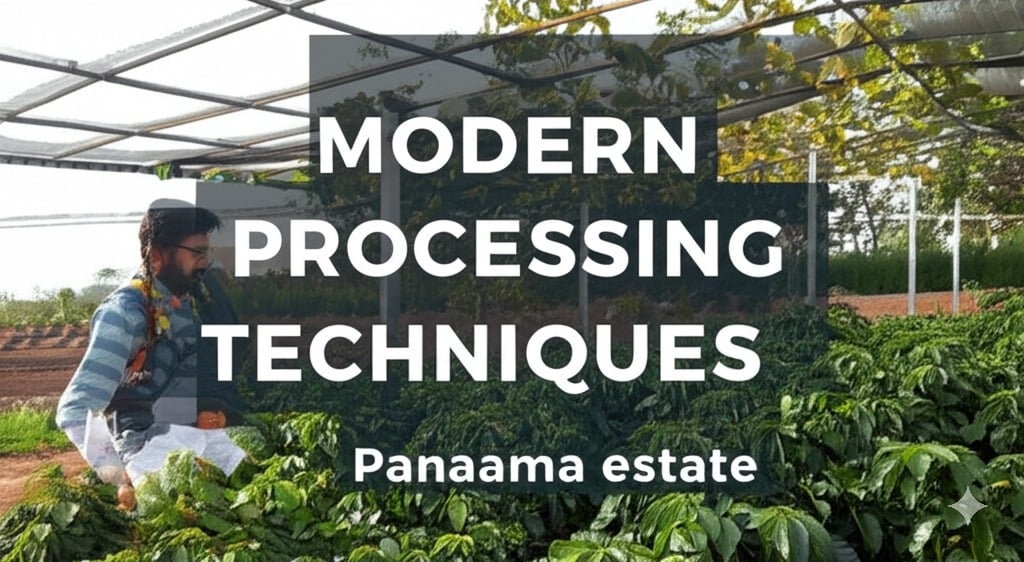
Tiefer in Panamas Kaffeezukunft einzutauchen, erfordert die Untersuchung seiner aktuellen Flugbahn, seit Anfang der 2000 er Jahre mit Geisha-Sorten Auktionsrekorde gebrochen wurden, hat Panama konsequent die Grenzen der Kaffeequalität verschoben Bis 2025 erwarte ich mehrere bedeutende Entwicklungen, um Panamas prestigeträchtige Position zu behaupten.
Der Klimawandel stellt sowohl eine Herausforderung als auch eine Chance für den Panama-Kaffee dar Steigende Temperaturen bedrohen traditionelle Anbauzonen, aber vorausschauende Produzenten setzen bereits Anpassungsstrategien um Bis 2025 werden wir einen erweiterten Anbau in höheren Lagen (über 1.800 Meter) in Regionen erleben, die bisher als zu kühl für die Produktion von Qualitätskaffee galten Diese neuen Mikroklimata können markante Geschmacksprofile erzeugen, die derzeit nicht mit Panama in Verbindung gebracht werden.
Die Verarbeitungsinnovation wird sich bis 2025 beschleunigen. Während die gewaschene Verarbeitung heute das Premiumsegment Panamas dominiert, gewinnen experimentelle Fermentationstechniken an Bedeutung. Anaerobe Fermentation, kohlensäurehaltige Mazeration und Hybridmethoden werden raffinierter und kommerziell bedeutsamer. Ich habe Farmen besucht, die diese Techniken bereits umsetzen, und bis 2025 werden diese Versuchspartien auf Auktionen ihre eigene Premiumkategorie erobern.
Die genetische Vielfalt der Kaffeekulturen Panamas wird sich über Geisha-Sorten hinaus ausdehnen, während Geisha das Aushängeschild bleiben wird, experimentieren die Produzenten bereits mit seltenen äthiopischen Landrassen und hybridisierten Sorten Bis 2025 werden wir wahrscheinlich neue “Super-Sorten” sehen, die die gefeierte Blütenkomplexität von Geisha mit größerer Krankheitsresistenz und Ertragspotenzial verbinden.
| Panama-Kaffeefaktoren | Aktueller Stand (2023) | Voraussichtlicher Status (2025) |
|---|---|---|
| Durchschnittlicher Auktionspreis (Top Lots) | $800-1.000/lb | $1.200-1.500/lb |
| Dominante Sorten | Geisha, Catuai | Geisha, äthiopische Landrassen, neue Hybriden |
| Schlüsselverarbeitungsmethoden | Gewaschen, natürlich | Erweiterte Fermentation, anaerobe, kohlenstoffhaltige Mazeration |
| Klimaanpassung | Frühe Umsetzung | Weit verbreitete Höhenverschiebungen, Schattenmanagement |
| Marktanerkennung | Spezialitätenkaffeesegment | Breitere Anerkennung des Luxusmarktes |
Welche Herausforderungen wird Hawaii Coffee im Jahr 2025 haben?
Hawaii Kaffeeproduzenten haben mit außerordentlich hohen Produktionskosten und begrenzter Anbaufläche zu kämpfen Viele Branchenbeobachter fragen sich, ob Hawaii seinen Premium-Kaffeestatus beibehalten kann, da andere Regionen die Qualität verbessern und gleichzeitig weniger verlangen.
Hawaii-Kaffee wird bis 2025 einem zunehmenden Kostendruck ausgesetzt sein, wobei die Arbeitskosten möglicherweise $25-30 pro Stunde erreichen und die Bodenwerte weiter steigen werden Diese Faktoren werden die Einzelhandelspreise in die Höhe treiben, während sich die Konkurrenz aus Panama und anderen Premium-Ursprüngen verschärft, was möglicherweise Hawaiis Marktanteil im Ultra-Premium-Segment verringert.
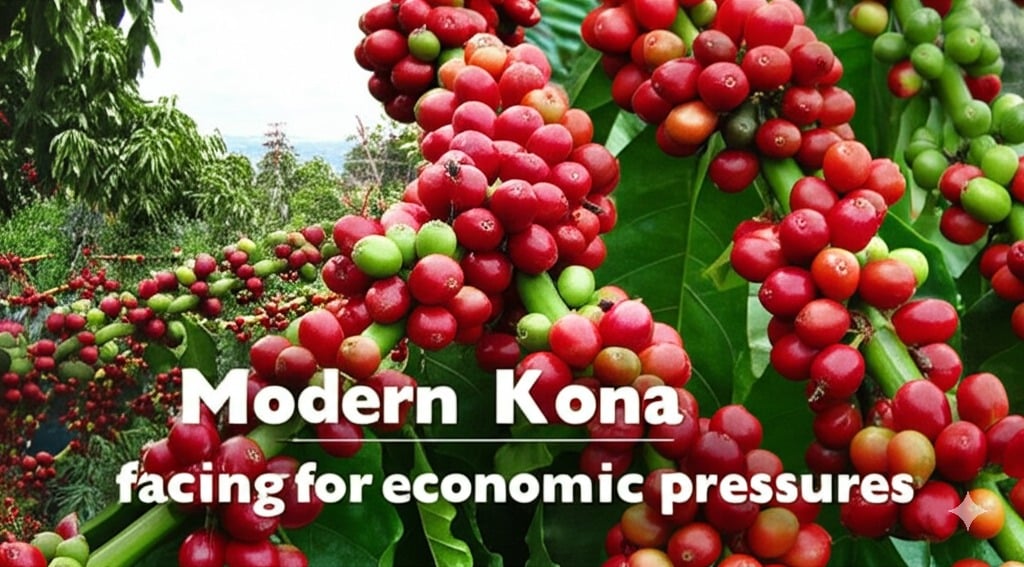
Ein tieferes Eintauchen in Hawaiis Kaffeezukunft offenbart ein komplexes Bild von Herausforderungen und Anpassungsstrategien Hawaiis Kaffeeindustrie, insbesondere seine renommierte Kona-Region, operiert unter einzigartigen Zwängen Als einziger US-Bundesstaat, der Kaffee kommerziell produziert, spiegeln Hawaiis Produktionskosten den amerikanischen Arbeitsstandard und die hohen Lebenshaltungskosten der Insel wider.
Bis 2025 werden sich diese wirtschaftlichen Belastungen verstärken Die Arbeitskosten, die bei den derzeitigen Raten bereits herausfordernd sind, werden wahrscheinlich auf $25-30 pro Stunde steigen, da Hawaiis Mindestlohn steigt und der Wettbewerb um qualifizierte Landarbeiter steigt Allein diese Arbeitskomponente benachteiligt Hawaii erheblich gegenüber Panama, wo die Arbeitskosten einen Bruchteil der Kosten Hawaiis ausmachen.
Landwerte stellen eine weitere erhebliche Herausforderung dar. Die erstklassigen Kaffeeanbauflächen in Kona verfügen derzeit über $150.000-$200.000 pro Acre. Bis 2025 könnten diese Werte um 15-20% steigen, was die wirtschaftliche Rentabilität der Kaffeezucht weiter belastet. Dieser Druck wird wahrscheinlich den Trend beschleunigen, dass kleinere Familienbetriebe an größere landwirtschaftliche Unternehmen oder Entwickler verkaufen, was möglicherweise den Charakter der Kaffeeindustrie Hawaiis verändern wird.
Die Auswirkungen des Klimawandels werden bis 2025 in den hawaiianischen Anbaugebieten unterschiedlich ausfallen Während einige Gebiete von veränderten Niederschlagsmustern profitieren könnten, werden andere einem erhöhten Druck durch Kaffeeblattrost ausgesetzt sein, der auf den Inseln bereits nachgewiesen wurde Im Gegensatz zu den höher gelegenen Farmen Panamas haben die Kaffeeregionen Hawaiis bei anhaltender Erwärmung weniger Raum, sich nach oben auf kühlere Temperaturen auszudehnen.
Innovation im Kaffeesektor Hawaiis wird sich eher auf Mehrwertstrategien als auf Produktionstechniken konzentrieren Bis 2025 erwarte ich mehr integrierte Tourismuserlebnisse, exklusive Direct-to-Consumer-Abonnementmodelle und Co-Branding mit Luxusgüterunternehmen Diese Ansätze werden versuchen, die Nachteile der Produktionskosten auszugleichen, indem die wahrgenommene Exklusivität von hawaiianischem Kaffee gestärkt wird.
| Hawaii-Kaffeefaktoren | Aktueller Stand (2023) | Voraussichtlicher Status (2025) |
|---|---|---|
| Produktionskosten | $30-35/lb (grüner Kaffee) | $40-45/lb (grüner Kaffee) |
| Arbeitskosten | $15-20/Stunde | $25-30/Stunde |
| Bodenwert (Kona) | $150K-200K/Acre | $180K-240K/Acre |
| Marktpositionierung | Geografische Exklusivität | Luxus-/lifestyle-integration |
| Klimaanpassung | Begrenzte Optionen | Verstärkte Sortendiversifizierung |
Wie werden Preis und Verfügbarkeit im Jahr 2025 zwischen Panama und Hawaii-Kaffee verglichen?
Kaffeekäufer und -enthusiasten haben Schwierigkeiten, die hohen Preise für Premium-Kaffees aus Panama und Hawaii zu rechtfertigen. Viele fragen sich, ob diese Kaffees bis 2025 zu noch exklusiveren Luxusartikeln werden und alle bis auf die engagiertesten Sammler preisgeben werden.
Bis 2025 werden Panamas Top-Auktionslose wahrscheinlich $1.500/lb erreichen und gleichzeitig eine breitere Verfügbarkeit im Einzelhandelssortiment $50-100/lb beibehalten Hawaii-Kaffeepreise werden auf $60-80/lb Großhandel mit begrenztem Produktionsvolumen steigen Panama wird ein besseres Preis-Leistungs-Verhältnis zu mittleren Preisklassen bieten, während die Top-Lose beider Ursprünge zu Luxusartikeln der Investment-Klasse werden.
Ein tieferes Eintauchen in die zukünftige Preislandschaft offenbart erhebliche Unterschiede in der Positionierung dieser beiden Ursprünge Die Preisschichtung, die sowohl auf den Kaffeemärkten in Panama als auch auf Hawaii bereits erkennbar ist, wird bis 2025 stärker ausgeprägt sein und unterschiedliche Stufen der Zugänglichkeit schaffen.
Panamas Auktionssystem, insbesondere der Best of Panama-Wettbewerb, wird weiterhin außergewöhnliche Preise für Gewinnlose erzielen. Ich habe diese Auktionen jahrelang verfolgt und dabei beobachtet, wie Rekorde wiederholt zerbrechen. Bis 2025 gehe ich davon aus, dass die Top-Auktionslose regelmäßig $1.000/lb überschreiten werden, wobei sich die außergewöhnlichen Lose 1.500 TTP/lb nähern. Diese Schlagzeilen machen jedoch einen winzigen Bruchteil der Spezialproduktion Panamas aus.
Die bedeutendere Entwicklung wird Panamas Expansion auf dem Mittelmarkt sein Derzeit wird exzellenter Panama-Geisha-Kaffee (mit 88-90 Punkten) Einzelhandel für $40-60/lb. Bis 2025 wird diese Stufe wahrscheinlich auf $50-80/lb steigen, aber über Spezialkanäle breiter verfügbar werden Panamaproduzenten werden die Produktion dieser “zugänglichen Premium” – Kaffees strategisch ausweiten, um Markenbekanntheit aufzubauen und gleichzeitig die Exklusivität ihrer Top-Mikrolotten zu bewahren.
Hawaiis Preisstruktur wird sich anders entwickeln Ohne die Auktionsinfrastruktur Panamas, um Headline-generierende Preisrekorde zu erstellen, wird sich Hawaii-Kaffee auf eine konsistente Premium-Positionierung konzentrieren Die authentischen Kona-Kaffee-Großhandelspreise werden bis 2025 wahrscheinlich $60-80/lb erreichen, mit Einzelhandelspreisen zwischen $90-120/lb. Damit werden sogar Standard-Hawaii-Kaffee im Luxussegment positioniert, während Panama mehrere Einstiegspunkte für Verbraucher bietet.
Die Unterschiede bei der Produktionsmenge werden bis 2025 deutlicher werden Hawaiis begrenzte Anbaufläche (insgesamt ca. 7.000 Acres) kann sich nicht substanziell ausweiten, so dass die Produktion relativ konstant bleibt Unterdessen hat Panama Raum für eine sorgfältige Expansion, insbesondere in den Regionen Boquete und Volcán Dadurch kann Panama seine Marktpräsenz erhöhen, während Hawaii weiterhin eingeschränkt bleibt.
Die Verfügbarkeitsmuster werden bis 2025 weiter auseinandergehen Hawaii wird seine vorhersehbare saisonale Verfügbarkeit bei gleichbleibender Qualität beibehalten Panamas Spitzenkaffees werden zunehmend durch vorvergebene Vereinbarungen mit Elite-Röstern weltweit zugeteilt, wobei einige Produzenten, ähnlich wie bei Feinweinzuteilungssystemen, direkt mit vermögenden Sammlern Geschäfte tätigen.
| Vergleichsfaktor | Panama-Kaffee (2025) | Hawaii-Kaffee (2025) |
|---|---|---|
| Top-Tier-Preise | $800-1.500/lb (Auktion) | $150-200/lb (direkt) |
| Mid-Premium-Einzelhandel | $50-100/lb | $90-120/lb |
| Produktionsvolumen | Moderate Steigerung | Statische oder leichte Abnahme |
| Verfügbarkeitskanäle | Auktionen, Direkthandel, Spezialröster | Direct-to-Consumer, Tourismus, Luxuseinzelhändler |
| Wertvorschlag | Außergewöhnliche Preis-Leistungs-Verhältnis in der Mitte der Ränge | Exklusivität und geografische Einzigartigkeit |
Welche Qualitäts- und Geschmacksunterschiede werden Panama vs. Hawaii Coffee im Jahr 2025 definieren?
Kaffeetrinker haben Schwierigkeiten, die objektiven Qualitätsunterschiede zwischen Premium-Ursprüngen zu verstehen. Viele fragen sich, ob die charakteristischen Geschmacksprofile von Panama- und Hawaii-Kaffees bis 2025 konsistent bleiben oder ob der Klimawandel und die Produktionspraktiken ihre Eigenschaften verändern werden.
Bis 2025 werden Panamakaffees experimentellere Verarbeitungsmethoden präsentieren und komplexe florale, tropische Früchte und weinähnliche Säureprofile erzeugen. Hawaii-Kaffees werden ihr klassisches süßes, sauberes Profil mit mittlerem Körper und subtilen Nuss- und Karamellnoten beibehalten, obwohl neue Sorten möglicherweise mehr Komplexität zur Bekämpfung klimatischer Herausforderungen mit sich bringen.

Ein tieferes Eintauchen in die sensorische Zukunft dieser prestigeträchtigen Kaffees offenbart faszinierende Entwicklungen am HorizontDie Geschmacksprofile, die diese Ursprünge heute definieren, werden sich bis 2025 sowohl durch bewusste Innovation als auch durch Umweltnotwendigkeit weiterentwickeln.
Panamas Geschmacksentwicklung wird weitgehend durch Verarbeitungsexperimente vorangetrieben werden Der traditionelle gewaschene Prozess, der die zarten Blüten – und Zitrusnoten von Geisha hervorhob, wird durch fortschrittlichere Fermentationstechniken ergänzt werden Durch die erweiterte anaerobe Fermentation werden intensive tropische Fruchtnoten mit erhöhter Süße erzeugt Kontrollierte Hefeinokulationen, die bereits auf fortschrittlichen Farmen getestet werden, die ich besucht habe, werden vorhersehbare Geschmacksergebnisse mit beispielloser Komplexität erzeugen.
Der Klimadruck wird bis 2025 auch das Geschmacksprofil Panamas beeinflussen Etwas wärmere Temperaturen in traditionellen Anbauhöhen werden die Fruchteigenschaften intensivieren und gleichzeitig möglicherweise die Blütenkomplexität verringern Vorausdenkende Produzenten pflanzen bereits in höheren Lagen, um das klassische Geisha-Profil beizubehalten, das Panama auf die Karte bringt Bis 2025 werden wir wahrscheinlich sehen, dass Panamakaffees speziell nach Höhenstufen vermarktet werden, jede mit ausgeprägten sensorischen Eigenschaften.
Hawaiis Geschmack wird einen konservativeren Weg einschlagen, der von Konsistenz und Tradition angetrieben wird Die klassische Kona-Profil-Geschmacksentwicklung – die süße, mittelgroße Nuss-Karamell-Note mit subtilen Nüssen – wird Maßstab bleiben Die Klimaanpassung wird jedoch einige Veränderungen erforderlich machen Hawaii-Produzenten führen bereits robustere Sorten ein, die aufkommenden Belastungen standhalten und gleichzeitig die Qualität erhalten.
Bis 2025 erwarte ich eine ausgeprägtere regionale Differenzierung innerhalb Hawaiis Während Kona das Flaggschiff bleibt, werden Regionen wie Ka’u, Puna und Maui definiertere Identitäten entwickeln, die durch spezifische Verarbeitungsansätze unterstützt werden, die ihre einzigartigen Mikroklimata hervorheben Diese regionale Differenzierung wird Hawaii ein breiteres Geschmacksspektrum zur Präsentation geben, wobei der Schwerpunkt immer noch auf Ausgewogenheit und Zugänglichkeit und nicht auf dem exotischen Charakter der Angebote Panamas liegt.
Die Trajektorien der Schröpfpunktzahl werden sich bis 2025 zwischen den Ursprüngen unterscheiden. Panamas Top-Lose werden weiterhin die oberen Grenzen der Bewertungssysteme überschreiten, wobei außergewöhnliche Lose regelmäßig 95 Punkte auf der Spezialitätenkaffeeskala überschreiten. Hawaii-Kaffees werden solide Ergebnisse im Bereich von 84-90 Punkten erzielen, was eine hervorragende, aber weniger exotische Qualität darstellt.
| Geschmacksattribut | Panama-Kaffee (2025) | Hawaii-Kaffee (2025) |
|---|---|---|
| Säure | Hell, komplex, weinartig | Mäßig, sauber, apfelartig |
| Körper | Leicht bis mittel | Mittel, seidig |
| Süße | Intensiv, Frucht-vor | Abgerundet, karamellartig |
| Markante Anmerkungen | Jasmin, Bergamotte, tropische Früchte, Wein | Macadamia, Milchschokolade, dezente Zitrusfrüchte |
| Verarbeitungseinfluss | Hoch (experimentelle Methoden) | Mäßig (traditionell mit Verfeinerungen) |
| Konsistenz | Variabel zwischen den Losen | Hohe Konsistenz |
Schlussfolgerung
Bis 2025 wird Panama-Kaffee seine Qualitätsführerschaft durch Innovation und genetische Vielfalt behaupten, während Hawaii-Kaffee trotz höherer Kosten seine einzigartige geografische Identität nutzen wird. Beide Ursprünge werden Premiumpreise erzielen, aber Panama wird über Preisgrenzen hinweg ein besseres Preis-Leistungs-Verhältnis bieten und gleichzeitig die Grenzen dessen verschieben, was Spezialitätenkaffee sein kann.


