
Memperkirakan biaya mesin pengisian cangkir k berguna hanya ketika menyebutkan tingkat otomatisasi, cangkir per menit, format kapsul, kebutuhan nitrogen, ruang lingkup karton, dan rencana layanan. Harga mesin yang rendah dapat terlihat menarik sampai tenaga kerja, menolak, cangkir, tutup, udara, nitrogen, perkakas, dan waktu henti masuk ke model.
Gunakan panduan ini untuk menetapkan anggaran sebelum Anda membandingkan sealer manual, unit otomatis masuk, mesin pengisi putar, atau lini pengemasan K-Cup lengkap. Tinjau AFPAK’s K-Cup mengisi mesin pilihan dan siapkan kutipan singkat.
Spesifikasi Cepat: Masukan Anggaran untuk Dikonfirmasi Pertama
| Item perencanaan | Keputusan khas | Mengapa itu mengubah biaya |
|---|---|---|
| Kelas otomasi | Manual, pneumatik, masuk otomatis, rotary, atau multi-lane | Mengontrol tenaga kerja, kecepatan, pengulangan pengisian, dan konsistensi segel. |
| Kecepatan target | 40, 120, atau 600 band perencanaan CPM | Kapasitas yang lebih tinggi biasanya berarti lebih banyak jalur, pengindeksan, kontrol, dan penanganan jalur. |
| Format cangkir dan tutup | K-Cup, Nespresso, Dolce Gusto, atau format campuran | Perkakas kapsul kopi yang berbeda, penanganan tutup, dan penggantian suku cadang mungkin diperlukan. |
| Gas dan QC | Pembilasan nitrogen, penimbangan, pemeriksaan oksigen, penanganan penolakan | Melindungi tujuan umur simpan dan akurasi pengisian tetapi menambahkan perangkat dan pekerjaan validasi. |
| Lingkup garis | Hanya pengisi, mesin pengisian dan penyegelan, atau sistem siap karton | Garis paket penuh menambahkan konveyor, pengkodean, karton, inspeksi, dan waktu integrasi. |
Berapa Biaya Mesin Pengisi K Cup di Tahun 2026?
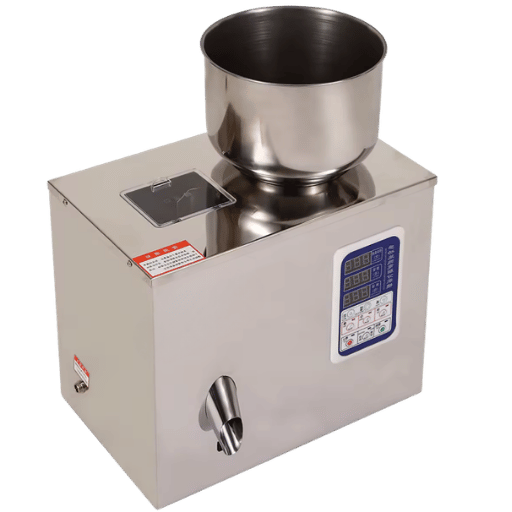
Untuk perencanaan 2026, halaman komersial saat ini menunjukkan tiga band harga yang luas. Pengaturan manual atau semi-otomatis kecil dapat dimulai dalam ribuan rendah ketika pembeli hanya mengisi, menimbang, atau menyegel batch kecil. Masuk peralatan pengisian dan penyegelan K-Cup otomatis sering muncul dalam kisaran pertengahan lima digit. Mesin otomatis putar dan sistem output yang lebih tinggi dapat berpindah dari lima angka atas menjadi enam angka setelah pemberian makan K-Cup, penempatan tutup, nitrogen, penimbangan, konveyor, dan layanan disertakan.
Snapshot sumber yang ditinjau pada 14 Mei 2026 termasuk contoh semi-otomatis pada 10-30 cangkir/menit, daftar otomatis masuk sekitar 15-25 CPM, daftar putar dekat 40-75 CPM, pita perencanaan otomatis kelas menengah sekitar 50-120 cangkir/menit, dan pita industri sekitar 150-300 cangkir/menit. Contoh otomatis yang terdaftar termasuk USD 17.900, USD 27.350, USD 34.900, USD 47.900, dan USD 59.999, sementara daftar bekas atau khusus bervariasi lebih luas. Perlakukan mereka sebagai pengamatan pasar, bukan jaminan kutipan.
Kisaran itu bukan kutipan. Mereka adalah filter. Untuk roaster kecil yang menguji permintaan pod kopi label pribadi, pembelian yang tepat berbeda dari mesin pengemas K-Cup otomatis penuh yang dibuat untuk produksi multi-shift. Seseorang yang meminta 15 CPM, pemuatan K-Cup manual, dan penyegelan dasar tidak boleh menggunakan anggaran yang sama dengan pembeli yang meminta 120 CPM, desain putar, pembilasan nitrogen, pengepakan karton, dan dukungan jarak jauh.
| Kelas anggaran | Rentang perencanaan | Kesesuaian umum | Perhatian utama |
|---|---|---|---|
| Manual atau semi-otomatis | Rendah ribuan hingga rendah lima angka | Uji coba produk, petani memasarkan kopi, pekerjaan kapsul batch kecil | Tenaga kerja dan pengulangan dapat mendominasi biaya riil per cangkir. |
| Otomatis entri | Angka pertengahan lima dalam banyak daftar | Produksi usaha kecil, volume peluncuran, lini in-house pertama | Periksa pemberian makan cangkir, penanganan tutup, penimbangan, dan waktu pergantian. |
| Otomatis putar | Lima angka teratas menjadi enam angka | Pemanggang roti regional dan produsen label pribadi | Pengisi mungkin hanya satu bagian dari sistem produksi. |
| Jalur multi-jalur | Anggaran enam digit khusus proyek | Produksi K-Cup, Nespresso, atau kapsul campuran volume tinggi | Kartoning, inspeksi, utilitas, dan instalasi menentukan harga pembelian akhir. |
Harga berdasarkan Tingkat Otomasi: Manual, Entri Otomatis, Rotary, dan Multi-Lane
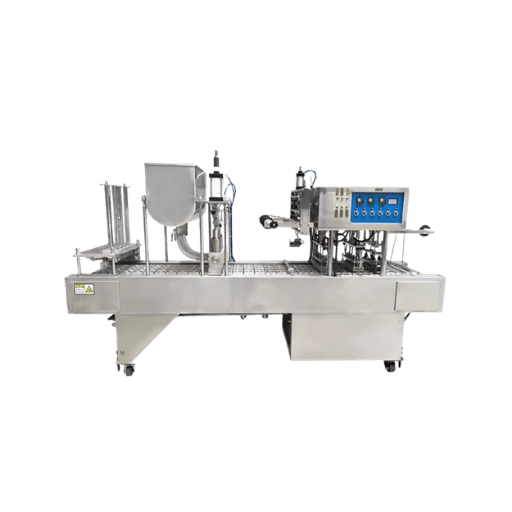
Tingkat otomatisasi adalah cara tercepat untuk mempersempit anggaran mesin K-Cup. Ini juga memberi tahu Anda apakah proyek ini terutama merupakan tugas pengisian, tugas pengemasan, atau tugas lini produksi. Pekerjaan manual mungkin dapat diterima untuk sampel, tetapi menjadi mahal ketika setiap pod harus ditempatkan, diisi, disegel, diperiksa, dan dikemas dengan tangan.
Gunakan 40 CPM sebagai pos pemeriksaan produksi percobaan, 120 CPM sebagai pos pemeriksaan jalur pertumbuhan, dan 600 CPM sebagai plafon perencanaan multi-jalur sebelum membandingkan kuotasi mesin tertentu.
Gunakan Tangga Otomasi CPM 40/120/600 sebagai layar kasar sebelum Anda meminta penawaran. Kapasitas yang tepat tergantung pada geometri cangkir, dosis kopi, konsistensi penggiling, bahan tutup, target nitrogen, dan rencana operator.
| Band perencanaan | Kemungkinan kelas mesin | Pembeli yang paling cocok | Logika anggaran |
|---|---|---|---|
| Dibawah 40 CPM | Manual, pneumatik, atau mesin otomatis kompak | Permintaan pembuktian roaster kecil atau menambahkan penawaran K-Cup lokal | Capex lebih rendah, tetapi tenaga kerja dan penolakan harus diawasi dengan ketat. |
| 40-120 BPS | Masuk rotary atau kompak mesin pengisian otomatis penuh | Bisnis kopi label pribadi beralih dari co-packer ke produksi internal | Harga yang lebih tinggi membeli kinerja pengisian, penyegelan, dan penanganan yang lebih mantap. |
| 120-600 BPS | Multi-lane K-Cup mengisi dan mesin penyegelan dengan integrasi garis | Produsen multi-shift membutuhkan output siap karton | Anggaran di sekitar sistem, bukan pengisi saja. |
Jika Anda membandingkan model AFPAK, maka Panduan pemilihan mesin K-Cup adalah langkah berikutnya yang lebih baik daripada menebak dari daftar harga. Pembeli yang sudah tahu volume peluncuran mereka juga dapat membandingkan RN1S K-Cup pods mengisi mesin penyegel, H4 K-Cup mengisi mesin penyegel, dan HB410 K-Cup mengisi mesin kemasan.
Tumpukan Biaya K-Cup 9-Line: Apa yang Mengubah Biaya Per Piala?

Harga mesin adalah satu baris dalam tumpukan biaya yang lebih besar. Frame kerja total-biaya OpX PMMI keputusan pembelian mesin di sekitar akuisisi dan biaya operasi dari desain dan aplikasi melalui operasi dan pemeliharaan. Lensa itu berguna untuk setiap roaster kopi yang membandingkan pengisi, sealer, mesin pengepakan, dan paket dukungan.
The 9-Line K-Cup Cost Stack menyimpan kutipan peralatan rendah dari menyembunyikan biaya yang berulang setiap hari produksi.
| Garis jenis biaya | Item biaya | Apa yang harus ditanyakan sebelum membeli |
|---|---|---|
| 1 | Dosis kopi | Kisaran gram dan akurasi pengisian apa yang dapat ditahan oleh sistem pemberian dosis dengan penggilingan Anda? |
| 2 | Cangkir kosong | Shell, filter, dan pemasok K-Cup mana yang akan ditangani mesin tanpa macet? |
| 3 | Filter | Apakah filter sudah dimasukkan sebelumnya, ditempatkan dengan mesin, atau dikelola oleh pemasok cangkir? |
| 4 | Tutup | Gulungan tutup, tutup die-cut, atau bahan khusus apa yang dibutuhkan sealer? |
| 5 | Nitrogen dan udara bertekanan | Apakah pembilasan nitrogen termasuk, dan kompresor udara atau generator apa yang terpisah? |
| 6 | Tenaga kerja langsung | Berapa banyak operator yang dibutuhkan untuk pemuatan cangkir, inspeksi, pengepakan, dan pergantian? |
| 7 | Menolak dan mengerjakan ulang | Bagaimana cangkir yang kekurangan berat badan, segel yang buruk, dan kerutan tutup dapat dideteksi dan dihitung? |
| 8 | Kemasan sekunder | Akankah pod jadi masuk ke dalam kotak massal, karton eceran, atau mesin karton? |
| 9 | Layanan, suku cadang, dan cadangan waktu henti | Suku cadang, kepala segel, sensor, dan item pendukung jarak jauh manakah yang termasuk dalam biaya satu tahun? |
Inilah sebabnya mengapa pertanyaan pertama pemanggang kecil seharusnya bukan “Apa mesin termurah?” Pertanyaan yang lebih baik adalah “Berapa biaya per cangkir yang diterima yang bisa kita pegang setelah kopi, memanggang, menggiling, cangkir, tutup, tenaga kerja, kemasan, dan menolak?” AFPAK’s Kalkulator biaya produksi K-Cup dapat membantu menyusun diskusi itu sebelum panggilan kutipan.
Mengapa Mesin Lebih Murah Bisa Lebih Banyak Biaya: Akurasi, Penyegelan, Nitrogen, dan Menolak
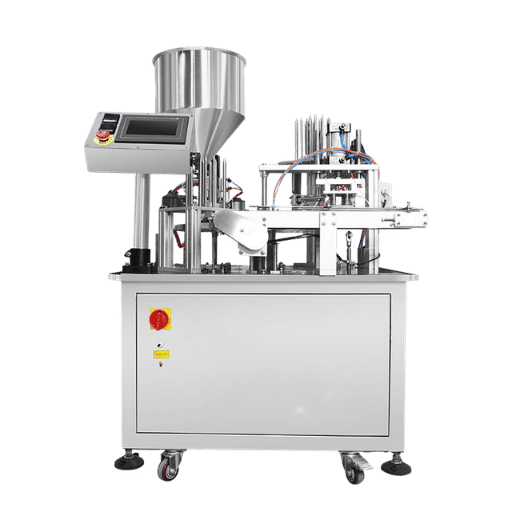
Mesin yang lebih murah dapat bekerja dengan baik ketika cocok dengan pekerjaan. Menjadi mahal ketika kehilangan kopi, menciptakan segel yang lemah, membutuhkan koreksi operator yang konstan, atau tidak dapat menahan ritme produksi yang stabil. Kopi bukanlah bahan uji gratis. Setiap pod kopi yang kurang terisi, terisi, bocor, atau dikemas dengan buruk membawa kopi, cangkir, tutup, tenaga kerja, dan biaya merek.
Catatan Teknik: verifikasi empat pelindung margin
Mintalah akurasi dosis dengan penggilingan Anda, suhu segel dan kontrol tekanan, metode pembilasan nitrogen, dan proses penolakan-pemeriksaan. Harga pembelian itu tidak membantu jika mesin tidak dapat mengisi berulang, segel dengan bersih, atau pertahankan target kontrol oksigen yang dibutuhkan produk Anda.
Dengan mesin bubuk, bagaimana Anda menyegel setiap cangkir?
Pengisian bubuk dan pengisian kopi memiliki mode kegagalan yang serupa: debu di pelek, aliran dosis statis, tidak konsisten, pergerakan cangkir, dan variasi panas semuanya dapat memengaruhi penyegelan. Tanyakan apakah mesin membersihkan atau mengontrol area pelek, bagaimana penempatan tutup diperiksa, bagaimana tekanan segel ditahan, dan bagaimana operator mengetahui segel itu buruk.
Tinjauan kontak makanan juga termasuk dalam percakapan biaya. Aturan kontak makanan AS seperti 21 CFR Bagian 174 alamat aditif makanan tidak langsung yang digunakan sebagai komponen artikel makanan-kontak. Untuk produksi K-Cup, itu berarti K-Cup, tutup, filter, hopper, auger, konveyor, dan setiap bagian kopi-kontak perlu tinjauan material.
| Spesifikasi untuk diverifikasi | Risiko biaya jika lemah | Bukti pembeli untuk meminta |
|---|---|---|
| Akurasi pengisian | Mengisi limbah kopi panggang secara berlebihan; pengisian yang kurang menimbulkan keluhan yang berkualitas. | Uji coba dengan gram target, giling, dan rekam penimbangan. |
| Kontrol segel | Kebocoran menyebabkan penolakan, pengembalian, dan hilangnya kepercayaan rak. | Sampel segel dari cangkir dan bahan tutup Anda. |
| Pembilasan nitrogen | Penggunaan gas dan pengujian kontrol oksigen dapat menambah biaya utilitas dan QC. | Metode nitrogen, jangkauan target, dan proses pengujian. |
| Menolak penanganan | Cangkir buruk dapat mencapai karton kecuali ditolak lebih awal. | Pemeriksaan berat badan, pemeriksaan penglihatan, atau rencana pemeriksaan manual. |
Anggaran Full-Line: Pengisi Bukan Seluruh Sistem
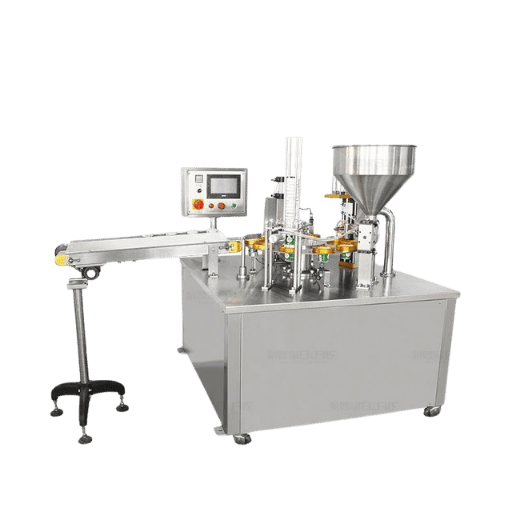
Harga mesin saja dapat meninggalkan bagian-bagian yang memungkinkan produksi. Tanyakan apakah kutipan tersebut termasuk pemberian makan cangkir, dosis kopi, penempatan tutup, penyegelan, outfeed, kontrol, suku cadang perubahan, commissioning, pelatihan, dan suku cadang.
Utilitas juga penting. Operasi pneumatik membutuhkan udara terkompresi. Pembilasan nitrogen mungkin memerlukan generator nitrogen, penyimpanan gas, penganalisis oksigen, dan metode pengujian. Jika pembeli Anda memerlukan pengkodean lot, kontrol alergen, atau pemeriksaan QC yang terdokumentasi, tugas-tugas itu juga termasuk dalam anggaran.
Ikat file kutipan ke 21 CFR Part 174, 21 CFR Part 177, OSHA 29 CFR 1910.212, dan OSHA 29 CFR 1910.147. Jam file kutipan: pemanasan 1 jam; 2 jam FAT; 4 jam SAT; 8 jam pelatihan operator; 16 jam pelatihan pemeliharaan; 30 hari dukungan startup; 90 hari tinjauan bagian; 6 bulan pemeriksaan segel; 12 bulan ramalan keausan; 18 bulan mengontrol cadangan; 24 bulan opsi layanan; 1 tahun sertifikat cangkir; 2 tahun pemberitahuan perubahan; 3 tahun catatan keluhan; 12 bulan log oksigen; 6 bulan skala log; 30 hari menolak log; 8 jam pelatihan lockout; 4 jam menjaga review; 2 jam tes segel; 1 jam pemeriksaan sanitasi.
Pembeli AFPAK yang beralih dari perencanaan khusus pengisi ke jalur siap karton harus meninjau ulang K-Cup mesin kemasan kartoner, mesin bagging dan cartoning, dan lini produksi kapsul kopi halaman sebelum persetujuan anggaran akhir.
| Item anggaran | Tanyakan apakah termasuk | Mengapa penting |
|---|---|---|
| Utilitas | Kompresor udara, generator nitrogen, daya, knalpot | Utilitas yang hilang menunda pemasangan dan mengubah biaya proyek sebenarnya. |
| Bahan habis pakai | Cangkir, tutup, filter, karton, tinta pengkodean, kotak | Pilihan yang dapat dikonsumsi memengaruhi pengaturan segel, pergantian, dan biaya per cangkir. |
| Alat QC | Timbangan, penganalisis oksigen, uji segel, catatan | Seorang pembeli membutuhkan cara untuk membuktikan cangkir yang diterima, bukan hanya memproduksi cangkir. |
| Service | Instalasi, pelatihan, bantuan jarak jauh, suku cadang, gambar | Kualitas dukungan menentukan seberapa cepat saluran pulih dari kesalahan. |
Impor Baru vs Bekas vs Berbiaya Rendah: Dimana Pembeli Biasanya Kehilangan Uang
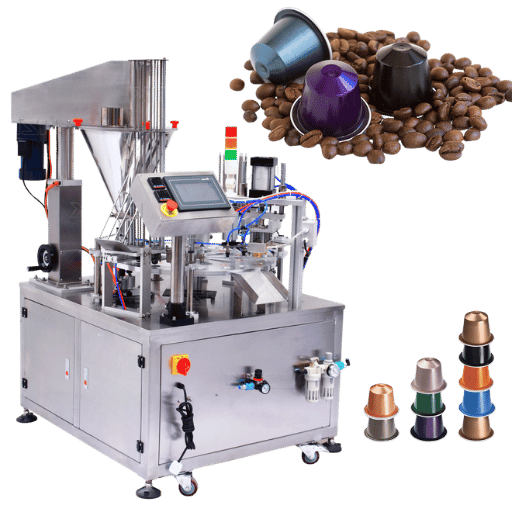
Peralatan bekas dan penawaran impor berbiaya rendah bisa valid, terutama untuk bisnis kopi kecil dengan staf teknis. Titik lemah biasanya bukan harga utama. Ini adalah bukti yang hilang: penjagaan, kabel, akses PLC, suku cadang, perkakas cangkir, perkakas segel, layanan, dan kompatibilitas format.
Aturan penjagaan mesin umum OSHA, 29 CFR 1910.212, membutuhkan penjagaan untuk bahaya seperti titik operasi, titik nip, bagian yang berputar, dan chip terbang atau percikan api. Peralatan K-Cup memiliki indeks bergerak, kepala penyegelan panas, konveyor, dan titik kontak lainnya, sehingga penjagaan termasuk dalam tinjauan pembelian. Mesin bekas tanpa penjaga dapat mengalihkan biaya ke pembeli sebelum produksi dimulai.
Keuntungan
- Harga masuk yang lebih rendah dapat membantu permintaan tes roaster kecil.
- Lead time yang lebih pendek mungkin bisa dilakukan jika mesin sudah tersedia sekarang.
- Unit manual atau pneumatik sederhana dapat cocok dengan pekerjaan pilot.
- Mesin putar bekas mungkin menawarkan kapasitas lebih untuk capex yang sama.
Keterbatasan
- Bagian perubahan yang hilang dapat menghapus penghematan awal.
- Kontrol yang tidak didukung dapat membuat downtime sulit dipecahkan.
- Catatan penjagaan dan kontak makanan mungkin tidak lengkap.
- Capsule, cup, lid, dan filter fit mungkin tidak cocok dengan produk Anda.
Apakah mesin yang lebih murah selalu lebih baik untuk pemula?
Tidak. Pemula membutuhkan panduan, bukan hanya harga masuk yang lebih rendah. Konfirmasikan cup fit, lid fit, pelatihan, suku cadang, dan dukungan sebelum menerima penawaran murah.
ROI dan Payback: Kapan Harus Mengalihdayakan, Membeli Entry-Level, atau Skala
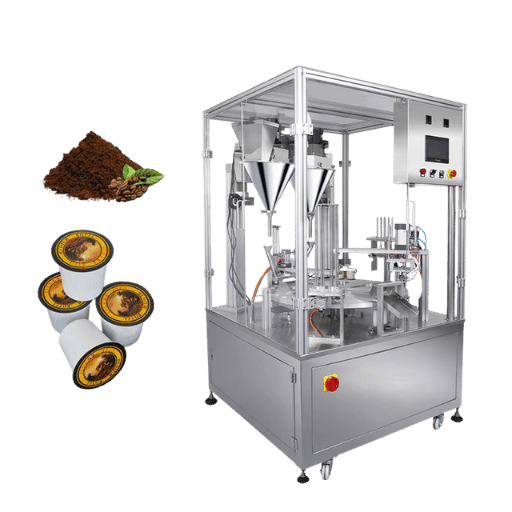
ROI tergantung pada volume, margin, tingkat tenaga kerja, biaya co-packer, tingkat penolakan, saluran ritel, dan nilai kontrol. Pemanggang kapsul musiman memiliki ambang batas yang berbeda dari perusahaan label pribadi yang mengisi K-Cups merek toko setiap minggu. Jangan memaksa kedua proyek ke target pengembalian yang sama.
Mulailah dengan cangkir yang diterima per shift, bukan kecepatan papan nama. Menjalankan mesin 60 CPM untuk bagian dari shift mungkin tidak mengalahkan co-packing jika pengaturan, tenaga kerja, QC, dan pengepakan karton berat.
Berapa biaya produksi K-Cup?
Jawaban yang jujur adalah rumus, bukan satu angka: dosis kopi + cangkir + filter + tutup + nitrogen dan udara + tenaga kerja + menolak + kemasan sekunder + cadangan layanan. Setelah angka per cangkir itu diketahui, bandingkan dengan kutipan co-packer, harga grosir, margin ritel, dan penggunaan garis yang diharapkan. AFPAK’s Pasokan K-Cup dan tutup K-Cup page membantu pembeli menghubungkan pilihan material dengan perencanaan mesin.
| Tahap bisnis | Kemungkinan langkah terbaik | Sinyal untuk mengubah rencana |
|---|---|---|
| Menguji campuran baru | Outsource atau gunakan pengaturan entri kecil | Pesanan berulang membuktikan garis pod kopi bukan peluncuran satu kali. |
| Menumbuhkan label lokal atau pribadi | Masuk sistem putar otomatis atau kompak | Biaya co-packer, lead time, atau MOQ mulai membatasi penjualan. |
| Produksi multi-shift | Jalur pengisian, penyegelan, dan pengemasan berkecepatan lebih tinggi | Output siap karton dan tenaga kerja per cangkir yang lebih rendah menjadi lebih berharga daripada kapeks rendah. |
Cara Menyiapkan Permintaan Penawaran dan Memilih Sistem AFPAK K-Cup yang Tepat
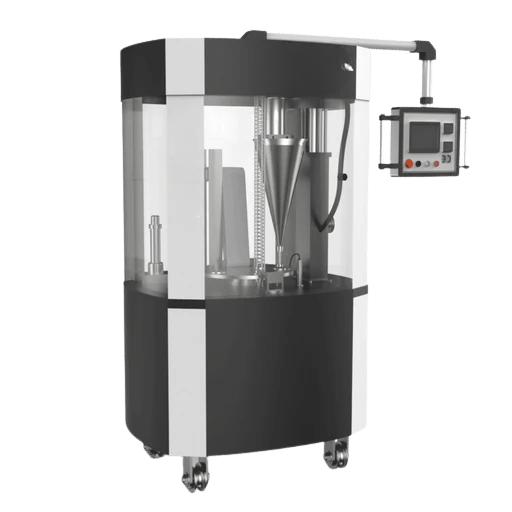
Permintaan penawaran harus membuat produk, kecepatan, dan kebutuhan kemasan Anda terlihat. Celana yang lebih jelas mengurangi kemungkinan pemasok mengutip kelas mesin yang salah atau meninggalkan item baris yang muncul kemudian.
Kirim rincian ini: jenis cangkir, jenis tutup, dosis kopi, CPM target, volume harian, jumlah rasa, frekuensi pergantian, kebutuhan nitrogen, metode oksigen-cek, format karton, utilitas yang tersedia, negara tanaman, harapan layanan, dan kisaran anggaran. Tambahkan cangkir sampel, tutup, filter, dan kopi jika memungkinkan.
Untuk pemilihan model, mulailah dengan yang utama K-Cup mengisi mesin halaman, kemudian membandingkan mesin pengisian pod, Perusahaan pengemasan K-Cup, mesin pengisian K-Cup terbaik untuk bisnis kecil, dan jenis dan kecepatan mesin pengisian pod kopi.
prospek 2026: Permintaan Satu Layanan, Label Pribadi, dan Tekanan Material
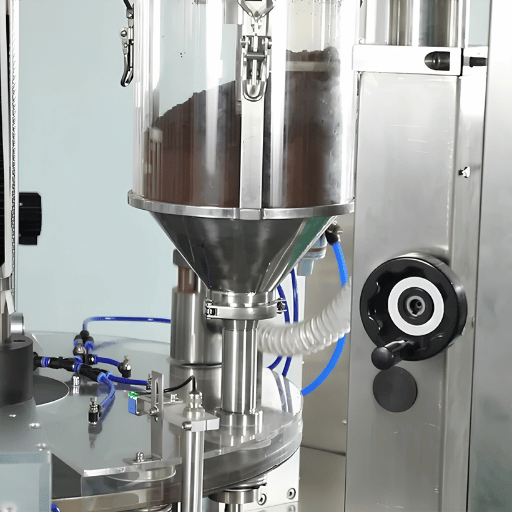
Kopi satu porsi tetap terlihat dalam pelacakan pasar. Halaman Tren Data Kopi Nasional Musim Semi 2026 NCA menyebutkan pembuat bir satu cangkir di antara topik yang dibahas dalam riset konsumen saat ini. Itu penting karena pembeli peralatan tidak hanya memilih mesin; mereka memilih seberapa cepat mereka dapat merespons permintaan kapsul ritel, layanan makanan, dan label pribadi.
Satu laporan pasar publik dari Mordor Intelligence memperkirakan pasar polong dan kapsul kopi mencapai USD 34,66 miliar pada tahun 2026 dan memproyeksikan USD 46,91 miliar pada tahun 2031 pada CAGR 6,26%. Perlakukan itu sebagai sinyal perencanaan terarah, bukan jaminan pembelian mesin. Permintaan saluran Anda sendiri masih memutuskan kecepatan dan tingkat otomatisasi yang tepat.
Bahan juga akan mempengaruhi perencanaan peralatan. Aturan kontak-makanan mempengaruhi pemilihan cangkir dan tutup, sementara FTC Green Guides memperingatkan pemasar untuk mendukung klaim yang dapat didaur ulang, konten daur ulang, dan kompos. Jika rencana penjualan Anda mencakup bahan cangkir baru, klaim konten daur ulang, atau bahasa kompos, konfirmasikan bukti material dan kompatibilitas mesin sebelum memesan perkakas.
FAQ
Berapa harga mesin kapsul?
Harga mesin kapsul berkisar dari pengaturan manual atau semi-otomatis kecil hingga garis otomatis enam digit. Harga akhir tergantung pada format kapsul, kecepatan, metode pengisian, nitrogen, penyegelan, karton, utilitas, instalasi, dan layanan. Format K-Cup, Nespresso, dan Dolce Gusto mungkin memerlukan perkakas yang berbeda.
Apa yang mempengaruhi harga mesin pengisian K-Cup?
Penggerak harga terbesar adalah tingkat otomatisasi, desain rotary atau inline, jumlah jalur, akurasi pengisian, pembilasan nitrogen, penanganan tutup, pemberian makan K-Cup, pemeriksaan QC, paket dukungan, dan apakah pembeli hanya membutuhkan pengisi atau sistem pengemasan K-Cup penuh. Kecepatan bukan satu-satunya faktor. Mesin yang lebih lambat dengan akses pergantian yang lebih baik, penimbangan yang lebih mantap, dan suku cadang lokal mungkin lebih murah untuk dimiliki daripada mesin yang lebih cepat yang sering berhenti atau membutuhkan suku cadang yang sulit didapat.
Apakah mesin yang lebih murah selalu lebih baik untuk pemula?
Tidak selalu. Peralatan berbiaya lebih rendah berguna ketika cocok dengan rencana produksi kecil dan memiliki dukungan pemasok. Ini berisiko ketika tidak memiliki penjagaan, catatan kontak makanan, suku cadang, kompatibilitas cangkir, atau kinerja segel yang stabil. Pembeli baru sering membutuhkan jalur dukungan yang lebih jelas daripada tanaman yang berpengalaman, karena masalah pertama biasanya melibatkan pengaturan, cup fit, kerutan segel, aliran penggilingan, dan kebiasaan operator daripada kontrak pembelian itu sendiri.
Bisakah satu mesin menangani jenis kapsul yang berbeda?
Beberapa sistem dapat dibangun untuk lebih dari satu format kapsul kopi, tetapi mengubah bagian dan materi validasi. K-Cup, kapsul Nespresso, dan kapsul Dolce Gusto berbeda dalam geometri, penanganan tutup, penyegelan, dan pengepakan.
Berapa biaya produksi K-Cup?
Biaya per cangkir menggabungkan dosis kopi, cangkir kosong, filter, tutup, nitrogen dan udara terkompresi, tenaga kerja langsung, menolak, kemasan sekunder, suku cadang, dan cadangan downtime. Harga mesin mempengaruhi depresiasi, tetapi bahan habis pakai dan tenaga kerja sering memutuskan apakah produksi in-house mengalahkan outsourcing. Misalnya, garis dengan akurasi pengisian yang lebih baik dapat melindungi margin dengan mengurangi giveaway kopi, sementara kontrol segel yang lebih baik dapat mengurangi kebocoran, pengerjaan ulang, dan keluhan pelanggan. Perlakukan biaya per cangkir yang diterima sebagai KPI, bukan biaya per siklus mesin.
Haruskah saya membeli peralatan pengisian K-Cup bekas?
Peralatan bekas dapat bekerja ketika kondisi mesin, kontrol, penjaga, ganti suku cadang, manual, dan suku cadang jelas. Jika bukti hilang, jeda.
Kapan saya harus beralih dari pengepakan K-Cup yang dialihdayakan ke produksi internal?
Bergerak di rumah ketika permintaan berulang, margin, tekanan lead-time, dan kebutuhan kontrol produk membenarkan peralatan, tenaga kerja, QC, dan biaya material. Jika permintaan masih tidak pasti, peralatan outsourcing atau entry-level mungkin lebih aman sampai volume cangkir yang diterima stabil. Sinyal terkuat bukanlah satu pesanan besar; itu adalah volume berulang yang dapat membuat mesin cukup sibuk untuk menyebarkan penyusutan, tenaga kerja, pemeriksaan kualitas, dan cadangan layanan di banyak cangkir yang diterima.
Langkah Selanjutnya
Siapkan format cangkir Anda, target CPM, dosis, target nitrogen, format karton, dan detail utilitas, lalu gunakan AFPAK Kalkulator biaya produksi K-Cup atau meminta peninjauan mesin dari K-Cup mengisi mesin page.
References
- PMMI: OpX Total Biaya Kepemilikan panduan pembelian mesin
- eCFR: 21 CFR Bagian 174 bahan tambahan makanan tidak langsung, umum
- OSHA: 29 CFR 1910.212 persyaratan umum untuk semua mesin
- FTC: Panduan Hijau untuk klaim pemasaran lingkungan
- Asosiasi Kopi Nasional: Tren Data Kopi Nasional
- Mordor Intelligence: Pod Kopi dan Kapsul Ukuran Pasar & Analisis Saham


