
Untuk perbandingan mesin pengisian cangkir k linier vs putar, mulailah dengan target cangkir bulanan Anda, tata letak lantai, campuran SKU, dan spesifikasi kesegaran. Rotary bisa menjadi garis starter kompak yang unggul. Produksi linier multi-jalur bisa menjadi jalur volume tinggi yang unggul.
Spesifikasi Cepat: Jawaban Singkat
Pilih rotary ketika pabrik Anda membutuhkan mesin pengisian yang ringkas, aliran satu operator, dan output sedang. Pilih linear ketika rencana pertumbuhan Anda membutuhkan lebih banyak jalur, karton hilir, atau produksi skala besar. Gunakan tabel di bawah ini sebagai layar utama sebelum meminta a Mesin pengisian K-Cup quote.
| Titik keputusan | Tata putar | Tata letak linier |
|---|---|---|
| Pembeli yang paling cocok | Startup roaster, merek khusus, lini label pribadi percontohan | Tumbuh roaster, co-packer, lini CPG industri |
| Contoh kecepatan AFPAK publik | RN1S 50-70 CPM dan AF-RN120 sehingga 120 CPM | HB410 200-400 CPM; rangkaian keluarga produk 40-600 CPM |
| Risiko primer | Mengungguli tabel indeks, pengepakan hilir, atau penanganan penolakan | Membeli lebih banyak panjang, utilitas, dan otomatisasi daripada kebutuhan tahun pertama |
Bagaimana Setiap Layout Bergerak K-Cups Melalui Mengisi, Nitrogen Flushing, dan Sealing
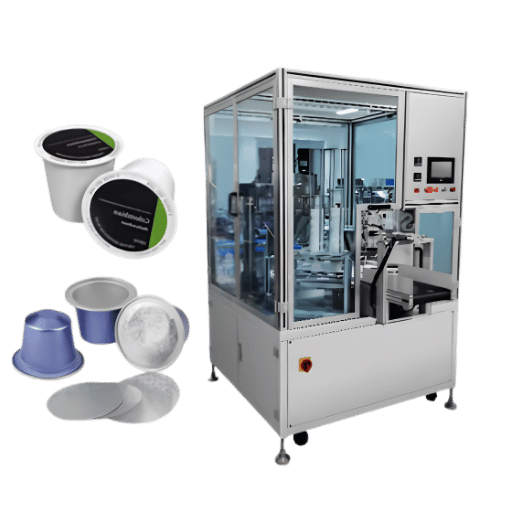
mesin rotary mengindeks cangkir dalam lingkaran. Sementara itu, linier menggunakan cangkir turun konveyor lurus atau set jalur. Kedua tata letak dapat denest cangkir, dosis kopi, siram nitrogen, meletakkan tutup, segel panas, memverifikasi, dan mengeluarkan; perbedaannya adalah akses operator, jumlah jalur, dan aliran hilir.
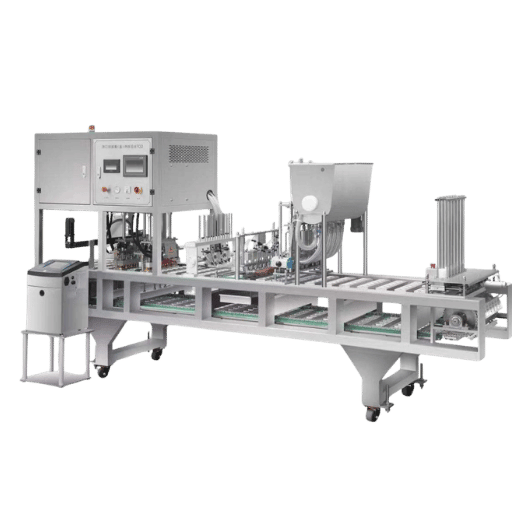
Pada mesin pengisi putar, penanganan cangkir ketat. Stasiun berputar di sekitar pusat, sehingga jejak kecil dapat menutup denesting, mengisi, menutup, menyegel, dan ejeksi. Ini berfungsi ketika 1 operator harus menonton sel ketat dan ketika keluarga SKU tetap dekat dengan bentuk cangkir dan tutup yang sama. Untuk konteks produk, lihat AFPAK’s K-Cup mengisi mesin page.
mesin linier memperpanjang proses di atas jalur. Panjang ekstra mungkin tampak tidak efisien di atas kertas, tetapi memungkinkan para insinyur menambahkan lebih banyak kepala, penanganan tutup yang lebih besar, checkweighing, coding, stasiun penolakan, karton, dan tinju. Sebagai aturan, pola aliran linier sering menjadi jalur produksi terbaik ketika pengisi hanya satu komponen dalam sistem mesin pengemasan yang lebih besar.
Keuntungan dan Batasan berdasarkan Tata Letak
| Layout | Keuntungan | Keterbatasan |
|---|---|---|
| Rotary | Garis pandang operator tunggal yang ringkas dan lebih mudah, jalur transfer pendek, baik untuk pengoperasian volume kecil hingga menengah | Ekspansi di masa depan dapat dibatasi oleh ukuran tabel, jumlah stasiun, dan aliran hilir |
| Linear | Skala melalui jalur, lebih mudah untuk menambahkan modul inspeksi dan pengemasan, jalur yang lebih kuat untuk output volume tinggi | Membutuhkan lebih banyak perencanaan lini, lebih banyak izin, dan disiplin pementasan material yang lebih kuat |
Desain peralatan makanan juga memiliki kendala sanitasi. Peraturan praktik manufaktur yang baik saat ini FDA di 21 CFR Bagian 117 terapkan untuk desain pabrik, operasi sanitasi, peralatan dan peralatan, dan kontrol proses. Akibatnya, ulasan kutipan harus menanyakan bagaimana baik jenis mesin membantu akses pembersihan, bahan produk-kontak, dan pencegahan puing-puing, bukan hanya CPM.
Tangga Output CPM-ke-Shift
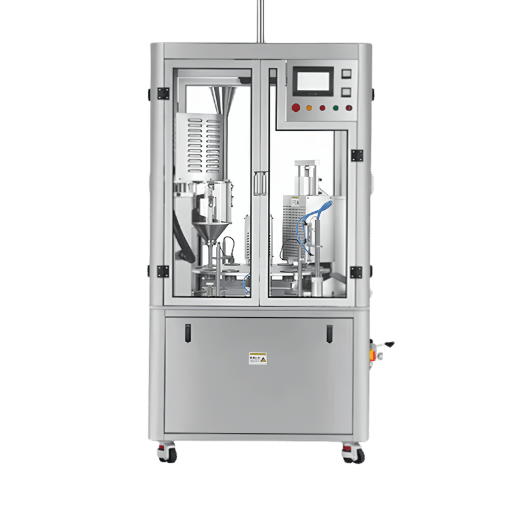
Tangga ini mengubah cangkir per menit menjadi nomor perencanaan 8 jam. Tapi, itu bukan jaminan. Ini adalah layar awal yang membantu karena menunjukkan kapan mesin putar kompak dapat memenuhi permintaan, dan ketika mesin linier multi-jalur membenarkan RFQ.
Informasi publik AFPAK menunjukkan opsi putar seperti RN1S pada 50-70 CPM dan AF-RN120 hingga 120 CPM. Rangkaian produk juga mencakup peralatan daya yang lebih tinggi seperti HB410 pada 200-400 CPM dan solusi pengisian K-Cup yang lebih luas dari 40 hingga 600 CPM. Pembeli yang membandingkan kutipan mungkin ingin merujuk pada AFPAK mesin K-Cup putar lembaran serta nya Kalkulator biaya produksi K-Cup.
| Kecepatan papan nama | output kotor 8 jam | Jalur kutipan yang khas | Apa yang harus diverifikasi |
|---|---|---|---|
| 50 BPS | 24.000 cangkir | Rotary starter atau sel kompak | Beban operator, tinggi tumpukan cangkir, penanganan gulungan tutup |
| 70 BPS | 33.600 cangkir | Pita starter putar atas | Tingkat limbah dan pembuangan sampah |
| 120 BPS | 57.600 cangkir | Ulasan rotari kelas atas | Apakah karton atau kemasan case tetap ada |
| 200 BPS | 96.000 cangkir | Garis pertumbuhan linier | Keseimbangan jalur dan rencana inspeksi |
| 400 BPS | 192.000 cangkir | Lini produksi linier bervolume tinggi | Pasokan nitrogen, pakan tutup, menolak data |
| 600 BPS | 288.000 cangkir | Proyek produksi skala besar | Penggilingan hulu, tinju hilir, penempatan staf |
Hitung kata sebagai CPM x 60 menit x 8 jam. Perbaiki angka untuk downtime karena pengulangan operator, isi ulang cangkir, pembersihan, sambatan film, pengambilan sampel QC, pemrograman, perubahan shift. Perencanaan hanya dengan upaya puncak dapat sangat melebih-lebihkan output harian.
Jejak, Utilitas, dan Aliran Material
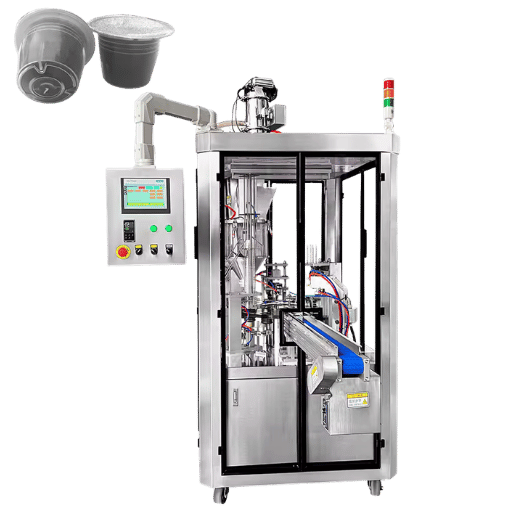
Footprint tidak hanya lebar dan panjang badan mesin. Jika dia rotary duduk di ruang yang lebih bulat, mungkin masih memerlukan ruang untuk menumpuk cangkir dengan aman, meletakkan tutup, mengisi dengan nitrogen dan udara bertekanan, menolak, melakukan perawatan, menempatkan lemari listrik, dan kotak-kotak tahap selesai.
The OSHA lockout/tagout standard berlaku untuk servis dan pemeliharaan hanya ketika energiisasi yang tidak terduga atau “energi yang tersimpan” (termasuk tekanan atau suhu) dapat menyebabkan cedera pekerja. Tanyakan bagaimana proyek menangani titik penguncian selama pemasangan, servis, dan pergantian.
Periksa Tata Letak Sebelum Anda Membandingkan Kutipan
- (Keselamatan selama pembersihan akhir siklus hidup, pertukaran perkakas, pembersihan selai, dan pemeliharaan segel panas diprioritaskan segera setelah tabel blastoff jalur percontohan aman. Saat meninjau gambar, identifikasi lokasi stasiun, akses panel, dan apakah aktivitas operator lain pada saat yang sama masih dapat memindahkan material dengan aman.)
- Replikasi cup-infeed, lid roll, nitrogen, udara terkompresi, daya, dan debit dalam gambar yang sama.
- Pastikan penyisipan panel penjepit dan akses pemeliharaan lainnya diverifikasi di kedua sisi mesin, tidak hanya di sisi operator.
- Gunakan kalkulator garis (AFPAK’s kalkulator waktu pemenuhan pesanan dapat memverifikasi perhitungan volume tahunan.) untuk memverifikasi asumsi volume harian.
Biarkan ruang untuk cangkir ditolak dan sampel QC, menolak dapat memberikan wawasan untuk kontrol proses normal.
Pergantian: SKU K-Cup, Nespresso, Dolce Gusto, dan Musiman
Kesalahan perencanaan yang khas: memilih mesin putar yang sangat kompak untuk ruangan yang penuh sesak, dan kemudian mengetahui bahwa aliran material mengalami kemacetan. Kasus terbalik: mengutip garis keluaran masa depan dengan mesin linier, tidak menyadari bahwa pabrik tidak dapat mementaskan cukup cangkir kosong, tutup, karton, dan kasus jadi saat ini.
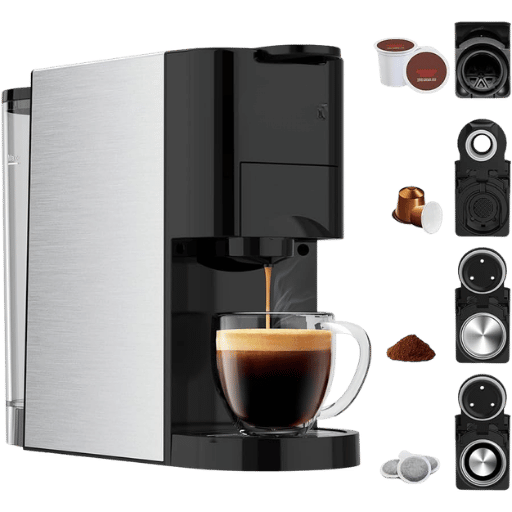
Pergantian tidak terlalu bergantung pada kata “linear” atau “rotary” dan lebih banyak pada perubahan format. K-Cup ke SKU K-Cup yang serupa mungkin memerlukan perubahan resep dan film. K-Cup ke kapsul gaya Nespresso, Dolce Gusto, atau Lavazza dapat memerlukan perkakas, penanganan K-Cup, penempatan tutup, parameter segel, dan uji coba yang berbeda. Gunakan AFPAK Panduan pemilihan mesin K-Cup untuk membingkai format mana yang termasuk dalam kutipan awal.
| Jenis pergantian | Kemungkinan bekerja | Catatan perencanaan |
|---|---|---|
| Panggang atau blender ubah dalam K-Cup yang sama | Resep, pembersihan hopper, gulungan tutup, kode lot | Jalur tercepat ketika geometri cangkir dan tutup tetap |
| Format K-Cup ke K-Cup lain yang kompatibel | Pemeriksaan perkakas, resep, validasi segel | metadata AFPAK merujuk pada pergantian 30 menit dalam konteks produk; konfirmasikan dengan set cangkir dan tutup Anda |
| K-Cup untuk Nespresso atau Dolce Gusto | Penanganan cangkir, perkakas, profil segel, batch uji | Kutipan sebagai ulasan teknik, bukan suntingan resep kecil |
“Pertanyaan pergantian yang paling aman bukanlah seberapa cepat mesin itu. Ini adalah cangkir, tutup, filter, kepadatan kopi, dan resep segel mana yang klaim kecepatannya digunakan.”
Akurasi Pengisian, Sisa Oksigen, dan Kualitas Segel
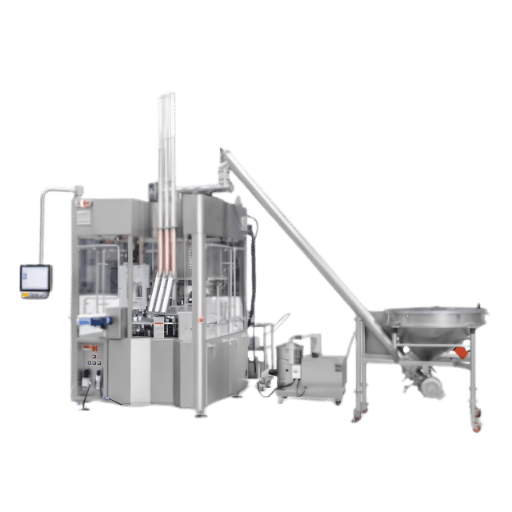
Tata letak mesin mempengaruhi akses dan kecepatan, tetapi kesegaran berasal dari kontrol kualitas yang diukur. Minta setiap pemasok untuk menentukan target akurasi pengisian, target oksigen sisa, kisaran suhu penyegelan, kisaran tekanan penyegelan, logika penolakan, dan protokol sampel-lari.
Metadata halaman K-Cup publik AFPAK mencantumkan +/-0,1 g akurasi pengisian, kurang dari 1% oksigen sisa, kisaran suhu penyegelan 0-400 C, dan kisaran tekanan 0-0,8 MPa. Nilai-nilai itu harus digunakan dalam RFQ karena kopi yang terlalu banyak, segel yang lemah, atau kelebihan oksigen dapat menghabiskan biaya lebih dari perbedaan kecil dalam harga mesin awal.
Catatan Teknik: Kesegaran Adalah Tes Sistem
Specialty Coffee Association melaporkan bahwa mengurangi kandungan oksigen menjadi 0,5% dalam wadah kopi dapat meningkatkan umur simpan hingga 20 kali lipat, sementara kenaikan suhu 10 C dapat melipatgandakan tingkat degassing. Penelitian dalam artikel Food Packaging and Shelf Life 2024 juga menemukan bahwa penyerapan kelembaban dalam kapsul kompos dapat mengurangi kualitas minuman kopi.
Mesin yang tepat tidak hanya “linear atau rotary.” Ini adalah kopi Anda, cangkir Anda, tutup Anda, filter Anda, aliran nitrogen Anda, jendela segel Anda, dan kondisi penyimpanan Anda.
| Spesifikasi untuk diminta | Mengapa penting | Tindakan pembeli |
|---|---|---|
| Toleransi isi-berat | Mengontrol konsistensi giveaway dan cup-to-cup | Jalankan penggilingan, pemanggangan, dan kepadatan Anda selama FAT |
| Target oksigen sisa | Melindungi aroma dan asumsi umur simpan | Ukur setelah penyegelan, bukan sebelumnya |
| Bahan kontak makanan | Cangkir, tutup, perekat, segel, dan bagian kontak harus sesuai dengan aturan kontak makanan | Review 21 Ketentuan kontak makanan CFR untuk peralatan pengemasan dan pemrosesan |
Jika Anda masih memilih antara bahan cangkir dan tutup, tinjau AFPAK cangkir dan tutup persediaan and kosong K-Cups sebelum memilih bodi mesin Anda.
Biaya, Tenaga Kerja, dan ROI: Perubahan Apa berdasarkan Tata Letak?
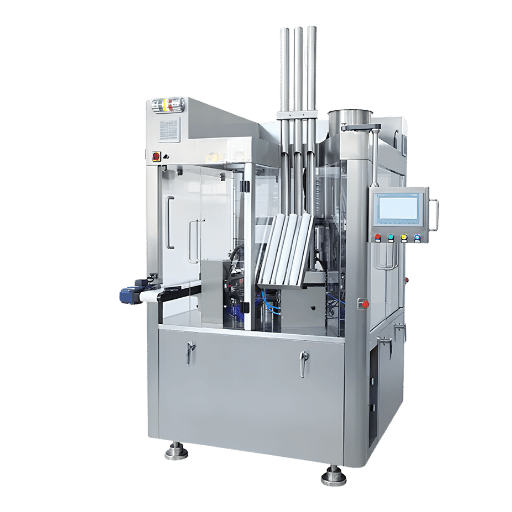
Kutipan rendah bisa mahal jika menyebabkan pengisian berlebih, menolak cangkir, kerja ekstra, segel lemah, atau kemacetan di ruang paket Anda. Kutipan tinggi juga bisa salah jika mereka membeli garis volume tinggi sebelum merek Anda telah mengkonfirmasi permintaan.
Halaman laporan State of the Industry 2025 PMMI merangkum otomatisasi, kendala tenaga kerja, ruang paket bebas operator, pengisian, inspeksi, suku cadang, layanan, dan tema pemeliharaan prediktif. Bangun ROI itu: tenaga kerja, waktu henti jadwal, akses layanan, jumlah paket hilir, bersama dengan harga mesin.
Bangun kasus ROI dua kali. Pertama, bandingkan aplikasi hari ini: target CPM, shift per minggu, jumlah operator, tingkat penolakan yang diharapkan, dan giveaway kopi. Selanjutnya, bandingkan aplikasi 18 bulan: SKU baru, jalur tambahan, inspeksi, karton, dan cakupan ruang paket. Kedua kasus ini membantu pemanggang kecil menghindari membeli terlalu banyak mesin dan membantu co-packer menghindari garis yang membatasi pertumbuhan setelah kontrak pertama.
| Variabel biaya | Rotary watchpoint | Titik jaga linier |
|---|---|---|
| Buruh | Dapat bekerja dengan baik dengan satu operator penuh perhatian di CPM sederhana | Membutuhkan rencana kepegawaian untuk cangkir, tutup, tolak, karton, dan aliran kotak |
| Waste | Lebih sedikit stasiun yang lebih mudah untuk ditonton, namun penolakan masih memerlukan pelacakan | Output yang lebih tinggi memperbesar bobot pengisian atau penyimpangan segel |
| Otomatisasi masa depan | Mungkin memerlukan sel kedua jika permintaan melebihi jumlah yang ada | Lebih mudah untuk melampirkan inspeksi, karton, tinju, dan pengepakan kasus |
Bagi yang masih membandingkan K-Cups dengan tipe lainnya, aplikasi kapsul AFPAK di mesin pengisian pod kopi sumber daya dapat membantu membagi strategi dari badan mesin. .
Matriks Keputusan Linear-to-Rotary 4 Gerbang
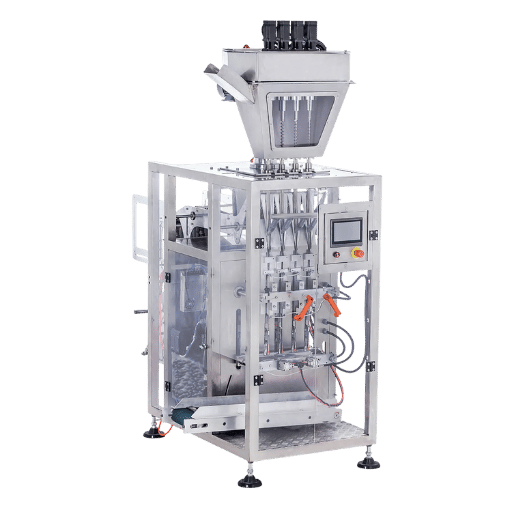
Gunakan matriks ini setelah Anda memiliki proyeksi volume aktual, tata letak pabrik, matriks SKU, dan spesifikasi kualitas. Gerbang ini mempersempit jalur kutipan tanpa mengklaim bahwa satu jenis mesin selalu yang terbaik.
| Gate | Jika ini menggambarkan garis Anda | Jalur kutipan |
|---|---|---|
| Volume | Di bawah 100.000 cangkir/bulan | Mulailah dengan rotary kompak kecuali kompleksitas SKU menyatakan sebaliknya |
| Volume | 100.000-500.000 cangkir/bulan | Bandingkan rotary dan linear dengan matematika shift-output |
| Volume | 500.000+ cangkir/bulan | Model jalur produksi linier dan pengemasan hilir |
| Jejak | Kamar kecil dengan ekspansi terbatas | Prioritaskan rotary, lalu periksa akses layanan |
| Jejak | Aula garis yang dapat diperluas | Pertimbangkan linier dengan modul inspeksi dan pengepakan |
| SKU mix | Cangkir yang sama, banyak perubahan panggang/campuran | Kontrol resep lebih penting daripada arsitektur |
| SKU mix | K-Cup plus Nespresso, Dolce Gusto, atau Lavazza | Mintalah perkakas, resep, dan cakupan sampel |
| Automation | Isi-seal saja | Rotary mungkin membawa ROI tahun pertama terbaik |
| Automation | Isi, periksa, karton, kotak, dan kode | Linear biasanya lebih mudah diintegrasikan antar stasiun |
Jika dua gerbang merekomendasikan rotary dan dua merekomendasikan linear, kirimkan AFPAK sampel cangkir, sampel tutup, CPM target, volume bulanan, daftar format, gambar lantai, daftar utilitas, dan target oksigen sisa. Mulailah tinjauan teknik itu dari halaman kontak.
Matriks Skenario Pembeli
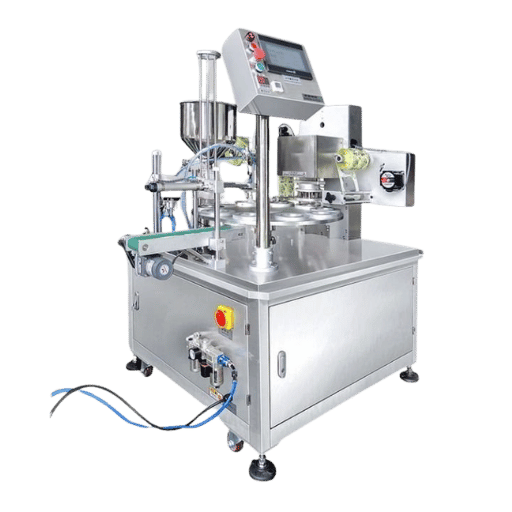
Mesin yang sama mungkin atau mungkin tidak terbaik untuk setiap pembeli. Matriks ini mengurutkan perbandingan ke dalam tipe-kluster, sehingga pemanggang khusus kecil tidak secara tidak sengaja memilih spesifikasi co-packer lain.
| Tipe pembeli | Kemungkinan membutuhkan | Bias layout | Bukti RFQ |
|---|---|---|---|
| Startup roaster | Batch kecil dan kontrol uang tunai | Rotary | Sampel cangkir/tutup dan volume 12 bulan pertama |
| Roaster khusus | Campuran yang sering dan klaim kesegaran | Linear putar atau kompak | Rencana uji sisa oksigen dan umur simpan sensorik |
| Merek DTC yang sedang berkembang | Peluncuran cepat, jumlah SKU terkontrol, dan pengambilan sampel cepat | Rotary dulu, baru expansion review | Kalender peluncuran, ukuran lot sampel, dan pita permintaan tahun pertama |
| Merek label pribadi | Beberapa SKU dan tenggat waktu pengecer | Linear jika packing hilir disertakan | Kalender SKU dan format karton/kasus |
| Merek bahan makanan daerah | Peluncuran toko dengan volume nasional yang stabil namun tidak | Bandingkan linier putar dan kompak | Prakiraan pesanan mingguan dan pola paket kasus |
| R & D atau lab pilot | Pengujian format sebelum pembelian modal | Sel percobaan putar atau tahap semi otomatis | Matriks uji, jumlah sampel, dan kriteria lulus/gagal |
| Co-packer | Uptime tinggi dan pertukaran pelanggan yang cepat | Sel putar linier atau ganda | SOP pergantian dan rencana perkakas cadangan |
| Pemasok kapsul multi-format | Proyek K-Cup, Nespresso, Dolce Gusto, atau Lavazza | Arsitektur tergantung pada strategi perkakas | Daftar format, target penggantian alat, dan pemisahan pembersihan |
| Produser promosi musiman | Jangka pendek, tekanan tenggat waktu, dan perubahan karya seni | Sel linier putar atau fleksibel | Kalender promo, rencana karya seni tutup, dan langkah pergantian |
| Cpg Industri | Output tinggi dengan data inspeksi | Linear | Kriteria penerimaan FAT dan kebutuhan ekspor data |
Dua kasus tepi membutuhkan perhatian ekstra. Pemanggang khusus yang tumbuh cepat mungkin tampak membutuhkan rotary hari ini tetapi akan membutuhkan skalabilitas linier dalam 12-18 bulan jika aplikasi grosir atau toko klub tiba. Seorang pembeli industri mungkin tampak membutuhkan linear tetapi memilih sekelompok beberapa garis putar ketika pelanggan yang berbeda membutuhkan beberapa format kapsul, bahan, atau kontrol alergen. Jangan memandu setiap RFQ ke dalam solusi satu mesin. Kutip baik sel jangka pendek dan langkah ekspansi berikutnya, kemudian bandingkan total rencana produksi.
Apa yang Berubah dalam Pemilihan Mesin Pengisi K-Cup di 2026?
Pada tahun 2026, RFQ Anda harus mencakup permintaan, otomatisasi, bahan, ulasan kontak makanan, dan validasi kesegaran. NCA melaporkan pada bulan April 2025 bahwa 66% orang dewasa Amerika minum kopi setiap hari, 71% peminum kopi masa lalu menyiapkan kopi di rumah saja, dan 42% rumah tangga Amerika memiliki pembuat bir satu cangkir. Permintaan yang tinggi membuat kemasan satu porsi tetap relevan, tetapi tidak menghilangkan kebutuhan akan ukuran mesin yang cermat.
Bahan kapsul juga berubah. Penawaran kapsul kompos mungkin memerlukan jendela penyegelan yang berbeda dan pengujian penghalang kelembaban daripada cangkir tradisional. ISO 22000 menetapkan kriteria untuk sistem manajemen keamanan pangan di seluruh rantai makanan, yang relevan ketika pembeli sedang menyusun dokumentasi paket pemasok.
File Bukti Proyek: Apa yang Harus Diminta Sebelum Pesanan Pembelian
Sebuah kutipan rotary-vs-linear harus meninggalkan file bukti proyek kecil, bukan hanya lembar harga. Mintalah perhitungan throughput dasar, timeline sampel-run, asumsi instalasi, target tingkat penolakan, dan jalur dukungan 24 jam sebelum keputusan dikunci. Item-item itu membuat perbandingan berguna setelah hari FAT pertama, ketika seorang manajer lini berurusan dengan cangkir, tutup, nitrogen, karton, dan operator daripada bahasa penjualan.
| Permintaan bukti | Lensa standar atau kode | Bukti proyek untuk diminta |
|---|---|---|
| Tinjauan akses sanitasi | 21 CFR Bagian 117 dan CFR Bagian 117 bahasa pembersihan | Titik akses yang ditandai dengan foto, batas pencucian, dan rencana pencatatan pembersihan selama 12 bulan |
| File bahan kontak makanan | 21 CFR Bagian 174 dan CFR Bagian 174 ulasan pemasok | Bukti cangkir, tutup, perekat, dan bagian kontak terkait dengan sampel proyek sebenarnya |
| Aliran catatan keamanan pangan | ISO 22000 dan ISO-gaya catatan tanggung jawab | Siapa yang mencatat tingkat penolakan, siapa yang menandatangani lembar FAT, dan siapa yang memiliki baseline setelah pemasangan |
| Akses pemeliharaan dan energi yang tersimpan | Perencanaan lockout OSHA 1910.147 dan OSHA | Titik penguncian, langkah tekanan berdarah, akses penjaga, dan garis waktu pelatihan operator 8 jam |
| Paket penerimaan FAT | Catatan ISO 22000 ditambah 21 catatan pembersihan CFR Part 117 | Garis dasar throughput, jumlah sampel, batas tingkat penolakan, dan asumsi suku cadang 2 tahun |
| Rilis utilitas dan tata letak | Tinjauan akses OSHA ditambah catatan tata letak pabrik CFR Bagian 117 | Nilai 5 kW, 7,5 kW, 50 Hz, 60 Hz, 100 mm, 150 mm, dan 200 mm dikonfirmasi terhadap gambar akhir |
Untuk pembelian tahun 2026, mintalah tiga hal secara tertulis: rencana sampel-run, kriteria penerimaan, dan rencana dukungan pasca-instal. Terkadang mesin dengan throughput yang sedikit lebih lambat tetapi akurasi pengisian yang lebih baik, kualitas segel, pelatihan, dan suku cadang mengalahkan kutipan yang lebih cepat yang membuat pembeli menangani risiko itu sendiri.
RFQ Packet: 10 Input yang Mencegah Quote yang Salah
Pemasok hanya dapat mengutip peralatan yang Anda tentukan. Jika RFQ Anda mencatat “pengisi K-Cup, kecepatan tinggi, harga terendah,” kutipan akan memiliki terlalu banyak asumsi. Jika RFQ Anda memberikan sampel, throughput target, dan kriteria penerimaan, pemasok dapat mengukur mesin putar atau mesin linier untuk proyek nyata. Skalabilitas menjadi pertanyaan desain, bukan frasa pemasaran.
| Masukan | Mengapa AFPAK membutuhkannya |
|---|---|
| Sampel cangkir dan tutup | Mengonfirmasi denesting, pengambilan tutup, profil segel, dan pemasangan perkakas. |
| Target CPM dan volume bulanan | Memisahkan kebutuhan rotary starter dari line-scale automation. |
| Kepadatan kopi dan menggiling | Melindungi akurasi dosis dan perilaku hopper selama uji coba. |
| Target oksigen sisa | Mengubah kesegaran menjadi kriteria penerimaan yang terukur. |
| Gambar lantai dan utilitas | Menunjukkan apakah hambatan sebenarnya adalah ruang, udara, nitrogen, listrik, atau aliran barang jadi. |
Tambahkan satu lembar pengukuran ke RFQ. Nilai di bawah ini bukan batas mesin universal; mereka adalah input sisi pembeli yang menjaga perkakas, penjaga, konveyor, dan sampel berjalan dari dikutip pada asumsi.
| Pengukuran | Kirim sebagai nilai terukur | Kutip risiko yang dikurangi |
|---|---|---|
| Geometri cangkir | Pembacaan pelek, alas, dan tinggi, misalnya 51 mm, 37 mm, dan 44 mm | Menghindari denester dan ketidakcocokan perkakas |
| Stok tutup | Ketebalan gulungan atau potongan mati sebenarnya seperti 0,08 mm, 0,12 mm, atau 0,18 mm | Melindungi pilihan tempat tinggal pickup, penempatan, dan segel |
| Dosis kopi | Target dan toleransi, ditulis sebagai 0,008 kg, 0,010 kg, atau 0,012 kg per cangkir jika berlaku | Menjaga auger, hopper, dan checkweigh lingkup realistis |
| Target kesegaran | Titik-titik sisa oksigen seperti 0,5%, 1%, dan 2% | Mengubah nitrogen dan penyegelan menjadi kriteria penerimaan |
| Segel jendela percobaan | Suhu percobaan seperti 160 °C, 180 °C, 200 °C, dan 220 °C | Mencegah satu pengaturan brosur dari mengemudi kutipan |
| Akses kamar | Lorong operator, sisi servis, dan jalur pementasan, misalnya 0, 8 m, 1, 0 m, dan 2, 0 m | Menunjukkan apakah kekompakan putar atau akses linier lebih penting |
| Beban listrik | Nilai perencanaan beban terpasang seperti 3 kW, 5 kW, atau 7,5 kW hingga gambar akhir mengkonfirmasi jumlahnya | Panel bendera, utilitas, dan fasilitas bekerja lebih awal |
| Kondisi kopi | Pembacaan kelembaban atau pita uji seperti 2%, 3%, dan 4% | Membantu menjelaskan perilaku dosis dan aliran selama FAT |
| Geometri paket | Jarak bebas karton, baki, atau konveyor seperti 100 mm, 150 mm, dan 200 mm | Menjaga pengepakan hilir agar tidak menjadi renungan |
FAQ
Apa kekurangan mesin rotary?
Batas putar
Ekspansi bisa lebih sulit setelah tabel, jumlah stasiun, atau jalur pengepakan hilir penuh. Akses juga perlu ditinjau dengan cermat karena banyak fungsi yang berdekatan.
Apakah mesin pengisian linier lebih mudah dirawat atau dioperasikan?
Catatan pemeliharaan
Mesin linier sering memberikan lebih banyak akses stasiun, yang dapat membantu pemeliharaan. Operasi bisa lebih menuntut jika jalur memiliki beberapa jalur, stasiun inspeksi, dan modul hilir. Tim pemeliharaan harus meninjau akses penjaga, titik penguncian, gerobak perkakas, dan penyimpanan suku cadang sebelum memutuskan bahwa jalur yang lebih panjang secara otomatis lebih mudah.
Apakah rotary atau linear lebih baik untuk pemanggang kopi kecil?
Jawaban roaster kecil
Rotary sering kali menjadi jalur kutipan pertama untuk roaster kecil karena dapat memuat ruangan yang ringkas dan output yang sederhana. Linear masih bisa tepat jika roaster sudah memiliki permintaan bulanan yang tinggi atau beberapa kebutuhan kemasan hilir.
Mesin mana yang lebih baik untuk co-packer bervolume tinggi?
Jawaban co-packer
Untuk co-packer volume tinggi, mesin linier atau beberapa sel terkoordinasi biasanya layak ditinjau karena jumlah jalur, inspeksi, karton, dan tinju bisa menjadi lebih penting daripada pengisi saja. Kutipan terbaik juga harus mencakup SOP pergantian, perkakas cadangan, data penolakan, dan akses layanan. Co-packer menjual waktu aktif, sehingga pengisi harus sesuai dengan seluruh kalender pengemasan.
Berapa luas lantai yang harus saya rencanakan sebelum meminta penawaran?
Jawaban layout
Kirim gambar lantai dengan dimensi ruangan, pintu, utilitas, pementasan cangkir dan tutup, akses pemeliharaan, penanganan penolakan, dan aliran barang jadi. Dimensi mesin saja tidak cukup.
Apakah tata letak mesin mempengaruhi oksigen sisa atau kualitas segel?
Jawaban kualitas
Tata letak mempengaruhi akses, tempat tinggal, jarak stasiun, dan opsi inspeksi. Sisa oksigen aktual dan kualitas segel bergantung pada aliran nitrogen, bahan cangkir dan tutup, kepadatan kopi, suhu penyegelan, tekanan, dan validasi sampel-lari. Perlakukan oksigen sisa dan kekuatan segel sebagai kriteria penerimaan, kemudian minta pemasok untuk membuktikannya dengan sampel Anda daripada menjalankan brosur generik.
Bisakah satu mesin AFPAK menjalankan kapsul K-Cup dan Nespresso?
Jawaban format
AFPAK mencantumkan K-Cup, Nespresso, Dolce Gusto, dan Lavazza di antara jenis kapsul yang didukung di halaman produk publik. Paket perkakas, dimensi K-Cup, bahan tutup, dan ruang lingkup pergantian menentukan apakah satu proyek dapat menangani berbagai format.
Informasi apa yang harus saya kirimkan ke AFPAK sebelum meminta tata letak?
Jawaban RFQ
Kirim target CPM, volume bulanan, sampel cangkir dan tutup, kepadatan kopi, daftar format, oksigen sisa yang diinginkan, target akurasi pengisian, denah lantai yang tersedia, utilitas, kebutuhan pengemasan hilir, dan harapan dukungan lokal. Tambahkan 12 bulan pertama volume SKU jika Anda memilikinya. Satu file membantu memisahkan mesin starter dari garis yang dibangun untuk tahap berikutnya.
Siap Membandingkan Layout Nyata?
Kirimkan AFPAK sampel cangkir Anda, sampel tutup, CPM target, denah lantai, daftar SKU, kesegaran yang diinginkan, dan kebutuhan pelatihan operator. Tinjauan teknik dapat mengadu rotary terhadap kutipan linier terhadap kebutuhan Anda yang sebenarnya.
Bagaimana Panduan Ini Dibangun
Primer ini memperluas halaman perbandingan AFPAK ke perjalanan pembelian saat ini. Spesifikasi AFPAK publik hanya dimasukkan di mana, di halaman sumber, mereka cocok. Sumber eksternal yang dikutip termasuk keamanan pangan, tren mesin pengemasan, kesegaran kopi, panduan kontak-makanan, dan keamanan pemeliharaan.
Referensi & Sumber
- 21 CFR Bagian 117 φ Kode Elektronik Peraturan Federal
- OSHA 1910.147 Lockout/Tagout Σ ^ Administrasi Keselamatan dan Kesehatan Kerja
- Melestarikan Kesegaran: Perlombaan Melawan Waktu φ تحميل Specialty Coffee Association
- Penyerapan kelembapan selama penyimpanan kopi yang dikemas dalam kapsul kompos. Kemasan Makanan dan Umur Simpan, 2024.
- 21 CFR Bagian 174, Bahan Tambahan Makanan Tidak Langsung: Umum. Kode Elektronik Peraturan Federal.
- Keadaan Industri 2025. PMMI.
- Lebih Banyak Orang Amerika Minum Kopi Setiap Hari Dari Minuman Lainnya. Asosiasi Kopi Nasional, 2025.
- Manajemen Keamanan Pangan ISO 22000. Organisasi Internasional untuk Standardisasi.


