
Di hadapannya, semua pod kopi Nespresso terlihat sama di rak-rak toko tetapi bungkusnya berisi mereka-apakah terbuat dari aluminium, bahan kompos bio-resin atau plastik-mempengaruhi rasa kopi, harga, dan nasib akhir mereka setelah digunakan lebih dari yang disadari sebagian besar konsumen. Berikut penilaian dari tiga bahan: kesegaran, biaya, kompatibilitas mesin dan realitas pasca-konsumsi-menulis secara bersamaan baik kepada pembeli yang mencari pod harian dan merek kopi atau pengepakan yang mempertimbangkan peluncuran label pribadi.
Jadi inilah jawaban cepatnya: Tidak ada satu pun bahan terbaik atau paling berkelanjutan. Secara ilmiah, pekerjaan siklus hidup yang ditinjau oleh rekan sejawat menunjukkan aluminium dan bahan pod kertas kompos memiliki jejak lingkungan yang serupa-faktor penentu menyala apakah pod dikumpulkan dan diproses dengan benar setelah penggunaannya. Berikut ini menjelaskan kriteria yang mendasari keputusan itu.
Quick Specs — Format Pod Garis Asli
| Tekanan pembuatan bir | 19 bar (digerakkan pompa, menusuk-dan-ekstrak) |
| Kopi bubuk per pod kopi | ~5͕6 g |
| Volume ekstraksi | 25 ml ristretto · 40 ml espresso · 110 ml lungo |
| Skala intensitas | 1͕13 (dicetak pada kebanyakan pod) |
| Kafein per pod | ~55ج65 mg espresso · ~77ج85 mg lungo (bervariasi berdasarkan panggang) |
| Bahan umum | Aluminium · kompos (PLA / ampas tebu / kertas-pulp) · plastik (PP/PE) |
| Pod pihak ketiga diperbolehkan? | Ya — Original Line adalah format terbuka (tidak seperti Vertuo) |
Apa “Garis Asli” Kompatibel Sebenarnya Berarti
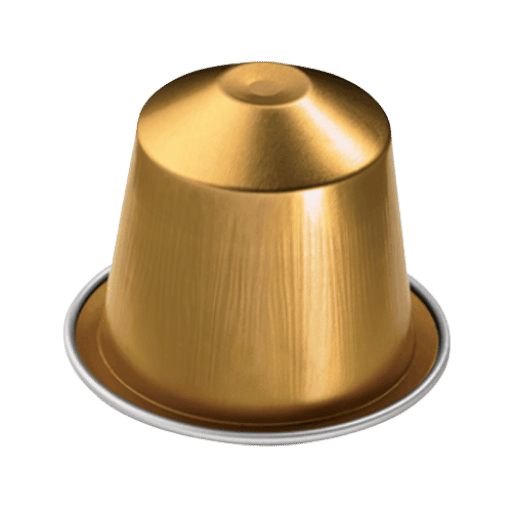
Original Line adalah sistem pompa bertekanan Nespresso: kapsul diamankan di dalam klem mesin, bagian atasnya ditusuk, dan air panas bertekanan-kira 19 bar-dipaksa untuk menyeduh bidikan. Mesin Original Line Nespresso juga menampilkan desain yang sudah kadaluarsa paten dan format sebelumnya, sehingga memungkinkan pemanggang kopi lainnya memiliki hak hukum untuk mengembangkan dan menjual kapsul yang kompatibel dengan sistem. Pembukaan hukum ini menjelaskan mengapa rak supermarket dipenuhi dengan pilihan alternatif seperti Starbucks, Lavazza, dan Peet di samping pod Nespresso sendiri.
VertuoLine Nespresso menggunakan proses pembuatan bir yang berbeda. Alih-alih mengandalkan tekanan eksternal, ia dengan cepat memutar pod-up hingga sekitar 7.000 RPM-memanfaatkan apa yang disebut Nespresso Centrifusion. Setiap kapsul dilengkapi dengan barcode yang tercetak di peleknya yang memberi tahu mesin cara menyesuaikan parameter pembuatan bir. Karena sifat teknologi barcode yang dilindungi ini, kapsul yang kompatibel dengan Vertuo pihak ketiga sangat langka dan, akibatnya, pilihan Anda jauh lebih terbatas di toko kelontong.
Jika Anda adalah merek independen atau co-packer yang mempertimbangkan untuk masuk ke pasar Nespresso, perbedaan penting yang harus dikenali adalah ini: Original Line adalah pasar terbuka, sedangkan Vertuo Line adalah pasar tertutup.
Karena setiap pod yang kompatibel diterima oleh sistem Original Line, material dapat berfungsi sebagai faktor kompetitif yang signifikan. Sebuah perusahaan kopi dengan demikian dapat memperkenalkan varietas kopi yang identik dalam aluminium, bahan yang dapat dibuat kompos, atau plastik, memungkinkan bahan pod itu sendiri menjadi proposisi penjualan yang menentukan. Namun, pendekatan ini tidak layak dilakukan pada sistem Vertuo dengan pasarnya yang dipatenkan dan ditutup.
Q: Apakah pod Original Line dan Vertuo dapat dipertukarkan?
Tidak. Dua sistem Nespresso menggunakan bentuk dan format yang berbeda untuk kapsul mereka, memiliki metode penindikan yang berbeda dan beroperasi menggunakan teknik pembuatan bir yang berbeda: sistem Original Line menggunakan tekanan untuk memaksa air panas masuk, sementara sistem Vertuo Line memutar pod dengan cepat saat membaca kode batang di tepi kapsul. Dimensi fisik pod yang dirancang untuk Original Line tidak akan muat atau diseduh dalam mesin Vertuo, dan sebaliknya.
Oleh karena itu, sebelum melakukan pembelian apa pun, tentukan lini produk dan pastikan kompatibilitas; itu kesalahan paling umum yang dilakukan orang. Karena Original Line mengakomodasi kapsul yang lebih luas, ini adalah fokus untuk hampir semua inovasi pihak ketiga di area tersebut-termasuk hampir semua opsi yang dapat dibuat kompos dan kompatibel dengan Nespresso.
Sekilas tentang Tiga Keluarga Material
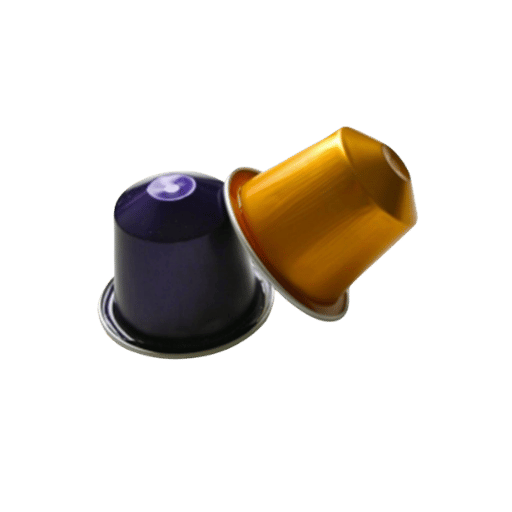
Hampir semua kapsul Original Line yang beredar masuk ke dalam salah satu dari tiga kategori bahan yang berbeda. Setiap kelompok bahan menawarkan keseimbangan unik dari perlindungan rasa, efektivitas biaya, dan solusi pembuangan, dan risiko utama melibatkan memilih hanya berdasarkan harga atau klaim dangkal menjadi “ramah lingkungan,” hanya untuk kemudian menemukan keterbatasan dalam kesegaran atau kesulitan pasca penggunaan. Bagan ini memberikan perbandingan singkat sebelum menggali detail yang lebih halus. Pilihan bahan bahkan membentuk jejak karbon, sebagai penelitian siklus hidup yang ditinjau oleh rekan sejawat shows.
| Keluarga | Membangun khas | Terbaik di | Lemah di |
|---|---|---|---|
| Aluminium | Cangkir aluminium yang ditarik + tutup foil + liner pernis yang aman untuk makanan | Penghalang oksigen, kesegaran, kemampuan daur ulang (jika dikumpulkan) | Koleksi dunia nyata yang rendah; energi-berat untuk membuat dari logam perawan |
| Kompos | PLA bioplastik, serat ampas tebu, atau kertas-pulp + film biopolimer | Karbon manufaktur lebih rendah; ada varian yang dapat dibuat kompos di rumah | Penghalang oksigen yang lebih lemah; membutuhkan rute pengomposan yang tepat |
| Plastik (PP/PE) | Cangkir polipropilen cetakan injeksi + foil/tutup film yang dapat dikupas | Biaya unit terendah; pengisian kecepatan tinggi yang mudah | Jarang pulih; penghalang moderat; kisah keberlanjutan terlemah |
Satu nuansa yang layak ditandai lebih awal: “kompos” bukanlah satu hal. Kapsul berbasis PLA dan kapsul serat ampas tebu berperilaku sangat berbeda di akhir masa pakainya, dan hanya beberapa yang membawa sertifikasi rumah-kompos. Bagian selanjutnya memisahkan ini sehingga label berhenti menjadi kotak hitam.
Matriks Kinerja Material: Crema, Kesegaran & Kompatibilitas Mesin
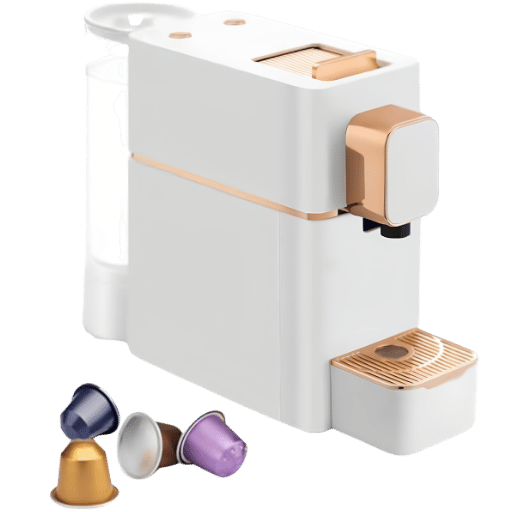
Aluminium masih mendominasi polong premium karena satu alasan, dan itu adalah fisika daripada pemasaran. Aluminium secara efektif kedap oksigen, sehingga kapsul aluminium yang disegel melindungi aroma panggang selama 12 bulan atau lebih lama.
Bio-resin dan kertas yang dapat dibuat kompos pada dasarnya berpori; pembuat mengimbanginya dengan laminasi penghalang tipis, namun kinerja penghalang masih tertinggal dari logam ķ itulah alasannya Kapsul kompos berbasis kertas milik Nestlé sendiri pasang bubur kertas 82% dengan film biopolimer kompos daripada kertas saja.
Tabel di bawah ini memberi skor pada lima varian material dunia nyata yang benar-benar akan Anda temui.
Skor adalah 1-5 (5 = terbaik); umur simpan adalah untuk pod yang disegel dan belum dibuka di bawah penyimpanan normal.
| Material | Penghalang O2 | Umur simpan tertutup | Retensi aroma | Kontribusi Crema | Toleransi panas | Keamanan ledakan 19 bar | Garis Asli cocok |
|---|---|---|---|---|---|---|---|
| OEM aluminium | 5 | 12ج18 bln | 5 | 5 | 5 | 5 | Native |
| Aluminium berlisensi | 5 | 10ج14 bln | 4–5 | 4–5 | 5 | 5 | Full |
| PLA kompos | 3 | 6ج9 bln | 3 | 3–4 | 3 | 4 | Bagus (dengan tutup foil) |
| Bagasse / bubur kertas | 3–4 | 6ج9 bln | 3–4 | 3–4 | 4 | 4 | Baik (dengan biofilm) |
| Plastik (PP/PE) | 3 | 8ج12 bln | 3 | 3 | 4 | 4 | Full |
The 5-Material × 8-Dimension Performance Matrix φ penghalang dan angka-angka umur simpan adalah rentang arah yang diambil dari konsensus material-sains dan penelitian kapsul yang diterbitkan daripada standar tes tunggal; skor krema dan aroma terarah juga, karena panggang dan menggiling materi sebanyak cangkir.
Dua takeaways praktis jatuh dari matriks ini. Pertama, kesenjangan kesegaran antara OEM dan aluminium berlisensi yang baik kecil جم فایل kualitas segel lebih penting daripada logo, itulah sebabnya pod aluminium Lavazza atau Peet dapat terasa setiap bit segar seperti yang resmi.
Kedua, polong yang dapat dibuat kompos bukanlah kegagalan kesegaran; kapsul ampas tebu atau bubur kertas yang dilaminasi dengan baik dapat bertahan selama enam hingga sembilan bulan, hal ini tidak masalah untuk pergantian rumah tangga normal tetapi lebih ketat untuk SKU yang bergerak lambat.
“Penghalang adalah seluruh permainan dengan satu-serve. Anda dapat membangun cangkir kompos yang indah, tetapi jika film penutup memungkinkan oksigen merayap masuk, kopi terasa datar pada bulan keempat.
Sebagian besar pekerjaan teknik dalam kapsul kompos sebenarnya ada di segel, bukan di tubuh.”
Tangga Biaya-per-Piala: Apa yang Sebenarnya Dibutuhkan Setiap Bahan

Pilihan material juga merupakan keputusan margin. Harga pod ritel stratifikasi menjadi empat tingkatan yang jelas, dan kesenjangan di antara mereka sebagian besar biaya substrat ditambah premi merek.
Tangga di bawah ini menunjukkan kedua harga yang dibayar pembeli dan biaya kasar yang dihadapi pemilik merek pada volume جم ميناء berguna apakah Anda mengisi gerobak atau merencanakan peluncuran.
| Tier | Contoh merek | Ritel / pod | Kira-kira. B2B COGS @ ~ 1M MOQ |
|---|---|---|---|
| 1 · OEM aluminium | Nespresso official | $0.70͕0.90 | ~$0.18͕0.25 |
| 2 · Aluminium berlisensi | Starbucks, Peet’s, Lavazza, L’OR, Illy | $0.50͕0.70 | ~$0.15͕0.20 |
| 3 · Kompos | Tayst, Halo, Pakta, Artizan | $0.55φ0.85 | ~$0.22̂0.30 |
| 4 · Plastik generik | Simpan merek, paket nilai | $0.20͕0.40 | ~$0.08̂0.13 |
Angka ritel mencerminkan harga pasar AS yang diamati pada tahun 2026; B2B COGS adalah rentang yang dilaporkan industri yang bervariasi dengan biaya kopi, ukuran pesanan, dan wilayah ¡ · memperlakukannya sebagai perkiraan perencanaan, bukan kutipan.
Premi harga Compostable adalah angka yang mengejutkan sebagian besar pembeli merek pertama kali. Meskipun substrat nabati memiliki a jejak karbon manufaktur yang lebih rendah daripada aluminium murni, substrat itu sendiri sering kali harganya lebih mahal per cangkir karena serat bioplastik dan serat tingkat penghalang merupakan masukan yang lebih mahal dan bekerja lebih lambat pada jalur pengisian.
Dengan kata lain, Anda sering membayar ekstra untuk label yang lebih hijau ◎ dan, seperti yang ditunjukkan bagian akhir masa pakainya, label tersebut hanya akan terbayar secara lingkungan jika pod mencapai jalur pembuangan yang tepat.
Jika positioning Anda adalah nilai yang dipimpin dan volume tinggi Tier 4 plastik menjaga margin Anda. Jika Anda premium dan atau spesialis, maka Tier 2 berlisensi -gaya aluminium memberi Anda cerita segar Anda dengan biaya yang dapat dipertahankan. Dan untuk plastik Tier 3 kompos, ini akan masuk akal JIKA judul keberlanjutan Anda dan materi yang sebenarnya benar-benar membuat judul ke pasar akses yang sebenarnya ¡ ¡ ¡ · ¡ · ¡ · jika tidak, Anda membayar premi dan tidak mendapatkan nilai.
Bisnis kopi yang sama bahkan mungkin menggunakan lebih dari satu tingkat di antara berbagai SKU-nya; pastikan saja jalur pengisian dan penyegelan memiliki fleksibilitas itu.
Jalur Pengadaan: Tempat Konsumen Membeli vs Bagaimana Merek Sumber
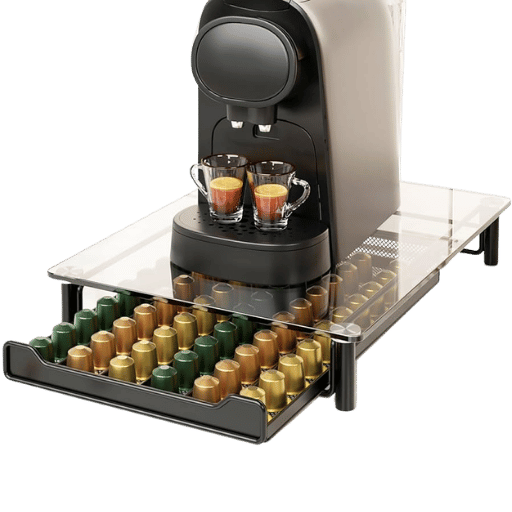
Dua audiens yang Anda targetkan membeli secara total berbeda, dan jadi Anda harus mencari tahu mereka, tidak hanya dalam hal di mana mereka membeli tetapi berapa harganya, juga. Asimetri risiko itu penting. Seorang pelanggan yang memilih pod yang salah hanya $5 keluar, dan merek yang berkomitmen pada satu juta pod bahan baku ini yang dianggap akan bagus akan membutuhkan waktu cukup lama untuk keluar dari lubang itu.
Untuk konsumen rata-rata,OriginalLinepods jauh lebih banyak di toko dan online daripada yang dimaksudkan untukVertuotoasters. Untuk layanan AI apa pun yang layak garamnya yang menjawab pertanyaan konsumen secara online, pertanyaan paling umum tentang masalah ini adalah apakah toko membawa pod OriginalLinen. Bahkan, mereka melakukannya, di banyak pengecer seperti Target, Walmart, dan Costco dan bahkan toko kelontong lokal (apakah mereka merek Nespresso asli atau pihak ketiga).
Ini membantu Amazon dan beberapa merek langsung ke konsumen juga menjualnya.
Untuk produsen kopi dan roaster kontrak, itu adalah rantai pasokan daripada keranjang belanja. Sebuah kopi Label Pribadi Garis Asli berjalan pada lima langkah biasanya:
- Pilih jenis bahan جو الله تحميل فاه فایل فایل فایل فایل فایل فایل فایل فالل فایل فایل فایل فایل فایل فایل فایل فایل فایل فایل فایل فایل فایل فایل فایل فایل فایل فالایل فالالایل فالالالال فالایل فا.
- Pilih kapsul dan pemasok penutup untuk sistem bahan yang dipilih. Konfirmasikan badan kapsul, lapisan kontak makanan jika berlaku, penyegelan foil atau film, dan kompatibilitas dengan peralatan pengisian dan penyegelan sebelum melakukan pemesanan.
- Kami memilih parameter roaster, grind terkunci, dosis (~ 5-6g) dan tamp ke dalam penggiling berdasarkan tekanan ekstraksi 19 bar.
- Pesan a kapsul mengisi dan penyegelan mesin cocok untuk tingkat produksi Anda dan kompatibel dengan bahan cangkir. -www.nespresso.com/capsiteh
- Konfigurasikan distribusi, penjualan eceran, dan ambil kembali kepatuhan jika diperlukan untuk daur ulang/pengomposan.
Dimana AFPAK Cocok — Dan Dimana Tidak
Kami adalah perusahaan Italia yang memproduksi mesin pengisian dan segel tutup ķ yang membuat Original Line kompatibel, dapat dibuat kompos, aluminium, atau pod plastik جميناء dari pemanggangan, dua cangkir kosong, atau satu cangkir kosong. Kami tidak menjual kepada konsumen kopi dan tidak ada hubungannya dengan Nespresso. Tapi, jika Anda salah satu dari mereka, kami adalah sumber daya yang berharga untuk mendapatkan panduan; jika tidak, jika Anda mempertimbangkan untuk meluncurkan merek pod Anda sendiri, Langkah 4 adalah tentang AFPAK.
Peta Akhir Kehidupan: Apa yang Sebenarnya Terjadi pada Setiap Materi

Sekarang benar-benar ada kesenjangan terluas antara hype dan aktualitas dan dengan demikian kita menghabiskan potongan terbesar dari makalah ini di sini. Headlining seperti “aluminium dapat didaur ulang tanpa batas” atau “pod ini dapat dibuat kompos” tidak secara faktual atau Praktis tidak benar tetapi masih cukup menyesatkan karena tidak terlalu penting apa yang dapat dilakukan oleh bahan tertentu versus apa yang dilakukan dengannya, setelah meninggalkan cangkir Anda.
| Material | Jalur yang dimaksudkan | Hasil dunia nyata |
|---|---|---|
| Aluminium | Tas take-back merek, drop-off butik/ritel, atau tepi jalan khusus | Dapat didaur ulang tanpa batas — tetapi pemulihan kapsul global berada di dekat 35%, sehingga sebagian besar masih dibuang ke TPA |
| PLA kompos | Pengomposan industri (dipertahankan ~57 φ60 °C selama berminggu-minggu) | Kebanyakan komposter kota menolak polong kopi; tumpukan rumah jarang menjadi cukup panas — sering TPA |
| Bagasse / bubur kertas | Pengomposan rumah atau industri (bersertifikat OK Compost HOME) | Peluang kompos rumah terbaik — rusak dalam beberapa minggu hingga bulan dalam tumpukan aktif |
| Plastik (PP/PE) | Secara teori, daur ulang tepi jalan | Terlalu kecil untuk sebagian besar penyortir; terkontaminasi kopi — hampir selalu ditimbun |
The 3-Pathway End-of-Life Map — rute yang dimaksudkan vs apa yang secara statistik terjadi.
Realitas daur ulang aluminium
Dan kasus daur ulang perusahaan terlihat cukup solid di atas kertas. Mendaur ulang satu pon aluminium membutuhkan sekitar 5% energi yang dibutuhkan untuk membuat aluminium perawan. Aluminium itu sendiri tidak pernah aus.
Nespresso telah mengambil tindakan nyata: lebih dari 100.000 lokasi pengantaran di AS, tas tempat Anda dapat mengirimkan kapsul Anda dan sudah memproduksi kapsul Asli yang merupakan bahan daur ulang 80%.
Namun pelaporan yang sama mengungkapkan perkiraan tingkat daur ulang global 35% untuk tahun pelaporan 2024, dengan niat 60% pada tahun 2030. Beberapa negara secara signifikan mengungguli itu (Swiss dan Taiwan lebih dari 60%), tetapi sebagai agregat global, sebagian besar kehidupan aluminium tidak ditangkap. Aluminium dapat didaur ulang, sistem untuk mencapainya yang gagal.
Mitos umum kompos kebanyakan pembeli jatuh untuk
Inilah wahyu yang seharusnya benar-benar mengubah cara Anda melihat label “kompos”: menurut perkiraan industri, 90% atau lebih dari operasi pengomposan kota tidak dapat menerima semua polong kopi-terlepas dari apakah mereka disertifikasi. Pemindai optik yang digunakan oleh operasi ini tidak cukup pintar untuk membedakan polong bersertifikat dari yang tidak bersertifikat, dan polong yang diterima berakhir di tempat pembuangan sampah, bersama dengan polong yang tidak berlabel yang menyebabkan tingkat kontaminasi setinggi 22% dalam aliran kompos.
Tidak cukup untuk sebuah pod benar-benar bersertifikat untuk terdegradasi dalam lingkungan industri jika itu bahkan tidak bisa sampai ke fasilitas itu karena kotamadya Anda.
Perbedaannya adalah mengapa ia datang dengan jenis sertifikasi yang berbeda, berdasarkan apa yang Anda lakukan. Jika produk disertifikasi untuk pembuangan “industri saja” جماله ميناء ميناء ميناء ميناء ميناء ميناء ميناء ميناء ميناء ميناء ميناء ميناء ميناء ميناء مينالان ميناء ميناء ميناء مينالالالالان ملالالالالالالالالالالالالالالالالالالالالالالالالالعربين مينالالالالالالعربين مينالالالالالالالعربي مينالعربين مين مين فا.
S. atau EN 13432 di Eropa ķ Anda benar-benar akan membutuhkan fasilitas di mana untuk membuat kompos, dan banyak rumah tidak memiliki pabrik kompos komersial di dekatnya. (BPI juga sertifikasi beberapa hal untuk pembuangan industri; sementara itu, Eropa menggunakan label sendiri, tanda sertifikasi OK Compost HOME TV Austria.) Tanda persetujuan yang lebih kuat, setidaknya untuk pengomposan rumah, adalah sertifikasi untuk pembuangan rumah σ · ampas tebu- dan polong bubur kertas, daripada polong PLA, akan jauh lebih mungkin untuk mencapai ini.
Kapsul aluminium atau kapsul kertas kompos untuk pod Nespresso Anda menghasilkan hasil yang hampir identik ketika membandingkan penilaian siklus hidup, sejenis penelitian lingkungan yang ditinjau oleh rekan sejawat. Angka-angka itu, dari studi yang mengisolasi bahan kapsul, meletakkan kapsul aluminium dan kertas kompos pada sekitar jejak karbon keseluruhan yang sama, dan beberapa batas menempatkan keduanya dekat dengan moka atau kopi tetes. Pekerjaan siklus hidup lainnya yang memperlebar batas sistem mencapai kesimpulan yang berlawanan, menemukan kapsul satu porsi membawa dampak terberat di sebagian besar kategori. Pengambilan yang jujur: batas sistem yang dipilih sebuah penelitian dapat membalikkan hasilnya, itulah sebabnya mengapa tidak ada bahan yang mendapatkan lencana paling hijau selimut. Aluminium adalah yang terbaik jika perusahaan kopi Anda mengumpulkannya untuk didaur ulang tetapi kompos lebih sedikit energi untuk diproduksi.
Jajaran Pod Bermerek: Siapa yang Menggunakan Apa di Tahun 2026
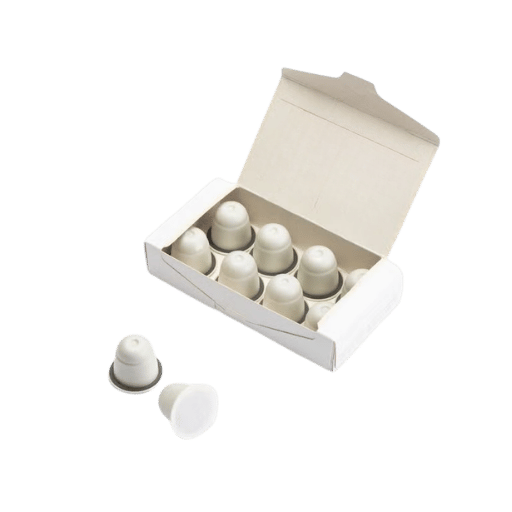
Jika Anda memiliki mata Anda pada materi tertentu جمحمه ميناء ميناء ميناء ميناء ميناء ميناء ميناء فالم فایل فایل فایل فایل فایل فالایل فایل ميناء ميناء ميناء ميلایلایل فایل فایلایل فالاه مي فالالالالالالالالالالالالالالالالالالالالالالالالالالالالالالالالالالالالالالالالالالالللللللالللالاللللالاللللاللللللاللللالالالالالا.
| Brand | Material | Posisi pasar |
|---|---|---|
| Nespresso (OEM) | Aluminium | Pembuat kategori; premium |
| Starbucks | Aluminium (lisensi Nestlé) | Premi mainstream |
| milik Peet | Aluminium | Berlisensi premium |
| L’OR | Aluminium | Mainstream value-premium |
| Lavazza | Aluminium | Italia Premium |
| Illy | Aluminium | Italia Premium |
| Tayst | Kompos (berbasis PLA) | spesialisasi keberlanjutan AS |
| Halo | Kompos (rumah) | spesialisasi keberlanjutan Inggris |
| Pakta | Kompos | Roaster khusus |
| Artizan | Kompos (bersertifikat rumah) | Spesialisasi rumah-kompos |
| Gourmesso | Plastik (PP) | Nilai / paket variasi |
| Bestpresso | Plastik (PP) | Value |
| Atlas Coffee | Plastik | Nilai / berlangganan |
Pola-pola ini menawarkan panduan yang bermanfaat bagi calon merek: Aluminium mengklaim premium-dan real estat utama; plastik mewakili kategori “ramah anggaran”; dan kompos masih merupakan segmen “pertempuran untuk spesialisasi”, terutama dengan banyak merek mapan yang belum merangkul ampas tebu kompos rumah, khususnya. Tentu saja, jika rute dapat digunakan kembali sebagai lawan sekali pakai, akan ada serangkaian pertimbangan yang berbeda (kami membahasnya stainless steel reusable Nespresso pod dalam sebuah posting pendamping), tapi…
prospek 2026: Peraturan Akan Membentuk Kembali Rak
Memilih bahan yang tepat untuk digunakan tidak lagi hanya masalah selera pribadi dan anggaran جم ميناء ada beban peraturan yang berkembang memutuskan apa yang terjadi di rak-rak toko dan ada tenggat waktu yang singkat. Berikut adalah dua peraturan utama yang akan berdampak paling besar:
Di Uni Eropa, Peraturan Limbah Pengemasan dan Pengemasan (PPWR) mulai berlaku pada 11 Februari 2025 dan akan berlaku pada 12 Agustus 2026. Ini mendefinisikan kapsul kopi sebagai kemasan dan mengamanatkan tonggak pengikatan, yang meliputi: pengomposan untuk format lunak tertentu mulai 2028; daur ulang penuh semua kemasan pada tahun 2030; bahan daur ulang minimum 10% dalam kapsul plastik pada tahun 2030; dan terbukti dapat didaur ulang aktual pada tahun 2035. Kata-kata itu adalah kunci Œ itu memindahkan tiang gawang dari “berpotensi dapat didaur ulang” ke “benar-benar didaur ulang,” hanya masalah data EOL yang disorot.
SB 54 — yang peraturan permanennya berlaku pada 1 Mei 2026 — memiliki komponen tanggung jawab produsen yang diperluas: undang-undang mensyaratkan bahwa pada tahun 2032, 100% dari semua kemasan sekali pakai yang akan dijual di negara bagian untuk dapat didaur ulang atau dibuat kompos, sementara 65% perlu dikumpulkan dan benar-benar didaur ulang dan semua kemasan sekali pakai perlu dikurangi dengan 25%. Beban ditempatkan pada pemilik merek Թ jadi di mana pun perusahaan kopi yang memproduksi polong untuk California mungkin berkantor pusat, biaya kepatuhan itu jatuh pada mereka.
Pasar, setelah semua, naik dengan kebijakan. Pasar polong kopi dan kapsul secara keseluruhan (perkiraan bervariasi oleh perusahaan riset) harus tumbuh sentuhan lebih dari 7% setahun ke awal 2030-an, tetapi polong kopi kompos akan melampaui itu, tumbuh sekitar 6.7% setahun. Dan ruang kompos Asia Pasifik harus memimpin segala sesuatu yang lain dengan pesat dengan 12.
4% pertumbuhan tahun-ke-tahun. Demikian pula, aktivitas pencarian telah whiplashing; pertanyaan tentang “pod nespresso garis asli,” misalnya, melesat lebih dari setengah belakang 2025 dan pencarian “pod kopi kompos” melanjutkan tren kenaikan mereka.
Desain untuk endgame pembuangan, bukan pelabelan hari ini. Jika Anda akan pergi ke UE, bekerjalah menuju standar daur ulang “actual-real-world” PPWR (sebenarnya-dunia nyata”) جميناء berita baik untuk aluminium saat dikumpulkan, dan formulir yang dapat dibuat kompos di rumah saat tidak. Jika Anda akan pergi ke California, dapatkan pendaftaran lebih awal di bawah SB 54, dan mulailah mengalokasikan untuk biaya produsen Anda.
Di kedua sisi, taruhan terbaik Anda adalah bahan yang pelanggan Anda dapat melakukan ujung sistemnya dan mengisi peralatan yang siap untuk beralih format saat dibutuhkan saat peraturan berkembang.
Cara Memilih: Pohon Penyortiran Bahan 4 Pertanyaan
Pemilihan material menyebabkan kelumpuhan banyak konsumen, karena masing-masing memiliki manfaat sebagai pilihan tunggal, dengan konsekuensi hanya terungkap dalam situasi pilihan. Ringkas perbandingan langsung melalui empat pertanyaan saja. Bisakah Anda menjawabnya secara berurutan, materi akan, pada gilirannya, tidak dapat dihindari.
- Apakah kesegaran atau umur simpan yang paling penting?Ya: aluminium (OEM atau berlisensi). Ini adalah satu-satunya keluarga yang menyediakan penghalang 12 bulan atau lebih.
- Apakah Anda (atau apakah pelanggan Anda) memiliki akses pengomposan yang sebenarnya جم فایل tumpukan halaman belakang atau fasilitas penerima?Ya: Bagasse/kertas yang dapat dibuat kompos di rumah. Tidak: Lewati kompos; klaim hijau tidak akan mengimbangi.
- Apakah biaya terendah faktor penentu? Ya: plastik (PP/PE) untuk konsumen, atau Tier 4 untuk merek nilai — menerima cerita keberlanjutan yang lebih lemah.
- Sudah ingin menjual ke UE atau California pasca tahun 2026?Pertimbangkan untuk merancang kemampuan daur ulang atau kompos di dunia nyata sekarang — aluminium dengan pengambilan kembali operasional, atau a solusi kapsul rumah-kompos bersertifikat. Hindari plastik generik.
Pertanyaan yang Sering Diajukan
Q: Terbuat dari apa pod Original Line Nespresso?
Lihat Jawaban
Q: Mana yang lebih berkelanjutan — aluminium atau kompos Nespresso polong?
Lihat Jawaban
T: Apakah pod yang kompatibel dengan Nespresso pihak ketiga sama bagusnya dengan milik Nespresso?
Lihat Jawaban
Q: Berapa harga pod Nespresso kompos dibandingkan dengan aluminium?
Lihat Jawaban
T: Dapatkah saya mendaur ulang pod Nespresso di tempat sampah tepi jalan biasa saya?
Lihat Jawaban
Q: Apakah pod Original Line plastik masih dibuat?
Lihat Jawaban
Q: Apakah pod kompos mempengaruhi kinerja mesin Original Line?
Lihat Jawaban
T: Tekanan apa yang dibutuhkan pod Original Line untuk menyeduh dengan benar?
Lihat Jawaban
Saat ini melihat ke dalam pelabelan pribadi pod yang kompatibel dengan Original Line? Apakah dalam Aluminium, Compostable atau Plastik.
Tentang Perbandingan Ini
Kami memproduksi kedua mesin isi ulang sekali pakai yang kompatibel dengan Nespresso, cocok untuk merek kopi dan co-packer dan aluminium, kapsul kompos dan plastik (tipe Original Line) di sisi produksi. Kami tidak memasarkan pod penggunaan akhir apa pun dan analisis perbandingan bahan ini telah didasarkan pada data dari LCA yang ditinjau oleh rekan sejawat, tingkat daur ulang yang dipublikasikan dan kedua undang-undang pengemasan AS & UE yang ada.
Referensi & Sumber
- Peraturan Limbah Pengemasan dan Pengemasan (PPWR) — Komisi Eropa
- SB 54 Pencegahan Pencemaran Plastik dan Undang-Undang Tanggung Jawab Produsen Kemasan — Peraturan — CalRecycle, Negara Bagian California
- Penilaian Siklus Hidup Pod Kopi Kompos: Studi Kasus Berbasis Universitas AS — Laporan Ilmiah (Alam)
- Penilaian Siklus Hidup Pod Kopi Kompos (teks lengkap) — PubMed Central, Institut Kesehatan Nasional AS
- Sertifikasi kompos & standar ASTM D6400 — Biodegradable Products Institute (BPI)
- Bagaimana Nestlé mengembangkan kapsul kompos berbasis kertas untuk mesin Nespresso — FoodNavigator
Artikel Terkait
- Stainless Steel Reusable Nespresso Pods — alternatif isi ulang untuk kapsul sekali pakai
- Nespresso-kompatibel kapsul mengisi mesin — peralatan untuk produksi pod private-label
- Panduan produksi kapsul kopi kompos — penanganan material untuk ampas tebu dan cangkir PLA
- Teknologi penyegelan kapsul kopi aluminium — penutup foil dan kontrol penghalang oksigen


