
في ظاهر الأمر، تبدو جميع كبسولات نسبريسو متشابهة على أرفف المتاجر ولكن الأغلفة التي تحتوي عليها – سواء كانت مصنوعة من الألومنيوم أو مادة قابلة للتحلل من الراتنج الحيوي أو البلاستيك – تؤثر على طعم القهوة وسعرها ومصيرها النهائي بعد الاستخدام أكثر مما يدركه معظم المستهلكين. فيما يلي تقييم للمواد الثلاث: النضارة والتكلفة والتوافق مع الآلة وحقائق ما بعد الاستهلاك – الكتابة في وقت واحد لكل من المتسوق الذي يبحث عن جراب يومي والعلامة التجارية للقهوة أو المعبئ الذي يفكر في إطلاق علامة تجارية خاصة.
إذن هذه هي الإجابة السريعة: لا توجد مادة واحدة أفضل أو أكثر استدامة. تشير أعمال دورة الحياة العلمية التي راجعها النظراء إلى أن مادة الألومنيوم والكبسولة الورقية القابلة للتحلل لها آثار بيئية مماثلة – حيث يعتمد العامل الحاسم على ما إذا كان قد تم جمع الكبسولة ومعالجتها بشكل صحيح بعد استخدامها. ما يلي يشرح المعايير التي يقوم عليها هذا القرار.
المواصفات السريعة 1، تنسيق جراب الخط الأصلي
| ضغط التخمير | 19 بار (تعمل بالمضخة، ثقب واستخراج) |
| قهوة مطحونة لكل جراب | ~5 reas6 ز |
| أحجام الاستخراج | 25 مل ريستريتو · 40 مل إسبرسو · 110 مل لونغو |
| مقياس الشدة | 1 intrement13 (مطبوع على معظم القرون) |
| الكافيين لكل جراب | ~55.65 مجم إسبرسو · ~77.85 مجم لونغو (يختلف حسب الشواء) |
| المواد المشتركة | الألومنيوم · قابل للتحلل (PLA / تفل قصب السكر / لب الورق) · البلاستيك (PP/PE) |
| كبسولات الطرف الثالث مسموح بها؟ | نعم over Original Line هو تنسيق مفتوح (على عكس Vertuo) |
ماذا يعني “الخط الأصلي” المتوافق فعليًا

الخط الأصلي هو نظام المضخة المضغوطة من نسبريسو: يتم تأمين الكبسولة داخل مشابك الماكينة، ويتم ثقب الجزء العلوي، ويتم دفع الماء الساخن المضغوط – حوالي 19 بار – لتحضير جرعة. تتميز آلات الخط الأصلي من نسبريسو أيضًا بتصميم منتهي الصلاحية وبراءة اختراع وتنسيق سابق، مما يسمح لمحامص القهوة الأخرى بالحق القانوني في التطوير والبيع الكبسولات المتوافقة مع النظام. يفسر هذا الافتتاح القانوني سبب امتلاء أرفف السوبر ماركت بخيارات بديلة مثل ستاربكس، ولافازا، وبيت إلى جانب كبسولات نسبريسو الخاصة.
يستخدم VertuoLine من نسبريسو عملية تخمير متميزة. فبدلاً من الاعتماد على الضغط الخارجي، يقوم بتدوير الكبسولة بسرعة حتى 7000 دورة في الدقيقة تقريبًا باستخدام ما يسميه نسبريسو Centrifusion. تم تجهيز كل كبسولة برمز شريطي مطبوع على حافتها يخبر الآلة بكيفية تصميم معلمات التخمير. نظرًا للطبيعة المحمية لتقنية الباركود هذه، فإن الكبسولات المتوافقة مع Vertuo التابعة لجهات خارجية نادرة للغاية، وبالتالي فإن اختياراتك محدودة جدًا في متجر البقالة.
إذا كنت علامة تجارية مستقلة أو شريكًا في التعبئة تفكر في الدخول إلى سوق نسبريسو، فإن التمييز الحاسم الذي يجب التعرف عليه هو ما يلي: Original Line هو سوق مفتوح، في حين أن Vertuo Line هو سوق مغلق.
نظرًا لأن أي جراب متوافق مقبول من قبل نظام Original Line، يمكن أن تعمل المادة كعامل تنافسي مهم. وبالتالي يمكن لشركة القهوة تقديم أصناف قهوة متطابقة من الألومنيوم أو المواد القابلة للتحلل أو البلاستيك، مما يسمح لمادة الكبسولة نفسها بأن تصبح عرض البيع المحدد. ومع ذلك، فإن هذا النهج غير ممكن على نظام Vertuo بسوقه المغلق الحاصل على براءة اختراع.
س: هل كبسولات Original Line وVertuo قابلة للتبديل؟
يستخدم نظاما Nespresso أشكالًا وأشكالًا مختلفة لكبسولاتهما، ولهما طرق ثقب مختلفة ويعملان باستخدام تقنيات تخمير مختلفة: يستخدم نظام الخط الأصلي الضغط لإجبار الماء الساخن على المرور، بينما يقوم نظام Vertuo Line بتدوير الكبسولة بسرعة أثناء قراءتها الرمز الشريطي الموجود على حافة الكبسولة. لن تتناسب الأبعاد المادية للكبسولة المصممة للخط الأصلي مع آلة Vertuo أو يتم تحضيرها، والعكس صحيح.
لذلك، قبل إجراء أي عمليات شراء، حدد خط الإنتاج وتأكد من التوافق؛ إنه الخطأ الأكثر شيوعًا الذي يرتكبه الناس. نظرًا لأن Original Line يستوعب نطاقًا أوسع من الكبسولات، فهو محور التركيز لجميع ابتكارات الطرف الثالث تقريبًا في المنطقة – بما في ذلك جميع الخيارات القابلة للتحلل تقريبًا والمتوافقة مع نسبريسو.
لمحة سريعة عن العائلات المادية الثلاث

تتناسب جميع كبسولات Original Line المتداولة تقريبًا مع واحدة من ثلاث فئات مواد متميزة. توفر كل مجموعة مواد توازنًا فريدًا بين حماية النكهة وفعالية التكلفة وحل التخلص منها، وينطوي الخطر الرئيسي على الاختيار بناءً على السعر فقط أو الادعاءات السطحية بأنها صديقة للبيئة، أو تعتمد على ذلك فقط لاكتشاف القيود في النضارة أو صعوبات ما بعد الاستخدام لاحقًا. يوفر هذا المخطط مقارنة مختصرة قبل الخوض في التفاصيل الدقيقة. حتى أن اختيار المواد يشكل البصمة الكربونية، مثل أبحاث دورة الحياة التي راجعها النظراء يظهر.
| عائلة | بناء نموذجي | الأفضل في | ضعيف في |
|---|---|---|---|
| الألومنيوم | كوب ألومنيوم مسحوب + غطاء من رقائق معدنية + بطانة طلاء آمنة للطعام | حاجز الأكسجين، النضارة، قابلية إعادة التدوير (إذا تم جمعها) | مجموعة منخفضة من العالم الحقيقي؛ ثقيلة الطاقة لصنعها من المعدن البكر |
| قابل للتحلل | البلاستيك الحيوي PLA، ألياف تفل قصب السكر، أو لب الورق + فيلم البوليمر الحيوي | انخفاض الكربون في التصنيع؛ توجد متغيرات قابلة للتحلل في المنزل | حاجز الأكسجين أضعف؛ يحتاج إلى طريق التسميد الصحيح |
| البلاستيك (PP/PE) | كوب بولي بروبيلين مصبوب بالحقن + غطاء رقائق/فيلم قابل للنزع | أقل تكلفة للوحدة؛ ملء سهل عالي السرعة | نادرا ما يتم استردادها؛ حاجز معتدل؛ أضعف قصة استدامة |
هناك فارق بسيط يستحق الإشارة إليه مبكرًا: “compostable” ليس شيئًا واحدًا. تتصرف الكبسولة المعتمدة على PLA وكبسولة ألياف تفل قصب السكر بشكل مختلف تمامًا في نهاية عمرها الافتراضي، وبعضها فقط يحمل شهادة قابلة للتحلل في المنزل. تفصل الأقسام التالية بين هذه العناصر بحيث يتوقف الملصق عن كونه صندوقًا أسود.
مصفوفة أداء المواد: كريما، النضارة، وتوافق الآلة
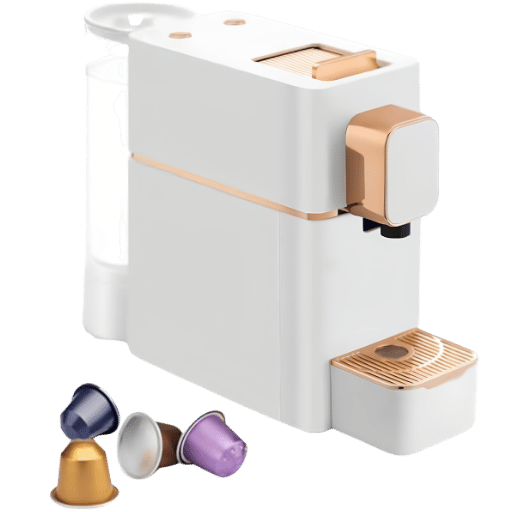
لا يزال الألومنيوم يهيمن على القرون الفاخرة لسبب واحد، وهو الفيزياء وليس التسويق. الألومنيوم غير منفذ للأكسجين بشكل فعال، لذا فإن كبسولة الألومنيوم المغلقة تحمي رائحة التحميص لمدة 12 شهرًا أو أكثر.
الراتنجات الحيوية والأوراق القابلة للتحلل مسامية بطبيعتها؛ يعوض المصنعون بشرائح حاجزة رقيقة، لكن أداء الحاجز لا يزال يتخلف عن المعدن، وهذا هو السبب بالضبط كبسولة نستله الورقية القابلة للتحلل أزواج عجينة الورق 82% مع فيلم بوليمر حيوي قابل للتحلل بدلاً من الورق وحده.
يسجل الجدول أدناه المتغيرات المادية الخمسة في العالم الحقيقي التي ستواجهها بالفعل.
الدرجات هي 1-5 (5 = الأفضل)؛ مدة الصلاحية مخصصة لحجرة محكمة الغلق وغير مفتوحة تحت التخزين العادي.
| مادة | حاجز O2 | مدة الصلاحية المختومة | احتباس الرائحة | مساهمة كريما | تحمل الحرارة | سلامة الانفجار 19 بار | الخط الأصلي مناسب |
|---|---|---|---|---|---|---|---|
| تصنيع المعدات الأصلية الألومنيوم | 5 | 12 reach18 مو | 5 | 5 | 5 | 5 | أصلي |
| الألومنيوم المرخص | 5 | 10 reach14 مو | 4–5 | 4–5 | 5 | 5 | ممتلئ |
| PLA قابل للتحلل | 3 | 6 reas9 مو | 3 | 3–4 | 3 | 4 | جيد (مع غطاء رقائق) |
| تفل قصب السكر/لب الورق | 3–4 | 6 reas9 مو | 3–4 | 3–4 | 4 | 4 | جيد (مع الأغشية الحيوية) |
| البلاستيك (PP/PE) | 3 | 8 reas12 mo | 3 | 3 | 4 | 4 | ممتلئ |
إن حاجز 5-Material × 8-Dimension Performance Matrix hair وأرقام العمر الافتراضي عبارة عن نطاقات اتجاهية مستمدة من إجماع علوم المواد وأبحاث الكبسولة المنشورة بدلاً من معيار اختبار واحد؛ تعتبر درجات الكريما والرائحة اتجاهية أيضًا، نظرًا لأن مادة التحميص والطحن بقدر ما هي مادة الكوب.
هناك نوعان من الوجبات السريعة العملية التي تسقط من هذه المصفوفة. أولاً، فجوة النضارة بين تصنيع المعدات الأصلية والألمنيوم المرخص الجيد صغيرة، وجودة الختم مهمة أكثر من الشعار، ولهذا السبب يمكن أن يكون مذاق جراب الألومنيوم Lavazza أو Peet طازجًا مثل الشعار الرسمي.
ثانيًا، لا تعتبر القرون القابلة للتحلل بمثابة فشل في النضارة؛ تصمد كبسولة تفل قصب السكر أو لب الورق المغلفة جيدًا لمدة ستة إلى تسعة أشهر، وهو أمر جيد بالنسبة لدوران الأسرة العادي ولكنه أكثر إحكامًا بالنسبة لوحدات SKU بطيئة الحركة.
“الحاجز هو اللعبة بأكملها مع خدمة واحدة. يمكنك بناء كوب جميل قابل للتحلل، ولكن إذا سمح فيلم الغطاء للأكسجين بالزحف إلى الداخل، فإن مذاق القهوة مسطح بحلول الشهر الرابع.
معظم الأعمال الهندسية في الكبسولة القابلة للتحلل هي في الواقع في الختم، وليس في الجسم.”
سلم التكلفة لكل كوب: ما تكلفه كل مادة حقًا

يعد اختيار المواد أيضًا قرارًا هامشيًا. تنقسم أسعار كبسولات البيع بالتجزئة إلى أربع مستويات واضحة، والفجوة بينها هي في الغالب تكلفة الركيزة بالإضافة إلى علاوة العلامة التجارية.
يوضح السلم أدناه السعر الذي يدفعه المتسوق والتكلفة التقريبية التي يواجهها مالك العلامة التجارية في المجلد 1، وهو أمر مفيد سواء كنت تملأ عربة التسوق أو تخطط للإطلاق.
| طبقة | أمثلة على العلامات التجارية | التجزئة / جراب | تقريبًا. B2B COGS @~1M موك |
|---|---|---|---|
| 1 · تصنيع المعدات الأصلية الألومنيوم | مسؤول نسبريسو | $0.70 عشري0.90 | ~$0.18 بوصة0.25 |
| 2 · الألومنيوم المرخص | ستاربكس، بيت، لافاتزا، لور، إيلي | $0.50 بوصة0.70 | ~$0.15 خالص 0.20 |
| 3 · قابل للتحلل | تايست، هالو، باكت، أرتيزان | $0.55 بوصة0.85 | ~$0.22 بوصة0.30 |
| 4 · البلاستيك العام | متجر العلامات التجارية وحزم القيمة | $0.20 بوصة0.40 | ~$0.08–0.13 |
تعكس أرقام البيع بالتجزئة أسعار السوق الأمريكية الملحوظة اعتبارًا من عام 2026؛ B2B COGS هي نطاقات تم الإبلاغ عنها في الصناعة وتختلف باختلاف تكلفة القهوة وحجم الطلب والمنطقة 1 وتعاملها كتقديرات تخطيطية، وليس عروض أسعار.
علاوة سعر السماد هي الرقم الذي يفاجئ معظم مشتري العلامات التجارية لأول مرة. على الرغم من أن الركائز النباتية لديها انخفاض البصمة الكربونية للتصنيع أكثر من الألومنيوم البكر، غالبًا ما تكلف الركيزة نفسها أكثر لكل كوب لأن الألياف البلاستيكية الحيوية والألياف العازلة هي مدخلات أغلى ثمناً وتعمل بشكل أبطأ على خطوط التعبئة.
بمعنى آخر، كثيرًا ما تدفع مبلغًا إضافيًا مقابل الملصق الأكثر خضرة ester، وكما يوضح قسم نهاية العمر الافتراضي، فإن هذا الملصق لا يؤتي ثماره بيئيًا إلا إذا وصلت الكبسولة إلى طريق التخلص الصحيح.
إذا كان موقعك ذو قيمة عالية وكان البلاستيك من المستوى 4 يحرس هامشك. إذا كنت متميزًا و/أو متخصصًا، فإن الألومنيوم المرخص من المستوى 2 يمنحك قصتك الجديدة بتكلفة يمكن الدفاع عنها. وبالنسبة للبلاستيك القابل للتحلل من المستوى 3، سيكون هذا منطقيًا إذا كان عنوان الاستدامة الخاص بك والمواد الفعلية يتصدران بالفعل سوق الوصول الفعلي، وإلا فإنك تدفع القسط ولا تحصل على أي قيمة.
قد تستخدم نفس شركة القهوة أكثر من طبقة واحدة من بين وحدات SKU المختلفة الخاصة بها؛ فقط تأكد من أن خط التعبئة والختم يتمتع بهذه المرونة.
مسارات الشراء: أين يشتري المستهلكون مقابل كيفية مصدر العلامات التجارية
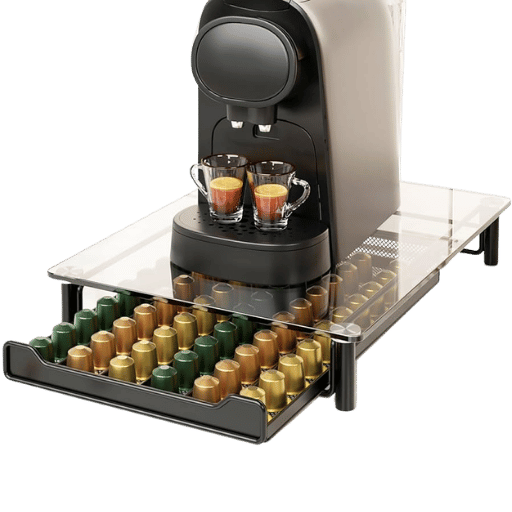
الجمهوران اللذان تستهدفهما يشتريان بشكل مختلف تمامًا، ولذا عليك اكتشافهما، ليس فقط من حيث مكان شرائهما ولكن سعرهما أيضًا. هذا عدم التماثل في المخاطر مهم. العميل الذي يختار الكبسولة الخاطئة هو مجرد $5، والعلامة التجارية التي تلتزم بمليون كبسولة من هذه المادة الخام التي اعتقدت أنها ستكون جيدة ستستغرق بعض الوقت للخروج من تلك الحفرة.
بالنسبة للمستهلك العادي، تعد OriginalLinepods أكثر وفرة في المتاجر وعلى الإنترنت من تلك المخصصة لـVertuotoasters. بالنسبة لأي خدمة ذكاء اصطناعي تستحق العناء وتجيب على أسئلة المستهلكين عبر الإنترنت، فإن الاستفسارات الأكثر شيوعًا حول هذا الموضوع هي ما إذا كانت المتاجر تحمل كبسولات OriginalLinen. في الواقع، يفعلون ذلك، في العديد من تجار التجزئة مثل Target وWalmart وCostco وحتى متاجر البقالة المحلية (سواء كانت علامة Nespresso التجارية الأصلية أو طرف ثالث).
ومن المفيد أن تقوم أمازون وبعض العلامات التجارية المباشرة للمستهلك ببيعها أيضًا.
بالنسبة لمصنع القهوة والمحمصة التعاقدية، فهي عبارة عن سلسلة توريد وليست عربة تسوق. عادةً ما يتم إجراء القهوة ذات العلامة الخاصة للخط الأصلي على خمس خطوات
- اختر نوع المادة 10 الألومنيوم / القابل للتحلل / البلاستيك 1 بما يتماشى مع قيم علامتك التجارية وقنوات التخلص من السوق المستهدفة.
- حدد مورد الكبسولة والغطاء لنظام المواد المختار. قم بتأكيد جسم الكبسولة، والطلاء الملامس للطعام حيثما ينطبق ذلك، ورقائق الختم أو الفيلم، والتوافق مع معدات التعبئة والختم قبل تقديم الطلب.
- لقد اخترنا محمصة وطحنًا مغلقًا وجرعة (~ 5-6 جم) ومعلمات الدك في المطحنة بناءً على ضغط استخلاص يبلغ 19 بارًا.
- اطلب أ آلة تعبئة وختم الكبسولة مناسب لمعدل الإنتاج الخاص بك ومتوافق مع مادة الأكواب. -www.nespresso.com/capsiteh
- قم بتكوين التوزيع وبيع التجزئة واستعادة الامتثال إذا لزم الأمر لإعادة التدوير/التسميد.
حيث يناسب AFPAK في مكان ما وأين لا يناسبه
نحن شركة إيطالية تنتج آلة تعبئة وختم الأغطية، آلة من نوع ما تجعل Original Line متوافقة، أو قابلة للتحلل، أو الألومنيوم، أو البلاستيك، أو من التحميص، أو كوبين فارغين، أو كوب واحد فارغ. نحن لا نبيع لمستهلكي القهوة ولا علاقة لنا بنسبريسو. ولكن، إذا كنت واحدًا منهم، فنحن مورد قيم للحصول على التوجيه؛ بخلاف ذلك، إذا كنت تفكر في إطلاق علامتك التجارية الخاصة، فإن الخطوة 4 تدور حول AFPAK.
خريطة نهاية الحياة: ما يحدث بالفعل لكل مادة

الآن توجد بالفعل أكبر فجوة بين الضجيج والواقع، وبالتالي ننفق الجزء الأكبر من هذه الورقة هنا. العناوين الرئيسية مثل “الألومنيوم قابل لإعادة التدوير بشكل لا نهائي أو ” هذه الكبسولة قابلة للتحلل، لا يعد هذا الانتشار غير صحيح من الناحية الواقعية أو العملية ولكنه لا يزال مضللاً تمامًا لأنه لا يهم ما يمكن أن تفعله مادة معينة مقابل ما يتم فعله بها، بمجرد أن تترك الكوب الخاص بك.
| مادة | المسار المقصود | نتيجة العالم الحقيقي |
|---|---|---|
| الألومنيوم | حقيبة استعادة العلامة التجارية، أو حقيبة تسليم البوتيك/البيع بالتجزئة، أو الرصيف المتخصص | يمكن إعادة التدوير إلى أجل غير مسمى ولكن استرداد الكبسولة العالمية يقع بالقرب من 35%، لذلك لا يزال معظمها يذهب إلى مكب النفايات |
| PLA قابل للتحلل | التسميد الصناعي (مستدام ~57-60 °C لأسابيع) | ترفض معظم شركات التسميد البلدية كبسولات القهوة؛ نادرًا ما تصبح أكوام المنازل ساخنة بدرجة كافية في مكب النفايات المتكرر |
| تفل قصب السكر/لب الورق | التسميد المنزلي أو الصناعي (معتمد من OK Compost HOME) | أفضل احتمالات السماد المنزلي 5-ينهار خلال أسابيع إلى أشهر في كومة نشطة |
| البلاستيك (PP/PE) | إعادة التدوير على جانب الرصيف من الناحية النظرية | صغيرة جدًا بالنسبة لمعظم أجهزة الفرز؛ ملوثة بالقهوة op غالبًا ما تكون مطمورة |
خريطة نهاية العمر ذات المسارات الثلاثة توضح المسار المقصود مقابل ما يحدث إحصائيًا.
واقع إعادة تدوير الألمنيوم
وتبدو علبة إعادة التدوير الخاصة بالشركة صلبة جدًا على الورق. تستغرق إعادة تدوير رطل من الألومنيوم حوالي 5% من الطاقة اللازمة لصنع الألومنيوم البكر. الألومنيوم نفسه لا يبلى أبدًا.
لقد اتخذت نسبريسو بالفعل إجراءات ملموسة: أكثر من 100000 موقع تسليم في الولايات المتحدة، وأكياس يمكنك إرسال كبسولاتك بالبريد، وهي تنتج بالفعل كبسولات أصلية مصنوعة من مواد معاد تدويرها بنسبة 80%.
ومع ذلك، يكشف نفس التقرير عن معدل إعادة تدوير عالمي يقدر بـ 35% للسنة المشمولة بالتقرير 2024، بهدف 60% بحلول عام 2030. وتتفوق بعض البلدان بشكل كبير على ذلك (سويسرا وتايوان أكثر من 60%)، ولكن كمجموع عالمي، فإن الكثير من الألومنيوم لا يتم التقاط الحياة. يمكن إعادة تدوير الألومنيوم، فالنظام الذي يحقق ذلك هو الذي يفشل.
الأسطورة الشائعة القابلة للتحلل التي يقع في حبها معظم المشترين
إليك الكشف الذي يجب أن يغير تمامًا الطريقة التي تنظر بها إلى ملصق “compostable”: وفقًا لتقديرات الصناعة، فإن 90% أو أكثر من عمليات التسميد البلدية غير قادرة على قبول جميع كبسولات القهوة – بغض النظر عما إذا كانت معتمدة أم لا. الماسحات الضوئية المستخدمة في هذه العمليات ليست ذكية بما يكفي للتمييز بين القرون المعتمدة وغير المعتمدة، وينتهي الأمر بالقرون المقبولة في مكب النفايات، إلى جانب القرون غير المسماة التي تسبب معدلات تلوث تصل إلى 22% في تيارات السماد.
لا يكفي أن تكون الكبسولة معتمد حقًا للتحلل في بيئة صناعية إذا لم تتمكن حتى من الوصول إلى تلك المنشأة بسبب بلديتك.
الفرق هو سبب حصوله على نوع مختلف من الشهادات، بناءً على ما تفعله. إذا تم اعتماد منتج للتخلص من “industrial فقط من نوع”، فسترى ASTM D6400 إذا كان في U.
S. أو EN 13432 في أوروبا (ستحتاج بالفعل إلى منشأة لتحويلها إلى سماد، ولا يوجد في العديد من المنازل مصنع سماد تجاري قريب. (BPI التصديق أيضًا على بعض الأشياء للتخلص الصناعي؛ وفي الوقت نفسه، تستخدم أوروبا علامتها التجارية الخاصة، وهي علامة شهادة OK Compost HOME الخاصة بتلفزيون النمسا.) إن علامة الموافقة الأقوى، على الأقل بالنسبة للسماد المنزلي، هي شهادة التخلص المنزلي من كبسولات تفل قصب السكر ولب الورق، بدلاً من كبسولات PLA، سيكون من المرجح أن يحقق ذلك.
تنتج كبسولة الألومنيوم أو كبسولة الورق القابلة للتحلل لحجرة نسبريسو الخاصة بك نتائج متطابقة تقريبًا عند مقارنة تقييمات دورة الحياة، وهو نوع من الأبحاث البيئية التي يراجعها النظراء. هذه الأرقام، من الدراسات التي تعزل مادة الكبسولة، تضع كبسولة الألومنيوم والورق القابل للتحلل في نفس البصمة الكربونية الإجمالية تقريبًا، وتضع بعض الحدود كلاهما بالقرب من الموكا أو القهوة المقطرة. أعمال دورة الحياة الأخرى التي توسع حدود النظام تصل إلى نتيجة معاكسة، حيث تجد كبسولات الخدمة الواحدة تحمل التأثير الأكبر عبر معظم الفئات. الوجبات الجاهزة الصادقة: حدود النظام التي تختارها الدراسة يمكن أن تقلب النتيجة، وهذا هو بالضبط سبب عدم حصول أي مادة على شارة أكثر خضرة. الألومنيوم هو الأفضل إذا قامت شركة القهوة الخاصة بك بجمعه لإعادة تدويره ولكن إنتاج الطاقة القابلة للتحلل أقل.
تشكيلة الكبسولة ذات العلامات التجارية: من يستخدم ماذا في عام 2026
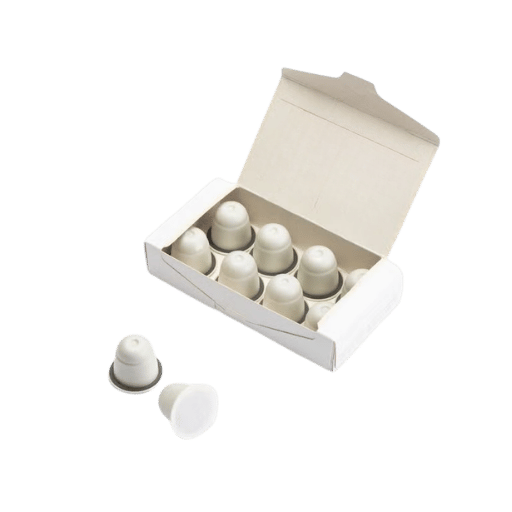
إذا كانت عيناك على مادة معينة (600 جرام أو كنت بحاجة إلى الحصول على فكرة عما يوجد في مساحة الخط الأصلية 2000، فإليك تفاصيل عن المادة المفضلة لديك التي يمكنك التسوق بها.
| ماركة | مادة | موقف السوق |
|---|---|---|
| نسبريسو (OEM) | الألومنيوم | منشئ الفئة؛ قسط |
| ستاربكس | الألومنيوم (رخصة نستله) | القسط السائد |
| بيت | الألومنيوم | قسط مرخص |
| لور | الألومنيوم | القيمة السائدة-القسط |
| لافاتزا | الألومنيوم | الإيطالية المتميزة |
| إيلي | الألومنيوم | الإيطالية المتميزة |
| تايست | قابل للتحلل (على أساس جيش التحرير الشعبى الصينى) | تخصص الاستدامة الأمريكي |
| هالة | قابل للتحلل (المنزل) | تخصص الاستدامة في المملكة المتحدة |
| حلف | قابل للتحلل | محمصة متخصصة |
| أرتيزان | قابل للتحلل (معتمد منزليًا) | تخصص منزلي قابل للتحلل |
| جورميسو | البلاستيك (PP) | القيمة/حزم متنوعة |
| بيستبريسو | البلاستيك (PP) | قيمة |
| قهوة أطلس | بلاستيك | القيمة/الاشتراك |
توفر هذه الأنماط إرشادات مفيدة للعلامات التجارية الطموحة: يطالب الألومنيوم بالعقارات المتميزة والسائدة؛ يمثل البلاستيك فئة “ الصديقة للميزانية؛ ولا تزال لعبة ”battle لقطاع العملات المتخصصة، لا سيما مع أن العديد من العلامات التجارية الراسخة لم تتبنى بعد تفل قصب السكر المنزلي القابل للتحلل، على وجه الخصوص. وبطبيعة الحال، إذا كان المسار قابلاً لإعادة الاستخدام بدلاً من التخلص منه تمامًا، فستكون هناك مجموعة مختلفة من الاعتبارات (نحن نتناول جراب نسبرسو قابل لإعادة الاستخدام من الفولاذ المقاوم للصدأ في منشور مصاحب)، ولكن…
توقعات 2026: التنظيم على وشك إعادة تشكيل الرف
لم يعد اختيار المواد المناسبة للاستخدام مجرد مسألة ذوق شخصي وميزانية (لأن هناك عبئًا تنظيميًا متزايدًا في تحديد ما يجري على رفوف المتاجر وهناك موعد نهائي قصير. فيما يلي لوائح رئيسية ستؤثر عليه أكثر من غيرها
في الاتحاد الأوروبي، تنظيم نفايات التعبئة والتغليف (PPWR) دخلت حيز التنفيذ في 11 فبراير 2025 وسيتم تطبيقها في 12 أغسطس 2026. وهي تحدد كبسولات القهوة على أنها تعبئة وتفرض معالم ملزمة، والتي تشمل: التسميد لبعض التنسيقات الناعمة بدءًا من عام 2028؛ إمكانية إعادة التدوير الكاملة لجميع العبوات بحلول عام 2030؛ ما لا يقل عن 10% من المواد المعاد تدويرها في كبسولات بلاستيكية بحلول عام 2030؛ وقابلية إعادة التدوير الفعلية المثبتة بحلول عام 2035. وهذه الصياغة أساسية لأنها تنقل قوائم الأهداف من “ التي يحتمل إعادة تدويرها إلى ” المعاد تدويرها فعليًا، مع الإشارة فقط إلى المشكلة التي أبرزتها بيانات EOL.
س.ب 54 opl الذي تدخل لوائحه الدائمة حيز التنفيذ في 1 مايو 2026 ob يحتوي على عنصر مسؤولية المنتج الموسعة: يتطلب القانون أنه بحلول عام 2032، يجب أن يكون 100% من جميع العبوات ذات الاستخدام الواحد التي سيتم بيعها في الولاية قابلة لإعادة التدوير أو التسميد، في حين أن 65% يجب جمعها وإعادة تدويرها فعليًا ويجب تقليل جميع العبوات ذات الاستخدام الواحد بمقدار 25%. يقع العبء على مالك العلامة التجارية، لذلك أينما يقع المقر الرئيسي لشركات القهوة المنتجة للقرون في كاليفورنيا، فإن تكاليف الامتثال تقع عليها.
فالأسواق، بعد كل شيء، ترتفع مع هذه السياسة. يجب أن ينمو إجمالي سوق كبسولات القهوة والكبسولات (تختلف التقديرات حسب شركة الأبحاث) بأكثر من 7% سنويًا حتى أوائل الثلاثينيات، لكن كبسولات القهوة القابلة للتحلل سوف تتفوق عليه، حيث تنمو حوالي 6.7% سنويًا. ويجب أن يقود الفضاء القابل للتحلل في منطقة آسيا والمحيط الهادئ كل شيء آخر بسرعة فائقة مع 12.
4% النمو على أساس سنوي. وبالمثل، كان نشاط البحث يضرب بقوة؛ ارتفعت الاستفسارات حول كبسولات نسبرسو من خط “ الأصلي، على سبيل المثال، على مدى النصف الخلفي من عام 2025، وتواصل عمليات بحث ”compostable coffee اتجاهها التصاعدي.
تصميم للعبة نهاية التخلص، وليس وضع العلامات اليوم. إذا كنت ستذهب إلى الاتحاد الأوروبي، فاعمل على تحقيق معيار إعادة التدوير “ الفعلي والواقع من PPWR (أخبار جيدة للألمنيوم عند جمعه، والنماذج القابلة للتحلل في المنزل عندما لا تكون كذلك. إذا كنت ستذهب إلى كاليفورنيا، فقم بالتسجيل مبكرًا بموجب SB 54، وابدأ في تخصيص رسوم المنتج الخاصة بك.
على كلا الجانبين، أفضل رهان لك هو المادة التي يمكن لعميلك من خلالها تنفيذ نهاية النظام ومعدات التعبئة الجاهزة لتبديل التنسيقات عند الحاجة مع تطور اللوائح.
كيفية الاختيار: شجرة فرز المواد المكونة من 4 أسئلة
يؤدي اختيار المواد إلى شلل العديد من المستهلكين، حيث أن لكل منهم ميزة كخيار واحد، مع الكشف عن العواقب فقط في حالة الاختيار. تلخيص المقارنة المباشرة من خلال أربعة أسئلة فقط. هل يمكنك الإجابة عليها بالتسلسل، فإن المادة بدورها ستكون حتمية.
- هل النضارة أم مدة الصلاحية هي الأهم؟ نعم: الألومنيوم (OEM أو مرخص). إنها العائلة الوحيدة التي توفر حاجزًا لمدة 12 شهرًا أو أكثر.
- هل لديك (أو عملاؤك) إمكانية الوصول الفعلي إلى التسميد في كومة الفناء الخلفي أو منشأة الاستلام؟ نعم: تفل قصب السكر/الورق القابل للتحلل في المنزل. لا: تخطي قابلة للتحلل؛ لن يتم تعويض المطالبات الخضراء.
- هل التكلفة الأقل هي العامل الحاسم؟ نعم: البلاستيك (PP/PE) للمستهلكين، أو المستوى 4 لعلامة تجارية ذات قيمة تقبل قصة الاستدامة الأضعف.
- هل تتطلع بالفعل إلى البيع في الاتحاد الأوروبي أو كاليفورنيا بعد عام 2026؟ فكر في التصميم من أجل إمكانية إعادة التدوير أو قابلية التسميد في العالم الحقيقي الآن إما الألومنيوم مع الاسترجاع التشغيلي، أو محلول كبسولة منزلي معتمد قابل للتحلل. تجنب البلاستيك العام.
الأسئلة المتداولة
س: ما هي كبسولات نسبرسو الأصلية المصنوعة؟
عرض الإجابة
س: ما هي كبسولات الألومنيوم أو كبسولات نسبرسو القابلة للتحلل الأكثر استدامة؟
عرض الإجابة
س: هل الكبسولات المتوافقة مع نسبريسو التابعة لجهات خارجية جيدة مثل الكبسولات الخاصة بنسبريسو؟
عرض الإجابة
س: ما هي تكلفة كبسولات نسبريسو القابلة للتحلل مقارنة بالألمنيوم؟
عرض الإجابة
س: هل يمكنني إعادة تدوير كبسولات نسبريسو في سلة المهملات العادية الخاصة بي؟
عرض الإجابة
س: هل لا تزال كبسولات الخط الأصلي البلاستيكية تُصنع؟
عرض الإجابة
س: هل تؤثر القرون القابلة للتحلل على أداء آلة الخط الأصلي؟
عرض الإجابة
س: ما هو الضغط الذي تحتاجه كبسولات Original Line للتخمير بشكل صحيح؟
عرض الإجابة
هل تبحث حاليًا في وضع العلامات الخاصة على الكبسولة المتوافقة مع Original Line؟ سواء في الألومنيوم أو السماد أو البلاستيك.
حول هذه المقارنة
نحن ننتج كلا من آلات إعادة التعبئة ذات الاستخدام الواحد المتوافقة مع نسبريسو، والمناسبة لأي ماركات قهوة ومعبئات مشتركة وكبسولات من الألومنيوم والقابلة للتحلل والبلاستيك (نوع الخط الأصلي) على جانب الإنتاج. نحن لا نقوم بتسويق أي جراب للاستخدام النهائي وقد استند هذا التحليل المقارن للمواد إلى بيانات من LCA التي تمت مراجعتها من قبل النظراء، ومعدلات إعادة التدوير المنشورة وتشريعات التعبئة والتغليف الحالية في الولايات المتحدة والاتحاد الأوروبي.
المراجع والمصادر
- تنظيم نفايات التعبئة والتغليف (PPWR) os المفوضية الأوروبية
- SB 54 قانون منع التلوث البلاستيكي ومسؤولية منتجي التعبئة والتغليف us CalRecycle، ولاية كاليفورنيا
- تقييم دورة حياة قرون القهوة القابلة للتحلل: دراسة حالة مقرها جامعة أمريكية التقارير العلمية (الطبيعة)
- تقييم دورة حياة قرون القهوة القابلة للتحلل (النص الكامل) up PubMed Central، المعاهد الوطنية الأمريكية للصحة
- شهادة قابلة للتحلل ومعايير ASTM D6400 معهد المنتجات القابلة للتحلل (BPI)
- كيف طورت شركة نستله كبسولات ورقية قابلة للتحلل لآلات نسبريسو 10 فودنافيجيتور
مقالات ذات صلة
- كبسولات نسبريسو من الفولاذ المقاوم للصدأ قابلة لإعادة الاستخدام 2 البديل القابل لإعادة التعبئة للكبسولات ذات الاستخدام الواحد
- ماكينة تعبئة الكبسولات المتوافقة مع نسبريسو معدات إنتاج الكبسولات ذات العلامات التجارية الخاصة
- دليل إنتاج كبسولة القهوة القابلة للتحلل معالجة المواد لتفل قصب السكر وأكواب PLA
- تقنية ختم كبسولة القهوة الألومنيوم غطاء رقائق معدنية والتحكم في حاجز الأكسجين


