
المواصفات المرجعية السريعة، إنتاج خط نسبريسو الأصلي
| شكل كبسولة | خط نسبريسو الأصلي (37 ملم أعلى OD، ارتفاع 29 ملم) |
| وزن التعبئة النموذجي | 5.0 · 6.5 جرام قهوة مطحونة (ريستريتو إلى لونغو) |
| نطاق السرعة | 30 كبسولة 600 كبسولة/دقيقة حسب طبقة الماكينة |
| طريقة الختم | ختم حراري أو ختم بالموجات فوق الصوتية مع غطاء من رقائق الألومنيوم |
| تنظيف النيتروجين | متوفر على الأجهزة بدءًا من $8،000+ (الطبقة الأوتوماتيكية) |
| معيار الشهادة | CE، ISO 9001، الفولاذ المقاوم للصدأ 304 للطعام |
| نطاق السعر | $3،500 poret$100،000+ حسب الطراز والسعة |
انتهاء صلاحية براءات اختراع الخط الأصلي الأساسية لشركة نسبريسو في عام 2012. وخسرت الشركة قضايا براءات الاختراع في ذلك العام في إنجلترا وألمانيا وتوصلت إلى اتفاقيات في جميع أنحاء أوروبا بعد أن فتح هذا الحكم السوق أمام أي شركة تمتلك المعدات المناسبة. مع أكثر من 500 علامة تجارية تقوم بتصنيع كبسولات نسبريسو اليوم، يأتي معظم عملاء AFPAK ببساطة إلى قسم الهندسة في AFPAK ويذكرون هدفهم الافتتاحي: “ما هي الآلة التي ستدخلني إلى الإنتاج بتكلفة معقولة؟”
نادرا ما يكون هذا هو السؤال الذي يجب طرحه. على مدار أكثر من عقد من الزمن، ساعدت ماركات القهوة في خمس قارات مختلفة على الحصول على المال ماكينات تعبئة كبسولات نسبريسو, لقد رسمنا خريطة الطريق التي تميز عمليات إطلاق الكبسولات الناجحة عن عمليات الإطلاق المكلفة. نحن نغطيها هنا.
ماذا يعني “متوافق مع نسبريسو” في الواقع: الأبعاد، وضغط التخمير، وقصة براءة الاختراع لعام 2012
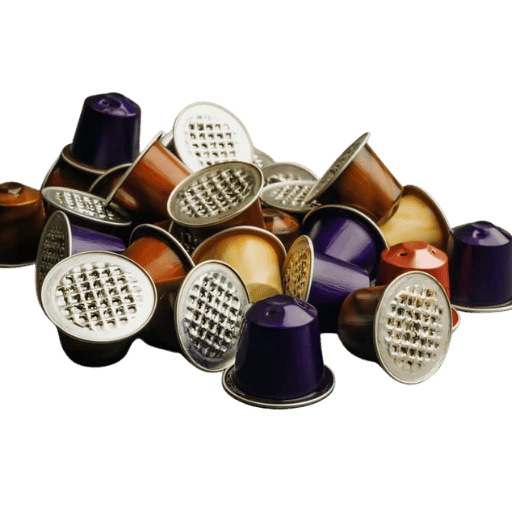
“إن تقنية” المتوافقة مع RaffEnespresso ليست وسيلة للتحايل الإعلاني؛ إنه مصطلح تقني وقانوني فعلي يؤثر على كل مواصفات الجهاز التي تقوم بتقييمها.
ملاحظة هندسية، معيار أبعاد الخط الأصلي من نسبريسو
| القطر الخارجي العلوي | 37 ملم |
| ارتفاع الكبسولة | 29 ملم |
| قطر القاعدة | 24 ملم |
| الحجم الداخلي | ~15 مل |
| ملء نطاق الوزن | 5.0 6.5 جرام قهوة مطحونة |
| ضغط التخمير | ~19 بار |
| غطاء قياسي | رقائق الألومنيوم، مختومة بالحرارة أو مختومة بالموجات فوق الصوتية |
المشهد القانوني. حصلت نسبريسو على براءة اختراع لأول كبسولة لها في عام 1976، وقدمت عددًا كبيرًا في عام 1992. وانتهت جميع براءات الاختراع لعام 1992 في عام 2012، وهو نفس العام الذي فشلت فيه الطعون القانونية الألمانية والإنجليزية التي قدمتها نسبريسو واتفقوا على تسوية جميع قضاياهم الأوروبية. النتيجة القانونية: يمكن لأي علامة تجارية الآن تصنيع وتسويق كبسولاتها الخاصة التي تناسب آلات Original Line دون الحاجة إلى ترخيص من Nestle. ولهذا السبب أيضًا يمكنك النزول إلى المقهى المحلي الخاص بك، وشراء الحبوب، ويمكنهم وضع بعض تلك الحبوب المطحونة في حجرة صغيرة مقاس 37 مم لك وبيعها لك.
Vertuo مختلف تمامًا. لا تزال منصة Vertuo من Nespresso، التي تم تقديمها في عام 2014، مع كبسولات راقية بحجم القبة، وتقنية قراءة الباركود، والعديد من الضمانات، في براءة اختراع بأي شكل من الأشكال. لا يوجد أي من معدات التعبئة الموجودة لدى طرف ثالث قادرة قانونيًا على إنتاج كبسولات Vertuo اليوم. إذا ذكرت خطة عملك Vertuo، فنحن بحاجة إلى محادثة مختلفة.
إليك ما تفعله آلة تعبئة الكبسولة. إنها مجموعة من خمس عمليات؛ آلة تعبئة الكبسولة، تعبئة الكبسولة، دك القهوة المطحونة وضغطها، مكان رقائق الألومنيوم الموضوعة على الغطاء، يمكن أن يكون تحميل كبسولة الختم بالحرارة أو الموجات فوق الصوتية يدويًا أو شبه تلقائي في الماكينة. لآلة تعبئة الكبسولة الأوتوماتيكية، تغذية الكبسولة، حشو المسحوق، الدك التلقائي، عملية الختم. ورفض واحد معيب.
ثلاث بنيات آلية للإنتاج المتوافق مع نسبريسو (وأي مقياس يناسب كل منها)
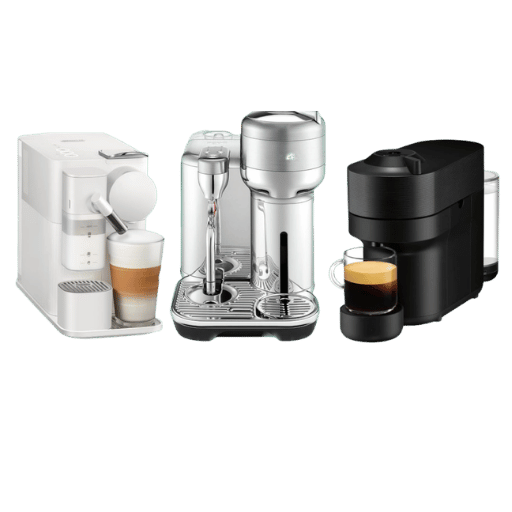
هناك ثلاثة أنواع من الهندسة المعمارية يجب أن تستخدمها كل آلة تعبئة كبسولات القهوة. يعتمد اختيار الكبسولات الصحيحة على هدف الكبسولات سنويًا وليس حلم العلامة التجارية أو تكلفة مستوى الدخول.
| المواصفات | شبه أوتوماتيكية | الروتاري الأوتوماتيكي | خطي متعدد المسارات |
|---|---|---|---|
| سرعة | 300 كبسولة 1800/ساعة | 1،800 إلى 9،000 كبسولة/ساعة | 12.000 18.000 كبسولة/ساعة |
| دقة الملء | ±1.0 جم | ±0.3 جم | ±0.1 جم |
| نطاق السعر | $3،500 “$6،000” | $8،000 “$42،000” | $70،000 و$100،000+ |
| تنظيف النيتروجين | غير متوفر | اختياري | معيار |
| تحميل الكبسولة | يدوي | تلقائي | تلقائي |
| الأفضل ل | دفعات تجريبية، اختبار السوق | الشركات الصغيرة والمتوسطة إلى الإنتاج على نطاق متوسط | الشركات المصنعة للعقود والعلامات التجارية الوطنية |
هل الآلة الدوارة أم الخطية أفضل لإنتاج الكبسولات المتوافقة مع نسبريسو؟
على المستويات الصناعية، من المفترض أن يكون الدوار هو ملك الإنتاجية. لا ليس كذلك. بكميات كبيرة، لن تجد ببساطة آلة دوارة تعمل بسرعات أكبر من 7200 2000 كبسولة في الساعة. بالنسبة للإنتاج على المستوى الصناعي الحقيقي، فاز الخط الخطي متعدد المسارات نظرًا لقدرته على تشغيل عدة ممرات تعبئة في وقت واحد لإنتاج 40 كبسولة و50 كبسولة في الدقيقة لإنتاج إجمالي من 12000 إلى 18000 في الساعة.
التحقق من الواقع. الروتاري مقابل الخطي. إذا كان إنتاجك أقل من حوالي 1 مليون كبسولة سنويًا، فإن الدوار هو إجابتك. بمجرد وصولك إلى الأحجام الصناعية للتصنيع الملامس، يكون الأمر خطيًا. باعتبارها علامة تجارية خاصة جديدة أو صغيرة متوافقة مع نسبريسو، أو محمصة إقليمية تغامر بإنتاج الكبسولة، فإن ناقل حركة أوتوماتيكي دوار واحد متعدد المسارات (32 كبسولة لكل دورة في حالة H2-6) سوف يلبي إنتاجك المحتمل لمدة لا تقل عن 3 سنوات.
يشتمل خط إنتاجنا على آلات تعبئة كبسولات القهوة وآلات تعبئة القهوة نسبريسو في جميع المستويات الثلاثة: H1 (30-50 دورة في الدقيقة، دخول دوار)، RN1S (50-70 دورة في الدقيقة، الشركات الصغيرة والمتوسطة الدوارة)، H2-6 (40-50 دورة في الدقيقة 2-8 الممرات، النمو متعدد المسارات)، وخط الإنتاج الكامل HB410 (20-30 صندوق/دقيقة، الطبقة الصناعية).
المواصفات الفنية السبعة التي تفصل آلات تعبئة الإسبريسو الجيدة عن الآلات الرائعة
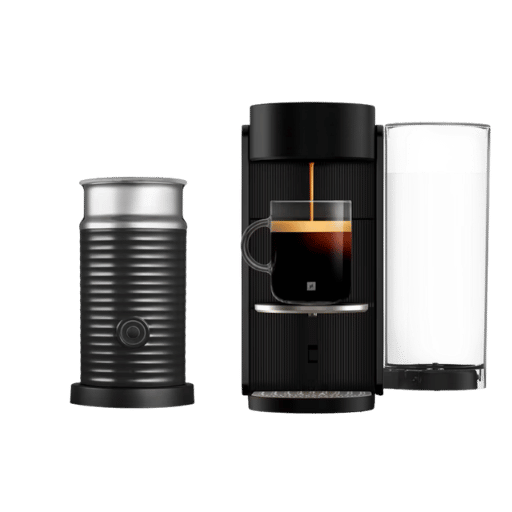
“Accurate،” “Consistent،” “Precise،”“Reliable.” Every ماكينة تعبئة جراب القهوة يلقي المورد هذه الكلمات لتبدو مثيرة للإعجاب. تعمل القائمة المرجعية المكونة من 7 نقاط لمعدات كبسولات القهوة أدناه على تحويل هذه المطالبات الرقيقة إلى أرقام ملموسة حتى تتمكن من مقارنة آلات تعبئة كبسولات القهوة مباشرة دون ندم المشتري.
- دقة وزن التعبئة (التسامح، وليس “precise”).
اطلب مواصفات التسامح بالجرام. شبه تلقائي: ±1.0 جم. الروتاري: ±0.3 جم. متعدد المسارات: ±0.1 جم. بالنسبة لملء 5 جم، فإن التسامح ±1.0 جم يساوي تباين الوزن 20%، وهو ما يكفي للتأثير على قوة المشروب وفشل فحوصات الامتثال لوزن بائع التجزئة. - طريقة الختم: الختم الحراري مقابل الختم بالموجات فوق الصوتية.
يعمل الختم الحراري مع الألومنيوم ومعظم الأغطية البلاستيكية؛ إنه المعيار لمعظم آلات إغلاق الكبسولة. يخلق الختم بالموجات فوق الصوتية حافة أنظف، ويناسب أغطية الألومنيوم الرقيقة، ويفضل على الخطوط عالية السرعة. يجب أن يؤكد مورد الغطاء الخاص بك التوافق مع أي عملية إغلاق تختارها. - نقاء تنظيف النيتروجين، حدد ≥99.9% N2.
نظام تنظيف النيتروجين بدرجة نقاء 95% N2 يترك 5% من الأكسجين المتبقي، وهو ما يكفي لتحلل نكهة القهوة خلال 3 إلى 4 أشهر. لمدة صلاحية تزيد عن 6 أشهر، تحتاج إلى ≥99.9% N2. اطلب تصنيف النقاء من ورقة المواصفات الفنية، وليس من كتيب المبيعات. - نظام التحكم PLC مقابل اللوحة اليدوية.
تقوم وحدات التحكم المنطقية القابلة للبرمجة بتخزين وصفات التعبئة لمزيج مختلف، وتمكين التشخيص عن بعد، وإنشاء سجلات بيانات الإنتاج اللازمة لعمليات تدقيق امتثال بائعي التجزئة. تكلف اللوحات اليدوية أقل مقدمًا ولكنها تحد من قدرتك على تشغيل وحدات SKU متعددة بشكل موثوق. - “لا توجد كبسولة، ولا يوجد قفل مستشعر fill”.
يوقف هذا المستشعر تفريغ المسحوق عندما لا تكون هناك كبسولة في موضعها. بدونه، تتراكم الأرضيات على لوحة الختم وتؤدي إلى تدهور سلامة ختم الغطاء، وهو خطأ لا يتم اكتشافه غالبًا حتى يتم اختبار مدة الصلاحية أو الختم. ونادرا ما يتم إدراجه في المواصفات الرئيسية؛ اطلب ذلك صراحة. - وقت تغيير القالب.
إذا كنت تقوم بتشغيل تنسيقات كبسولات متعددة، فإن وقت التغيير، أو تبديل الأدوات بين قوالب Nespresso، أو K-Cup، أو Dolce Gusto، يحدد مرونة الإنتاج لديك. التحول القياسي للمشغلين ذوي الخبرة: 2 و4 ساعات. أدوات التحرير السريع تقلل هذا أقل من ساعتين. - درجة الفولاذ المقاوم للصدأ، 304 SS كحد أدنى، 316 للبيئات الصعبة.
الفولاذ المقاوم للصدأ 304 من الدرجة الغذائية هو خط الأساس لأي سطح يتلامس مع مسحوق القهوة. إذا كان إنتاجك يتضمن عوامل تنظيف حمضية أو بيئات عالية الرطوبة، فإن 316 SS يوفر مقاومة أفضل للتآكل. اطلب شهادات المطحنة إذا لم يتمكن المورد من تأكيد درجة السبائك.
ملاحظة هندسية، نقاء النيتروجين
95% Nitrogen يترك 5% الأكسجين المتبقي 5%، وهو الكثير من الأكسجين لإفساد نكهة القهوة المحمصة خلال 3-4 أشهر فقط. أصر على التأكيد الشفهي لـ 99.9% Nitrogen في طلب الشراء المكتوب من مورد المعدات والشركة المصنعة للآلة. هذه مواصفات تحدد ما إذا كان منتجك قابلاً للتوزيع في تجار التجزئة الرئيسيين أم أنه يقتصر على المبيعات المحلية قصيرة العمر فقط.
توافق مادة الكبسولة: الألومنيوم والبلاستيك وصعود PLA القابل للتحلل
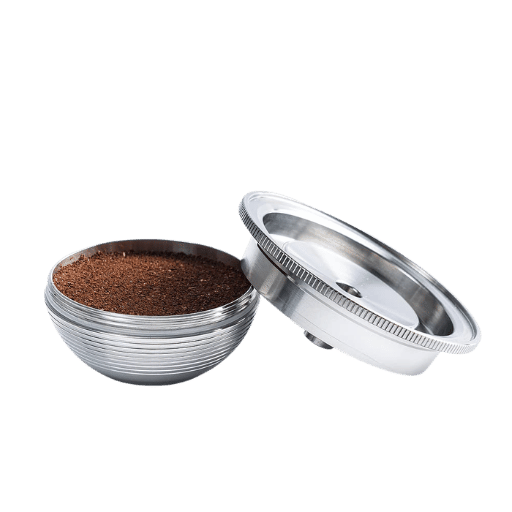
اختيار الكبسولة: الألومنيوم مقابل البلاستيك مقابل PLA يحدد كل شيء اختيار مادة الكبسولة الخاصة بك – البلاستيك أو الألومنيوم أو PLA القابلة للتحلل – يُعلم مباشرة جميع المواصفات الفنية الرئيسية للتحقق مع مورد معدات التعبئة والتغليف الخاص بك. يختار العديد من المشترين آلة التعبئة ويأملون أن تناسب المواد معداتهم المختارة بعد ذلك. احذر: هذا التسلسل هو السبب الرئيسي للصداع بعد الشراء.
كبسولات الومنيوم
مزايا
- أفضل حاجز للأكسجين، وأعلى مدة صلاحية
- تحديد المواقع العلامة التجارية المتميزة
- 100% قابل لإعادة التدوير في نقاط التجميع المخصصة
- قياسي على معدات خط نسبريسو الأصلي
القيود
- معدل إعادة التدوير منخفض في الممارسة العملية (يتطلب انخفاضًا مخصصًا)
- تزايد الضغوط التنظيمية في الاتحاد الأوروبي على أوراق اعتماد إعادة التدوير
كبسولات بلاستيكية (PP)
مزايا
- انخفاض تكلفة المواد
- من الأسهل الحصول على مصادر أصغر موك
- متوافق مع محطات الختم الحراري القياسية
- كافية لمدة <6 أشهر
القيود
- انخفاض أوراق اعتماد الاستدامة لتحديد المواقع المتميزة
- يقيد بعض تجار التجزئة استخدام البلاستيك لمرة واحدة في الاتحاد الأوروبي
PLA القابل للتحلل، مواصفات الآلة الحرجة
كبسولات القهوة القابلة للتحلل PLA (حمض البوليلاكتيك) حساسة؛ يجب أن تظل قضبان الختم الحراري الخاصة بها أقل من 120° مئوية. من ناحية أخرى، تعمل قضبان تسخين آلة تعبئة وختم الألومنيوم عادةً عند درجة حرارة 180-220° مئوية بدرجة كافية لإذابة حتى كبسولات PLA المقاومة للحرارة! يحذف معظم الموردين هذه التفاصيل المهمة في الكتيبات ويكتشف معظم المشترين ذلك بالطريقة الصعبة (بعد طلب تعديلات جديدة على الأدوات/المعدات، وهي تكلفة تتكبدها $2،000-$5،000.)
عامل متزايد الأهمية بالنسبة للموردين الذين يستهدفون الاتحاد الأوروبي. في أغسطس 2026، دخلت لوائح الاتحاد الأوروبي PPWR (الاتحاد الأوروبي) 2025/40 حيز التنفيذ في صنع كبسولات القهوة “packing” وفرض متطلبات قابلية التسميد للأصناف غير الصلبة اعتبارًا من عام 2028. تأكد من تقديم ختم منخفض الحرارة متوافق مع PLA قبل التوقيع على أمر الشراء واحد.
للمزيد على مواد كبسولة متوافقة وخيارات توريد الغطاء بالنسبة لخطوط إنتاج نسبريسو، راجع كتالوج مكونات الكبسولة الخاص بـ AFPAK.
آلة واحدة، تنسيقات متعددة: نسبريسو، كأس K، ودولتشي غوستو
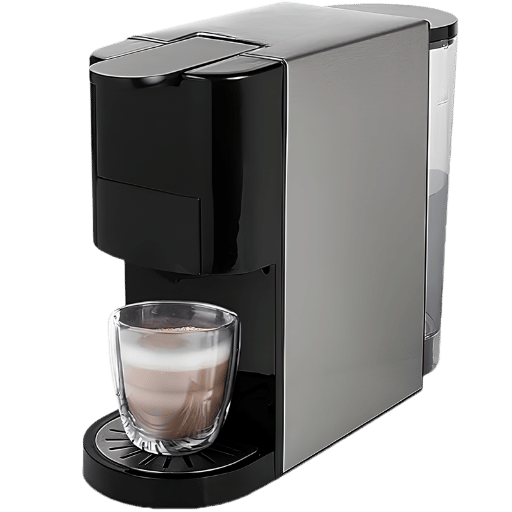
كم عدد تنسيقات الكبسولات المختلفة التي ستنتجها؟ تبدو آلة تعبئة كبسولات القهوة التي يمكنها تشغيل جميع التنسيقات مريحة. ومع ذلك، لا يدرك جميع المشترين مدى تعقيد هذه التنسيقات فعليًا قبل مقارنة أوراق المواصفات التفصيلية، جنبًا إلى جنب.
| تنسيق | أعلى التطوير التنظيمي | ضغط المشروب | ملء الوزن |
|---|---|---|---|
| خط نسبريسو الأصلي | 37 ملم | ~19 بار | 5.0 6.5 جم |
| كأس K | 58 ملم | ~9 بار | 9 reas12 جم |
| دولتشي غوستو | 47 ملم | 15 بار | 6.8 جرام |
| لافاتزا مودو ميو | 38 ملم | 9 بار | 5 reac7 جرام |
متعدد التنسيقات مقابل إطار القرار المخصص
إذا كان التنسيق واحدًا لمدة 3+ سنوات →
أفضل رهان: اذهب مع جهاز مخصص. تكلفة أولية أقل، وأدوات محسنة، وسرعات أعلى. إذا كان خط إنتاجك مستقرًا، فلماذا تدفع قسطًا متعدد التنسيقات؟
فكر فقط في جهاز متعدد التنسيقات إذا: ستختبر تنسيقات متعددة؛ أو علامة تجارية خاصة لعلامات تجارية متعددة.
تأتي هذه مع قوالب قابلة للتبديل بسهولة وتمثل ميزة أدوات 15-25% مقارنة بتنسيق واحد مخصص. اسمح لفريق المشغل الخاص بك بتقييم أوقات التغيير المقترحة بعناية قبل الشراء.
فكر فقط في الآلة القادرة على إنتاج كل من K-Cup وNespresso إذا: سيتم تصنيع كل من كبسولات K-Cup وNespresso على نفس المعدات.
التحقق من أن المعدات توفر على وجه التحديد ضغوط إغلاق منفصلة؛ على سبيل المثال، يتم تحضير أكواب K (9bar) عند ضغوط مختلفة تمامًا عن كبسولات نسبريسو (19bar). لا توفر جميع آلات “multi-format” كليهما دون إجراء ترقيات جوهرية لرؤوس الختم.
إن H2-6 من AFPAK عبارة عن نظام تعبئة وختم كبسولة القهوة متعدد المسارات، تم تصميمه لاستيعاب أنواع كبسولات Nespresso Original Line وK-Cup وDolce Gusto من خلال تغييرات القالب المرنة. أنظر أيضا: آلات التعبئة والختم دولتشي غوستو, آلات تعبئة الكؤوس K, ، و آلات تعبئة قرون القهوة.
نظام مطابقة السعة ثلاثي المستويات من AFPAK: الحجم الصحيح لاستثمارك
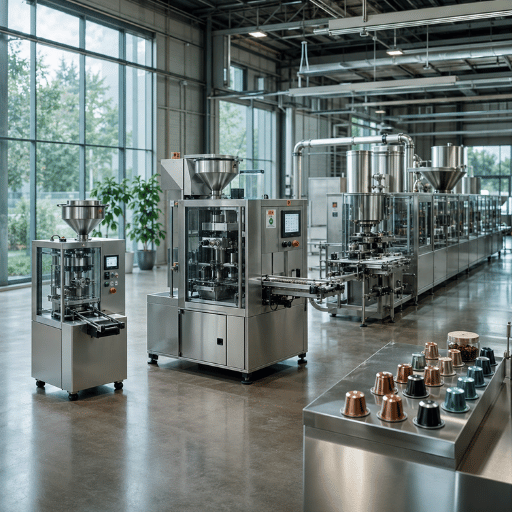
أكبر خطأ مالي منفرد في شراء آلة الكبسولة هو عدم اختيار البنية الخاطئة، بل اختيار البنية الصحيحة ولكن السعة الخاطئة. على مدار 15 عامًا من التعليقات بعد التثبيت، حدد الفريق الهندسي لـ AFPAK اتجاهًا ثابتًا: تتفوق العلامات التجارية للكبسولات سريعة النمو على أول جهاز لها في غضون 18 إلى 24 شهرًا ببساطة عن طريق تحديد حجم الاستثمار لـ * الإنتاج الحالي* وحجم غير متوقع لمدة 3 سنوات.
يعمل نظام مطابقة السعة ثلاثي المستويات الخاص بـ AFPAK على مواءمة أهداف الإنتاج السنوية مع مواصفات الماكينة المحددة
يتيح لك الإطار القابل للتكيف والبنية المعيارية لـ H2-6 البدء بتكوين مكون من مسارين وإضافة سعة بمرور الوقت دون استبدال وحدة التعبئة المركزية، وهي ميزة مهمة عندما تحمل توقعات الطلب للسنة الأولى حالة من عدم اليقين المضمنة.
رؤية الممارس، قاعدة الثلاث سنوات
الحجم دائمًا لحجمك المتوقع لمدة 3 سنوات، وليس اليوم. إذا كنت تنتج 300000 كبسولة سنويًا اليوم، وتهدف إلى الوصول إلى 1000000 كبسولة سنويًا بحلول العام الثالث، فيجب أن تكون أولوية استثمارك هي المستوى 2، وليس المستوى 1. يمثل فرق مستوى السعة عمومًا $5000-$15000 عند الشراء.
كما هو موثق في أكثر من 15 عامًا من مراجعات التثبيت، فإن تغيير الآلة بعد 18 شهرًا من الإنتاج سيكون أكثر تكلفة بشكل كبير من طلب مستوى سعة أعلى من اليوم الأول، خاصة مع الأخذ في الاعتبار فترات التوقف غير المخطط لها، وتدريب الموظفين، ودورة التثبيت الثانية. من خلال تجربتنا، كان بإمكان معظم العلامات التجارية التي تتصل بفريق مبيعات AFPAK Italy بشأن الحاجة إلى ترقية “ بشكل عاجل، تجنب تكلفة وتعطيلها عن طريق شراء مستوى سعة أعلى في البداية.
عرض تشكيلة AFPAK الكاملة من آلات التعبئة المتوافقة مع نسبريسو بما في ذلك المواصفات والمهل الزمنية: الشركة المصنعة لحشو كبسولة نسبريسو. للحصول على إرشادات اختيار الماكينة التكميلية: 6 عوامل رئيسية لاختيار ماكينة تعبئة نسبريسو
هل تحتاج إلى مساعدة في تحديد حجم استثمارك الإنتاجي؟
اعمل مع مهندسي AFPAK للعثور على الآلة الدقيقة التي تتوافق مع الحجم المتوقع ووتيرة الإنتاج لمدة 3 سنوات، مع استكمال المهل الزمنية الأوروبية الواقعية والدعم داخل المنطقة.
فرصة السوق في عام 2026: أرقام صادقة وراء إنتاج الكبسولات المتوافقة مع نسبريسو
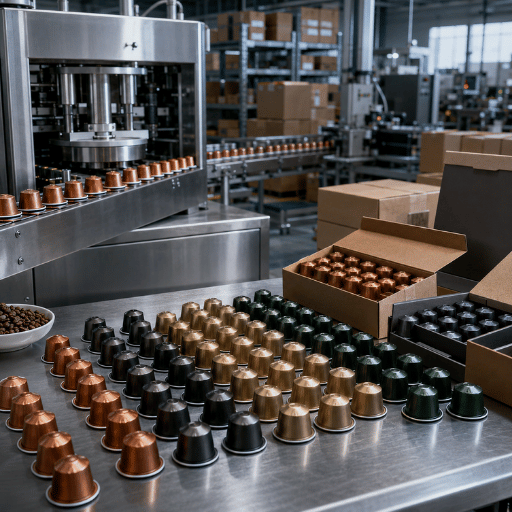
ما تظهره البيانات *حقًا* حول بناء خط إنتاج الكبسولة الخاص بك بما في ذلك الأفكار التي تم التغاضي عنها من بائعي المعدات. هذا هو ذكاء الأعمال الصادق لإبلاغ خطة الاستثمار الرأسمالي الخاصة بك.
$1.67B
حجم السوق العالمية، 2024
3.3% CAGR
2025 بين عامي 2030 (أبحاث جراند فيو)
32.5%
حصة السوق الأوروبية، 2024
$2.23B
حجم السوق المتوقع، 2030
هذا هو الإطار الصادق: يعكس معدل النمو السنوي المركب 3.3% سوقًا ناضجًا ومستقرًا، وليس روايات “hyper-growth” من بعض موردي المعدات. ومن منظور تخطيط الأعمال، يوفر هذا فرصة لتفاقم الاستثمار. يظل خط نسبريسو الأصلي هو المعيار الفعلي للاستثمار في المعدات في جميع أنحاء المنطقة، حيث يمثل 32.5% من الحجم العالمي في أوروبا، حيث يمثل حصة الأغلبية من الطلب مقارنة بـ Vertuo وK-Cup.
الاتجاهات الرئيسية التي تشكل قرارات المعدات لعام 2026:
- الطلب على جيش التحرير الشعبي القابل للتحلل يرتفع قبل أغسطس 2026. يحدد قانون الاتحاد الأوروبي PPWR (EU) 2025/40 متطلبات قابلية التسميد للكبسولات الناعمة بحلول عام 2028. تقوم العلامات التجارية التي تبيع في أسواق الاتحاد الأوروبي بالفعل بتقييم المعدات المتوافقة مع PLA لتسبق نافذة الامتثال.
- زيادة الطلب على القدرات متعددة التنسيقات. تسعى العلامات التجارية الخاصة والمتنامية إلى إيجاد حلول ملء قادرة على تشغيل تنسيقات Nespresso وK-Cup على منصة واحدة، مما يؤدي إلى تبسيط تكاليف الاستثمار لعمليات إطلاق SKU المتنوعة.
- طفرة العلامة الخاصة. بعد عام 2012، أصبح إنتاج كبسولات قهوة نسبريسو طريقًا يسهل الوصول إليه للعلامات التجارية الجديدة للاشتراكات في قهوة DTC التي تدخل سوق الخدمة الواحدة. تقع أحجام الإطلاق النموذجية التي تتراوح بين 100.000 و500.000 سنويًا بشكل مباشر ضمن نطاق سعة المستوى 1 الخاص بـ AFPAK.
- الأسواق الناشئة تدفع الطلب. تشهد أسواق التوسع الإقليمية مثل الشرق الأوسط وجنوب شرق آسيا وأمريكا اللاتينية اهتمامًا كبيرًا بتكنولوجيا تعبئة الكبسولات المتوافقة مع نسبريسو مع اتساع نطاق ثقافة القهوة المتخصصة العالمية.
تحذير واحد: إذا كان نموذج عملك مبنيًا على كبسولات Vertuo، فلن ينطبق عليك أي من هذا! لا تزال كبسولات Vertuo حاصلة على براءة اختراع نشطة. إن إنتاجها بنفسك ليس قانونيًا في معظم الأسواق اليوم، ولا توجد معدات تعبئة قانونية متاحة للقيام بذلك. استشر فريقك القانوني قبل تجربة هذا النهج.
الأسئلة المتداولة
ما هي الآلات المتوافقة مع كبسولات Nespresso Original Line؟
أي آلة قادرة على تشغيل كبسولات على شكل قبة بقطر 37 ملم تعمل لصالح خط نسبريسو الأصلي. هناك معدات تعبئة تابعة لجهات خارجية، مثل ماكينات AFPAK H1 وRN1S، يمكنها صنع كبسولات تلبي معايير الهندسة والضغط هذه بشكل قانوني. يستخدم Vertuo أشكالًا مختلفة ولا يزال خاضعًا لبراءة الاختراع، لذا فهو يتطلب آلات مختلفة تمامًا.
كيف أبدأ بإنتاج الكبسولات المتوافقة مع نسبريسو؟
نظرة عامة من خمس خطوات للوافدين الجدد:
- تأكد من رغبتك في ملء الكبسولات بتنسيق Original Line بقطر خارجي علوي (OD) 37 مم.
- حدد واطلب كبسولات فارغة وأغطية مانعة للتسرب بالشكل الذي اخترته: الألومنيوم، أو البلاستيك PP، أو PLA القابل للتحلل (تأكد من أن PLA يعمل مع درجة حرارة مانع التسرب الخاص بك).
- اختر آلة تعبئة من إطار AFPAK ثلاثي المستويات أعلاه بناءً على متطلبات الحجم المتوقعة للسنة الثالثة.
- تأكد من وجود شهادات للأسواق المستهدفة في الملف (علامة CE لأوروبا، ودرجة الغذاء 304 SS لجميع الأسواق الأخرى).
- قم بتشغيل طلب تجريبي يتراوح من 5000 إلى 10000 كبسولة للتحقق من دقة وزن التعبئة وسلامة الختم ومدة الصلاحية قبل الإنتاج الضخم.
ما هي الصيانة التي تتطلبها آلة تعبئة كبسولات نسبريسو؟
التنظيف اليومي: اغسل وشطف جميع الأجزاء الملامسة للقهوة جيدًا (خاصة فوهات التعبئة ومنطقة الختم الحراري) نظرًا لاحتمال تأثير زيوت القهوة المتبقية على جرعات الوزن. التنظيف الأسبوعي: اختبر ضغط النيتروجين ونقاوته إذا كان مجهزًا، وافحص ميزات الختم بحثًا عن علامات التآكل أو التلف. الفحوصات الشهرية: فحص واستبدال الأجزاء المتآكلة من مانع التسرب الحراري، عند الضرورة، والتحقق من أن الحشو لا يعطي قهوة أقل أو أكثر بكثير من الهدف. فحص ربع سنوي: يجب على ميكانيكي مؤهل إجراء فحص مادي كامل للآلة ومعدات التشغيل. يضمن مستودع توزيع قطع الغيار الأوروبي والمزود جيدًا التابع لـ AFPAK في بادوفا بإيطاليا التسليم للمشترين في الاتحاد الأوروبي في غضون يومي عمل إذا كانت الأجزاء متوفرة في المخزون هناك.
ما هي المواد المستخدمة للكبسولات المتوافقة مع نسبريسو القابلة للتحلل؟
الكبسولات القابلة للتحلل عادة ما تكون PLA (حمض البوليلاكتيك) إلى جانب أختام الغطاء المركبة القائمة على الرقائق (غالبًا ما تكون مصنوعة من الورق). إنها مشتقة من مواد أولية أساسها الذرة، وهي مورد متجدد، وقد تم اختبارها في مجموعة من الظروف، حيث ثبت أنها قابلة للتحلل الحيوي داخل بيئة صناعية قابلة للتحلل (EN 13432). تحتاج الآلات إلى شريط مانع للتسرب الحراري بدرجة حرارة منخفضة يقل عن 120° مئوية – تعمل العديد من محطات الختم الحراري المصنوعة من الألومنيوم في نطاق 180° مئوية إلى 220° مئوية وقد تؤدي إلى إتلاف كبسولات PLA. غالبًا ما يكتشف المشترون ذلك بعد الشراء، لذا شاهد هذه الميزة عن كثب!
كم تكلفة آلة التعبئة المتوافقة مع نسبريسو؟
آلات الدخول شبه الآلية: $3،500-$6،000. الآلات الدوارة الأوتوماتيكية: $8،000-$42،000. الأنظمة الخطية متعددة المسارات: $70،000-$100،000+. ميزانية إضافية للشحن البحري (حوالي $800 حسب الحجم وموقعك)، ولرسوم الاستيراد المحلية. مستودع الاتحاد الأوروبي التابع لـ AFPAK في بادوفا يعني الوصول السريع وبأسعار معقولة نسبيًا إلى قطع الغيار.
هل يمكن إنتاج كبسولات متوافقة مع نسبريسو دون تنظيف النيتروجين؟
فقط إذا كانت دورة بيع منتجك من تاريخ التعبئة والتغليف إلى المستهلك أقل من ثلاثة أشهر. وإلا فإن الأكسجين المتبقي سيبدأ في تحلل القهوة. يتمتع المنتج بفترة صلاحية نموذجية تتراوح من 8 إلى 12 أسبوعًا مع ختم مفتوح بدون غاز حماية. يقوم غاز النيتروجين 99.9% بطرد الأكسجين المتبقي وإطالة العمر الافتراضي للمنتج إلى 4-12 شهرًا من تاريخ الإنتاج لمعظم نماذج توزيع المستهلك والتصدير.
أدلة AFPAK ذات الصلة
تمت المراجعة من قبل فريق الهندسة AFPAK
منذ عام 2004، قامت AFPAK بتصميم وتصنيع آلات تعبئة كبسولات القهوة الأوتوماتيكية المتوافقة مع نسبريسو. معتمدة من CE، ومعتمدة من ISO 9001، ومعتمدة من SGS. لديك مركز دعم فني ومستودع لقطع الغيار في بادوفا، إيطاليا لتقديم الدعم بشكل أفضل للعملاء الأوروبيين.
يعرض هذا التقرير بيانات الطرف الأول الرسمية ومعلومات السوق في الوقت الفعلي.


