
Quick Reference Specs, Nespresso Original Line Production
| Capsule format | Nespresso Original Line (37 mm top OD, 29 mm height) |
| Typical fill weight | 5.0–6.5 g ground coffee (ristretto to lungo) |
| Speed range | 30–600 capsules/min depending on machine tier |
| Sealing method | Heat seal or ultrasonic seal with aluminum foil lid |
| Nitrogen flushing | Available on machines from $8,000+ (automatic tier) |
| Certification standard | CE, ISO 9001, food-grade 304 stainless steel |
| Price range | $3,500–$100,000+ depending on model and capacity |
The expiration of Nespresso’s core Original Line patents in 2012 — the company lost patent cases that year in England and Germany and reached agreements throughout Europe — that ruling opened the market to any company with the right equipment. With over 500 brands manufacturing Nespresso capsules today, most AFPAK customers simply come into AFPAK’s engineering department and state their opening objective: “What machine will get me into production affordably?”
That’s rarely the question to ask. Over the course of more than a decade helping coffee brands on five different continents get Nespresso capsule filling machines, we’ve charted the roadmap that distinguishes successful capsule launches from costly do-overs. We cover them here.
What “Nespresso-Compatible” Actually Means: Dimensions, Brewing Pressure, and the 2012 Patent Story
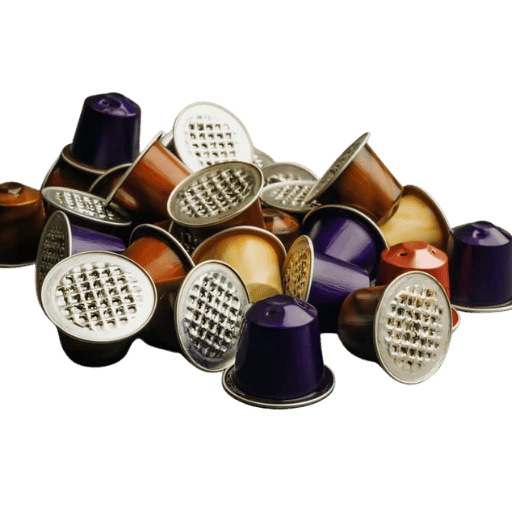
“Nespresso-compatible” isn’t an advertising gimmick; it’s an actual technical and legal term that affects every single machine specification you evaluate.
Engineering Note, Nespresso Original Line Dimensional Standard
| Top outer diameter | 37 mm |
| Capsule height | 29 mm |
| Base diameter | 24 mm |
| Internal volume | ~15 ml |
| Fill weight range | 5.0–6.5 g ground coffee |
| Brewing pressure | ~19 bar |
| Lid standard | Aluminum foil, heat-sealed or ultrasonic-sealed |
The Legal Landscape. Nespresso patented its first capsule back in 1976, and filed a substantial number in 1992. All of those 1992 patents expired in 2012 – the same year Nespresso’s German and English legal challenges failed and they agreed to settle all their European cases. The legal upshot: any brand can now make and market their own capsules that will fit in the Original Line machines – no license from Nestle needed. It’s also why you’re able to go down to your local coffee shop, buy beans, and they can put some of those ground-up beans into a little 37 mm pod for you and sell it to you.
Vertuo is entirely different. The Vertuo platform from Nespresso, introduced in 2014, with upscale dome size capsules, barcode reading technology, and a multitude of safeguards, is still in patent any form.None of the existing third party filling equipment is legally capable of producing Vertuo capsules today. If your business plan mentions Vertuo, we need a different conversation.
Here’s what a capsule filling machine does. It’s a set of five operations; capsule filling machine load capsule fill ground coffee tamping & compaction place aluminum foil put on a lid heat or ultrasound sealing capsule loading can be manual or semi-automatic in machine. For automatic capsule packing machine, capsule feed, powder filler, automatic tamping, sealing process. And rejecting defective one.
Three Machine Architectures for Nespresso-Compatible Production (And Which Scale Each Suits)
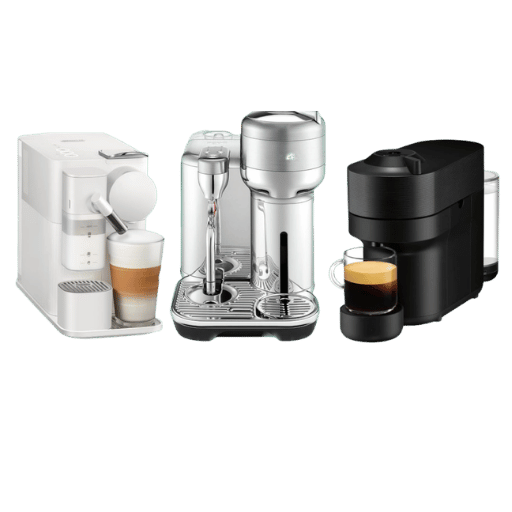
There are three architecture types every coffee capsule filling machine must use. Picking the correct ones depend on the capsules per year goal – not brand dream or entry level cost.
| Spec | Semi-Automatic | Rotary Automatic | Multi-Lane Linear |
|---|---|---|---|
| Speed | 300–1,800 capsules/h | 1,800–9,000 capsules/h | 12,000–18,000 capsules/h |
| Fill accuracy | ±1.0 g | ±0.3 g | ±0.1 g |
| Price range | $3,500–$6,000 | $8,000–$42,000 | $70,000–$100,000+ |
| Nitrogen flushing | Not available | Optional | Standard |
| Capsule loading | Manual | Automatic | Automatic |
| Best for | Pilot batches, market testing | SMB to mid-scale production | Contract manufacturers, national brands |
Is a Rotary or Linear Machine Better for Nespresso-Compatible Capsule Production?
At industrial levels the rotary is assumed to be the throughput king. No- it isn’t. At high volumes you simply won’t find a rotary machine running at speeds greater than 7,200 – 9,000 capsules per hour. For true industrial scale output the multi-lane linear has won out due to its capability to run multiple simultaneously filling lanes simultaneously producing 40 – 50 capsules per lane per minute for an overall throughput from 12,000 – 18,000 per hour.
The Reality Check. Rotary vs. Linear.If your production is under about a 1M capsules annually, rotary is your answer. Once you get to industrial volumes of contact manufacturing, it’s linear. As a brand new or small private label Nespresso-compatible coffee brand, or a regional roaster venturing into capsule production, a single multi-track (32 capsules per cycle in the case of the H2-6) rotary automatic would meet your probable output for a minimum of 3 years.
Our product line includes coffee capsule filling machines and Nespresso coffee packaging machines in all 3 tiers: H1 (30-50 cpm, rotary entry), RN1S (50-70 cpm, rotary SMB), H2-6 (40-50 cpm 2-8 lanes, multi-lane growth), and HB410 full production line (20-30 boxes/min, industrial tier).
The 7 Technical Specs That Separate Good Nespresso Filling Machines from Great Ones
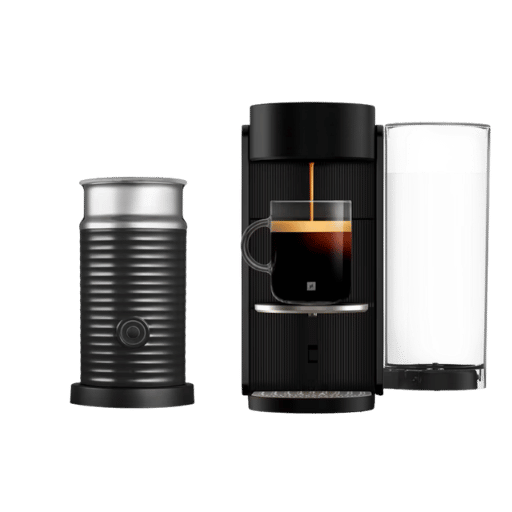
“Accurate,” “Consistent,” “Precise,” “Reliable.” Every coffee pod filling machine supplier throws around these words to sound impressive. The 7-point coffee pod equipment checklist below turns these fluffy claims into tangible numbers so you can directly compare coffee capsule packaging machinery without buyer’s remorse.
- Fill weight accuracy (tolerance, not “precise”).
Ask for the tolerance spec in grams. Semi-auto: ±1.0 g. Rotary: ±0.3 g. Multi-lane: ±0.1 g. For a 5 g fill, a ±1.0 g tolerance equals 20% weight variance, enough to affect brew strength and fail retailer weight compliance checks. - Sealing method: heat seal vs. ultrasonic seal.
Heat seal works with aluminum and most plastic lids; it’s the standard for most capsule sealing machines. Ultrasonic sealing creates a cleaner edge, suits thin aluminum lids, and is preferred on high-speed lines. Your lid supplier should confirm compatibility with whichever sealing process you choose. - Nitrogen flushing purity, specify ≥99.9% N₂.
A nitrogen flushing system rated at 95% N₂ purity leaves 5% residual oxygen, enough to degrade coffee flavor within 3–4 months. For shelf life above 6 months, you need ≥99.9% N₂. Request the purity rating from the technical spec sheet, not the sales brochure. - PLC control system vs. manual panel.
Programmable Logic Controllers store filling recipes for different blends, enable remote diagnostics, and generate production data logs needed for retailer compliance audits. Manual panels cost less upfront but limit your ability to run multiple SKUs reliably. - “No capsule, no fill” sensor interlock.
This sensor stops powder discharge when no capsule is in position. Without it, grounds accumulate on the sealing plate and degrade lid seal integrity, a fault that often isn’t caught until a shelf-life or seal test. It’s rarely listed in headline specs; ask for it explicitly. - Mold changeover time.
If you’re running multiple capsule formats, changeover time, swapping tooling between Nespresso, K-Cup, or Dolce Gusto molds, determines your production flexibility. Standard changeover for experienced operators: 2–4 hours. Quick-release tooling cuts this under 2 hours. - Stainless steel grade, 304 SS minimum, 316 for demanding environments.
Food-grade 304 stainless steel is the baseline for any surface in contact with coffee powder. If your production involves acidic cleaning agents or high-humidity environments, 316 SS offers better corrosion resistance. Ask for mill certificates if the supplier can’t confirm the alloy grade.
Engineering Note, Nitrogen Purity
95% Nitrogen leaves 5% residual Oxygen – That’s plenty of oxygen to ruin roasted coffee flavour within just 3-4 months. Insist on a verbal confirmation of 99.9% Nitrogen in the written purchase order from the equipment supplier and machine manufacturer. This is a spec determining whether your product is distributable into mainstream retailers or is limited to only short-shelf-life local sales.
Capsule Material Compatibility: Aluminum, Plastic, and the Rise of Compostable PLA
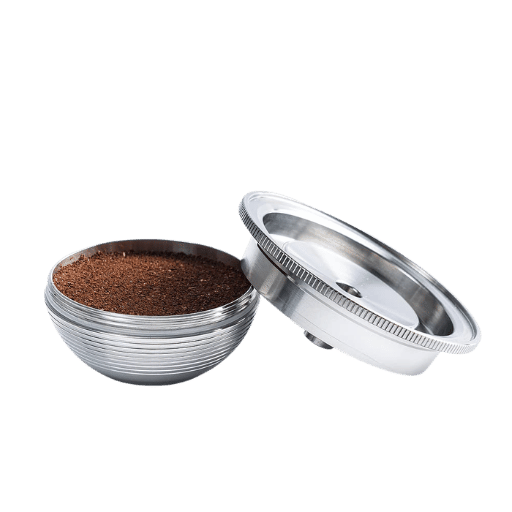
The Choice of Capsule: Aluminium vs. Plastic vs. PLA Determines Everything Choosing your capsule material-plastic, aluminum or PLA compostable-directly informs all key technical specifications to check with your packaging equipment supplier. Many buyers select the filling machine and hope that material will then fit their selected equipment. Beware: this sequence is the main cause of post-purchase headaches.
Aluminum Capsules
Advantages
- Best oxygen barrier, highest shelf life
- Premium brand positioning
- 100% recyclable at dedicated collection points
- Standard on Nespresso Original Line equipment
Limitations
- Recycling rate low in practice (requires dedicated drop-off)
- Growing EU regulatory pressure on recyclability credentials
Plastic (PP) Capsules
Advantages
- Lower material cost
- Easier to source at smaller MOQs
- Compatible with standard heat seal stations
- Adequate for <6-month shelf life
Limitations
- Lower sustainability credentials for premium positioning
- Some retailers restricting single-use plastic in EU
⚠ Compostable PLA, Critical Machine Specification
PLA (polylactic acid) compostable coffee capsules are sensitive; their heat sealing bars MUST be kept below 120°C. Aluminium filling and sealing machine heating bars, on the other hand, typically run at 180-220°C- hot enough to melt even heat-resistant PLA pods! Most suppliers omit this critical detail in brochures and most buyers discover this the hard way (after ordering new tooling/equipment modifications, a cost incurred by $2,000-$5,000.)
An increasingly important factor for suppliers targeting the EU. In August 2026, EU PPWR (EU) 2025/40 regulations come into force making coffee capsules “packaging” and imposing compostability requirements for non-rigid varieties from 2028. Confirm that PLA-compatible, low-temperature sealing is offered before you sign a single PO.
For more on compatible capsule materials and lid supply options for Nespresso production lines, see AFPAK’s capsule component catalog.
One Machine, Multiple Formats: Nespresso, K-Cup, and Dolce Gusto
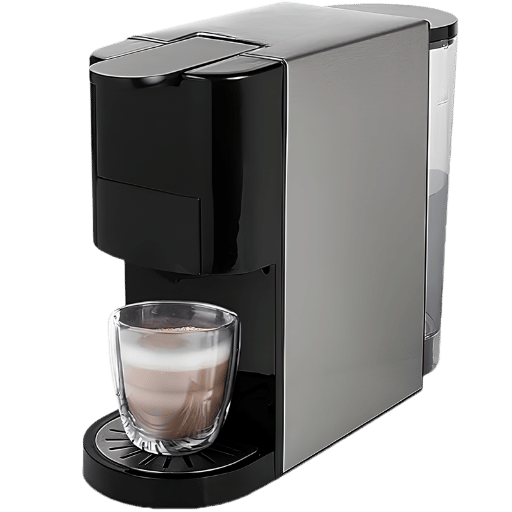
How Many Different Capsule formats Will you Produce? One coffee pod filling machine that can run all formats seems convenient. However, not all buyers realise how complex these formats actually are prior to comparing the detailed spec sheets, side-by-side.
| Format | Top OD | Brew Pressure | Fill Weight |
|---|---|---|---|
| Nespresso Original Line | 37 mm | ~19 bar | 5.0–6.5 g |
| K-Cup | 58 mm | ~9 bar | 9–12 g |
| Dolce Gusto | 47 mm | 15 bar | 6–8 g |
| Lavazza A Modo Mio | 38 mm | 9 bar | 5–7 g |
Multi-Format vs. Dedicated, Decision Framework
IF single format for 3+ years →
Best bet: Go with a dedicated machine. Lower initial cost, optimised tooling, higher speeds. If your product line is stable, why pay the multi-format premium?
Only consider a multi-format machine if: You’ll TEST MULTIPLE FORMATS; or PRIVATE LABEL for multiple brands.
These come with easily interchangeable molds and represent a 15-25% tooling premium compared to a dedicated single format. Allow your operator team to evaluate the proposed changeover times carefully before purchase.
Only consider a machine that’s capable of BOTH K-Cup AND Nespresso production if: BOTH K-Cup and Nespresso pods will be manufactured on the SAME equipment.
Verify that the equipment specifically provide separate sealing pressures; K-Cups (9bar), for instance, brew at very different pressures than Nespresso capsules (19bar). Not all “multi-format” machines deliver both without substantial upgrades to sealing heads.
The H2-6 by AFPAK is a multi-lane coffee capsule filling and sealing system, built to accommodate Nespresso Original Line, K-Cup, and Dolce Gusto pod types through flexible mould changes. See also: Dolce Gusto filling and sealing machines, K-Cup filling machines, and coffee pod filling machines.
AFPAK’s 3-Tier Capacity Matching System: Right-Sizing Your Investment
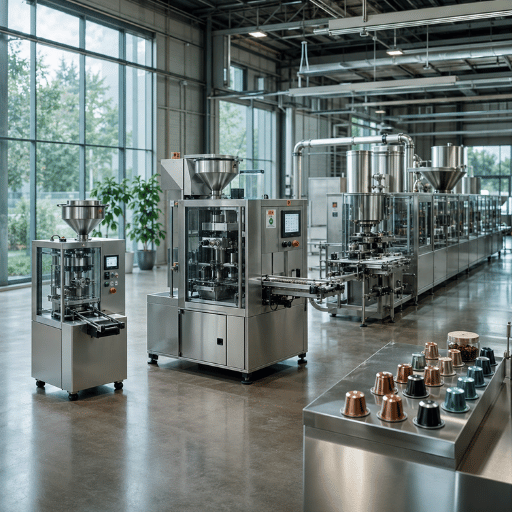
The single biggest financial mistake of capsule machine purchasing isn’t selecting the wrong architecture – it’s selecting the right architecture but the wrong capacity. Over 15 years of post-installation feedback, AFPAK’s engineering team has identified a consistent trend: most rapidly growing capsule brands outgrow their first machine within 18-24 months simply by sizing the investment for *current output* and not projected 3-year volume.
AFPAK’s 3-Tier Capacity Matching System aligns annual production targets with specific machine specs:
The H2-6’s adaptable frame and modular architecture allow you to start with a 2-lane configuration and add capacity over time without replacing the central packing unit — an important advantage when Year 1 demand projections carry built-in uncertainty.
Practitioner Insight, The 3-Year Rule
Always Size For Your projected 3-Year Volume, Not Today. If you’re producing 300,000 capsules annually today, and aim to reach 1,000,000 per year by Year 3, your investment priority should be Tier 2, not Tier 1. The capacity tier difference generally represents $5,000-$15,000 at purchase.
As documented in more than 15 years of installation reviews, changing a machine 18 months into production will be dramatically more costly than ordering a higher capacity tier from day one, especially factoring in unplanned downtime, staff training, and a second installation cycle. In our experience, most brands who contact the AFPAK Italy sales team about needing to “upgrade urgently” could have avoided the cost and disruption by buying one capacity tier higher initially.
View AFPAK’s full lineup of Nespresso-compatible filling machines including specifications and lead times: Nespresso capsule filler manufacturer. For supplemental machine selection guidance: 6 key factors for choosing a Nespresso filling machine
Need help sizing your production investment?
Work with AFPAK’s engineers to find the precise machine that matches your projected 3-year volume and production pace, complete with realistic European lead times and in-region support.
The Market Opportunity in 2026: Honest Numbers Behind Nespresso-Compatible Capsule Production
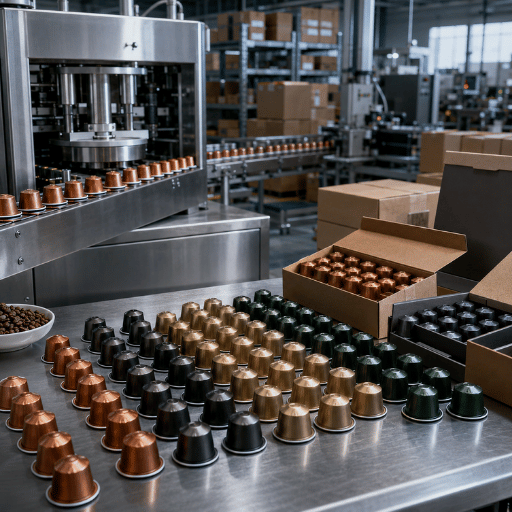
What the data *really* shows about building your capsule production line – including overlooked insights from equipment vendors. This is honest business intelligence to inform your capital investment plan.
$1.67B
Global market size, 2024
3.3% CAGR
2025–2030 (Grand View Research)
32.5%
Europe market share, 2024
$2.23B
Projected market size, 2030
This Is The honest Framing: The 3.3% CAGR reflects a mature, stable market, not the “hyper-growth” narratives from some equipment suppliers. From a business planning perspective, this provides an opportunity for compounding investment. Nespresso Original Line remains the de facto standard for equipment investment across the region, accounting for 32.5% of global volume in Europe, where it represents the majority share of demand compared to Vertuo and K-Cup.
Key trends shaping 2026 equipment decisions:
- Compostable PLA demand rising ahead of August 2026. EU PPWR (EU) 2025/40 sets compostability requirements for soft capsules by 2028. Brands selling into EU markets are already evaluating PLA-compatible equipment to get ahead of the compliance window.
- Increased Demand for Multi-Format Capabilities. Private-label and growing brands seek filling solutions capable of running both Nespresso and K-Cup formats on a single platform, streamlining investment costs for diverse SKU launches.
- Private-label Boom. Post-2012, producing Nespresso coffee capsules has become an accessible route for new DTC coffee subscription brands entering the single-serve market. Typical launch volumes of 100,000-500,000/year fall squarely within AFPAK’s Tier 1 capacity range.
- Emerging Markets Drive Demand. Regional expansion markets such as the Middle East, Southeast Asia, and Latin America are experiencing elevated interest in Nespresso compatible capsule filling technology as global specialty coffee culture broadens.
One caveat: If your business model is built around Vertuo capsules, none of this applies to you! Vertuo capsules are still actively patented. Producing them yourself isn’t legal in most markets today, and there’s no legal filling equipment available to do it. Consult your legal team before trying this approach.
Frequently Asked Questions
What machines are compatible with Nespresso Original Line pods?
Any machine capable of running 37-mm diameter, dome-shaped capsules works for the Nespresso Original Line. There’s Third-party filling equipment, like the AFPAK H1 and RN1S machines, that can reliably make capsules meeting these geometry and pressure standards legally. Vertuo uses different shapes and is still under patent so it requires totally different machines.
How do I start producing my own Nespresso-compatible capsules?
Five-step overview for new entrants:
- Confirm you want to fill capsules for the Original Line format, with 37-mm top outer diameter (OD).
- Select and order empty capsules and sealing lids in your chosen format: aluminum, plastic PP, or compostable PLA (make sure the PLA works with your sealer temperature).
- Choose a filling machine from the AFPAK 3-Tier framework above based on projected Year 3 volume requirements.
- Ensure certifications for target markets are on file (CE mark for Europe, food-grade 304 SS for all others).
- Run a 5,000- to 10,000-capsule pilot order to verify fill weight accuracy, seal integrity, and shelf life before mass production.
What maintenance does a Nespresso capsule filling machine require?
Daily cleaning: thoroughly wash and rinse all coffee-contacting parts (especially fill nozzles and heat-seal area) due to the potential for residual coffee oils affecting weight dosing. Weekly cleaning: test nitrogen pressure and purity if equipped, inspect sealing features for signs of wear or damage. Monthly checkups: examine and, as necessary, replace wearing parts of the heat-sealer, and check that the filler isn’t giving significantly less or more coffee than target. Quarterly checkup: A qualified mechanic should do a full physical inspection of the machine and running gears. AFPAK’s European, well-supplied spare-parts distribution warehouse in Padova, Italy ensures delivery to EU buyers within two business days if parts are in stock there.
What materials are used for compostable Nespresso-compatible capsules?
Compostable capsules are usually PLA (polylactic acid) along with composite foil-based lid seals (often made with paper). They’re derived from corn-based feedstocks, are a renewable resource, and have been tested in a range of conditions, being proven to be certifiable as biodegradable within an industrially compostable environment (EN 13432). Machines need to have a low-temperature heat seal bar that goes below 120°C-many aluminum heat-sealer stations operate in the range of 180°C to 220°C and would damagePLA capsules. Buyers often discover this after purchase, so watch this feature closely!
How much does a Nespresso compatible filling machine cost?
Semi-auto entry machines: $3,500-$6,000. Automatic rotary machines: $8,000-$42,000. Multi-lane linear systems: $70,000-$100,000+. Budget extra for sea freight (around $800 depending on scale and your location), and for local import duties. AFPAK’s EU warehouse in Padova means quick, relatively affordable access to spare parts.
Can Nespresso-compatible capsules be produced without nitrogen flushing?
Only if your product’s sell cycle from packaging date to consumer is under three months. Otherwise, residual oxygen will start degrading the coffee. The product has a typical 8- to 12-week shelf life with an open seal without protection gas. 99.9% nitrogen gas flushes out residual oxygen and extends product’s shelf life to 4-12 months from production date for most consumer distribution models and export.
Related AFPAK Guides
- 6 Key Factors to Help You Choose the Ideal Nespresso Filling Machine
- Nespresso vs. Dolce Gusto: Format Comparison for Capsule Producers
- K-Cup Filling Machines: Specs, Speeds, and Buyer Guide
- Automatic Nespresso & K-Cup Capsule Filling Machine Solutions
- Coffee Pod Filling Machine Types, Speeds, and How to Choose
Reviewed by AFPAK Engineering Team
Since 2004, AFPAK has designed and manufactured automatic Nespresso-compatible coffee pod filling machines. Approved CE certified, ISO 9001 certified, and SGS certified. Have a technical support center and spare parts warehouse in Padova, Italy to better provide support to European customers.
This report presents official first-party data and real-time market intelligence.


