
Kemasan bubuk-dalam-tutup adalah penutup botol dua bagian di mana dosis kering-matcha, vitamin, probiotik, elektrolit-disegel di dalam tutup, jauh dari cairan, sampai Anda memutar atau menekan untuk melepaskannya sesaat sebelum minum. Formatnya menjadi semi-viral pada tahun 2025 ketika Buddha Teas meluncurkan Matcha NOW, tutup yang berisi 5 mL matcha organik Jepang di atas botol 12-oz air murni yang membuatnya segar hingga dua tahun, sampai putaran berlawanan arah jarum jam memotong septum dan menjatuhkan bubuk. Tidak seperti tutup sekrup botol air biasa, ini adalah kemasan minuman yang direkayasa sekitar satu ide: menjaga dua zat secara terpisah sampai saat konsumsi. Pemasarannya cukup seksi. Satu pertanyaan tetap ada: apakah kemasan bubuk-dalam-tutup bahkan praktis untuk minuman fungsional, dan apakah itu bukan penutupan yang cerdas mencoba memaksakan diri ke masalah yang tidak dapat dimenangkan.
Kami sebenarnya dalam bisnis membuat dosis bubuk dan peralatan penyegelan untuk kapsul kopi, dan pola pikir kami ketika melihat ini bukan “ini keren,” itu “apakah yang aktif benar-benar membutuhkan ini, apakah itu dapat diisi secara akurat dan andal, apakah itu layak secara ekonomi, dan dapatkah Anda mendapatkan persetujuan peraturan untuk menjualnya.” Jawaban yang jujur adalah ya yang sangat bersyarat ͎ untuk kasus penggunaan yang sangat spesifik, dan hanya jika Anda mengatasi beberapa rintangan yang telah dilewati oleh tulisan pers yang antusias sepenuhnya.
Spesifikasi Cepat: Penutupan Powder-in-Cap
| Aktivasi | Twist-to-activate, tekan-untuk-mengaktifkan, atau tarik-tab |
| Kapasitas bubuk | ~1͕5 g per cap (5 ج7 mL chamber) |
| Leher selesai | 28-410, 24-410, 38-400, 30 mm PET |
| Material | PP + PE tingkat makanan, bebas BPA; penghalang aluminium-foil |
| Umur simpan tertutup | 12ج24 bulan (tergantung formulasi) |
| Terbaik cocok | Bahan aktif premium yang tidak larut atau tidak memiliki potensi |
| Keras tidak | Minuman berkarbonasi (risiko tekanan internal) |
Apa Sebenarnya Kemasan Powder-in-Cap
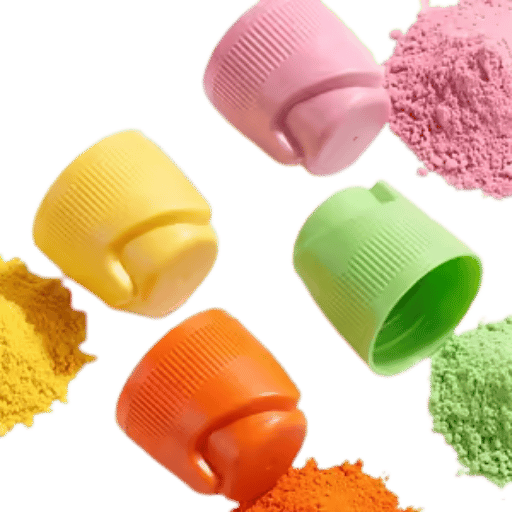
Kemasan bubuk-dalam-tutup terdiri dari penutupan ruang ganda di mana kompartemen tertutup di tutup berisi bahan aktif kering, sedangkan botol di bawah berfungsi sebagai wadah untuk cairan. Ini adalah variasi dari kategori tutup pengiriman yang lebih luas, termasuk tutup infus cair. Ide dry-dose-in-cap bukanlah hal baru untuk minuman: kemasan perawatan pribadi kosmetik menggunakan stoples pengayak bubuk lepas dan botol bubuk plastik bening dengan tutup pengayak jauh sebelum minuman mengadopsinya.
Saat ini, ada tiga metode aktivasi utama dalam keluarga produk ini:
- ✔Putar-aktifkan, di mana memutar tutup memutar tiang atau duri yang diasah untuk memecahkan segel foil atau membran dan menyimpan bubuk ke dalam cairan. Desain yang paling terkenal adalah tutup putar (Matcha SEKARANG) dan AKTIFKAN topi.
- ✔Aktifkan-dorong, di mana tekanan ke bawah pada kubah atau piston merusak segel جمم فاه ميناء ميناء ميناء ميناء ميناء ميناء ميناء ميناء ميناء ميناء ميناء مينام فاهیم فاهیل فاهیم فایلایلایلاه مفایلایلایله فایلایلایل فالالالالاه مفالالالالالاه فالاهایلاهاه فایلایلاه فایلایلایلایلایلایلاه فایلایلایلایلایلایلایلایلایلایلایلایلایلایلایلایلایل فایلایلایلایلایلایلایلایل (b) di mana aplikasi.
- ✔Buka kupas, tempat pengguna membuka ruangan secara manual; metode ini paling murah tetapi paling tidak tahan terhadap kerusakan.
Contoh-contoh di rak memperjelas ke mana arah inovasi: Matcha SEKARANG memiliki tutup putar dengan 5 mL matcha; kembali pada tahun 2009, Rising Beverage Co. keluar dengan botol PET 16-oz (474 mL) yang dilengkapi dengan twist ACTIVATE yang mengeluarkan vitamin dari tutup melalui pemotong yang diaktifkan dengan twist; dan merek seperti Incap dan Pont Packing sekarang menawarkan tutup infus yang menargetkan boom vitamin, mineral, atau probiotik. Tetapi yang terpenting: ingat, satu-satunya tujuan tutup dalam format ini adalah untuk mempertahankan keadaan kering yang murni untuk bahan aktif sampai detik terakhir itu dikirimkan.
Dinding 3 Kegagalan Minuman Fungsional Premixed
Pencampuran awal bahan aktif fungsional ke dalam botol umumnya menghasilkan a 3-Kegagalan Dinding Minuman Fungsional Pra-Campuran: sedimentasi, oksidasi, dan hilangnya potensi. Jika bahan aktif Anda tidak berjalan menghadap pertama ke salah satu dari tiga penghalang ini pada tingkat yang membuat pra-pencampuran tidak dapat diterima, sama sekali tidak ada alasan untuk mengadopsi tutup bubuk.
Sedimentasi. Matcha bukanlah solusi, tetapi suspensi; itu tidak pernah benar-benar larut, sehingga teh bubuk mengendap setelah beberapa menit istirahat. Botol yang telah diukur sebelumnya akan melapisi rak serta lapisan di tangan Anda.
Oksidasi. Katekin hijau-teh yang pembeli benar-benar membeli akan terdegradasi dalam lingkungan cair dari waktu ke waktu. Proses itu disebut oksidasi, juga dibantu oleh epimerisasi dari oksigen terlarut, suhu, pH, dan ion logam. Studi peer-review di Jurnal Kimia Pertanian dan Pangan katekin yang ditemukan jatuh lebih dari 25% (dan theaflavin lebih dari 56%) setelah tiga jam pada suhu 100 °C dalam cairan, dan katekin bisa sangat tidak ada setelah sehari tidak stabil. Itu diterjemahkan menjadi matcha berubah sedikit lebih coklat.
Potensi kehilangan. Budaya hidup tidak berjalan lebih baik. Probiotik yang paling terdokumentasi adalah probiotik berlapis, menunjukkan pengurangan satu log dalam unit pembentuk koloni setelah 25 hari dan penurunan dua log selama 126 hari ketika produk disimpan dalam air pada suhu 24 °C dibandingkan hampir tidak ada kehilangan bila disimpan kering – itu semua fungsi dari tingkat aktivitas air, di bawah sekitar 0,25 atau lebih, di mana pelestarian menjadi jauh lebih baik. Untuk sebuah merek, itu berarti green atau probiotik ditembak Anda premix hari ini dapat tiba di rak ritel terukur lebih lemah dari klaim label — kesenjangan yang tepat topi bubuk dimaksudkan untuk menutup.
Mayoritas pemilik merek salah berasumsi bahwa kemasan “rak-stabil siap minum (RTD)” memecahkan semua masalah kesegaran. Itu hanya tidak membahas jenis aktif ini; pasteurisasi dan pengawet mungkin memastikan keamanan mikroba, tetapi mereka tidak dapat menghentikan oksidasi katekin terlarut atau menghidupkan kembali probiotik yang sudah mati. Masalahnya adalah air.
Di dalam Powder Cap: Cara Kerja Penutupan
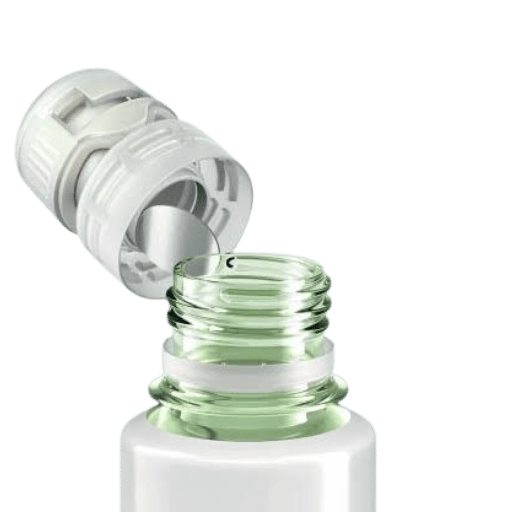
Mekanika tutup bubuk elegan cerdik. Ini pada dasarnya dosis diukur kering bertengger di topi di atas kompartemen cair, dipisahkan oleh baik foil atau membran polimer yang pemotong atau menusuk duri pecah pada aktivasi untuk mengeluarkan bubuk. Penutupan sekrup tahan lama memegang seluruh perakitan disegel sampai Anda memutuskan untuk menggunakannya. Kami telah tersedia secara publik rincian dari paten perusahaan paling awal.
Dari uraian publik tentang landasan patennya US 8.302.795 B2 (ditugaskan ke pembuat merek minuman, Cedevita, dan pertama kali diajukan pada tahun 2007), menutup penutup berulir pada tuas fleksibel satu lengan yang diputar ke “peredam” miring di atas segel aluminium-foil. Sebuah “duri” pada peredam kemudian akan berputar melalui aluminium foil, merobek bukaan lebih dari setengah diameternya, dan hanya itu yang dia tulis: tidak ada tombol, operasi satu tangan, terbuka secara permanen dan tidak dapat disangkal.
Apa yang tersisa di lembar spesifikasi adalah interaksi yang sangat penting di antara ukuran leher (28-410, 24-410, 38-400, atau 30 mm PET), ukuran ruang dosis (apa pun dari 1-5 g), bahan penghalang, atau jenis penghalang jika tidak ada penghalang foil karena bahan aktif tidak sensitif terhadap oksigen, dan resin food grade (kemungkinan besar PP dan PE); semua harus bersumber dengan persetujuan food grade di FDA 21 CFR Bagian 177 (polypropylene menjadi salah satu contoh yang diatur dalam 21 CFR 177.1520).
Apa itu teknologi powder-in-cap, dalam satu baris?
Jadi apa yang Anda punya adalah penutupan botol dua ruang yang disegel sehingga aktif kering tetap terpisah dan dilepaskan berdasarkan permintaan untuk melepaskan minuman cair; ia memperdagangkan tutup multi-komponen yang lebih mahal dan kompleks untuk stabilitas rak dan potensi yang diawetkan cairan saja tidak bisa menjanjikan, dan dalam trade-off itu adalah keseluruhan cerita Թ fokus dari sisa makalah ini adalah untuk memperkirakan apakah trade-off itu layak.
Mengapa Sekarang: Permintaan Fungsional-Minuman di Balik Kebangkitan

Formatnya memiliki momen karena minuman fungsional juga memilikinya. Permintaan pencarian AS untuk “minuman matcha” berjalan di sekitar 18.100/bulan, “minuman energi fungsional” di sekitar 18.100, dan kategori soda prebiotik berada di puncak 110.000 — kategori yang dibangun di atas konsumen aktif yang percaya bekerja.
Juga di bawah tekanan adalah keyakinan yang sama; gugatan kelompok yang diajukan pada tahun 2025 memiliki tuduhan soda prebiotik yang melebih-lebihkan klaimnya tentang usus; penilaian yang menempatkan “dosis penuh, segar, dapat diverifikasi pada saat minum” di atas nilainya sebagai tipu daya belaka.
Peserta aktif tertinggi dalam format ini adalah mereka yang tidak tahan terhadap 3-Kegagalan Dinding Minuman Fungsional Pra-Campuran φa, probiotik hidup, vitamin teroksidasi dan rawan hidrolisis, bersama dengan bubuk hijau. Aktif ini adalah penyebab pendorong yang sama untuk penutupan ke dalam nutraceuticals dan kemasan farmasi. Bahan-bahan yang larut dan stabil seperti rasa manis, gula, asam sitrat, dan elektrolit larut hampir tidak mendapatkan keuntungan karena mereka secara alami tetap berada di air dengan baik. Perbedaan keunggulan ini mewakili titik kritis pengambilan keputusan, dan kami memetakannya dengan jelas di bawah ini.
Apakah Sebenarnya Bisa Diisi Secara Skala? Realitas Peralatan
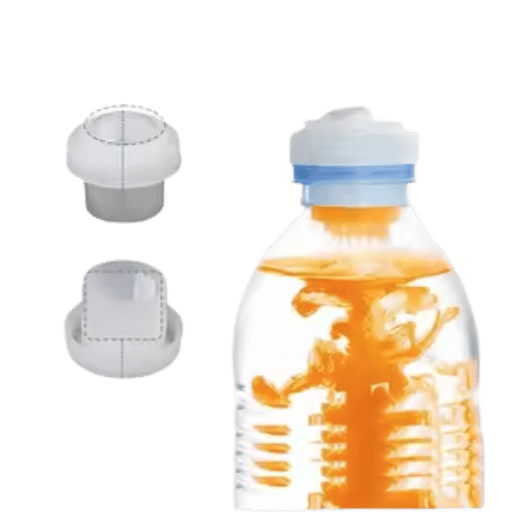
Powder-in-cap dapat berjalan pada jalur otomatis, tetapi ini adalah masalah dosis-dan-penyegelan dengan toleransi yang lebih ketat daripada capper normal, bersama dengan peningkatan biaya yang kadang-kadang gagal difaktorkan oleh desainer. Tutup harus diisi dengan tepat dengan kuantitas bubuk yang diukur, disegel panas dengan penghalang oksigen yang sesuai, dan dirakit tanpa mengganggu salah satu ruang — urutan penyegelan dan pemberian dosis yang tidak dilakukan oleh perangkat capping biasa.
Apakah tutup twist-to-activate kompatibel dengan garis pengisian dan pembatasan otomatis?
Tutup putar untuk mengaktifkan direkayasa untuk jalur otomatis, dan pemasok merekomendasikan untuk tidak menangani manual karena penyelarasan ruang dan integritas segel membutuhkan ketepatan mesin. Pikirkan tutup sebagai dispenser kering: karakteristik aliran bubuk dari bahan aktif Anda (ukuran partikel, kepadatan massal, higroskopisitas) secara langsung menentukan kepala pengisian mana yang berfungsi, akurasi dosis yang harus dipegang oleh produsen tutup, dan seberapa besar kenyamanan pencampuran aksi tunggal layak dibangun.
Ini berarti pekerjaan tersebut mencakup, selain mesin pengisi tutup, penerapan perangkat penyegel dengan mekanisme pemberian dosis bubuk yang tepat menggunakan keduanya metode penyegelan induksi atau penyegelan panas untuk memastikan bahwa bahan aktif tidak bersentuhan dengan udara. Jenis pekerjaan yang tepat dan tersegel ini telah dibuktikan oleh kami mesin pengisian dan penyegelan kapsul kopi, yang dosis kopi bubuk ke dalam kapsul dengan segel foil yang sesuai di bawah kondisi lingkungan yang terkendali.
Sebenarnya, ada tiga keputusan berbasis garis yang berbeda yang harus dibuat ketika merancang jalur produksi kemasan otomatis. Keputusan ini termasuk, pertama, jenis mekanisme pengisian bubuk tergantung pada bentuk dan sifat fisik bahan aktif; kedua, teknologi penyegelan mana yang akan digunakan (penyegelan induksi vs penyegelan panas) tergantung pada apakah produk rentan terhadap oksidasi oksigen; dan ketiga, permintaan throughput yang menentukan pilihan arsitektur (mesin inline vs. rotary). Pemilik merek dengan produksi kopi atau suplemen makanan yang ada sudah mengetahui sebagian dari apa yang diperlukan untuk ini; merek di greenfield tidak akan memiliki pengetahuan yang diperlukan, dalam hal ini a jalur pengisian dan pengemasan khusus alih-alih membeli off-the-rak adalah pilihan realistis. Penutupan dan yang sesuai kapsul kosong dan tutup penyegel adalah potongan teknologi terintegrasi: Sebagian besar pemasok topi menawarkan kit sampel dan mendorong pengujian pihak ketiga sebelum berkomitmen untuk perkakas. Untuk penjelasan tentang cara mengatur mesin dosis, penutupan, dan capper, Anda juga dapat melihat kami lini produksi kapsul kopi sebagai referensi.
Pertanyaan Biaya: Tangga Biaya-Per-Dosis Cap-vs-RTD
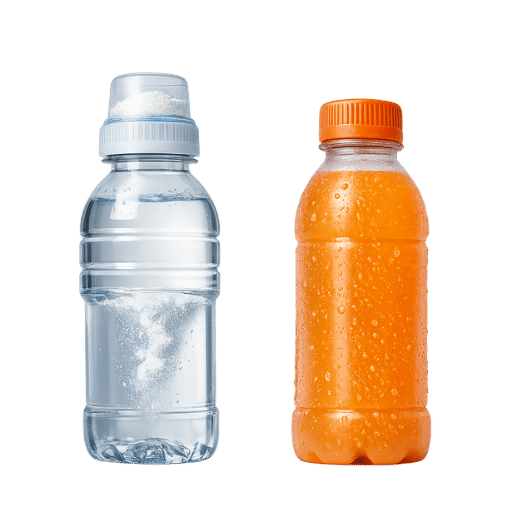
Berdasarkan biaya per dosis murni, bubuk dalam tutup dapat menang, bukan karena tutupnya murah, namun karena Anda berhenti mengirimkan air. Membangun perbandingan seperti yang dilakukan oleh pimpinan pengadaan, maka Tangga Biaya-Per-Dosis Cap-Vs-RTD memiliki tiga anak tangga: penutupan itu sendiri, investasi jalur, dan logistik.
- Tutupnya. Tutup pengepres/pelintir bubuk dalam 28 –30 mm umumnya akan berharga sekitar $0.05 hingga $0.07/potong saat membeli dalam volume dibandingkan dengan biaya $0.01 hingga $0.02 dari tutup penutup dasar. MOQ biasanya mulai dari sekitar 20.000 buah saat memesan tutup stok dan 50.000 buah untuk menyesuaikan cetakan.
- Garis. Sekarang Anda masuk ke modal yang tepat, tetapi dengan doser bubuk dan stasiun segel itu berlaku di semua SKU di telepon. Jika Anda menjual ke UE, juga anggaran untuk konversi jalur di bawah aturan tethered-cap, sebuah saklar perdagangan telah dipatok pada € 2,7 Модель 8,7 miliar industri-lebar.
- Logistik. Kembali ke rumah perubahan matematika sepenuhnya. Botol yang sepenuhnya dilarutkan membutuhkan ruang sebanyak isinya adalah air. Pengangkutan “minuman” datang setidaknya sebanyak beratnya seperti halnya volume sehingga versi RTD dari porsi adalah “bobot keluar” sebelum “kubus keluar”. Sumber industri umumnya mengutip penghematan biaya 40% – 70% per porsi format bubuk atau konsentrat sebagai RTD, laba kotor industri yang dilaporkan luas adalah di suatu tempat antara 50-60% dari harga jual pada yang pertama versus 30-40% untuk yang terakhir ◎ lagi sebagai indikasi umum saja. Biaya logistik individu Anda bergantung pada massa dosis, jarak pengiriman dan, yang terpenting, pendinginan.
Contoh yang berhasil. Asumsikan dosis aktif Anda adalah 3 g dan konsumen memasukkannya ke dalam 500 mL air mereka sendiri. Anda mengirimkan 1 tutup, 1 dosis kering dan 1 botol kosong ́ katakanlah 30-40 g berat per unit bukan 520 g dalam RTD yang diisi. Pada premi $0.05 per tutup bahkan Anda dapat kehilangan sejumlah uang di sana. Jika Anda mengurangi sekitar 480 g untuk setiap unit dari apa yang Anda kirimkan masuk akal dalam perjalanan panjang dengan barang mahal, sedangkan perbedaan biaya tutup tetap terendam jika biaya transportasi jalan murah. Jalankan berat unit sendiri di jalur.
Botol Powder-in-Cap vs Dual-Chamber, Sachet, Effervescent & RTD
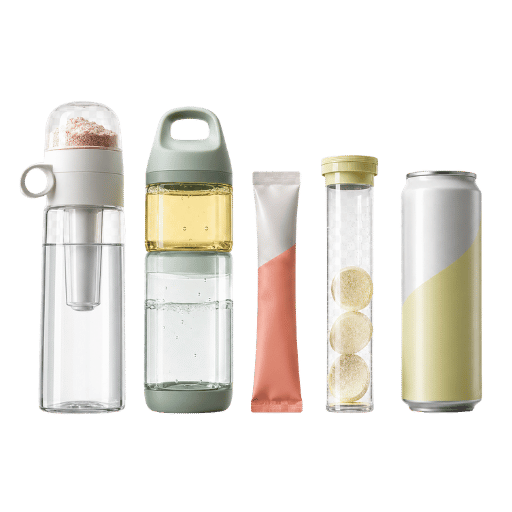
Powder-in-cap bukan satu-satunya cara Anda untuk menjaga sesuatu tetap aktif, selain dari keberadaan air. Atur perkakas di samping opsi di seluruh dimensi yang mendorong adopsi, sebelum komitmen perkakas apa pun.
| Format | Kesegaran/pemisahan | Menambahkan biaya tutup/paket | Garis fit | Daur ulang | Upaya konsumen |
|---|---|---|---|---|---|
| Bubuk-in-cap | Tinggi (disegel, aksi tunggal) | $0.05φ0.07/topi | Membutuhkan doser + stasiun segel | Lemah (tutup multi-bahan) | Rendah (memutar + minum) |
| Botol dual-chamber | High | Tinggi (seluruh botol) | Isian khusus | Lemah | Low |
| Sachet + botol sendiri | High | Sangat rendah | Garis sachet standar | Lemah (film), tapi massanya kecil | Lebih tinggi (air mata, tuang, campur) |
| Tablet/tabung effervescent | High | Low | Garis tablet | Baik (tabung mono-material) | Lebih tinggi (jatuhkan, tunggu) |
| Rtd pra-campuran | Rendah untuk bahan aktif yang labil | Topi rendah, angkutan tinggi | Capper standar | Bagus (mono botol+cap) | Terendah (buka + minum) |
Jumlah biaya mewakili perkiraan rentang industri (melalui pemasok, data perdagangan, 2025-2026). Perkiraan tersebut belum diverifikasi terhadap penawaran untuk dosis/volume spesifik Anda.
Sebuah pola muncul dari tabel ini yang kami sebut Spektrum Kelangsungan Hidup Aktif: semakin tidak larut dan potensi-stabil aktif adalah, semakin tutup tertutup dapat membenarkan mark-up; semakin larut dan stabil itu, semakin sachet atau polos siap minum dapat melakukannya untuk kurang. Kami menunjukkannya dengan jelas di sini Թ 11 bahan aktif fungsional populer diurutkan ke dalam kelompok dengan apakah mereka benar-benar mendapat manfaat dari cairan dan bubuk yang dipisahkan.
| Active | Kelas bahan | Mengapa itu terdegradasi dalam air | Pembayaran bubuk-in-cap |
|---|---|---|---|
| Matcha / bubuk teh hijau | Suspension | Menetap dalam hitungan menit; katekin mengoksidasi | High |
| Hijau / campuran makanan super | Suspension | Menetap dan teroksidasi | High |
| Probiotik hidup | Mikroba | ~1 log CFU hilang dalam 25 hari dalam cairan | High |
| Peptida kolagen | Protein | Hidrolisis dan rasa tidak enak seiring waktu | High |
| Vitamin C (asam askorbat) | Vitamin labil | Mengoksidasi dengan cepat dalam air dan cahaya | High |
| Vitamin B-kompleks | Vitamin labil | Cahaya- dan panas-sensitif | Medium |
| Antioksidan polifenol | Labil aktif | Mengoksidasi melalui oksigen terlarut | High |
| Elektrolit (garam Na/K) | Garam larut | Sepenuhnya larut dan stabil | Low |
| Caffeine | Stimulan larut | Stabil dalam air | Low |
| Asam sitrat / rasa | Asam larut/rasa | Stabil | Low |
| Gula / pemanis | Karbohidrat larut | Stabil | Low |
Powder-in-cap memukul labil, tinggi-sewa puncak kolom Σ mereka di matcha, probiotik, kolagen, vitamin sensitif φ dan sedikit di tempat lain. Aktif Anda termasuk dalam rak baris stabil dan larut, maka tutupnya dibayar tanpa bermain.
Kendala Keras yang Menghentikannya Selama Beberapa Dekade
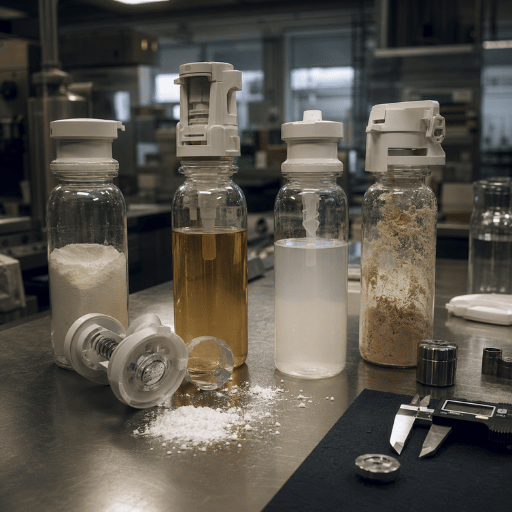
Jika bubuk-in-cap dapat membuat pilihan yang lebih baik untuk aktif yang benar, mengapa belum diadopsi secara luas meskipun patennya sudah ada selama beberapa dekade? Karena terbebani oleh sejumlah faktor yang sebagian besar tidak terkait dengan kimia dan umumnya diabaikan dalam bahkan bersemangat menulis-up.
“Konsumen menghabiskan kira-kira empat detik untuk menyaring rak. Paket dual-chamber tidak memiliki siluet yang dapat dikenali secara instan, sehingga manfaatnya sulit untuk dikomunikasikan di tempat penjualan, dan format single-chamber yang lebih sederhana dan lebih murah dapat mendevaluasi seluruh infrastruktur dalam semalam.”
Analisis inovasi pengemasan, format ruang ganda
Daur ulang, jika ada, semakin sulit. Tutup bubuk dirancang untuk menjadi komposit bodi PP, liner PE, dan foil. Di UE, itu Peraturan Limbah Pengemasan dan Pengemasan (PPWR 2025/40) mulai berlaku pada tanggal 1 Februari 2025 dan kemampuan daur ulang dinilai pada tingkat komponen, dengan bahan sekunder yang tidak dapat dipisahkan dalam komposit menjadi masalah di atas 5% dari berat produk; setelah tahun 2030 hanya kemasan yang dinilai sebagai ‘dapat didaur ulang’ yang akan diizinkan di pasar, dan pada dan mulai tanggal 26 Agustus 2026, setiap PFAS dalam kemasan apa pun yang bersentuhan dengan makanan harus dibatasi. Di AS, Panduan Hijau FTC berarti bahwa Anda tidak dapat mengatakan ‘dapat didaur ulang’ tanpa penafian kecuali produk yang tepat dapat didaur ulang oleh setidaknya 60% dari pasar konsumen.
Regs tethered-cap bertemu twist-release. Di bawah Petunjuk Plastik Sekali Pakai UE (2019/904, Pasal 6) pada tanggal 3 Juli 2024, tutup minuman sekali pakai kini harus tetap menempel pada botol apa pun yang ukurannya mencapai 3 liter, sebuah perubahan besar bagi pasar yang memerlukan perlengkapan ulang sebesar €2,7 · · · · · 7 miliar. Anda diminta untuk merancang twist terintegrasi, segel potong, bubuk pelepas, lalu minum sambil ditambatkan dan anti rusak secara bersamaan. Ini bukan desain kecil atau titik styling, ini adalah masalah teknik penutupan yang benar-benar sulit.
Apakah tutup botol bubuk dapat didaur ulang?
Tidak bersih, dan mungkin tidak cukup bersih mengingat tren antara sekarang dan 2030. Tutupnya memiliki masalah karena menggunakan plastik dan foil bersama-sama, campuran yang tidak dapat dipisahkan oleh konsumen, sehingga gagal dalam langkah-langkah daur ulang berbasis komponen dan tingkat klaim, tetapi konsumen tidak peduli dengan lapisan yang tidak dapat dipisahkan, tetapi tidak tentang mengklaim “dapat didaur ulang.” Merek dapat membuat klaim yang memenuhi syarat atau beralih ke bahan mono tetapi tidak dapat mengandalkan klaim yang tidak memenuhi syarat tetap tidak tertandingi.
Argumen potensi yang diawetkan tidak sama dengan klaim kesehatan, jebakan umum. Agar probiotik dapat bertahan hidup dan “tetap hidup” tidak secara otomatis membuatnya “efektif”; Kantor Suplemen Diet NIH sangat jelas bahwa sementara peningkatan jumlah CFU “tidak selalu sama dengan peningkatan manfaat kesehatan” efektivitas ditentukan oleh strain dan dosis tertentu. Ini juga membawa aspek peraturan ke dalam permainan: sementara produk klaim kesehatan dapat diatur sebagai makanan, produk klaim penyakit diatur sebagai makanan/obat di bawah 21 CFR 101.93, dan produk apa pun di mana tutupnya memberikan dosis terukur akan jatuh di bawah peraturan GMP suplemen makanan (21 CFR Bagian 111), yang membutuhkan semua dokumentasi dan ketertelusuran. Jadi, kisah kesegaran adalah bagian darinya, tetapi hanya itu; sebagian.
Uji Viabilitas Powder-in-Cap
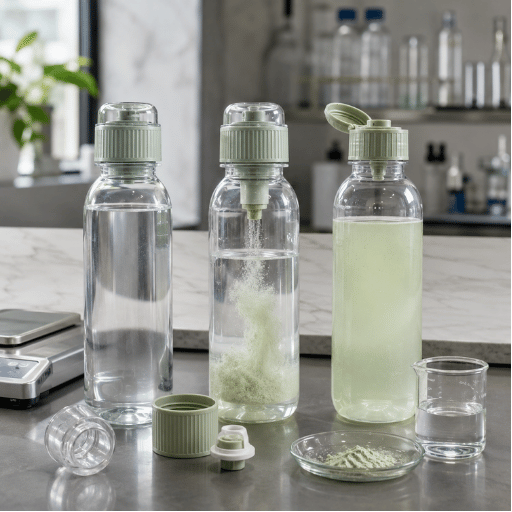
Sekarang mari kita menempatkan ini dalam tindakan. The Uji Viabilitas Powder-in-Cap termasuk baik gerbang komersial dan teknis. Ini terdiri dari dua pemeriksaan tingkat tinggi-satu untuk menyaring oleh kimia, yang lain oleh bisnis Σ dan itu terdiri dari lima pertanyaan yang tersebar di dua pos pemeriksaan yang berbeda: satu berkaitan dengan ilmu produk, yang lain untuk bisnis dan peraturan. Lakukan keduanya dan kemudian ada beberapa manfaat dalam uji coba.
- • Apakah yang aktif tidak larut atau suspensi?
- • Atau apakah produk tersebut labil terhadap potensi dalam air?
Gerbang 2 — Bisakah Anda menjualnya? (komersial + kepatuhan)
- • Atau akankah konsumen Anda membayar untuk kesegaran dan itu tidak berkarbonasi?
- • Dapatkah manfaat (misalnya strain kanan) diklaim dan tetap di 21CFR 101.93 dan diet-cGMP (Bagian 111)?
- • Apakah akan memenuhi peraturan yang ditambatkan dan/atau dapat didaur ulang di pasar ATAU apakah klaim memenuhi syarat?
Matcha SEKARANG: Textbook Pass Ini melewati Gerbang 1 (Terlihat premium dan tidak larut-dan-segar atau secara alami stabil di rak seperti kafein): matcha tidak larut dan tidak stabil (sensitif terhadap oksidasi), sangat visual dan premium. Matcha SEKARANG tidak termasuk stimulan yang membuatnya menjadi klaim sederhana. Proposisi intinya adalah “matcha segar” vs. klaim penyakit dan konsumen bersedia membayar premi. Pra-latihan dengan citrulline (yang larut) dan kafein tidak mungkin melewati Gerbang 1, karena itu akan bertahan dari air , topi adalah aksi. Anda harus mengevaluasi konsep Anda sendiri menggunakan dua pemeriksaan gerbang ini sebelum berinvestasi.
Format atau Mode? Outlook 2026 dan Kesenjangan Adopsi 60 Tahun
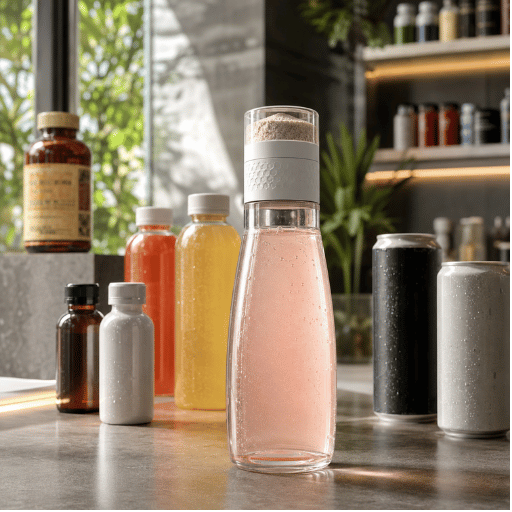
Powder-in-cap: Kategori Mapan dengan Clear Niche. Meskipun powder-in-cap adalah kategori nyata dan permintaan tinggi dengan parameter penggunaan yang berbeda, premisnya bukanlah hal baru di tahun 2025; sebaliknya, ini adalah penemuan lama yang baru-baru ini menemukan pasar yang tepat. Faktanya, dokumentasi pada sistem yang mengandung zat yang disimpan secara terpisah berasal dari memori modern, dengan paten dasar US 8.302.795 B2 merujuk pada beberapa inovasi semacam itu dari tahun 1967 hingga 2007. Iterasi modern dari sistem semacam itu (misalnya, VizCap, ACTIVATE, Incap) menjadi lebih menonjol pada atau sekitar tahun 2009-2010. Ini mewakili hal yang luar biasa Kesenjangan Adopsi 60 Tahun: teknik dipecahkan selama beberapa dekade; yang berubah adalah permintaan.
Driver Behind Renewed Minat dalam bubuk-in-cap. Momentum saat ini di balik bubuk-in-cap adalah konsekuensi dari dua tren terpisah, tetapi mendukung bersama, yang keduanya tidak didasarkan pada ukuran pasar secara keseluruhan. Pertama, permintaan konsumen untuk bahan aktif premium, halus, tetapi tidak stabil (seperti matcha, probiotik hidup, dan kolagen) tumbuh di antara merek kesehatan di seluruh dunia, dan gelombang fungsional-minuman menciptakan peluang segar untuk zat tidak stabil tersebut untuk dikirim dengan aman dalam botol. Kemampuan untuk menjaga bahan aktif ini terlindungi memastikan klaim segar dan menahan beban menjadi layak. Kedua, pertimbangan ekonomi mengenai biaya signifikan yang terkait dengan pengiriman air – barang mahal untuk bisnis apa pun – adalah merek yang memaksa untuk mencari konsentrat atau format lain yang lebih portabel seperti solusi bubuk yang secara signifikan menurunkan biaya pengiriman. (Sebagai catatan kontekstual, dalam industri, subkategori ini sering menyumbang sekitar pertumbuhan tahunan 7%-8%, tetapi harus diperlakukan sebagai informasi latar belakang terarah daripada alasan utama untuk mengadopsi format seperti itu.)
Rintangan 2026-2030.Pelaksanaan peraturan tertentu, termasuk yang menyangkut kemampuan daur ulang tingkat komponen, pembatasan PFAS, dan batasan wajib yang ditambatkan di seluruh Eropa, akan menghadirkan hambatan serius untuk sistem powder-in-cap, mengingat konstruksi multi-komponennya dan ketergantungan pada teknologi penutupan pelepasan bubuk. Merek yang mempertimbangkan untuk meluncurkan sistem powder-in-cap pada tahun 2026 disarankan untuk menguji kemampuan pemisahan bubuk dengan hati-hati untuk bahan aktif yang sensitif terhadap suhu dan kuat, tetapi hanya berkomitmen pada perkakas permanen ketika mereka telah mengidentifikasi opsi mono-material atau bahan alternatif yang dievaluasi secara menyeluruh untuk persetujuan daur ulang, ditambah dengan klaim yang terdokumentasi dengan baik dan sesuai. Pada akhirnya, powder-in-cap diharapkan berhasil dalam ceruk pasar yang melayani produk premium tetapi tidak akan menjadi hal biasa, dan merek berkinerja terbaik di segmen ini akan memperlakukan ini sebagai keputusan peraturan yang penting, bukan tipu muslihat pemasaran sederhana.
Pertanyaan yang Sering Diajukan
Q: Apa kemasan bubuk-in-cap dan bagaimana cara kerjanya?
Lihat Jawaban
Kemasan bubuk-dalam-tutup menggabungkan dua ruang penutup botol: komponen cair dalam botol dan kompartemen terpisah di dalam tutup yang menampung bahan kering, seperti matcha, vitamin, atau probiotik. Isinya disegel sampai konsumen mengaktifkan tutup dengan memutar, menekan, atau menarik, menyebabkan pisau internal melubangi foil pelindung atau segel, melepaskan bubuk ke dalam cairan di bawah ini.
Pengaturan ini menjaga bahan aktif dalam keadaan kering dan terlindungi sampai waktunya untuk pencampuran, menjaga kesegaran dan kemanjurannya.
Q: Apakah tutup twist-to-activate kompatibel dengan garis pengisian dan pembatasan otomatis?
Lihat Jawaban
Ya — mereka direkayasa untuk jalur otomatis, dan pemasok umumnya menyarankan terhadap penanganan manual karena keselarasan ruang dan integritas segel membutuhkan presisi mesin. Mengintegrasikan sistem ini memerlukan penambahan mesin dosis bubuk khusus bersama dengan unit penyegelan panas atau foil sebelum capper.
Ini adalah pertimbangan peralatan yang sama yang diperlukan untuk lini kapsul kopi.
Q: Berapa lama bubuk tetap segar disegel di tutupnya?
Lihat Jawaban
Q: Apakah bahan topi makanan- dan suplemen-aman?
Lihat Jawaban
T: Apakah kemasan bubuk dalam tutup dapat didaur ulang, dan bagaimana pengaruhnya terhadap klaim keberlanjutan?
Lihat Jawaban
Tutup bubuk menggabungkan plastik dan aluminium foil yang tidak dapat dipisahkan oleh konsumen, sehingga biasanya tidak memenuhi aturan daur ulang berbasis komponen. PPWR UE memberikan sanksi pada bahan sekunder yang tidak dapat dipisahkan di atas 5% dari berat tutup, dan AS. Panduan Hijau FTC bar klaim “dapat didaur ulang” yang tidak memenuhi syarat kecuali 60% konsumen memiliki akses ke koleksi untuk paket spesifik tersebut.
Ini biasanya menyiratkan merancang menuju solusi mono-material bila memungkinkan dan memenuhi syarat klaim daur ulang secara akurat. Kemasan yang tidak dapat didaur ulang dilarang mulai tahun 2030, dan aturan topi yang ditambatkan menambah batasan desain lain untuk pasar UE.
T: Kapasitas bubuk apa yang dapat ditahan oleh satu tutup?
Lihat Jawaban
Q: Powder-in-cap vs sachet, mana yang lebih murah untuk peluncuran kecil?
Lihat Jawaban
Sebuah sachet dan botol standar akan hampir selalu biaya yang lebih rendah untuk memulai: garis sachet yang ada lebih mudah untuk menemukan, dan Anda membayar hanya untuk film — jauh kurang dari $0.05 Модель 0,07 per topi bubuk di 20k Моди 50k sepotong minimum.
Powder-in-cap memberikan nilai premium untuk pengalaman konsumen single-twist, yang disampaikan melalui kesederhanaan daripada penghematan. Format ini lebih masuk akal untuk peluncuran merek premium daripada yang sadar biaya.
Mengapa Kami Menulis Ini
AFPAK membangun mesin dosis bubuk, penyegelan foil, dan penutup untuk kapsul kopi dan K-Cups, teknik yang sama yang diandalkan oleh lini minuman fungsional bubuk-dalam-tutup. Saat ini kami tidak menjual mesin penutup bubuk-dalam-tutup khusus, jadi ini adalah pembacaan pembuat peralatan yang jujur pada format yang sering kami tanyakan: di mana realitas pemberian dosis dan penyegelan, matematika biaya per dosis, dan aturan daur ulang 2026 benar-benar mendarat. Ditinjau oleh tim teknis Shanghai Afpak Co., Ltd.
Referensi & Sumber
- US 8.302.795 B2, Tutup untuk botol dengan kotak untuk bahan bubuk untuk penyiapan minumanGoogle Patents (Cedevita)
- Pengaruh suhu penyimpanan terhadap aktivitas antioksidan dan stabilitas katekin MatchaPMC / NIH
- Kemampuan bertahan hidup dan stabilitas penyimpanan bubuk probiotik kering semprotPMC / NIH
- Probiotik, Lembar Fakta Profesional KesehatanKantor Suplemen Makanan NIH
- 21 CFR Bagian 177, Bahan Tambahan Makanan Tidak Langsung: PolimereCFR (AS)
- 16 CFR Bagian 1700, Kemasan Pencegahan RacuneCFR (CPSC)
- Peraturan Limbah Pengemasan dan Pengemasan (PPWR 2025/40)Komisi Eropa
- Petunjuk Plastik Sekali Pakai 2019/904 (tutup tertambat, Pasal 6)EUR-Lex
- Bubuk matcha tetap segar dengan sistem penyaluran tutupDunia Kemasan
Artikel Terkait
- Panduan Pemilihan Mesin K-Cup, mencocokkan dosis dan penyegelan dengan hasil Anda
- Mesin Pengisi Kapsul Nespresso, dosis bubuk presisi ke dalam cangkir tertutup
- Drip Coffee Bag Packing Machine, degassing dan penyegelan oksigen-penghalang
- Bagging dan Cartoning Mesin, kemasan hilir untuk kapsul dan polong
- Solusi Pengemasan Lainnya, sistem pemberian dosis dan penyegelan khusus
mempertimbangkan proyek fungsional yang melibatkan bubuk-in-cap atau dosing-and-sealing line?


