
Dapatkah Anda mengisi matcha di kapsul Nespresso dan K-Cup? Ya — Anda dapat mengisi matcha ke dalam kapsul Nespresso dan K-Cup, dan pod matcha pihak ketiga sudah ada. Untuk mengisi matcha di kapsul Nespresso dan K-Cup adalah untuk mengemas bubuk ultra-halus, cepat-oksidasi ke dalam pod satu-serve — mungkin, tetapi tak kenal ampun dalam praktek. Peringatan, yang hampir tidak ada deskripsi produk menunjukkan, adalah bagaimana mesin bekerja untuk mengeluarkannya, memaksa air panas *melalui* partikel dan keluar lagi, alih-alih mengocoknya dan meminum seluruh bubuk seperti proses tradisional. Itu saja, itulah keseluruhan cerita yang menentukan jika kapsul Anda memberikan semangkuk matcha otentik atau pengalaman yang disiram, penuh pasir. Mari kita jalankan melalui semua detail mengenai ukuran partikel, penggumpalan, berat isi, oksidasi dan apa yang sebenarnya dicapai oleh upaya DIY rata-rata Anda vs. mesin pengisi kelas industri.
Spesifikasi Cepat: Mengisi Matcha Menjadi Kapsul
| Ukuran partikel matcha | ~5ج15 µm (biasa dikutip sekitar 5ج10 µm) vs penggilingan kopi 300ج1,000 µm |
| Matcha per pod satu porsi | ~2 g murni (sajian longgar standar adalah 2 ̓4 g) |
| Caffeine | ~60ج70 mg per 2 g matcha vs ~95ج120 mg per cangkir kopi |
| Format kompatibel | Nespresso OriginalLine, Keurig K-Cup; Vertuo jarang (Penguncian sentrifusi) |
| Target kesegaran (disegel) | Oksigen sisa rendah melalui nitrogen flush (kemasan kopi bertujuan untuk ≤2 ج 3%) |
| Penutupan | Aluminium foil/tutup film yang disegel panas pada flensa bersih |
Bisakah Anda Memasukkan Matcha ke dalam Kapsul Nespresso atau K-Cup? Itu Tes Minum-Itu-atau-Filter-Itu
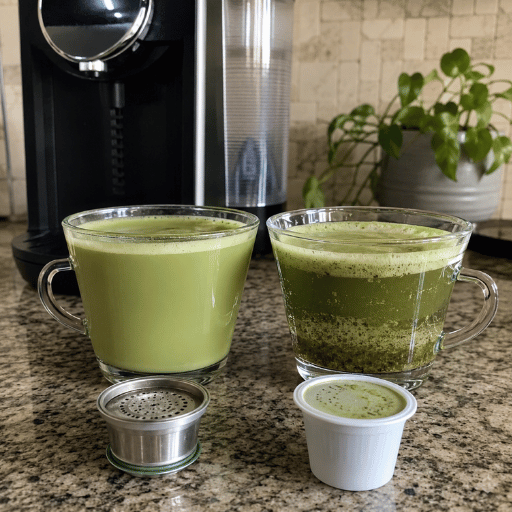
Ya, Anda dapat mengisi matcha ke dalam kapsul Nespresso atau K-Cup, dan pod matcha siap pakai ada. Tetapi mesin pod menyaring air bertekanan melalui bubuk dan meninggalkan sebagian darinya, sementara matcha kocok diminum utuh — sehingga pod memberikan K-Cup yang lebih tipis, sedikit pahit daripada mangkuk yang sebenarnya.
Jawaban singkat: ya, jika dan hanya jika Anda mempertahankan status quo dalam hal bubuk. Sebelum Anda mengukur satu gram, jawab satu pertanyaan yang sangat penting: apakah metode ini akan menjaga matcha * di * cangkir, atau akankah prosedur ini telah menyaring air melalui matcha dan membuang daun, apakah pod belum melakukannya untuk Anda? Sendok teh dikocok menjadi 70-80 °C air menciptakan suspensi 100% dalam mangkuk matcha Anda. Sebaliknya, air mengalir dengan tekanan melalui tempat tidur bubuk terkompresi dan keluar cerat akan menghasilkan salah satu dari yang berikut. Anda lulus Tes Minum-it-or-Filter-it… cara yang salah di sekitar!
Untuk mendapatkan secangkir besar teh atau kopi dari kapsul mesin, harus ada beberapa elemen dari apa yang disebut ekstraksi di tempat. Anda menempatkan bubuk kopi, misalnya, dalam kapsul dan air mengalir melalui kopi, memecah senyawa kimia yang larut, dan mengekstraknya ke dalam teh/kopi Anda. Bubuk kopi Anda tetap berada di dalam pod. Pertandingan berbeda; daripada mengandalkan padatan atau ekstraksi terlarut, kecocokan adalah tentang partikulat bubuk yang tersuspensi. Jika Anda mendorong air panas melalui lapisan partikel ini, dua hal pasti akan terjadi. Partikel pencocokan halus akan menyerap sebagian air dan mengemasnya dengan erat untuk membentuk sumbat, menghalangi lubang keluar pod dan menghasilkan tersedak, meluap atau menetes. Cairan apa yang akhirnya keluar dari mesin, kemudian, akan terpapar dan tersiram air bertekanan yang hampir mendidih (yang jauh lebih panas daripada 70-80 C yang dibutuhkan), yang akan melarutkan asam tannic yang tidak diinginkan. Ini akan menghasilkan hasil yang pahit, bukan karena Anda menggunakan kapsul yang salah atau memiliki mesin yang rusak, tetapi karena desain pod secara fundamental bertentangan dengan sifat matcha yang harus disajikan.
Untuk waktu yang lama, posisi Nespresso cukup umum: “Sistem kami, khususnya Sentrifusi, dirancang khusus untuk kopi. Saat ini tidak ada rencana untuk mengeksplorasi minuman lain, terutama yang tidak cocok untuk diseduh atau direndam dalam air panas seperti kantong teh pada umumnya, apalagi diekstraksi dalam Sentrifusi,” menurut Mencicipi Meja. Mereka tidak pernah merilis matcha resmi Nespresso pod untuk alasan ini sangat. Yang ada Nespresso-gaya matcha pod bekerja melawan format inti mereka, bukan dengan itu, yang merupakan inti dari proses pengisian sukses.
Bisakah Anda membuat matcha dengan mesin Nespresso?
Sebuah Nespresso dapat menarik hijau keluar dari salah satu dari mereka, tetapi tidak akan dibandingkan dengan mangkuk kocok. Anda menyeduh Nespresso dengan mengemudi air hingga ~ 19 bar (atau berputar itu, pada Vertuo) melalui kapsul, yang membakar matcha lembut dan sebagian besar akan meninggalkannya sebagai keping dikemas bubuk di belakang. Sebuah matcha pod OriginalLine pra-diisi dapat membuat untuk cangkir yang dapat digunakan dan diminum , pikirkan ‘dasar latte hijau cepat’ daripada ‘mangkuk seremonial’.
Mengapa Matcha Sangat Sulit Diisi: Masalah Pengisian Matcha 3 Penghalang
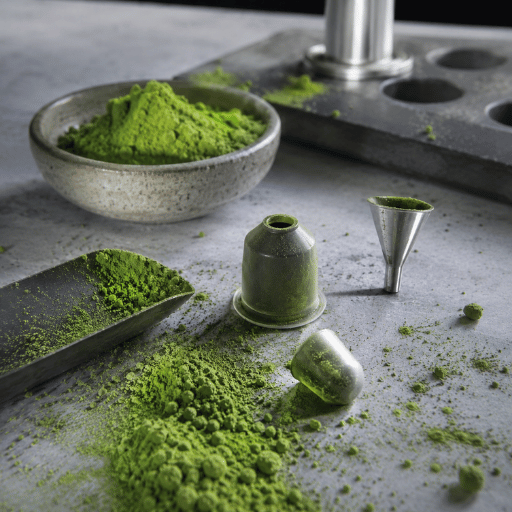
Matcha sulit untuk diisi karena merupakan bubuk ultra-halus, kira-kira 5 ج 15 mikron, puluhan kali lebih halus daripada penggilingan kopi. Kehalusan itu membuatnya menempel dengan statis, menggumpal dengan kelembaban, dan mengoksidasi cepat — tiga penghalang yang mengubah pengisian polong menjadi masalah teknik, bukan sendok sederhana.
Matcha bubuk teh hijau adalah bubuk ultra-halus ~ 5 ج 15 mikron ج biasanya Anda mendengarnya dikatakan sekitar 5 ج 10 mikron جيناء sekitar puluhan kali lebih halus daripada bubuk kopi. Dan kehalusan itulah yang membuatnya menjadi aktor yang buruk pada garis pengisian. Di mana bubuk kopi mengalir, dosis dan paket seperti pasir, matcha melakukannya lebih seperti bubuk kakao atau gula pasir: itu menjembatani, melekat, debu, paket dan lalat ke dalam karya. Ketiga jenis kegagalan peralatan menelusuri kembali ke salah satu dari tiga hal ini, dan setiap kegagalan pengisian juga.
| Kategori penghalang | Penyebab fisik | Gejala DIY | Fix produksi |
|---|---|---|---|
| 1. Statis & debu | Penggilingan batu membuat bubuk terisi secara elektrostatis; menempel di udara kering | Bubuk melompat dari sendok, melapisi semuanya, menyebar | Kontrol kelembaban, perkakas anti-statis, dosis tertutup |
| 2. Penggumpalan higroskopis | Luas permukaan yang tinggi menarik kelembaban; kue bubuk dan jembatan | Benjolan, pengisian tidak konsisten, rongga di kapsul | Ruang kering, pakan tertutup, hopper gelisah |
| 3. Oksidasi & sensitivitas panas | Luas permukaan yang besar membuat katekin/klorofil terkena oksigen | Hijau memudar menjadi coklat; rasa berubah menjadi seperti jerami sebelum Anda menyeduh | Nitrogen flush, penghalang foil, penyegelan cepat |
| 4. Kepadatan curah rendah / menjembatani | Bubuk yang ringan dan mengembang membentang di celah, bukan mengalir | Hopper “tikus-lubang”; dosis kelaparan di tengah lari | Getaran / umpan auger, volume dosis kecil |
| 5. Under-ekstraksi dalam cangkir | Suspensi, bukan larutan — sedikit larut | Minuman yang lemah dan berair dengan sedimen | Pilihan format; menerima pod adalah kompromi |
| 6. Penyaluran | Retakan kue yang dikemas; air menemukan satu jalan | Aliran sputtering, kekuatan tidak merata | Bahkan dosis, tamp yang dikontrol cahaya |
| 7. Kontaminasi segel-flensa | Denda lintas udara menetap di tepi | Segel panas yang lemah dan bocor | Pembersihan flensa vakum sebelum ditutup |
| 8. Presisi dosis | Target 2 g dalam cangkir kecil tidak bisa dimaafkan | Over/under-isi, variasi cangkir-ke-cangkir | Dosis servo dengan toleransi gram yang ketat |
| 9. Overfill blowout | Serbuk menjejalkan tidak meninggalkan jalur aliran | Tidak ada air yang lewat; kapsul pecah atau tidak mau menutup | Ukuran kanan dosis ke rongga |
Mekanisme yang disintesis dari literatur penggilingan dan penanganan bubuk; sumber tercantum di bagian akhir.
Ada twist pada hal yang secara tidak intuitif benar dan layak diketahui jika Anda hanya berasumsi bahwa ‘lebih baik selalu lebih baik’. Jika itu mungkin penting bagi Anda, beberapa penelitian menunjukkan aktivitas antioksidan dan katekin dari partikulat teh hijau menurun pada partikel yang lebih kecil dari 50 mikron, sementara memiliki aktivitas tertinggi (33,5mg/g bahan kering) ketika diproses menjadi partikel yang lebih kasar dari 100 ¡180 mikron. Tapi matcha harus super-halus φ jika tidak, itu tidak akan dapat mencapai warna, rasa mulut dan dispersi ◎ penggilingan ultra-halus harus perlahan-lahan dicapai dengan batu granit dingin, karena kecepatan penggilingan tinggi menghasilkan panas yang menurunkan matcha. Ukuran partikel rata-rata telah dilaporkan didorong turun menjadi sekitar 17 mikron dari sekitar 330 mikron lebih grinding lebih lama, sebagai bukti positif dari apa yang terjadi. Fakta mengisi kemudian: ini adalah baik-karena-itu-seharusnya-menjadi baik-baik saja, halus oleh bubuk alam yang pantang menyerah pada hopper Anda.
Pada sekitar 5 ج 10 mikron, matcha menjadi lebih halus daripada sel darah merah manusia tunggal (7 ج 8 mikron). Karena bubuk yang lapang atau berat yang lebih padat berubah itu kerapatan yang tampak tergantung pada udara yang terkandung di dalamnya akan berarti bahwa sendok kopi 300 mikron volumetrik akan menghasilkan beberapa hal yang agak berbeda untuk dosis matcha Anda: itulah sebabnya pada jalur produksi dosis matcha ditangani sebagai berat yang dikontrol secara tepat ¡ · · dengan variasi pengisian total sekitar 0,1 g atau kurang pada peralatan satu porsi seperti mesin pengisian tunggal AFPAK untuk matcha.
Mengisi Sendiri di Rumah: Pod yang Dapat Digunakan Kembali dan Diisi Ulang (dan Ke Mana Gagal)
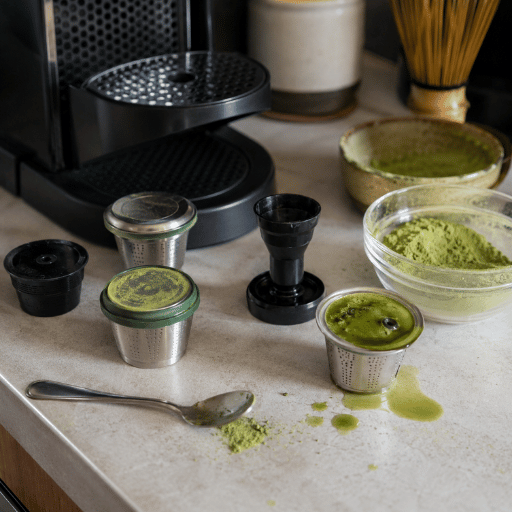
Pendekatan ‘jelas’ akan dengan kapsul yang dapat digunakan kembali ج tipe Nespresso atau versi K-Cup mesh, di mana Anda menyendok bubuk matcha Anda sendiri. Ini bekerja, kurang lebih ¡Tapi sebelum memesan sepuluh-paket dari tipe kosong, Anda harus tahu di mana gagal.
Ukuran partikel adalah masalah inti. Reusable-pod mesh dirancang untuk penggilingan kopi menengah φ ratusan mikron di seluruh. Matcha jauh lebih kecil dari itu, sehingga bubuk terbang langsung melalui mesh dan berakhir di bagian bawah mug Anda. Peminum teh yang mencoba laporan ini konsisten pasta tipis dan lumpur yang terakumulasi di bagian bawah setiap cangkir, dan sementara obat khasnya adalah menggunakan penggilingan yang lebih kasar φ yang bukan pilihan, karena bubuk matcha dijual sudah dimikronisasi. minuman yang dihasilkan di atas ampas lemah, air, dan berair (water) tidak baik! Ada masalah sekunder dengan polong Nespresso isi ulang secara khusus: sisa minyak dari kopi panggang menempel ke mesin, dan ke polong yang digunakan kembali. jadi bahkan setelah membilas peralatan minuman dengan air biasa terlebih dahulu, matcha selalu mengambil rasa kopi basi.
- Murah, gunakan kembali satu kapsul selama berbulan-bulan
- Segar, Anda mengisinya beberapa menit sebelum diseduh
- Kontrol penuh atas kadar dan dosis
- Tidak ada pesanan minimum, tidak ada peralatan
- Matcha halus melewati jaring → sedimen berpasir
- Cangkir yang lemah dan berair; tidak ada crema atau tubuh asli
- Sisa minyak kopi dalam polong Nespresso yang dapat digunakan kembali
- Tidak ada pembilasan nitrogen, tidak ada segel kedap udara → teroksidasi dengan cepat
- Berantakan; kerugian statis pada setiap sendok
Banyak perbaikan yang disarankan melibatkan memasukkan lapisan mikrofilter kertas ke dalam keranjang yang dapat digunakan kembali – mereka melakukan pekerjaan yang wajar untuk menangkap denda, sedikit memperlambat aliran air, dan mampu mencegah * beberapa * bubuk keluar, tetapi penyegelan tidak akan pernah sempurna. Intinya? Menuangkan bubuk Anda sendiri ke dalam sistem yang dapat digunakan kembali adalah cara yang menyenangkan untuk bereksperimen jika Anda sudah berinvestasi dalam format ini, tetapi tidak mungkin untuk memberikan produk yang bersih dan berkualitas tinggi, atau minuman yang akan berdiri seiring waktu. Jika yang benar-benar Anda cari adalah pod Nespresso yang stabil di rak dan bebas kekacauan maka Anda harus melupakan dunia refiller sepenuhnya ◎ dan di situlah tepatnya sisa panduan dimulai. Untuk referensi, lihatlah panduan kami yang lain yang meneliti dengan tepat apa yang ditemukan di dalam polong Nespresso khas yang tersedia untuk ritel.
Bisakah Anda memasukkan matcha ke dalam K-Cup yang dapat diisi ulang?
Ya, tapi bersiaplah untuk berurusan dengan sedimen. lubang di mesh K-Cup yang dapat digunakan kembali berukuran untuk menangkap bubuk kopi yang diseduh sehingga setiap dan semua partikel Matcha yang lebih halus dari lubang akan keluar dan berakhir di bagian bawah K-Cup kopi lemah Anda seperti ini. menggunakan lapisan filter mikro kertas akan mengurangi partikel, dengan biaya untuk aliran air. Tidak apa-apa untuk K-Cup sesekali, tetapi tidak untuk apa pun yang Anda akan melayani pelanggan.
Format Kapsul Mana yang Mengambil Matcha Terbaik? OriginalLine vs Vertuo vs K-Cup
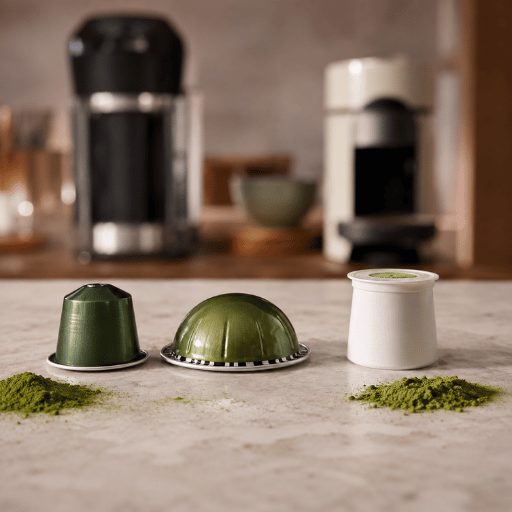
Format dampak hasil dengan matcha untuk tingkat yang jauh lebih besar daripada dengan kopi karena berbagai sistem mempekerjakan proses mekanik dan pemanasan yang sama sekali berbeda untuk mengekstrak bubuk versus bubuk. Jika Anda akan mengisi dengan tangan atau menggunakan sistem pengisian otomatis untuk membuat produk Anda maka ini adalah gambaran singkat:
| Format | Bagaimana itu menyeduh | Cocok matcha |
|---|---|---|
| Nespresso OriginalLine | Pompa bertekanan tinggi melalui kapsul tertutup | Rumah pihak ketiga terbaik: sebagian besar pod matcha kompatibel dengan OriginalLine |
| Nespresso Vertuo | Sentrifusi (spin) + barcode yang dibaca mesin | Miskin: penguncian kode batang dan format putaran memblokir hampir semua pod matcha |
| Keurig K-Cup | Tetesan bertekanan rendah melalui cangkir yang ditusuk | Dapat diterapkan: lebih lembut, lebih toleran terhadap sedimen, mudah diisi |
Mengapa Vertuo ditinggalkan? Sistem itu mengidentifikasi kapsul dengan membaca barcode dicetak di tepinya kemudian menyesuaikan pembuatan bir sesuai dengan parameter yang berasal dari kode itu sendiri, dengan demikian, kapsul yang tidak dapat diidentifikasi sama sekali tidak akan memicu siklus pembuatan bir, adalah mengapa vendor memproduksi produk matcha pod yang cocok untuk digunakan dalam OriginalLine, bukan Vertuo. K-Cups dengan mudah merupakan pilihan pod terbaik di rumah karena minuman bertekanan rendah mereka secara signifikan lebih mengakomodasi bubuk halus daripada tekanan OriginalLine yang lebih tinggi, meskipun masih dapat menyebabkan sedikit sedimen. Jika membangun jalur produksi beberapa jenis pod penggunaan pengisi multi-pod yang mampu menampung lebih dari satu bentuk pod pasti dapat mengurangi biaya (mempertimbangkan mesin multi pod seperti AFPAK RN1S mesin kapsul multi-format (yang menangani sistem K-Cup, Dolce Gusto, A Modo Mio dan OriginalLine). Untuk memahami K-Cup itu sendiri, lihat panduan kami di apa yang terbuat dari polong Nespresso.
Berapa Banyak Matcha yang Masuk dalam Satu Kapsul? Matcha Jendela Isi-Berat
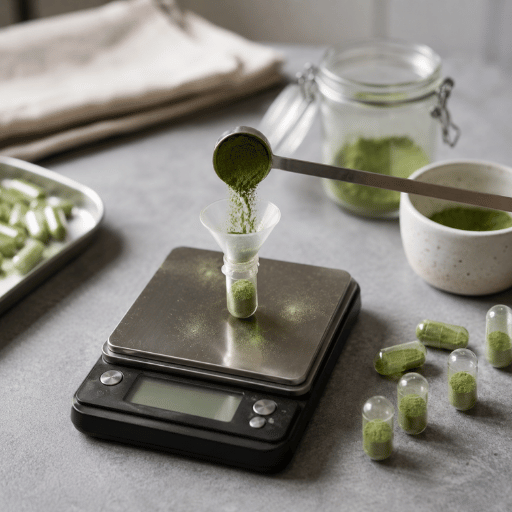
Satu porsi matcha ¡tg kasar 2 gram bubuk murni мод порт портовортова портана портана портова портоворавовововоравовововововововова поранана портана портана портана портана портана порана пововов пововов пововов портонана пов пов повов поранананананана пов поворанананананананана порананана понононононононононо пононононона пононононононононононононононононо о оно.
Salah menilai kuantitas ini, dan minuman yang dihasilkan akan lebih rendah. Matcha yang tidak mencukupi akan mengakibatkan air menyedot ke lapisan matcha tipis tanpa menyerap nutrisi yang tepat, sehingga menghasilkan teh yang pudar atau disiram. Sebaliknya, terlalu banyak bubuk akan mengakibatkan pemadatan material menjadi lapisan padat yang keras, mencegah air bersirkulasi secara merata ¡sehingga mesin akan berjuang untuk mengirimkan minuman atau bahkan mungkin bocor, atau segel kapsul dapat memaksa tonjolan. Garis panduan pengisian kapsul ini eksplisit bahwa terlalu banyak matcha di ruang tertentu akan menyebabkan masalah, menyebabkan penundaan dengan tamping, masalah penyegelan, dan jumlah cacat yang lebih tinggi. Jendela itu adalah faktor penting.
Kami akan menargetkan sekitar 2,0 gram matcha murni per kapsul. Berdasarkan tingkat 30 hingga 35mg per gram dalam minuman yang dihasilkan, kami mendapatkan sekitar 60 hingga 70 mg kafein, secara signifikan kurang dari secangkir kopi 8 oz standar (yang dapat mengandung sekitar 95 hingga 120mg). Hanya satu gram kurang dan Anda akan berakhir dengan minuman pucat dan berair. Apa pun yang lebih dari 3 gram dan alirannya sepenuhnya diblokir. Dosis mesin produksi dengan berat bukan volume φ kurang lebih satu gram untuk kapsul yang diisi secara manual dapat mengubah cangkir yang sukses menjadi yang gagal.
Jangan bingung tingkat kapsul dengan tingkat gram individu Matcha pada kafein. Satu gram matcha mengandung sekitar 19-44 mg kafein, yang cukup sedikit lebih dari 10-12 mg yang terkandung dalam satu gram biji kopi. Tetap saja, karena Anda hanya mengonsumsi beberapa gram, seluruh kapsul menghasilkan kurang dari satu cangkir kopi menurut Tinjauan garis kesehatan tentang kafein matcha. Jauh lebih baik untuk melihat jumlah dalam porsi selesai versus angka per gram ج dengan cara ini, porsi sebenarnya memiliki tingkat kafein yang jauh lebih ringan yang layak.
Berapa banyak matcha dalam pod kopi dibandingkan dengan satu sendok teh?
Jumlah yang sama, mungkin kurang. Dalam porsi yang dikocok dengan tangan, kita bisa memiliki hingga satu sendok teh bubuk (2-4 gram). pod kopi yang khas mungkin bertujuan untuk satu, 2g melayani dengan banyak ruang untuk memungkinkan air melewatinya. Tentu saja pod kopi “matcha latte” yang dimaniskan bukanlah hal yang sama – · banyak bahan mereka terdiri dari gula dan pemutih, sedangkan bubuk matcha asli dapat terdiri dari porsi yang lebih kecil.
Mengapa Matcha Menggumpal, Memudar, dan Menjadi Basi dalam Kapsul (Rekayasa Kesegaran)
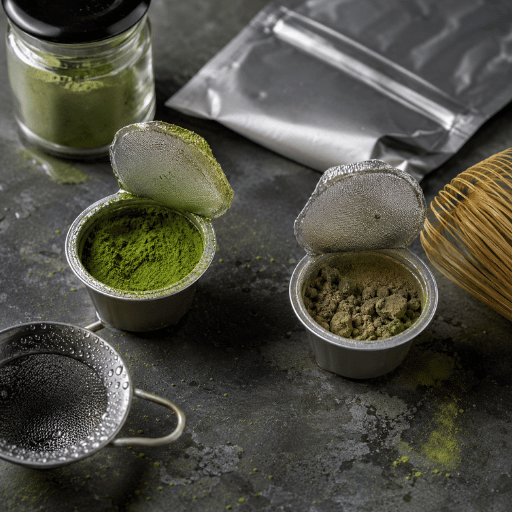
Oksigen, bukan pembuat kopi, adalah musuh nomor satu matcha, tetapi terutama setelah pengolahannya, masalah ini diperburuk dengan memproduksi zat bubuk intens dengan luas permukaan yang besar. Dalam beberapa kasus ini, sains sangat jelas dan sering menunjukkan pengisi produksi di atas buatan tangan.
Dalam studi yang meneliti kondisi penyimpanan jangka panjang yang disegel pada matcha kita dapat mulai memvisualisasikan seberapa cepat ia terdegradasi. Ketika didinginkan pada 4° Celcius, antioksidan dalam matcha berlangsung sekitar dua bulan; pada suhu kamar (25 °C) itu berlangsung sekitar tujuh hari, dan pada 35 °C mendekati lima hari, seperti yang didokumentasikan dalam sebuah studi Nutrisi Pencegahan dan Ilmu Pangan. Studi yang sama mencatat hasil yang dapat diidentifikasi secara visual yang dialami semua orang yang akrab dengannya; dari 47,83 tingkat yang tercatat pada 4 Celcius, nilai hijau turun menjadi 21,88 di lingkungan derajat 80C karena klorofil terurai φ memudar hijau menunjukkan oksidasi aktif daun teh.
Lebih dari cahaya, oksigen membuat degradasi. Sebuah studi tunggal oleh para peneliti menemukan bahwa bahkan di bawah paparan oksigen yang tinggi, EGCG katekin, tidak dapat ditemukan dalam 36 jam, dan di bawah lingkungan oksigen yang berkurang yang dicapai melalui pembilasan nitrogen tetap 95 persen utuh setelah 6 jam, seperti yang dilaporkan dalam jurnal Molekul. Semua ada alasan untuk menyiram topi pertandingan dengan nitrogen dan bukan dengan udara; terbuka, on-counter isi ulang rumah K Piala tidak bisa menyamai prestasi. Kami dimasukkan ke dalam K Cup melalui tindakan pembilasan N2 sebelum kita menjepit tutup, dalam upaya untuk menggantikan oksigen dari cangkir, alasan bahwa produk tersebut biasanya diadakan di bawah kira-kira 2 ¡3% oksigen sisa dalam kemasan produksi, karena oksigen di atas sekitar 5% menyebabkan oksidasi hanya dalam beberapa hari-khususnya yang ditemukan di industri pembuatan kopi, dan sebagai hasilnya operasi yang kita gunakan untuk kami N2 melindungi topi kami pada mesin yang bekerja dan dibahas panjang lebar dalam bagian ini tentang bagaimana K Cups bekerja ketika diisi menggunakan metodologi itu.
Menyegel Kapsul Penuh Bubuk Halus (Bagian yang Tidak Disebutkan Siapa Pun)
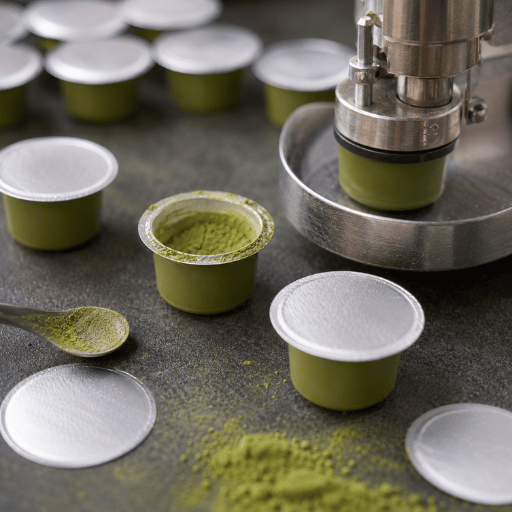
Penyegelan adalah aspek di mana pengisian Matcha DIY benar-benar kalah dari orang lain, sesuatu yang tidak mereka diskusikan di halaman kemasan. Pengisian melibatkan penyegelan produk terhadap cincin atau flensa yang disegel menggunakan aluminium foil atau film, setelah memasukkannya ke dalam, atau ke dalam gelas plastik. Untuk ini untuk mencapai segel yang aman, tepi ini harus benar-benar sempurna. Dengan sifat matcha yang sangat halus dan melekat secara alami statis, jarang akan.
Biarkan dinyatakan sesederhana yang dapat dikatakan dalam skenario kegagalan: selama pengisian, partikel di udara jatuh ke bibir, dan jika ada debu atau teh yang masuk ke bawah tutupnya, maka tidak ada segel yang dapat diperoleh di antara tutupnya. dan tepinya, sehingga membuat semua upaya menjadi tidak berarti dan tidak berguna karena teh apa pun akan cepat habis masa berlakunya karena udara mencapai segalanya seperti yang disarankan oleh jalur produksi komersial mana pun, di stasiun, yang setelah tutupnya ditutup rapat dengan aluminium foil dengan lem peka panas, vakum dari puing-puing dari tepi flensa sebelum tutupnya dipasang, seperti yang dijelaskan dalam cakupan perdagangan lini produksi kapsul kopi. Bangku dapur manual Anda tidak memiliki cara untuk menghilangkan debu di perimeter bagian dalam sebelum menerapkan tutup aluminium yang disegel panas, sehingga kapsul buatan sendiri dan buatan tangan Anda bocor seperti saringan.
Bahkan sejak paten diajukan pada tahun 1999, dinyatakan bahwa bubuk teh hijau digiling dengan nitrogen, kemudian, sambil tetap mengeluarkan nitrogen, dimasukkan ke dalam kapsul, untuk melindungi proses penggilingan dan proses pengisian dari oksigen, menurut Paten AS 5.993.867. Baru-baru ini, paten merinci bagaimana menggunakan kapsul baik dalam dosis gas dan flush-out sebelum penyegelan atau untuk hanya menggantikan udara dan kelembaban sehingga produk tetap stabil, seperti yang dijelaskan dalam paten seperti Paten AS 10.351.277 and Paten AS 12.492.046 dalam industri makanan dan minuman secara konsisten menekankan bahwa satu-satunya penghalang untuk mencegah masuknya udara adalah bibir atau flensa.
“Bagian tersulit dari kapsul bubuk tidak pernah mengisi, itu adalah segel. Beberapa miligram denda pada flensa dan tutupnya tidak akan terikat. Dengan matcha kami memperlakukan pembersihan flensa dan segel panas yang ketat dan berulang sebagai gerbang kualitas nyata, bukan dosisnya.”
Ketika Pengisian Tangan Berhenti Masuk Akal: Tes Sakelar Pengisian Tangan ke Mesin 4 Sinyal
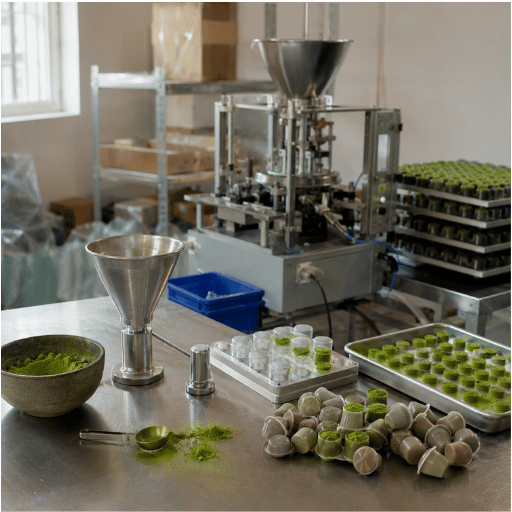
Mengisi tangan tidak masalah jika Anda membuat beberapa lusin pod per minggu untuk konsumsi pribadi. Di luar itu, baik matematika maupun fisika tidak menguntungkan Anda. Ikuti kuis sederhana ini: jika dua atau lebih pernyataan berikut benar, Anda telah melampaui meja dapur dan membutuhkan mesin pengisi.
- Anda membuat terlalu banyak polong, karena pasar yang salah-Pengisian tangan telah menjadi hambatan; Anda sekarang membutuhkan lebih dari beberapa lusin polong per minggu.
- Anda siap untuk membuat produk konsumen jadi-Anda memproduksi produk ritel jadi yang membutuhkan tutup yang sepenuhnya disegel panas sebagai lawan dari topi yang dapat digunakan kembali snap-on.
- Anda telah ditugaskan untuk memperpanjang umur simpan produk Anda- Anda ingin penyegelan kedap udara dengan penyertaan pembilasan nitrogen sehingga produk Anda dapat bertahan berminggu-minggu di rak dan kerasnya pengiriman, alih-alih berjam-jam di dapur.
- Setiap pod harus identik-Anda mencari konsistensi dosis dalam toleransi sekitar ± 0,1 g جم فایل jenis yang tidak dapat dicapai dengan sendok.
Transisi itu adalah pilihan ekonomi daripada yang teknologi. Sumber daya perdagangan pada pengisi kontrak, misalnya, perhatikan bahwa proses menggunakan pihak ketiga mengisi dan menyegel kapsul, sehingga menghapus dari pemilik bisnis belanja modal yang diperlukan untuk membeli peralatan dan overhead operasional yang terkait dengan menjalankan fasilitas-Namun, besar, volume tinggi, dan co-packer yang mapan biasanya membawa kuantitas pengisian minimum yang jauh lebih banyak daripada yang dibutuhkan oleh merek kecil atau menengah, menurut Jurnal Perdagangan Teh & Kopi. Pada akhirnya, keputusan baik perlu dibuat tentang cara terbaik untuk mendekati batasan pesanan minimum dari co-packer besar atau tentang cara memperoleh mesin pengisi entry-level. Bagi mereka yang memiliki minimum dalam kisaran beberapa ratus atau beberapa ribu unit per minggu, pengisi kapsul satu porsi seperti pengisi kapsul satu porsi YM40, yang mampu sekitar 40 kapsul per menit, membuat entri berbiaya lebih rendah ke dalam produksi kopi komersial tanpa investasi lima digit. Prosesnya kemudian meningkat menuju penuh lini produksi kapsul, dengan mesin kapsul dan K-cup yang menawarkan tingkat rata-rata 40 hingga 600 kapsul per menit dan juga mampu mengisi, menyegel, dan pembilasan nitrogen untuk kakao, kopi larut, dan teh dengan akurasi mendekati 0,1g. Jika pasar Anda berpusat pada kapsul yang kompatibel dengan Nespresso, itu Mesin pengisian kapsul Nespresso adalah pilihan logis Anda. Akhirnya, apa yang secara mendasar membedakan pod hobi dari produk yang dapat dijual adalah bahan kapsul dan tutup ¡ · bersertifikat food-grade, food-contact-safe capsule dan bahan tutup tahan terhadap air panas ¡ · · · · · · · · · · · · · · · · · · · · · · · · · · · · · · · · · · · · · · · · · · · · · · · · · · · · · · · · · · · · · · · · · · · · · · · · · · · · · · · · · · · · · · · · · · · · · · · · · · · · · · · · · · · · · · · · · · · · · · · · · · · · ·.
6 Kesalahan Orang Membuat Mengisi Pod Matcha (Dari Lantai Produksi)
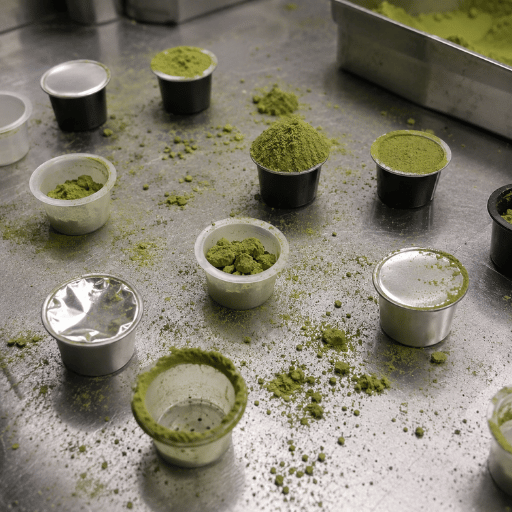
Sebagian besar mengisi masalah-Apakah Anda produsen perusahaan minuman atau hanya ahli teh yang cerdas membuat polong Anda sendiri-adalah masalah membuat kesalahan umum ini.
- Mengisi pod bubuk dengan matcha kelas seremonial: Jenis teh ini, jika dikonsumsi panas atau di bawah tekanan seperti dari lingkungan pembuatan bir bertekanan, terlalu halus. Rasanya akan terbakar oleh uap dan teh akan tenggelam dalam kehalusan; plus, ‘kelas seremonial’ tidak lebih dari istilah pemasaran yang tidak berarti dan tidak memiliki hak cipta. Blind-testing menemukan kebanyakan orang jauh lebih puas dengan matcha kelas kuliner daripada mereka dengan kelas seremonial, tetapi ada sangat sedikit , atau sebenarnya, tidak ada yang diperoleh untuk biaya saat menyeduhnya dalam pod kopi.
- Over-packing. Tamping dalam aliran blok rongga dan bertanggung jawab untuk lebih polong banjir dan tidak-diseduh dari apa pun.
- Debu tanpa pengawasan, statis tanpa pengawasan. Sejumlah besar setiap sendok bubuk tidak akan masuk ke dalam cangkir saat kering; dosis terukur Anda bukanlah dosis sebenarnya.
- Kurangnya penghalang nitrogen. Kecuali dikemas atau disegel dalam nitrogen, matcha berwarna coklat seiring bertambahnya usia dalam beberapa hari-teh Anda terasa seperti jerami, bukan rumput.
- Mempercayai jaring pod yang dapat digunakan kembali. Kawat yang digunakan untuk kopi bubuk tidak akan menahan daun teh halus di tempatnya. Bubuk akan tergelincir sebagai sedimen.
- Segel yang bocor dan terkontaminasi. Baik di alur segel atau di tepi flensa atau keduanya, Bubuk mengganggu ikatan padat, menyebabkan kebocoran dan degradasi produk
Setidaknya pada penilaian, perdagangan matcha jelas: tidak ada standar “upacara” di buku; mereka secara teknis bisa memberi merek hanya tentang apa pun yang mereka inginkan “upacara,” sebagai Tezumi menjelaskan. Penting untuk meluruskan hal ini: “matcha sebagai produk secara teknis terdefinisi dengan baik,” Klasifikasi jenis teh ISO 20715:2023 menunjukkan, dan undang-undang pelabelan makanan Jepang dan standar industri mengidentifikasi apa yang merupakan produk semacam itu-dan perbedaan ’kelas seremonial“ adalah yang tidak didefinisikan secara resmi. Dan alasan matcha sangat sensitif terhadap oksigen di tempat pertama berkaitan dengan bagaimana itu diproduksi. Daun yang digunakan untuk Matcha sangat hati-hati batu-tanah perlahan, dalam kondisi dingin. Kehati-hatian itu ada karena, Berita Teh Dunia dilaporkan, adalah bahwa jika tanah dengan cepat, gesekan ini dapat menyebabkan Oksidasi dan mengakibatkan daun berubah menjadi coklat.
Apakah Sekarang Saat yang Tepat untuk Membuat Pod Matcha? (Pandangan 2026)
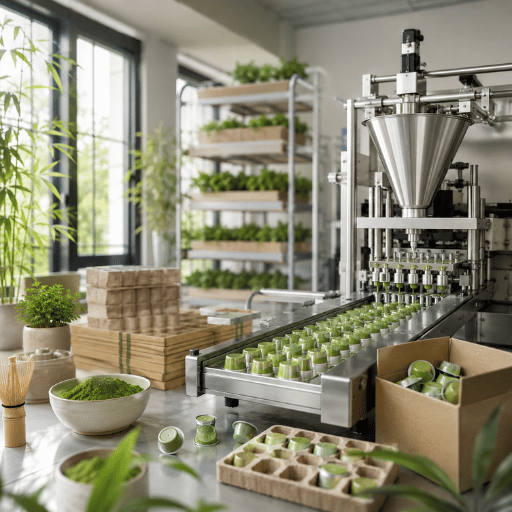
Untuk garis pod matcha 2026, sisi penawaran lebih penting daripada grafik ukuran pasar. Kekurangan tencha telah mendorong harga kelas seremonial naik tajam, sehingga langkah praktisnya adalah merencanakan di sekitar kelas kuliner dan mengunci pasokan lebih awal — sebelum puncak es-matcha musim panas memenuhi kekurangan struktural.
jika Anda berencana untuk membangun garis pod Matcha, jawabannya untuk Anda tahun ini harus fokus pada sisi penawaran, bukan grafik analisis ukuran pasar. ‘Perasan 2026’, seperti yang banyak di industri menyebutnya, sebenarnya berpusat secara khusus pada ‘tencha‘ ج daun teh yang tumbuh lambat dan tertutup naungan, yang sebenarnya digiling untuk menghasilkan Matcha premium. Tencha adalah produk inti dari kekurangan ini, dengan pasokan yang menyusut bahkan ketika Jepang telah melihat pertumbuhan yang signifikan dalam ekspor teh. Nilai ekspor tersebut meningkat lebih dari dua kali lipat selama tahun fiskal terakhir menjadi sekitar 84,7 miliar yen, sementara volume naik 42 persen menjadi 13.125 ton, menurut pelaporan kawat. teh bubuk, termasuk tencha yang digunakan untuk produksi matcha, membuat kira-kira 70% dari total volume ekspor itu, dengan laporan kawat yang menyatakan bahwa produsen tencha saat ini melihat produk mereka dijual sekitar 1,7 kali lipat harga yang terlihat pada tahun 2024. Permintaan matcha telah meningkat selama bertahun-tahun, oleh beberapa perkiraan industri kira-kira delapan kali lipat selama lima tahun. Sayangnya, karena pohon teh membutuhkan waktu bertahun-tahun untuk sepenuhnya matang, bantuan tidak ada di sudut ́ bahkan Produksi matcha Jepang meningkat dua kali lipat antara tahun 2010 dan 2023, namun tidak mampu mengimbangi melonjaknya permintaan.
Apa artinya ini bagi pembuat pod kopi? Dua peluang yang jelas dan satu kehati-hatian. Pertama, gear titik harga dan spesifikasi Anda ke arah kuliner, kebutuhan seremonial tidak lagi membenarkan premi ketika pod kopi yang diseduh panas mendorong ke pasar yang sama. Tencha seremonial murah cukup sulit ditemukan, apalagi mahal; mengapa membayar nilai yang memurah format? Kedua, bersandar pada sumber Anda lebih awal. Karena matcha campuran es memainkan terkuat pada kurva permintaan di musim panas, pastikan pasokan kuliner Anda lebih awal (sebelum krisis musiman memenuhi yang struktural). Untuk konteks, kerumunan matcha keseluruhan substansial dan meluas ke atas, beberapa miliar USD segmen pasar dengan beberapa poin persentase pertumbuhan, tahunan. Berita sebenarnya, meskipun, terletak pada pertumbuhan pasokan daun dan pola musiman yang dapat membuat atau menghancurkan jadwal produksi di 2026.
Merencanakan matcha atau rantai pod bubuk bentuk fungsional? AFPAK membuat mesin pengisian dan penyegelan kapsul satu porsi, multi-format dan full-line, dosis berat dan pembilasan nitrogen untuk bubuk halus seperti matcha.
Pertanyaan yang Sering Diajukan
Q: Bisakah Anda memasukkan matcha ke dalam mesin Nespresso?
Lihat Jawaban
Q: Bisakah Anda memasukkan matcha ke dalam Keurig atau K-Cup?
Lihat Jawaban
Q: Berapa banyak matcha yang masuk dalam satu kapsul?
Lihat Jawaban
Q: Apakah Anda memerlukan mesin khusus untuk mengisi pod matcha?
Lihat Jawaban
Q: Mengapa matcha menggumpal dan memudar dalam kapsul?
Lihat Jawaban
Q: Apakah pod yang dapat digunakan kembali atau diisi ulang cukup baik untuk matcha?
Lihat Jawaban
Q: Bisakah saya menjual matcha pod yang saya isi sendiri?
Lihat Jawaban
Matcha dalam pod berisi tangan dengan tutup cepat sangat sulit dijual dengan cara yang sah; paket-paketnya tidak kedap udara, terlindungi dari nitrogen, atau cangkir ke cangkir yang konsisten (teh teroksidasi menjadi warna coklat dengan sangat cepat). Setiap pod ritel yang layak harus memiliki tutup yang disegel panas dalam flensa yang bersih, berat hingga toleransi yang sangat halus dan memiliki udara yang memerah nitro agar stabil di rak. Pada saat itu Anda telah beralih dari pengisian tangan ke mesin pengisi satu porsi atau layanan pabrik pengepakan bersama. Bagaimana Anda melakukannya hingga volume dan berapa jumlah pesanan minimum pabrik co-pack.
Mengapa Kami Menulis Ini
AFPAK membangun kapsul mengisi dan mesin penyegel di belakang kopi, teh dan polong fungsional-bubuk, termasuk garis K-Cup dan Nespresso nitrogen-dibilas yang menangani bubuk halus seperti matcha. Panduan ini mencerminkan apa dosis bubuk halus dan penyegelan benar-benar menuntut, toleransi berat ± 0,1 g, flensa-pembersihan, kontrol oksigen, daripada pitch produk. Ditinjau oleh tim teknis AFPAK.
Referensi & Sumber
- Pengaruh ukuran partikel terhadap aktivitas antioksidan dan kandungan katekin pada bubuk teh hijauJurnal Ilmu dan Teknologi Pangan (2016)
- Pengaruh suhu penyimpanan terhadap aktivitas antioksidan dan stabilitas katekin matchaIlmu Gizi dan Pangan Pencegahan (2020)
- Pengaruh USG, oksigen dan sinar matahari terhadap stabilitas EGCGMolekul (2018)
- Penggilingan matcha dengan media diaduk: sifat fisikokimiaTeknologi Serbuk (2023)
- Paten AS 5.993.867, Teh hijau bubuk yang dienkapsulasi (terlindung nitrogen)
- Paten AS 10.351.277, Dosis kapsul dengan pembilasan nitrogen atmosfer termodifikasi
- Paten AS 12.492.046, Penyegelan penjepit flensa kapsul untuk bubuk
- Apakah matcha memiliki kafein?Healthline
- Matcha: 7 mitos dan kesalahpahaman (“ceremonial grade” tidak diatur)Tezumi
- Tidak semua teh hijau bubuk adalah matcha (penggilingan batu ruangan berpendingin)Berita Teh Dunia
- Memilih co-packer yang tepatJurnal Perdagangan Teh & Kopi
- Apa arti kekurangan matcha global (harga tencha, pemotongan panen)Bola Dunia dan Surat
- Kekurangan Matcha dan produksi JepangSempurna Daily Grind
- Mengapa Nespresso tidak membuat matcha podMencicipi Meja
Artikel Terkait
- Apa yang ada di dalam pod matcha yang Anda belanjakan, matcha murni vs campuran latte yang dimaniskan
- Mesin pengisian dan penyegel K-Cup (juga mengemas teh dan bubuk larut)
- Nespresso kapsul mengisi dan mesin penyegel
- YM40 single-serve pod mengisi mesin untuk rendah-MOQ dimulai
- Bagaimana perlindungan nitrogen menjaga isi kapsul tetap segar


