
Puoi riempire matcha in capsule Nespresso? e K-Cup Sì, puoi riempire matcha in capsule Nespresso e K-Cup ed esistono già pod matcha di terze parti. Riempire matcha in capsule Nespresso e K-Cup significa confezionare una polvere ultrafine e ossidante in un pod monodose possibile, ma spietato nella pratica L’avvertenza, che quasi nessuna descrizione del prodotto sottolinea, è come funziona la macchina per espellerla, forzando l’acqua calda *attraverso* le particelle e di nuovo fuori, invece di sbatterlo su e bere l’intera polvere come il processo tradizionale Questo è tutto, questa è l’intera storia che detta se la tua capsula consegna un’autentica ciotola di matcha o un’esperienza annacquata e piena di sabbia Esaminiamo tutti i dettagli riguardanti la dimensione delle particelle, l’aggregazione, il peso di riempimento, l’ossidazione e ciò che il tuo sforzo fai-da-te medio rispetto a una macchina riempitrice di livello industriale sta effettivamente ottenendo.
Specifiche rapide: riempimento del Matcha nelle capsule
| Dimensione delle particelle Matcha | ~515 µm (comunemente citato intorno a 510 µm µm µm 0 µm 1,000 µm |
| Matcha per pod monodose | ~2 g puro (una porzione libera standard è 24 g) |
| Caffeina | ~60 mg70 mg per 2 g matcha vs ~9 tazza di caffè120 mg per |
| Formati compatibili | Nespresso OriginalLine, Keurig K-Cup; Vertuo raramente (Centrifusion lockout) |
| Bersaglio di freschezza (sigillato) | Basso flusso di ossigeno residuo (il confezionamento del caffè punta a ≤2 ossigeno residuo tramite azoto 3%) |
| Chiusura | Foglio di alluminio termosaldato/coperchio in pellicola su una flangia pulita |
Puoi effettivamente mettere il Matcha in una capsula Nespresso o K-Cup? IL Test di Bevilo o Filtralo
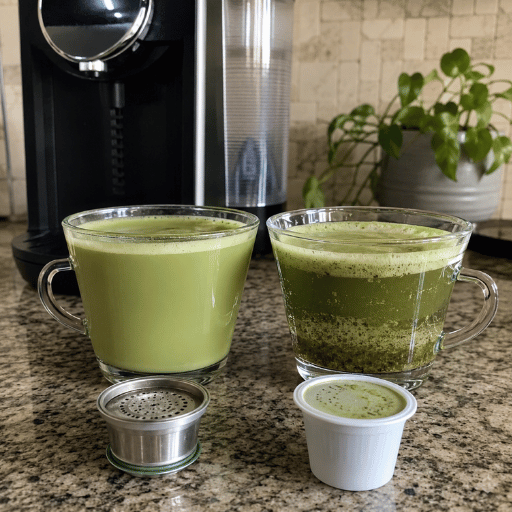
Sì, puoi riempire il matcha in una capsula Nespresso o K-Cup, ed esistono cialde di caffè matcha già pronti Ma una macchina a Cialda di caffè filtra l’acqua pressurizzata attraverso la polvere e ne lascia una parte dietro, mentre il matcha whisked è bevuto intero così un Cialda di caffè dà una tazza più sottile, leggermente amara piuttosto che una vera ciotola.
Risposta breve: sì, se e solo se mantieni lo status quo in termini di polvere Prima di misurare un singolo grammo, rispondi a una domanda importantissima: questo metodo manterrà il matcha * in * la tazza, o questa procedura avrebbe filtrato l’acqua attraverso il matcha e smaltito la foglia, se il Cialda di caffè non l’avesse già fatto per te? cucchiaino frustato in acqua a 70-80 °C crea una sospensione 100% nella tua ciotola matcha Viceversa, far scorrere l’acqua a pressione attraverso un letto di polvere compressa ed uscire da un beccuccio risulterà in uno dei seguenti Supera il Test Drink-it-or-Filter-it… nel modo sbagliato!
Per ottenere una tazza fantastica di tè o caffè da una capsula della macchina, è necessario che sia presente qualche elemento di quella che viene chiamata estrazione. Metti i fondi di caffè, ad esempio, in una capsula e l’acqua scorre attraverso il caffè, scomponendo i composti chimici solubili e li estrae nel tè/caffè. I fondi di caffè rimangono nella capsula. L’abbinamento è diverso; invece di fare affidamento su solidi disciolti o sull’estrazione, l’abbinamento riguarda il particolato sospeso della polvere. Se spingi acqua calda attraverso questo letto di particolato, inevitabilmente accadranno due cose. Le particelle sottili assorberanno parte dell’acqua e si impacchetteranno strettamente per formare un tappo, ostruendo i fori di uscita della cialda e provocando uno strozzamento, un trabocco o un rivolo. Il liquido che alla fine esce dalla macchina, quindi, sarà stato esposto e scottato dall’acqua pressurizzata quasi bollente (che è considerevolmente più calda del 70-80 C richiesto), che avrà disciolto acido tannico indesiderato Ciò si tradurrà in un risultato, non perché stai utilizzando la capsula amara sbagliata o hai rotto una macchina, ma fondamentalmente si deve essere servito contro la natura della cialona.
Per molto tempo la posizione di Nespresso è stata piuttosto pubblica: “Il nostro sistema, in particolare Centrifusion, è progettato esclusivamente per il caffè. Al momento non ci sono piani per esplorare altre bevande, soprattutto quelle che non sono adatte per essere prodotte o immerse nell’acqua calda come le tipiche bustine di tè sono, per non parlare di estratte in Centrifusion,” secondo Tavola Degustazione. Non hanno mai rilasciato un pod matcha Nespresso ufficiale proprio per questo motivo I pod matcha esistenti in stile Nespresso funzionano contro il loro formato principale, piuttosto che con esso, che è il punto cruciale di un processo di riempimento riuscito.
Si può fare il matcha con una macchina Nespresso?
Un Nespresso può estrarre il verde da uno di essi, ma non sarà paragonabile a una ciotola sbattente. Si prepara un Nespresso guidando l’acqua fino a ~19 bar (o facendola girare su Vertuo) attraverso una capsula, che brucia un tenero matcha e lo lascerà in gran parte come un disco di polvere confezionato dietro Un Cialda di caffè OriginalLine preriempito può creare una tazza utilizzabile e potabile. Pensa alla ‘base verde veloce’ piuttosto che alla ‘ciotola cerimoniale’.
Perché Matcha è così difficile da riempire: il problema del riempimento Matcha a 3 barriere
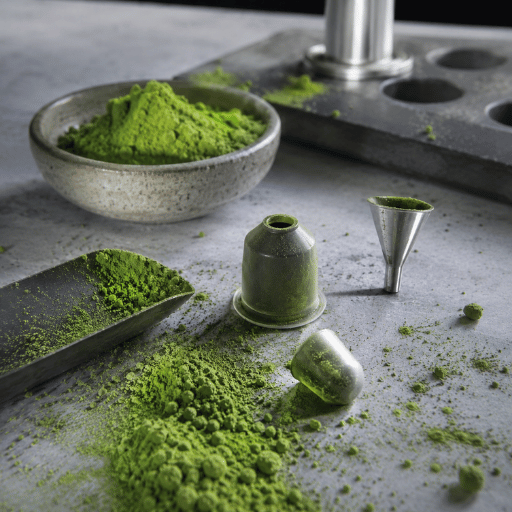
Matcha è difficile da riempire perché è una polvere ultrafine, circa 5 volte più fine di 15 micron, dozzine di volte più fine di una macinatura di caffè. Quella finezza lo rende aggrappato con elettricità statica, aggregato con umidità e ossidato velocemente tre barriere che trasformano la lavorazione dei baccelli in un problema ingegneristico, un semplice misurino.
Il tè verde Matcha in polvere è un ultra-fine ~ 5 micron in polvere tipicamente si sente dire che il tè verde Matcha in polvere intorno al 10 micron in polvere 5 circa decine di volte più fine del caffè in fondo E quella finezza è ciò che lo rende un cattivo attore su una linea di riempimento Dove i fondi di caffè scorrono, si dosano e si confezionano come sabbia, il matcha lo fa più come il cacao in polvere o lo zucchero semolato: fa ponti, si aggrappa, si spolvera, si impacchetta e vola in cantiere Tutti e tre i tipi di guasti alle apparecchiature risalgono a una di queste tre cose, e anche ogni guasto al riempimento lo fa.
| Categoria barriera | Causa fisica | sintomo fai-da-te | Correzione produzione |
|---|---|---|---|
| 1. Statico e spolverato | La macinazione della pietra lascia la polvere caricata elettrostaticamente; si aggrappa all’aria secca | La polvere salta giù dallo scoop, ricopre tutto, si disperde | Controllo dell’umidità, utensili antistatici, dosaggio chiuso |
| 2. Raggruppamento igroscopico | L’elevata superficie attira l’umidità; torte e ponti in polvere | Grumi, riempimento incoerente, vuoti nella capsula | Stanza asciutta, alimentazione sigillata, tramoggia agitata |
| 3. Ossidazione & sensibilità al calore | Un’enorme superficie espone catechine/clorofilla all’ossigeno | Il verde sfuma nel marrone; il sapore diventa simile al fieno prima di produrre | Azoto a filo, barriera di alluminio, sigillatura veloce |
| 4. bassa densità apparente/ponte | La polvere leggera e soffice si estende su spazi vuoti invece di fluire | Tramoggia “rat-holes”; dose muore di fame a metà corsa | Alimentazione a vibrazione/coclea, piccoli volumi di dose |
| 5. Sottoestrazione nella tazza | Sospensione, non soluzione. Si scioglie poco | Infuso debole e acquoso con sedimenti | Scelta del formato; accettare pod è un compromesso |
| 6. Canalizzazione | La torta impaccata si spacca; l’acqua trova un percorso | Flusso sputtering, forza irregolare | Anche il dosaggio, la luce controllata tamp |
| 7. Contaminazione della flangia della guarnizione | Le multe aeree si depositano sul bordo | Tenuta termica debole e con perdite | Pulizia della flangia sottovuoto prima della copertura |
| 8. Precisione della dose | Un bersaglio da 2 g in una tazza minuscola non perdona | Sopra/sotto-variazione riempitiva, da tazza a tazza | Servodosaggio con una tolleranza ai grammi stretta |
| 9. Scoppio eccessivo | La polvere che si stiracchia non lascia alcun percorso di flusso | Non passa acqua; la capsula scoppia o non si chiude | Dimensionare correttamente la dose alla cavità |
Meccanismi sintetizzati dalla letteratura sulla macinazione e sulla manipolazione delle polveri; le fonti sono elencate alla fine.
C’è una svolta in questo che è involontariamente vero e vale la pena sapere se stai semplicemente supponendo che ‘più bello è sempre meglio’. Se può importarti, alcuni ricerche mostra che l’attività antiossidante e catechina di particolato verde-tea diminuisce a particelle inferiori a 50 micron, pur avendo la più alta attività (33.5mg/g di sostanza secca) quando trasformati in più particelle coarse di 10 micron Ma matcha deve essere super-fine altrimenti non sarebbe in grado di ottenere colore, sensazione e dispersione, il grind ultrafine deve essere lentamente realizzato con pietre fredde, poiché alte velocità di macinazione producono calore che degrada il matcha. È stato segnalato che la dimensione media delle particelle è scesa a circa 17 micron da circa 330 micron su macinazione più lunga, come prova positiva di ciò che accade. Il fatto del riempimento quindi: questa è una polvere fine perché presumibilmente fine, delicata per natura, inflessibile per la tramoggia.
A circa 50 micron, il fiammifero diventa più fine del singolo globulo rosso umano (7 micron). Poiché il peso arioso o più denso della polvere cambia, la sua densità apparente dipende dall’aria contenuta al suo interno significherà che una presa di caffè volumetrica da 300 micron produrrebbe qualcosa di piuttosto diverso per la dose di matcha: ecco perché le linee di produzione corrispondono al dosaggio viene gestito come un peso controllato con precisione con una variazione di riempimento totale di circa 0,1 g o meno su una singola attrezzatura come un AFAK -riempimento singolo.
Riempire il proprio a casa: cialde riutilizzabili e ricaricabili (e dove falliscono)
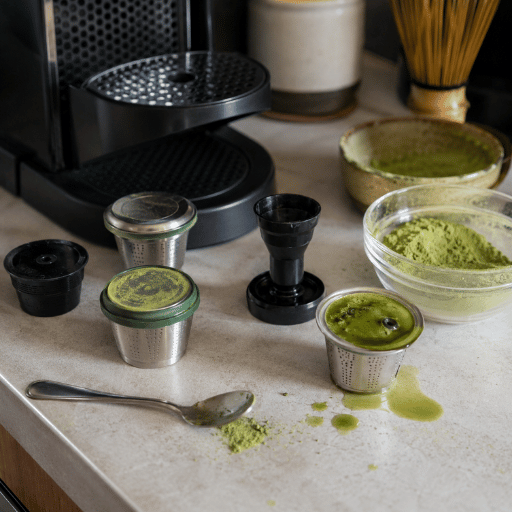
L’approccio ‘ovvio’ sta andando con una capsula riutilizzabile ‘ovvi tipo Nespresso una mesh K-Cup, in cui si raccoglie la propria polvere di matcha. Funziona, più o meno ‘ma prima di ordinare una confezione da dieci il tipo vuoto, dovresti sapere dove fallisce.
La dimensione delle particelle è un problema di nucleo riutilizzabile La rete di baccelli riutilizzabili è progettata per una macinatura media del caffè La corrispondenza di centinaia di micron è molto più piccola di così, quindi la polvere vola direttamente attraverso la rete e finisce sul fondo della tazza Bevitori di tè che provano questo rapporto coerente pasta sottile e fangosa che si accumula sul fondo di ogni tazza, e mentre il rimedio tipico è usare una macinatura più grossolana (non è un’opzione, poiché la polvere di matcha è già venduta micronizzata. la miscela risultante sopra i dreg è debole, acqua acquosa no! C’è un problema secondario con i Npresso ricaricabili in cialde specificamente: i residui di olio dei bastoncini di caffè tostati alla macchina e ai baccelli riutilizzati. quindi anche dopo aver risciacquato l’attrezzatura per la birra con acqua semplice prima, la miscela risultante sopra i dreg prende sempre un paiolo debole, la partita a strappola prende sempre un pods appositamente: i residui di olio dei bastoncini di caffè tostato alla macchina e ai baccelli riutilizzati. quindi anche dopo aver risciato l’attrezzatura per la birra con acqua semplice prima, la partita a strappa sempre una presa sapore di caffè raffermo.
- Economico, riutilizza una capsula per mesi
- Fresco, lo riempi pochi minuti prima della preparazione
- Pieno controllo del grado e della dose
- Nessun ordine minimo, nessuna attrezzatura
- Il matcha fine passa la maglia → sedimento granuloso
- Debole, tazza acquosa; nessuna vera crema o corpo
- Riporto dell’olio di caffè in cialde Nespresso riutilizzabili
- Nessun lavaggio di azoto, nessuna tenuta ermetica → si ossida velocemente
- Disordinato; perdita statica su ogni scoop
Molte delle soluzioni suggerite prevedono l’inserimento di rivestimenti per microfiltri di carta nel cestello riutilizzabile: fanno un lavoro ragionevole catturando le multe, rallentando leggermente il flusso d’acqua e sono in grado di impedire la fuoriuscita di * parte * della polvere, ma la sigillatura non sarà mai perfetta? Il risultato finale? Versare la propria polvere in sistemi riutilizzabili è un modo divertente per sperimentare se hai già investito in questo formato, ma è improbabile che fornisca un prodotto pulito e di alta qualità, né una bevanda che resisterà nel tempo Se ciò che stai realmente cercando è una capsula Nespresso stabile e priva di mensole, allora devi dimenticare completamente il mondo del refiller e che è esattamente dove inizia il resto della guida Per riferimento, dai un’occhiata a la nostra altra guida che esamina con precisione ciò che si trova all’interno delle tipiche cialde Nespresso disponibili per la vendita al dettaglio.
Puoi mettere il matcha in una K-Cup ricaricabile?
Sì, ma preparati ad affrontare i sedimenti Il foro nella rete riutilizzabile K-Cup è dimensionato per catturare i fondi di caffè preparato in modo che tutte le particelle di Matcha più fini dei fori fuoriescano e finiscano sul fondo della tua tazza di caffè debole in questo modo. L’utilizzo di un microfiltro di carta mitigherà le particelle, a un costo per il flusso d’acqua. Va bene per la tazza occasionale, ma non per qualsiasi cosa serviresti un cliente.
Quale formato capsula prende meglio Matcha? OriginalLine vs Vertuo vs K-Cup
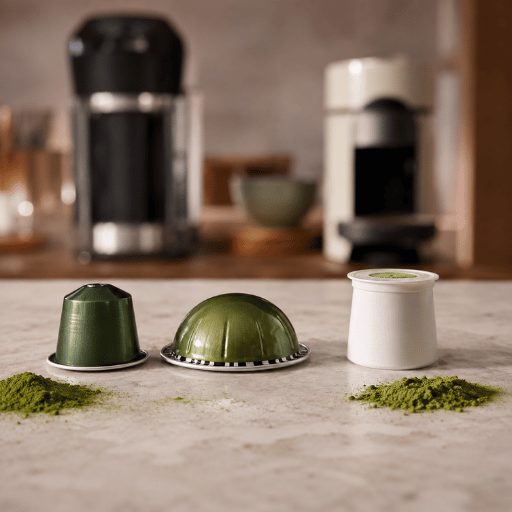
Il formato influisce sui risultati con il matcha in misura molto maggiore rispetto al caffè poiché i vari sistemi utilizzano processi meccanici e di riscaldamento completamente diversi per estrarre i fondi rispetto alla polvere. Se intendi riempire a mano o utilizzare un sistema di riempimento automatizzato per creare il tuo prodotto, questa è una breve panoramica:
| Formato | Come si prepara | Vestibilità Matcha |
|---|---|---|
| Nespresso OriginalLine | Pompa ad alta pressione attraverso una capsula sigillata | Migliore casa di terze parti: la maggior parte dei baccelli matcha sono compatibili con OriginalLine |
| Nespresso Vertuo | Centrifusione (spin) + codice a barre che la macchina legge | Scarso: il blocco del codice a barre e il formato di rotazione bloccano quasi tutti i pod matcha |
| Keurig K-Cup | Gocciolamento a bassa pressione attraverso una tazza forata | Lavorabile: più delicato, più tollerante ai sedimenti, facile da riempire |
Perché Vertuo è stato escluso? quel sistema identifica le capsule leggendo il codice a barre stampati sui loro bordi quindi, regolare la produzione della birra in base ai parametri derivati dal codice stesso, quindi le capsule non identificabili semplicemente non attiveranno un ciclo di infusione, è il motivo per cui i fornitori che producono prodotti in Cialda di caffè matcha producono per l’uso all’interno della OriginalLine, non Vertuo. Le K-Cups sono facilmente la migliore opzione di pod a casa perché la loro infusione a bassa pressione è significativamente più adatta alla polvere fine rispetto a quella dell’OriginalLine a pressione più elevata, sebbene possa comunque causare un po’ di sedimenti. Se si costruisce una linea di produzione di diversi tipi di cialde di caffè, l’uso di un riempitivo multi-pod in grado di ospitare più di una forma di Cialda di caffè potrebbe sicuramente ridurre i costi, si considerano macchine multi-Cialda di caffè come AFPAK Macchina multiformato della capsula di RN1S (che gestisce i sistemi K-Cup, Dolce Gusto, A Modo Mio e OriginalLine) Per capire la tazza stessa, consulta la nostra guida su di cosa sono fatte le cialde Nespresso.
Quanto Matcha Va in Una Capsula? Il Matcha Finestra di riempimento-peso
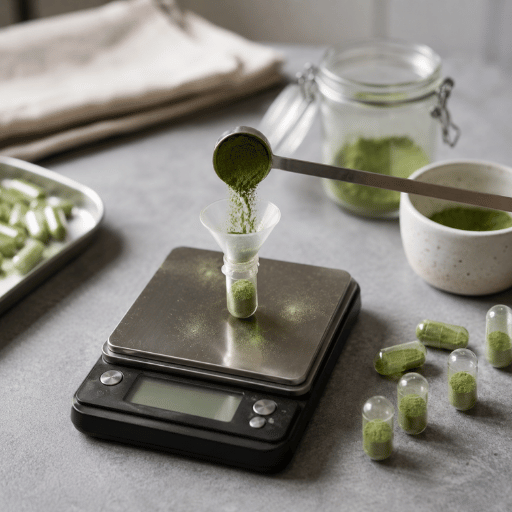
Una singola porzione di matcha pura polvere corrisponde a una capsula di fiammiferi sfusi, una porzione singola di matcha sfusa corrisponde a una capsula di fiammiferi sfusi va da 2 a 4 grammi (circa un cucchiaio di tè), ma lo spazio della cavità di una capsula e la necessità di filtrare l’acqua tendono a far sì che questo valore si appoggi al lato inferiore Consideriamo questa finestra F-peso una quantità adeguata di matcha ottimale per il gusto, quanto basta perché l’acqua possa fluire facilmente.
Giudicare male questa quantità e la bevanda risultante sarà inferiore. Il Matcha insufficiente comporterà il sifonamento dell’acqua nei sottili strati di matcha senza assorbire i nutrienti adeguati, risultando quindi in un tè sbiadito o annacquato. Al contrario, troppa polvere farà sì che il materiale si compatti in uno strato solido resistente, impedendo all’acqua di circolare uniformemente. Pertanto le macchine avranno difficoltà a erogare la bevanda o forse anche a perdere, la tenuta della capsula potrebbe forzare un rigonfiamento. Queste linee guida di riempimento della capsula sono esplicite sul fatto che troppa partita in un dato spazio porterà a problemi, causando ritardi con costi di manomissione, problemi di tenuta e quantità maggiori di difetti. Quella finestra è un fattore critico.
Ci rivolgeremo a circa 2,0 grammi di matcha puro per capsula In base alla velocità di 30-35 mg per grammo nella bevanda risultante, otteniamo circa 60-70 mg di caffeina, significativamente meno di una tazza di caffè standard da 8 once (che può contenere circa 95-120 mg) Solo un grammo in meno e ti ritroverai con una bevanda pallida e acquosa Tutto supera i 3 grammi e il flusso è completamente bloccato Una macchina di produzione dosi con peso e volume non un grammo in più o in meno per una capsula imbottita manualmente può trasformare una tazza riuscita in una mancata.
Non confondere i livelli delle capsule con i livelli individuali di grammi di Matcha sulla caffeina Un grammo di matcha contiene circa 19-44 mg di caffeina, che è un bel po ‘più dei 10-12 mg contenuti in un grammo di chicchi di caffè Tuttavia, poiché consumi solo un paio di grammi, l’intera capsula produce meno di una singola tazza di caffè secondo il Revisione Healthline della caffeina matcha. È molto meglio considerare le quantità nelle porzioni finite rispetto alla cifra per grammo. In questo modo, la porzione effettiva è il livello di caffeina molto più mite che merita.
Quanto matcha c’è in un Cialda di caffè rispetto a un cucchiaino?
Quantità simili, forse meno Nelle porzioni succhiate a mano, possiamo avere fino a un cucchiaino di polvere (2-4 grammi). un tipico Cialda di caffè può mirare a uno, 2 g che serve molto spazio per consentire il passaggio dell’acqua. Naturalmente i cialde di caffè di latte“ ”matcha sono dolcificati e molti dei loro ingredienti sono costituiti da zucchero e sbiancante, mentre la polvere di matcha genuina può comprendere una porzione più piccola.
Perché Matcha si ammassa, svanisce e diventa stantio in una capsula (ingegneria della freschezza)
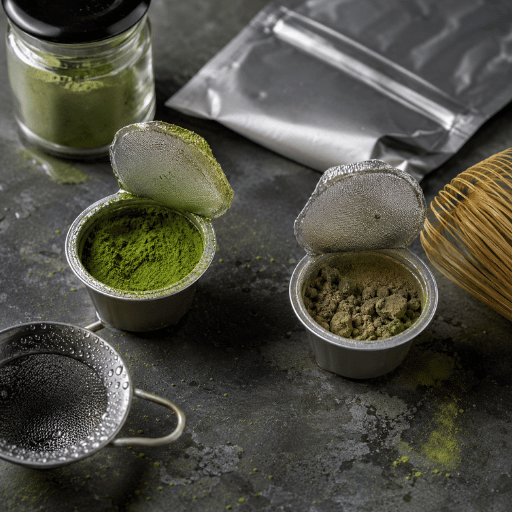
L’ossigeno, non la caffettiera, è il nemico numero uno del matcha, ma soprattutto dopo la sua lavorazione, questo problema è peggiorato producendo una sostanza intensamente in polvere con un’enorme superficie. In questi pochi casi, la scienza è sorprendentemente chiara e spesso indica un riempitivo di produzione rispetto al fatto a mano.
Negli studi che esaminano le condizioni di conservazione sigillate a lungo termine sul matcha possiamo iniziare a visualizzare quanto rapidamente si degrada. Quando refrigerato a 4° Celsius, gli antiossidanti contenuti nel matcha duravano circa due mesi; a temperatura ambiente (25 °C) durava circa sette giorni e a 35 °C più vicino a cinque giorni, come documentato in uno studio sulla nutrizione preventiva e sulle scienze alimentari. Quello studio ha notato un risultato visivamente identificabile che tutti coloro che gli sono familiari hanno sperimentato; da 47,83 livelli registrati a 4 gradi Celsius, il valore verde è sceso a 21,88 nell’ambiente a 80°C. La clorofilla si rompe mentre il verde indica l’ossidazione attiva della foglia.
Più della luce, l’ossigeno rende la degradazione Un singolo studio dei ricercatori ha scoperto che anche sotto alta esposizione all’ossigeno, la catechina EGCG, non poteva essere trovata in 36 ore, e sotto un ambiente di ossigeno ridotto ottenuto tramite il lavaggio di azoto è rimasto intatto al 95% dopo 6 ore, come riportato in il giornale Molecole. Tutto ciò che c’è per ragione per lavare i cappucci di corrispondenza con azoto e non con aria; una K Cup domestica ricaricabile aperta e sul banco non può eguagliare l’impresa. Mettiamo in una K Cup attraverso un’azione di lavaggio N2 prima di chiudere il morsetto, nel tentativo di spostare l’ossigeno dalla tazza, il motivo per cui tali prodotti sono generalmente tenuti al di sotto di circa 2 % residui di ossigeno confezionamento di produzione, poiché l’ossigeno superiore a circa 5% provoca ossidazione in pochi giorni, in particolare quello riscontrato nell’industria della produzione del caffè, e di conseguenza l’operazione che utilizziamo per la nostra protezione N2 dei nostri tappi sulle macchine che funzionano e sono discussi a lungo in questo pezzo su come funzionano le K Cup quando vengono riempite utilizzando quella metodologia.
Sigillatura di una capsula piena di polvere fine (la parte che nessuno menziona)
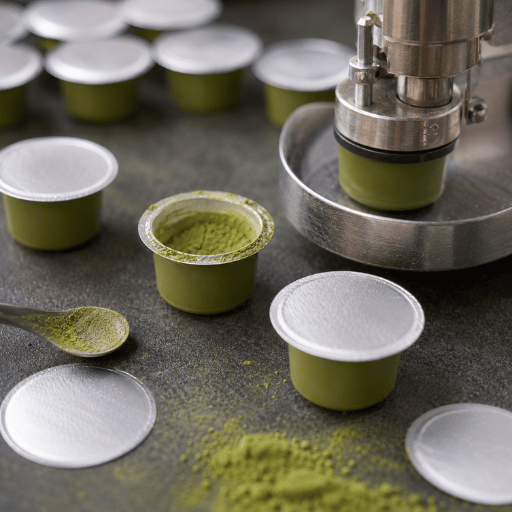
La sigillatura è l’aspetto in cui il riempimento di Matcha fai da te perde davvero per tutti gli altri, qualcosa di cui non discutono sulle pagine di imballaggio Il riempimento prevede la sigillatura del prodotto contro un anello o una flangia sigillata utilizzando un foglio di alluminio o una pellicola, dopo averlo inserito o nel bicchiere di plastica Affinché ciò raggiunga una tenuta sicura, questo bordo deve essere assolutamente immacolato Con la natura appiccicosa superfine e naturalmente statica del matcha, raramente lo sarà.
Sia detto semplicemente come si potrebbe dire in termini di scenario di guasto: durante il riempimento, le particelle sospese nell’aria cadono sul labbro e, se polvere o tè entrano sotto il coperchio, non sarà possibile ottenere alcuna tenuta tra il tappo e il bordo, rendendo così tutti gli sforzi privi di significato e inutili poiché qualsiasi tè scadrà rapidamente perché l’aria arriva a tutto come suggerirebbe qualsiasi linea di produzione commerciale, in una stazione, che dopo che il coperchio è stato adeguatamente sigillato da un foglio di alluminio con colla sensibile al calore, aspira i detriti dai bordi della flangia prima che venga applicato il coperchio, come descritto nella copertura commerciale di linee di produzione capsule caffè. La panca da cucina manuale non ha alcun modo di depolverare il perimetro interno prima di applicare un coperchio in alluminio termosaldato, quindi la capsula fatta in casa e fatta a mano perde come uno scolapasta.
Già in un brevetto depositato nel 1999 si affermava che il tè verde in polvere veniva macinato sotto azoto, poi che, pur emettendo azoto, posto in capsule, per proteggere sia il processo di macinazione che il processo di riempimento dall’ossigeno, secondo A Brevetto USA 5.993.867. Più recentemente, brevetti che descrivono in dettaglio come utilizzare le capsule nel dosaggio del gas e nello scarico prima della sigillatura o semplicemente per spostare aria e umidità in modo che il prodotto rimanga stabile, come con quello descritto in brevetti come Brevetto USA 10.351.277 e Brevetto USA 12.492.046 nelle industrie alimentari e delle bevande hanno costantemente sottolineato che l’unica barriera per tenere l’aria fuori è il labbro o la flangia.
“La parte più dura di una capsula di polvere non è mai il riempimento, è il sigillo Pochi milligrammi di fini sulla flangia e il coperchio non si incollerà Con matcha trattiamo la pulizia della flangia e una tenuta termica stretta e ripetibile come il vero cancello di qualità, non la dose.”
Quando il riempimento manuale smette di avere senso: il test di commutazione da riempimento manuale a macchina a 4 segnali
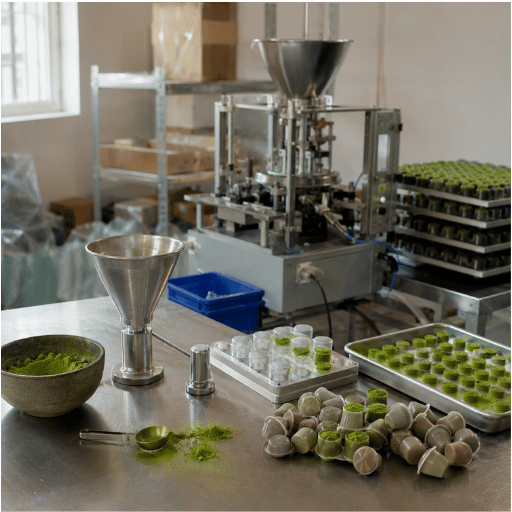
Riempire a mano va bene se stai facendo un paio di dozzine di cialde a settimana per il consumo personale Oltre a ciò, né la matematica né la fisica funzionano a tuo favore Fai questo semplice quiz: se due o più delle seguenti affermazioni sono vere, sei diventato troppo grande per il bancone della cucina e hai bisogno di una macchina riempitrice.
- Stai facendo troppe cialde, per il mercato sbagliato-Il riempimento della mano è stato il collo di bottiglia; ora hai bisogno di più di qualche dozzina di cialde a settimana.
- Sei pronto per realizzare un prodotto di consumo finito: stai producendo un prodotto finito al dettaglio che richiede un coperchio completamente termosaldato invece di un tappo riutilizzabile a scatto.
- Hai avuto il compito di prolungare la durata di conservazione del tuo prodotto: desideri una sigillatura ermetica con l’inclusione del lavaggio con azoto in modo che il tuo prodotto possa sopravvivere settimane su uno scaffale e al rigore della spedizione, invece che ore in cucina.
- Ogni capsula deve essere identica: stai cercando una consistenza della dose entro una tolleranza di circa ±0,1 g. Il tipo non raggiungibile con una paletta.
Questa transizione è una scelta economica piuttosto che tecnologica. Le risorse commerciali sui riempitivi contrattuali, ad esempio, notano che il processo di utilizzo di terzi riempie e sigilla le capsule, rimuovendo così dal proprietario di un’azienda le spese in conto capitale necessarie per acquistare attrezzature e le spese operative associate alla gestione di una struttura. Tuttavia, i co-packer grandi, ad alto volume e consolidati di solito trasportano una quantità di riempimento minima che è molto superiore a quella richiesta da un marchio di piccole o medie dimensioni, secondo il Giornale sul commercio di tè e caffè. In definitiva, è necessario prendere una decisione su come affrontare al meglio i vincoli di ordine minimo di un grande co-packer o su come acquisire una macchina di riempimento entry-level. Per coloro che hanno minimi nell’ordine di diverse centinaia o poche migliaia di unità a settimana, i riempitivi per capsule monodose come il riempitivo per capsule monodose YM40, capace di circa 40 capsule al minuto, garantiscono un ingresso a basso costo nella produzione commerciale di caffè senza un investimento a cinque cifre. Il processo poi si intensifica verso un pieno linea di produzione capsule, con capsule e macchine K-cup che offrono una velocità media di 40 a 600 capsule al minuto e anche in grado di riempire, sigillare e azoto di lavaggio per cacao, caffè solubile e tè con precisione che si avvicina a 0,1 g. Se il vostro mercato è centrato su capsule compatibili con Nespresso, il Macchina riempitrice per capsule Nespresso è la vostra scelta logica, ciò che fondamentalmente differenzia un pod hobby da un prodotto vendibile è il materiale della capsula e coperchio (copsule) certificata per uso alimentare, capsula per alimenti a contatto e sicuri resistente ai materiali resistenti all’acqua calda (coperchio) così come la chiarezza del prodotto sull’etichettatura delle affermazioni sulla salute di Unsupported sulla caffeina o sulle catechine nel matcha (coppet) le stesse normative di qualsiasi alimento confezionato.
6 errori che le persone commettono riempiendo le capsule Matcha (dal piano di produzione)
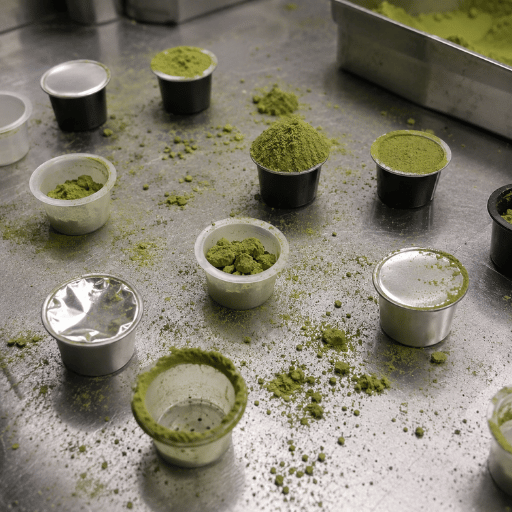
La maggior parte risolve i problemi: che tu sia il produttore di un’azienda di bevande o semplicemente un esperto intenditore di tè che prepara le tue cialde, è una questione di commettere questi errori comuni.
- Riempire un Cialda di caffè di polvere con matcha di grado cerimoniale: questo tipo di tè, se consumato caldo o sotto pressione a partire da un ambiente di produzione della birra pressurizzato, è troppo delicato Il sapore sarà bruciato dal vapore e il tè annegherà in sottigliezza; inoltre, ‘grado cerimoniale’ non è altro che un termine di marketing privo di significato, non protetto da copyright. I test alla cieca hanno scoperto che la maggior parte delle persone era molto più soddisfatta del grado di corrispondenza culinaria di quanto lo fosse con il grado cerimoniale, ma non c’è molto poco o in realtà, nulla ha guadagnato per il costo quando si prepara in un Cialda di caffè.
- Imballaggio eccessivo Il timbramento nel flusso del blocco della cavità ed è responsabile di più baccelli allagati e non allattati di qualsiasi altra cosa.
- Polvere incustodita, statica incustodita Una quantità sostanziale di ogni misurino di polvere non entrerà nella tazza quando sarà asciutta; la dose misurata non è la tua vera dose.
- Mancanza di barriera all’azoto Se non confezionato o sigillato in azoto, il matcha è marrone con l’età entro pochi giorni: il tuo tè ha un sapore di fieno, non di erba.
- Fidarsi di una rete di baccelli riutilizzabile Il filo utilizzato per il caffè macinato non manterrà in posizione la foglia di tè fine La polvere scivolerà attraverso come sedimento.
- Una tenuta che perde e contaminata Sia nella scanalatura di tenuta che sul bordo della flangia o entrambi, la polvere interferisce con un legame solido, causando perdite e degradazione del prodotto
Almeno sulla classificazione, il commercio di matcha è chiaro: non esiste uno standard di“”ceremonial sui libri; tecnicamente potrebbero marchiare praticamente tutto ciò che volevano “ceremonial,” come Tezumi spiega. È importante chiarire questo punto: “matcha come prodotto è tecnicamente ben definito, la classificazione dei tipi di tè della” ISO 20715:2023 mostra, e le leggi giapponesi sull’etichettatura degli alimenti e gli standard di settore identificano cosa costituisce un tale prodotto – e la distinzione del grado di ’ceremonial“ è quello che non è ufficialmente definito. E il motivo per cui il matcha è così sensibile all’ossigeno in primo luogo ha a che fare con il modo in cui viene prodotto. Le foglie utilizzate per Matcha sono macinate lentamente con molta attenzione, in condizioni fresche. Questa cautela esiste perché, Notizie sul tè mondiale è stato riferito che se macinato rapidamente, questo attrito può causare ossidazione e far sì che la foglia diventi marrone.
È il momento giusto per realizzare pod Matcha? (Prospettive 2026)
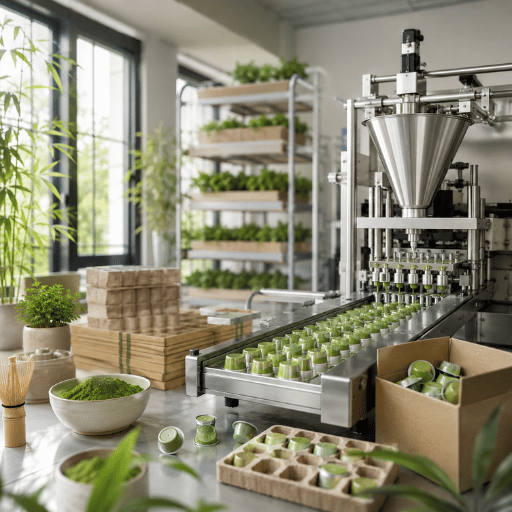
Per una linea di pod matcha 2026, il lato dell’offerta conta più del grafico delle dimensioni del mercato Una carenza di tencha ha spinto i prezzi di livello cerimoniale in forte aumento, quindi la mossa pratica è pianificare intorno al grado culinario e bloccare l’offerta in anticipo prima che il picco ghiacciato estivo soddisfi la carenza strutturale.
se hai intenzione di costruire una linea di pod Matcha, la risposta per te quest’anno dovrebbe concentrarsi sul lato dell’offerta, non sul grafico dell’analisi delle dimensioni del mercato. La ‘spremitura del 2026’, come la chiamano molti nel settore, in realtà è incentrata specificamente sulla ‘spremitura”tencha‘ ‘Un’ ombra produce una foglia di tè coltivata lentamente e ricoperta di ombra, che in realtà viene macinata fino al Matcha premium Il tencha è il prodotto al centro di questa carenza, con l’offerta in diminuzione anche se il Giappone ha visto una crescita significativa delle esportazioni di tè Il valore di tali esportazioni è più che raddoppiato nell’ultimo anno fiscale a circa 84,7 miliardi di yen, mentre il volume è salito del 42% a 13.125 tonnellate, secondo segnalazione wire. I tè in polvere, compresi i tencha utilizzati per la produzione di matcha, costituiscono circa 70% di quel volume totale di esportazione, con rapporti telegrafici che affermano che i produttori di tencha stanno attualmente vedendo i loro prodotti venduti per circa 1,7 volte i prezzi osservati nel 2024. La domanda di matcha è aumentata per anni, secondo alcune stime del settore circa otto volte in cinque anni. Sfortunatamente, poiché gli alberi di tè impiegano anni per maturare completamente, l’aiuto non è nemmeno dietro l’angolo La produzione giapponese di matcha è raddoppiata tra il 2010 e il 2023, tuttavia, non è stato in grado di tenere il passo con l’impennata della domanda.
Cosa significa questo per un produttore di cialde? due ovvie opportunità e un avvertimento In primo luogo, orientare il punto di prezzo e le specifiche verso le esigenze culinarie e cerimoniali non giustificano più il premio quando le cialde prodotte a caldo si stanno spingendo nello stesso mercato La tencha cerimoniale economica è abbastanza difficile da trovare, per non parlare di costosa; perché pagare per un grado che a buon mercato il formato? in secondo luogo, appoggiarsi al proprio approvvigionamento in anticipo Poiché il matcha miscelato ghiacciato gioca più forte sulla curva di domanda in estate, assicurare la propria offerta culinaria in anticipo (prima che la crisi stagionale soddisfi quella strutturale) Per contesto, la folla complessiva di matcha è consistente e si estende verso l’alto, diversi miliardi di USD di segmenti di mercato con pochi punti percentuali di crescita, annuale La vera notizia, però, risiede nella crescita dell’offerta di foglie e del modello stagionale che può fare o rompere un programma di produzione nel 2026.
Pianificazione di una catena di baccelli di polvere di forma funzionale o matcha? AFPAK produce macchinari per il riempimento e la sigillatura di capsule monoservice, multiformato e a linea completa, dosaggio del peso e lavaggio con azoto per polveri fini come il matcha.
Domande Frequenti
D: Puoi mettere il matcha in una macchina Nespresso?
Visualizza risposta
D: Puoi mettere il matcha in una Keurig o in una K-Cup?
Visualizza risposta
D: Quanto matcha va in una capsula?
Visualizza risposta
D: Hai bisogno di una macchina speciale per riempire le cialde matcha?
Visualizza risposta
D: Perché il matcha si raggruppa e sbiadisce in una capsula?
Visualizza risposta
D: Le cialde riutilizzabili o ricaricabili sono abbastanza buone per il matcha?
Visualizza risposta
D: Posso vendere baccelli matcha che riempio da solo?
Visualizza risposta
Il Matcha nei cialde di caffè riempiti a mano con tappo a scatto è estremamente difficile da vendere in modo legittimo; i pacchetti non sono a tenuta d’aria, protetti dall’azoto o in quantità da tazza a tazza (il tè si ossida fino a diventare di colore marrone molto velocemente) Qualsiasi Cialda di caffè vitale al dettaglio deve avere un coperchio termosaldato in una flangia pulita, pesare fino a una tolleranza molto fine e avere aria nitro lavata affinché sia stabile a scaffale. A quel punto sei passato dal riempimento manuale a una macchina di riempimento monodose o ai servizi di un impianto di co-imballaggio. Come lo fai scendendo a volume e quali sono le quantità minime ordinabili di un impianto co-pack.
Perché abbiamo scritto questo
AFPAK costruisce le macchine per il riempimento e la sigillatura delle capsule dietro caffè, tè e cialde in polvere funzionale, comprese le linee K-Cup e Nespresso con lavaggio ad azoto che gestiscono polveri fini come il matcha Questa guida riflette ciò che il dosaggio e la sigillatura della polvere fine effettivamente richiedono, la tolleranza al peso di ±0,1 g, la pulizia della flangia, il controllo dell’ossigeno, piuttosto che il passo del prodotto Recensito dal team tecnico AFPAK.
Riferimenti e fonti
- Effetto della dimensione delle particelle sull’attività antiossidante e sul contenuto di catechina delle polveri di tè verdeGiornale di scienza e tecnologia alimentare (2016)
- Effetto della temperatura di conservazione sull’attività antiossidante e sulla stabilità delle catechine del matchaNutrizione preventiva e scienza alimentare (2020)
- Effetto di ultrasuoni, ossigeno e luce solare sulla stabilità dell’EGCGMolecole (2018)
- Fresatura a mezzo agitato del matcha: proprietà fisico-chimicheTecnologia delle polveri (2023)
- Brevetto USA 5.993.867, Tè verde in polvere incapsulato (protetto dall’azoto)
- Brevetto US 10.351.277, Dosaggio della capsula con lavaggio di azoto in atmosfera modificata
- brevetto USA 12.492.046, Sigillatura a flangia-morsetto per capsule per polveri
- Il matcha ha caffeina?Linea sanitaria
- Matcha: 7 miti e idee sbagliate (“ceremonial grade” non è regolamentato)Tezumi
- Non tutto il tè verde in polvere è matcha (macinazione a pietra in camera raffreddata)Notizie sul tè mondiale
- Scegliere il co-packer giustoGiornale sul commercio di tè e caffè
- Cosa significa la carenza globale di matcha (prezzi tencha, tagli al raccolto)Il Globe and Mail
- Carenza di Matcha e produzione giapponeseGrind giornaliero perfetto
- Perché Nespresso non fa un Cialda di caffè matchaTavola Degustazione
Articoli Correlati
- Cosa c’è all’interno dei baccelli matcha che acquisti, matcha puro vs latte mix zuccherato
- Macchine riempitrici e sigillanti K-Cup (anche tè da imballaggio e polveri solubili)
- Macchina di riempimento e sigillatura delle capsule Nespresso
- Macchina di rifornimento del pod di YM40 single-serve per avviamenti a basso MOQ
- Come la protezione dall’azoto mantiene fresco il contenuto della capsula


