
Můžete naplnit matcha v Nespresso a K-Cup kapsle? Ano ť můžete naplnit matcha do Nespresso a K-Cup kapsle, a třetí strany matcha lusky již existují, Chcete-li naplnit matcha v Nespresso a K-Cup kapsle je zabalit ultra-jemné, rychle oxidující prášek do jednorázové podání lusk ě možné, ale nemilosrdné v praxi Upozornění, které téměř žádný popis produktu poukazuje, je jak stroj funguje, aby jej vypudil, nutí horkou vodu *prostřednictvím* částice a zase ven, místo toho, abyste to rozšlehali a vypili celý prášek jako tradiční proces. To je ono, to je celý příběh, který určuje, zda vaše kapsle dodá autentickou misku matchy nebo zředěný zážitek plný písku. Pojďme projít všechny podrobnosti týkající se velikosti částic, shlukování, hmotnosti náplně, oxidace a toho, čeho vaše průměrné kutilské úsilí vs. plnicí stroj průmyslové kvality skutečně dosahuje.
Rychlé specifikace: Plnění Matcha do kapslí
| Velikost částic Matcha | ~5 15 µm (běžně uváděno kolem 5 10 µm) vs. mletí kávy 300 1 000 µm |
| Matcha na jeden jednoservový lusk | ~2 g čistého (standardní sypká porce je 2,4 g) |
| Kofein | ~60 70 mg na 2 g matcha vs ~ 95 120 mg na šálek kávy |
| Kompatibilní formáty | Nespresso OriginalLine, Keurig K-Cup; Vertuo zřídka (Centrifusion lockout) |
| Cíl čerstvosti (zapečetěný) | Nízký zbytkový kyslík prostřednictvím proplachu dusíkem (balení kávy má za cíl ≤2 31 TP3 T) |
| Uzavření | Tepelně zatavená hliníková fólie /víko fólie na čisté přírubě |
Můžete skutečně dát Matchu do kapsle Nespresso nebo K-Cup? The Test pití-to-nebo-filtru
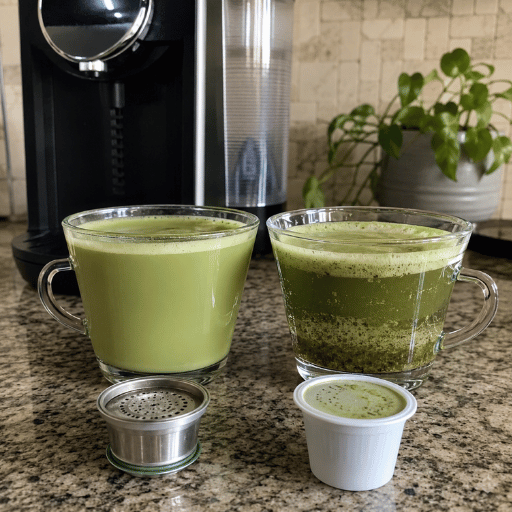
Ano, můžete naplnit matcha do kapsle Nespresso nebo K-Cup a existují hotové matcha lusky. Ale stroj na výrobu lusků filtruje tlakovou vodu přes prášek a nechává její část za sebou, zatímco metla se pije celá, takže lusk dává tenčí, mírně hořký pohár spíše než pravou misku.
Krátká odpověď: ano, jen když zachováte status quo, pokud jde o prášek. Než změříte jediný gram, odpovězte na jednu velmi důležitou otázku: udrží tato metoda matcha *v* kelímku, nebo by tento postup přefiltroval vodu přes matcha a zlikvidoval list, kdyby to za vás lusk ještě neudělal? Lžička našlehaná do vody o teplotě 70-80 °C vytvoří ve vaší misce matcha suspenzi 100%. Naopak tekoucí voda pod tlakem přes lože stlačeného prášku a ven z hubice bude mít za následek jeden z následujících Projdete testem Drink-it-or-Filter-it… špatným způsobem!
Abyste získali skvělý šálek čaje nebo kávy z kapsle stroje, musí být na místě nějaký prvek toho, čemu se říká extrakce. Umístíte kávovou sedlinu například do kapsle a kávou protéká voda, která rozkládá rozpustné chemické sloučeniny a extrahuje je do čaje/kávy. Vaše kávová sedlina zůstává v lusku. Shoda je jiná; spíše než spoléhat se na rozpuštěné pevné látky nebo extrakci, zápalka je o suspendovaných částicích prášku. Pokud protlačíte horkou vodu tímto ložem částic, nevyhnutelně se stanou dvě věci. Jemné částice zápalek pohltí část vody a těsně se sbalí dohromady, aby vytvořily zátku, ucpaly výstupní otvory z lusku a vedly k ucpání, přetečení nebo stékání. Jaká kapalina nakonec opustí stroj, pak bude vystavena a opařena tlakovou téměř vroucí vodou (která je podstatně teplejší než požadovaný 70-80 C), která rozpustí nežádoucí kyselinu tříslovou. To bude mít za následek hořký výsledek, ne proto, že používáte špatnou kapsli nebo máte rozbitý stroj, ale protože design lusku zásadně odporuje povaze toho, jak by se matcha měla podávat.
Pozice Nespressa byla dlouhou dobu zcela veřejná: “Naše systém, zejména Centrifusion, je určen výhradně pro kávu. V současné době se neplánuje prozkoumat jiné nápoje, zejména ty, které nejsou vhodné k vaření nebo máčení v horké vodě, jako jsou typické čajové sáčky, natož extrahované v Centrifusion, podle Degustační stůl. Oficiální matcha Nespresso pod nikdy nevydali právě z tohoto důvodu Stávající matcha pody ve stylu Nespresso fungují proti svému základnímu formátu, spíše než s ním, což je jádro úspěšného procesu plnění.
Můžete udělat matcha s kávovarem Nespresso?
Nespresso může vytáhnout zelenou z jednoho z nich, ale nebude se srovnávat s mísou s šlehačkou. Nespresso uvaříte tak, že vodu proženete až ~19 bar (nebo ji roztočíte na Vertuo) kapslí, která spálí jemnou matchu a z velké části ji nechá jako zabalený puk prášku. Předplněný matcha lusk OriginalLine může vytvořit použitelný, pitný šálek, myslím, že ‘rychle zelený latte základ’ spíše než ‘obřadní mísa’.
Proč je tak těžké Matcha vyplnit: Problém s 3bariérovou výplní Matcha
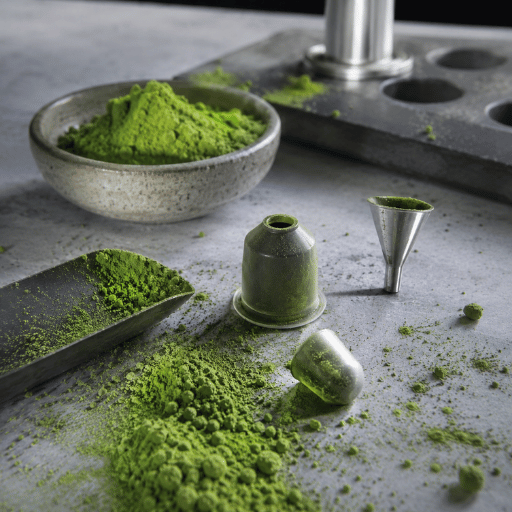
Matcha je těžké naplnit, protože je to ultra jemný prášek, zhruba 5 15 mikronů, desítkykrát jemnější než mletí kávy. Díky této jemnosti se drží statickou elektřinou, shlukuje se vlhkostí a rychle oxiduje tři bariéry, které mění plnění lusků na technický problém, nikoli na jednoduchou naběračku.
Matcha zelený čajový prášek je ultra-jemný ~5 15 mikronů prášek (podešev) typicky slyšíte, že je údajně kolem 5 10 mikronů (o 5 10 mikronů) (o) asi desítkykrát jemnější než kávová sedlina A tato jemnost je to, co z něj dělá špatného herce na plnicí lince Kde kávová sedlina teče, dávkuje a balí jako písek, matcha dělá to spíše jako kakaový prášek nebo granulovaný cukr: přemosťuje, ulpívá, poprašuje, balí a létá do díla Všechny tři druhy poruch zařízení sahají až k jedné z těchto tří věcí a každá porucha plnění také.
| Kategorie bariér | Fyzická příčina | DIY příznak | Oprava výroby |
|---|---|---|---|
| 1. Statické & prachové | Mletí kamene zanechává prášek elektrostaticky nabitý; drží se na suchém vzduchu | Prášek skočí z kopečku, všechno potáhne, rozprchne | Regulace vlhkosti, antistatické nástroje, uzavřené dávkování |
| 2. Hygroskopické shlukování | Vysoká plocha táhne vlhkost; práškové koláče a mosty | Hrudky, nekonzistentní výplň, dutiny v kapsli | Suchá místnost, uzavřené krmivo, míchaná násypka |
| 3. Oxidace a citlivost na teplo | Obrovský povrch vystavuje katechiny/chlorofyl kyslíku | Zelená vybledne do hněda; chuť se před vařením změní na sennou | Proplachování dusíkem, fóliová bariéra, rychlé utěsnění |
| 4. Nízká objemová hmotnost /přemostění | Lehký, nadýchaný prášek místo tekoucího překlenuje mezery | Hopper “krysí díry-díry v; dávka hladoví uprostřed běhu | Vibrace / posuv šneku, malé objemy dávek |
| 5. Nedostatečná extrakce v kelímku | Suspenze, ne roztok ovi málo se rozpustí | Slabý, vodnatý nálev se sedimentem | Výběr formátu; přijmout pod je kompromis |
| 6. Channeling | Balené koláčové praskliny; voda najde jednu cestu | Průtok naprašování, nerovnoměrná pevnost | Rovnoměrné dávkování, lehký řízený tamp |
| 7. Kontaminace přírubou těsnění | Na ráfku se usazují pokuty za vzdušný přenos | Slabé, netěsné tepelné těsnění | Čištění vakuové příruby před víkem |
| 8. Přesnost dávky | Terč 2 g v malinkém kelímku je nemilosrdný | Přes/pod-fill, variace od šálku ke šálku | Dávkování serva na přísnou gramovou toleranci |
| 9. Přeplnění výhozu | Prášek na krájení nezanechává žádnou průtokovou cestu | Žádná voda neprochází; kapsle praskne nebo se nezavře | Dávku do dutiny správně nastavte |
Mechanismy syntetizované z literatury o mletí a manipulaci s práškem; zdroje jsou uvedeny na konci.
Je tu zvrat v tom, co je neintuitivně pravdivé a stojí za to vědět, pokud jen předpokládáte, že ‘jemnější je vždy lepší. Pokud na tom může záležet, někteří výzkumy ukazují tato antioxidační a katechinová aktivita částic zeleného čaje klesá při částicích menších než 50 mikronů, přičemž nejvyšší aktivitu (33,5 mg/g sušiny) má při zpracování na hrubší částice o velikosti 100 až 180 mikronů. Matcha však musí být superjemná, protože jinak by nebylo možné dosáhnout barvy, pocitu v ústech a rozptylu, protože ultrajemné mletí musí být pomalu prováděno chladnými žulovými kameny, protože vysoké rychlosti mletí produkují teplo, které matcha degraduje. Průměrná velikost částic byla hlášena jako stlačená na přibližně 17 mikronů z přibližně 330 mikronů delší broušení, jako pozitivní důkaz toho, co se stane. Skutečnost plnění pak: je to jemný, protože se předpokládá, že bude jemný, jemný přírodní prášek, který je pro vaši násypku nepoddajný.
Při asi 5 až 10 mikronech se matcha stává jemnější než jednotlivá lidská červená krvinka (7 až 8 mikronů).Protože se hmotnost prášku mění vzdušně nebo hustěji, jeho zdánlivá hustota v závislosti na vzduchu v něm obsaženém bude znamenat, že objemová 300mikronová odměrka kávy by přinesla něco poněkud odlišného pro vaši dávku matcha: proto se na výrobních linkách s dávkováním matcha zachází jako s přesně kontrolovanou hmotností (osoba s celkovou variací plnění asi 0,1 g nebo méně na zařízení na jedno použití, jako je AFPAK jednoplnicí stroj pro matcha.
Plnění vlastních doma: Opakovaně použitelné a znovu plnitelné moduly (a kde selžou)
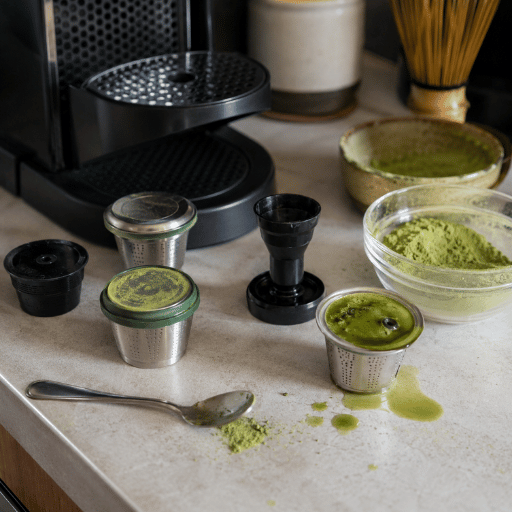
‘Očividný přístup je u opakovaně použitelné kapsle typu Nespresso nebo síťované verze K-Cup, do které naberete svůj vlastní matcha prášek. Funguje to víceméně ťuk, ale než si objednáte deset balení prázdného typu, měli byste vědět, kde selže.
Velikost částic je hlavní problém. Síťka opakovaně použitelných lusků je navržena pro střední mletí kávy v průměru 1000000000000000000000000000000000000000000000000000000000000000000000000000000000000000000000000000000000000000000000000000000000000000000000000000000000000000000000000000000000000000000000000000000000000000000000000000000000000000000000000000000000000000000000000000000000000000000000000000 zatuchlá kávová příchuť.
- Levné, znovu použijte jednu kapsli na měsíce
- Čerstvé, naplníte ho minuty před vařením
- Plná kontrola stupně a dávky
- Žádná minimální objednávka, žádné vybavení
- Jemná matcha prochází síťovinou → drťový sediment
- Slabý, vodnatý pohár; žádná skutečná crema nebo tělo
- Přenos kávového oleje v opakovaně použitelných kapslích Nespresso
- Žádné proplachování dusíkem, žádné vzduchotěsné těsnění → rychle oxiduje
- Nepořádný; statická ztráta na každém kopečku
Mnoho z navrhovaných oprav zahrnuje vložení papírových mikrofiltračních vložek do opakovaně použitelného košíku – dělají rozumnou práci při zachycení jemných částic, mírně zpomalují průtok vody a jsou schopny zabránit úniku * části* prášku, ale těsnění nebude nikdy dokonalé. Spodní řádek? Nalití vlastního prášku do opakovaně použitelných systémů je zábavný způsob experimentování, pokud jste již investovali do tohoto formátu, ale je nepravděpodobné, že dodá čistý, vysoce kvalitní produkt, ani nápoj, který časem obstojí Pokud to, co skutečně hledáte, je skladovatelný, nepořádek Nespresso pod, pak musíte úplně zapomenout na svět doplňovače (a to je přesně tam, kde začíná zbytek průvodce. Pro referenci se podívejte náš další průvodce který přesně zkoumá, co se nachází uvnitř typických kapslí Nespresso dostupných pro maloobchod.
Můžeš dát matchu do znovu plnitelného K-Cupu?
Ano, ale připravte se na práci se sedimentem. díra v opakovaně použitelné síťce K-Cup je dimenzována tak, aby zachytila uvařenou kávovou sedlinu, takže všechny částice Matcha jemnější než otvory uniknou a skončí na dně vašeho šálku slabé kávy, jako je tato. použití papírové mikrofiltrační vložky zmírní částice, za cenu průtoku vody, Je to v pořádku pro příležitostný šálek, ale ne pro nic, co byste obsloužili zákazníka.
Který formát kapsle má Matcha nejlepší? OriginalLine vs Vertuo vs K-Cup
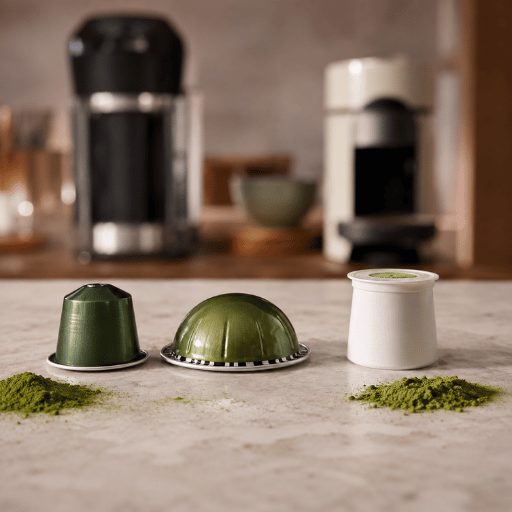
Formát ovlivňuje výsledky s matchou v mnohem větší míře než s kávou, protože různé systémy využívají k extrakci sedliny zcela odlišné mechanické a topné procesy oproti prášku. Pokud budete k vytvoření produktu plnit ručně nebo pomocí automatizovaného plnicího systému, pak je to stručný přehled:
| Formát | Jak se vaří | Matcha přiléhavá |
|---|---|---|
| Nespresso OriginalLine | Vysokotlaké čerpadlo přes utěsněnou kapsli | Nejlepší domov 3. strany: většina matcha podů je kompatibilní s OriginalLine |
| Nespresso Vertuo | Odstředění (spin) + čárový kód, který stroj čte | Špatný: blokování čárových kódů a formát rotace blokují téměř všechny matcha moduly |
| Keurig K-Cup | Nízkotlaké kapání přes propíchnutý pohár | Zpracovatelné: jemnější, tolerantnější k sedimentu, snadno se plní |
Proč bylo Vertuo vynecháno? Tento systém identifikuje kapsle čtením čárového kódu vytištěné na jejich okrajích pak úprava vaření podle parametrů odvozených ze samotného kódu, tedy neidentifikovatelné kapsle jednoduše nespustí cyklus vaření, je důvod, proč prodejci vyrábějící produkty matcha lusku vyrábějící pro použití v rámci OriginalLine, nikoli Vertuo. K-Cup jsou snadno nejlepší možností domácího lusku, protože jejich nízkotlaké vaření je výrazně lépe přizpůsobitelné jemnému prášku než u originálního linu s vyšším tlakem, i když stále může způsobit trochu sedimentu. Pokud postavíte výrobní linku několika typů lusků, použití plniva s více lusky, které je schopné pojmout více než jeden tvar lusku, by mohlo rozhodně snížit náklady, zvažte stroje s více lusky, jako je AFPAK Víceformátový kapslový stroj RN1S (který zpracovává systémy K-Cup, Dolce Gusto, A Modo Mio a OriginalLine).Pochopit samotný pohár, viz náš průvodce na z čeho jsou lusky Nespresso vyrobeny.
Kolik Matcha jde v jedné kapsli? Matcha Okno plnicí hmotnosti
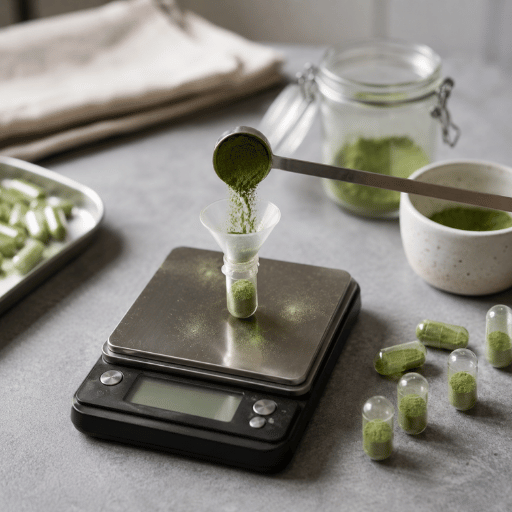
Jediná porce matcha (matcha) zhruba 2 gramy čistého prášku (šál odpovídá tobolkovému lusku. Volně šlehaná matcha dávka je 2 až 4 gramy (asi jedna čajová lžička), ale prostor dutiny lusku a potřeba vody k filtrování mají tendenci tuto hodnotu opírat o spodní stranu. Uvažujme, že okno s plnicí hmotností poskytuje dostatečné množství matcha pro optimální chuť, jen tolik, aby voda snadno protékala.
Špatně odhadněte toto množství a výsledný nápoj bude nižší. Nedostatečný Matcha bude mít za následek odsávání vody do tenkých vrstev matcha, aniž by absorboval správné živiny, což má za následek vybledlý nebo zředěný čaj. Naopak příliš mnoho prášku bude mít za následek zhutnění materiálu do tuhé pevné vrstvy, což zabrání rovnoměrné cirkulaci vody, takže stroje budou mít potíže s dodáním nápoje nebo možná dokonce uniknou, nebo si těsnění kapsle může vynutit vyboulení. Vodicí čáry plnění kapslí jasně ukazují, že příliš mnoho matcha v daném prostoru povede k problémům, což způsobí zpoždění s pěchováním, problémy s utěsněním a vyšší množství defektů. To okno je kritický faktor.
Zacílíme asi na 2,0 gramů čisté matchy na kapsli Na základě rychlosti 30 až 35 mg na gram ve výsledném nápoji dostaneme přibližně 60 až 70 mg kofeinu, což je výrazně méně než standardní 8 oz šálek kávy (který může obsahovat asi 95 až 120 mg).Pouze o jeden gram méně a skončíte s bledým, vodnatým nápojem Cokoli nad 3 gramy a průtok je zcela zablokován Dávky výrobního stroje s hmotností, nikoli objemem o jeden gram více nebo méně pro ručně plněnou kapsli mohou proměnit úspěšný šálek na neúspěšný.
Nezaměňujte hladiny kapslí s jednotlivými gramovými hladinami Matchy na kofeinu Jeden gram matchy obsahuje kolem 19-44 mg kofeinu, což je o dost více než 10-12 mg obsažených v jednom gramu kávových zrn. Přesto, protože konzumujete jen pár gramů, celá kapsle poskytuje méně než jeden šálek kávy podle Healthline recenze kofeinu matcha. Je mnohem lepší podívat se na množství v hotových porcích oproti číslu na gram án tímto způsobem, skutečná porce má mnohem mírnější hladinu kofeinu, jakou si zaslouží.
Kolik matcha je v lusku ve srovnání s čajovou lžičkou?
Podobné množství, možná méně V ručně šlehaných porcích můžeme mít až lžičku prášku (2-4 gramy).typický lusk může mířit na jednu, 2 g porci s dostatkem prostoru, aby tudy mohla procházet voda Samozřejmě slazené lusky emmatcha latte eden nejsou stejné věci (totéž, že mnoho jejich ingrediencí se skládá z cukru a bělidla, zatímco pravý matcha prášek může obsahovat menší porci.
Proč Matcha shlukuje, mizí a zastarává v kapsli (inženýrství čerstvosti)
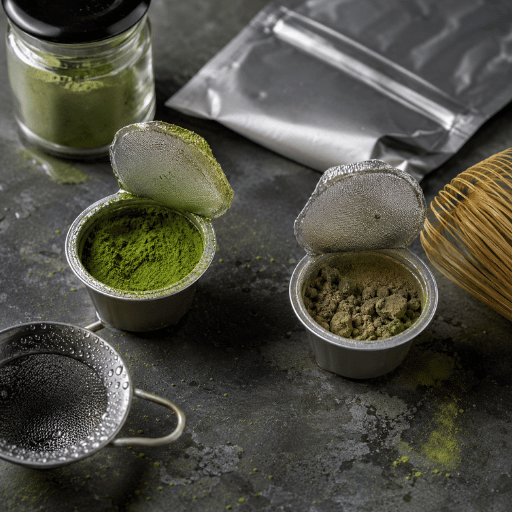
Kyslík, nikoli kávovar, je matchovým nepřítelem číslo jedna, ale zejména po jeho zpracování se tento problém zhoršuje výrobou intenzivně práškové látky s obrovským povrchem. V těchto několika případech je věda nápadně jasná a často naznačuje výrobní plnivo přes ruční výrobu.
Ve studiích zkoumajících dlouhodobé, uzavřené skladovací podmínky na matcha si můžeme začít vizualizovat, jak rychle se degraduje. Při chlazení při 4° Celsia vydržely antioxidanty v matcha přibližně dva měsíce; při pokojové teplotě (25 °C) to trvalo asi sedm dní a při 35 °C blíže pěti dnům, jak je zdokumentováno v studie Preventivní výživa a potravinářská věda. Stejná studie zaznamenala vizuálně identifikovatelný výsledek, který zažil každý, kdo je jí známý; ze 47,83 zaznamenaných hladin při 4 Celsius klesla hodnota zeleně v prostředí 80 °C na 21,88, protože chlorofyl se rozkládá (vyblednutí zeleně znamená aktivní oxidaci čajového listu.
Více než světlo způsobuje degradaci kyslík. Jediná studie výzkumníků zjistila, že i při vysoké expozici kyslíku nelze katechin EGCG nalézt za 36 hodin a za sníženého kyslíkového prostředí dosaženého proplachováním dusíkem zůstalo po 6 hodinách z 95 procent nedotčeno, jak je uvedeno v časopis Molekuly. Vše je z důvodu proplachování zápalkových uzávěrů dusíkem a ne vzduchem; otevřený, na přepážce plnitelný domácí K Cup se nemůže rovnat výkonu. Před uzavřením kleště jsme vložili do K Cupu proplachovací akcí N2, protože takové produkty jsou obvykle drženy pod zhruba 2 31 TP3 T zbytkového kyslíku ve výrobních obalech, protože kyslík nad asi 51 TP3 T způsobuje oxidaci pouze za několik dní – zejména ten, který se vyskytuje v kávovém průmyslu, a v důsledku toho operace, kterou používáme pro naši N2 ochranu našich uzávěrů na strojích, které fungují a jsou v tomto článku obšírně diskutovány o tom, jak K kelímky fungují, když jsou naplněny pomocí této metodiky.
Utěsnění kapsle plné jemného prášku (část, kterou nikdo nezmiňuje)
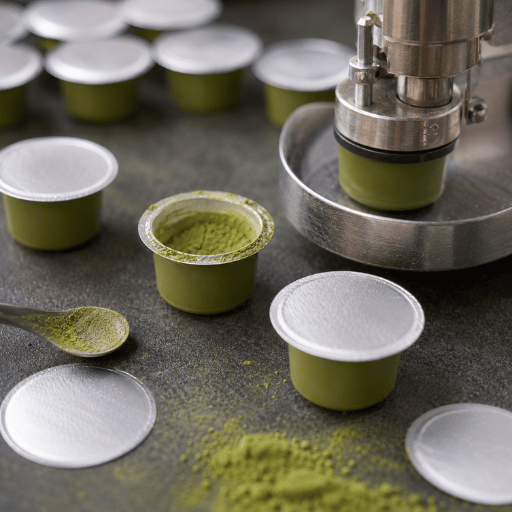
Těsnění je aspekt, kdy DIY Matcha náplň opravdu ztrácí na všechny ostatní, něco, co nediskutují na stránkách balení Plnění zahrnuje utěsnění výrobku proti utěsněnému kroužku nebo přírubě pomocí hliníkové fólie nebo fólie, po jeho vložení, nebo do plastového kelímku, Aby se tak dosáhlo bezpečného utěsnění, musí být tato hrana naprosto neposkvrněná S superjemnou a přirozeně statickou přilnavou povahou matcha, to bude jen zřídka.
Nechť je to uvedeno tak jednoduše, jak by se dalo říci z hlediska scénáře selhání: během plnění padají částice ve vzduchu na okraj, a pokud se nějaký prach nebo čaj dostane pod víko, pak nebude možné dosáhnout žádného utěsnění mezi uzávěrem a okraj, čímž veškeré úsilí ztratí smysl a bude zbytečné, protože jakýkoli čaj rychle vyprší, protože vzduch se dostane ke všemu, jak by naznačovala jakákoli komerční výrobní linka, ve stanici, která po správném utěsnění víka hliníkovou fólií lepidlem citlivým na teplo, odsávejte nečistoty z okrajů příruby před aplikací víka, jak je popsáno v obchodním pokrytí výrobní linky kávových kapslí. Váš ruční kuchyňský bench press nemá žádný způsob, jak odprášit vnitřní obvod před aplikací tepelně zataveného hliníkového víka, takže vaše domácí a ručně vyrobená kapsle uniká jako cedník.
Již v patentu podaném v roce 1999 bylo uvedeno, že práškový zelený čaj se mele pod dusíkem, poté se, i když stále emituje dusík, umísťuje do kapslí, aby byl proces mletí i plnění chráněn před kyslíkem US patent 5,993,867. Nedávno patenty podrobně popisující, jak používat kapsle buď v dávkování plynu a proplachování před utěsněním, nebo pouze vytlačovat vzduch a vlhkost, takže produkt zůstává stabilní, jako je tomu v patentech, jako je např US patent 10,351,277 a US patent 12,492,046 v potravinářském a nápojovém průmyslu neustále zdůrazňovali, že jedinou překážkou, která brání vzduchu, je okraj nebo příruba.
“3 Nejtvrdší částí práškové kapsle nikdy není náplň, je to těsnění Několik miligramů jemných částic na přírubě a víko se nespojí S matchou považujeme čištění příruby a těsné, opakovatelné tepelné těsnění za skutečnou kvalitní bránu, nikoli dávku”
Když ruční plnění přestane dávat smysl: 4signální test přepínání ruční plnění na stroj
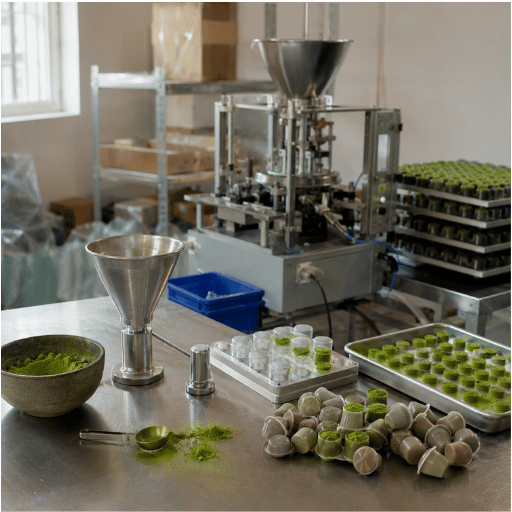
Ruční plnění je v pořádku, pokud vyrábíte pár desítek modulů týdně pro osobní spotřebu. Kromě toho ani matematika, ani fyzika nefungují ve váš prospěch. Udělejte si tento jednoduchý kvíz: pokud jsou dvě nebo více z následujících tvrzení pravdivá, přerostli jste kuchyňskou linku a potřebujete plnicí stroj.
- Vyrábíte příliš mnoho lusků, protože špatný trh – Úzkým hrdlem bylo plnění rukou; nyní potřebujete více než několik desítek lusků týdně.
- Jste připraveni vyrobit hotový spotřební výrobek – vyrábíte hotový maloobchodní výrobek vyžadující plně tepelně uzavřené víko na rozdíl od zaklapávacího víčka pro opakované použití.
- Dostal jste za úkol prodloužit trvanlivost vašeho produktu – Chcete vzduchotěsné utěsnění se zahrnutím proplachování dusíkem, aby váš produkt přežil týdny na polici a přísnost přepravy, namísto hodin v kuchyni.
- Každý modul musí být identický – Hledáte konzistenci dávky v toleranci asi ±0,1 g, což je typ, který je s naběračkou nedosažitelný.
Tento přechod je spíše ekonomickou volbou než technologickou. Obchodní zdroje na smluvních plničích například poznamenávají, že proces používání plnění a těsnění kapslí třetí stranou, čímž se z vlastníka podniku odstraní kapitálové výdaje potřebné k nákupu vybavení a provozní režie spojená s provozem zařízení – Velké, velkoobjemové a dobře zavedené spolubalírny však obvykle nesou minimální množství plnění, které je mnohem větší, než vyžaduje malá nebo středně velká značka, podle Tea & Coffee Trade Journal. Nakonec je třeba rozhodnout, jak nejlépe přistupovat k minimálním omezením objednávek velkého balírny, nebo jak získat základní plnicí stroj. Pro ty, kteří mají minima v rozsahu několika stovek nebo několika tisíc jednotek týdně, plniva kapslí na jedno podání, jako je plnivo kapslí na jedno podání YM40, schopné přibližně 40 kapslí za minutu, umožňují levnější vstup do komerční výroby kávy bez pětimístné investice. Proces pak eskaluje směrem k plnému výrobní linka kapslí, se stroji na kapsle a K-cup nabízejícími průměrnou rychlost 40 až 600 kapslí za minutu a také schopnými plnit, uzavírat a proplachovat dusíkem pro kakao, rozpustnou kávu a čaj s přesností blížící se 0,1 g. Pokud je váš trh zaměřen na kapsle kompatibilní s Nespresso, Nespresso kapslový plnicí stroj je vaše logická volba Konečně, co zásadně odlišuje hobby pod od prodejného produktu je materiál kapsle a víka „s certifikovanými potravinářskými, potravinově bezpečnými materiály kapslí a víček odolnými vůči horké vodě, stejně jako jasnost produktu na označení a vyhýbání se nepodporovaným zdravotním výhodám tvrzení o kofeinu nebo katechinech v matcha (stejné předpisy jako jakékoli balené potraviny).
6 chyb, které lidé dělají při plnění Matcha Pods (z výrobní podlahy)
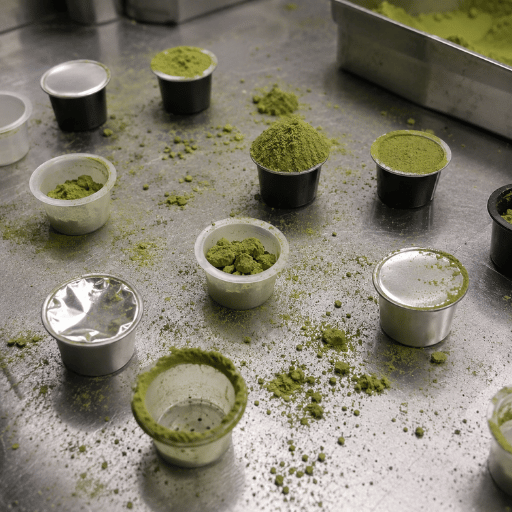
Většina problémů s výplní – ať už jste výrobcem nápojové společnosti nebo prostě náročným znalcem čaje, který si vyrábí vlastní lusky – je otázkou těchto běžných chyb.
- Plnění práškového lusku matchou obřadní kvality: Tento typ čaje, pokud je konzumován horký nebo pod tlakem z tlakového pro přípravu kávy prostředí, je příliš jemný. Chuť bude spálena párou a čaj se utopí v jemnosti; navíc ‘obřadní stupeň není nic jiného než nesmyslný marketingový termín bez autorských práv. Slepé testování zjistilo, že většina lidí byla mnohem spokojenější s kulinářským matcha než s obřadním stupněm, ale při vaření v lusku se za cenu nezíská jen velmi málo nebo vlastně nic.
- Přebalení. Pěchování v dutinovém bloku proudí a je zodpovědné za více zaplavených a neuvařených lusků než cokoli jiného.
- Bezobslužný prach, bezobslužná statická elektřina. Podstatné množství každé odměrky prášku se nedostane do šálku, když je suchý; vaše odměřená dávka není vaše skutečná dávka.
- Nedostatek dusíkové bariéry Pokud není balena nebo uzavřena v dusíku, matcha je hnědá s věkem během několika dní – váš čaj chutná ze sena, nikoli z trávy.
- Důvěryhodná opakovaně použitelná síťovina lusků. Drát používaný pro mletou kávu neudrží jemný čajový list na místě. Prášek proklouzne jako sediment.
- Netěsné, kontaminované těsnění Ať už v drážce těsnění nebo na okraji příruby nebo v obou, Prášek zasahuje do pevné vazby, což způsobuje netěsnost a degradaci produktu
Alespoň pokud jde o hodnocení, obchod s matcha je jasný: v knihách není žádný dílčí standard; mohli technicky označit téměř cokoli, co chtěli, jako Tezumi vysvětluje. Je důležité si to ujasnit: emmatcha jako produkt je technicky dobře definovaná, jak ukazuje klasifikace druhů čaje podle ISO 20715:2023, a japonské zákony o označování potravin a průmyslové normy identifikují, co takový produkt tvoří – a “poloobřadní stupeň Rozlišení je to, které není oficiálně definováno. A důvod, proč je matcha tak citlivá na kyslík, souvisí především s tím, jak se vyrábí. Listy používané pro Matchu jsou velmi pečlivě broušeny kamenem pomalu, v chladných podmínkách. Tato opatrnost existuje, protože, Světové čajové zprávy uvádí se, že pokud se rychle rozemele, může toto tření způsobit oxidaci a vést k hnědnutí listu.
Je nyní vhodná doba na výrobu Matcha Pods? (Výhled 2026)
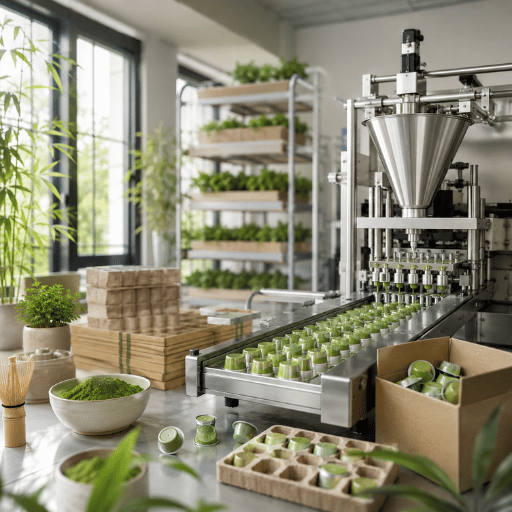
Pro řadu matcha pod pro rok 2026 je na straně nabídky důležitější než graf velikosti trhu. Nedostatek tencha prudce zvýšil ceny ceremoniálních úrovní, takže praktickým krokem je naplánovat kulinářskou úroveň a uzamknout dodávky brzy před letním vrcholem ledové matchy a strukturálním nedostatkem.
pokud plánujete postavit řadu Matcha pod, odpověď pro vás by se letos měla zaměřit na stranu nabídky, nikoli na graf analýzy velikosti trhu. Squeeze ‘2026’, jak tomu mnozí v oboru říkají, se ve skutečnosti soustředí konkrétně na ‘tenča‘‘před pomalu vypěstovaným, stínem pokrytým čajovým listem, který je ve skutečnosti rozemlet na výrobu prémiové Matchy. Tencha je produktem v jádru tohoto nedostatku, přičemž nabídka se zmenšuje, i když Japonsko zaznamenalo výrazný růst vývozu čaje Hodnota těchto vývozů se za poslední fiskální rok více než zdvojnásobila na zhruba 84,7 miliardy jenů, zatímco objem vzrostl o 42 procent na 13 125 tun, podle drátěné hlášení. Práškové čaje, včetně tencha používaného pro výrobu matcha, tvoří zhruba 701 TP3T z tohoto celkového objemu vývozu, přičemž zprávy z drátu uvádějí, že výrobci tencha v současné době vidí, že se jejich produkce prodává přibližně za cenu 1,7násobek cen, které byly vidět v roce 2024. Poptávka po matcha léta stoupala, podle některých průmyslových odhadů zhruba osminásobně za pět let. Bohužel, protože čajovníkům trvá roky, než plně dozrají, pomoc je dokonce za rohem Japonská produkce matcha se mezi lety 2010 a 2023 zdvojnásobila, přesto nebyl schopen držet krok s prudce rostoucí poptávkou.
Co to znamená pro výrobce lusků? Dvě zřejmé příležitosti a jedno upozornění. Za prvé, zaměřte svůj cenový bod a specifikace na kulinářské, ceremoniální potřeby, které již neospravedlňují prémii, když se tepelně uvařené lusky tlačí na stejný trh. Levné ceremoniální tencha je dost těžké najít, natož drahé; proč platit za známku, která zlevňuje formát? Za druhé, opřete se o své zdroje brzy. Vzhledem k tomu, že ledová míchaná matcha hraje nejsilnější na křivce poptávky v létě, pojistěte si svou kulinářskou nabídku brzy (než sezónní krize splní strukturální). Pro kontext je celkový dav matcha značný a rozšiřuje se nahoru, několik miliard USD tržních segmentů s několika procentními body růstu, ročně. Skutečná zpráva však spočívá v růstu nabídky listů a sezónním vzoru, který může v roce 2026 vytvořit nebo porušit výrobní plán.
Plánování matcha nebo funkční formy práškového lusku řetězce? AFPAK vyrábí jednodávkové, víceformátové a celořádkové stroje na plnění a uzavírání kapslí, dávkování hmotnosti a proplachování dusíkem pro jemné prášky, jako je matcha.
Často kladené otázky
Otázka: Můžete dát matchu do kávovaru Nespresso?
Zobrazit odpověď
Otázka: Můžete dát matchu do Keurig nebo K-Cup?
Zobrazit odpověď
Otázka: Kolik matcha jde v jedné kapsli?
Zobrazit odpověď
Otázka: Potřebujete speciální stroj na plnění matcha lusků?
Zobrazit odpověď
Otázka: Proč se matcha shlukuje a bledne v kapsli?
Zobrazit odpověď
Otázka: Jsou opakovaně použitelné nebo znovu plnitelné moduly dostatečně dobré pro matcha?
Zobrazit odpověď
Otázka: Mohu prodávat matcha lusky, které si sám naplním?
Zobrazit odpověď
Matcha v ručně plněných kapslích s patentkou je extrémně obtížné prodat legitimním způsobem; balíčky nejsou vzduchotěsné, chráněné dusíkem nebo konzistentní šálek od šálku (čaj oxiduje na hnědou barvu opravdu rychle).Jakýkoli životaschopný kapslí v maloobchodě musí mít tepelně utěsněné víko v čisté přírubě, hmotnost na velmi jemnou toleranci a musí mít nitro splachovaný vzduch, aby byl stabilní při skladování. V tomto okamžiku jste přešli od ručního plnění k plnicímu stroji na jednu porci nebo službám kobalovacího zařízení. Jak to uděláte, snížíte objem a jaké je minimální množství objednávky kobalového zařízení.
Proč jsme to napsali
AFPAK staví stroje na plnění a uzavírání kapslí za kávovými, čajovými a funkčními práškovými lusky, včetně řad K-Cup a Nespresso propláchnutých dusíkem, které manipulují s jemnými prášky, jako je matcha. Tato příručka odráží, co skutečně vyžaduje dávkování a uzavírání jemného prášku, hmotnostní toleranci ±0,1 g, čištění přírub, kontrolu kyslíku, spíše než rozteč produktu. Přezkoumáno technickým týmem AFPAK.
Reference a zdroje
- Vliv velikosti částic na antioxidační aktivitu a obsah katechinu v prášcích zeleného čajeJournal of Food Science and Technology (2016)
- Vliv skladovací teploty na antioxidační aktivitu a stabilitu katechinů matchaPreventivní výživa a potravinářství (2020)
- Vliv ultrazvuku, kyslíku a slunečního záření na stabilitu EGCGMolekuly (2018)
- Mletí matcha míchaným médiem: fyzikálně-chemické vlastnostiPrášková technologie (2023)
- US patent 5,993,867, Zapouzdřený práškový zelený čaj (chráněný dusíkem)
- Patent US 10 351 277, Dávkování tobolky s proplachováním dusíkem v modifikované atmosféře
- US patent 12,492,046, Těsnění přírubové svorky kapsle pro prášky
- Má matcha kofein?Healthline
- Matcha: 7 mýtů a mylných představ (podílová známka je neregulovaná)Tezumi
- Ne každý práškový zelený čaj je matcha (mletí kamene v chlazené místnosti)Světové čajové zprávy
- Výběr správného co-packeruTea & Coffee Trade Journal
- Co znamená globální nedostatek matcha (ceny tencha, škrty ve sklizni)Zeměkoule a pošta
- Nedostatek Matcha a japonská produkcePerfektní denní mletí
- Proč Nespresso nedělá matcha luskDegustační stůl
Související články
- Co je uvnitř matcha lusků, které nakupujete, čistá matcha vs slazená latte směs
- Plnicí a uzavírací stroje K-Cup (také balení čaje a rozpustných prášků)
- Nespresso kapsle plnění a uzavírání stroj
- YM40 jednoservisní stroj na plnění modulů pro spouštění s nízkým MOQ
- Jak ochrana před dusíkem udržuje obsah tobolek čerstvý


