
RTD matcha latte balení je místo, kde žije nápad jasně nefritově zelené přežít polici nebo na ní zemře Nejrychleji stoupající ze všech aktuálně dostupných nápojových uvedení, ready-to-drink (RTD) matcha nehraje roli kapaliny přátelské k okolním podmínkám tak, jak vypadá elektricky zelená ve vzorovém kelímku Když si vyberete špatnou plechovku, láhev, kelímek nebo uzávěr dávkovače, vaše matcha může hnědnout, oddělit a opustit specifický kofein+L-theanin andalm energie, kterou chcete dodat dlouho před tím nejlepším podle data.
Stručně řečeno, RTD matcha latte balení zahrnuje řešení dvou technických překážek najednou: (1) oxidace, která vybledne barvu a chuť; a (2) sedimentace nerozpustných částic matcha. Vámi vybrané balení, technologie plnění a proces plnění určují, jak dobře překonáte obojí, a společně nastavují okolní trvanlivost, která trvá zhruba 6 až 18 měsíců.
- Protože ovesné nebo mléčné RTD matcha latte nápoje mají nízké pH (> 4,6), nejsou tyto kandidáty na horkou náplň; vyžadují UHT/aseptické plnění, tepelné zpracování (retortu) nebo chladící řetězec pro balení.
- Protože problémem je světlo generované slábnutí, nejbarevnější výsledky RTD matcha latte jsou obvykle spojeny s neprůhlednými plechovkami.
- Protože matcha je 5 až 10 um nerozpustný prášek, nezůstane suspendovaný sám o sobě a nikdy se skutečně nerozpustí, musí být stabilizován a homogenizován, jinak se usadí.
- S ohledem na formát a průměrné rozsahy trvanlivosti okolního prostředí 6-18 měsíců je důležité vědět, že existují obrovské rozdíly: výsledky čirého skla za horka za 6 měsíců oproti okolnímu plněné hliníkové plechovce/aseptickému obalu povedou k 12-18měsíční skladovatelnosti rozsah.
- Nabídka enefunkčních axiodantů nabízí nejkratší období, než začne barva a živiny klesat, protože katechiny se časem rozkládají, když jsou vystaveny vzduchu, světlu a teplu.
Rychlé specifikace: Formáty RTD Matcha Latte
| Typická plnicí dávka | ~1,5 th2 g matcha na 250 ml (liší se podle cílové intenzity) |
| Řádek třídy kyseliny | pH 4,6 000 níže = okyselené (plnitelné za tepla); nad = nízkokyselý (retorta/aseptika/chlad) |
| Metrika barev | CIELAB L*a*b* (a* stopy zelené; b* stopy žloutnutí) |
| Pásmo skladovatelnosti | ~6 měsíců (skleněná náplň za tepla) až 12 18 měsíců (hliník plechovka /aseptické) |
| Dvě překážky | Oxidace (barva/příchuť) + sedimentace (pozastavení) |
Tato příručka se opírá o zelený čaj a obecnou vědu o nápojích, protože kontrolované údaje o hotových produktech RTD matcha latte, zejména matricích z mléka a ovsa, jsou vzácné. Níže uvedená čísla považujte za technické pokyny pro ověření vlastního vzorce, nikoli za normativní hodnoty. Při výběru stroje na plnění nápojů od firmy Masstech, ověřit kompatibilitu s validovaným procesem produktu, suspendovanými částicemi a zvolenou nádobou; žádný výběr plniva sám o sobě nestanoví skladovatelnost.
Proč je RTD Matcha těžší zabalit než káva nebo soda
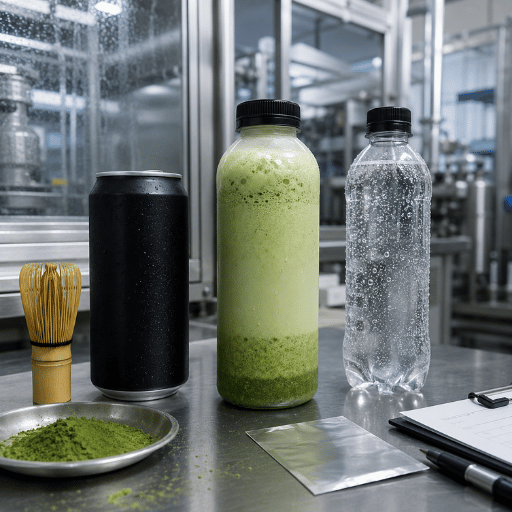
Tento typ nápoje je notoricky obtížné zabalit než nealkoholický nápoj nebo káva, protože bojuje na dvou frontách současně. Je to proto, že cola je již filtrovaná, kyselá, tekutá, zatímco káva je již v podstatě extraktem (ačkoli s vlastní sadou oxidačních problémů). Není to tak, že by s nápojem bylo něco obzvláště problematického; je to spíše to, že matcha, v srdci mnoha současných funkčních tvrzení o nápojích, vyžaduje mnohem náročnější procesy, aby byla co nejlepší, protože je to například suspendovaný extrakt z celých listů.
Každý RTD matcha latte musí překonat dvě překážky. Za prvé, oxidace: chlorofyl a katechiny, které dodávají matcha jeho intenzivní barvu, jsou zvláště náchylné k degradaci světlem, vzduchem a teplem. Podle a recenzovaný přehled složení matcha, že zvýšený obsah chlorofylu je přesně to, co dělá matchu tak živou a tak nestabilní. Za druhé, protože matcha se nerozpouští, máte sedimentaci a problém s usazováním.
Dvoupřekážkový test pro RTD Matcha
Plánujete si svůj obal laskavost: Než určíte jakoukoli jednotlivou součást, ohodnoťte ji tím, že se jí zeptáte: (1) Zabraňuje můj plán pronikání kyslíku a světla? A (2) Pozastavuje nerozpustnou matchu ve formulaci? Níže uvedené formáty jistě najdete svou oblíbenou – uspěte v jedné otázce a na druhou narazíte. Vaším cílem je identifikovat problém, kterým vaše složení trpí, a poté vybrat formát, který ji pomůže zmírnit, nejen obal s nejroztomilejším uzávěrem.
Podávané horké nebo ledové, RTD matcha latte se prodává jako funkční nápoj, klidnější alternativa ke kávě a energetickým nápojům, postavený na kofeinu plus L-theanin spíše než na cukrové horečce Proto prémiový, ceremoniální matcha prášek, který šleháte doma, může stále skončit neuspokojivým konzervovaným nápojem. cykly vaření, teploty plnění, kyslík v horním prostoru, to vše bombarduje tento prášek, dokud je ještě v balení, než jej vůbec otevřete. Propusťte balicí systém a odešlete dražší hnědý čaj.
Plechovky, lahve, šálky a uzávěry: 8faktorová RTD Matcha Packaging Scorecard
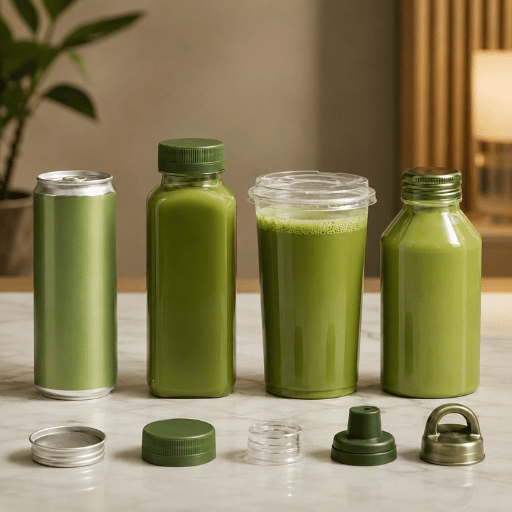
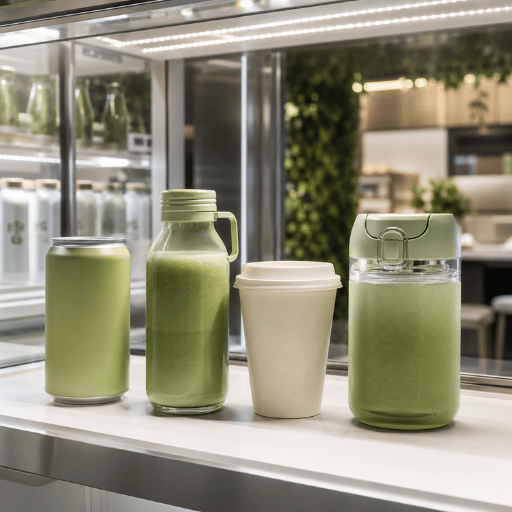
RTD Top Four matcha latte: hliníkové plechovky, PET nebo skleněné lahve, předlisované kelímky a uzávěry s práškem v uzávěru ‘čerstvé směsi, to vše se čistě rozdělí, když dosáhnete svého skóre v tom, co se skutečně počítá: světlo, kyslík, jak se upraví v suspenzi, co naplní a jak dlouho vydrží ve skříni. Níže je tedy rozhodovací nástroj, který žádný ze spotřebitelských mag nikdy nevytvoří.
| Faktor | Hliníková plechovka | PET láhev | Skleněná láhev | Šálek /víčko dávkovače |
|---|---|---|---|---|
| Světelná bariéra | Celkem (neprůhledné) | Chudá (jasná) | Špatné, pokud je jasné; dobré, pokud je jantar | Liší se; uzávěr udržuje prášek tmavý |
| O2 bariéra (stěna) | Efektivně nulování vniknutí | Nízká a střední (prostý PET propouští nějaký O2) | Velmi nízká (dobrá bariéra) | Šálková fólie se liší; prášek zůstává suchý |
| Pomoc při zavěšení | Žádné (potřebuje stabilizátor) | Žádné (potřebuje stabilizátor) | Žádné (potřebuje stabilizátor) | Čepice jej obcházejí (při použití promíchávají) |
| Fit výplně | Náplň horká (kyselá), aseptická, proplachovaná N2 | Náplň za tepla, aseptická, studená | Hot-fill, odsekněte | Studená/čistá náplň kapaliny; suchá dávka v uzávěru |
| Typická velikost | 200 355 ml jednorázově | 250 ml 1,4 l | 250 330 ml prémie | Jednořadý |
| Okolní trvanlivost | 12,18 měsíce | 6 až 12 měsíců | ~6 měsíců (hot-fill) | Dlouhá (suchý prášek) + krátká po smíchání |
| Capex úroveň | Střední nejvyšší (námořník + N2) | Střední | Vysoká (těžší linka) | Nízký flís (pohár/čepice formovací výplň) |
| Nejlepší pro | Maloobchod s okolní hmotou, zachování barev | Víceservové, ovesné/mandlové latté | Prémiové chlazené, regálové odvolání | Čerstvost puristé, foodservice, on-the-go |
Pořadí kyslíkové bariéry od balení technických dat přenosu kyslíku (prostý PET: nízká až střední bariéra; hliník a sklo: vysoké bariéry); Pásma životnosti regálů-Tyto jsou obecně odvozeny z akceptovaných rozsahů. Tento rozsah doby použitelnosti se může lišit pro formulaci a nejlépe se ověří studiemi doby použitelnosti.
Představte si výsledkovou kartu jako krajinu kompromisů, ne koňský dostih. Může vyhrát pro ochranu, ale nemůže udělat lízání pro zavěšení a má tvar jednoho podání. Víčko dávkovače vyhrává, protože se může vyhnout sedimentaci, oxidaci obojí ó tím, že oddělí matcha k bodu použití ó, ale je to složitější čepice na sestavení a ITit je na vás, abyste ji smíchali. Všechno ostatní leží někde na křivce mezi tím.
Oxidace a barva: Okno z nefritu do Khaki
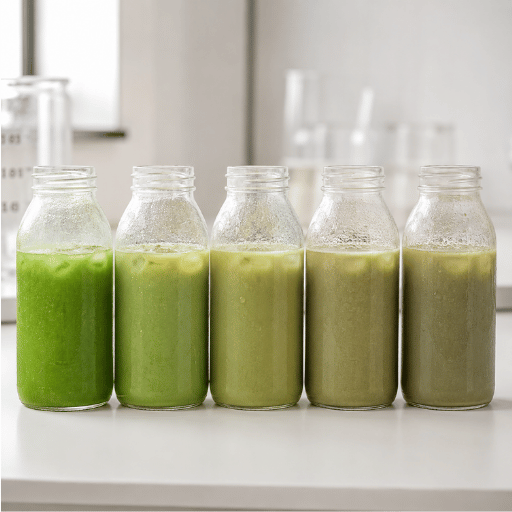
Matcha ztrácí barvu, protože stejné sloučeniny, které ji zbarvují do zelena, chlorofyl a katechiny, začnou reagovat s kyslíkem, zapalují a zahřívají instantní směs vody s práškem. Recenzovaná práce o zeleném čaji to potvrzuje degradace katechinu se projevuje jako viditelný barevný posun, posunutí řešení z čiré směrem k hnědé; v matcha latte, které se čte jako nefrit mizející do khaki.
Ztratí matcha svou barvu po pasterizaci, UHT nebo horké náplni?
Ano-teplo je jedním z největších urychlovačů a čím vyšší je teplota nebo čím déle jej zpracováváte, tím více zeleně vyměníte. A studium kinetiky degradace katechinu v prášku zeleného čaje zjištěna teplota jako dominantní faktor, ještě více než vlhkost. V kapalině je účinek specifický spíše pro matrici než univerzální: katechiny mohou zůstat relativně stabilní v obyčejné chladné vodě, ale většina může být ztracena během týdnů, jakmile přidáte světlo, kyslík, teplo a ovesný nebo mléčný základ, as degradační studie EGCG v čajových roztocích ukažte, detail, na kterém komerčně záleží, protože prohlášení o ažvysokém antioxidačním agredu na přední straně plechovky je platné pouze v den, kdy plechovku naplníte a poté znehodnotíte.
Inženýrská poznámka
Měřte barvu pomocí CIELAB L*a*b*, ne fotografie. Negativní a* zesílí zeleně, stoupající b* znamená hnědnutí Sbírejte měření pro surový prášek, čerstvou směs, následné zahřívání a periodicky po dobu skladovatelnosti Nastavte maximální přijatelnou delta E pro uvolnění. Jedničkou, kterou můžete ovládat, abyste maximalizovali stabilitu při skladování, je rozpuštěný kyslík. Eliminujte DO v proudu kapaliny před naplněním hlavy a horního prostoru během balení pomocí proplachování dusíkem před utěsněním.
Toto je značka nebo přerušení formátu balení. Neprůhledný hliník se může zdát dokonale inertní, protože zcela blokuje přicházející světlo a neumožňuje difúzi kyslíku ve významném množství skrz stěnu, ale existují další zdroje vnikání. Jak je zřejmé z pokynů pro kontrolu kyslíku v nápoji, vnikání kyslíku probíhá v několika bodech procesu, rozpuštěné v kapalině před naplněním, v horním prostoru u plniva a během kroku uzavírání nebo švu. Proto ochrana před dusíkem při plnění a těsnění dělá pro stabilitu matcha v hliníkové plechovce tolik jako samotný obalový materiál.
Sedimentace a suspenze: Udržení Matchy před usazením
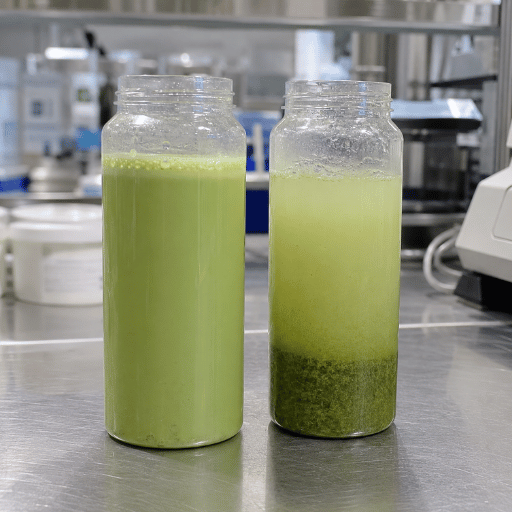
Matcha je to, co se usadí, když se suspenduje, nerozpustí se, podobně jako se káva vysráží na dně vašeho hrnku na kávu, pokud se nechá dlouho sedět na pultu. Matcha je suspenze velmi jemných částic ve vodě, jemně mleté obřadní třídy sedí řádově 5 10 μm, hrubší kulinářské třídy jsou větší a jednoduše spadnou na dno obalu, pokud se systému aktivně nedaří je udržet. Neexistuje nic takového jako ve vodě rozpustný matcha deci pro použití v nápojích; řešením není najít žádný jiný, ale zvládnout suspenzi.
Matcha se plně rozpouští v konzervovaném nápoji?
Ne. Jak je uvedeno výše, matcha není rozpustný prášek, ale nerozpustný prášek z celých čajových lístků, který se chová jako suspenze ve vodě i v mléce nebo v systémech na rostlinné bázi, což vyžaduje použití suspenzních složek nebo homogenizační proces, aby se částice udržely. usazování Některé patentované čajové přípravky RTD používají celulózové mikrofibrily k suspendování čajové sušiny v matcha latte připraveném k pití, a gellanová guma má zdokumentované použití v nápojích obsahujících matcha. Formulátory s čistým štítkem často místo toho sahají po slunečnicovém lecitinu nebo akáciové gumě a poté projdou šarží mícháním nebo homogenizací s vysokým střihem.
Od lidí, kteří se pokusili uvést tento typ produktu na trh, jsou nejčastějšími vizuálními poruchami prstenec v hrdle láhve, sediment na dně nádoby a separace v systémech založených na rostlinách, zejména mléko. Protiopatření jsou stejně konkrétní: utáhněte velikost částic, nadávkujte stabilizátor na vaši konkrétní základnu, udržujte nádrž v míchání během plnění, aby poslední jednotka odpovídala první, a pamatujte, že neprůhledná plechovka skrývá menší sediment, který by čirá láhev dala na displej.
Základy mléčných výrobků a ovesného mléka: problém srážení a separace
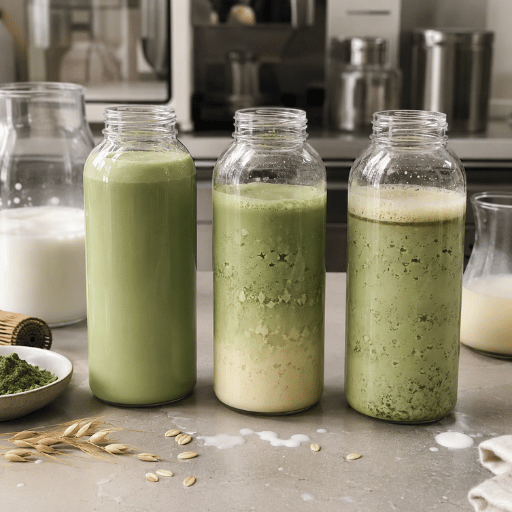
Nicméně, to, o co se jedná, je jeden z nejzákeřnějších účinků změny čaje matcha na matcha latte je také zavést základní systém (základní systém) jako mléko, rostlinné mléko nebo bezmléčná káva (adresa na stabilitu) s inherentními problémy se stabilitou Přední matcha lattes připravená k pití v tomto odvětví bude upřednostňovat rostlinná mléka, včetně ovesných a mandlových, protože spotřebitelská poptávka tlačí rostlinné produkty do popředí; bohužel rostlinný protein také obsahuje inherentní nestabilitu, když je vystaven působení tepla a změny pH.
“Bílé vločky v ledovém matcha latte se srážejí, mléko reagovalo něčím kyselým. Je to bezpečné, vypadá to špatně. a”
To základní pozorování je, samo o sobě, inženýrské sladké místo (past).Okyselit transparentní matcha čaj na úroveň horké náplně (nevadí, bezpečný taky. Udělejte to na a mléčný latte a ty srazíš protein; samotné okyselení, díky kterému je čaj bezpečný pod 21 Pravidla CFR pro okyselené potraviny zabije latte. Rostlinné alternativy jsou stabilizovány lecitinem nebo gellanem a přizpůsobeny jemnějšímu plnění; mnoho ovesných a mandlových matcha latte se prodává v neprůhledných nebo víceformátových obalech jednoduše proto, že platí stejná úvaha. Toto jsou nezávislá rozhodnutí o designu – základ, formát a výplň – vyberte si jeden a většinou si vybíráte ostatní.
Hot-Fill, Cold-Fill, Aseptic, popř HPP? Penalizace za barvu výplně za tepla
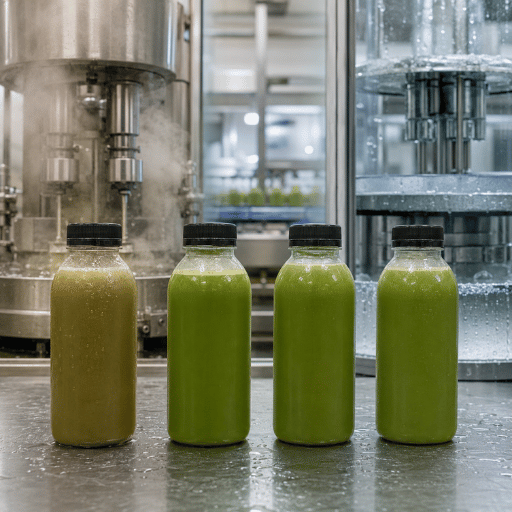
Výběr procesu plnění RTD matcha implikuje obchod mezi barvou a chutí a dlouhodobou stabilitou – obchod, který má být uskutečněn podle potravinového práva spíše než podle preferencí zákazníků. Podle obou USA. 21 Pravidla CFR pro okyselené potraviny a Pokyny FDA pro nízkokyselé konzervy (LACF), jakýkoli nealkoholický nápoj s konečným rovnovážným pH nad 4,6 a aktivitou vody nad 0,85 je nízkokyselý, což si vynucuje úplný tepelný proces (zpětný chod, asi 121 °C), UHT/aseptický systém nebo chlazení pod 4 °C.
| Proces | Tepelné zatížení | Cena barvy/příchutě | Distribuce | Fits matcha when… |
|---|---|---|---|---|
| Cold-fill + konzervační prostředek | Nejnižší | Nejnižší | Okolní/chlazené | Okyselený čirý čaj; označení toleruje konzervační látky |
| Teplé plnění (~85 °C+) | Vysoký | Pozoruhodný (trest) | Okolní ~ 6 měsíců | Okyselený (pH < 4,6) čirý čaj matcha |
| UHT / aseptické | Vysoký, ale stručný | Mírný | Okolní 12 až 18 měsíců | Nízkokyselé mléčné latté; plechovka nebo aseptická karton |
| HPP (vysokotlaký) | Žádný (studený) | Nejnižší nejpříznivější barva | Chlazené 30,45 dne | Premium čerstvá matcha; k dispozici chladící řetězec |
| Retort | Nejvyšší | Nejvyšší | Okolní, dlouhé | Nízkokyselá, barva je druhotná |
Čísla teplo až skladovatelnost převzatá z reference složení nápoje a definice kyseliny podle FDA / 21CFR .
Opracovaný příklad. Takže děláš slazené ovesné mléko matcha latte chlazená na prodej. chcete, aby zelená byla tak jasná, jak jen může být. Ovesný základ vám dal pH 4,6, takže můžete používat studenou náplň/horkou náplň do okolí a stále být skutečně latte, což vás přivede k nízkému obsahu kyseliny. Takže cesta jasných barev je HPP (v řádu 600 MPa, při nízkých teplotách), do šálku nebo láhve naplněné za studena, přijměte omezení trvanlivosti 30-45 dní s 4C chladícím řetězcem, abyste mohli sledovat obal ze skladu na pult. Alternativa: okolní plnění; pak HPP zhasne, je to na UHT do hliníkové plechovky (s proplachováním N2), kde ohrozíte trochu zeleně, abyste získali trvanlivost 12-18 měsíců, a přestanete se přesvědčovat, že plnění za tepla bude fungovat, pro stejný nápoj.
️ Druhá vrstva souladu, kterou většina značek postrádá
A co regulační – kromě bezpečnosti procesu (21 CFR 113/114)? Jsou vaše komponenty pro kontakt s potravinami neoprávněně chráněny? Vaše vložka, PET a rPET pryskyřice, kelímkové filmy, barviva, uzávěry a dokonce i potahování jsou všechny látky pro kontakt s potravinami s vlastními kritérii migrace a povolení. Před uzamčením formátu zkontrolujte, zda dodavatel komponent neobsahuje informace o oznámení o kontaktu s potravinami (FCN), zejména pro aplikace kyselého nebo mastného mléka nebo ovsa, kde migrují do vašeho formátu.
Uzávěry dávkovačů a formáty Fresh-Mix: Inženýrství kolem problému
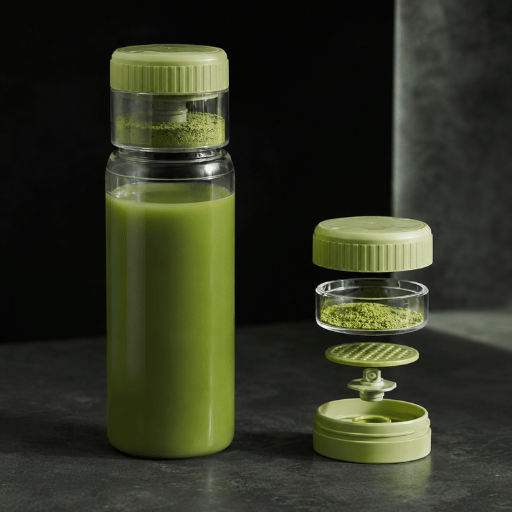
Ty mohou být nejlepší cestou, pokud upřednostníte oxidaci a sedimentaci, protože obě obcházejí tím, že umožňují matcha přebývat jako suchý prášek až do okamžiku pití. Ať už jde o tlačné nebo twist-off zařízení, takový dávkovač drží přesně naporcovanou dávku suchého matcha nad kapalnou bází (voda nebo rostlinné mléko) a oba se nekombinují, dokud nádobu neotevřete. Představa funguje podobně jako nitro widget pro studený nápoj, zapracujte jej do obalu a udělejte to pro nejčerstvější ne usazenou látku. chladný, tmavý, zcela suchý uzavřený prostor pro zastavení jakékoli oxidace ve skladu.
Upřímným upozorněním je, že se většinou stále jedná o kategorii řízenou dodavatelem a patentem a že neexistuje mnoho nezávislých, recenzovaných validací pouze pro dodavatele matcha, kteří posuzují přesnost dávkování a integritu těsnění, nikoli marketing. efektivní uzávěr dávkovače matcha je stejný jako to, co činí jakýkoli přístup ve formátu s jedním podáním důvěryhodným: přesnost dávkování. Protože matcha je dávkována spíše těsnou hmotností než objemem, váš plnicí systém musí do každého balení v každém cyklu umístit stejnou gramovou hmotnost, druh vysoce přesného dávkování zabudovaného do zakázkové plnící a uzavírací stroje. Pokud se váš koncept matcha s čerstvou směsí spoléhá na uzávěr, získejte specifikace na tolerance dávkování vašeho zařízení.
Jaké RTD Matcha obaly byste si měli vybrat?
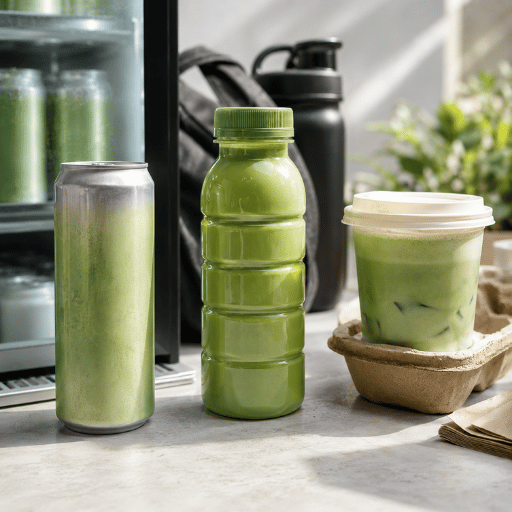
Vyberte formát na základě vašeho primárního vazebného omezení „začněte distribucí, postupujte požadovanou barvou a dokončete rozpočtovými omezeními. Tato matice promění inženýrství za balením ve volbu, kterou budou baliči chápat:
| Pokud je vaší prioritou… | Vybrat | Protože |
|---|---|---|
| Masivní maloobchod + zelená retence | Hliníková plechovka, UHT/aseptická, N2 splachovací | Celkový světelný blok + 12. 18 mo + nízký prostor nad hlavou O2 |
| Prémiově chlazené, nejjasnější barva | Šálek nebo láhev, HPP, chladící řetězec | Žádná tepelná penalizace; nejlepší udržení L*a*b* |
| Čirý okyselený matcha čaj, okolní, nízký capex | PET/sklo, náplň za tepla | pH < 4,6 umožňuje plnění za tepla; přijmout barevnou penalizaci |
| Čerstvost puristé /foodservice | Víčko dávkovače /čerstvý mix pohár | Prášek zůstává suchý, není při skladování žádná oxidace ani sediment |
| Víceúčelové ovesné/mandlové latté | PET lahvička (jantarová/neprůhledná), aseptická | Nízkokyselá bezpečná cesta + rodinný formát |
Všimněte si, že nejlepší matcha pro pití není na matrici. Zajímá vás jeho chuťový profil (třída/původ), ale na prvním místě jsou další faktory rozhodování o balení třída kyselin podle pravidel FDA pro nízké kyseliny, kde máte v úmyslu udržet chlad a kolik zelené barvy jste ochotni obětovat. Vaše nejlahodnější matcha stále zhnědne ve špatném balení.
Výroba a plnění RTD Matcha v měřítku
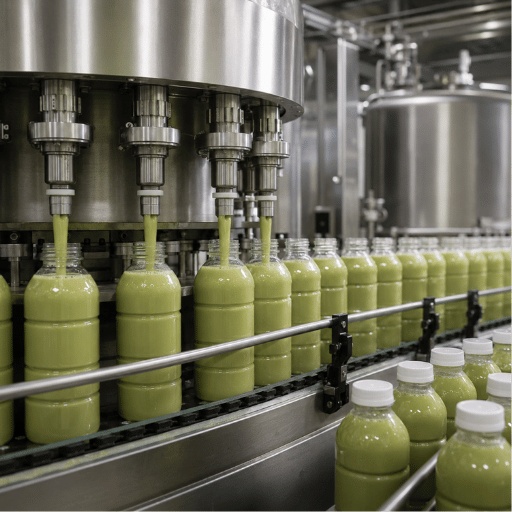
Skutečná část matcha-manufacture je jednoduchá: můžete si buď postavit vlastní řadu matcha a převzít kontrolu nad vším, nebo ji předat co-packer pro výrobu white-label nebo private-label matcha drink. Můžete testovat a být na trhu rychleji s externím partnerem při distribuci kapitálové investice, ale seřadí se s ostatními značkovými výrobci, vzdá se určité kontroly nad recepturou a nebude mít pod kontrolou osud vašeho často jemného produktu. Pokud vaše značka oceňuje kontrolu, měřítko pro marži a flexibilitu ve velkém, vnitřní linka může dávat smysl, ale vyžaduje značné počáteční kapitálové výdaje. Stejná logika se škáluje od jediného prémiového nápoje matcha po širší, škálovatelnou produktovou řadu RTD, kde konzistentní design balení a kontrola dodavatele matcha jsou tím, co udržuje každou šarži na značce.
Bez ohledu na váš přístup k vlastnictví/smluvní výrobě však požadované vybavení pro výrobu matcha zůstává do značné míry stejné. Dvě základní překážky potřebují odstranění: potřebujete přesné dávkovací zařízení založené na hmotnosti, protože matcha se plní na gramech, nikoli na objemu. Nutností je také dusíková náplň potřebná k odstranění kyslíku v horním prostoru a zabránění zhnědnutí, po níž následuje plnivo odpovídající vašemu formátu, ať už je to a kapalný plnicí stroj na konzervované matcha nápoje, a stroj na plnění a uzavírání pohárů, nebo a linka tváření pohárů-plnění-těsnění.
Engineering Note (Inženýrská poznámka) kontrolní seznam zařízení
Čtyři čísla, která musíte bezpodmínečně pokrýt, když budete informovat výrobce zařízení o svém konceptu matcha dříve než cokoli jiného: požadavky na přesnost dávky matcha (cíl blízko 0,1 g), plnivo s integrovaným vstřikováním dusíku, výstupní rychlost, která odpovídá vašim předpokládaným velikostem dávek, a přiměřená úroveň flexibility přechodu, aby bylo možné provozovat více než jeden typ matcha na lince. AFPAK staví plnicí linky plechovek a kelímků přesně na těchto principech, vysoce přesné dávkování, ochranu před dusíkem a adaptabilní jednoformátové a víceformátové systémy a může také plnit latte báze mléčného prášku na jeho Plnicí zařízení na mléko a prášek ve stylu Dolce Gusto pro koncepty dry-latte.
Dva související průvodci AFPAK jdou hlouběji na straně čerstvosti: jak volby dusíku a bariér prodlužují trvanlivost, a širší plechovky a řešení balení kelímků sortiment pro výrobce nápojů.
Kam směřuje RTD Matcha Packaging
Rozhodnutí o formátu je stále důležitější, ne méně, ze dvou důvodů, které mají jen málo společného s velikostí hlavního trhu. Za prvé, v roce 2025 dorazila skutečná krize dodávek matcha, japonský nedostatek matcha a ceremoniálních tříd a zvýšení cen se vlní napříč kategorií a do širšího kávového průmyslu, protože zdraví uvědomělí pijáci se chytají a chodí. To znamená, že každý gram ztracený oxidací ve vaší plechovce stojí více, takže disciplína kvality, dávkování a formátu má nyní skutečnou komerční návratnost a protože většina mléčných latté spadá pod Pravidla FDA pro nízkokyselé konzervy, posun tlačí značky spíše k aseptickým plechovkám a kartonům než k lahvím na plnění za tepla. Za druhé, poptávka se rozhodně posouvá směrem jednoservisní, na cestách formáty, plechovky a šálky přes lahve s více dávkami, odrážející stejné chování Millennial a Gen Z, které již učinilo konzervovanou kávu RTD za studena, dominantním způsobem, jakým mladší spotřebitelé pijí kávu, a nyní je jasnou trajektorií matcha.
Abychom uvedli kontext, sledovači trhu vidí celkový prostor matcha jako na vysoké jednociferné trajektorii růstu do začátku 30. let 20. století, ale to je považováno za pouhý šum, protože taktický signál do roku 2026 pro uvedení na trh je tento: Pokud letos vyberete zařízení, vychýlit se směrem k jednodávkovým plechovkám a šálkovým řadám vybaveným ochranou proti dusíku, protože tam leží jak poptávka, tak ekonomika nákladů na odpad. Vítězi ve značce budou ti, kteří uchovávají stále nejistěji střeženou surovinu spíše než ti s nejlesklejším víkem. Jak se kategorie rozšiřuje z neslazené matchy na slazené, horké a studené a další formáty RTD, značky, které zacházejí s vysoce kvalitní práškovou matchou jako s wellness aktivem stabilním na polici, nejen s chutí, jsou ty, jejichž RTD matcha nápoj dodržuje svůj slib od plnicí linky až po polici.
Často kladené otázky
Otázka: Jaká je nejlepší třída matcha pro nápoje RTD?
Zobrazit odpověď
Otázka: Jak zabráníte matcha oddělování v plechovce nebo láhvi?
Zobrazit odpověď
Otázka: Zničí náplň za tepla nebo pasterizace matchovu zelenou barvu?
Zobrazit odpověď
Otázka: Jak dlouho může RTD matcha latte vydržet na polici?
Zobrazit odpověď
Otázka: Může malá značka začít s kelímky nebo plechovkami místo lahví?
Zobrazit odpověď
Otázka: Stojí za příplatek čerstvý matcha drinky s uzávěrem dávkovače?
Zobrazit odpověď
Otázka: Jaký je rozdíl mezi matchou pro pití a matchou pro RTD?
Zobrazit odpověď
Plánujete RTD matcha latte? Specifikujte řadu, nejen recept.
Dejte nám vědět formát náplně a požadovanou kapacitu náplně, váš základní materiál a jeho požadovanou trvanlivost a počet jednotek, které očekáváte, že vyrobíte na plnicí lince, a náš technický personál představí nejlepší řešení plnicího stroje na plechovky nebo pohárky. Nabízíme přesné dávkování a robustní ochranu před dusíkem, aby se do něj vešel váš matcha produkt.
Proč jsme to napsali
AFPAK vyrábí kávové kapsle, plechovky a plnicí a uzavírací stroje na šálky od roku 2010 s více než 900 linkami dodávanými ve více než 80 zemích a stálým zaměřením na přesnost dávkování a ochranu dusíku. Tuto příručku jsme napsali, protože většina rad ohledně balení emmatcha se zastaví u vzorků barev, těžší otázky zákona o plnění s nízkým obsahem kyselin, kontroly kyslíku a zavěšení jsou tam, kde skutečné starty RTD uspějí nebo se zastaví. Přezkoumáno technickým týmem AFPAK.
Reference a zdroje
- Pokyny pro okyselené a málo kyselé konzervované potravinyamerický úřad pro potraviny a léčiva
- 21 CFR část 114, Okyselené potravinyElektronický kodex federálních předpisů
- Regulační požadavky na okyselené a málo kyselé potravinyPenn State Extension
- Zdravotní přínosy a chemické složení zeleného čaje MatchaPMC /Národní lékařská knihovna
- Degradační kinetika katechinů v prášku zeleného čajePubMed /Národní lékařská knihovna
- Zelený čaj: Aktuální znalosti a problémyPotraviny (MDPI), recenzované
- Oxidace a degradace EGCG/GCG v čajových roztocíchChemie potravin (ScienceDirect)
- Rychlost přenosu kyslíku, přehledTémata ScienceDirect
- US9999235B2, čajový nápoj připravený k pití obsahující celulózové mikrofibrilyUSPTO prostřednictvím patentů Google
- CN1233154A, Nová aplikace přírodní gumy GellanPatenty Google
- Jak zpracování a pěstování ovlivňuje čajové sloučeniny a chuťPoznaný časopis


