
Bạn có thể điền matcha trong Nespresso và K-Cup viên nang?Có ạch bạn có thể điền matcha vào Nespresso và K-Cup viên nang, và bên thứ ba matcha viên nang đã tồn tại.Để điền matcha trong Nespresso và K-Cup viên nang là để đóng gói một siêu mịn, nhanh oxy hóa bột vào một đơn phục vụ pod inh có thể, nhưng không tha thứ trong thực tế.Các caveat, mà hầu như không có mô tả sản phẩm chỉ ra, là cách máy hoạt động để trục xuất nó, buộc nước nóng *thông qua* các hạt và ra một lần nữa, thay vì đánh nó lên và uống toàn bộ bột như quá trình truyền thống.Đó là nó, đó là toàn bộ câu chuyện chỉ ra nếu viên nang của bạn cung cấp một bát matcha đích thực hoặc một trải nghiệm đầy nước, đầy sạn.Hãy để Lướt qua tất cả các chi tiết liên quan đến kích thước hạt, vón cục, trọng lượng lấp đầy, quá trình oxy hóa và nỗ lực DIY trung bình của bạn so với máy làm đầy cấp công nghiệp thực sự đạt được.
Thông số kỹ thuật nhanh: Điền Matcha vào viên nang
| Kích thước hạt Matcha | ~5–15 µm (thường được trích dẫn khoảng 5–10 µm) so với xay cà phê 300–1.000 µm |
| Matcha cho mỗi nhóm phục vụ một lần | ~2 g nguyên chất (một khẩu phần ăn lỏng tiêu chuẩn là 2–4 g) |
| Caffeine | ~60–70 mg mỗi 2 g matcha so với ~95–120 mg mỗi cốc cà phê |
| Các định dạng tương thích | Nespresso OriginalLine, Keurig K-Cup; Vertuo hiếm khi (Khóa dịch ly tâm) |
| Mục tiêu tươi (niêm phong) | Lượng oxy dư thấp thông qua xả nitơ (bao bì cà phê nhằm mục đích ≤2–3%) |
| Đóng cửa | Lá nhôm/nắp phim được hàn nhiệt trên mặt bích sạch |
Bạn thực sự có thể cho Matcha vào một viên Nespresso hoặc K-Cup không? Các Thử nghiệm Uống-Nó-hoặc-Lọc-Nó
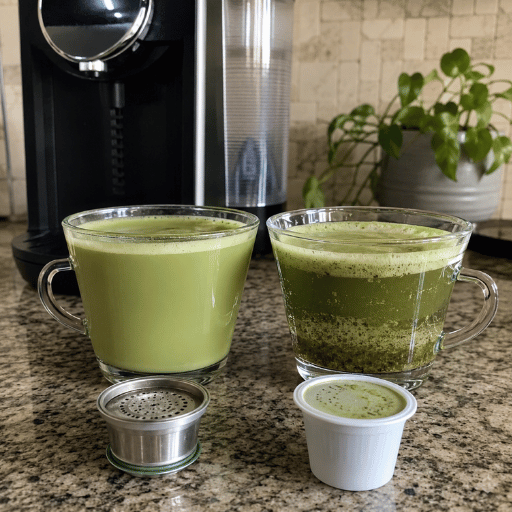
Có, bạn có thể điền matcha vào một viên nang Nespresso hoặc K-Cup, và vỏ matcha làm sẵn tồn tại.Nhưng một máy pod lọc nước áp lực thông qua bột và để lại một phần của nó phía sau, trong khi matcha whisked được uống toàn bộ Ne vì vậy một pod cho một cốc mỏng hơn, hơi đắng hơn là một bát thực s.
Câu trả lời ngắn gọn: có, nếu và chỉ nếu bạn duy trì hiện trạng về bột.Trước khi bạn đo một gram duy nhất, hãy trả lời một câu hỏi hết sức quan trọng: liệu phương pháp này có giữ matcha * trong * cốc, hoặc thủ tục này đã lọc nước qua matcha và xử lý lá, có vỏ chưa làm cho bạn?Tục thìa cà phê được đánh vào nước 70-80 °C tạo ra huyền phù 100% trong bát matcha của bạn.Ngược lại, nước chảy ở áp suất qua một lớp bột nén và ra một vòi sẽ dẫn đến một trong những điều sau đây.Bạn vượt qua Bài kiểm tra Uống-nó-hoặc-Lọc-nó… sai cách xung quanh!
Để có được một tách trà hoặc cà phê tuyệt vời từ viên nang máy, phải có một số yếu tố của cái mà Lọ gọi là chiết xuất tại chỗ.Bạn đặt bã cà phê, ví dụ, trong một viên nang và nước chạy qua cà phê, phá vỡ các hợp chất hóa học hòa tan và chiết xuất những thứ này vào trà/cà phê của bạn. bã cà phê của bạn vẫn còn trong vỏ. Match Lừa khác nhau; thay vì dựa vào chất rắn hòa tan hoặc chiết xuất, trận đấu là về hạt lơ lửng của bột.Nếu bạn đẩy nước nóng qua lớp vật chất hạt này, hai điều chắc chắn sẽ xảy ra.Các hạt phù hợp tốt sẽ hấp thụ một số nước và đóng gói chặt chẽ với nhau để tạo thành một phích cắm, cản trở các lỗ thoát vỏ và dẫn đến nghẹt thở, tràn hoặc nhỏ giọt. Chất lỏng nào cuối cùng thoát ra khỏi máy, sau đó, sẽ bị tiếp xúc và bị bỏng bởi nước gần sôi có áp suất (nóng hơn đáng kể so với yêu cầu 70-80 C), sẽ hòa tan axit tannic không mong muốn. Điều này sẽ dẫn đến kết quả cay đắng, không phải vì bạn đang sử dụng viên nang sai hoặc có máy bị hỏng, mà vì thiết kế vỏ về cơ bản đi ngược lại bản chất của cách matcha nên được phục v.
Trong một thời gian dài, vị trí của Nespresso khá công khai: “Hệ thống của chúng tôi, đặc biệt là Centrifusion, được thiết kế dành riêng cho cà phê. Hiện tại không có kế hoạch khám phá các loại đồ uống khác, đặc biệt là những loại không phù hợp để pha hoặc ngâm trong nước nóng như túi trà thông thường, chứ đừng nói đến việc chiết xuất trong Centrifusion,” theo Bảng nếm. họ không bao giờ phát hành một matcha chính thức Nespresso pod vì lý do này rất. các vỏ matcha kiểu Nespresso hiện có làm việc chống lại định dạng cốt lõi của họ, chứ không phải với nó, đó là mấu chốt của một quá trình điền thành công.
Bạn có thể làm matcha với máy Nespresso không?
Một Nespresso có thể kéo màu xanh lá cây ra khỏi một trong số họ, nhưng nó sẽ không so sánh với một bát đánh trứng.Bạn pha một Nespresso bằng cách lái xe nước lên đến ~ 19 bar (hoặc quay nó, trên Vertuo) thông qua một viên nang, mà đốt cháy một matcha mềm và phần lớn sẽ để lại nó như là một puck đóng gói của bột phía sau.Một matcha pod OriginalLine được điền sẵn có thể làm cho một cốc có thể sử dụng, uống được – nghĩ ‘cơ sở latte xanh nhanh chóng’ chứ không phải là ‘bát nghi lễ’.
Tại sao Matcha rất khó để điền: Vấn đề điền Matcha 3 rào cản
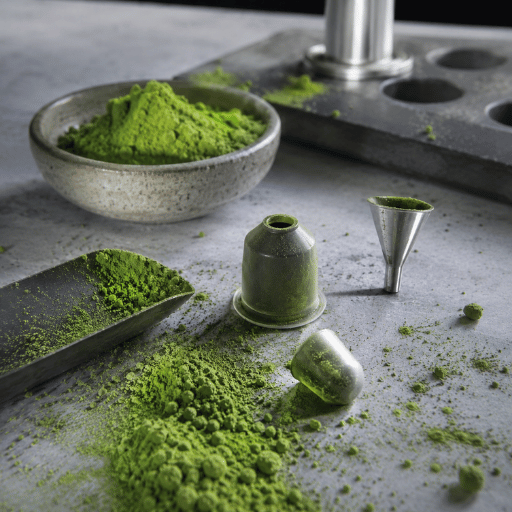
Matcha khó đổ đầy vì nó là một loại bột siêu mịn, khoảng 5–15 micron, mịn hơn hàng chục lần so với xay cà phê. Độ mịn đó khiến nó bám vào tĩnh, kết tụ với độ ẩm và oxy hóa nhanh 3 rào cản biến việc đổ đầy vỏ thành một vấn đề kỹ thuật chứ không phải một tin sốt dẻo đơn giản.
Bột trà xanh Matcha là một loại bột siêu mịn ~5–15 micron – thông thường bạn nghe nói nó có kích thước khoảng 5–10 micron – mịn hơn bã cà phê khoảng hàng chục lần. Và độ mịn đó là điều khiến nó trở thành một tác nhân xấu trên dây chuyền chiết rót. Nơi bã cà phê chảy, liều lượng và đóng gói như cát, matcha làm nó giống bột ca cao hoặc đường cát hơn: nó bắc cầu, bám, bụi, gói và bay vào công trình. Cả ba loại lỗi thiết bị đều bắt nguồn từ một trong ba điều này và mọi lỗi đổ đầy cũng vậy.
| Loại rào cản | Nguyên nhân vật lý | Triệu chứng DIY | Sửa lỗi sản xuất |
|---|---|---|---|
| 1. tĩnh & bụi | Nghiền đá để bột tích điện; bám vào không khí khô | Bột nhảy ra khỏi muỗng, phủ mọi thứ, phân tán | Kiểm soát độ ẩm, dụng cụ chống tĩnh điện, liều lượng kèm theo |
| 2. vón cục hút ẩm | Diện tích bề mặt cao kéo độ ẩm; bánh bột và cầu | Các cục, lấp đầy không nhất quán, khoảng trống trong viên nang | Phòng khô, thức ăn kín, phễu khuấy |
| 3. oxy hóa & nhạy cảm nhiệt | Diện tích bề mặt khổng lồ làm cho catechin/chlorophyll tiếp xúc với oxy | Màu xanh nhạt dần thành màu nâu; hương vị chuyển sang giống cỏ khô trước khi bạn pha | Xả nitơ, rào cản lá, niêm phong nhanh |
| 4. mật độ khối lượng lớn thấp /cầu nối | Bột nhẹ, mịn kéo dài khoảng trống thay vì chảy | Hopper “lỗ chuột”; liều chết đói giữa chạy | Rung /thức ăn khoan, thể tích liều lượng nhỏ |
| 5. dưới chiết xuất trong cốc | Đình chỉ, không phải giải pháp ine ít hòa tan | Pha yếu, nhiều nước với trầm tích | Lựa chọn định dạng; chấp nhận nhóm là một sự thỏa hiệp |
| 6.kênh | Bánh đóng gói nứt; nước tìm thấy một con đường | Dòng chảy phún xạ, cường độ không đồng đều | Ngay cả định lượng, tamp kiểm soát ánh sáng |
| 7. ô nhiễm Seal-mặt bích | Các khoản tiền phạt trên không sẽ lắng xuống vành | Yếu, rò rỉ nhiệt con dấu | Làm sạch mặt bích chân không trước khi nắp |
| 8. liều lượng chính xác | Một mục tiêu 2 g trong một chiếc cốc nhỏ là không thể tha th | Trên/dưới-điền, biến thể từ cốc đến cốc | Liều lượng servo đến mức dung nạp gram chặt chẽ |
| 9. tràn đầy blowout | Bột nhồi không có đường dẫn dòng chảy | Không có nước đi qua; viên nang vỡ hoặc won’t đóng | Kích thước đúng liều lượng vào khoang |
Cơ chế tổng hợp từ tài liệu xay xát và xử lý bột; các nguồn được liệt kê ở cuối.
Có một sự thay đổi về điều đó là đúng một cách không trực quan và đáng để biết nếu bạn chỉ giả định rằng ‘tinh tế hơn luôn tốt hơn’ Nếu nó có thể quan trọng với bạn, một số người nghiên cứu cho thấy Hoạt tính chống oxy hóa và catechin của các hạt trà xanh giảm ở các hạt nhỏ hơn 50 micron, trong khi có hoạt tính cao nhất (33,5mg/g chất khô) khi được xử lý thành các hạt thô hơn 100–180 micron. Nhưng matcha phải là – siêu mịn nếu không nó sẽ không thể đạt được màu sắc, cảm giác trong miệng và độ phân tán – quá trình nghiền siêu mịn phải được thực hiện từ từ bằng đá granit mát, vì tốc độ nghiền cao tạo ra nhiệt làm suy giảm matcha. Kích thước hạt trung bình đã được báo cáo là bị đẩy xuống khoảng 17 micron từ khoảng 330 micron trở lên mài dài hơn, như bằng chứng tích cực về những gì xảy ra. thực tế điền sau đó: đây là một tốt-bởi vì-nó-giả-để-được tốt, tinh tế bởi bột tự nhiên mà Lôi unyielding để phễu của bạn.
Ở mức khoảng 5–10 micron, matcha trở nên mịn hơn tế bào hồng cầu đơn lẻ của con người (7–8 micron). Bởi vì trọng lượng thoáng hoặc đậm đặc hơn của bột làm thay đổi mật độ biểu kiến của nó tùy thuộc vào không khí chứa trong đó, điều đó có nghĩa là một muỗng cà phê thể tích 300 micron sẽ mang lại một số điều khá khác biệt cho liều matcha của bạn: đó là lý do tại sao trên dây chuyền sản xuất, liều matcha được xử lý như một trọng lượng được kiểm soát chính xác – với tổng biến thể lấp đầy khoảng 0,1g hoặc ít hơn trên thiết bị phục vụ một lần như máy nạp đơn AFPAK cho matcha.
Tự đổ đầy tại nhà: Vỏ có thể tái sử dụng và nạp lại (và nơi chúng không thành công)
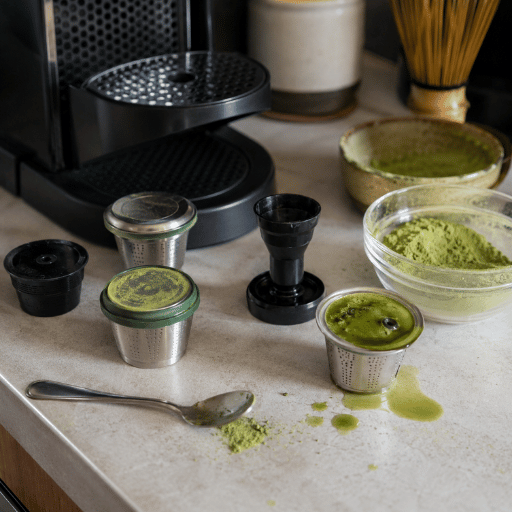
Cách tiếp cận ‘rõ ràng’ đang diễn ra với một viên nang có thể tái sử dụng – loại Nespresso hoặc phiên bản K-Cup dạng lưới, trong đó bạn múc bột matcha của riêng mình. Nó hoạt động, ít nhiều – nhưng trước khi đặt mua một gói mười loại rỗng, bạn nên biết nó thất bại ở đâu.
Kích thước hạt là vấn đề cốt lõi. Lưới dạng viên có thể tái sử dụng được thiết kế để xay cà phê cỡ trung bình – có chiều ngang hàng trăm micron. Matcha nhỏ hơn thế nhiều nên bột bay thẳng qua lưới và rơi xuống đáy cốc của bạn. Những người uống trà thử báo cáo nhất quán này một loại bột nhão mỏng, bùn tích tụ ở đáy mỗi cốc và trong khi biện pháp khắc phục điển hình là sử dụng – xay thô hơn mà Lừa không phải là một lựa chọn, vì bột matcha đã được bán đã được micron hóa. kết quả là việc pha cà phê phía trên cặn là yếu, nước và nước – không tốt! Có một vấn đề thứ yếu với vỏ Nespresso có thể đổ lại, đặc biệt: cặn dầu của cà phê rang dính vào máy và vào vỏ tái sử dụng. vì vậy ngay cả sau khi rửa thiết bị pha bằng nước thường trước, matcha luôn nhặt được a hương vị cà phê cũ.
- Giá rẻ, tái sử dụng một viên nang trong nhiều tháng
- Tươi, bạn đổ đầy nó vài phút trước khi pha
- Kiểm soát hoàn toàn cấp độ và liều lượng
- Không có đơn đặt hàng tối thiểu, không có thiết bị
- Tốt matcha vượt qua lưới → gritty trầm tích
- Cốc yếu, chảy nước; không có crema hoặc cơ thể thực sự
- Chất mang dầu cà phê trong vỏ Nespresso có thể tái sử dụng
- Không xả nitơ, không kín khí → oxy hóa nhanh
- Lộn xộn; mất tĩnh trên mỗi muỗng
Nhiều người trong số các bản sửa lỗi được đề xuất liên quan đến việc chèn lót vi lọc giấy vào giỏ tái sử dụng-họ làm một công việc hợp lý bắt tiền phạt, làm chậm dòng nước một chút, và có thể ngăn chặn * một số* của bột thoát ra, nhưng niêm phong sẽ không bao giờ hoàn hảo. dòng dưới cùng?Đổ bột của riêng bạn vào các hệ thống tái sử dụng là một cách thú vị để thử nghiệm nếu bạn đã đầu tư vào định dạng này, nhưng nó không có khả năng cung cấp một sản phẩm sạch, chất lượng cao, cũng không phải là một loại đồ uống sẽ đứng lên theo thời gian.Nếu những gì bạn Lừa thực sự tìm kiếm là một kệ ổn định, không lộn xộn Nespresso pod thì bạn cần phải quên thế giới nạp lại hoàn toàn – và đó là chính xác nơi phần còn lại của hướng dẫn bắt đầu.Để tham khảo, hãy xem hướng dẫn khác của chúng tôi trong đó kiểm tra chính xác những gì mà Lọ tìm thấy bên trong các vỏ Nespresso điển hình có sẵn để bán l.
Bạn có thể đặt matcha vào một K-Cup có thể nạp lại không?
Có, nhưng chuẩn bị để đối phó với trầm tích. lỗ trong lưới K-Cup tái sử dụng có kích thước để bắt bã cà phê pha nên bất kỳ và tất cả các hạt Matcha mịn hơn các lỗ sẽ thoát ra và kết thúc ở dưới cùng của tách cà phê yếu của bạn như thế này. bằng cách sử dụng một lớp lót vi lọc giấy sẽ giảm thiểu các hạt, với chi phí cho dòng nước. nó là tốt cho cốc thỉnh thoảng, nhưng không phải cho bất cứ điều gì bạn sẽ phục vụ một khách hàng.
Định dạng viên nang nào phù hợp nhất? OriginalLine vs Vertuo vs K-Cup
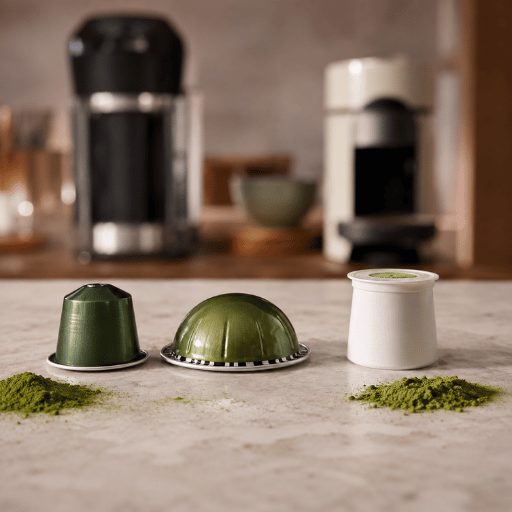
Định dạng tác động đến kết quả với matcha ở mức độ lớn hơn nhiều so với cà phê vì các hệ thống khác nhau sử dụng các quy trình cơ học và gia nhiệt hoàn toàn khác nhau để chiết xuất bã so với bột. Nếu bạn định đổ đầy bằng tay hoặc sử dụng hệ thống đổ đầy tự động để tạo ra sản phẩm của mình thì đây là một tổng quan ngắn gọn:
| Định dạng | Cách nó ủ | Phù hợp với Matcha |
|---|---|---|
| Nespresso OriginalLine | Bơm cao áp thông qua một viên nang kín | Ngôi nhà của bên thứ 3 tốt nhất: hầu hết các nhóm matcha đều tương thích với OriginalLine |
| Nespresso Vertuo | Ly tâm (quay) + mã vạch mà máy đọc | Kém: khóa mã vạch và định dạng quay chặn hầu hết tất cả các nhóm matcha |
| Cúp Keurig K | Áp suất thấp nhỏ giọt qua cốc xỏ khuyên | Khả thi: nhẹ nhàng hơn, chịu được trầm tích hơn, dễ đổ đầy |
Tại sao Vertuo bị bỏ rơi?Hệ thống đó xác định viên nang bằng cách đọc mã vạch in trên các cạnh của chúng Sau đó, điều chỉnh sản xuất bia theo các thông số bắt nguồn từ chính mã, do đó, các viên nang không xác định được chỉ đơn giản là won’t kích hoạt chu kỳ sản xuất bia, là lý do tại sao các nhà cung cấp sản xuất các sản phẩm vỏ match matcha để sử dụng trong OriginalLine, không phải Vertuo. K-Cups dễ dàng là lựa chọn vỏ tốt nhất tại nhà vì loại bia áp suất thấp của họ có khả năng chứa bột mịn cao hơn đáng kể so với loại OriginalLine áp suất cao hơn, mặc dù vẫn có thể gây ra một chút trầm tích. Nếu xây dựng dây chuyền sản xuất gồm nhiều loại vỏ, việc sử dụng chất độn nhiều vỏ có khả năng chứa nhiều hơn một hình dạng vỏ chắc chắn có thể cắt giảm chi phí – xem xét các máy nhiều vỏ như AFPAK Máy viên nang đa định dạng RN1S (xử lý các hệ thống K-Cup, Dolce Gusto, A Modo Mio và OriginalLine). Để hiểu chính chiếc cốc, hãy xem hướng dẫn của chúng tôi vỏ Nespresso được làm từ gì.
Matcha đi bao nhiêu trong một viên nang? Matcha Cửa sổ Fill-Weight
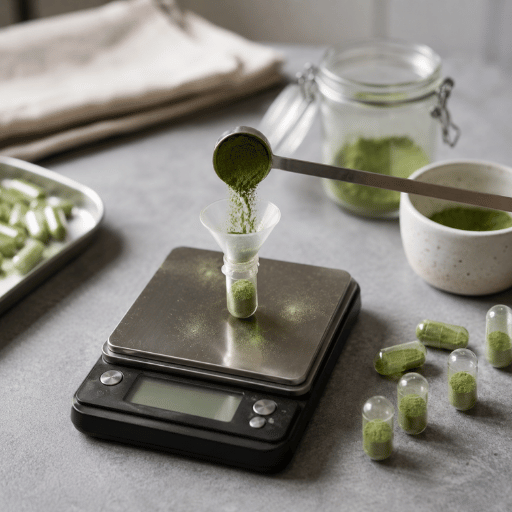
Một khẩu phần matcha – khoảng 2 gam bột nguyên chất – tương ứng với một viên nang. Một khẩu phần matcha được đánh lỏng lẻo là 2 đến 4 gam (khoảng một thìa cà phê ), nhưng không gian khoang của quả và nhu cầu lọc nước có xu hướng làm cho giá trị này nghiêng về phía dưới. Hãy để Lừa coi đây là Cửa sổ Fill-Weight – một lượng matcha thích hợp để có hương vị tối ưu, vừa đủ để nước dễ dàng chảy qua.
Đánh giá sai số lượng này, và đồ uống kết quả sẽ kém hơn.Matcha không đủ sẽ dẫn đến nước siphoning vào các lớp matcha mỏng mà không hấp thụ các chất dinh dưỡng thích hợp, do đó dẫn đến một trà mờ hoặc tưới xuống.Ngược lại, quá nhiều bột sẽ dẫn đến vật liệu nén thành một lớp rắn cứng rắn, ngăn nước lưu thông đều – do đó các máy sẽ đấu tranh để cung cấp đồ uống hoặc thậm chí có thể bị rò rỉ, hoặc con dấu của viên nang có thể buộc một phình.Các dòng hướng dẫn điền viên nang này rõ ràng rằng quá nhiều matcha trong một không gian nhất định sẽ dẫn đến các vấn đề, gây ra sự chậm trễ với các vấn đề đầm, niêm phong, và số lượng cao hơn của các khuyết tật.Cửa sổ đó là một yếu tố quan trọng.
Chúng tôi sẽ nhắm mục tiêu khoảng 2,0 gram matcha nguyên chất mỗi viên nang.Dựa trên tỷ lệ 30 đến 35mg mỗi gram trong thức uống kết quả, chúng tôi nhận được khoảng 60 đến 70 mg caffeine, ít hơn đáng kể so với một tách cà phê 8 oz tiêu chuẩn (có thể chứa khoảng 95 đến 120mg).Chỉ cần một gram ít hơn và bạn sẽ kết thúc với một thức uống nhạt, nhiều nước.Bất cứ thứ gì trên 3 gram và dòng chảy bị chặn hoàn toàn.Một liều máy sản xuất với trọng lượng không thể tích – một gram nhiều hơn hoặc ít hơn cho một viên nang nhồi thủ công có thể biến một cốc thành công thành một cốc thất bại.
Don’t nhầm lẫn mức độ viên nang với mức độ gram cá nhân Matcha trên caffeine.Một gram matcha chứa khoảng 19-44 mg caffeine, nhiều hơn một chút so với 10-12 mg có trong một gram hạt cà phê.Tuy nhiên, khi bạn chỉ tiêu thụ một vài gram, toàn bộ viên nang mang lại ít hơn một tách cà phê duy nhất theo các Đánh giá Healthline về matcha caffeine. Sẽ tốt hơn nhiều nếu xem xét số lượng trong khẩu phần ăn thành phẩm so với con số trên mỗi gram – theo cách này, khẩu phần thực tế có mức caffeine nhẹ hơn nhiều mà nó xứng đáng có được.
Bao nhiêu matcha trong một pod so với một muỗng cà phê?
Số lượng tương tự, có thể ít hơn. trong phần đánh bằng tay, chúng ta có thể có tới một muỗng cà phê bột (2-4 gram). một vỏ điển hình có thể nhắm đến một, 2g phục vụ với nhiều không gian để cho phép nước đi qua. tất nhiên ngọt “matcha latte” vỏ không phải là những thứ tương tự – nhiều thành phần của chúng bao gồm đường và chất làm trắng, trong khi bột matcha chính hãng có thể bao gồm một phần nhỏ hơn.
Tại sao Matcha Clumps, Fades, và Goes Stale trong một Capsule (Kỹ thuật tươi)
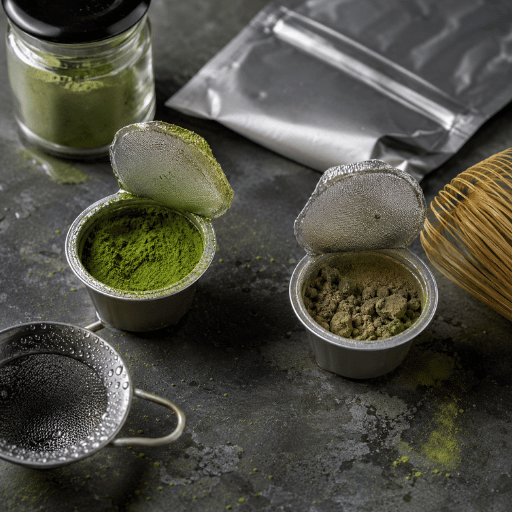
Oxy, không phải máy pha cà phê, là kẻ thù số một của matcha, nhưng đặc biệt là sau khi chế biến, vấn đề này trở nên tồi tệ hơn bằng cách sản xuất một chất bột mạnh với diện tích bề mặt khổng lồ. trong vài trường hợp này, khoa học rõ ràng nổi bật và thường chỉ ra chất độn sản xuất trên thủ công.
Trong các nghiên cứu kiểm tra dài hạn, kín điều kiện lưu trữ trên matcha chúng ta có thể bắt đầu hình dung như thế nào nhanh chóng nó xuống cấp.Khi làm lạnh ở 4 °C, các chất chống oxy hóa trong matcha kéo dài khoảng hai tháng; ở nhiệt độ phòng (25 °C) nó kéo dài khoảng bảy ngày, và ở 35 °C gần hơn năm ngày, như được ghi trong một nghiên cứu về Dinh dưỡng phòng ngừa và Khoa học Thực phẩm. Nghiên cứu tương tự đó ghi nhận một kết quả có thể nhận dạng trực quan mà mọi người quen thuộc với nó đã trải qua; từ 47,83 mức được ghi nhận ở 4 độ C, giá trị xanh giảm xuống 21,88 trong môi trường độ 80C khi chất diệp lục phân hủy – màu xanh nhạt cho thấy quá trình oxy hóa tích cực của lá trà.
Hơn cả ánh sáng, oxy làm cho sự xuống cấp.Một nghiên cứu duy nhất của các nhà nghiên cứu cho thấy ngay cả khi tiếp xúc nhiều với oxy, catechin EGCG, không thể tìm thấy trong 36 giờ và trong môi trường oxy giảm đạt được thông qua xả nitơ vẫn còn nguyên vẹn 95% sau 6 giờ, như đã báo cáo trong tạp chí phân tử. Tất cả đều có lý do để xả nắp diêm bằng nitơ chứ không phải bằng không khí; một ngôi nhà mở, có thể nạp lại tại quầy K Cup không thể phù hợp với kỳ tích. Chúng tôi đưa vào một Cúp K thông qua một hành động xả N2 trước khi chúng tôi kẹp chặt, trong nỗ lực thay thế oxy từ cốc, lý do mà các sản phẩm như vậy thường được giữ dưới khoảng 2–3% oxy dư trong bao bì sản xuất, vì oxy trên khoảng 5% gây ra quá trình oxy hóa chỉ trong vài ngày – đặc biệt là trong ngành sản xuất cà phê và kết quả là hoạt động mà chúng tôi sử dụng để bảo vệ N2 của mũ của chúng tôi trên các máy hoạt động và được thảo luận ở một số độ dài trong phần này về cách K Cup hoạt động khi được đổ đầy bằng phương pháp đó.
Niêm phong một viên nang chứa đầy bột mịn (Phần không ai đề cập)
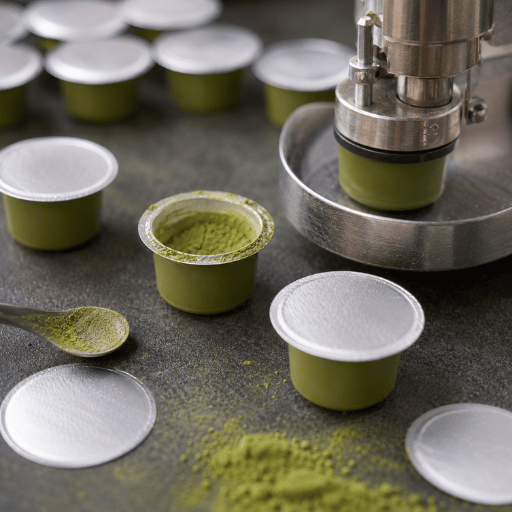
Niêm phong là khía cạnh mà DIY Matcha điền thực sự mất cho tất cả mọi người khác, một cái gì đó họ không thảo luận trên các trang đóng gói. điền liên quan đến việc niêm phong sản phẩm chống lại một vòng kín hoặc mặt bích bằng cách sử dụng lá nhôm hoặc phim, sau khi đặt nó vào, hoặc vào cốc nhựa. cho điều này để đạt được một con dấu an toàn, cạnh này phải hoàn toàn vô nhiễm. với bản chất bám dính siêu mịn và tự nhiên tĩnh của matcha, nó hiếm khi sẽ được.
Hãy để nó được trình bày đơn giản như có thể nói trong một tình huống hỏng hóc: trong quá trình đổ đầy, các hạt trong không khí rơi xuống môi và nếu có bụi hoặc trà lọt vào dưới nắp thì sẽ không thể đạt được độ kín giữa nắp. và vành, do đó khiến mọi nỗ lực trở nên vô nghĩa và vô dụng vì bất kỳ loại trà nào cũng sẽ nhanh chóng hết hạn vì không khí đi vào mọi thứ như bất kỳ dây chuyền sản xuất thương mại nào gợi ý, trong một nhà ga, sau khi nắp được bịt kín đúng cách bằng lá nhôm bằng keo nhạy nhiệt, hút bụi các mảnh vụn từ các cạnh mặt bích trước khi nắp được áp dụng, như được mô tả trong phạm vi thương mại của dây chuyền sản xuất viên nang cà phê. hướng dẫn sử dụng nhà bếp băng ghế dự bị báo chí của bạn không có bất kỳ cách nào của de-bụi chu vi bên trong trước khi áp dụng một nắp nhôm nhiệt kín, do đó viên nang tự chế và thủ công của bạn rò rỉ như một cái chao.
Ngay cả từ bằng sáng chế được nộp vào năm 1999, nó đã tuyên bố rằng trà xanh dạng bột được nghiền trong môi trường nitơ, sau đó, trong khi vẫn thải nitơ, được đặt vào viên nang, để bảo vệ cả quá trình nghiền và quá trình đổ đầy oxy, theo Bằng sáng chế Hoa Kỳ 5.993.867. Gần đây hơn, các bằng sáng chế nêu chi tiết cách sử dụng viên nang ở dạng khí và xả ra trước khi niêm phong hoặc chỉ thay thế không khí và độ ẩm để sản phẩm vẫn ổn định, như được mô tả trong các bằng sáng chế như Bằng sáng chế Hoa Kỳ 10.351.277 và Bằng sáng chế Hoa Kỳ 12.492.046 trong ngành công nghiệp thực phẩm và đồ uống đã liên tục nhấn mạnh rằng rào cản duy nhất để giữ không khí ra ngoài là môi hoặc mặt bích.
“Phần cứng nhất của viên nang bột không bao giờ là làm đầy, nó là con dấu.Một vài miligam tiền phạt trên mặt bích và nắp sẽ không liên kết.Với matcha chúng tôi xử lý làm sạch mặt bích và một con dấu nhiệt chặt chẽ, lặp lại như cổng chất lượng thực sự, không phải liều.”
Khi việc điền bằng tay ngừng tạo cảm giác: Thử nghiệm chuyển đổi từ điền bằng tay sang máy 4 tín hiệu
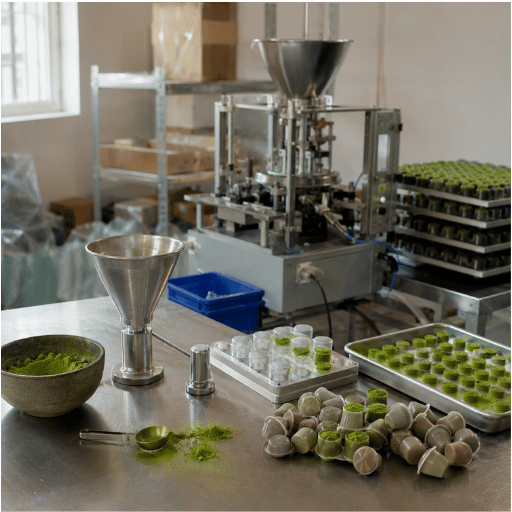
Làm đầy bằng tay là tốt nếu bạn đang làm một vài chục vỏ mỗi tuần cho tiêu dùng cá nhân. ngoài ra, cả toán học và vật lý đều không có lợi cho bạn.Hãy làm bài kiểm tra đơn giản này: nếu hai hoặc nhiều câu sau đây là đúng, bạn đã phát triển vượt trội so với quầy bếp và cần một máy làm đầy.
- Bạn đang tạo ra quá nhiều vỏ, vì việc điền sai vào tay thị trường đã gây trở ngại; bây giờ bạn cần hơn vài chục vỏ mỗi tuần.
- Bạn đã sẵn sàng để làm cho một sản phẩm tiêu dùng hoàn chỉnh-Bạn đang sản xuất một sản phẩm bán lẻ hoàn chỉnh yêu cầu nắp đậy kín nhiệt hoàn toàn trái ngược với nắp có thể tái sử dụng nhanh.
- Bạn đã được giao nhiệm vụ kéo dài thời hạn sử dụng của sản phẩm của bạn- Bạn muốn niêm phong kín khí với việc bao gồm xả nitơ để sản phẩm của bạn có thể tồn tại hàng tuần trên kệ và sự nghiêm ngặt của vận chuyển, thay vì hàng giờ trong nhà bếp.
- Mỗi nhóm cần phải giống hệt nhau-Bạn đang tìm kiếm sự nhất quán về liều lượng trong phạm vi dung sai khoảng ± 0,1 g – loại mà không thể đạt được bằng muỗng.
Quá trình chuyển đổi đó là một lựa chọn kinh tế chứ không phải là một công nghệ. nguồn lực thương mại trên các chất độn hợp đồng, ví dụ, lưu ý rằng quá trình sử dụng một bên thứ ba điền và niêm phong các viên nang, do đó loại bỏ từ chủ sở hữu của một doanh nghiệp chi phí vốn cần thiết để mua thiết bị và chi phí hoạt động liên quan đến việc điều hành một cơ sở-Tuy nhiên, lớn, khối lượng lớn, và cũng-thành lập đồng đóng gói thường mang một số lượng điền tối thiểu mà Lôi nhiều hơn nhiều so với yêu cầu của một thương hiệu nhỏ hoặc vừa, theo các Tạp chí Thương mại Trà & Cà phê. Cuối cùng, một quyết định hoặc cần phải được thực hiện về cách tốt nhất để tiếp cận các ràng buộc đặt hàng tối thiểu của một co-packer lớn hoặc về cách có được một máy điền cấp nhập cảnh.Đối với những người có mức tối thiểu trong phạm vi vài trăm hoặc vài nghìn đơn vị mỗi tuần, các chất độn viên nang phục vụ đơn như chất độn viên nang phục vụ đơn YM40, có khả năng khoảng 40 viên mỗi phút, làm cho một mục nhập chi phí thấp hơn vào sản xuất cà phê thương mại mà không cần đầu tư năm con số. quá trình sau đó leo thang về phía đầy đ dây chuyền sản xuất viên nang, với máy viên nang và cốc K cung cấp tốc độ trung bình từ 40 đến 600 viên mỗi phút và cũng có khả năng làm đầy, niêm phong và xả nitơ cho ca cao, cà phê hòa tan và trà với độ chính xác gần 0,1g. Nếu thị trường của bạn tập trung vào viên nang tương thích với Nespresso, thì Máy chiết rót viên nang Nespresso Là sự lựa chọn hợp lý của bạn. Cuối cùng, điều cơ bản phân biệt nhóm sở thích với sản phẩm có thể bán được là chất liệu của viên nang và nắp – được chứng nhận cấp thực phẩm, viên nang an toàn tiếp xúc với thực phẩm và vật liệu nắp có khả năng chống nước nóng – cũng như độ trong của sản phẩm trên nhãn và tránh các tuyên bố về lợi ích sức khỏe không được hỗ trợ về caffeine hoặc catechin trong matcha – các quy định tương tự như bất kỳ thực phẩm đóng gói nào.
6 Sai Lầm Người Ta Làm Filling Matcha Pods (Từ Sàn Sản Xuất)
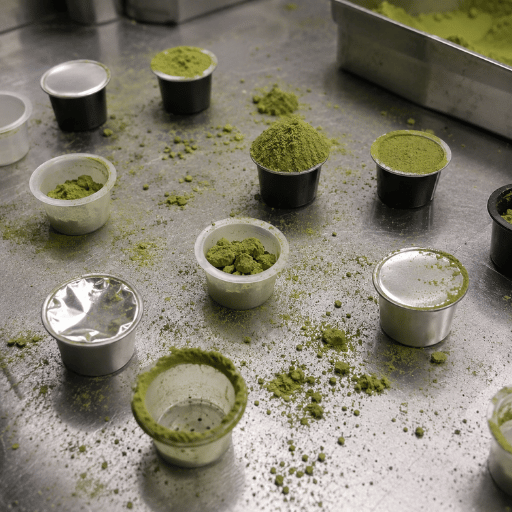
Hầu hết các vấn đề điền-Cho dù bạn Lừa là nhà sản xuất của một công ty đồ uống hoặc chỉ đơn giản là một người sành trà sành điệu làm cho vỏ của riêng bạn-là một vấn đề của việc làm cho những lỗi phổ biến.
- Đổ matcha cấp nghi lễ vào vỏ bột: Loại trà này, nếu dùng nóng hoặc dưới áp suất do môi trường pha chế có áp suất, sẽ quá tinh tế. Hương vị sẽ bị hơi nước đốt cháy và trà sẽ chìm trong sự tinh tế; thêm vào đó, ‘cấp nghi lễ’ không hơn gì một thuật ngữ tiếp thị vô nghĩa, không có bản quyền. Thử nghiệm mù cho thấy hầu hết mọi người hài lòng với matcha cấp ẩm thực hơn nhiều so với cấp nghi lễ, nhưng có rất ít – hoặc thực tế là không có gì – thu được từ chi phí khi pha nó trong một vỏ.
- Đóng gói quá mức. Tamping trong dòng chảy khối khoang và chịu trách nhiệm cho nhiều vỏ bị ngập và không được ủ hơn bất cứ thứ gì khác.
- Bụi không được giám sát, tĩnh không được giám sát. một lượng đáng kể của mỗi muỗng bột won’t làm cho nó vào cốc khi nó khô; liều lượng đo được của bạn không phải là liều thực sự của bạn.
- Thiếu hàng rào nitơ. trừ khi đóng gói hoặc niêm phong trong nitơ, matcha là màu nâu với tuổi trong vòng vài ngày-vị trà của bạn của cỏ khô, không phải cỏ.
- Tin tưởng lưới pod có thể tái sử dụng. dây được sử dụng cho cà phê xay won’t giữ lá trà mịn tại chỗ. bột sẽ trượt qua như trầm tích.
- Một con dấu bị rò rỉ, bị ô nhiễm. cho dù trong rãnh con dấu hoặc trên cạnh mặt bích hoặc cả hai, Bột can thiệp vào một liên kết rắn, gây rò rỉ và suy thoái sản phẩm
Ít nhất là về phân loại, giao dịch matcha rất rõ ràng: không có tiêu chuẩn “nghi lễ” trên sách; về mặt kỹ thuật, họ có thể xây dựng thương hiệu gần như bất cứ thứ gì họ muốn “nghi lễ,” như Tezumi giải thích. Điều quan trọng là phải hiểu rõ điều này: “matcha như một sản phẩm được xác định rõ về mặt kỹ thuật,” ISO 20715:2023, phân loại các loại trà cho thấy, và luật ghi nhãn thực phẩm Nhật Bản và tiêu chuẩn ngành xác định những gì cấu thành một sản phẩm như vậy-và sự phân biệt ’nghi lễ cấp“ là một trong đó không được xác định chính thức.Và lý do matcha rất nhạy cảm với oxy ở nơi đầu tiên phải làm với cách nó được sản xuất. lá được sử dụng cho Matcha rất cẩn thận đá-đất chậm, trong điều kiện mát mẻ. sự thận trọng đó tồn tại bởi vì, Tin tức trà thế giới được biết, nếu nghiền nhanh, ma sát này có thể gây ra quá trình oxy hóa và khiến lá chuyển sang màu nâu.
Bây giờ có phải là thời điểm tốt để sản xuất vỏ Matcha không? (Triển vọng năm 2026)
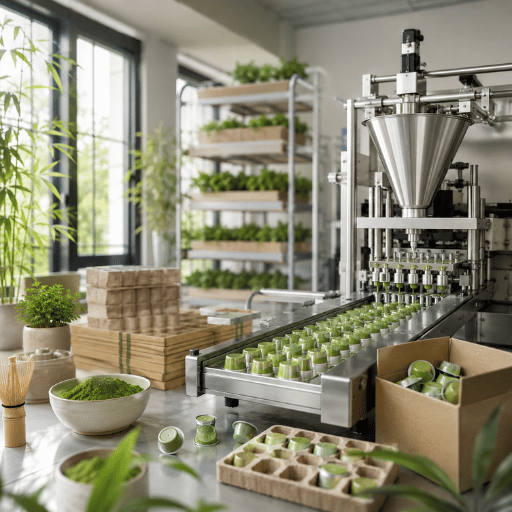
Đối với một dòng sản phẩm matcha pod năm 2026, phía cung quan trọng hơn biểu đồ quy mô thị trường. Sự thiếu hụt tencha đã đẩy giá cấp nghi lễ tăng mạnh, vì vậy động thái thực tế là lên kế hoạch xung quanh cấp độ ẩm thực và khóa nguồn cung sớm 1 trước khi đỉnh điểm băng-matcha mùa hè đáp ứng sự thiếu hụt về cấu trúc.
nếu bạn đang có kế hoạch xây dựng một dòng sản phẩm Matcha pod, câu trả lời cho bạn trong năm nay nên tập trung vào phía cung chứ không phải biểu đồ phân tích quy mô thị trường. ‘2026 squeeze’, như nhiều người trong ngành đang gọi nó, thực sự tập trung cụ thể vào ‘tencha‘ – một loại lá trà được phủ bóng râm, phát triển chậm, thực chất được nghiền để sản xuất Matcha cao cấp. Tencha là sản phẩm cốt lõi của sự thiếu hụt này, với nguồn cung giảm dần ngay cả khi Nhật Bản chứng kiến sự tăng trưởng đáng kể trong xuất khẩu chè. Theo báo cáo dây. Trà bột, bao gồm cả tencha được sử dụng để sản xuất matcha, chiếm khoảng 70% trong tổng khối lượng xuất khẩu đó, với các báo cáo trên mạng cho biết các nhà sản xuất tencha hiện đang thấy sản phẩm của họ được bán với giá khoảng Gấp 1,7 lần mức giá được thấy vào năm 2024. Nhu cầu về matcha đã tăng lên trong nhiều năm, theo ước tính của một số ngành, khoảng 8 lần trong vòng 5 năm. Thật không may, vì cây trà phải mất nhiều năm mới trưởng thành hoàn toàn nên sự trợ giúp thậm chí còn không đến gần – Sản lượng matcha của Nhật Bản đã tăng gấp đôi từ năm 2010 đến năm 2023, tuy nhiên, không thể theo kịp nhu cầu tăng vọt.
Điều này có ý nghĩa gì đối với một nhà sản xuất pod?Hai cơ hội rõ ràng và một sự thận trọng.Đầu tiên, gear điểm giá và thông số kỹ thuật của bạn đối với ẩm thực, nhu cầu nghi lễ không còn biện minh cho phí bảo hiểm khi vỏ ủ nhiệt đang đẩy vào cùng một thị trường. tencha nghi lễ giá rẻ là đủ khó để tìm, hãy để một mình đắt tiền; tại sao phải trả tiền cho một lớp làm giảm giá trị định dạng?Thứ hai, dựa vào nguồn cung ứng của bạn sớm.Vì matcha pha trộn đá đóng vai trò mạnh nhất trên đường cầu vào mùa hè, đảm bảo nguồn cung cấp ẩm thực của bạn sớm (trước khi khủng hoảng theo mùa đáp ứng một cấu trúc).Đối với bối cảnh, đám đông matcha tổng thể là đáng kể và mở rộng lên trên, vài tỷ USD của các phân khúc thị trường với một vài điểm phần trăm tăng trưởng, hàng năm. tin tức thực sự, mặc dù, nằm trong sự tăng trưởng của nguồn cung lá và mô hình theo mùa mà có thể làm hoặc phá vỡ một lịch trình sản xuất vào năm 2026.
Lập kế hoạch cho matcha hoặc chuỗi vỏ bột dạng chức năng? AFPAK chế tạo máy làm đầy và niêm phong viên nang một lần, đa định dạng và toàn dòng, định lượng trọng lượng và xả nitơ cho các loại bột mịn như matcha.
Câu hỏi thường gặp
Q: Bạn có thể đặt matcha trong máy Nespresso không?
Xem Câu Trả Lời
Q: Bạn có thể đặt matcha trong Keurig hoặc K-Cup không?
Xem Câu Trả Lời
Q: Bao nhiêu matcha đi trong một viên nang?
Xem Câu Trả Lời
Q: Bạn có cần một máy đặc biệt để điền vào các nhóm matcha?
Xem Câu Trả Lời
Hỏi: Tại sao matcha vón cục và mờ dần trong một viên nang?
Xem Câu Trả Lời
Hỏi: Vỏ có thể tái sử dụng hoặc nạp lại có đủ tốt cho matcha không?
Xem Câu Trả Lời
Q: Tôi có thể bán vỏ matcha mà tôi tự điền không?
Xem Câu Trả Lời
Matcha trong vỏ bọc bằng tay có nắp đậy cực kỳ khó bán một cách hợp pháp; các gói không kín khí, được bảo vệ bằng nitơ hoặc nhất quán từng cốc một (trà bị oxy hóa thành màu nâu rất nhanh). Bất kỳ loại vỏ khả thi nào bán lẻ đều phải có nắp đậy kín nhiệt ở mặt bích sạch, trọng lượng đến dung sai rất mịn và có không khí xả nitro để nó ổn định trên kệ. Tại thời điểm đó, bạn đã chuyển từ điền bằng tay sang máy điền đơn lẻ hoặc các dịch vụ của nhà máy đóng gói chung. Cách bạn làm điều đó giảm xuống khối lượng và số lượng đặt hàng tối thiểu của nhà máy đóng gói chung là bao nhiêu.
Tại sao chúng tôi viết điều này
AFPAK xây dựng các máy làm đầy viên nang và niêm phong đằng sau cà phê, trà và vỏ bột chức năng, bao gồm các dòng K-Cup và Nespresso xả nitơ xử lý bột mịn như matcha. hướng dẫn này phản ánh những gì liều lượng bột mịn và niêm phong thực sự yêu cầu, dung sai trọng lượng ± 0,1 g, làm sạch mặt bích, kiểm soát oxy, chứ không phải là một sân sản phẩm. được xem xét bởi đội ngũ kỹ thuật AFPAK.
Tài liệu tham khảo & Nguồn
- Nh hưởng của kích thước hạt đến hoạt động chống oxy hóa và hàm lượng catechin của bột trà xanhTạp chí Khoa học và Công nghệ Thực phẩm (2016)
- Ảnh hưởng của nhiệt độ bảo quản đến hoạt tính chống oxy hóa và độ ổn định catechin của matchaDinh dưỡng phòng ngừa và Khoa học thực phẩm (2020)
- Nh hưởng của siêu âm, oxy và ánh sáng mặt trời đến sự ổn định của EGCGPhân tử (2018)
- Phay môi trường khuấy matcha: tính chất hóa lýCông nghệ bột (2023)
- Bằng sáng chế Hoa Kỳ 5.993.867, Trà xanh dạng bột đóng gói (được bảo vệ bằng nitơ)
- Bằng sáng chế Hoa Kỳ 10.351.277, Định lượng viên nang bằng phương pháp xả nitơ trong khí quyển biến đổi
- Bằng sáng chế Hoa Kỳ 12.492.046, Niêm phong kẹp mặt bích dạng viên nang cho bột
- Matcha có caffeine không?Đường sức khỏe
- Matcha: 7 huyền thoại và quan niệm sai lầm (“cấp nghi lễ” là không được kiểm soát)Tezumi
- Không phải tất cả trà xanh dạng bột đều là matcha (nghiền đá trong phòng mát)Tin tức trà thế giới
- Lựa chọn co-packer phù hợpTạp chí Thương mại Trà & Cà phê
- Sự thiếu hụt matcha toàn cầu có ý nghĩa gì (giá tencha, cắt giảm thu hoạch)Quả cầu và thư tín
- Tình trạng thiếu hụt matcha và sản xuất của Nhật BảnHoàn hảo hàng ngày Grind
- Tại sao Nespresso không tạo ra một nhóm matchaBảng nếm


