
เครื่องบรรจุแคปซูลกาแฟราคาจริงในปี 2569 คืออะไร?
💡 ภาพรวมราคาอย่างรวดเร็ว — เครื่องบรรจุแคปซูลกาแฟตามระดับอัตโนมัติ
| ระดับอัตโนมัติ | ช่วงราคา (USD) | เอาท์พุต | ดีที่สุดสําหรับ |
|---|---|---|---|
| เครื่องซีลด้วยตนเอง | $200, $2,000 | 1 ซีพีเอ็ม | หน้าแรก/เครื่องคั่วขนาดเล็ก |
| กึ่งอัตโนมัติ | $2,000–$15,000 | 5 CPM | เครื่องคั่วขนาดเล็กสตาร์ทอัพ |
| อัตโนมัติเต็มรูปแบบ (เชิงเส้น) | $15,000–$60,000 | 30200 CPM | การผลิตแคปซูลขนาดกลาง |
| อัตโนมัติเต็มรูปแบบ (หมุน) | $60,000–$300,000+ | 2000 CPM | สายการผลิตอุตสาหกรรม |
ตลาดแคปซูลกาแฟทั่วโลกมีมูลค่าอยู่ที่ $32.62 พันล้านในปี 2568 และมีการเติบโตที่ 6.26% CAGR ตาม ข้อมูลเชิงลึกของตลาดในอนาคต. สําหรับเครื่องคั่วกาแฟและผู้ประกอบการก้าวเข้าสู่การผลิตกาแฟแบบเสิร์ฟเดี่ยวคําถามแรกจะเหมือนกันเสมอ: เครื่องบรรจุแคปซูลกาแฟมีราคาแพงแค่ไหน?
ราคามีตั้งแต่ $200 สําหรับเครื่องซีลฝักแบบแมนนวลจนถึงมากกว่า $300,000 สําหรับสายการบรรจุแบบหมุน บทความนี้เปิดเผยข้อมูลการกําหนดราคาจริงในปี 2569 จัดอันดับตามระดับระบบอัตโนมัติรูปแบบแคปซูล (nespresso/k-cup/dolce gusto) และต้นทุนที่ไม่สามารถมองเห็นได้แต่เพิ่มการลงทุนจริงของคุณเกินกว่าราคาปลีก.
อะไรขับเคลื่อนราคาเครื่องบรรจุแคปซูลกาแฟ?
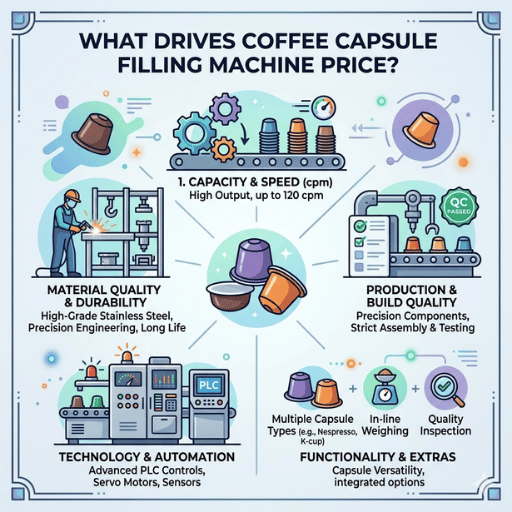
ห้าองค์ประกอบกําหนดราคาของก เครื่องบรรจุแคปซูลกาแฟ. การรู้แต่ละองค์ประกอบช่วยหลีกเลี่ยงการใช้จ่ายเกินคุณสมบัติที่มีความสําคัญน้อยกว่าหรือประหยัดพอที่จะจ่ายคุณสมบัติที่คุณต้องการ.
1 ระดับระบบอัตโนมัติ
ระบบอัตโนมัติคือปัจจัยกำหนดราคาที่สำคัญที่สุด เครื่องซีลแบบใช้มือมีราคา $200–$2,000 ขณะที่เครื่องโรตารีอัตโนมัติเต็มรูปแบบออกแบบมาเพื่อกำลังผลิตความเร็วสูง ราคาอยู่ที่ $60,000–$300,000+ ผู้รับเหมาติดตั้งสายการบรรจุระบุว่าระดับความเป็นอัตโนมัติคิดเป็นราว 60–70% ของส่วนต่างต้นทุนเครื่องจักรทั้งหมด
2 รูปแบบแคปซูลความเข้ากันได้
เครื่องจักรที่รองรับ Nespresso มีราคาประมาณ 10 15% มากกว่ารุ่น K-Cup ที่เทียบเท่ากันเนื่องจากการจัดการแคปซูลอะลูมิเนียม เครื่องจักรหลายรูปแบบที่สลับระหว่างระบบแคปซูลสองหรือสามระบบอาจมีราคาสูงกว่าอุปกรณ์บรรจุภัณฑ์รูปแบบเดียว 20 40%.
3 ความเร็วในการผลิต (CPM)
ความเร็วที่คุณต้องการผลิตสะท้อนให้เห็นโดยตรงในราคา ระบบฟิลเลอร์กึ่งอัตโนมัติ 10 CPM มีค่าใช้จ่ายน้อยกว่าโรตารี่ 400 CPM ที่มีปริมาณงานสูงอย่างมาก ช่องเติมหรือหัวเติมเพิ่มเติมแต่ละช่องจะเพิ่ม $8,000 $20,000 เป็นราคาพื้นฐานตามกลไกการเติมที่เลือก.
4 สร้างคุณภาพและความถูกต้องในการเติม
เครื่องจักรเกรดการผลิตใช้โครงสร้างสแตนเลส (เกรด 304 หรือ 316 ลิตร) สําหรับพื้นผิวสัมผัสเซอร์โวมอเตอร์สําหรับการจ่ายยาที่แม่นยําและความแม่นยําในการเติมถึง± 0.1 กรัม เครื่องงบประมาณแทนการใช้ตัวกระตุ้นที่ขับเคลื่อนด้วยนิวแมติกที่มีความแม่นยําในการเติมถึง 0.3-0.5 กรัม สิ่งนี้สําคัญจริง ๆ: เมื่อพิจารณาถึงแคปซูลเนสเพรสโซ 6 กรัมความคลาดเคลื่อน 0.5 กรัมส่งผลให้ผลิตภัณฑ์สิ้นเปลือง 8% ในปริมาณมาก.
5 ระบบเสริม
การลงทุนในเครื่องปิดผนึกบรรจุเป็นเพียงส่วนหนึ่งของงบประมาณเครื่องจักรทั้งหมดของคุณ นอกจากนี้ระบบล้างไนโตรเจนสายพานลําเลียงเครื่องลิฟต์และระบบป้อนสูญญากาศหรือสกรูช่วยเพิ่มจํานวนเงินลงทุนทั้งหมด ตัวเลือกการล้างไนโตรเจนเพียงอย่างเดียวจะเพิ่ม $3,000-$8,000 เป็นจํานวนมาก.
📐 หมายเหตุทางวิศวกรรม: เครื่องบรรจุแคปซูลกาแฟเกรดการผลิตส่วนใหญ่บรรลุความแม่นยําในการบรรจุ ±0.1 กรัมโดยใช้ฟิลเลอร์สว่านที่ขับเคลื่อนด้วยเซอร์โว สําหรับแคปซูล Dolce Gusto เครื่องระดับพรีเมียมจะสูงถึง ±0.05 กรัม อ้างอิง: ISO 21067 สําหรับบรรจุภัณฑ์กาแฟความคลาดเคลื่อนของน้ําหนัก.
การปรับแต่งอื่น ๆ เช่น รูปแบบแคปซูลนอกมาตรฐาน วัสดุฝาเฉพาะ หรือการเชื่อมต่อเข้ากับอุปกรณ์ในสายการผลิตเดิมอย่างสมบูรณ์ ต้องใช้เวลางานวิศวกรรมเพิ่มเติม และจะบวกเพิ่ม $2,000–$10,000 จากราคาที่เสนอ
ราคาเครื่องบรรจุแคปซูลกาแฟตามระดับอัตโนมัติ
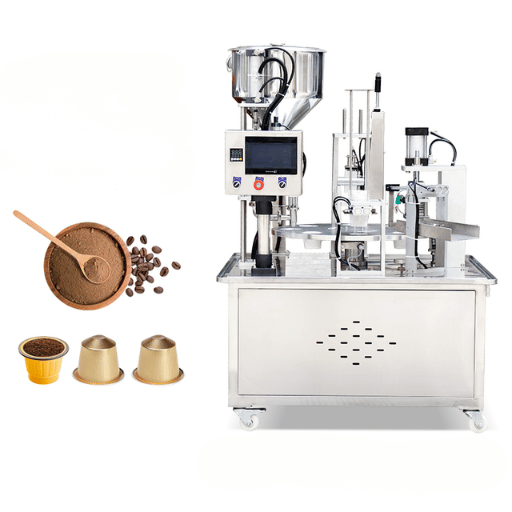
ด้านล่างนี้เป็นการเปรียบเทียบข้อมูลจําเพาะที่สําคัญแบบเคียงข้างกันของระบบอัตโนมัติทั้ง 4 ระดับ ตั้งแต่เครื่องซีลแบบแมนนวลไปจนถึงระบบเครื่องโรตารี่ที่มีปริมาตรมาก.
| คุณลักษณะ | เครื่องซีลแบบแมนนวล | กึ่งอัตโนมัติ | อัตโนมัติเต็มรูปแบบ (เชิงเส้น) | อัตโนมัติเต็มรูปแบบ (โรตารี) |
|---|---|---|---|---|
| ช่วงราคา | $200, $2,000 | $2,000–$15,000 | $15,000–$60,000 | $60,000–$300,000+ |
| เอาท์พุต (CPM) | 1–7 | 5–30 | 30–200 | 200–600 |
| ความแม่นยําในการเติม | การให้ยาด้วยตนเอง | ±0.30.5ก | ±0.10.15ก | ±0.0 50.1g |
| ไนโตรเจนฟลัช | ไม่ | ตัวเลือกเสริม ($3K+) | มาตรฐาน | มาตรฐาน |
| ดีที่สุดสําหรับ | การสุ่มตัวอย่างไมโครแบทช์ | เครื่องคั่วขนาดเล็ก | การผลิตขนาดกลาง | สายอุตสาหกรรม |
ฟิลเลอร์แคปซูลแบบแมนนวลและกึ่งอัตโนมัติ ($200 $15,000)
เครื่องซีลแบบแมนนวลใช้สําหรับการทดสอบเป็นชุดและการผลิตตัวอย่าง การลงทุนในเครื่องซีล k-cup แบบแมนนวลขั้นพื้นฐานจะมีค่าใช้จ่ายในภูมิภาค $400 เครื่องซีล nespresso แบบแมนนวลพื้นฐานมีราคาระหว่าง $300-$800 ขึ้นอยู่กับว่าพวกเขาคํานึงถึงถ้วยตวงหรือไม่ เครื่องชั่งซีลแบบแมนนวลนั้นค่อนข้างเล็กน้อยตั้งแต่ 1 แคปซูลถึง 7 แคปซูลต่อนาทีโดยมีผู้ปฏิบัติงานเพียงคนเดียว.
เครื่องกึ่งอัตโนมัติเพิ่มปริมาณที่ควบคุมด้วยเซอร์โวและการปิดผนึกด้วยลม ราคาตลาดที่เผยแพร่: ฟิลเลอร์แคปซูล nespresso กึ่งอัตโนมัติทํางาน $2,00,$6 300; กึ่งอัตโนมัติ เครื่องบรรจุและปิดผนึกเคคัพ เริ่มต้นที่ 2,000 เครื่องกึ่งอัตโนมัติทํางาน 5-30 CPM พร้อมตัวดําเนินการ 1 ตัว: ฝาปิดซีลและแคปซูลเปล่าบรรจุด้วยมือ.
เครื่องบรรจุเชิงเส้นอัตโนมัติเต็มรูปแบบ ($15,000 $60,000)
เครื่องปิดผนึกบรรจุแคปซูลกาแฟเชิงเส้นอัตโนมัติโหลดกาแฟบดบรรจุล้างไนโตรเจนใส่ฝาและกระบวนการปิดผนึก ระบบช่องทางเดียวระดับรายการ: ค่าเฉลี่ยที่มีตราสินค้าเริ่มต้นประมาณ $15,000 และเรียบง่ายพร้อมใช้งาน เครื่องเชิงเส้นระดับกลางที่มีไนโตรเจนและตัวควบคุม PLC ที่ใช้พีซีและเรียกใช้ $35,000-$45,000 เครื่องเชิงเส้นหลายเลนสําหรับหัวบรรจุ 4-8 จุดสูงสุดที่ $50,000-$60,000.
ช่วงนี้ต้องการการดําเนินการผลิตแคปซูลกาแฟที่หลากหลายที่สุด ก เครื่องบรรจุแคปซูลกาแฟอัตโนมัติ ที่ $35,000 มี CPM 60-120 ซึ่งเหมาะอย่างยิ่งสําหรับแบรนด์ในตลาดระดับกลางที่ผลิต 20,000-50,000 แคปซูล/วัน.
เครื่องบรรจุแคปซูลกาแฟอัตโนมัติแบบโรตารี ($60,000–$300,000+)
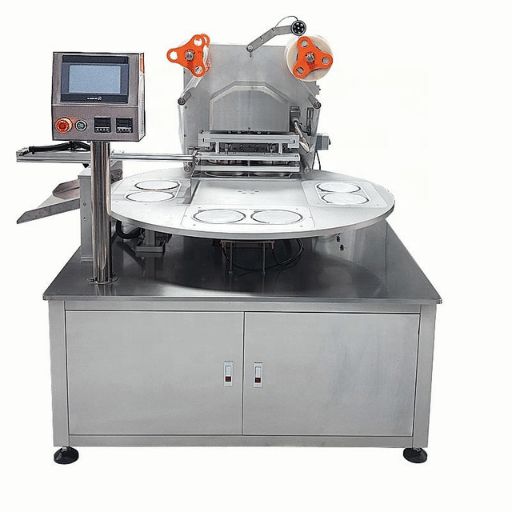
เครื่องบรรจุโรตารี่ถูกออกแบบมาสําหรับการผลิตแคปซูลกาแฟอุตสาหกรรมเต็มรูปแบบ ระบบอัตโนมัติเต็มรูปแบบแบบหมุนใช้ป้อมปืนหมุนที่มี 8 24 สถานีบรรจุทํางานพร้อมกัน มันผลิต 200-600 + แคปซูล/นาที เครื่องจักรขั้นสูงเหล่านี้เชื่อมต่อกับการจ่ายผงกาแฟต้นน้ําระบบสายพานลําเลียงและเครื่องจักรบรรจุกล่องและกล่องบรรจุปลายน้ํา.
เครื่องโรตารี่อัตโนมัติจากผู้ผลิตเครื่องจักรที่จัดตั้งขึ้นรวมถึงการบรรจุหลายหัวการตรวจสอบคุณภาพแบบบูรณาการ (การตรวจสอบน้ําหนักความสมบูรณ์ของซีลผ่านหัวซีล) และการเชื่อมต่อสายการผลิตเต็มรูปแบบ ที่ 400 CPM ทํางาน 16 ชั่วโมงต่อวันระบบโรตารี่ผลิตแคปซูลมากกว่า 380,000 แคปซูลต่อวัน.
❥️ ข้อผิดพลาดทั่วไป: ข้อผิดพลาดทั่วไปของผู้ซื้อครั้งแรก: การซื้อ $35,000+ บนระบบอัตโนมัติเต็มรูปแบบที่ปริมาณกาแฟบดน้อยกว่า 500 กิโลกรัม/เดือน ปริมาณดังกล่าวฟิลเลอร์กึ่งอัตโนมัติ $6,000 สามารถก้าวทันโดยไม่ต้องกินทุนที่สามารถเก็บรักษาไว้สําหรับวัตถุดิบและการตลาด.
Nespresso กับ K-Cup กับ Dolce Gusto: รูปแบบแคปซูลส่งผลต่อราคาอย่างไร
การลงทุนเครื่องจักรต้นทุนสิ้นเปลืองและการลงทุนเครื่องมือสําหรับรูปแบบที่คุณเลือกจะแตกต่างกันไป เปรียบเทียบทั้งสามรูปแบบนี้.
| สเปค | เนสเพรสโซ | เค-คัพ | โดลเช่ กุสโต้ |
|---|---|---|---|
| วัสดุแคปซูล | อลูมิเนียม/พลาสติก EVOH | พลาสติก (PP) | พลาสติก (PP) |
| เส้นผ่าศูนย์กลางแคปซูล | ~37 มม | ~73 มม | ~54 มม |
| เติมน้ําหนัก | 5 ก | 9 ก | 6 ก |
| วิธีการปิดผนึก | ฟิล์มซีล + ฝาอลูมิเนียม | ฟิล์มซีล + กรอง | ฟิล์มซีล + ฝาฟอยล์ |
| ราคาเครื่องพรีเมี่ยม | +10–15% (ชุดเครื่องมืออะลูมิเนียม) | พื้นฐาน | +5–10% |
| ไนโตรเจนฟลัช | มาตรฐาน (ออกซิเดชันอลูมิเนียม) | แนะนํา | แนะนํา |
เครื่องบรรจุและปิดผนึกแคปซูล Nespresso ค่าใช้จ่ายมากขึ้นเนื่องจากข้อกําหนดการจัดการแคปซูลอลูมิเนียม อลูมิเนียมต้องการความดันการขึ้นรูปที่แม่นยําอุณหภูมิการปิดผนึกที่แน่นขึ้น (180 220 °Cเทียบกับ 160 190 °Cสําหรับพลาสติก) และเครื่องมือพิเศษที่สวมใส่ได้เร็วขึ้น แคปซูล Nespresso ยังต้องการการชะล้างไนโตรเจนเป็นมาตรฐานอลูมิเนียมทําปฏิกิริยากับปริมาณออกซิเจนที่ตกค้างทําให้รสชาติลดลงภายในไม่กี่สัปดาห์โดยไม่ต้องล้างก๊าซที่เหมาะสม.
ในฐานะที่เป็นรูปแบบที่แพร่หลายมากที่สุดในอเมริกาเหนือการกําหนดราคาแคปซูลกาแฟ K-Cup ได้รับแรงผลักดันจากตลาดที่ใหญ่ที่สุดไม่เพียง แต่ตัวเลือกเครื่องที่นําเสนอในซัพพลายเออร์ชั้นนําที่มีให้เลือกมากมายก่ายกอง เครื่องบรรจุเค-คัพ โดยทั่วไปทําหน้าที่เป็นจุดราคาพื้นฐานเทียบกับรูปแบบอื่น ๆ ที่วัด เครื่องบรรจุ K-Cup เฉพาะต้องมีองค์ประกอบตัวกรองระหว่างกาแฟและฝา anteed เพิ่มต้นทุนสิ้นเปลือง $0.005$01 ต่อแคปซูล.
dolce gusto มาถึงเป็น 5-10% พรีเมี่ยมเพื่อ k-cup ราคาอ้างอิง ขนาดเส้นผ่านศูนย์กลางแคปซูล 54 มม. ที่ใหญ่กว่าเรียกร้องให้มีหัวซีลที่กว้างขวางมากขึ้นและข้อกําหนดการเติมที่หลากหลาย (6-16 กรัมขึ้นอยู่กับประเภทผลิตภัณฑ์) เรียกร้องให้มีระบบการจ่ายสารแบบมัลติฟังก์ชั่นมากขึ้น lavazza Blue และ Lavazza เทียบเท่า Modo Mio เทียบได้กับ Dolce Gusto.
เส้นผ่านศูนย์กลางหัวซีล—k-cup ที่ 73 มม. เทียบกับ nespresso ที่ 37 มม.—ทำให้ต้องใช้ชุดเครื่องมือที่ต่างกัน ลำพังทั้งสองชุดมีราคา $800-$2,500 ต่อชุด เครื่องหลายรูปแบบที่เปลี่ยนชุดเครื่องมือได้จะใช้เวลามากกว่า คือ 15-30 นาทีต่อการเปลี่ยนรูปแบบ เครื่องที่รองรับ Nespresso และใช้ได้กับแคปซูลอะลูมิเนียม Nespresso ต้องใช้แม่พิมพ์ซีลเหล็กชุบแข็ง ซึ่งมีราคาสูงกว่าชุดเครื่องมือสำหรับแคปซูลพลาสติกมาตรฐาน 30–50%
ค่าใช้จ่ายที่ซ่อนอยู่เกินกว่าราคาสติ๊กเกอร์เครื่อง
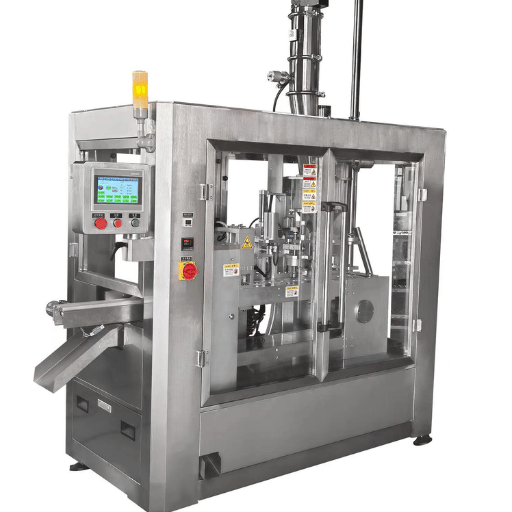
ป้ายราคาเครื่องบรรจุของคุณคิดเป็นเพียงประมาณ 65-75% ของต้นทุนการเป็นเจ้าของจริงในปีแรกของคุณ: นี่คือต้นทุนบางส่วนที่ทําให้ผู้ซื้อประหลาดใจ.
1 ระบบล้างไนโตรเจน
เครื่องกําเนิดไนโตรเจนที่เหมาะสําหรับการผลิตแคปซูลกาแฟจะมีราคา $5,000ขึ้นอยู่กับผลผลิต เครื่องกําเนิดไฟฟ้า PSA ขนาดเล็กจากซัพพลายเออร์เช่น แอตลาส คอปโก้ เริ่มต้นประมาณ $8,000. โซลูชั่นการผลิตก๊าซ รายงานว่าการสร้างในสถานที่จ่ายสําหรับตัวเองภายใน 12 18 เดือนเทียบกับไนโตรเจนบรรจุขวด ฟังก์ชั่นการล้างไนโตรเจนที่ถูกต้องสามารถรักษาปริมาณออกซิเจนที่ตกค้างต่ํากว่า 2% ซึ่งจะยืดอายุการเก็บรักษาแคปซูลจาก 2-3 เดือนเป็น 12-24 เดือน.
❥️ สําคัญ: ข้อผิดพลาดด้านงบประมาณ #1 ครั้งแรกที่ผู้ซื้อทํา: ลืมค่าใช้จ่ายระบบไนโตรเจน เครื่องกําเนิดไนโตรเจนพื้นฐานสําหรับการผลิตแคปซูลกาแฟทํางาน $5,000 $15,000 หากไม่มีการชะล้างไนโตรเจนแคปซูลของคุณอาจมีอายุการเก็บรักษาเพียง 2 3 เดือนแทนที่จะเป็น 12 2 4 เดือน.
2 อุปกรณ์ช่วยเสริม
นอกเหนือจากตัวเติมและตัวปิดผนึกแล้ว สายการผลิตกาแฟยังต้องใช้ระบบสายพานลําเลียง ($1,500-$5,000) เครื่องลิฟต์สําหรับถ่ายโอนแคปซูล ($2,000-$6,000) และเครื่องป้อนสุญญากาศหรือสกรูสําหรับส่งกาแฟบด ($1,500-$4,000).
3 แคปซูลเปล่า & ฝาปิดซีล
วัสดุสิ้นเปลืองเพิ่มขึ้นอย่างรวดเร็วตามขนาด: $0.02-$0.08 ต่อแคปซูลพลาสติก (k-cup,dolce gusto), $0.05-$0.15 ต่อแคปซูลอะลูมิเนียม (nespresso) และ $0.01-$0.03 ต่อฝาเครื่องปิดผนึก: ที่ 10,000 แคปซูลต่อวัน หมายถึง $300-$1,800 ต่อวัน วัสดุสิ้นเปลือง.
4 การติดตั้งการจัดส่งสินค้า & ศุลกากร
การติดตั้งและการว่าจ้างในประเทศ: $2,000-$8,000 ค่าคอมมิชชั่นในต่างประเทศโดยปกติในสถานที่กับวิศวกร: $5,000-$15,000 การขนส่งทางทะเลจากประเทศจีน: $1,500-$4,000 ต่อเครื่อง พิธีการศุลกากรและอากรขาเข้าขึ้นอยู่กับตลาด: ตั้งแต่ 0-6%.
5 การบํารุงรักษา & อะไหล่
ยกเครื่องและปรับแต่งประจําปีเฉลี่ย 3-5% ของต้นทุนการซื้อ รายการเปลี่ยนส่วนประกอบที่พบบ่อยที่สุดรายการเดียวที่ $200-$600 ต่อชิ้นคือหัวซีล การเปลี่ยนบ่อยครั้ง: โดยเฉลี่ยทุกๆ 6-12 เดือนสําหรับการปฏิบัติหน้าที่อย่างต่อเนื่อง งบประมาณสําหรับวัสดุสิ้นเปลืองที่ใช้ในระหว่างกระบวนการซีล: องค์ประกอบความร้อน เทปเทฟลอน ใบมีดตัด.
💡 เคล็ดลับมือโปร: สูตรงบประมาณสําหรับต้นทุนรวมปีแรกของการเป็นเจ้าของ: เครื่องแรกราคา 1.3-1.5 ช่วยให้ส่วนต่างที่เหมาะสมของข้อผิดพลาดสําหรับอุปกรณ์เสริมการติดตั้งและวัสดุสิ้นเปลืองเริ่มต้นและการจัดส่ง คาดว่าจะมีเครื่อง $35,000 ที่ต้องใช้ $45,000 การลงทุนรวม TP4T52,500 ในปีที่ 1.
การเลือกเครื่องแคปซูลกาแฟที่เหมาะสมสําหรับขนาดการผลิตของคุณ
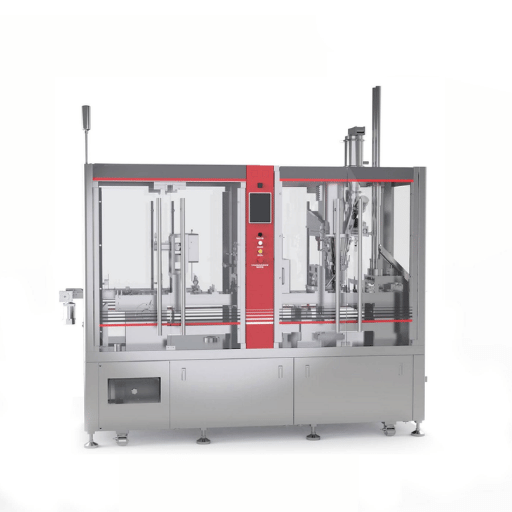
การเลือกระดับเครื่องบรรจุแคปซูลกาแฟที่ไม่ถูกต้องจะนําไปสู่ผลลัพธ์ทั่วไปสองประการ: เงินทุนมากเกินไปเชื่อมโยงกับกําลังการผลิตที่ไม่ได้ใช้ หรือปริมาณงานน้อยเกินไปทําให้เกิดปัญหาคอขวดภายในไม่กี่เดือน.
✔ รายการตรวจสอบการเลือกเครื่อง
✔ ผลผลิตรายวันเป้าหมายของคุณคืออะไร?
- ต่ํากว่า 500 แคปซูล/วัน → แบบแมนนวลหรือกึ่งอัตโนมัติ ($20 OW $6,000)
- 50 แคปซูล 0/5,000/วัน → กึ่งอัตโนมัติหรือเข้าอัตโนมัติ ($6,000 แคปซูล $3,000)
- 5,000–50,000 แคปซูล/วัน → เครื่องอัตโนมัติเต็มรูปแบบแบบเส้นตรง ($35,000–$60,000)
- 50,000+ แคปซูล/วัน → โรตารีอัตโนมัติ ($60,000+$300+)
คุณต้องการรูปแบบใด รูปแบบเดียว 20-40% ราคาถูกกว่ามัลติ.
คุณต้องการการชะล้างไนโตรเจนหรือไม่ เพิ่ม $5,000-$25,000 สําหรับเครื่องกําเนิดไฟฟ้าไนโตรเจนในสถานที่ขนาดใหญ่.
งบประมาณรวมปี 1 ของคุณคืออะไร ใช้กฎ 1.3-1.5.
การขยายกำลังผลิตเป็นขั้นเป็นตอนได้ผลดี โรงคั่วกาแฟจำนวนมากเริ่มจากเครื่องบรรจุกึ่งอัตโนมัติในปีที่ 1 แล้วจึงขยับขึ้นไปใช้สายการผลิตอัตโนมัติเต็มรูปแบบภายใน 18–24 เดือน เมื่อปริมาณคำสั่งซื้อคุ้มกับการอัปเกรด เครื่องกึ่งอัตโนมัติมักคงมูลค่าขายต่อไว้ได้ 50–70% ของราคาเดิม
ประสบการณ์ 14 ปีของ AFPAK ในการจำหน่ายเครื่องบรรจุแคปซูลให้แบรนด์กว่า 300 รายทั่วโลก ควรใช้ประกอบการพัฒนาผลิตภัณฑ์ใหม่ของคุณ ผู้เล่นหน้าใหม่ที่เปิดตัวได้ดีที่สุดมักเริ่มต้นต่ำกว่าระดับอุปสงค์ที่คาดไว้ 1% แล้วจึงอัปเกรดเมื่อยอดสั่งซื้อพิสูจน์ปริมาณจริง โรงคั่วที่ประเมินกำลังผลิตไว้ 3,000+ แคปซูลต่อวัน จะได้ความคุ้มค่ามากกว่าจากสายกึ่งอัตโนมัติราคา $6,000 เมื่อเทียบกับเครื่องแบบเส้นตรงราคา $35,000 จนกว่าข้อมูลยอดขายรายเดือนจะบ่งชี้กำลังผลิตได้ชัดเจนขึ้น
มุ่งความสนใจไปที่แผนงานผลิตภัณฑ์ฝักกาแฟของคุณเมื่อเลือกอุปกรณ์อัตโนมัติ หากคุณวางแผนที่จะทําการตลาดรูปแบบ nespresso และ k-cup ภายใน 12 เดือน ให้พิจารณาว่าเครื่องหลายรูปแบบล่วงหน้าสามารถลดต้นทุนของคุณเมื่อเทียบกับการติดตั้งเครื่องรูปแบบเดียว 2 เครื่องในสายการประเมิน โซลูชั่นการบรรจุและบรรจุภัณฑ์แคปซูล ขึ้นอยู่กับความต้องการการผลิต 24 เดือน = ไม่ใช่แค่สิ่งที่เกิดขึ้นตอนนี้.
เดอะ เครื่องคิดเลข ROI ของไวกิ้ง Masek ให้กรอบการทํางานที่เป็นประโยชน์: ปัจจัยในราคาขายแคปซูลที่คาดหวัง ปริมาณการผลิตและปริมาณงาน และประมาณการกําหนดเวลาคืนทุนสําหรับระดับระบบอัตโนมัติที่แตกต่างกัน.
คําถามที่พบบ่อย
เครื่องบรรจุแคปซูลอัตโนมัติราคาเท่าไหร่?
เครื่องบรรจุแคปซูลกาแฟอัตโนมัติมีตั้งแต่ $15,000 สําหรับระบบเชิงเส้นระดับเริ่มต้นไปจนถึงมากกว่า $300,000 สําหรับสายการผลิตแบบหมุนความเร็วสูง ราคาส่วนใหญ่ขับเคลื่อนโดยความเร็วเอาต์พุต (CPM) รูปแบบแคปซูลและไม่ว่าจะรวมไนโตรเจนหรือไม่.
เครื่องบรรจุ K-Cup และ Nespresso มีราคาต่างกันอย่างไร?
เครื่องบรรจุ Nespresso โดยทั่วไปจะมีราคาสูงกว่าเครื่องบรรจุ k-cup เนื่องจากค่าความคลาดเคลื่อนในการตัดเฉือนพิเศษที่จําเป็นสําหรับการจัดการแคปซูลอะลูมิเนียม เครื่องบรรจุ K-Cup แบบกึ่งอัตโนมัติจะเริ่มต้นที่ $2,000 หรือประมาณนั้นในขณะที่เครื่องเทียบเท่า Nespresso เริ่มต้นที่ $2,500-$3,000 ส่วนต่างของราคาจะลดลงเมื่อระบบอัตโนมัติเพิ่มขึ้น เครื่องรูปแบบหลายแคปซูลสําหรับ K-Cup และ Nespresso มีราคาสูงกว่าเครื่องรูปแบบเดียว 20-40%.
เครื่องบรรจุแคปซูลที่ใช้แล้วหรือตกแต่งใหม่คุ้มค่าที่จะซื้อหรือไม่?
เครื่องบรรจุแคปซูลที่ใช้แล้วสามารถมีมูลค่า 30-50% จากราคาใหม่ แต่คุณจะได้รับสิ่งที่คุณจ่ายไป: การทดสอบแสดงซีลหมุดและมาตรฐานฟิล์มองค์ประกอบการสึกหรอซึ่งจําเป็นต้องแก้ไขและเปลี่ยนเมื่อเวลาผ่านไปและเครื่องที่ใช้แล้วอายุมากกว่า 8-10 ปีไม่สามารถรองรับรูปแบบปัจจุบันหรือเกณฑ์ไนโตรเจนได้ หากคุณกําลังพิจารณาใช้ให้ตรวจสอบซีลและข้อมูลการเติมทดสอบบวกกับจํานวนชั่วโมงที่เครื่องได้เพิ่มขึ้น เกียร์ที่ใช้แล้วมักจะรับประกัน 30-90 วันเท่านั้นเมื่อเทียบกับ 1-2 ปีกับใหม่.
ไทม์ไลน์ ROI ทั่วไปสําหรับเครื่องบรรจุแคปซูลกาแฟคืออะไร?
ธุรกิจแคปซูลกาแฟส่วนใหญ่เห็นการคืนทุนเต็มจํานวนจากการลงทุนเครื่องบรรจุภายใน 6 ถึง 24 เดือน ขึ้นอยู่กับปริมาณการผลิตและอัตราการขายผ่าน การดําเนินงานที่มีปริมาณมากซึ่งทํางาน 8+ ชั่วโมงต่อวันด้วยกําลังการผลิตที่ใกล้เคียงที่สุดสามารถกู้คืนต้นทุนได้ภายในเวลาเพียง 6 เดือน การดําเนินงานที่มีปริมาณน้อยหรือตามฤดูกาลอาจใช้เวลา 18-24 เดือนในการคุ้มทุน.
เครื่องหนึ่งสามารถจัดการรูปแบบแคปซูลได้หลายรูปแบบหรือไม่?
ใช่ เครื่องบรรจุแคปซูลกาแฟหลายรูปแบบสามารถเปลี่ยนได้ระหว่างแคปซูล nespresso, k-cup และ dolce gusto (แคปซูล dolce gusto) ชุดต่างๆที่มีอยู่ คาดว่าจะมีเวลาเปลี่ยน 15-30 นาทีและพรีเมี่ยม 20-40% ในรูปแบบเดียว.
เวลานําสําหรับเครื่องบรรจุแคปซูลกาแฟแบบกําหนดเองคืออะไร?
เครื่องบรรจุแคปซูลกาแฟปกติมีจําหน่ายจากสต็อกใน 10-30 วัน เครื่องที่กําหนดเองที่มีรูปแบบและตัวเลือกไนโตรเจนที่แตกต่างกันหรือตัวกําหนดค่าภายนอกอาจใช้เวลา 30-60 วัน สายการผลิตที่กําหนดเองอย่างเต็มที่ (พร้อมสายพานลําเลียงกล่องและอินเทอร์เฟซบรรจุภัณฑ์) มักจะใกล้กับ 60-90 วัน โปรดจําไว้ว่าสามารถเพิ่มเวลาการขนส่งทางทะเลได้มากหากคุณกําลังนําเข้า.
ฉันจะได้รับใบเสนอราคาตามรูปแบบแคปซูลและปริมาณของฉันหรือไม่?
เกี่ยวกับการวิเคราะห์นี้
การวิเคราะห์ราคานี้ดึงข้อมูลการผลิตของ AFPAK เป็นเวลา 14 ปีทั่วทั้งระบบบรรจุแคปซูล Nespresso, K-Cup และ Dolce Gusto ที่ใช้งานในกว่า 60 ประเทศ ช่วงราคาสะท้อนถึงสภาวะตลาดปี 2024-2026 รวมถึงราคาจากซัพพลายเออร์อุปกรณ์หลายรายการกําหนดราคางานแสดงสินค้าและใบสั่งซื้อจริงจากโรงคั่วกาแฟที่ปรับขนาดตั้งแต่เริ่มต้นจนถึงการผลิตทางอุตสาหกรรม AFPAK ผลิตอุปกรณ์บรรจุและปิดผนึกที่โรงงานในเซี่ยงไฮ้.
ข้อมูลอ้างอิงและแหล่งที่มา
- รายงานตลาดฝักกาแฟและแคปซูล Mordor Intelligence (2025)
- ข้อมูลเชิงลึกของตลาดในอนาคต แคปซูลกาแฟ ขนาดตลาดและการคาดการณ์
- โซลูชั่นการผลิตก๊าซ คู่มือต้นทุนเครื่องกําเนิดไฟฟ้าไนโตรเจน
- Atlas Copco การผลิตไนโตรเจนสําหรับบรรจุภัณฑ์อาหาร
- เครื่องคิดเลข ROI อัตโนมัติบรรจุภัณฑ์ Viking Masek
- ISO 21067 — คําศัพท์ผลิตภัณฑ์กาแฟและกาแฟ


