
วิธีการเลือกวัสดุแคปซูลกาแฟที่เหมาะสม?
การเลือกวัสดุแคปซูลกาแฟที่ไม่ถูกต้องสามารถทําลายความสดของผลิตภัณฑ์ประนีประนอมคุณภาพและขับไล่ลูกค้าออกไป ด้วยตัวเลือกมากมายที่มีอยู่ในปัจจุบันผู้ผลิตมักจะดิ้นรนเพื่อให้ทางเลือกที่เหมาะสมสําหรับผลิตภัณฑ์กาแฟเฉพาะของตน.
วัสดุแคปซูลกาแฟที่เหมาะสมควรปรับสมดุลคุณสมบัติการกั้นออกซิเจนความต้านทานความชื้นความเข้ากันได้ของผลิตภัณฑ์และความยั่งยืน อลูมิเนียมพลาสติกโพลีเมอร์ (PP, PET, PLA) และวัสดุที่ย่อยสลายได้ทางชีวภาพแต่ละอย่างมีข้อดีที่แตกต่างกันขึ้นอยู่กับชนิดกาแฟความต้องการอายุการเก็บรักษาและการวางตําแหน่งแบรนด์ของคุณ.
ฉันอยู่ในอุตสาหกรรมบรรจุภัณฑ์มาหลายปีแล้วและคําถามหนึ่งที่ฉันถูกถามโดยแบรนด์กาแฟอย่างต่อเนื่องคือเกี่ยวกับวัสดุแคปซูล ให้ฉันแนะนําทุกสิ่งที่ฉันได้เรียนรู้จากการช่วยเหลือลูกค้าหลายร้อยรายในการเลือกวัสดุที่สมบูรณ์แบบสําหรับแคปซูลกาแฟของพวกเขา.
วัสดุแคปซูลกาแฟหลักมีอะไรบ้างในปัจจุบัน?
การเลือกวัสดุแคปซูลกาแฟของคุณอาจรู้สึกท่วมท้นด้วยตัวเลือกมากมายที่อ้างว่าเหนือกว่า ผู้ผลิตหลายรายลงเอยด้วยการเลือกวัสดุตามต้นทุนเพียงอย่างเดียวเพื่อเผชิญกับปัญหาด้านคุณภาพในภายหลัง.
วัสดุแคปซูลกาแฟหลักประกอบด้วยอลูมิเนียม, โพรพิลีน (PP), โพลีเอทิลีนเทเรฟทาเลต (PET), พลาสติกชีวภาพเช่น PLA (กรดโพลีแลกติก) และวัสดุจากพืชที่ย่อยสลายได้ แต่ละชนิดมีลักษณะที่แตกต่างกันซึ่งส่งผลต่อคุณสมบัติการกั้นออกซิเจนความต้านทานความชื้นความทนทานต่อความร้อนและผลกระทบต่อสิ่งแวดล้อม.
เมื่อฉันเริ่มออกแบบเครื่องบรรจุสําหรับ บริษัท กาแฟเป็นครั้งแรกฉันค้นพบอย่างรวดเร็วว่าการเลือกวัสดุสามารถสร้างหรือทําลายความสําเร็จของผลิตภัณฑ์ได้ จากการลองผิดลองถูกเป็นเวลาหลายปีฉันได้พัฒนาความเข้าใจที่ครอบคลุมเกี่ยวกับวิธีการทํางานของวัสดุแต่ละชนิดภายใต้เงื่อนไขต่างๆ.
แคปซูลอลูมิเนียมมีคุณสมบัติกั้นออกซิเจนที่ยอดเยี่ยมทําให้เหมาะสําหรับการรักษากลิ่นกาแฟและความสดใหม่เป็นระยะเวลานาน อย่างไรก็ตามพวกเขามักจะมาที่จุดต้นทุนที่สูงขึ้นและนําเสนอความท้าทายในการรีไซเคิลแม้ว่าจะสามารถรีไซเคิลได้ในทางเทคนิค แบรนด์กาแฟระดับพรีเมียมจํานวนมากชอบอลูมิเนียมสําหรับคุณภาพที่รับรู้และรูปลักษณ์ที่เป็นโลหะซึ่งสื่อถึงความซับซ้อน.
โพลีเมอร์พลาสติกเช่น PP และ PET เป็นตัวแทนของทางเลือกที่คุ้มค่ากว่าพร้อมคุณสมบัติการกั้นที่เหมาะสมเมื่อได้รับการออกแบบอย่างเหมาะสม PP ให้ความต้านทานความร้อนที่ดีสําหรับกระบวนการผลิตเบียร์ในขณะที่ PET ให้ความชัดเจนที่ดีขึ้นหากการดึงดูดสายตามีความสําคัญต่อแบรนด์ของคุณ ทั้งสองสามารถปรับปรุงด้วยการเคลือบกั้นเพื่อปรับปรุงการป้องกันออกซิเจนแม้ว่าการเพิ่มเหล่านี้อาจทําให้การรีไซเคิลยุ่งยาก.
พลาสติกชีวภาพและวัสดุที่ย่อยสลายได้ได้รับแรงฉุดอย่างมากเนื่องจากผู้บริโภคต้องการทางเลือกที่ยั่งยืนมากขึ้น PLA ที่ได้มาจากแป้งข้าวโพดและวัสดุที่ย่อยสลายได้จากพืชช่วยแก้ปัญหาสิ่งแวดล้อมแต่อาจมีอายุการเก็บรักษาที่ลดลงและต้องการเงื่อนไขการทําปุ๋ยหมักเฉพาะเพื่อสลายตัวอย่างเหมาะสม ฉันสังเกตเห็นว่าแบรนด์ที่มีการส่งข้อความเพื่อความยั่งยืนที่แข็งแกร่งเต็มใจที่จะยอมรับการแลกเปลี่ยนเหล่านี้มากขึ้น.
ชนิดกาแฟส่งผลต่อการเลือกวัสดุของคุณอย่างไร?
การเลือกวัสดุแคปซูลโดยไม่คํานึงถึงโปรไฟล์กาแฟเฉพาะของคุณทําให้ลูกค้าของฉันหลายคนต้องปรับสูตรใหม่ที่มีค่าใช้จ่ายสูง กาแฟที่แตกต่างกันจะปล่อยสารประกอบที่แตกต่างกันซึ่งมีปฏิสัมพันธ์กับวัสดุบรรจุภัณฑ์โดยเฉพาะ.
กาแฟคั่วเข้มมีน้ํามันมากขึ้นที่สามารถย่อยสลายพลาสติกบางชนิดได้ต้องใช้วัสดุที่มีความต้านทานต่อน้ํามันสูงกว่า การคั่วเบาที่ละเอียดอ่อนจําเป็นต้องมีอุปสรรคออกซิเจนที่เหนือกว่าเพื่อรักษาบันทึกรสชาติที่ละเอียดอ่อน กาแฟพิเศษที่มีต้นกําเนิดเดียวมักต้องการคุณสมบัติอุปสรรคสูงสุดเพื่อรักษาคุณลักษณะที่โดดเด่น.
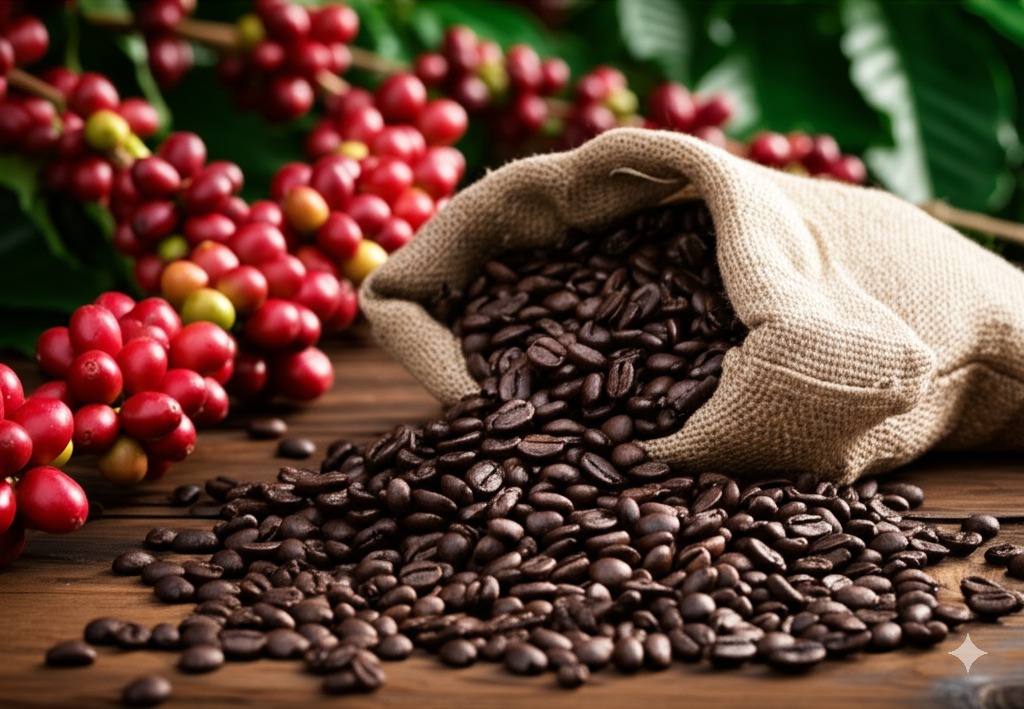
ฉันเคยทํางานกับเครื่องคั่วกาแฟแบบพิเศษซึ่งในตอนแรกเลือกแคปซูล PP มาตรฐานสําหรับถั่ว Yirgacheffe ของเอธิโอเปีย ภายในไม่กี่สัปดาห์พวกเขาสังเกตเห็นการเสื่อมสภาพของรสชาติอย่างมีนัยสําคัญ เราเปลี่ยนมาใช้อลูมิเนียมที่มีซับเฉพาะและความแตกต่างคือที่น่าทึ่ง 3 บันทึกดอกไม้ที่ละเอียดอ่อนยังคงสภาพเดิมนานหลายเดือน.
โปรไฟล์ความเป็นกรดของกาแฟของคุณยังมีอิทธิพลต่อความเข้ากันได้ของวัสดุ กาแฟที่มีความเป็นกรดสูงอาจมีปฏิกิริยากับพลาสติกบางชนิดทําให้เกิดการโยกย้ายสารประกอบที่ไม่พึงประสงค์ สําหรับกาแฟเหล่านี้แนะนําให้ใช้อะลูมิเนียมหรือโพลีเมอร์เกรดอาหารสูตรพิเศษที่มีคุณสมบัติกั้นที่เหมาะสม.
การพิจารณาอุณหภูมิในการบรรจุเป็นอีกปัจจัยที่สําคัญ หากคุณกําลังเติมกาแฟร้อนในแคปซูล (แม้ว่าจะไม่ธรรมดา) คุณจะต้องมีวัสดุที่มีความต้านทานความร้อนสูงกว่า ผู้ผลิตส่วนใหญ่เติมที่อุณหภูมิห้องแต่วัสดุยังต้องทนต่ออุณหภูมิในการต้มเมื่อผู้บริโภคใช้แคปซูล PP มีความต้านทานความร้อนที่ดีเยี่ยมสูงถึง 160 °C ทําให้เหมาะสําหรับการใช้งานในการต้มเบียร์ในขณะที่ PLA มาตรฐานอาจเสียรูปที่อุณหภูมิการต้มโดยทั่วไปเว้นแต่จะมีสูตรพิเศษ.
| ฉันได้พัฒนาเมทริกซ์อย่างง่ายสําหรับลูกค้าของฉันที่ตรงกับลักษณะของกาแฟที่มีคุณสมบัติของวัสดุ: | ประเภทกาแฟ | วัสดุหลักที่แนะนํา | ตัวเลือกทางเลือก | การพิจารณาที่สําคัญ |
|---|---|---|---|---|
| ดาร์ค โรสต์ | อลูมิเนียม | Pp ที่มีอุปสรรคสูง | ความต้านทานน้ํามัน | |
| ย่างปานกลาง | พีพีพร้อมแผงกั้น | อลูมิเนียม | ความคุ้มค่า | |
| ไลท์ โรสต์ | อลูมิเนียม | พลาสติกชีวภาพที่มีอุปสรรคสูง | การป้องกันออกซิเจน | |
| กาแฟรส | พีพีเฉพาะทาง | สัตว์เลี้ยง | บรรจุสารประกอบรส |
ปัจจัยด้านความยั่งยืนใดที่ควรมีอิทธิพลต่อการตัดสินใจของคุณ?
แบรนด์กาแฟจํานวนมากได้สูญเสียทรัพยากรไปกับวัสดุที่วางตลาดว่า “เป็นมิตรกับสิ่งแวดล้อม” โดยไม่เข้าใจถึงผลกระทบต่อสิ่งแวดล้อมที่แท้จริงหรือการรับรู้ของผู้บริโภค ความสับสนนี้ส่งผลให้เกิดทางเลือกที่ให้ข้อมูลผิด ๆ และทําให้ชื่อเสียงของแบรนด์เสียหาย.
เมื่อประเมินความยั่งยืนให้พิจารณาวงจรชีวิตทั้งหมด: การสกัดทรัพยากรพลังงานการผลิตรอยเท้าการขนส่งพฤติกรรมการกําจัดของผู้บริโภคและผลลัพธ์การสิ้นสุดอายุการใช้งานที่แท้จริง วัสดุที่ย่อยสลายได้ทางชีวภาพที่แท้จริงจําเป็นต้องมีโรงงานทําปุ๋ยหมักอุตสาหกรรมในขณะที่วัสดุรีไซเคิลขึ้นอยู่กับโครงสร้างพื้นฐานการรีไซเคิลในท้องถิ่น.
ภูมิทัศน์ความยั่งยืนสําหรับแคปซูลกาแฟมีการพัฒนาอย่างมากตั้งแต่ฉันเริ่มต้นในอุตสาหกรรมนี้ ในขั้นต้นอลูมิเนียมถูกมองในแง่ดีเนื่องจากความสามารถในการรีไซเคิลที่ไม่มีที่สิ้นสุดในทางทฤษฎี อย่างไรก็ตามความเป็นจริงมีความซับซ้อนมากขึ้น แคปซูลอลูมิเนียมขนาดเล็กมักจะจบลงด้วยการฝังกลบแม้ว่าจะสามารถรีไซเคิลได้ในทางเทคนิคก็ตาม พลังงานสูงที่จําเป็นสําหรับการผลิตอลูมิเนียมยังเพิ่มการปล่อยก๊าซคาร์บอนไดออกไซด์.
พลาสติกชีวภาพอย่าง PLA ในตอนแรกดูเหมือนเป็นวิธีแก้ปัญหาที่สมบูรณ์แบบ แต่ ประสิทธิภาพด้านสิ่งแวดล้อมในโลกแห่งความเป็นจริงนั้นขึ้นอยู่กับการกําจัดที่เหมาะสมเป็นอย่างมาก หากไม่มีโรงงานทําปุ๋ยหมักทางอุตสาหกรรมวัสดุเหล่านี้อาจไม่สลายตัวเร็วกว่าพลาสติกทั่วไปในการฝังกลบ ฉันต้องอธิบายความแตกต่างนี้ให้กับลูกค้าหลายคนที่ประหลาดใจกับข้อจํากัดนี้.
ลูกค้าของฉันหลายคนประสบความสําเร็จกับแนวทางไฮบริด ตัวอย่างเช่นแบรนด์หนึ่งใช้แคปซูล PP ที่มีด้านบนอลูมิเนียมที่ถอดออกได้ง่ายปรับปรุงความสามารถในการรีไซเคิลในขณะที่ยังคงรักษาคุณภาพ อีกคนหนึ่งสร้างโปรแกรมส่งคืนซึ่งผู้บริโภคสามารถส่งแคปซูลที่ใช้แล้วกลับมาเพื่อการรีไซเคิลที่เหมาะสม.
เมื่อให้คําแนะนําแก่ลูกค้าเกี่ยวกับความยั่งยืนฉันเน้นการจัดทางเลือกวัสดุให้สอดคล้องกับมูลค่าผู้บริโภคเป้าหมายและโครงสร้างพื้นฐานในการกําจัดที่มีอยู่ แคปซูลที่ย่อยสลายได้ทางชีวภาพระดับพรีเมียมนั้นไม่มีประโยชน์หากตลาดเป้าหมายของคุณขาดสิ่งอํานวยความสะดวกในการทําปุ๋ยหมักทางอุตสาหกรรม ในทํานองเดียวกันการรีไซเคิลของอลูมิเนียมมีความสําคัญเฉพาะในกรณีที่ผู้บริโภคจะรีไซเคิลจริงเท่านั้น.
แนวโน้มการเติบโตของแคปซูลกาแฟที่ย่อยสลายได้ซึ่งทําจากวัสดุเช่นเส้นใยไม้ไผ่กากกาแฟและสารประกอบจากพืชอื่น ๆ นําเสนอทางเลือกที่มีแนวโน้มแม้ว่าสิ่งเหล่านี้มักจะมาพร้อมกับต้นทุนที่สูงขึ้นและข้อจํากัดอายุการเก็บรักษาที่อาจเกิดขึ้น วัสดุเหล่านี้ทํางานได้ดีที่สุดสําหรับแบรนด์ที่มีผู้บริโภคที่ใส่ใจสิ่งแวดล้อมยินดีจ่ายราคาพรีเมียมสําหรับผลิตภัณฑ์ที่ยั่งยืน.
ข้อกําหนดด้านกฎระเบียบส่งผลต่อการเลือกวัสดุอย่างไร?
การมองข้ามการปฏิบัติตามกฎระเบียบทําให้ผู้ผลิตหลายรายต้องเปลี่ยนวัสดุโดยสิ้นเชิงหลังจากเริ่มการผลิต ตลาดที่แตกต่างกันมีข้อกําหนดที่แตกต่างกันซึ่งส่งผลกระทบโดยตรงต่อวัสดุที่คุณสามารถใช้ได้อย่างถูกกฎหมาย.
วัสดุแคปซูลกาแฟต้องเป็นไปตามกฎระเบียบการสัมผัสอาหารในแต่ละตลาดเป้าหมาย ขีดจํากัดการย้ายถิ่นที่เข้มงวดของสหภาพยุโรปแตกต่างจากข้อกําหนดของ FDA ในสหรัฐอเมริกา วัสดุบางชนิดที่ได้รับอนุญาตในบางภูมิภาคอาจถูกจํากัดในบางภูมิภาคโดยเฉพาะอย่างยิ่งเกี่ยวกับบิสฟีนอลเอ (BPA) และพทาเลท.
ตลอดอาชีพการงานของฉันฉันได้เห็นหลายกรณีที่ผู้ผลิตต้องเรียกคืนผลิตภัณฑ์หรือออกแบบบรรจุภัณฑ์ใหม่เนื่องจากการกํากับดูแลด้านกฎระเบียบ ลูกค้าชาวยุโรปรายหนึ่งต้องทิ้งขั้นตอนการผลิตทั้งหมดเมื่อพวกเขาพบว่าแคปซูลของพวกเขามีพลาสติไซเซอร์ที่ถูกห้ามในเยอรมนีแต่ได้รับอนุญาตในประเทศบ้านเกิดของพวกเขา.
แนวการกํากับดูแลยังคงพัฒนาอย่างรวดเร็วโดยเฉพาะอย่างยิ่งเกี่ยวกับสารเคมีที่น่ากังวล วัสดุที่มี BPA เคยเป็นมาตรฐานอุตสาหกรรมแต่ต้องเผชิญกับข้อ จํากัด ที่เพิ่มขึ้นทั่วโลก ในทํานองเดียวกันสารต่อและโพลีฟลูออโรอัลคิล (PFAS) ที่ใช้ในการเคลือบกั้นบางอย่างกําลังเผชิญกับการตรวจสอบข้อเท็จจริงที่เพิ่มขึ้นและการควบคุมที่อาจเกิดขึ้น.
เมื่อเลือกวัสดุฉันมักจะแนะนําให้ดําเนินการประเมินกฎระเบียบที่ครอบคลุมสําหรับตลาดเป้าหมายทั้งหมด ซึ่งรวมถึง:
- ทบทวนข้อกําหนดและข้อจํากัดในการสัมผัสอาหาร
- การตรวจสอบสารต้องห้ามในแต่ละเขตอํานาจศาล
- ทําความเข้าใจข้อกําหนดการติดฉลากที่เกี่ยวข้องกับองค์ประกอบของวัสดุ
- การตรวจสอบการอ้างสิทธิ์ในการรีไซเคิลหรือความสามารถในการประกอบตามมาตรฐานท้องถิ่น
สําหรับ บริษัท ที่ขายทั่วโลกมักหมายถึงการเลือกวัสดุที่ได้มาตรฐานสูงสุดในทุกตลาดหรือการสร้างบรรจุภัณฑ์เฉพาะตลาด ค่าใช้จ่ายล่วงหน้าเพิ่มเติมของการประเมินกฎระเบียบอย่างละเอียดนั้นไม่มีนัยสําคัญเมื่อเทียบกับความเสียหายทางการเงินที่อาจเกิดขึ้นจากการไม่ปฏิบัติตามข้อกําหนด.
ตลาดเกิดใหม่บางแห่งมีกรอบการกํากับดูแลที่พัฒนาน้อยกว่าสําหรับบรรจุภัณฑ์อาหาร แต่ฉันยังคงแนะนําให้ลูกค้าปฏิบัติตามมาตรฐานของสหภาพยุโรปหรือสหรัฐอเมริกาเป็นพื้นฐานขั้นต่ํา แทนที่จะใช้ทางลัดที่อาจกระทบต่อความปลอดภัยของผู้บริโภคหรือการเข้าถึงตลาดในอนาคต.
บทสรุป
การเลือกวัสดุแคปซูลกาแฟที่เหมาะสมต้องมีความสมดุลในการปกป้องผลิตภัณฑ์ความคาดหวังของผู้บริโภคความยั่งยืนและการปฏิบัติตามกฎระเบียบ ด้วยการทําความเข้าใจว่ากาแฟเฉพาะของคุณมีปฏิสัมพันธ์กับวัสดุที่แตกต่างกันอย่างไรคุณสามารถตัดสินใจได้อย่างมีข้อมูลซึ่งจะช่วยเพิ่มคุณภาพผลิตภัณฑ์และชื่อเสียงของแบรนด์.


