
So sánh matcha k cups vs nespresso pods, sự thật trung thực là không có định dạng nào là ‘tốt hơn’ ạch chúng được xây dựng cho hai cốc khác nhau. (khoang K-Cup lớn hơn & điển hình latte trộn- Nespresso Dòng gốc là một lượng nhỏ đồ thật có nghĩa là để kéo như một ly espresso.) Dưới đây: Biểu đồ này so sánh điền, phù hợp, hương vị, chi phí, dễ thực hiện. (Cập nhật tháng 6 năm 2026)
Thông số kỹ thuật nhanh
| Điền điển hình | K-Cup ~3–5 g tổng bột (matcha + sữa bột/chất làm ngọt) · Nespresso OL ~2–2,5 g (chủ yếu là matcha nguyên chất) |
| Máy móc | Keurig 1.0 & 2.0 · Cà phê Nespresso Chỉ dòng gốc (không phải Vertuo) |
| Nước pha | K-Cup ~6–10 oz · Nespresso OL ~1,35 oz (espresso) đến ~5 oz (lungo) |
| Phong cách chung | K-Cup = matcha latte ngọt · Nespresso OL = tinh khiết /làm ngọt nh |
| Caffeine mỗi pod | ~38–70 mg matcha so với ~75–120 mg cho vỏ cà phê |
Sơ lược về Matcha K-Cups vs Nespresso Pods
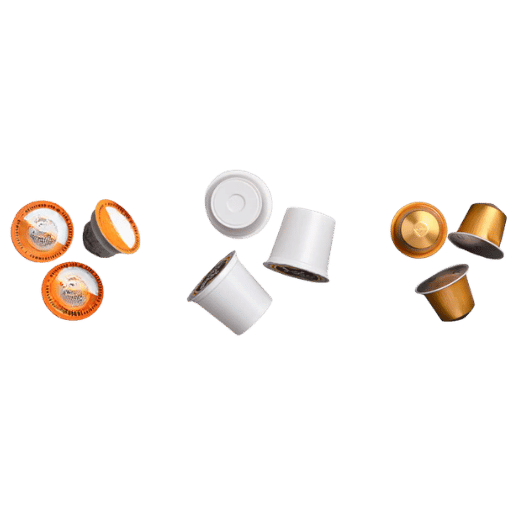
Vỏ matcha (còn được bán trên thị trường dưới dạng vỏ trà matcha) là những phần được đo bằng bột trà xanh siêu mịn, pha một tách matcha tươi tại nhà thành cả cốc bằng máy phục vụ một lần, trái ngược với việc đánh bằng tay bằng usucha (hoặc máy đánh trứng koicha). (Cái gì * là* một cái vỏ: đọc tiếp những gì bên trong vỏ matcha và cách chúng được tạo ra, hoặc nhìn kỹ hơn để tìm hiểu về kích thước vỏ Nespresso và cách so sánh trọng lượng viên nang với matcha có thể múc. Lưu ý: Vỏ pha khác với tất cả các loại “bổ sung” viên nang bổ sung đó trong hiệu thuốc!)
Dưới đây là thông tin tóm tắt trong 30 giây của Nutshell; văn bản bài viết tiếp theo giải thích *làm thế nào* các biến này góp phần lấp đầy cốc matcha độc đáo của bạn – hoặc dòng sản phẩm matcha pod mới của bạn.
| Thứ nguyên | Cúp Matcha K | Vỏ dòng gốc Nespresso |
|---|---|---|
| Điền trọng lượng | ~3–5 g tổng cộng (thường là matcha + chất làm ngọt + kem) | ~2–2,5 g, thường là matcha nguyên chất |
| Máy móc | Keurig 1.0 & 2.0 | Dòng sản phẩm gốc của Nespresso |
| Hoạt động ở Vertuo? | KHÔNG CÓ | Không có nhóm bên thứ ba nào chỉ là Original Line |
| Kích thước bia | ~6–10 oz (cỡ latte) | ~1,35–5 oz (espresso đến lungo) |
| Phong cách tiêu biểu | Matcha latte ngọt ngào | Viên tinh khiết /làm ngọt nhẹ |
| Caffeine | ~38 -70 mg | ~38 -70 mg |
| Nơi bán | Bán lẻ chính thống của Hoa Kỳ (Walmart, Amazon) | Cửa hàng /trực tiếp tới người tiêu dùng, mạnh ở Châu Âu |
| Tốt nhất cho | Latte sữa hàng ngày, hương vị chủ đạo | Hương vị tinh khiết, lấy mẫu cao cấp |
Trọng lượng điền K-cup điển hình và thông số kỹ thuật sản xuất bia được xấp xỉ từ dữ liệu của nhà sản xuất (một số sản phẩm matcha đã bị loại khỏi mẫu, và do đó kết quả có thể khác nhau).Thông số kỹ thuật điền vào vỏ matcha được xấp xỉ từ dữ liệu của nhà sản xuất và, đối với Nespresso, hướng dẫn ban đầu của Nespresso.Xử lý như giá trị danh nghĩa không chính xác tuyệt đối.
Sự khác biệt cốt lõi: Điền trọng lượng và liều lượng, Khoảng cách khoảng trống trên đầu
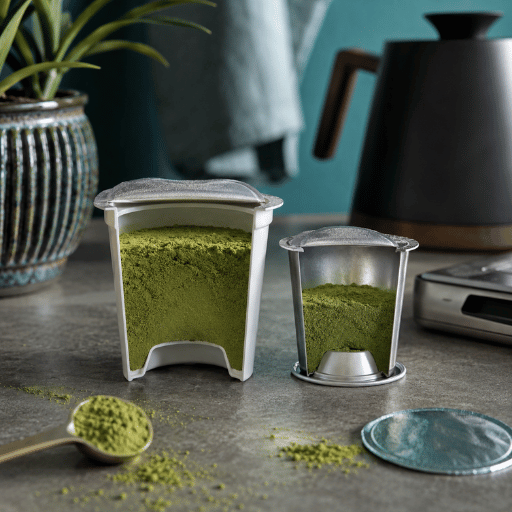
Mọi thứ khác đều xuất phát từ một thực tế: Một cốc K có khoảng không gian Pod Headroom nhiều hơn đáng kể so với một vỏ Nespresso Original Line.Một vỏ matcha Original Line tinh khiết trung bình là khoảng 2 đến 2,5 gram matcha. (Công thức cho Matcha latte của riêng Nespresso cần khoảng một thìa cà phê, hoặc 2 gam bột.) Khoang cốc K có đủ không gian cho tỷ lệ “số lượng lớn” cao hơn nhiều trong hỗn hợp matcha-latte – thường là đường, tất nhiên, cộng với kem như trong nhiều loại K-cup không có sữa!
Có thêm khoảng không Là cách tất cả chảy cùng nhau, ảnh hưởng đến không chỉ công suất mà còn hiệu lực.Trong khi K-Cups chứa thành phần latte, kích thước khoang lớn của họ hỗ trợ các thành phần latte cụ thể cùng với bột matcha của bạn.Bạn có không gian đó để có được tất cả các thành phần latte cùng cho chuyến đi với một liều lượng lành mạnh của rau xanh bột, như nhiều sản phẩm matcha K-Cup chứa cả matcha và đường (và kem không sữa), trong số các add-in khác. matcha 2g tinh khiết cung cấp một cú đấm hoạt động nhưng không dữ dội của lợi ích sức khỏe Matcha-theanine và caffeine cấp, ví dụ được liên kết với một tràn đầy năng lượng nhưng không jitters; sức khỏe Matcha – EGCg chiếm ~ 59% lượng catechin lành mạnh của họ, cung cấp một phần chất chống oxy hóa khá trên mỗi gram.Nhưng hãy nhớ: thêm nhiều thứ khác vào đồ uống của bạn không tự động làm cho nó trở thành một lựa chọn matcha lành mạnh hơn hoặc mạnh mẽ hơn trừ khi “những thứ khác” cũng xảy ra có lợi, vì nhiều đồ uống hơn không phải lúc nào cũng lành mạnh hơn…đặc biệt là khi phần lớn những gì bạn thêm vào không tốt cho bạn, thêm một cốc đường nguyên chất vào đồ uống không làm cho nó khỏe mạnh hơn, bất kể lý do là gì.
Vì bột matcha là loại hạt siêu mịn – có đường kính khoảng 5 đến 10 micromet (μm) – nên nó dính và bám vào thành thùng chứa. Để đổ đầy viên nang Original Line đúng cách, liều lượng chính xác (2-2,5g) phải được đổ đầy đến độ chính xác cao với mỗi lần bắn (đến dung sai khoảng ± 0,1 g, không phải “bằng muỗng”) trên độ chính xác a Máy chiết rót viên nang Nespresso được xây dựng cho.. Tuy nhiên, các hạn chế về không gian của một nhóm Original Line đảm bảo phép đo nhỏ, tinh khiết này không thể khắc phục được (và do đó giữ cho các nhóm hoàn toàn tập trung vào matcha).Một cốc K, là một viên nang lớn hơn nhiều, dễ dàng chịu đựng các thành phần pha trộn latte cồng kềnh.
Khả năng tương thích của máy: Dòng gốc, Vertuo và Keurig, Quy tắc chỉ dòng gốc
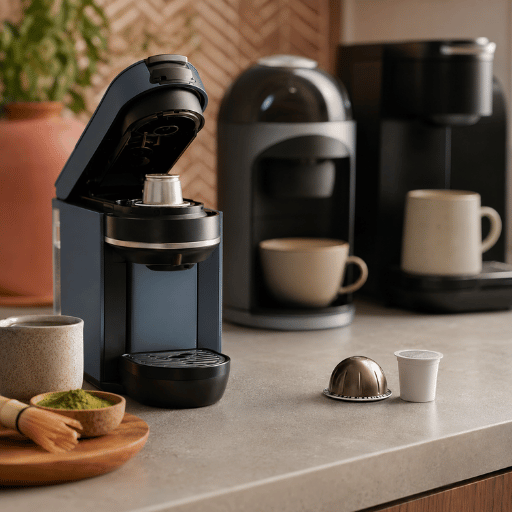
Đây là thực tế quan trọng nhất, tương thích duy nhất về sản phẩm này và là sản phẩm mà Lừa bị khách hàng làm rối tung nhiều nhất: K-Cup so với Nespresso Original Line Quy tắc chỉ có dòng gốc: Nhóm matcha của bên thứ ba chỉ hoạt động với các máy pha cà phê Nespresso nằm trong Dòng gốc (nhưng không phải Vertuo). Máy Vertuo ủ vỏ thông qua spin, thay vì áp suất, và họ cần một mã vạch đọc bằng máy để đi-một cái gì đó mà nhóm matcha chung của bạn có thể cung cấp.Đối với K-Cups, biết rằng các nhóm chỉ hoạt động với các máy Keurig 1.0 hoặc 2.0.
| Máy móc | Nhóm matcha của bên thứ ba? | Chú thích |
|---|---|---|
| Keurig 1.0 (Cổ điển) | Vâng | Bất kỳ nhóm matcha K-Cup tiêu chuẩn nào |
| Keurig 2.0 | Vâng | K-Cups được cấp phép mang nắp có thể đọc được |
| Keurig Mini /K-Slim | Vâng | Định dạng K-Cup tiêu chuẩn |
| Dòng sản phẩm gốc của Nespresso | Vâng | Các nhóm matcha của bên thứ ba có định dạng được xây dựng cho |
| Nespresso Vertuo | Không | Mã vạch + ly tâm; đóng cửa cho bên thứ ba |
| Nespresso Vertuo Tiếp theo | Không | Cùng hệ thống Vertuo |
| Nespresso Vertuo Pop | Không | Cùng hệ thống Vertuo |
| Dolce Gusto | Chỉ có Dolce Gusto mới có vỏ | Hình dạng viên nang khác nhau hoàn toàn |
| Nhóm có thể nạp lại/tái sử dụng | Có (DIY) | Điền matcha lỏng lẻo cho OL hoặc Keurig |
Một khung cần ghi nhớ: Toàn bộ hệ thống pod “bị khóa” mà Nespresso sử dụng với các máy Vertuo của nó (mặc dù ít hơn với Original Line, vì các nhà sản xuất bên thứ ba đã tìm thấy một lỗ hổng thông qua máy bơm và lỗ xuyên đơn giản hơn nhiều của nó) không chỉ dành riêng cho Nespresso. Các phiên bản Keurig 2.0 ban đầu sử dụng khóa DRM để ngăn các nhóm không chính thức xâm nhập, mà người tiêu dùng sau đó đẩy trở lại chống lại. máy Line gốc được mở cho hầu hết các phần, như là tất cả các máy Keurig hiện có trên thị trường, Vertuo Lừa không. sai lầm phổ biến: Đặt hàng các nhóm Line gốc cho một Vertuo.Họ chỉ đơn giản là giành chiến thắng’t nhấp vào vị trí và họ đã giành chiến thắng’t ủ.
Hương vị và tính nhất quán: Tại sao Pod Matcha khác nhau theo định dạng
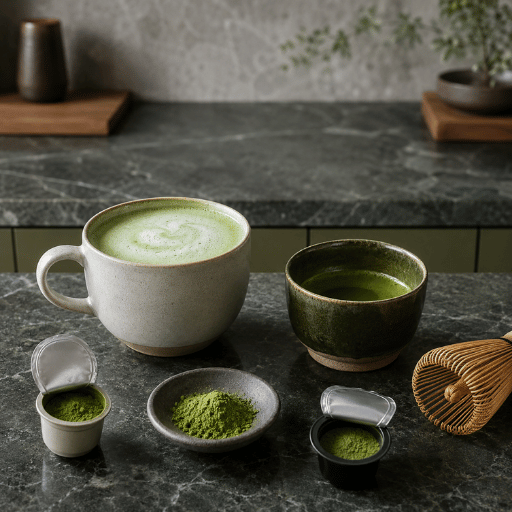
Matcha nhạy cảm hơn với nhiệt hơn cà phê; Cả hai định dạng K-Cup và Nespresso Original Line đều có những cách làm nóng và chiết bột của bạn thành nước rất khác nhau. Một loại K-Cup pod thải ra một lượng lớn nước nóng hơn qua vỏ, khoảng 190 °F (88 °C). Những người sành trà xanh trên Reddit, chẳng hạn như r/tea, thường xuyên lưu ý rằng bất cứ thứ gì trên 175 °F (80 °C) sẽ biến matcha thành đắng; phạm vi tốt nhất cho matcha nguyên chất là khoảng 160 -175 °F (71 -80 °C). Nespresso Original Line bơm một phần nhỏ hơn nước có áp suất cao hơn và nóng hơn, dẫn đến một cú đánh bọt và rất tập trung và hạn chế đốt cháy lá.
Tại sao matcha pod của tôi có vị đắng hoặc phẳng?
Thông thường nó Lôi nước và liều lượng, không phải bột Matcha, một K-Cup làm cho trà đắng bằng nước nóng nổ lá mỏng manh, mịn xay trên nhiệt độ gần sôi. nếu nước của bạn đi ra pha loãng, tưới quá nhiều bột-thường là một khả năng với một lớn hơn K-Cup brew-là vấn đề, không phải là một kém làm Matcha pod.
Hai lựa chọn của bạn với một K-Cup là điều này, pha một shot nhỏ hơn, và thêm sữa lạnh của bạn một cách nhanh chóng để giúp hạ thấp nhiệt độ nước của bia của bạn, HOẶC với một Dòng ban đầu, kéo ngắn hơn của bạn sẽ tự nhiên ít pha loãng, do đó thêm một shot dài hơn và một số sữa có thể làm giảm sự cay đắng bạn có thể nếm.Kết quả đã được thực sự “hit-and-miss tùy thuộc vào máy.”
Chất lượng của bột Matcha là thực sự phá vỡ thỏa thuận Nếu bột matcha Nhật Bản trong một vỏ bị cũ, Matcha won’t hương vị mạnh mẽ, như hương vị và màu sắc được xác định bởi mức độ diệp lục và catechin của chúng, và Matcha có thể chuyển sang màu nâu mặc dù chưa trải qua quá trình oxy hóa qua máy như Nespresso hoặc Keurig.
Latte vs Straight Shot: Định dạng nào cho đồ uống nào, Dòng Latte-or-Shot
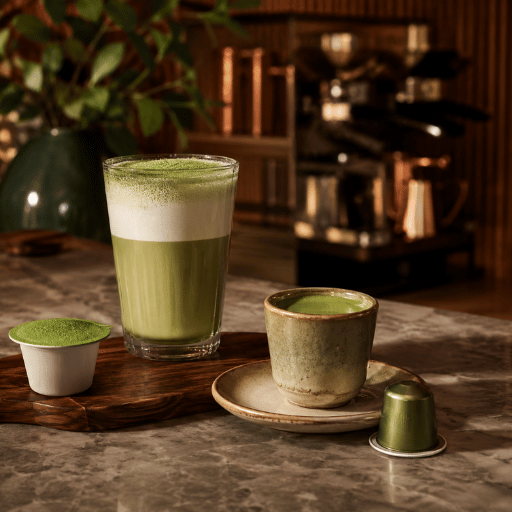
Nếu bạn học được một điều từ hướng dẫn này, hãy ghi nhớ quy tắc ngón tay cái này: K-Cup so với Original Line Latte-or-Shot Line: Muốn có một thức uống ngọt lớn hơn?It Lừa K-Cup cho bạn.Bạn muốn có một shot nghi lễ tinh khiết, chất lượng cao hoặc sự linh hoạt để lấy mẫu nhiều hương vị khác nhau?Gắn với Original Line Nespresso.Nó không phải là sự trùng hợp ngẫu nhiên; cách phổ biến nhất mà mọi người tiêu thụ matcha, cho đến nay (hơn 100.000 tìm kiếm cho “matcha latte” mỗi tháng) ify matcha trà pha trộn latte và latte pods thống trị kệ K-Cup, cũng xảy ra là nơi K-Cup có không gian cho thêm chút sữa bột và đường đó điều đó biến một cái vỏ thành một ly latte.
- Liều lớn hơn có chỗ cho sữa bột + chất làm ngọt
- Dòng chính ở Mỹ; cơ sở cài đặt Keurig khổng lồ
- Latte một nút, không cần kỹ năng tạo bọt
- ⚠ Thường được làm ngọt trước; bia nóng hơn có thể cháy sém
- Liều lượng nhỏ, chủ yếu là nghi lễ thuần túy
- Tập trung, sủi bọt; thương hiệu dễ nếm thử
- Lựa chọn cửa hàng/DTC mạnh mẽ, lớn ở Châu Âu
- ⚠ Nhỏ giọt, không có kích thước latte; thường đắt hơn mỗi gram
Ngoài ra, K-Cup là một “matcha latte được xây dựng cho bạn.” Nhưng bạn có thể làm tương tự từ những thứ nguyên chất-một vỏ Original Line chỉ đơn giản là đổ trên sữa tươi hoặc thậm chí ấm là cách baristas prep lattes, trừ các thành phần ngọt và kem nướng.
Chi phí, Kích thước gói và Nơi để mua
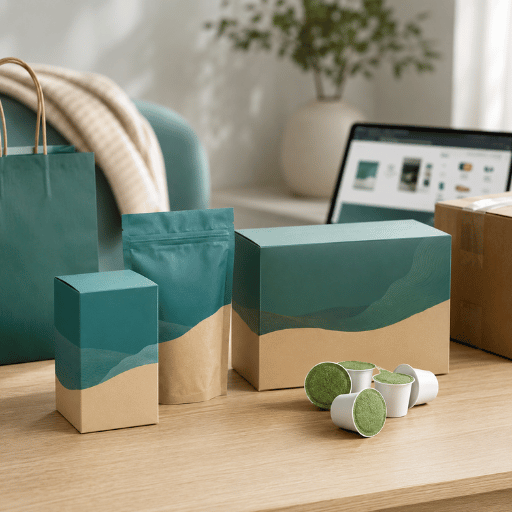
Tất cả các con số ở đây đều linh hoạt do thay đổi thị trường nhưng cung cấp đường cơ sở chính xác năm 2026. Các nhóm Original Line từ các nhà cung cấp matcha hữu cơ hàng đầu sẽ dao động từ $1.50 đến $2.50 mỗi liều, thường có sẵn trong các gói 10-, 20- và 40-ct, và được mua trực tiếp từ các doanh nghiệp nhỏ ở Mỹ, mặc dù nhiều nhà sản xuất có nguồn gốc châu Âu. K-Cups (đặc biệt là các loại latte có hương vị) được thiết kế riêng cho thị trường bán lẻ đại chúng của Mỹ, thường được tìm thấy trong các hộp 24-ct từ những gã khổng lồ như Walmart và Amazon, mang lại “giá tiêu đề cho mỗi liều thấp hơn,” nhưng điều này được bù đắp bằng cấu hình hương vị loãng hơn, kém mịn hơn của chúng (ít matcha hơn, nhiều sữa và đường hơn). Chúng tôi đào sâu vào cách xây dựng nội bộ của K-Cup khiến “mỗi liều” trở nên rẻ hơn (và tất cả số tiền đó sẽ đi vào đâu) phân tích này về chi phí thực tế của chúng tôi đối với K-Cup.
Bạn nên chọn định dạng nào? Bộ chọn định dạng 10 mục tiêu
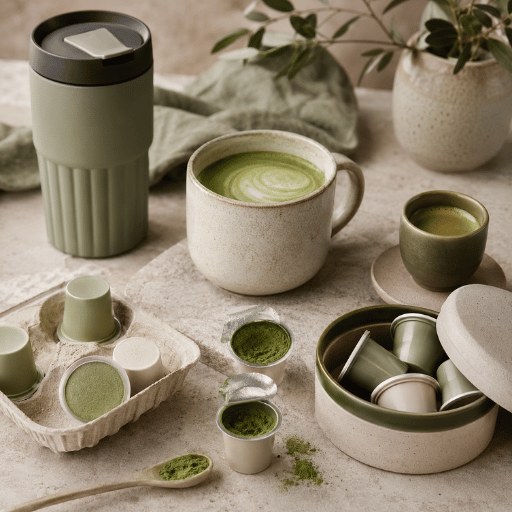
Để được hỗ trợ, hãy xem lại Khớp mục tiêu của bạn với Bộ chọn định dạng bên dưới và xem nơi chúng tôi đề xuất tình huống của bạn căn chỉnh ở cột ngoài cùng bên trái (và của chúng tôi hướng dẫn đầy đủ matcha pod bao gồm những điều cơ bản).Mỗi hàng ghép một mục tiêu người mua chung với định dạng phù hợp nhất với nó và một lý do một dòng, vì vậy bạn có thể phù hợp với tình huống của bạn trong vài giây.
| Mục tiêu của bạn | Chọn | Tại sao |
|---|---|---|
| Sữa matcha latte hàng ngày | Cốc K | Sữa bột tích hợp + chất làm ngọt, đổ lớn hơn |
| Nghi lễ theo phong cách nghi lễ thuần túy | Nespresso OL | Lực kéo tập trung nhỏ, chủ yếu là tinh khiết |
| Matcha mùa hè đá | Hoặc là | Pha ngắn, đổ đá + sữa |
| Văn phòng /hương vị chính thống của Hoa Kỳ | Cốc K | Tính sẵn có bán lẻ rộng nhất, vị ngọt quen thuộc |
| Premium /lựa chọn Châu Âu | Nespresso OL | Phạm vi cửa hàng/DTC sâu nhất |
| Chi phí thấp nhất cho mỗi pod | Cốc K | Giá tiêu đề rẻ hơn (một phần chất làm ngọt) |
| Matcha thực nhất trên mỗi gram | Nespresso OL (tinh khiết) | Ít chất độn pha loãng matcha |
| Bạn sở hữu một Keurig | Cốc K | Định dạng gốc, không có máy mới |
| Bạn đang sở hữu một dòng Nespresso Original Line | Vỏ Nespresso OL | Định dạng gốc, nhóm của bên thứ ba rất phong phú |
| Bạn đang sở hữu một chiếc Nespresso Vertuo | Không (sử dụng matcha lỏng lẻo) | Vertuo đóng cửa với các nhóm của bên thứ ba |
Dành cho thương hiệu: Sản xuất vỏ Matcha ở mỗi định dạng, Bản đồ định dạng 9 hàng để điền dòng
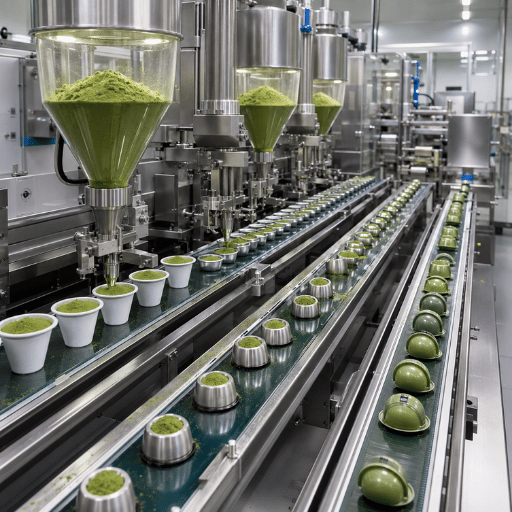
Đây, một ví dụ về Định dạng để điền vào Line Mapper.Đối với một thương hiệu đồ uống trong tìm kiếm thiết kế sản phẩm matcha K-Cup hoặc Original Line tốt nhất, Định dạng tương đương với Sản xuất.Hãy xem định dạng so với trọng lượng điền thông thường của từng loại máy.
| Định dạng | Điền điển hình | Máy ví dụ | Bắt đầu tốc đ |
|---|---|---|---|
| K-Cup (tinh khiết) | ~3–4 g matcha | Dây chuyền chiết rót/niêm phong K-Cup | 45–50 pods/phút mỗi làn |
| K-Cup (hỗn hợp latte) | ~5–12 g (matcha + sữa bột + đường) | Dòng K-Cup w/liều lượng nhiều bột | 40–600 pods/phút (1–12 làn) |
| Nespresso OL (tinh khiết) | ~2–2,5 g matcha | Chất độn viên nang Nespresso | ~70 vỏ/phút |
| Dolce Gusto | ~6–12 g (cơ sở latte) | Chất độn Dolce Gusto | 100–400 vỏ/phút |
| Đa định dạng (chạy thử) | 2–12 g, phụ thuộc vào định dạng | Máy đa định dạng RN1S | Lô nhỏ, thay đổi trong vài phút |
| Mục nhập một lần phục vụ | 2–5 g | Chất độn một lần YM40 | ~40 vỏ/phút |
| Dòng high-volume | Bất kỳ định dạng | Đầy đủ đường dây giải mã -niêm phong -cartoning | 100–600 vỏ/phút |
| Điền chính xác cần thiết | ± 0,1 g cho liều tinh khiết thấp | Liều cân/servo-auger | Quan trọng dưới ~ 3 g |
| Bước tươi | Kiểm soát O2 dư | Xả nitơ trước khi bịt kín | Bảo vệ chất diệp lục/L-theanine |
Với thực tế sản xuất của cả hai định dạng, K-Cup có ý nghĩa hơn khi sản xuất latte có hàm lượng sữa và đường, vì khoang của nó lớn hơn nhiều so với vỏ Original Line và được trang bị tốt cho bột hòa tan; của chúng tôi Máy chiết rót và niêm phong K-Cup đã xử lý loại sữa.
“Matcha khó đổ đầy hơn cà phê vì một lý do đơn giản: một vỏ cà phê dễ tha thứ ở mức 5–6 gram, nhưng một shot matcha 2 gram không có lề. bột rất tốt nó nổi và cầu, vì vậy bạn liều lượng theo trọng lượng, kiểm soát tĩnh và bụi, và tuôn ra với nitơ trước khi niêm phong, nếu không màu sắc và L-theanine mờ dần trước khi khách hàng bao giờ ủ nó.”
Để kiểm tra nước, một máy đa định dạng như RN1S lấp đầy cả hai định dạng K-cup và Nespresso trên một khung duy nhất, – cho phép bạn kiểm tra vùng nước với hai định dạng trước khi – đầy đủ và bộ nạp một lần YM40 sẽ giảm thiểu MOQ khởi động. Khi khối lượng đến, sản xuất trên một sản phẩm đó sẽ tốt nghiệp đầy đủ dòng coffee capsule. Máy AFPAK được cung cấp với bảo hành 2 năm và với thời gian xây dựng thường là 30-50 ngày, việc hỗ trợ lắp đặt và vận hành tại chỗ có thể được thực hiện bởi một trong các kỹ sư của chúng tôi trong vòng 48 giờ.
Nơi nhóm Matcha được đặt đầu (Triển vọng năm 2026)
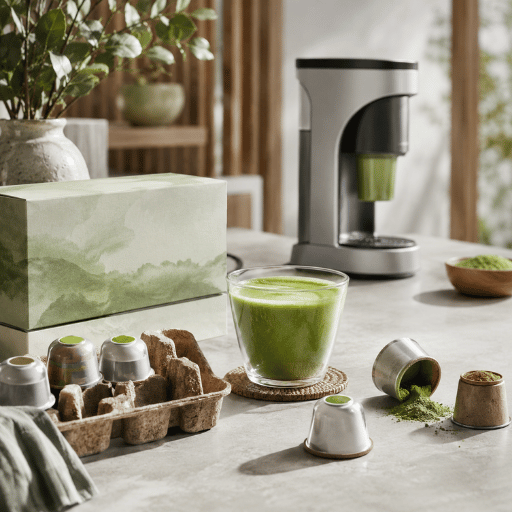
Điều quyết định sự thay đổi lớn hướng tới năm 2026 không phải là quy mô thị trường mà đúng hơn là nguồn cung. Sự bùng nổ TikTok về mức độ phổ biến của matcha đã va chạm với điều kiện thu hoạch chặt chẽ của Nhật Bản và đến cuối năm 2025, chúng ta đã thấy tình trạng thiếu matcha thực sự xuất hiện vào cuối năm 2025.
Nhật Bản báo cáo xuất khẩu trà xanh ở mức tăng khoảng 42% Và xấp xỉ tăng gấp đôi giá trị từ năm 2025 so với năm trước -nhu cầu về tencha (lá trồng trong bóng râm) mạnh đến mức không còn có thể đáp ứng nhu cầu; và lá trồng trong bóng râm là những gì matcha dựa vào. sự khan hiếm đó bây giờ có thể đẩy giá lên khi người tiêu dùng lựa chọn Original Line, matcha tinh khiết hơn, thay vì các lựa chọn thay thế kiểu latte ngọt ngào bởi vì, trong thời kỳ khan hiếm, mọi người thực sự tìm kiếm matcha nghi lễ thuần túy mà họ có thể nhấm nháp và nếm th.
Khi xem xét cách định dạng một sản phẩm matcha, điều hợp lý là cả hai sẽ tuân theo; trước hết là tính chất theo mùa cao của thị trường. Khi nghiên cứu cho thấy tìm kiếm các sản phẩm matcha pod thường cao hơn 3 lần đối với những sản phẩm được sản xuất vào tháng 7 so với tháng 11 và nhu cầu thường bắt đầu đạt đỉnh từ tháng 4 và tháng 5 cho đến tháng 8 – đảm bảo lượng hàng tồn kho trong nhóm của bạn sẽ cần phải được xây dựng trước, trước đó. Ngoài ra, với nguồn cung eo hẹp, định dạng cần ít matcha nhất trên mỗi cốc và do đó mang lại lợi nhuận lớn nhất so với việc tăng giá lá có thể sẽ là matcha nguyên bản và nguyên chất cũng mang lại khoảng 2g đến 2,5g mỗi viên. Tuy nhiên, hãy nhớ rằng, mặc dù những dự báo này cho biết cả hai định dạng sẽ bán chạy hơn vỏ cà phê vào năm 2026, cả hai đều cần được coi là dự báo thứ cấp và mặc dù một số người có thể thấy mức tăng trưởng cao hơn những tiêu đề này gợi ý, nhưng động lực bán hàng thực sự sẽ đến dưới hình thức cung cấp matcha để bán.
Câu hỏi thường gặp
K-Cups hay Nespresso pods có tốt hơn cho matcha không?
Xem Câu Trả Lời
Bạn có thể sử dụng vỏ matcha trong Nespresso Vertuo không?
Xem Câu Trả Lời
Bao nhiêu matcha trong một pod, K-Cup vs Nespresso?
Xem Câu Trả Lời
Vỏ matcha có vị ngon như matcha đánh bông không?
Xem Câu Trả Lời
Tôi có thể tạo hoặc dán nhãn riêng cho nhóm matcha của riêng mình không?
Xem Câu Trả Lời
Vỏ matcha là matcha thật hay hỗn hợp latte ngọt?
Xem Câu Trả Lời
Vỏ matcha có thể tái chế hoặc phân hủy được không?
Xem Câu Trả Lời
Tôi đã biết chi tiết về viên nang K-Cup và Nespresso của mình! Cung cấp cho chúng tôi thông tin chi tiết về khối lượng sản xuất ưa thích của bạn, liều lượng quy định cho mỗi liều và sản lượng dự định của bạn trên mỗi run-K-Cup, Nespresso Original Line hoặc máy kép là những lựa chọn chúng tôi có thể điều chỉnh theo liều 2 g của bạn và yêu cầu matcha siêu mịn 5–10 μm. Hãy cho chúng tôi biết định dạng, liều lượng và đầu ra của bạn và chúng tôi sẽ tìm thấy máy chiết rót và niêm phong cho vỏ matcha của bạn.
Tại sao chúng tôi viết điều này
AFPAK xây dựng các máy chiết rót và niêm phong đưa matcha vào cả hai vỏ K-Cup và Nespresso, vì vậy chúng tôi thấy câu hỏi định dạng từ sàn sản xuất, nơi liều 2 gram, bột 5–10 μm và xả nitơ là các vấn đề kỹ thuật hàng ngày, không phải bản sao tiếp thị. so sánh này phản ánh lợi thế đó. được xem xét bởi đội ngũ kỹ thuật AFPAK.
Tài liệu tham khảo & Nguồn
- Lợi ích sức khỏe và thành phần hóa học của trà xanh MatchaPMC /Thư viện Y khoa Quốc gia
- Chức năng giảm căng thẳng của trà xanh MatchaPMC /Thư viện Y khoa Quốc gia
- Nghiên cứu can thiệp Matcha (hàm lượng EGCG/catechin)ScienceDirect, Tạp chí Thực phẩm Chức năng
- Viên nang và hệ thống pha chế đồ uống bằng cách ly tâmUSPTO /Bằng sáng chế của Google
- Viên nang đơn liều cho đồ uống dạng bộtUSPTO /Bằng sáng chế của Google
- Sự thiếu hụt matcha đang đến với nỗi ám ảnh mới nhất của phương tiện truyền thông xã hộiChuỗi cung ứng Dive
- Tại sao viên nang của bên thứ ba chỉ hoạt động trong Nespresso Original LineChó săn


