
Vergleicht man Matcha-Cups mit Nespresso-Pods, ist die ehrliche Wahrheit, dass keines der beiden Formate besser ist. Sie sind für zwei verschiedene Cups gebaut. (K-Cup-Hohlraum ist größer & Latte Mix-Nespresso Ursprüngliche Linie Ist kleine Menge von echtem Zeug, das wie ein Espresso-Shot ziehen soll.) Unten: Dieses Diagramm vergleicht Füllung, Passformen, Geschmack, Kosten, einfache Herstellung. (Aktualisiert im Juni 2026)
Schnelle Spezifikationen
| Typische Füllung | K-Cup ~3 – – g Gesamtpulver (Matcha + Milchpulver/Süßstoff) · Nespresso OL ~22,5 g (meist reines Matcha) |
| Maschine | Keurig 1,0 & 2,0 · Nespresso Nur Originallinie (nicht Vertuo) bezeichnet |
| Brauwasser | K-Cup ~6 – 10 oz · Nespresso OL ~1,35 oz (Espresso) bis ~5 oz (Lungo) |
| Gemeinsamer Stil | K-Cup = gesüßte Matcha Latte · Nespresso OL = rein / leicht gesüßt |
| Koffein pro Kapsel | ~38 – 70 mg Matcha vs. ~75 – 120 mg für eine Kaffeepad |
Matcha K-Cups gegen Nespresso Pods auf einen Blick
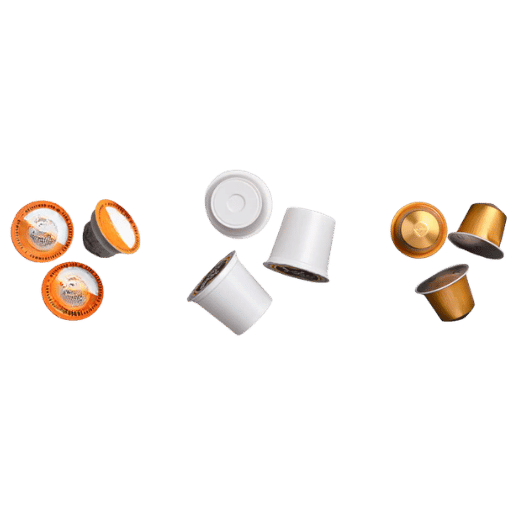
Matcha-Pods (auch als Matcha-Teepads vermarktet) sind abgemessene Portionen von ultrafeinem pulverisiertem grünem Tee, die zu Hause mit Einzelportionsmaschinen eine frische Tasse Matcha in eine ganze Tasse brauen, im Gegensatz zum Handflüster mit einer Usucha (oder Koicha-Schnurrbart). (Was * ist* eine Kapsel: Weiterlesen für Was sich in Matcha-Pods befindet und wie sie hergestellt werden, “oder schauen Sie genauer hin, um mehr über die Größe der Nespresso-Kapseln zu erfahren und zu erfahren, wie man das Kapselgewicht mit schaufelbarem Matcha vergleicht. Hinweis: ”Braukapseln unterscheiden sich von all diesen „Ergänzungsmitteln“der Zusatzkapsel” in der Apotheke!)
Nachfolgend finden Sie die 30-sekündige Zusammenfassung der Informationen in einer Nutshell; Der nachfolgende Artikeltext erklärt *wie* diese Variablen zum Füllen Ihrer einzigartigen Matcha-Cup- oder Ihrer neuen Matcha-Pod-Produktlinie beitragen.
| Dimension | Matcha K-Cup | Kapseln der Nespresso Original Line |
|---|---|---|
| Füllgewicht | ~35 g insgesamt (oft Matcha + Süßstoff + Sahne) | ~ 2,5 g, meist reine Matcha |
| Maschine | Keurig 1,0 und 2,0 | Nespresso-Originallinie |
| Funktioniert in Vertuo? | N/A | Es gibt keine Pods nur für Party-Partys |
| Braugröße | ~6 – 10 oz (Latte-Größe) | ~1,35 – (Espresso bis Lungo) |
| Typischer Stil | Gesüßte Matcha Latte | Reiner / leicht gesüßter Schuss |
| Koffein | ~38 –70 mg | ~38 –70 mg |
| Wo verkauft | US-Mainstream-Einzelhandel (Walmart, Amazon) | Boutique / Direct-to-Consumer, stark in Europa |
| Am besten für | Täglich milchiger Latte, Mainstream-Geschmack | Reiner Geschmack, Premium-Probenahme |
Typische K-Cup Füllgewichte und Brühspezifikationen werden aus Herstellerdaten angenähert (einige Matcha-Produkte wurden aus der Stichprobe ausgeschlossen, und somit können die Ergebnisse abweichen) Matcha Pod Füllspezifikationen werden aus Herstellerdaten angenähert und, für Nespresso, Nespresso Originalführung Behandeln Sie als Nominalwerte nicht absolute Präzision.
Der Kernunterschied: Füllgewicht und -dosis, die Pod-Kopfraumlücke
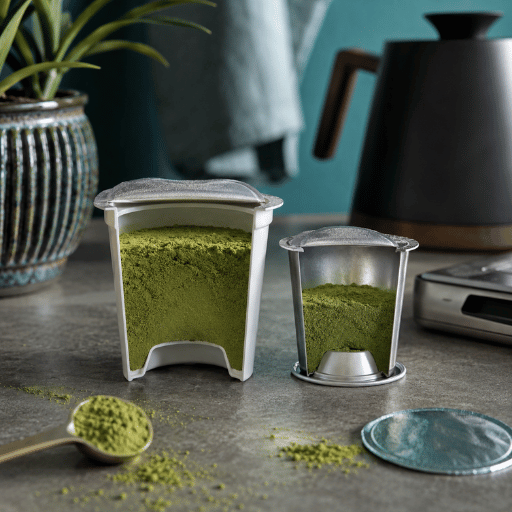
Alles andere ergibt sich aus einer Tatsache: Ein K-Cup hat deutlich mehr Pod Headroom als ein Nespresso Original Line Pod Ein durchschnittlicher reiner Matcha Original Line Pod liegt bei etwa 2 bis 2,5 Gramm Matcha. (Das Rezept für Nespressos eigener Matcha Latte Benötigt etwa einen Teelöffel, oder 2 Gramm Pulver) Ein K-Cup-Hohlraum hat genug Platz für das weitaus höhere Verhältnis von “Bulk” in einer Matcha-Latte-Mischung – normalerweise Zucker, plus natürlich Sahne, wie in vielen milchfreien K-Cups!
Extra habend Kopffreiheit Es ist, wie alles zusammenfließt, was sich nicht nur auf die Kapazität, sondern auch auf die Wirksamkeit auswirkt. Während K-Cups Latte-Inhaltsstoffe enthalten, unterstützt ihre große Hohlraumgröße diese Latte-spezifischen Inhaltsstoffe neben Ihrem Matcha-Pulver. Sie haben diesen Raum, um alle diese Latte-Komponenten mit einer gesunden Dosis pulverförmigem Grün für die Fahrt mitzunehmen, da viele K-Cup-Matcha-Produkte neben anderen Add-Ins sowohl Matcha als auch Zucker (und milchfreien Cremer) enthalten. Pure 2 g Matcha bietet einen aktiven, aber nicht intensiven Stanz von Matcha gesundheitlichen Vorteilen – Theanin- und Koffeinspiegel, die beispielsweise mit einem energemengenden, aber nicht Jitters verbunden sind; Matcha Gesundheit von Matcha EGCg macht etwa 59 Prozent ihrer gesunden Katechine aus, Bereitstellung einer angemessenen Portion Antioxidantien pro Gramm. Aber denken Sie daran: Wenn Sie Ihrem Getränk mehr anderes Zeug hinzufügen, ist es nicht automatisch eine gesündere oder wirksamere Matcha-Wahl, es sei denn, das “andere Zeug”ist zufällig auch von Vorteil, da mehr Getränk nicht immer gesünder ist… Vor allem, wenn vieles von dem, was Sie hinzufügen, nicht gut für Sie ist, macht die Zugabe einer Tasse reinen Zuckers zu einem Getränk es nicht gesünder, warum auch immer.
Da Matcha-Pulver ein ultrafeines Partikel vom Typ 5 bis 1 Mikrometer (ca. 5 bis 10 Mikrometer) im Durchmesser ist, haftet es an den Behälterwänden. Um eine Original Line-Kapsel richtig zu füllen, muss die genaue Dosierung (2-2,5 g) mit jedem Schuss mit hoher Präzision gefüllt werden (auf etwa ±0,1 g Toleranz, nicht “Schaufel”) „der genaue Präzision a Nespresso Kapselfüllmaschine Gebaut ist für… Die Platzbeschränkungen eines Original Line-Pods sorgen jedoch dafür, dass dieses kleine, reine Maß nicht überwunden werden kann (und halten die Pods daher rein Matcha-fokussiert). Ein K-Cup, eine viel größere Kapsel, verträgt problemlos sperrige Latte-Mix-Zutaten.
Maschinenkompatibilität: Original Line, Vertuo und Keurig, The Original-Line-Only Rule
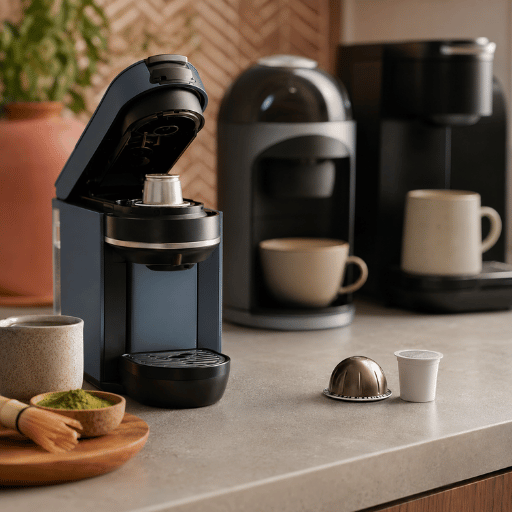
Dies ist die wichtigste, einzige Kompatibilitäts-Fakt bei diesem Produkt und diejenige, die von den Kunden am meisten durcheinander gebracht wird: K-Cup vs. Nespresso Original Line Die Original-Line-Only-Regel: Die Matcha-Pods von Drittanbietern funktionieren nur mit Nespresso-Maschinen, die in der Original Line (aber nicht in Vertuo) enthalten sind. Vertuo-Maschinen brauen die Schoten durch Schleudern und nicht durch Druck, und sie benötigen einen maschinengelesenen Barcode, um etwas zu unternehmen, das Ihr generisches Matcha-Pod nicht bieten kann. Wisse bei K-Cups, dass die Pods nur mit 1,0- oder 2,0-Keurig-Geräten funktionieren.
| Maschine | Matcha-Pod von Drittanbietern? | Anmerkung |
|---|---|---|
| Keurig 1.0 (Klassisch) | Ja | Jeder Standard-K-Cup-Matcha-Pod |
| Keurig 2.0 | Ja | Lizenzierte K-Cups tragen den lesbaren Deckel |
| Keurig Mini / K-Slim | Ja | Standard-K-Cup-Format |
| Nespresso-Originallinie | Ja | Die Format-Matcha-Pods von Drittanbietern sind für entwickelt |
| Nespresso Vertuo | Nein | Barcode + Zentrifugation; für Dritte geschlossen |
| Nespresso Vertuo Weiter | Nein | Gleiches Vertuo-System |
| Nespresso Vertuo Pop | Nein | Gleiches Vertuo-System |
| Dolce Gusto | Nur Dolce Gusto-Pods | Unterschiedliche Kapselform ganz |
| Nachfüllbare/wiederverwendbare Kapsel | Ja (DIY) | Füllen Sie mit loser Matcha für OL oder Keurig |
Ein Rahmen, den Sie beachten sollten: Das gesamte “gesperrte”Pod-System, das Nespresso mit seinen Vertuo-Maschinen verwendet (allerdings weniger mit Original Line, da Dritthersteller eine Lücke in seinem viel einfacheren Pump-and-Pierce-System fanden), ist nicht ausschließlich auf Nespresso beschränkt. Frühe Keurig 2.0-Versionen verwendeten DRM-Lockouts, um das Eindringen inoffizieller Pods zu verhindern, Gegen die sich die Verbraucher dann zurückdrängten Original Line Maschinen sind zum größten Teil offen, wie alle Keurig Maschinen derzeit auf dem Markt, Vertuos nicht Häufiger Fehler: Original Line Pods für einen Vertuo bestellen Sie klicken sich einfach nicht ein und sie brauen nicht.
Geschmack und Konsistenz: Warum Pod Matcha nach Format unterscheidet
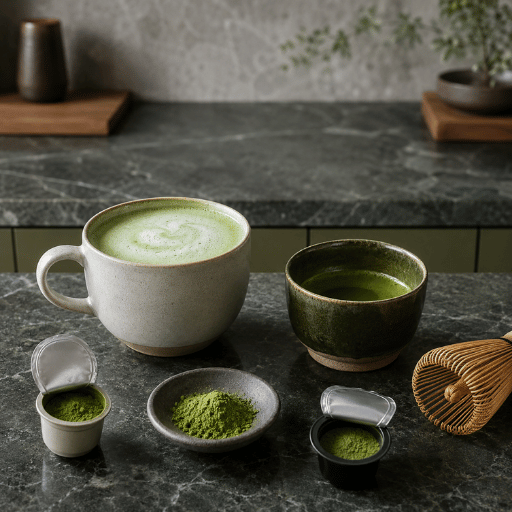
Matcha ist empfindlicher gegenüber Hitze als Kaffee; Sowohl die Formate K-Cup als auch Nespresso Original Line haben sehr unterschiedliche Arten, Ihr Pulver zu erhitzen und in Wasser zu extrahieren. Ein K-Cup-Pod stößt eine größere Menge heißeren Wassers durch die Kapsel aus, etwa 190°F (88°C). Kenner von grünem Tee auf Reddit, wie z. B. r/Tee, stellen regelmäßig fest, dass alles über 175°F (80°C) eine größere Menge heißes Wasser herstellt; Die beste Reichweite für reines Matcha liegt bei etwa 160175°F (7180°C). Nes Original-Blatt-Line-Leitwerk begrenzt die Ergebnisse eines kleineren, das Brennwasser-Licht-Licht-Leitwerk.
Warum schmeckt meine Matcha-Pod bitter oder flach?
Typischerweise sind es das Wasser und die Dosis, nicht das Matcha-Pulver, ein K-Cup macht bitteren Tee, indem er das zarte, fein gemahlene Blatt mit heißem Wasser über nahezu kochende Temperaturen sprengt. Wenn Ihr Wasser verdünnt herauskommt, kann es oft zu einer Überwässerung des Pulvers mit einem größeren K-Cup-Braum kommen – ist das Problem, nicht eine schlecht hergestellte Matcha-Pod.
Ihre beiden Optionen mit einem K-Cup sind diese, brauen Sie einen kleineren Schuss und fügen Sie Ihre kalte Milch schnell hinzu, um die Wassertemperatur Ihres Suds zu senken, ODER mit einer Original Line wird Ihr kürzerer Zug natürlich weniger verdünnt, daher fügen Sie einen hinzu Längerer Schuss und etwas Milch können die Bitterkeit reduzieren, die Sie schmecken könnten. Die Ergebnisse waren wirklich “Treffer und Fehlschlag, je nach Maschine””
Qualität des Matcha-Pulvers ist der echte Deal-Breaker. Wenn das japanische Matcha-Pulver in einer Schote veraltet ist, schmeckt das Matcha nicht so stark wie Geschmack und Farbe werden durch ihren Chlorophyll- und Catechingehalt bestimmt, und der Matcha kann sich bräunlich verfärben, obwohl er keiner Oxidation durch eine Maschine wie Nespresso oder Keurig unterzogen wurde.
Latte vs. Straight Shot: Welches Format für welches Getränk, die Latte-or-Shot-Linie
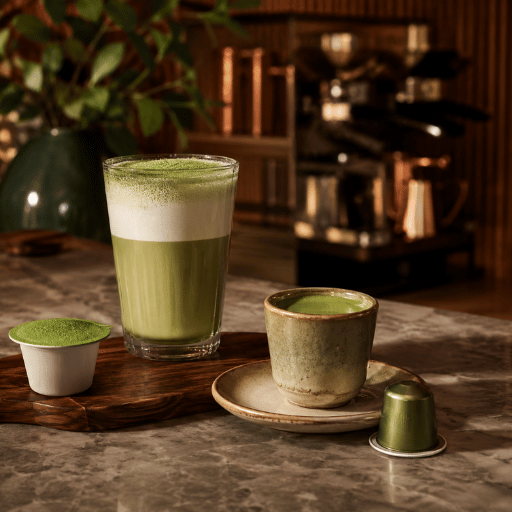
Wenn Sie eines aus diesem Ratgeber lernen, merken Sie sich diese Faustregel: K-Cup vs. Original Line Latte-or-Shot Line: Lust auf ein größeres, gesüßtes Getränk? es ist K-Cup für Sie Lust auf einen reinen, hochwertigen Zeremonialshot oder die Flexibilität, viele verschiedene Geschmacksrichtungen zu probieren? bleiben Sie bei Original Line Nespresso Es ist kein Zufall; die beliebteste Art, wie Menschen Matcha konsumieren, mit Abstand (über 100.000 Suchanfragen nach “Matcha Latte” pro Monat) 1 Matcha Tee Latte Blends und Latte Pods dominieren das K-Cup Regal, zufällig auch dort, wo das K-Cup den Platz hat Dieses Extra an Milchpulver und Zucker Das macht aus einem Pod einen Latte.
- Größere Dosis mit Platz für Milchpulver + Süßstoff
- Mainstream in den USA; riesige Keurig-Installationsbasis
- Ein-Knopf-Latte, keine Schaumfähigkeit erforderlich
- – Oft vorgesüßt; Heißeres Gebräu kann versengen
- Kleine, größtenteils reine Dosis im zeremoniellen Stil
- Konzentriert, schaumig; einfach zu schmeckende Testmarken
- Starke Boutique/DTC-Auswahl, groß in Europa
- – Winziger Guss, nicht lattegroß; normalerweise teurer pro Gramm
Alternativ ist der K-Cup ein “Matcha-Latte für Sie gebaut” Aber das Gleiche können Sie aus dem reinen Stoff herstellen – ein Original Line-Pod, der einfach über frische oder sogar erwärmte Milch gegossen wird, ist die Art und Weise, wie Baristas Latte zubereiten, abzüglich der eingebackenen süßen und cremigen Komponenten.
Kosten, Packungsgröße und wo man kaufen kann
Alle Zahlen hier sind aufgrund von Marktveränderungen fließend, liefern aber eine genaue Basislinie für 2026. Die Original Line-Pods von erstklassigen Bio-Matcha-Anbietern liegen zwischen $1,50 und $2,50 pro Dosis, sind typischerweise in 10-, 20- und 40-Ct-Bündeln erhältlich und werden direkt von kleinen Unternehmen in den USA gekauft, obwohl viele Hersteller europäischen Ursprungs sind. K-Cups (insbesondere die aromatisierten Latte) sind auf den amerikanischen Massenmarkt-Einzelhandel zugeschnitten, der häufig in 24-Ct-Boxen von Giants wie billig erhältlich ist und Amazon, wodurch ein niedrigerer Preis pro Dosis-Mini-Mini-Masse-Masse-Masse entsteht, aber Wegel, da wird, da die Melke-Masse-Masse-Masse-Masse-Masse-Masse-Masse-Masse-Masse-Masse-Masse-Masse-Masse-Masse-Masse-Masse-Masse-Masse-Masse-Miox-Mio-Miox-Miox-Miox-Miox-Miox-Mio-Miox-Miox-Mio-Miox-Mio-Mio-Mio-Mio-Mio-Mio-Mio-Mio-Mio-Mio-Mio-Mio-Mio Diese Analyse unserer realistischen Kosten eines K-Cups.
Welches Format sollten Sie wählen? Der 10-Ziele-Formatauswahlspieler
Weitere Informationen finden Sie im Abgleich Ihres Ziels mit einem Formatwähler unten und sehen Sie, wo wir Ihre Situation empfehlen, die sich auf die Spalte ganz links (und unsere) ausrichtet Voller Matcha-Pod-Guide Deckt die Grundlagen ab) Jede Reihe paart ein gemeinsames Käuferziel mit dem Format, das am besten dazu passt und einem einzeiligen Grund, sodass Sie Ihre Situation in Sekundenschnelle anpassen können.
| Ihr Ziel | Pick | Warum |
|---|---|---|
| Täglich milchiger Matcha Latte | K-Cup | Eingebautes Milchpulver + Süßstoff, größerer Guss |
| Reines Ritual im zeremoniellen Stil | Nespresso OL | Kleine, meist reine Dosis, konzentrierter Zug |
| Eisiger Sommermatcha | Entweder | Kurz brauen, über Eis + Milch gießen |
| Büro / Mainstream US Geschmack | K-Cup | Größte Verfügbarkeit im Einzelhandel, vertraute Süße |
| Premium / Europäische Auswahl | Nespresso OL | Tiefste Boutique/DTC-Range |
| Niedrigste Kosten pro Pod | K-Cup | Günstigerer Headline-Preis (teilweise Süßstoff) |
| Echteste Übereinstimmung pro Gramm | Nespresso OL (rein) | Weniger Füllstoff, der das Matcha verdünnt |
| Sie besitzen einen Keurig | K-Cup | Natives Format, keine neue Maschine |
| Sie besitzen eine Nespresso Original Line | Nespresso OL-Schote | Natives Format, Pods von Drittanbietern reichlich vorhanden |
| Sie besitzen einen Nespresso Vertuo | Weder (verwenden Sie lose Matcha) | Vertuo ist für Pods von Drittanbietern geschlossen |
Für Marken: Herstellung von Matcha-Pods in jedem Format, der 9-Zeilen-Format-zu-Füllen-Zeilen-Karte
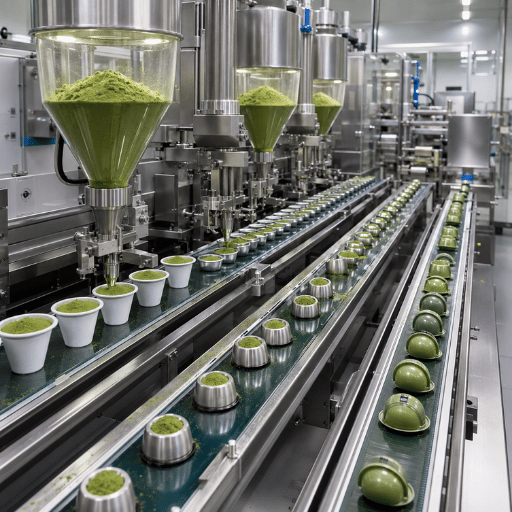
Hier ein Beispiel für den Format to Filling Line Mapper Für eine Getränkemarke auf der Suche nach dem besten K-Cup oder Original Line Matcha Produktdesign ist Format gleichbedeutend mit Produktion Schauen Sie sich das Format gegen das typische Füllgewicht der einzelnen Maschinentypen an.
| Format | Typische Füllung | Beispielmaschine | Startgeschwindigkeit |
|---|---|---|---|
| K-Cup (rein) | ~34 g Matcha | K-Cup Füll-/Dichtungslinie | 45 –50 Kapseln/Minute pro Spur |
| K-Cup (Latte-Mischung) | ~5 – 12 g (Matcha + Milchpulver + Zucker) | K-Cup Linie w/ Mehrpulverdosierung | 40 600 Kapseln/Minute (1 12 Spuren) |
| Nespresso OL (rein) | ~ 2,5 g Matcha | Nespresso Kapselfüller | ~70 Pods/Min |
| Dolce Gusto | ~6 – 12 g (Latte Base) | Dolce Gusto Füllstoff | 100 –400 Kapseln/Min |
| Multiformat (Testlauf) | 2 – 12 g, formatabhängig | RN1 S Multiformatmaschine | Kleinteiliger Wechsel in wenigen Minuten |
| Einzelplatzeintrag | 2 – 5 g | YM40 Einzelportionsfüller | ~40 Pods/Min |
| Hochvolumige Linie | Jedes Format | Vollständige Befüll- und Kartonierlinie | 100 600 Kapseln/Min |
| Füllgenauigkeit erforderlich | ±0,1 g bei niedrigen reinen Dosen | Dosierung von Gewicht/Servo-Auger | Kritisch unter ~3 g |
| Frischeschritt | Restliche O2-Steuerung | Stickstoffspülung vor dem Versiegeln | Schützt Chlorophyll/L-Theanin |
Angesichts der Produktionsrealitäten beider Formate ist der K-Cup bei der Herstellung von Lattebäumen mit Milch- und Zuckergehalt sinnvoller, da sein Hohlraum viel größer als bei Original Line-Pods und gut für lösliches Pulver ausgestattet ist; Unser K-Cup Füll – und Versiegelungsmaschinen Gehe schon mit der milchigen Sorte um.
“Matcha ist aus einem einfachen Grund schwerer zu füllen als Kaffee: Eine Kaffeepad ist mit 5 –6 Gramm nachsichtig, aber ein 2-Gramm-Matcha-Shot hat keinen Spielraum. Das Pulver ist so fein, dass es schwimmt und überbrückt, sodass Sie nach Gewicht dosieren, statische und Staub kontrollieren und vor dem Versiegeln mit Stickstoff spülen, sonst verblassen die Farbe und das L-Theanin, bevor der Kunde es jemals aufbrüht.”
Um das Wasser zu testen, Eine Multiformatmaschine wie RN1 S, die sowohl das K-Cup- als auch das Nespresso-Format ausfüllt Mit einem einzigen Frame-Hintergrund können Sie das Wasser mit zwei Formaten testen, bevor eine vollständige Leitung und ein YM40-Einzelportionsfüller die Start-MoQs minimieren. Wenn die Lautstärke ankommt, wird die Produktion dieses einen Produkts vollständig abgeschlossen Kaffeekapsellinie. AFPAK-Maschinen werden mit einer Garantie von 2 Jahren geliefert, und bei Bauzeiten von typischerweise 30-50 Tagen kann die Installation und Inbetriebnahmeunterstützung vor Ort von einem unserer Ingenieure innerhalb von 48 Stunden durchgeführt werden.
Wohin Matcha-Pods gehen (Ausblick 2026)
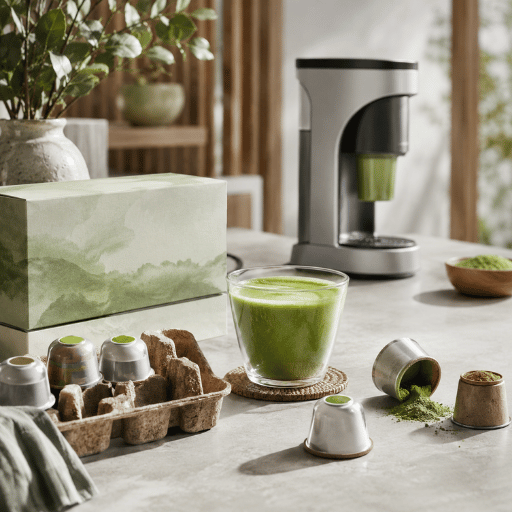
Was die große Verschiebung hin zu 2026 bestimmt, ist nicht die Marktgröße, sondern das Angebot. Der TikTok-Boom der Matcha-Popularität kollidierte mit den angespannten japanischen Erntebedingungen, und Ende 2025 sahen wir Ende 2025 kommt es zu einem echten Matcha-Mangel.
Japan meldete Exporte von grünem Tee mit einem um etwa 421 TP3T erhöhten Volumen Und die Nachfrage nach Schleie (schattengewachsenes Blatt) hat sich gegenüber 2025 im Vergleich zum Vorjahr ungefähr verdoppelt und war so stark, dass sie die Nachfrage nicht mehr decken konnte; und auf das im Schatten angebaute Blatt ist Matcha angewiesen. Diese Knappheit könnte nun die Preise in die Höhe treiben, da sich die Verbraucher für Original Line, reineres Matcha, gegenüber den süßen, latte-ähnlichen Alternativen entscheiden, weil die Menschen in Zeiten der Knappheit wirklich danach streben die reine zeremonielle Matcha, die sie schlürfen und schmecken können.
Wenn man bedenkt, wie ein Matcha-Produkt formatiert ist, macht es Sinn, dass beide folgen werden; erstens der stark saisonale Charakter des Marktes Wie Untersuchungen zeigen, sind die Suchanfragen nach Matcha-Pod-Produkten im Allgemeinen 3 x höher für diejenigen, die im Juli im Vergleich zu November hergestellt wurden, und die Nachfrage wird im Allgemeinen von April und Mai bis August ihren Höhepunkt erreichen, um sicherzustellen, dass Ihr Pod-Bestand lange im Voraus vorgebaut werden muss. Denken Sie jedoch daran, dass bei knappem Angebot das Format, das die geringste Matcha pro Tasse benötigt, und daher die größte Rendite gegen steigende Blattpreise erzielt, wahrscheinlich die ursprüngliche und reine Matcha-Pod sein wird, die auch etwa 2026 eine reale Wachstumsform der Kaffee-Schlagzeilen erwarten lassen.
Häufig gestellte Fragen
Sind K-Cups oder Nespresso-Pods besser für Matcha?
Antwort anzeigen
Kann man Matcha-Pods in einem Nespresso Vertuo verwenden?
Antwort anzeigen
Wie viel Matcha steckt in einem Pod, K-Cup vs. Nespresso?
Antwort anzeigen
Schmecken Matcha-Pods so gut wie Whisk-Matcha?
Antwort anzeigen
Kann ich meine eigenen Matcha-Pods herstellen oder als Private-Label kennzeichnen?
Antwort anzeigen
Sind Matcha-Pods echte Matcha oder eine gesüßte Latte-Mischung?
Antwort anzeigen
Sind Matcha-Pods recycelbar oder kompostierbar?
Antwort anzeigen
Ich habe meine K-Cup und Nespresso Kapseldetails! geben Sie uns Details bezüglich Ihres bevorzugten Produktionsvolumens, der angegebenen Dosierung pro Dosis, und Ihre beabsichtigte Ausgabe pro Run-K-Cup, Nespresso Original Line oder Dual Machines sind Optionen, die wir auf Ihre 2 g Dosis und 510 µm ultrafeine Matcha Anforderungen abstimmen können Teilen Sie uns Ihr Format, Ihre Dosis und Ausgabe mit, und wir finden eine Füll – und Versiegelungsmaschine für Ihre Matcha-Pods.
Warum wir das geschrieben haben
AFPAK baut die Abfüll – und Versiegelungsmaschinen, die Matcha sowohl in K-Cup – als auch in Nespresso-Pods stecken, so dass wir die Formatfrage von der Produktionsfläche aus sehen, wo die 2-Gramm-Dosis, das 5-6-610-µm-Pulver und die Stickstoffspülung tägliche technische Probleme sind, nicht Marketingkopie Dieser Vergleich spiegelt diese Aussicht wider. Vom technischen Team von AFPAK überprüft.
Referenzen und Quellen
- Gesundheitsvorteile und chemische Zusammensetzung von Matcha Green TeaPMC / National Library of Medicine
- Stressreduzierende Funktion von Matcha Green TeaPMC / National Library of Medicine
- Matcha-Interventionsstudie (EGCG / Catechingehalt)ScienceDirect, Journal of Functional Foods
- Kapsel und System zur Zubereitung eines Getränks durch ZentrifugationUSPTO / Google Patente
- Einzeldosiskapsel für GetränkepulverUSPTO / Google Patente
- Für die neueste Obsession der sozialen Medien kommt ein Matcha-MangelSupply Chain Dive
- Warum Fremdkapseln nur in Nespresso Original Line funktionierenChowhound


