
Comparând cupele matcha k vs păstăile nespresso, adevărul sincer este că niciunul dintre formate nu este ‘mai bun’, deoarece sunt construite pentru două cupe diferite. (cavitatea K-Cup este mai mare și tipică latte mix-Nespresso Linia originală este o cantitate mică de lucruri reale menite să tragă ca o fotografie espresso.) Mai jos: Acest grafic compară umplerea, potrivirile, gustul, costul, ușurința de făcut. (Actualizat în iunie 2026)
Specificații rapide
| Umplere tipică | K-Cup ~3 oală5 g pulbere totală (matcha + lapte praf/îndulcitor) · Nespresso OL ~2 oală2,5 g (în mare parte matcha pură) |
| Mașină | Keurig 1,0 și 2,0 · Nespresso Numai linia originală (nu Vertuo) |
| Brew apă | K-Cup ~6 ca 10 oz · Nespresso OL ~1,35 oz (espresso) până la ~5 oz (lungo) |
| Stil comun | K-Cup = matcha latte îndulcit · Nespresso OL = pur /ușor îndulcit |
| Cofeina per capsulă de cafea | ~38 cu 70 mg matcha vs ~75 cu 120 mg pentru o capsule de cafea |
Matcha K-Cups vs Nespresso Pods dintr-o privire
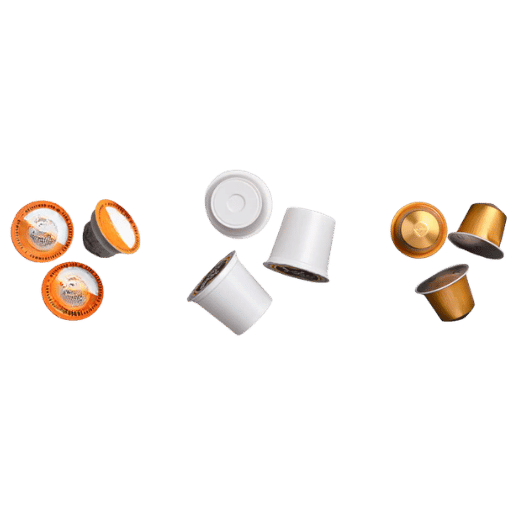
capsulele de cafea Matcha (comercializate și ca capsule de cafea de ceai matcha) sunt porții măsurate de ceai verde pudră ultrafină care prepară o ceașcă proaspătă de matcha acasă într-o ceașcă întreagă cu aparate cu o singură porție, spre deosebire de mustața manuală cu un usucha (sau tel koicha). (Ce *este* o capsulă de cafea: citiți mai departe pentru ce se află în interiorul păstăilor matcha și cum sunt făcute, sau uita-te mai aproape pentru a afla despre Nespresso pod dimensiune şi cum să compare greutatea capsulei la scoop-able matcha. notă: Brewing capsule de cafea sunt diferite de toate cele suplimentare-capsula “suplimente” în farmacie!)
Mai jos sunt informațiile dintr-un rezumat de 30 de secunde; textul articolului următor explică *cum* aceste variabile contribuie la umplerea cupei tale unice matcha – sau a noii linii de produse matcha pod.
| Dimensiune | Matcha K-Cup | Pod Nespresso Original Line |
|---|---|---|
| Umple greutate | ~3 oct5 g total (adesea matcha + îndulcitor + cremă) | ~2 oh2,5 g, de obicei matcha pură |
| Mașină | Keurig 1.0 și 2.0 | Linia originală Nespresso |
| Lucrează în Vertuo? | N/A | Niciun pod terță parte din TUR nu este doar Linia originală |
| Dimensiunea berii | ~6 ph 10 oz (dimensiune latte) | ~1,35 ceg5 oz (espresso la lungo) |
| Stil tipic | Matcha latte îndulcit | Pur /împușcătură ușor îndulcită |
| Cofeină | ~38c70 mg | ~38c70 mg |
| Unde se vinde | retailul mainstream din SUA (Walmart, Amazon) | Boutique /direct-to-consumer, puternic în Europa |
| Cel mai bun pentru | Latte lăptos zilnic, gust mainstream | Aromă pură, eșantionare premium |
Greutățile tipice de umplere a cupei K și specificațiile de preparare sunt aproximate din datele producătorului (unele produse matcha au fost excluse din eșantion și, prin urmare, rezultatele pot diferi). Specificațiile de umplere a capsulelor de cafea Matcha sunt aproximate din datele producătorului și, pentru Nespresso, ghidul original Nespresso. tratați ca valori nominale nu precizie absolută.
Diferența de bază: greutatea și doza de umplere, decalajul de la capul pod
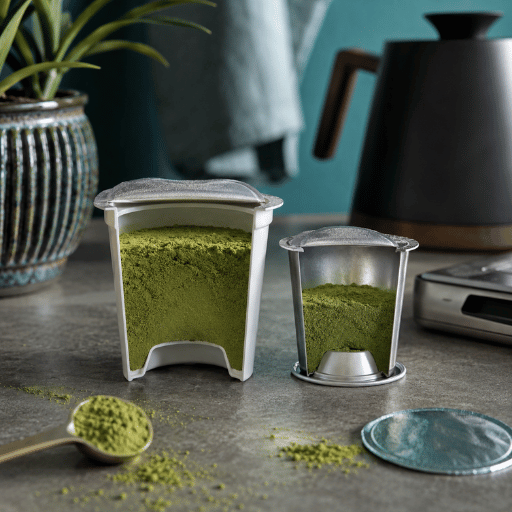
Orice altceva rezultă dintr-un fapt: O cupă K are mult mai mult Pod Headroom decât o capsule de cafea Nespresso Original Line. O capsule de cafea medie pură matcha Original Line este de aproximativ 2 până la 2,5 grame de matcha. (Rețeta pentru Matcha latte propriu al lui Nespresso necesită aproximativ o linguriță, sau 2 grame, de pulbere.) O cavitate K-cup are suficient spațiu pentru raportul mult mai mare de “bulk” într-un amestec de matcha-latte, de obicei zahăr, plus, desigur, cremă ca în multe lactate- K-cup fără lapte!
Având în plus spațiu liber este modul în care toate acestea curge împreună, afectând nu numai capacitatea, ci și potența. în timp ce K-Cups conțin ingrediente latte, dimensiunea lor mare a cavității susține acele ingrediente specifice latte-ului alături de pulberea dvs. matcha. Aveți acel spațiu pentru a obține toate acele componente latte împreună pentru plimbare cu o doză sănătoasă de verde pudră, deoarece multe produse matcha K-Cup conțin atât matcha, cât și zahăr (și cremă fără lactate), printre alte suplimente. matcha pur 2 g oferă un pumn activ, dar nu intens, de beneficii pentru sănătate Matcha – nivelurile de teanină și cofeină, de exemplu, sunt legate de un energizant, dar nu de nervozitate; Matcha sănătate ur EGCg reprezintă ~ 59 la sută din catechinele lor sănătoase, oferind o porție decentă de antioxidanți per gram. Dar amintiți-vă: adăugarea mai multor alte lucruri la băutura dvs. nu o face automat o alegere matcha mai sănătoasă sau mai puternică, cu excepția cazului în care “alte lucruri” se întâmplă să fie, de asemenea, benefice, deoarece mai multă băutură nu este întotdeauna mai sănătos…mai ales când o mare parte din ceea ce adăugați nu este bun pentru dvs., adăugarea unei cești de zahăr pur la o băutură nu o face mai sănătoasă, indiferent de motiv.
Deoarece pulberea de matcha este un tip de particule ultrafine cu un diametru de aproximativ 5 până la 10 micrometri (μm), poate să se lipească și să se agațe de pereții recipientului. Pentru a umple corect o capsulă Original Line, doza exactă (2-2,5 g) trebuie umplută la un grad ridicat de precizie cu fiecare injecție (la o toleranță de aproximativ ±0,1 g, nu “prin scoop”), precizia a Mașină de umplere a capsulelor Nespresso este conceput pentru.. Totuși, constrângerile de spațiu ale unei capsule Original Line asigură că această măsură mică și pură nu poate fi depășită (și, prin urmare, păstrează capsulele concentrate exclusiv pe matcha). O K-Cup, fiind o capsulă mult mai mare, tolerează cu ușurință ingrediente voluminoase pentru amestecul de latte.
Compatibilitatea mașinii: linia originală, Vertuo și Keurig, regula doar pentru linia originală
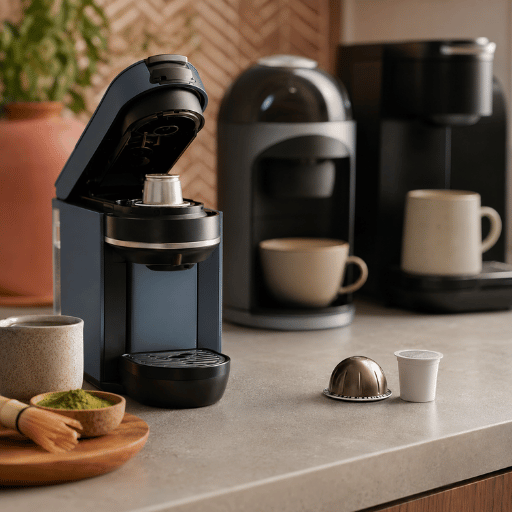
Acesta este cel mai important fapt de compatibilitate unică despre acest produs și cel care a încurcat cel mai mult de către clienți: K-Cup vs. Nespresso Original Line Regula numai pentru linia originală: Podurile matcha de la terți funcționează numai cu aparatele Nespresso care se află în linia originală (dar nu și Vertuo). Mașinile Vertuo prepară păstăile prin rotație, mai degrabă decât prin presiune, și au nevoie de un cod de bare citit de mașină pentru a merge – ceva ce podul dvs. generic matcha nu poate oferi. Pentru K-Cups, să știți că capsulele de cafea funcționează numai cu mașini Keurig 1.0 sau 2.0.
| Mașină | Pod matcha terță parte? | Notă |
|---|---|---|
| Keurig 1.0 (Clasic) | Da | Orice pod standard K-Cup matcha |
| Keurig 2.0 | Da | K-Cups licențiate poartă capacul care poate fi citit |
| Keurig Mini/K-Slim | Da | Format standard K-Cup |
| Linia originală Nespresso | Da | Formatul pentru care sunt construite podurile matcha de la terți |
| Nespresso Vertuo | Nu | Cod de bare + centrifugare; închis terților |
| Nespresso Vertuo Următor | Nu | Același sistem Vertuo |
| Nespresso Vertuo Pop | Nu | Același sistem Vertuo |
| Dolce Gusto | Numai păstăi Dolce Gusto | Forma capsulei diferită în întregime |
| Reîncărcabil /pod reutilizabil | Da (Bricolaj) | Umpleți cu matcha liberă pentru OL sau Keurig |
O încadrare de reținut: întregul sistem de pod “blocat” pe care Nespresso îl folosește cu mașinile sale Vertuo (deși mai puțin cu Original Line, deoarece producătorii terți au găsit o lacună prin pompa și perforarea mult mai simplă) nu este exclusiv pentru Nespresso. Versiunile timpurii Keurig 2.0 foloseau blocări DRM pentru a preveni intrarea podurilor neoficiale, împotriva cărora consumatorii au respins apoi. Mașinile Original Line sunt deschise în cea mai mare parte, la fel ca toate mașinile Keurig aflate în prezent pe piață, Vertuo’s nu sunt. Greșeală comună: comandarea podurilor Original Line pentru un Vertuo. Pur și simplu nu vor da clic pe loc și nu vor prepara.
Gust și consecvență: de ce Pod Matcha diferă în funcție de format
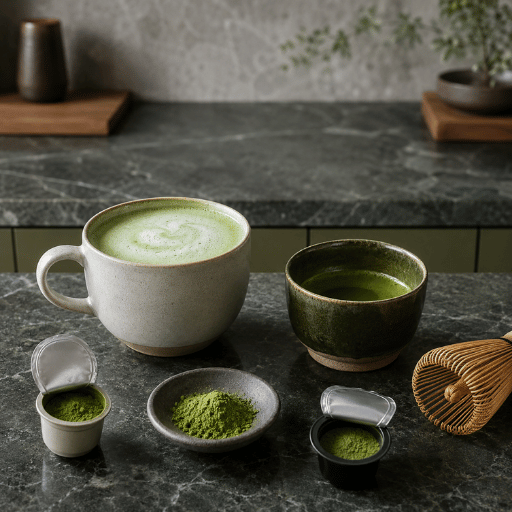
Matcha este mai sensibil la căldură decât cafeaua; Atât formatele K-Cup, cât și Nespresso Original Line au moduri foarte diferite de încălzire și extragere a pulberii în apă. o capsulă de cafea K-Cup expulzează o cantitate mai mare de apă mai fierbinte prin capsulă de cafea, aproximativ 190 °F (88 °C).Cunoscătorii de ceai verde de pe Reddit, cum ar fi r/tea, observă în mod regulat că orice peste 175 °F (80 °C) va deveni matcha amar; cea mai bună gamă pentru matcha pură este de aproximativ 160 ph175 °F (71 ph80° C).Nespresso Original Line pompează o porțiune mai mică de apă mai presată și mai fierbinte, ceea ce are ca rezultat o lovitură spumoasă și foarte concentrată și limitează arderea frunzei.
De ce păstaia mea matcha are gust amar sau plat?
De obicei, problema este apa și doza, nu pulberea de matcha: o K-Cup produce ceai amar deoarece apa fierbinte lovește frunza delicată măcinată fin la temperaturi aproape de fierbere. Dacă băutura rezultată este diluată, problema este udarea excesivă a pulberii — adesea posibilă la o preparare K-Cup mai mare — nu o capsulă de matcha prost făcută.
Cele două opțiuni cu o K-Cup sunt următoarele: preparați o doză mai mică și adăugați rapid laptele rece pentru a reduce temperatura apei de preparare sau, cu Original Line, extracția mai scurtă va fi în mod natural mai puțin diluată; prin urmare, adăugarea unei extracții mai lungi și a puțin lapte poate reduce amărăciunea. Rezultatele au fost cu adevărat „variabile, în funcție de aparat”.
Calitatea pulberii Matcha este adevăratul întrerupător al tranzacției Dacă pulberea japoneză de matcha dintr-o capsulă de cafea este învechită, Matcha nu va avea un gust la fel de puternic aroma și culoarea sunt determinate de nivelul lor de clorofilă și catechină, iar Matcha poate deveni maroniu în culoare, în ciuda faptului că nu a suferit oxidare printr-o mașină precum Nespresso sau Keurig.
Latte vs Straight Shot: ce format pentru ce băutură, linia Latte-or-Shot
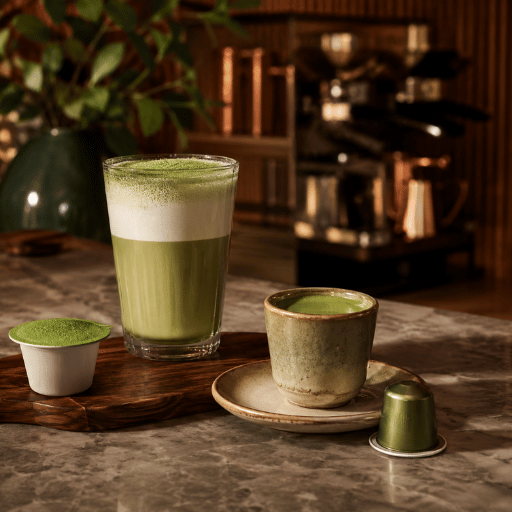
Dacă înveți un lucru din acest ghid, memorează această regulă generală: K-Cup vs. Original Line Latte-or-Shot Line: Vrei o băutură mai mare, îndulcită? Este K-Cup pentru tine. Vrei o fotografie ceremonială pură, de înaltă calitate sau flexibilitatea de a gusta o mulțime de arome diferite? Stick cu Original Line Nespresso. Nu este o coincidență; cel mai popular mod în care oamenii consumă matcha, de departe (peste 100.000 de căutări pentru “matcha latte” pe lună) amestecurile de ceai matcha latte și păstăile de latte domină raftul K-Cup, se întâmplă să fie și locul pentru care K-Cup are spațiu acel pic în plus de lapte praf și zahăr asta transformă o capsulă de cafea într-un latte.
- Doza mai mare cu loc pentru lapte praf + indulcitor
- Mainstream în SUA; uriaşă Keurig instala bază
- Latte cu un singur buton, nu este nevoie de abilități de spumare
- â Adesea pre-îndulcit; o băutură mai fierbinte poate pârjoli
- Doză mică, în mare parte pură, în stil ceremonial
- Concentrat, spumos; mărci ușor de testat
- Selecție puternică de tip boutique/DTC, mare în Europa
- {Tiny pour, nu latte-sized; de obicei mai scump pe gram
Alternativ, K-Cup este un latte “matcha construit pentru tine.” Dar poți face același lucru din chestii pure – o capsulă de cafea Original Line pur și simplu turnată peste lapte proaspăt sau chiar încălzit este modul în care baristas prep lattes, minus copt-in componente dulci și cremoase.
Cost, dimensiunea pachetului și de unde să cumpărați
Toate cifrele de aici sunt fluide din cauza schimbărilor pieței, dar oferă o linie de bază precisă pentru 2026. Podurile Original Line de la furnizorii de matcha organice de top vor varia de la $1,50 la $2,50 per doză, disponibile de obicei în pachete de 10, 20 și 40 de ct și achiziționate direct de la întreprinderile mici din SUA, deși mulți producători au origini europene. K-Cups (în special latte-urile aromate) sunt adaptate pentru vânzarea cu amănuntul pe piața de masă americană, întâlnite în mod obișnuit în cutii de 24 de ct de la giganți precum Walmart și Amazon, producând un “preț de titlu pe doză mai mic,” dar acest lucru este compensat de profilurile lor de aromă mai diluate și mai puțin netede (mai puțin matcha, mai mult lapte și zahăr). Săpăm în modul în care construcția internă a K-Cup face “per dose” ieftin (și unde merg toți acești bani) această analiză a costului nostru realist al unei cupe K.
Ce format ar trebui să alegeți? Selectorul de formate cu 10 obiective
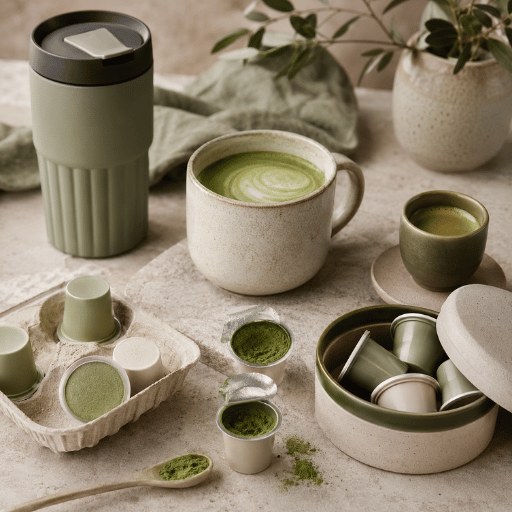
Pentru asistență, consultați mai jos Potrivirea obiectivului cu un selector de format și vedeți unde vă recomandăm să se alinieze situația în coloana din stânga (și a noastră) ghid complet matcha pod acoperă elementele de bază).Fiecare rând împerechează un obiectiv comun al cumpărătorului cu formatul care i se potrivește cel mai bine și cu un motiv pe o singură linie, astfel încât să vă puteți potrivi situația în câteva secunde.
| Scopul tău | Alege | De ce |
|---|---|---|
| Latte matcha lăptoasă zilnică | K-Cupa | Lapte praf încorporat + îndulcitor, mai mare se toarnă |
| Ritual pur în stil ceremonial | Nespresso OL | Mică, cea mai mare parte-pură doză, concentrat trage |
| Iced matcha de vară | Fie | Brew scurt, se toarnă peste gheață + lapte |
| Birou /gust mainstream din SUA | K-Cupa | Cea mai largă disponibilitate de vânzare cu amănuntul, dulceață familiară |
| Premium /selecție europeană | Nespresso OL | Cea mai adâncă gamă de tip boutique/DTC |
| Cel mai mic cost pe pod | K-Cupa | Preț principal mai ieftin (parțial îndulcitor) |
| Cea mai reală matcha pe gram | Nespresso OL (pur) | Mai puțină umplutură diluând matcha |
| Deţii un Keurig | K-Cupa | Format nativ, fără mașină nouă |
| Dețineți o linie originală Nespresso | Nespresso OL pod | Format nativ, păstăi de la terți abundente |
| Dețineți un Nespresso Vertuo | Nici unul (folosiți matcha liber) | Vertuo este închis pentru podurile terților |
Pentru mărci: producerea de păstăi Matcha în fiecare format, harta format-la-linie de umplere cu 9 rânduri
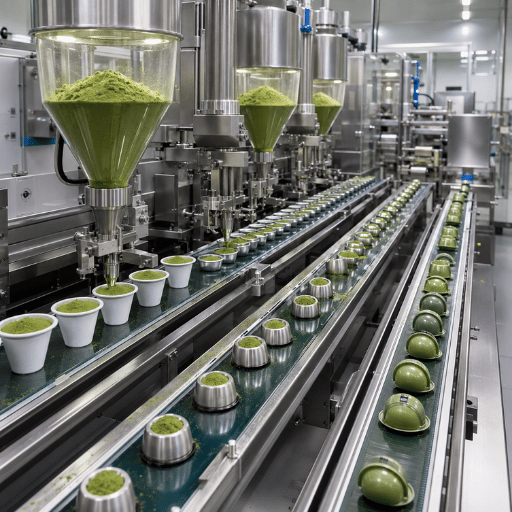
Iată un exemplu de Mapper Format to Filling Line. Pentru o marcă de băuturi în căutarea celui mai bun design de produs K-Cup sau Original Line matcha, Formatul este echivalent cu Producția. Aruncă o privire la format în raport cu greutatea tipică de umplere a fiecărui tip de mașină.
| Format | Umplere tipică | Exemplu mașină | Viteza de pornire |
|---|---|---|---|
| K-Cup (pur) | ~304 g matcha | K-Cupa linie de umplere/etanșare | 45 de păstăi de 50/min pe bandă |
| K-Cup (amestec de late) | ~5cane12 g (matcha + lapte praf + zahăr) | K-Cup line w/dozare multi-pulbere | 40 de păstăi de 600/min (1 benzi de 12) |
| Nespresso OL (pur) | ~2 oar2,5 g matcha | Umplutură capsulă Nespresso | ~70 păstăi/min |
| Dolce Gusto | ~6c12 g (bază latte) | Dolce Gusto umplutură | 100.400 păstăi/min |
| Multiformat (test run) | 2 cah12 g, dependent de format | Mașină multi-format RN1S | Lot mic, schimbare în câteva minute |
| Intrare cu o singură porție | 2uș5g | YM40 umplutură cu o singură porție | ~40 păstăi/min |
| Linie de mare volum | Orice format | Umplere completă de etanșare a căruțelor linie de cartonare | 100.600 păstăi/min |
| Este necesară precizia de umplere | ±0,1 g pentru doze pure mici | Dozare cântărire/servo-auger | Critic sub ~3 g |
| Pas prospețime | Controlul rezidual al O2 | Spălarea azotului înainte de sigilare | Protejează clorofila/L-teanina |
Având în vedere realitățile de producție ale ambelor formate, K-Cup are mai mult sens atunci când produce latte cu conținut de lapte și zahăr, deoarece cavitatea sa este mult mai mare decât păstăile Original Line și bine echipată pentru pulbere solubilă; nostru K-Cup de umplere și mașini de etanșare manipulați deja tipul lăptos.
„Matcha este mai dificil de umplut decât cafeaua dintr-un motiv simplu: o capsulă de cafea este tolerantă la 5–6 grame, dar o doză de matcha de 2 grame nu are marjă. Pulberea este atât de fină încât plutește și formează punți, așa că dozați după greutate, controlați electricitatea statică și praful și faceți spălare cu azot înainte de sigilare; altfel, culoarea și L-teanina se estompează înainte ca clientul să o prepare vreodată.”
Pentru a testa apa, o mașină multi-format, cum ar fi RN1S, care umple atât formatele K-cup, cât și Nespresso pe un singur cadru tiv vă permite să testați apele cu două formate înainte de o linie completă tiv și o umplutură YM40 cu o singură porție minimizează MOQ-urile de pornire. Când sosește volumul, producția acelui produs se termină la un maxim linia capsulei de cafea. Mașinile AFPAK sunt furnizate cu o garanție de 2 ani, iar cu timpi de construcție de obicei de 30-50 de zile, suportul de instalare și punere în funcțiune la fața locului poate fi efectuat de unul dintre inginerii noștri în 48 de ore.
Unde se îndreaptă Matcha Pods (Perspectiva 2026)
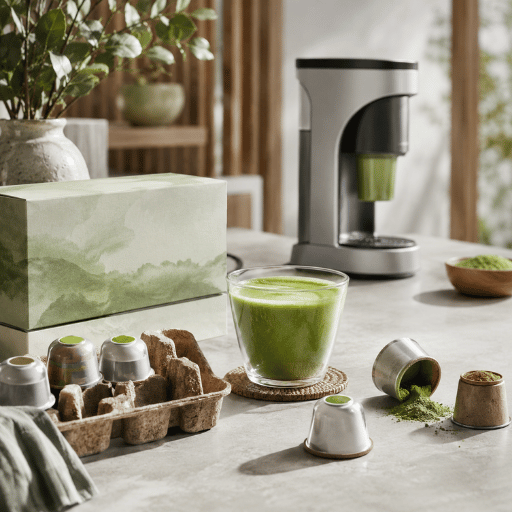
Ceea ce determină marea schimbare către 2026 nu este dimensiunea pieței, ci, mai degrabă, oferta. Boom-ul TikTok al popularității matcha s-a ciocnit cu condițiile strânse de recoltă japoneză și, până la sfârșitul anului 2025, am văzut o adevărată lipsă de matcha a apărut la sfârșitul anului 2025.
Japonia a raportat exporturi de ceai verde la aproximativ 42% volum crescut și aproximativ dublarea valorii din 2025 față de anul precedent – cererea de tencha (frunză cultivată la umbră) a fost atât de puternică încât nu a mai putut satisface cererea; iar frunza cultivată la umbră este ceea ce se bazează matcha. Această penurie poate acum să crească prețurile pe măsură ce consumatorii optează pentru Original Line, matcha mai pură, față de alternativele dulci, în stil latte, deoarece, în vremuri de penurie, oamenii caută cu adevărat matcha ceremonială pură pe care o pot sorbi și gusta.
Când luăm în considerare modul în care este formatat un produs matcha, este logic ca ambele să urmeze; în primul rând, natura extrem de sezonieră a pieței. După cum arată cercetările, căutările pentru produsele matcha pod sunt în general de 3 ori mai mari pentru cele făcute în iulie comparativ cu noiembrie și cererea va începe, în general, să atingă vârful din aprilie și mai până în august, asigurându-se că inventarul dvs. de capsule de cafea va trebui să pre-construiască, cu mult timp înainte. Dincolo de asta, cu oferta strânsă, formatul care are nevoie de cel mai mic matcha per ceașcă și, prin urmare, oferă cel mai mare profit față de creșterea prețurilor frunzelor ar fi probabil capsule de cafea matcha originale și pure, care dă, de asemenea, aproximativ 2 g până la 2,5 g per capsulă. Amintiți-vă, totuși, în timp ce aceste previziuni afirmă că ambele formate vor depăși capsulele de cafea până în 2026, ambele trebuie privite ca o prognoză secundară și, în timp ce unii pot vedea niveluri mai mari de creștere decât sugerează aceste titluri, adevărații factori ai vânzărilor vor veni sub forma furnizării matcha pentru vânzare.
Întrebări frecvente
Sunt K-Cups sau Nespresso păstăi mai bune pentru matcha?
Vezi răspunsul
Poți folosi păstăi matcha într-un Nespresso Vertuo?
Vezi răspunsul
Cât de mult matcha este într-o singură capsule de cafea, K-Cup vs Nespresso?
Vezi răspunsul
Păstăile matcha au un gust la fel de bun ca matcha teșită?
Vezi răspunsul
Pot să-mi fac sau să-mi etichetez propriile păstăi matcha?
Vezi răspunsul
Păstăile matcha sunt matcha reale sau un amestec de latte îndulcit?
Vezi răspunsul
Păstăile matcha sunt reciclabile sau compostabile?
Vezi răspunsul
Am detaliile capsulei mele K-Cup și Nespresso! Oferiți-ne detalii cu privire la volumul de producție preferat, doza specificată pe doză și producția dorită pe rulați K-Cup, Nespresso Original Line sau mașini duale sunt opțiuni pe care le putem adapta la doza dvs. de 2 g și 5 cerințe ultrafine de potrivire de 10 μm. Spuneți-ne formatul, doza și ieșirea dvs. și vom găsi o mașină de umplere și etanșare pentru păstăile dvs. matcha.
De ce am scris asta
AFPAK construiește mașinile de umplere și etanșare care pun matcha atât în păstăile K-Cup, cât și în Nespresso, așa că vedem întrebarea de format de la nivelul de producție, unde doza de 2 grame, pulberea de 5 ol10 μm și spălarea cu azot sunt probleme zilnice de inginerie, nu copie de marketing. Această comparație reflectă acest avantaj. Revizuit de echipa tehnică AFPAK.
Referințe și surse
- Beneficiile pentru sănătate și compoziția chimică a ceaiului verde MatchaPMC /Biblioteca Națională de Medicină
- Funcția de reducere a stresului a ceaiului verde MatchaPMC /Biblioteca Națională de Medicină
- Studiu de intervenție Matcha (EGCG/conținut de catechine)ScienceDirect, Journal of Functional Foods
- Capsulă și sistem pentru prepararea unei băuturi prin centrifugareUSPTO /Brevete Google
- Capsulă unidoză pentru băutură sub formă de pudrăUSPTO /Brevete Google
- Vine o lipsă de matcha pentru cea mai recentă obsesie a rețelelor socialeScufundare în lanțul de aprovizionare
- De ce capsulele terților funcționează numai în Nespresso Original LineChowhound


