Years of Excellence
Industry Specialists
Machine Patents
Machines Sold
More Than a Machine. It's Your Growth Engine.
Explore AFPAK's Top Coffee Capsule Filling Packaging Solutions
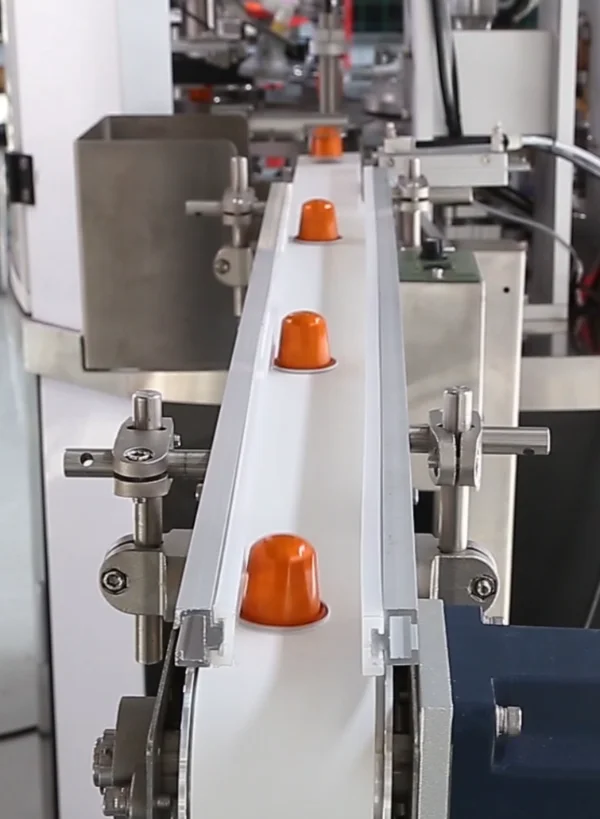
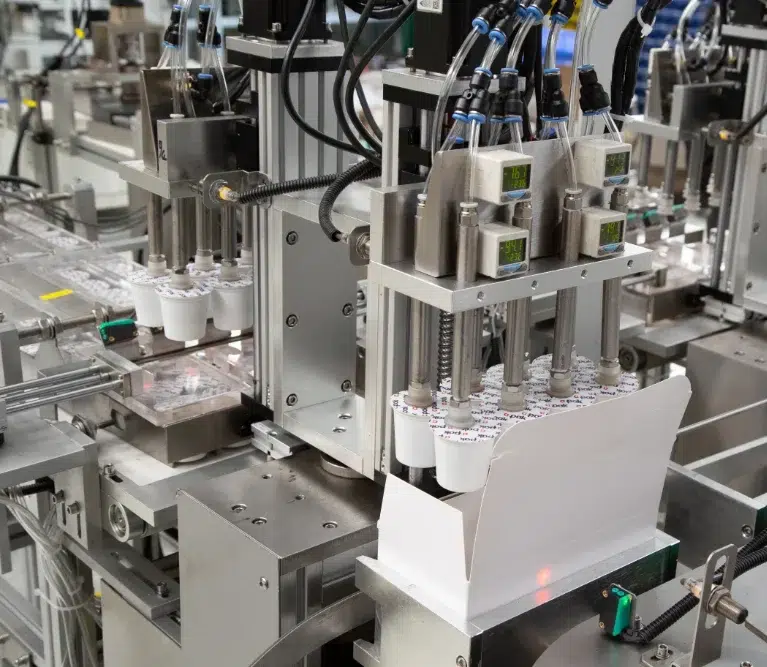
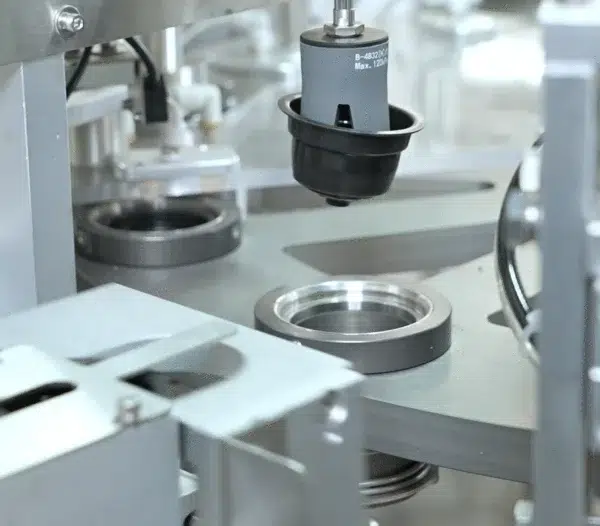
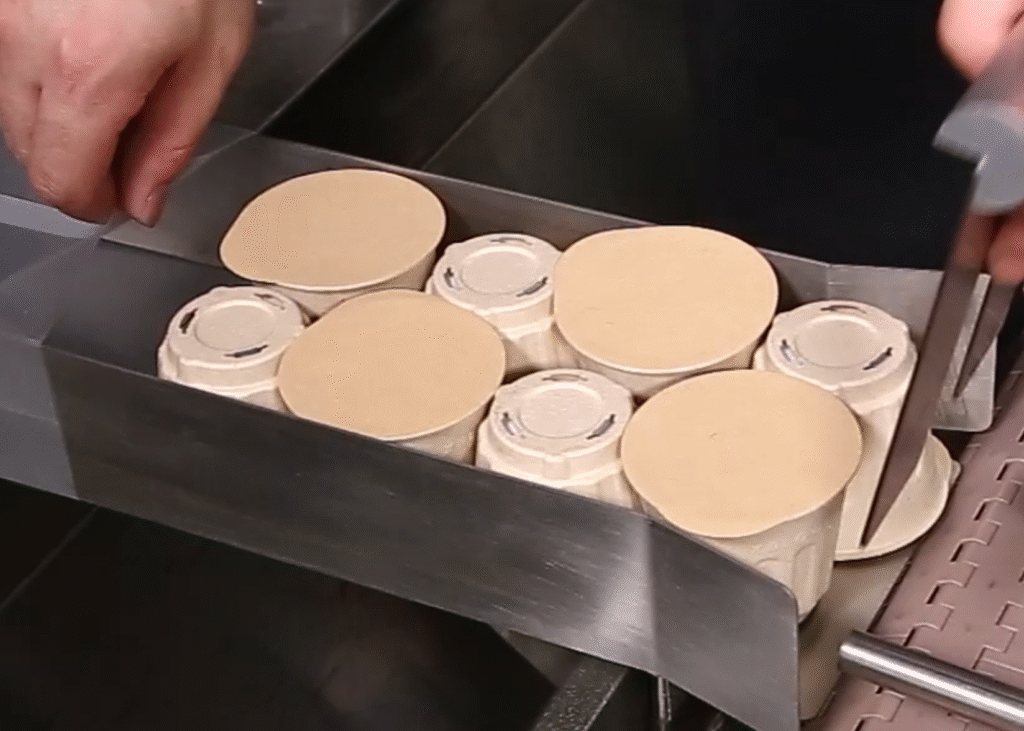
Built for Coffee Capsule Manufacturers
Empowering Roasters Since 2010.
AFPAK is a global leader in precision coffee capsule filling and packaging automation.
We don't just build machines; we engineer reliability.
From our state-of-the-art facility in Suzhou to your production floor, our team of dedicated experts ensures every machine delivers consistent quality and peak performance.
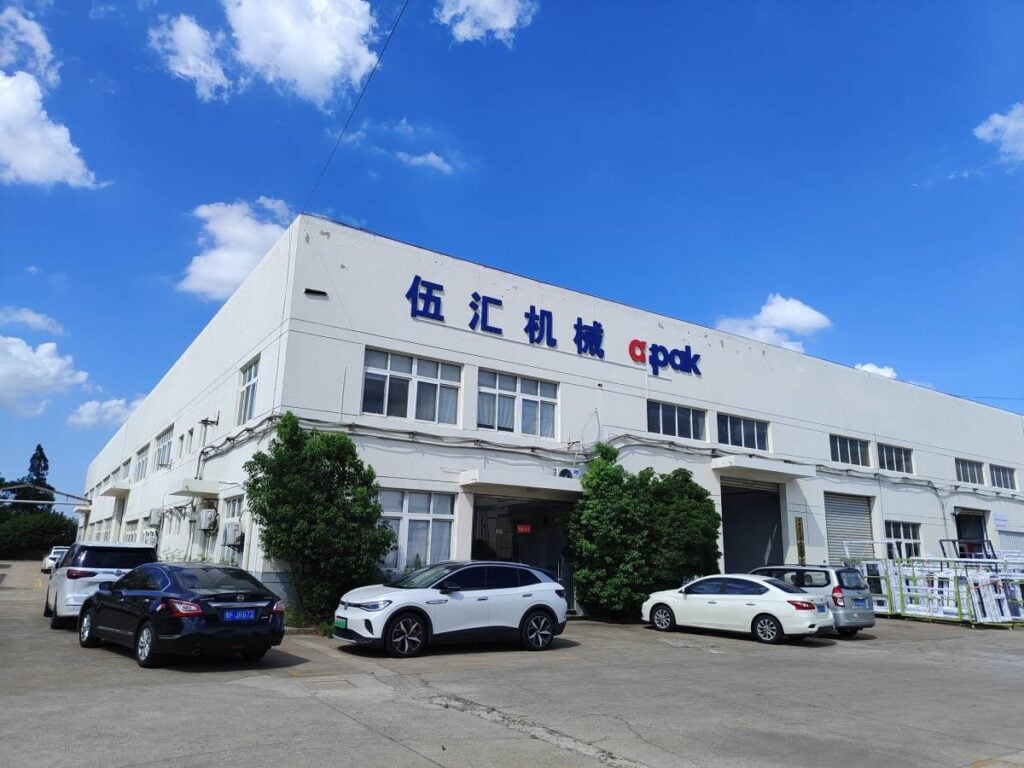
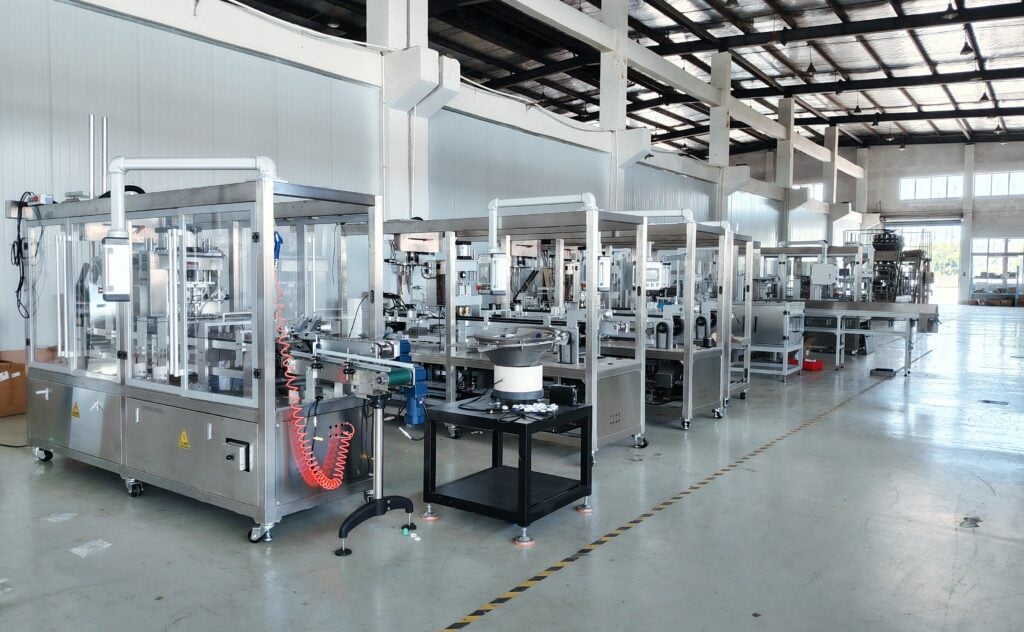
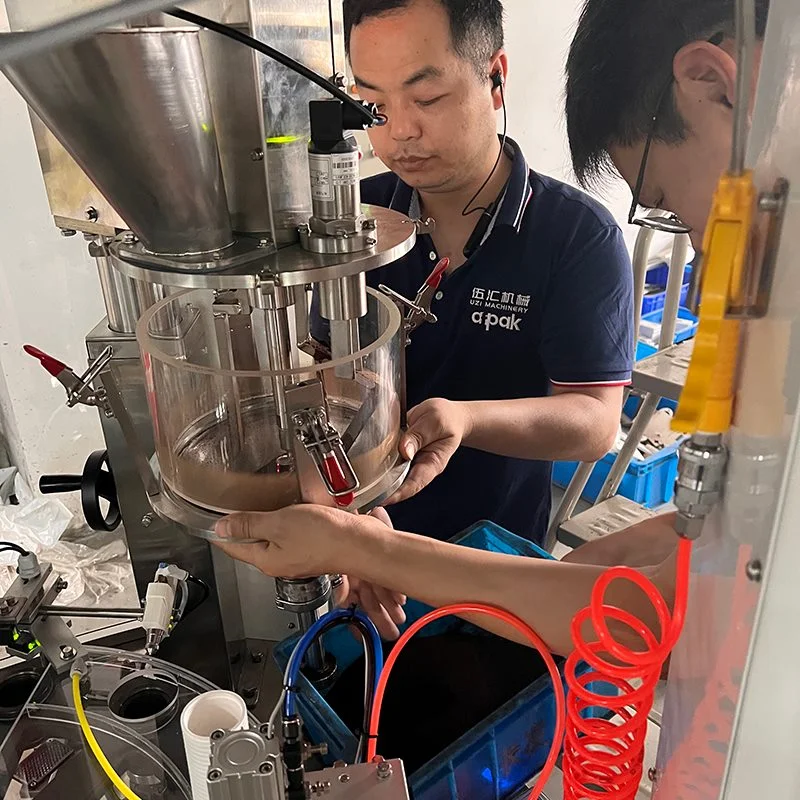

Trusted by 300+ Coffee Brands Worldwide
See what our partners have to say about their AFPAK experience.

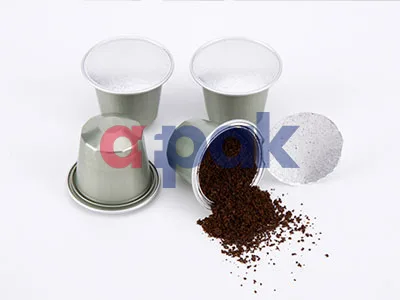


Thanks For The Supporting
we will continue to create more value for clients


Featured Equipment
Efficient filling and sealing machines can help you achieve better production results.
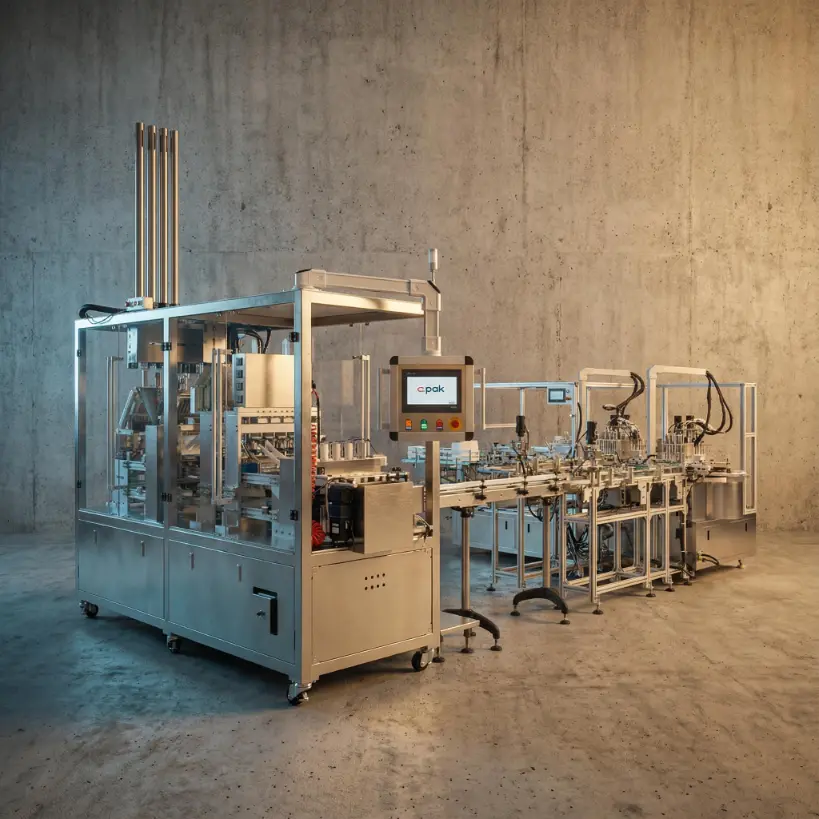
K cup Filling and Sealing Machines
2026 New Edition40-600 capsules per min (1-12 lanes available)
Learn More
From Cups to Cartons! One stop packing solutions
The most innovative and modern features offered to the filling industry for coffee products. You can also pack cocoa, soluble powders, and tea products
• 24-Hour Non-Stop Running • Accuracy: ±0.1g
• 1 to 8 Lanes Available • Speed: 45-50 CPM/Lane
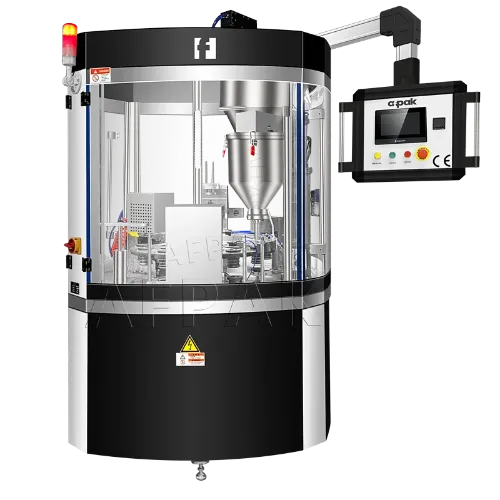
Dolce Gusto Filling Machines
The Newest VersionThe most suitable dolce gusto filling and sealing machine for Medium and Large businesses; 100-400 cpmin machines to choose.
This machine can fill Coffee granules, milk powder and Cocoa
• High efficiency • Reliable running
• High filling accuracy • 24 Hours Non-Stop Smart Running
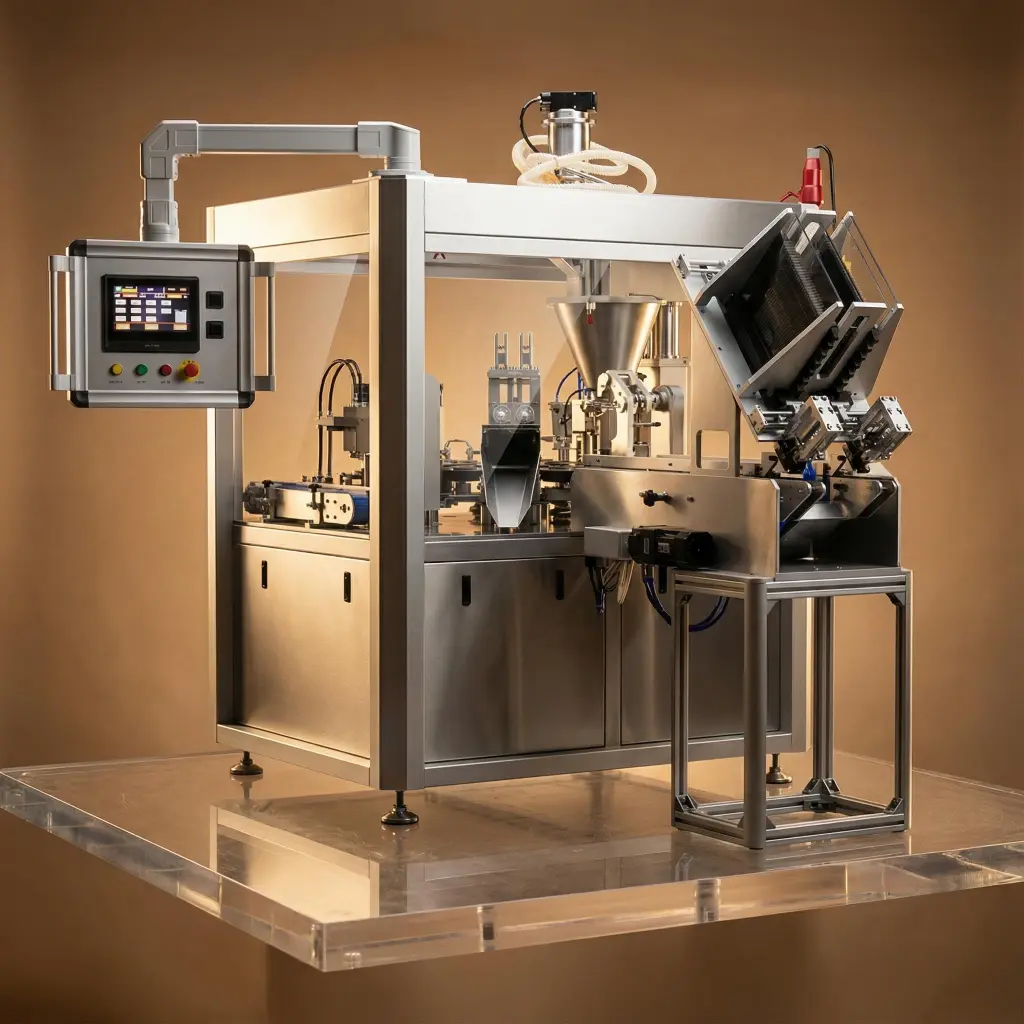
70 cpmin Nespresso coffee capsule Packing Machines
2026 New Features| The Best Seller for small business
One machine can produce many different capsules. Small layout but with fast speed• Flexibility • Ease of use • 30 mins change-over
• Automated and smart operationsLearn more
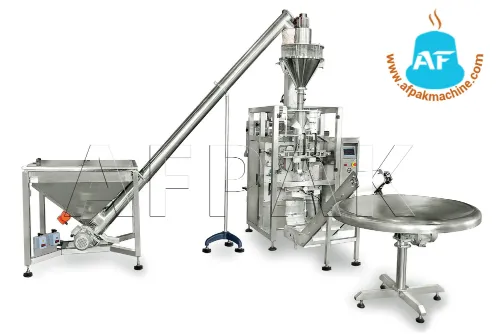
Coffee bag with Degassing valve Forming Filling Sealing Machines
The most suitable and popular machine to pack coffee into bags.
It can produce many coffee bags of different sizes.• Flexibility • Ease of use • Servo motor feed film • High accuracy fillingLearn more
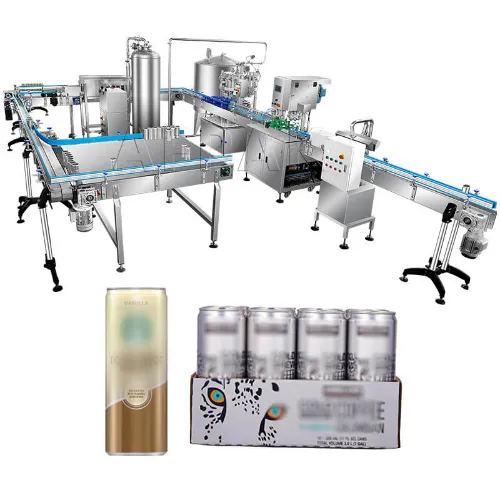
Cold brew coffee Cans Filling Packing Machines
This machine is designed for different sizes of cans of beans, granules and liquid and for carbonated drinks as well.
• Flexibility • Ease of use • 2-3 OperatorsLearn more
100-600 Cpmin Coffee Capsule Filling Packaging Machine Line
Specially designed to fill and seal Nespresso, K-cups, Lavazza, Dolce Gusto Capsules and then pack them into boxes.

The box types
We can customize equipment for you to package these boxes.
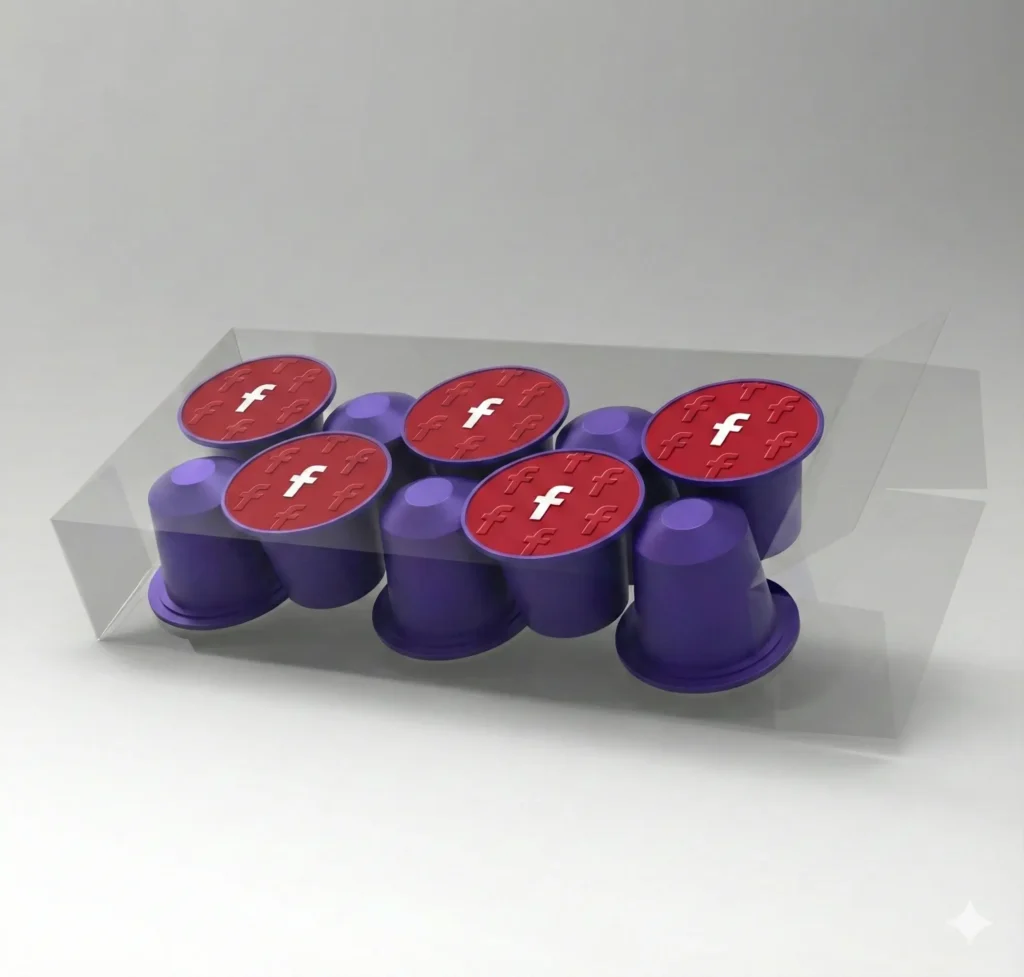
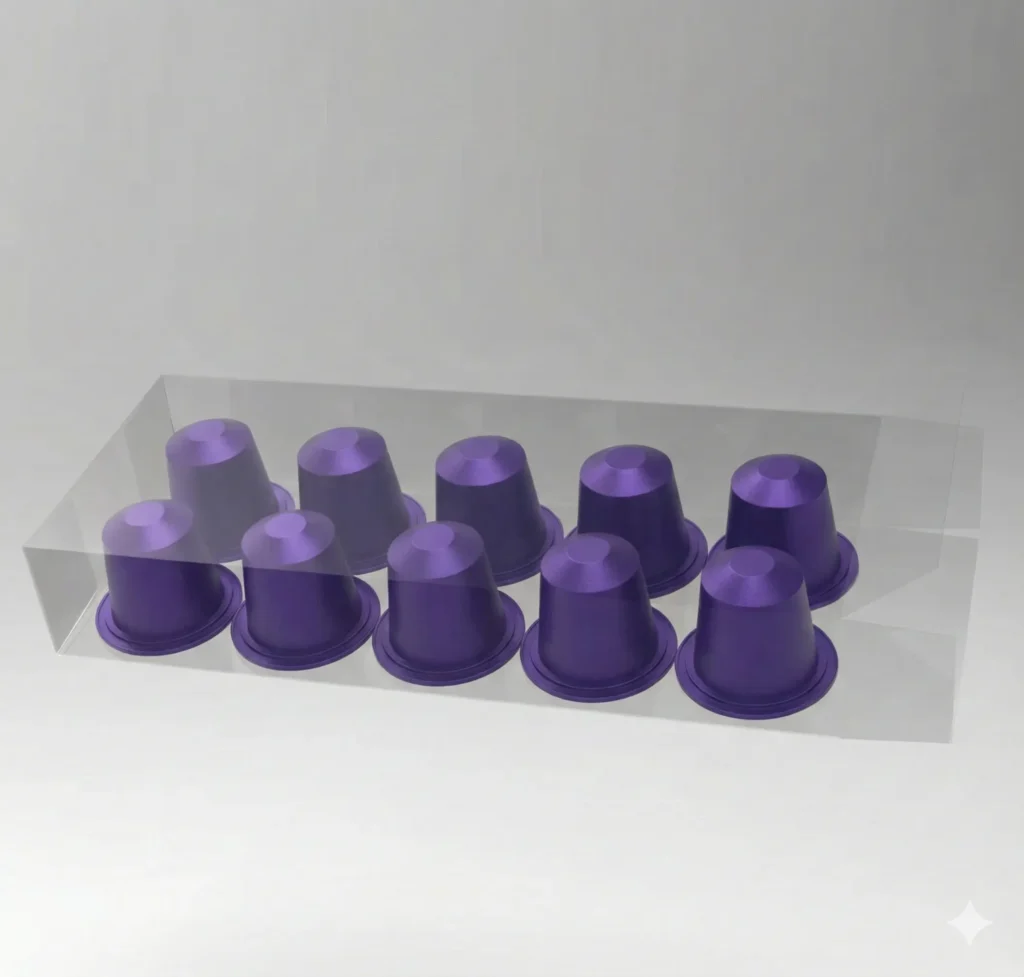
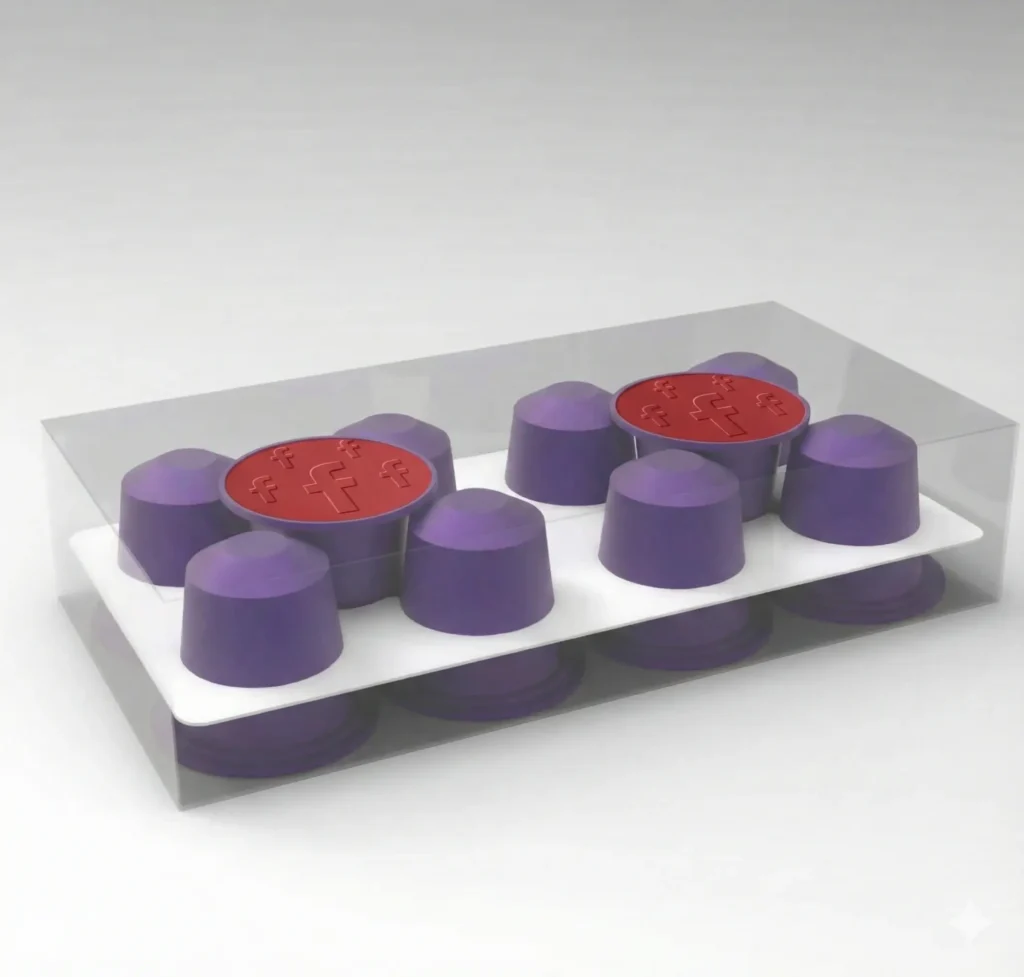
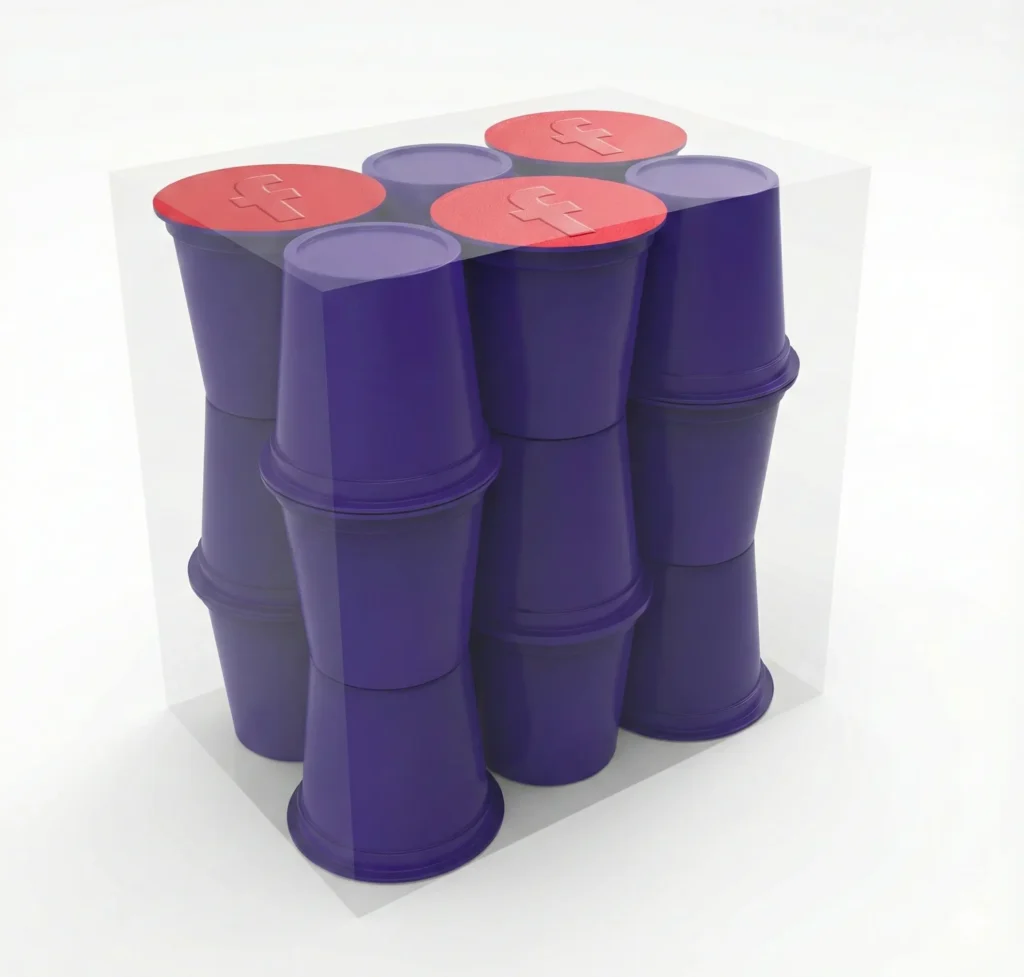
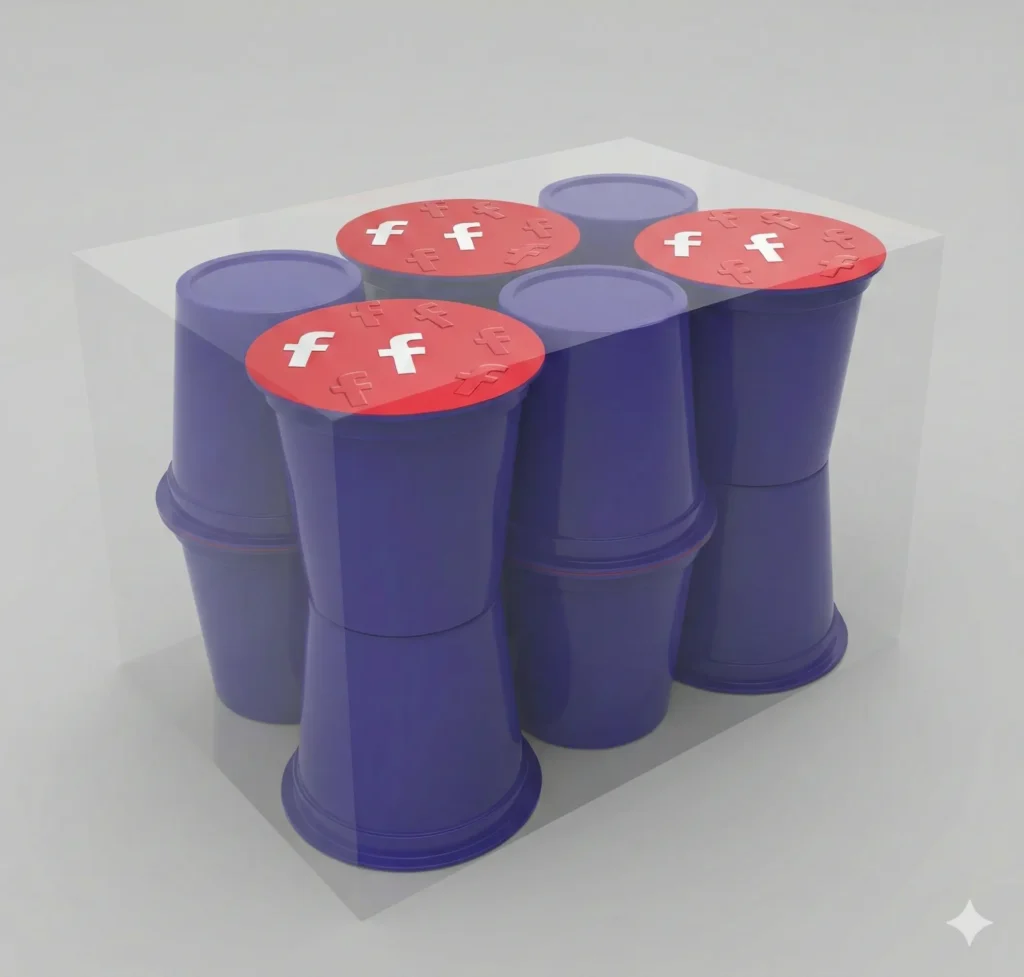
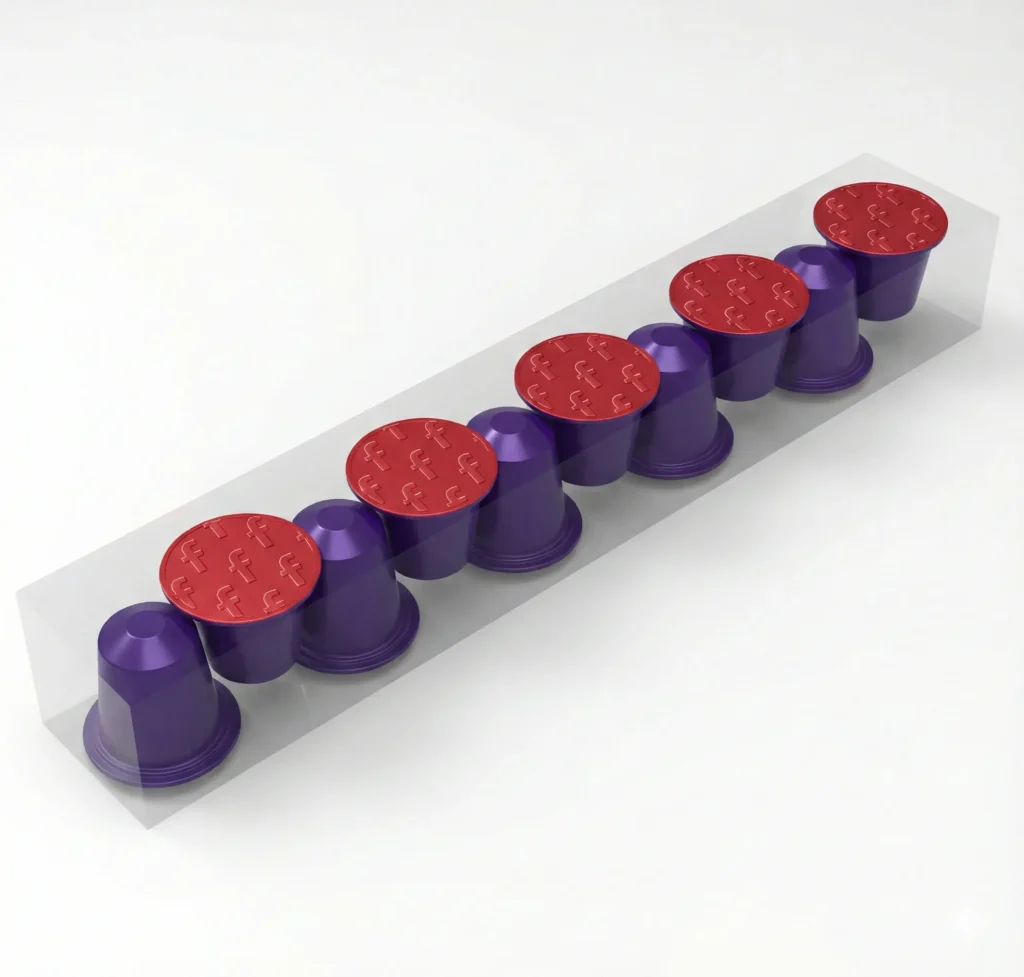
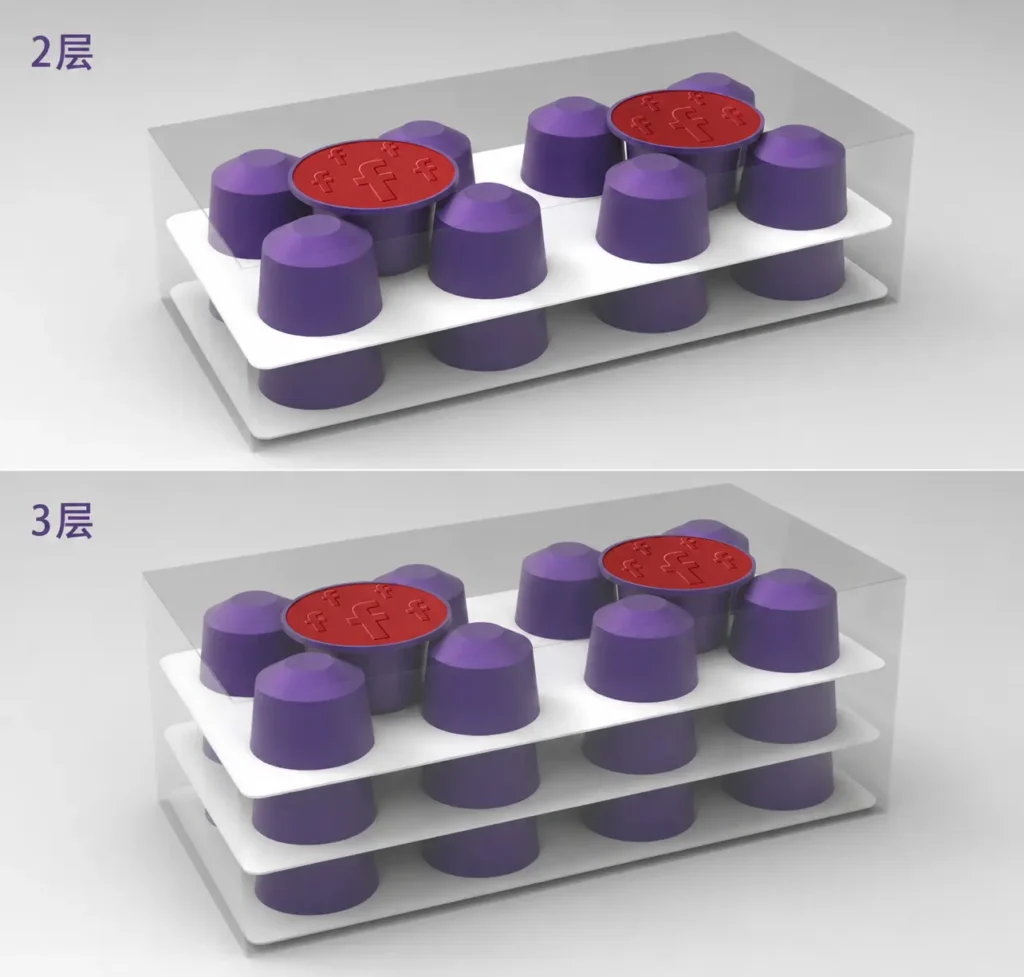
CUSTOMIZATION
The special packaging machines are designed to transform the requests of customers, who need customized solutions, into high-efficiency industrial plants that produce superior quality packaging.
DISCOVER MORE OF CUSTOMIZE PACKAGING SOLUTION
AFPAK's Case
Delivering higher-efficiency, more reliable capsule filling & packaging solutions for the world's leading coffee brands.
Proven Reliability for Over a Decade
With more than ten years of dedicated focus, AFPAK capsule filling and packaging systems are now successfully operating across three major North American markets:
• United States: From Alaska to Miami, our machines power over 100 coffee facilities across 30+ states.
• Canada: From Montreal in the east to Vancouver in the west, empowering numerous customers to efficiently produce their own private-label coffee capsules
• Mexico: Widely adopted by many leading coffee companies with outstanding performance and recognition
For over a decade, AFPAK has been delivering rock-solid, high-efficiency equipment that helps customers worldwide perfect every single capsule.
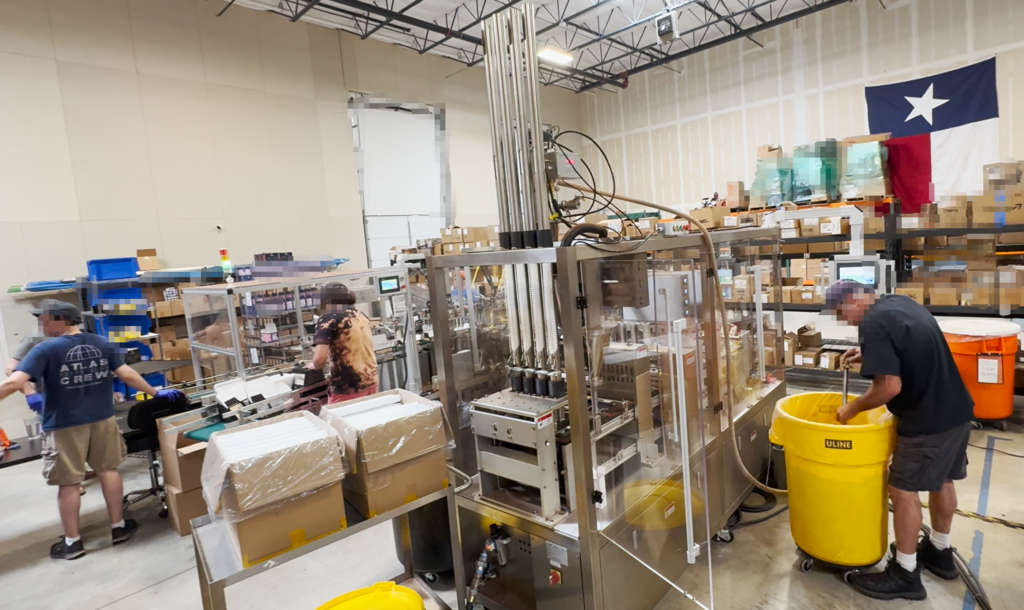
Trusted Partner Since 2012
Delivering CE-certified excellence to roasters in Italy, France, Germany, and beyond.
From Milan to Madrid, Paris to Berlin, London to Lisbon — our capsule filling and packaging systems are powering hundreds of production lines across the continent, enabling customers to launch and scale their private-label coffee capsule businesses faster, with superior speed, stability, and quality.
When Europe’s coffee brands need reliable, high-performance equipment, they choose AFPAK — the most trusted Chinese manufacturer in the industry.

The Leader in High-Growth Markets
Rapid deployment and localized solutions for the dynamic Asian coffee sector.
China: Offering the industry’s most comprehensive portfolio, covering virtually all major capsule formats (Nespresso, Dolce Gusto, K-Cup, Lavazza, etc.) to meet every personalized packaging need.
Middle East: Over 50 high-performance capsule filling & sealing machines delivered to customers in Saudi Arabia, UAE, Qatar, Kuwait, Oman and beyond.
East & Southeast Asia: Machines successfully operating in South Korea, Japan, Thailand, Singapore, Malaysia, Indonesia, India and more.
Far beyond coffee: Our equipment excels at filling and sealing tea capsules, milk powder capsules, probiotics, functional beverages and other solid products.
True custom development and rapid delivery — Asian customers get exactly the production line they need, built precisely for their product and market.

Home to the World’s Finest Coffee Beans – and AFPAK’s Next Strategic Focus
Africa produces some of the world’s best coffee beans and is rapidly emerging as a key processing hub.
AFPAK has already built a solid foundation:
South Africa: Years of deep presence with long-term partnerships at 10+ major coffee and Rooibos tea companies and rock-solid equipment performance.
North Africa: Significant installed base and excellent reputation in Algeria, Egypt, Tunisia, Morocco and beyond.
East Africa: Machines successfully running in origin countries including Kenya, Ethiopia, Uganda, Tanzania and more.
We want to help African partners turn their raw bean advantage into branded capsule success.
Africa will be AFPAK’s top strategic priority for investment and service in the coming decade.
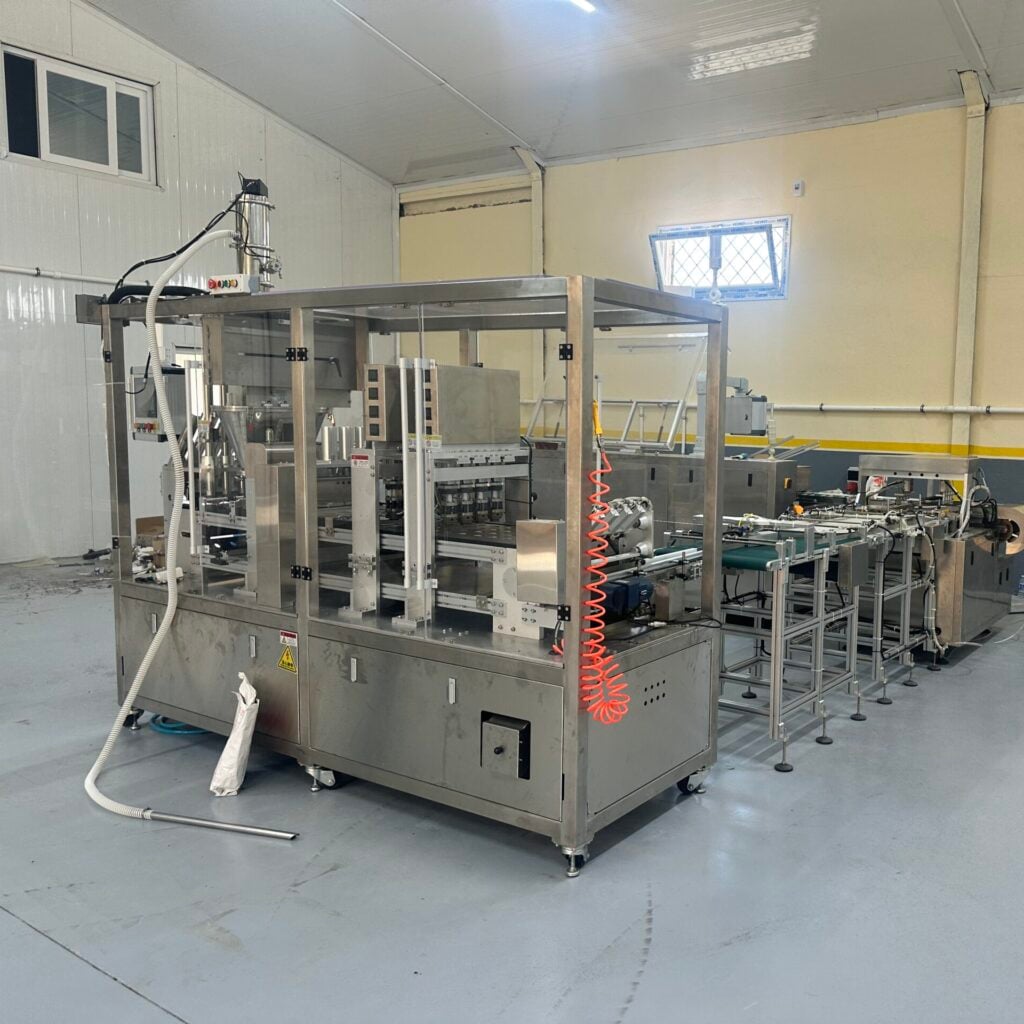
10-Year Partnerships and Growing
Oceania is a steady and high-potential market for AFPAK.
Australia: We have maintained close partnerships with key clients for over 10 years, with our machines running reliably from the first generation to the latest across Sydney, Melbourne, Brisbane, Perth and beyond.
Our core technical team holds valid Australian visas renewed for many consecutive years, enabling us to be on-site within 48 hours for installation, commissioning, upgrades, or emergency support.
New Zealand: The market is growing steadily, with machines already in successful operation in Auckland, Wellington and surrounding areas, and more projects in the pipeline.
From the land of kangaroos to the long white cloud, AFPAK is proud to be the most trusted long-term equipment partner for Oceania’s coffee brands.

The Heartland of Great Coffee, and a Market We Serve with Passion
Home to the world’s finest coffee origins, Central and South America has always been a strategically vital region for AFPAK, despite its vast geography and linguistic diversity.
Today, AFPAK capsule filling and packaging systems are successfully operating in:
Colombia, Brazil, Guatemala, Nicaragua, Peru, Chile, Argentina, and more.
From Bogotá to São Paulo, Antigua to Lima, we overcome distances and language barriers to deliver localized solutions, responsive technical support, and equipment of uncompromising quality.
We treasure every partnership in this region and are committed to helping Latin American customers turn their origin advantage into powerful branded capsule success.
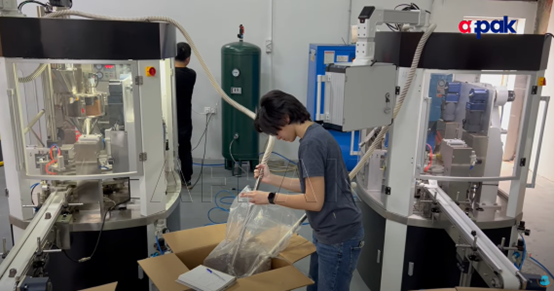
New Arrival Of Filling Packaging Machines

XKL18010 Automatic Drip Coffee Bag Packaging and Cartoning Line
Complete Drip Coffee PackagingA Complete Drip Coffee Bag Packaging LineThe XKL18010 is built for coffee roasters, private-label producers and contract…
Single-Serve Nespresso Capsule Filling & Cartoning machine | AFPAK
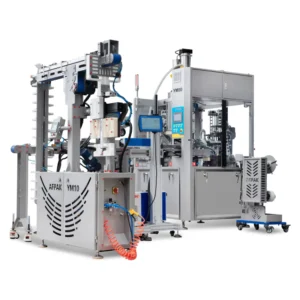
YM810 / YM1210 / YM1810Stable Capsule Filling. Pack with 1 Operator, Not 4–5.The AFPAK YM810, YM1210 and YM1810 lines pair…
Case Packer for Coffee Bags: 4-8 cases per minute
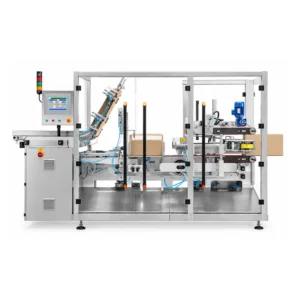
Form / Group / Load / Seal AF-C100 Automatic Case Packer for Coffee Bags Automatic bag flipping, counting & arrangement,…

DPP90 Communion cup filling & sealing machine 40-80 cpmin
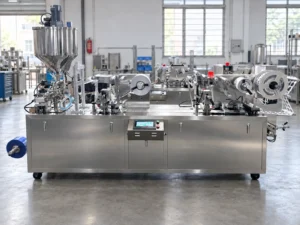
OverviewProcessHighlightsMachine GalleryConfigurationsSpecificationsVideoFAQ Thermoforming · Filling · SealingDPP90Communion CupFilling & Sealing MachineFrom PVC thermoforming and liquid filling to biscuit placement, secondary…
AF-VP500 Coffee Powder Vacuum Packing Machine 22-30 bags per min
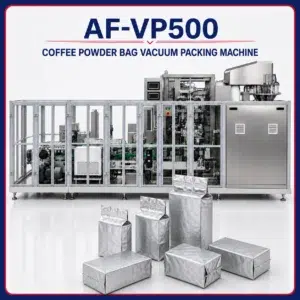
AFPAK AF-VP500Coffee powder in. Retail-ready vacuum bricks out.One automatic line forms, fills, compacts, vacuums and seals ground coffee into dense…
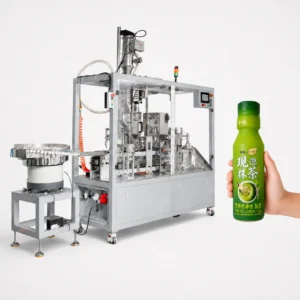
Automatic Powder Cap Filling & Sealing Machine | AFPAK
Customized powder-in-cap production for electrolyte powder, vitamins, probiotics, instant coffee and other functional beverage ingredients. The AFPAK H Series is…
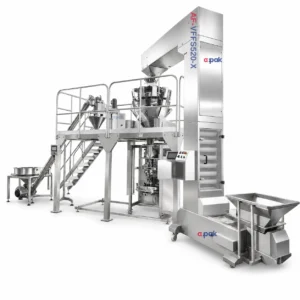
2-in-1 Coffee Bean & Ground Coffee Packaging Machine
One Packaging System for Two Coffee Products Whole coffee beans and ground coffee behave very differently during filling. Whole beans…

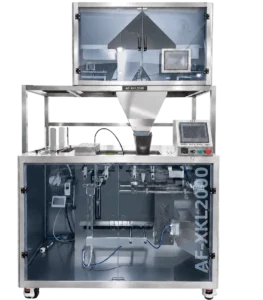
XKL2000 Automatic Premade Pouch Packing Machine for Coffee Beans
Automatic Coffee Bean Premade Pouch Packaging Machine Automatic weighing, filling and sealing solution for 100–1000g coffee bean bags The AFPAK…
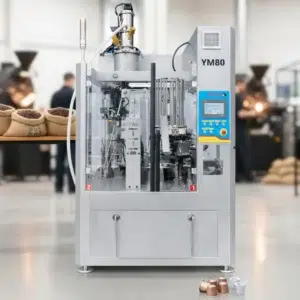
YM Series Coffee Capsule Filling Machine | 60-320 CPM | Full Mechanical | The Ultimate Stability Solution for High-End Production
AFPAK YM Series Mechanical precision.Built to keep producing. A cam-driven coffee capsule filling and sealing platform for medium and large…

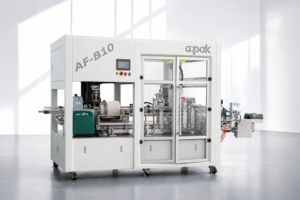
B10 K cup Cartoner Packaging Machine | 12-18-24 counts K cup boxes | Customized Solution
The B10 K Cup cartoner packaging machine is a newly developed K-cup packaging solution that can quickly adjust to produce…

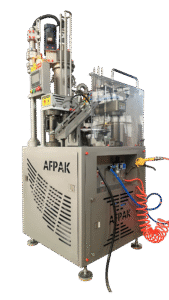
YM40 Single serve coffee pods filling machine | 40 caps per min | K cups & Nespresso capsules
Compact Automatic Capsule Production AF-YM40 Compact Rotary Coffee Capsule Filling & Sealing Machine A lower-investment way to move from manual…

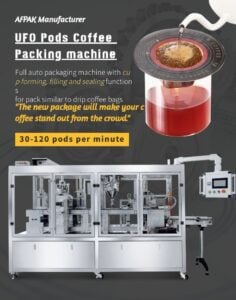
H1 UFO drip coffee packaging machine: 30-50 bags per minute
The AFPAK H-series UFO drip coffee packaging machine is a newly designed multi-functional fully automatic coffee filling and sealing device.…
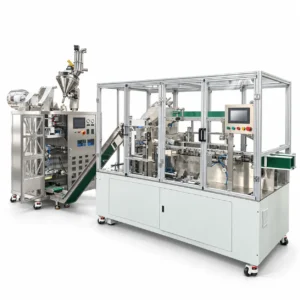
Frequently Asked Questions
You can find answers to some of the most frequently asked questions here, so feel free to send us a message if you do not find what you are looking for.
15+ Years of Coffee Packaging Expertise, Trusted by 300+ Customers Worldwide
Since 2010, AFPAK has been helping coffee businesses in 80+ countries build more efficient and reliable packaging production lines.
From coffee capsules, stick packs, sachets, cans, to cartons, AFPAK delivers high-end coffee packaging equipment and turnkey solutions designed to improve:
✔ Production Efficiency
✔ Filling Accuracy
✔ Packaging Appearance
✔ Machine Reliability
Whether you are a startup roaster or a large-scale coffee manufacturer, AFPAK provides professional packaging solutions tailored to your production needs.
Premium Coffee Packaging Solutions — Built for Performance, Precision, and Growth.
We use the items and information described below to quote suitable machines for your product:
AFPAK takes care of every part of the manufacturing process. And most importantly quality. We ensure that the machines we’ve produced meet the standards you’ve defined. Our confidence comes from the feedback from our existing customers, all of whom have become AFPAK’s most loyal friends.
Absolutely. Sincerely welcome! Visiting the AFPAK factory can be beneficial and interesting, but it is by no means required. We have many customers that visit our factory annually. But we also have other customers that have never stepped foot in China.
Normally our Order Lead Time is 30-50 working days.
Our Global quality warranty is 2 years!
All the machines are already installed and tested before shipping. When you get the machine, you can run it easily.
we offer video/book step-by-step manuals to help you run the coffee capsule filling machines. and we can also send you the technicians to your factory if you need them.
Videos and manuals are offered to help you run the coffee capsule filling machines. Our technicians can visit your factory if necessary.
Video/Voice Call is available at any time. Our well-trained experts will solve your problems rapidly.
It is our great pleasure to help you to start up and run the machines smoothly!
To help you achieve your business success is our greatest motivation.
Read Our Blog
The latest news from AFPAK about coffee packaging technologies and industry trends.
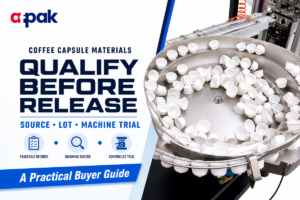
Coffee Capsule Incoming Material Qualification: 3 Release Decisions
Coffee capsule incoming material qualification ties a supplier’s material specification to the lot you receive and the filling line that will use it. A clean-looking capsule and a lid that…
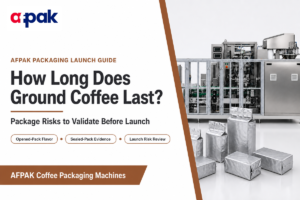
How Long Does Ground Coffee Last? Packaging Risks to Review Before Launch
How long does ground coffee last refers to more than one clock. After opening, a conservative rule of thumb is about one to two weeks when flavor is the priority.…

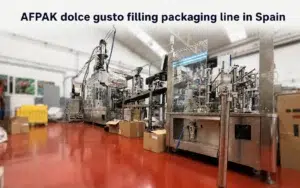
Dolce Gusto Production Line Expansion 2-Lane to 4-Lane Case Study in Spain Spain Dolce Gusto Production Line Case Study
From a 2-Lane Pilot to a Dual-Line Dolce Gusto Facility How a Spanish coffee producer scaled Dolce Gusto capsule production with AFPAK — twice. Explore AFPAK’s complete range of Dolce…
How to Make Your Own Machine
In just four steps, quickly acquire the equipment you desire.
Tell us your need
Please inform us of your detailed requirements, Including cup type, capacity, machine speed, etc.Get Fast Quote
Within a few hours we'll send you the detailed machine information and real-time pricing.Build your machines
Once you review your quote and place your order, we'll start the manufacturing process.Machines shipped
we can make your machines as fast as 4 weeks. and worldwide delivery is available
Start Your Coffee Capsule Project with AFPAK Now!
Tell us your capsule type, output requirement, and packaging goal. Our team will recommend the most suitable solution for your production needs.