
Balící stroj na kávové kapsle (Coffee Capsule Packaging Machine) (Jak vybrat správný plnicí a těsnící stroj pro vaši výrobní linku)
Rychlé specifikace na první pohled
| Velikost trhu (2025) | $16,42 miliardy globálně |
| Tempo růstu | 8.3% CAGR do roku 2029 |
| Lineární rychlost | 20 80 kapslí za minutu |
| Rotační rychlost | 100 500+ kapslí za minutu |
| Rozsah hmotnosti výplně | 5,15 g na kapsli |
| Ceny na vstupní úrovni | Od $6 000 |
| Kompatibilní formáty | Nespresso, K-Cup, Dolce Gusto, Lavazza |
Vaření kávy na jedno podání nyní odpovídá za 42% všech preferencí vaření piva podle zprávy NCA z jara 2025, kdy kapsle mají v tomto segmentu impozantní podíl 51,881 TP3T. Vzhledem k tomu, že světový trh kávových kapslí dosáhl v roce 2025 odhadem 1 TP4T16,42 miliardy (8,31 TP3T CAGR), požadavky na spolehlivé zařízení strojů na plnění a uzavírání kávových kapslí také dosáhly historického maxima. Pokud zakládáte značku soukromé značky nebo rozšiřujete stávající provoz coffee-to-go, váš výběr kávového kapslového automatu určí vaši cenu za kapsli, jednotnost trvanlivosti a schopnost splnit maloobchodní standardy kvality.
Zde je podrobný průvodce, který vám pomůže s výběrem od typů strojů po komponenty, které obsahují, až po počáteční ceny a úvahy o údržbě.
Co je balicí stroj na kávové kapsle a jak funguje?
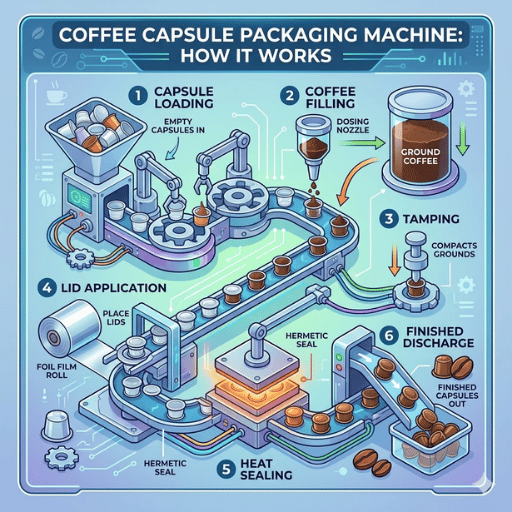
Stroj na balení kapslí je integrovaný, automatizovaný systém, který provádí několik kroků při vývoji čerstvě pražené kávové kapsle na jedno podání Následující kroky běžně provádí stroj na balení kávových kapslí: dávkujte mletou kávu do kapslí, naplňte a zarovnejte prášek do požadované hustoty, hermeticky uzavřete kapsli v kontrolovaném okolním prostředí, nasaďte a utěsněte kapsle a přepravujte kapsle po výrobní lince. Provozovatelé kávy označují tento systém různě jako stroj na plnění kávových kapslí, uzavírač kapslí nebo plnicí a těsnící stroj, ale plní stejnou základní funkci: vezměte hromadně praženou kávu a přeměňte ji na soukromé kávové kapsle připravené na trh s řízenou porcí, které mají prodlouženou trvanlivost.
Všechny provozní cykly probíhají ve známém pořadí Nejdříve se prázdné (buď předem vytvarované nebo inline tepelně tvarované) kapsle automaticky přenesou na dopravník nebo věž Dále plnicí stanice dávkuje zvážené množství mleté kávy (obvykle 5-15 gramů) na šnekovou náplň, dávkovací systém přesný na ± 0,1 g.
Profesionálové v oblasti dávkování uvedli, že šnekové dávkování oproti objemovému je lepší pro jemně mletou kávu, protože šnekový dávkovač se přizpůsobí změnám sypné hmotnosti vyplývajícím ze stupně pražení a velikosti mletí.
Po naplnění může být káva zhutněna pěchovací stanicí Potvrďte pěchovací sílu a hloubku pro geometrii kapsle a recept na kávu u dodavatele zařízení Je důležité si uvědomit, že pokud dojde k příliš velkému odpichu, extrakce může být ohrožena, protože voda nepronikne kapslí po uvaření. Následně prochází stanicí proplachování dusíkem, kde je kyslík v horním prostoru nahrazen inertními plyny.
Výzkum obalů Rovema NA označuje, že uvedení zbytkových hladin kyslíku pod 31 TP3 T může mít za následek prodloužení doby použitelnosti o 6-12 měsíců, přibližně 2 x delší než kapsle balené dusíkem, nebo7.
Nakonec se na okraj kapsle tepelně utěsní/ultrasonicky přivaří víko nebo fólie. Když je jednotka dokončena, po průchodu stanicí pro kontrolu zraku je vyřazena a přesunuta do sekundárního balení. Na vysokorychlostních rotačních linkách je doba celého cyklu pod 1 sekundou.
Typy strojů na plnění a uzavírání kávových kapslí
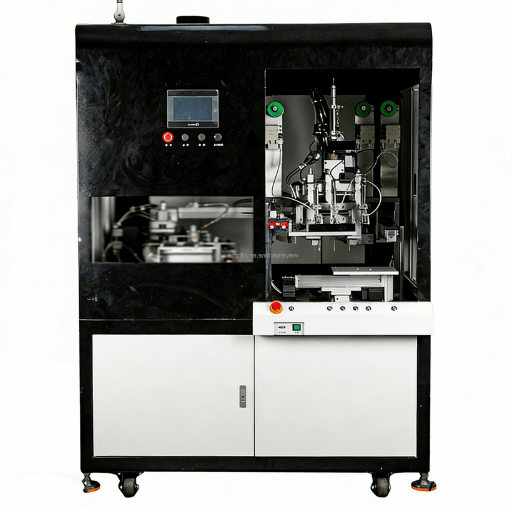
Prvním krokem volby architektury stroje.1 v projektu kapslové linky je výběr správného přístupu pro vaši výrobu. Existují tři marketingové kategorie, poloautomatický, automatický lineární a automatický rotační kabel, z nichž každá vyrovnává výrobní kapacitu proti investicím při spuštění jinak. Níže je uveden srovnávací graf spolu s určitým kontextem, kdy je každé řešení použitelné.
| Funkce | Poloautomatický | Automatické Lineární | Automatické Rotační |
|---|---|---|---|
| Rychlost | 50 100 kapslí/hod | 20,80 CPM | 100 500+ CPM |
| Úroveň automatizace | Ruční vkládání kapslí | Plně automatický | Plně automatický |
| Nejlepší Pro | Laboratoř, výzkum a vývoj, mikropražírny | Startupy, střední díl | Velkoobjemová automatická výroba kávy |
| Cenové rozpětí | $6,000 th$15,000 | $25,000 th$50,000 | $80,000 th$250,000+ |
| Proplachování dusíkem | Volitelný doplněk | Standardní | Pokročilý víceřádkový |
| Flexibilita formátu | Jednotný formát | 1 Formáty z 2 s nástroji | Multiformátový |
Poloautomatické těsnicí stroje
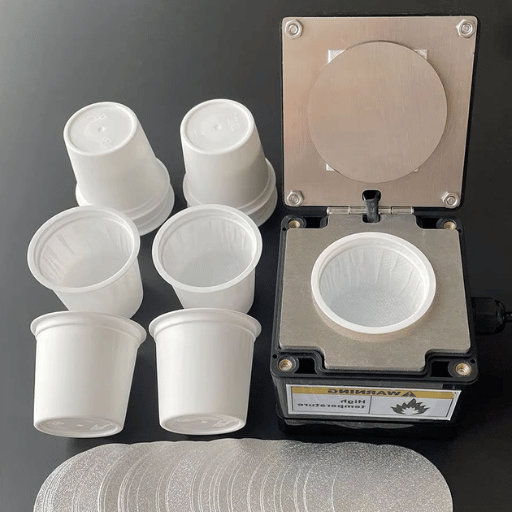
Poloautomatické tmely se používají s tepelně zatavenými (fóliemi podloženými) uzávěry při poměrně nízkých výstupních objemech pro hnětené dávkované směsi, kde obsluha stále potřebuje naložit každou kapsli. Tento roztok poskytuje mezi 50-100 kapslemi za hodinu. Tato možnost má smysl pro mikropražírny experimentující se směsmi, laboratoře formulující nové přísady nebo butikové malosériové značky, které pohybují méně než 5 000 kapslí za měsíc.
Automatické lineární plnicí stroje
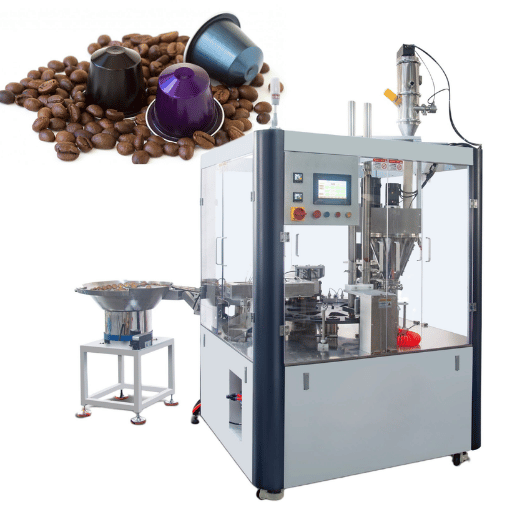
Automatické lineární plnicí stroje prokazatelně efektivně zvládají středně dávkovou výrobu až do 80 kapslí/min. Tato konstrukce orientuje několik modulů podél uličky, od vakuově napájených misek pro orientaci kapslí, po dekapry, jednohlavé naklápěcí šnekové plniva, pěchovací, plnicí a tepelně svařovací stanice. Je upřednostňována novými značkami, které plánují velký příchod do národních maloobchodníků během prvních několika let vývoje trhu.
Automatické rotační stroje
Automatické rotační nakládací systémy mají věž nebo karusel kolem všech výše uvedených plnicích modulů (plus dusíkové proplachovací hlavy), takže linka zahrnuje souběžnou, kontinuální výrobu pohybu rychlostí 20 až 80 kapslí za minutu, s přidáním rotační věže je nyní možná vyšší rychlost výroby až 300 CPM s předním průmyslovým designem robotických věží AFPak. Mezinárodní výrobci investovali do rotačních stylů pro účastníky trhu z konce století a zaznamenali úspěch. Koneckonců, pro velké zakázky na zakázky jsou nutné rychlé stroje.
Klíčové součásti balicího stroje na kávové lusky
Každý jednotlivý modul ve vámi zvoleném řešení ovlivňuje vaši schopnost získat úroveň kvality i kapacity, po které toužíte. Nejprve se podívejte na konfiguraci plnicí linky se šesti kroky, kterou v současnosti používá většina moderních výrobců kávových kapslí.
Systém podávání kapslí 4 Každá kapsle je jednotlivě transportována do plnicí polohy pomocí vibrační misky nebo orientačního prvku balení zásobníku, který udržuje zaseknutí a zarážky linky pod 41 TP3T OEE v provozuschopnosti.
Auger Plnicí Modul (Auger Filling Module) 2.00 Přesné servopoháněné šneky dávkují 5-15 g kávy do každé kapsle s přesností a opakovatelností 0,1 g, proti on-line kontrolní váze.
Pěchovací stanice 6. Lůžko espressa je za mokra pěchováno servo nebo pneumatickým pístovým lisem při konzistentních 10-15 kg/cm. Tento typický lis zajišťuje homogenní rozložení hustoty pro rovnoměrnou extrakci a žádné rozkvět okrajů.
Systém proplachování dusíku a vícehlavé vstřikovací hlavy dusíku posílají inertní dusík do každého prostoru hlavy kapsle a nahrazují přítomný kyslík. Zastánce splachování dusíkem CTOFC doporučuje nahradit zbytkový kyslík na méně než 31 TP3 T při skladování pražené kávy delší dobu, otevřené nebo ne.
Těsnicí hlava (Sealing Head) 2 ks Složené nebo hliníkové víčka jsou přivařeny k oplachu otevřené kapsle časově testovanými tepelně svařovacími nebo ultrazvukovými sestavami svarových hlav. Celková integrita by měla být ověřena zkouškami prasknutí a odlupovacími zkouškami při každém spuštění směny, aby se zabránilo konstrukčním poruchám.
Kontrola vidění a odmítnutí [Inspekce a odmítnutí obrazu snímače zachycující obraz zobrazují každé víko, zatímco odstranění nesprávně naplněných nebo sestavených kapslí je dosaženo pomocí systémů vyřazování namontovaných na rameni nebo in-line.
Jaké faktory ovlivňují cenu balicího stroje na kávové kapsle?
Náklady na vlastnictví se týkají pouze počáteční kupní ceny Profesionální operátoři odhadují výrobní náklady na dodatečný čas na údržbu, doplňování, energii a prostoje kolem 25-40%. Vědět, jaké budou náklady, takže vaše očekávání jsou realistická a porovnat nabídky prodejců jako jablka s jablky.
Přehled cenové úrovně
| Úroveň | Cenové rozpětí | Rychlost | Typický Kupující |
|---|---|---|---|
| Vstup | $6,000 th$15,000 | 50 100/hod | Mikropražírny, výzkum a vývoj |
| Střední rozsah | $25,000 th$50,000 | 20,80 CPM | Rostoucí značky, co-packers |
| High-End | $80,000 th$250,000+ | 100 500+ CPM | Národní značky, private-label |
Klíčové náklady jsou hnací silou nad rámec kupní ceny
1. Rychlost a kapacita 1. Vpředu vám stroj s 200 CPM poběží o tisíce více než 40 CPM, ale cena za kapsli se zhroutí, když běží dlouho po CPM 2000. Před výběrem kategorie určete svůj rovnovážný objem.
2. Flexibilita formátu 2. Víceformátové stroje, které dokážou chrlit Nespresso, K-Cup, Dolce Gusto a Lavazza ve zlomku času jednoformátových protějšků, mohou stát o 15-30%+ více.
Specifikace systému 3.N2 (Systémové specifikace) 3.N2 Zařízení vstupní třídy ideálně sportuje pouze 1 vstřikovací a 1 dusíkovou trysku, zatímco rám výrobní třídy může mít 8+ linek s regulátory průtoku Samotný plynový systém představuje 10-15% celkových nákladů na stroj.
4. Servis a díly 2. Týdenní čištění kontaktních dílů a přístupových bodů operátora, periodická kontrola těsnění a pružin pistolí a periodická kalibrace jsou minimum. Rozpočet 3-5% skutečných nákladů na vybavení ročně na plánované náhradní díly údržby, čas.
5. Integrace zařízení a pomocná zařízení, horní brusky, generátor dusíku, následné baličky pouzder a kartonery posouvají celkové náklady na linku ještě výše. Kompletní plnicí/balicí linka na klíč je často 2-3x vyšší než náklady na samotnou baličku.
Jak vybrat správný stroj na plnění kávových kapslí 6-krokový rámec výběru
Rychlost jednoho sloupce + cena je nejběžnějším měřítkem kupujících porovnávají stroje. Intuitivně si buď koupí kus, který je předimenzovaný na kapacitu, kterou potřebují, a ten je nevyužitý, nebo si koupí systém, který není schopen expandovat. Můj základní rámec (odvozený z průřezu desítek instalací kapslí, v současnosti se módou pokouší řešit šest faktorů, které ovlivňují nejvíce.
Krok 1: Definujte svou objemovou trajektorii
Zmapujte svou aktuální měsíční spotřebu kapslí a předpovídejte 12, 24 a 36 měsíců předem Studie ukazují, že účastníci v segmentu s jedním servisem mají tendenci přivést novou značku pod potřeby druhého roku o 30-50%. Vyberte 1,52 x vyšší rychlost roku 1 pro dlouhodobou poptávku bez upgradu vaší linky.
Krok 2: Vyberte formát (y) kapsle
Rozhodněte, zda je nutná flexibilita formátu (tj. K-Cup, Dolce Gusto, Lavazza,) nebo zda je dostatečný jediný formát (Nespresso Original Capsule).Flexibilní formáty vyžadují nástroje pro rychlou výměnu a další pohyb v prostoru nad hlavou, zatímco více formátů přináší více řádkových kapitálových investic. Pokud obsluhuje evropský i severoamerický trh, upřednostňují se víceformátová řešení pro plnění kapslí.
Krok 3: Určete své cíle kvality
Definujte jasné kvantitativní specifikace pro hmotnost náplně (+/0,1 g), zbytkový O2 (<3%) a pevnost odlupování těsnění (na poskytovatele kapslí).Vaše odpověď vám pomůže určit, která, pokud existuje, součást, kterou používáte ve strojním centru, je nezbytná.
Krok 4: Vyhodnoťte systém proplachování dusíku
Dusíkové systémy nejsou všechny stejné. Vyžádejte si ověřená data zbytkových testů O2 od dodavatelů při požadované rychlosti. Stroj, který běžně udržuje 2% O2 při 30 CPM, může testovat při 5% při 60 CPM.
Pokud trh kávových kapslí roste podle předpovědi Soudržné tržní poznatky v níže uvedeném grafu se zvýšení konzistence skladovatelnosti stane požadavkem pro schválení seznamu maloobchodníků a výkon dusíku bude obchodním požadavkem, nikoli pouze preferencí kvality.
Krok 5: Posoudit poprodejní podporu
Prostoje na lince kapslí stojí peníze. Zvažte pro každého výrobce zařízení jejich kapacitu náhradních dílů (ve vyhrazeném skladu ve stejné oblasti nebo musí být odeslány), schopnost vzdálené diagnostiky a záruku doby odezvy k vyřešení problému. Úspora 101 TP3T za 48hodinovou dodací lhůtu na náhradních dílech by mohla počítat mnohem více, pokud byste neměli žádnou výrobu během 50 týdnů!
Krok 6: Požádejte o tovární akceptační test (FAT)
Udělejte si se svou konkrétní směsí požadovanou rychlostí, než odejde Během FAT, určete přesnost plnění, zbytkový kyslík, integritu těsnění a celkovou účinnost zařízení. To vám umožní identifikovat problémy s integrací před dodáním stroje do vašeho závodu a poskytuje dokumentaci základního výkonu pro řešení problémů v budoucnu.
Proč je AFPak důvěryhodným výrobcem balicích strojů na kávové kapsle
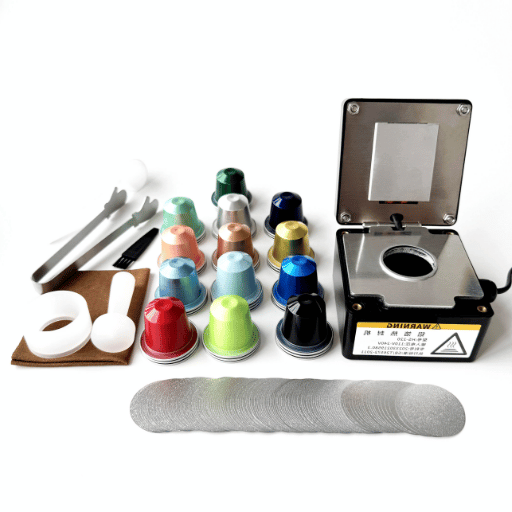
AFPak vyrábí zařízení pro plnění a uzavírání kávových kapslí již více než 14 let s instalacemi ve více než 50 zemích po celém světě. Produktová řada společnosti zahrnuje všechny úrovně (s) od základního poloautomatického tmelu zaměřeného na mikropražírny až po řadu H-Series s hodnocením až 600 CPM pro velkoobjemové smluvní balírny.
Tři klíčové atributy odlišují AFPak od ostatních dodavatelů na trhu Za prvé je, že všechny čtyři klíčové formáty kapslí SPESpresso, K-Cup, Dolce Gusto a Lavazza jsou obsluhovány vyhrazenými modely strojů s formátově vyhrazenými nástroji, jak jsou navrženy pro geometrii každé kapsle. Za druhé, systémy proplachování dusíkem AFPak dosahují zdokumentovaných zbytkových hladin O2 nižších než 31 TP3T při jmenovitých výrobních rychlostech, jak bylo ověřeno ve FAT.
Za třetí, každý dodaný stroj zahrnoval program preventivní údržby, vzdálenou diagnostiku a regionální inventář náhradních dílů, aby se zkrátily neplánované prostoje.
Pro kupující, kteří používají výše nastíněný rámec v 6 krocích, nabízí AFPak poradenství v oblasti plánování objemu a pomoc při instalaci na místě, díky čemuž značky plynule přecházejí od nápadu k výrobě kávy s jediným poskytovatel obalového řešení.
Často kladené otázky
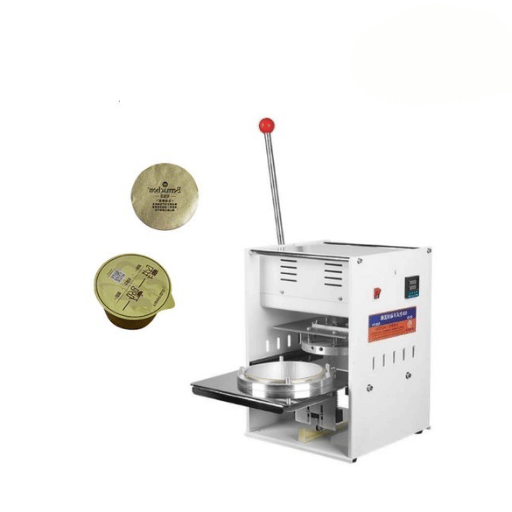
Jak rychle může stroj na balení kávových kapslí běžet?
Zobrazit odpověď
Poloautomatické jednotky mohou vyrobit 50 až 100 kapslí za hodinu. Automatické lineární stroje mohou vyrobit 20 až 80 CPM. Vysokorychlostní rotační plošiny mohou produkovat více než 100 až více než 500 CPM.
Nejrychlejší komerční výrobní stroj může vyrobit více než 600 CPM.
Co dělá proplachování dusíkem v balení kapslí?
Zobrazit odpověď
Proplachování dusíkem nahrazuje O2 v horním prostoru kapsle potravinářským dusíkem. Snížení zbytkového O2 na méně než 31 TP3T zpomaluje oxidační reakce a prodlužuje skladovatelnost o 6 až 12 měsíců ve srovnání s kapslemi, které nemají v horním prostoru žádný plynný dusík, což představuje zachování čerstvosti téměř dvojnásobku:1.
Kolik stojí plnící stroj kávových kapslí?
Zobrazit odpověď
Všechny poloautomatické poloautomatické tmely jsou vstupní úrovní na $6 000. Všechny střední úrovně, automatické lineární stroje cena od $25 000 do $50 000. Všechny vysokorychlostní, rotační systémy se pohybují od $80 000 do $250 000 různých rychlostí formát flexibility a přídavných montáží.
Zvládne jeden stroj více formátů kapslí?
Zobrazit odpověď
Jistě. Víceformátové stroje využívají rychle vyměnitelné nástroje, které umožňují stejnému stroji zpracovávat kapsle Nespresso, K-Cup, Dolce Gusto a Lavazza. Doba přechodu se pohybuje od pouhých 15 minut až po 2 hodiny v závislosti na konkrétní konstrukci stroje.
Jaká hmotnost náplně je standardní pro kávové kapsle?
Zobrazit odpověď
Většina kapslí váží asi 5-15 gramů. Přesné hmotnosti závisí na formátu kapslí a požadované síle vaření.
Jak často stroj na balení kapslí potřebuje údržbu?
Zobrazit odpověď
Doporučuje se, aby všechny části hotového výrobku, které přicházejí do styku s kávou, byly jednou týdně umyty, těsnění a pružiny jednou týdně zkontrolovány, přičemž kalibrace plnicího systému by měla probíhat podle potřeby (to by mělo být specifikováno v pravidelném rozvrhu v příručce poskytnuté výrobcem stroje).Profesionální operátoři kapslí běžně uvádějí nedodržení pravidelných plánů servisu/údržby jako hlavní příčinu neplánovaných prostojů na výrobní lince.
Jaký je ideální pěchovací tlak pro kávové kapsle?
Zobrazit odpověď
10-15 kg/cm je navrhovaný provozní tlak. Příliš malý tlak má za následek nedostatečnou hustotu, zatímco příliš vysoký tlak riskuje nadměrné zhutnění kávového lůžka.
Trh s kávovými kapslemi stále roste?
Zobrazit odpověď
Ano V roce 2025 byl celosvětový trh kávových kapslí oceněn na 16,42 miliardy USD a odhaduje se, že do roku 2029 dosáhne 22,56 miliardy USD při CAGR 8,31 TP3T. V USA byla tržní hodnota v roce 2025 9,58 miliardy USD, což vzrostlo na 5,951 TP3T. Nedávná zpráva NCA z jara 2025 zjistila, že vaření piva v jedné šálce představuje 421 TP3T všech preferencí vaření piva.
Jste připraveni najít správný balicí stroj na kávové kapsle pro vaši výrobní linku?
Můžete nám říci o objemu výroby a formátu kapslí? Naši inženýři AFPak vám mohou do 24 hodin doporučit stroj, který je pro vás nejlepší.
Prohlášení o transparentnosti
Tyto informace byly sestaveny vlastním týmem článků společnosti AFPak, přičemž technické podrobnosti poskytli inženýři obalů. Publikované údaje o trhu poskytují výzkumné firmy třetích stran (viz odkazy níže).Rychlost stroje a cenové rozpětí jsou založeny na tržních podmínkách v letech 2025-2026 a budou se lišit podle konfigurace, regionu a objemu. Tam, kde odkazujeme na vlastní produkty AfgPak, jsou čísla výkonu založena na výsledcích továrních přejímacích testů. Toto jsou obecné informace a neměly by být brány jako profesionální inženýrské poradenství. Prosím, vyhodnoťte svou konkrétní situaci s kvalifikovaným inženýrem ve svém vlastním čase a nastavení.
Reference a zdroje
- National Coffee Association (NCA), Spring 2025 National Coffee Data Trends Report – vaření piva v jedné šálce představuje 421 TP3T všech preferencí.
- Soudržné tržní poznatky velikost globálního trhu kávových kapslí, 16,42 miliardy dolarů (2025), 8,31 TP3T CAGR.
- Společnost Business Research Company, zpráva o trhu s kávovými kapslemi v USA, 9,58 dolaru (2025).
- Rovema NA, význam zbytkového kyslíku v balení kávy.
- CoffeeTec, dusík splachování technický přehled udržování čerstvé pražené kávy.


