
เครื่องบรรจุแคปซูลกาแฟวิธีการเลือกเครื่องบรรจุและปิดผนึกที่เหมาะสมสําหรับสายการผลิตของคุณ
ข้อมูลจําเพาะด่วนโดยสรุป
| ขนาดตลาด (2025) | $16.42 พันล้านทั่วโลก |
| อัตราการเติบโต | 8.3% CAGR จนถึงปี 2029 |
| ความเร็วเชิงเส้น | 20 แคปซูลต่อนาที |
| ความเร็วโรตารี่ | 10 นาที500+ แคปซูลต่อ |
| เติมช่วงน้ําหนัก | 5 กรัมต่อแคปซูล |
| การกําหนดราคาระดับเริ่มต้น | จาก $6,000 |
| รูปแบบที่เข้ากันได้ | เนสเปรสโซ, เค-คัพ, โดลเช่ กุสโต้, ลาวาซซา |
ปัจจุบันการผลิตกาแฟแบบเสิร์ฟเดี่ยวถือเป็นปัจจัยสําคัญ 42% ของความต้องการในการผลิตเบียร์ทั้งหมด ตามรายงานของ NCA Spring 2025 แคปซูลที่มีส่วนแบ่ง 51.88% ที่บังคับบัญชาของกลุ่มนั้น ในขณะที่ตลาดแคปซูลกาแฟทั่วโลกแตะระดับประมาณ $16.42 พันล้านในปี 2568 (8.3% CAGR) ความต้องการอุปกรณ์บรรจุและปิดผนึกแคปซูลกาแฟที่เชื่อถือได้ก็พุ่งแตะระดับสูงสุดเป็นประวัติการณ์เช่นกัน หากคุณกําลังเริ่มต้นแบรนด์ฉลากส่วนตัว หรือขยายแบรนด์ที่มีอยู่ การดําเนินงานแบบกาแฟต่อเครื่อง, ทางเลือกของเครื่องแคปซูลกาแฟจะกําหนดต้นทุนต่อแคปซูล, ความสม่ําเสมอของอายุการเก็บรักษา, และความสามารถในการตอบสนองมาตรฐานคุณภาพค้าปลีก.
ต่อไปนี้เป็นคําแนะนําทีละขั้นตอนเพื่อช่วยให้คุณเลือกตั้งแต่ประเภทของเครื่องจักรไปจนถึงส่วนประกอบที่รวมเข้าด้วยกัน ไปจนถึงการพิจารณาด้านราคาและการบํารุงรักษาเบื้องต้น.
เครื่องบรรจุแคปซูลกาแฟคืออะไรและทํางานอย่างไร?
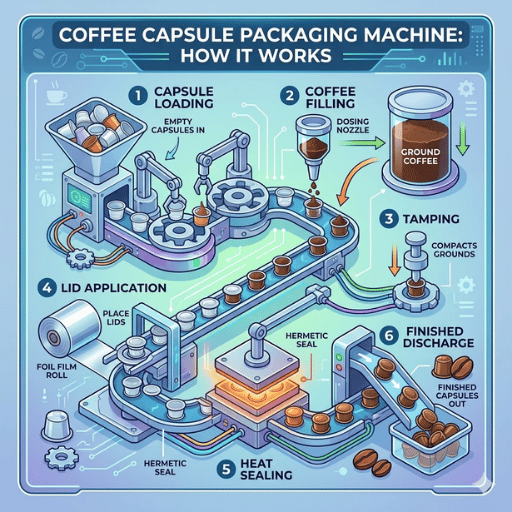
เครื่องบรรจุแคปซูลเป็นระบบบูรณาการอัตโนมัติที่ดําเนินการหลายขั้นตอนในการพัฒนาแคปซูลกาแฟสดแบบเสิร์ฟเดี่ยว ขั้นตอนต่อไปนี้มักดําเนินการโดยเครื่องบรรจุแคปซูลกาแฟ: ปริมาณกาแฟบดลงในแคปซูลเติมและจัดแนวผงให้เป็นความหนาแน่นที่ต้องการปิดผนึกแคปซูลอย่างแน่นหนาในสภาพแวดล้อมที่มีการควบคุมให้พอดีและปิดผนึกแคปซูลและขนส่งแคปซูลไปตามสายการผลิต ผู้ประกอบการกาแฟอ้างถึงระบบนี้อย่างหลากหลายว่าเป็นเครื่องบรรจุฝักกาแฟเครื่องปิดผนึกแคปซูลหรือเครื่องบรรจุและปิดผนึก แต่ทําหน้าที่หลักเดียวกัน: นํากาแฟคั่วจํานวนมากและแปลงเป็นแคปซูลกาแฟส่วนตัวพร้อมจําหน่ายในท้องตลาดที่มีการควบคุมส่วนที่มีอายุการเก็บรักษาที่ยาวนานขึ้น.
รอบการทํางานทั้งหมดเกิดขึ้นในลําดับที่รู้จัก ขั้นแรกแคปซูลเปล่า (ทั้งที่ขึ้นรูปไว้ล่วงหน้าหรือเทอร์โมฟอร์มแบบอินไลน์) จะถูกถ่ายโอนไปยังสายพานลําเลียงหรือป้อมปืนโดยอัตโนมัติ ถัดไปสถานีเติมปริมาณกาแฟบดในปริมาณที่ชั่งน้ําหนัก (ปกติ 5-15 กรัม) บนสว่านเติมระบบการจ่ายยาที่แม่นยําถึง± 0.1 กรัม.
ผู้เชี่ยวชาญด้านการให้ยาได้ระบุว่าการให้ยาแบบสว่านเกินปริมาตรจะดีกว่าสําหรับกาแฟบดละเอียด เนื่องจากสว่านจะปรับตามการเปลี่ยนแปลงความหนาแน่นรวมอันเป็นผลมาจากระดับการคั่วและขนาดการบด.
หลังจากเติมกาแฟอาจถูกบดอัดโดยสถานีแทมปิ้ง ยืนยันแรงแทมปิ้งและความลึกสําหรับรูปทรงแคปซูลและสูตรกาแฟกับผู้จําหน่ายอุปกรณ์ สิ่งสําคัญคือต้องทราบว่าหากมีการแตะมากเกินไปการสกัดอาจลดลงเนื่องจากน้ําจะไม่ทะลุแคปซูลเมื่อต้ม ต่อจากนั้นมันจะผ่านสถานีล้างไนโตรเจนโดยที่ออกซิเจนในช่องว่างส่วนหัวจะถูกแทนที่ด้วยก๊าซเฉื่อย.
การวิจัยบรรจุภัณฑ์ของ Rovema NA บ่งชี้ว่าการนําระดับออกซิเจนตกค้างต่ํากว่า 3% อาจส่งผลให้อายุการเก็บรักษาเพิ่มขึ้น 6-12 เดือน ซึ่งนานกว่าแคปซูลบรรจุไนโตรเจนประมาณ 2 เท่า หรือ7.
สุดท้ายฝาหรือฟอยล์ถูกปิดผนึกด้วยความร้อน/เชื่อมด้วยอัลตราโซนิกบนขอบของแคปซูล เมื่อหน่วยเสร็จสมบูรณ์หลังจากผ่านสถานีตรวจสอบการมองเห็นจะถูกปฏิเสธและย้ายไปที่แพ็ครอง บนสายโรตารี่ความเร็วสูงเวลารอบเต็มต่ํากว่า 1 วินาที.
ประเภทของเครื่องบรรจุและปิดผนึกแคปซูลกาแฟ
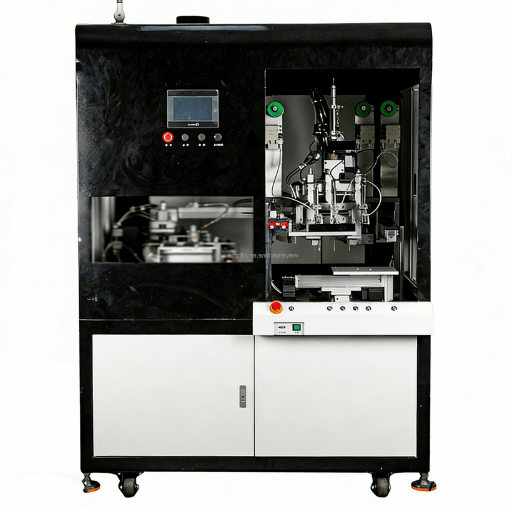
ขั้นตอนแรกของการเลือกสถาปัตยกรรมเครื่องจักร1 ในโครงการแคปซูล-สายคือการเลือกแนวทางที่เหมาะสมสําหรับการผลิตของคุณ มีสามประเภทการตลาดกึ่งอัตโนมัติเชิงเส้นและหมุนอัตโนมัติและแต่ละสมดุลกําลังการผลิตกับการลงทุนเริ่มต้นที่แตกต่างกัน แผนภูมิเปรียบเทียบจะรวมอยู่ด้านล่างพร้อมกับบริบทบางอย่างเมื่อแต่ละโซลูชันมีผลบังคับใช้.
| คุณลักษณะ | กึ่งอัตโนมัติ | เชิงเส้นอัตโนมัติ | โรตารีอัตโนมัติ |
|---|---|---|---|
| ความเร็ว | 50 แคปซูล/ชั่วโมง | 20 CPM | 100+ CPM |
| ระดับอัตโนมัติ | การโหลดแคปซูลด้วยตนเอง | อัตโนมัติเต็มรูปแบบ | อัตโนมัติเต็มรูปแบบ |
| ดีที่สุดสําหรับ | ห้องปฏิบัติการ การวิจัยและพัฒนา เครื่องคั่วขนาดเล็ก | สตาร์ทอัพเล่มกลาง | การผลิตกาแฟอัตโนมัติในปริมาณมาก |
| ช่วงราคา | $6,000,$15,000 | $25,000–$50,000 | $80,000–$250,000+ |
| ไนโตรเจนฟลัชชิง | ส่วนเสริมเสริมเสริม | มาตรฐาน | หลายบรรทัดขั้นสูง |
| ความยืดหยุ่นของรูปแบบ | รูปแบบเดี่ยว | 1 2 รูปแบบพร้อมเครื่องมือ | สามารถรองรับได้หลายรูปแบบ |
เครื่องซีลกึ่งอัตโนมัติ
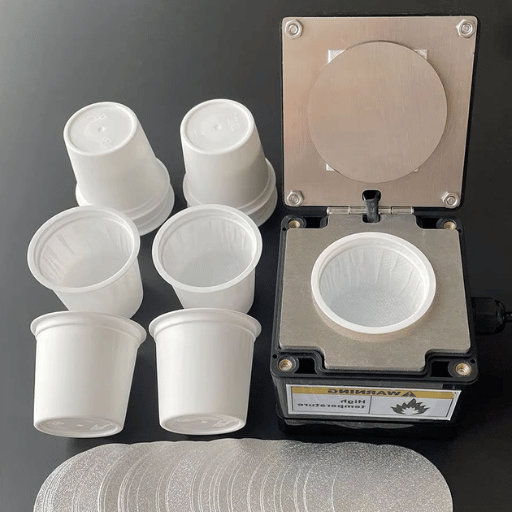
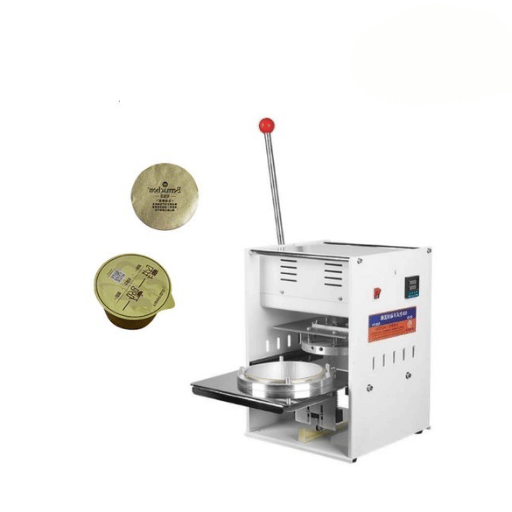
เครื่องซีลกึ่งอัตโนมัติใช้กับฝาปิดที่ปิดผนึกด้วยความร้อน (ฟอยล์สํารอง) ที่ปริมาณเอาต์พุตค่อนข้างต่ําสําหรับส่วนผสมที่นวดแล้วซึ่งผู้ปฏิบัติงานยังคงต้องโหลดแต่ละแคปซูล โซลูชันนี้ให้ผลตอบแทนระหว่าง 50-100 แคปซูลต่อชั่วโมง ตัวเลือกนี้สมเหตุสมผลสําหรับเครื่องคั่วขนาดเล็กที่ทดลองกับส่วนผสมห้องปฏิบัติการที่กําหนดส่วนผสมใหม่หรือแบรนด์บูติกขนาดเล็กที่มีการเคลื่อนย้ายน้อยกว่า 5,000 แคปซูลต่อเดือน.
เครื่องบรรจุเชิงเส้นอัตโนมัติ
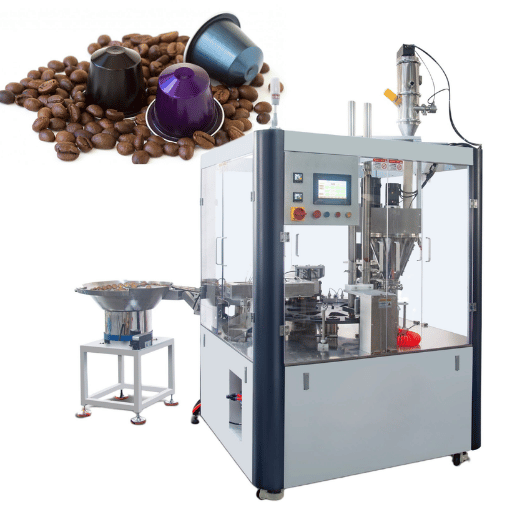
เครื่องบรรจุเชิงเส้นอัตโนมัติได้รับการพิสูจน์แล้วว่าสามารถจัดการการผลิตชุดขนาดกลางได้อย่างมีประสิทธิภาพสูงสุด 80 แคปซูล/นาที การออกแบบนี้ปรับทิศทางหลายโมดูลตามทางเดินตั้งแต่ชามปรับทิศทางแคปซูลที่ป้อนสูญญากาศไปจนถึงเครื่องถอดรหัสฟิลเลอร์สว่านแบบเอียงหัวเดียวการตอกการบรรจุและสถานีปิดผนึกความร้อน เป็นที่ชื่นชอบของแบรนด์เกิดใหม่ที่วางแผนการมาถึงขนาดใหญ่ในร้านค้าปลีกระดับชาติภายในสองสามปีแรกของการพัฒนาตลาด.
เครื่องโรตารี่อัตโนมัติ
ระบบโหลดแบบหมุนอัตโนมัติมีป้อมปืนหรือม้าหมุนรอบโมดูลบรรจุข้างต้นทั้งหมด (บวกหัวล้างไนโตรเจน) ดังนั้นสายรวมการผลิตการเคลื่อนไหวต่อเนื่องพร้อมกันที่ 20 ถึง 80 แคปซูลต่อนาที ด้วยการเพิ่มป้อมปืนแบบหมุนการผลิตความเร็วที่สูงขึ้นถึง 300 CPM เป็นไปได้ในขณะนี้ด้วยการออกแบบหุ่นยนต์ป้อมปืน AFPak ชั้นนําของอุตสาหกรรม ผู้ผลิตต่างประเทศลงทุนในรูปแบบโรตารี่สําหรับผู้เข้าสู่ตลาดในช่วงปลายศตวรรษและพวกเขาประสบความสําเร็จ ท้ายที่สุดสําหรับสัญญาสั่งซื้อขนาดใหญ่เครื่องจักรที่รวดเร็วเป็นสิ่งจําเป็น.
ส่วนประกอบสําคัญของเครื่องบรรจุฝักกาแฟ
แต่ละโมดูลในโซลูชันที่คุณเลือกมีอิทธิพลต่อความสามารถของคุณในการรับทั้งคุณภาพและระดับความจุที่คุณปรารถนา ในการเริ่มต้นให้ดูที่การกําหนดค่าบรรทัดการบรรจุหกขั้นตอนที่ใช้ในปัจจุบันโดยผู้ผลิตแคปซูลกาแฟที่ทันสมัยที่สุด.
ระบบป้อนแคปซูล แต่ละแคปซูลจะถูกเคลื่อนย้ายไปยังตําแหน่งเติมทีละแคปซูลโดยโถสั่นหรือตัวปรับทิศทางแพ็คเกจป้อนนิตยสารที่คงการติดขัดและการหยุดสายให้ต่ํากว่า 4% เวลาทํางาน OEE.
โมดูลการเติมสว่าน (Auger Filling Module) เครื่องสว่านที่ขับเคลื่อนด้วยเซอร์โว Precision ให้กาแฟ 5-15 กรัมในแต่ละแคปซูลด้วยความแม่นยําและความสามารถในการทําซ้ํา 0.1 กรัม เทียบกับเครื่องตรวจสอบน้ําหนักบนสายการผลิตออนไลน์.
สถานีแทมปิ้ง = เตียงเอสเพรสโซเปียกถูกแทมโดยเซอร์โวหรือนิวเมติกลูกสูบกดที่ 10-15 กิโลกรัม/ซม. สม่ําเสมอ กดเครื่องหมายการค้านี้รับประกันการกระจายความหนาแน่นที่เป็นเนื้อเดียวกันสําหรับการสกัดแม้และไม่มีการบานขอบ.
ระบบล้างไนโตรเจน – หัวฉีดไนโตรเจนแบบหลายหัวจะส่งไนโตรเจนเฉื่อยเข้าไปในช่องว่างแต่ละหัวแคปซูลและแทนที่ออกซิเจนที่มีอยู่. ผู้สนับสนุนการชะล้างไนโตรเจนของ CTOFC แนะนําให้เปลี่ยนออกซิเจนที่ตกค้างให้น้อยกว่า 3% เมื่อเก็บกาแฟคั่วไว้นานขึ้น ไม่ว่าจะเปิดหรือไม่ก็ตาม.
ซีลลิ่งหัว ฝาคอมพาวด์หรืออลูมิเนียมเชื่อมกับแคปซูลเปิดรินโดยเวลาทดสอบความร้อนปิดผนึกหรืออัลตราโซนิกประกอบหัวเชื่อม ความสมบูรณ์โดยรวมควรได้รับการตรวจสอบโดยการทดสอบการระเบิดและการทดสอบการลอกในการเริ่มต้นกะแต่ละครั้งเพื่อป้องกันความล้มเหลวในการก่อสร้าง.
การตรวจสอบการมองเห็นและการปฏิเสธ 3 เซ็นเซอร์จับภาพจะถ่ายภาพแต่ละฝาในขณะที่การถอดแคปซูลที่บรรจุหรือประกอบอย่างไม่เหมาะสมทําได้โดยระบบคัดแยกแบบติดแขนหรือแบบอินไลน์.
ปัจจัยใดที่มีอิทธิพลต่อราคาของเครื่องบรรจุแคปซูลกาแฟ?
ค่าใช้จ่ายในการเป็นเจ้าของเป็นเพียงเกี่ยวกับราคาซื้อเริ่มต้น ผู้ประกอบการมืออาชีพประมาณการค่าใช้จ่ายในการผลิตเวลาเพิ่มเติมสําหรับการบํารุงรักษาเติมพลังงานและเวลาหยุดทํางานประมาณ 25-40% รู้ว่าค่าใช้จ่ายจะเป็นอย่างไรดังนั้นความคาดหวังของคุณจึงเป็นจริงและเปรียบเทียบราคาผู้ขายเป็นแอปเปิ้ลกับแอปเปิ้ล.
ภาพรวมระดับราคา
| เทียร์ | ช่วงราคา | ความเร็ว | ผู้ซื้อทั่วไป |
|---|---|---|---|
| รายการ | $6,000,$15,000 | 50/ชม | ไมโครย่าง, R&D |
| ช่วงกลาง | $25,000–$50,000 | 20 CPM | แบรนด์ที่กําลังเติบโต ผู้ร่วมแพ็คเกอร์ |
| ระดับไฮเอนด์ | $80,000–$250,000+ | 100+ CPM | แบรนด์ระดับประเทศ ฉลากส่วนตัว |
ตัวขับเคลื่อนต้นทุนหลักนอกเหนือจากราคาซื้อ
1 ความเร็ว & ความจุ 00 ขึ้นไปด้านหน้า เครื่อง CPM 2 เครื่องจะรันคุณมากกว่า 40 CPM แต่การกําหนดราคาต่อแคปซูลจะพังทลายลงเมื่อทํางานได้ดีเกิน 2000 CPM กําหนดปริมาณจุดคุ้มทุนของคุณก่อนที่จะเลือกหมวดหมู่.
2 รูปแบบความยืดหยุ่น „เครื่องหลายรูปแบบที่สามารถปั่นออก Nespresso, K-Cup, Dolce Gusto และ Lavazza ในเศษเสี้ยวของเวลาของคู่รูปแบบเดียวสามารถค่าใช้จ่าย 15-30% + มากกว่า.
3 N2 ข้อมูลจําเพาะของระบบ 3 อุปกรณ์เกรด Entry เหมาะอย่างยิ่งกีฬาฉีดเพียง 1 หัวฉีดและ 1 หัวฉีดไนโตรเจนในขณะที่เฟรมเกรดการผลิตสามารถมี 8+ สายพร้อมตัวควบคุมการไหล ระบบแก๊สเพียงอย่างเดียวคิดเป็น 10-15% ของต้นทุนเครื่องจักรทั้งหมด.
4 บริการ & ชิ้นส่วน operator „ทําความสะอาดชิ้นส่วนสัมผัสและจุดเชื่อมต่อรายสัปดาห์การตรวจสอบเป็นระยะของซีลปืน & สปริงและการสอบเทียบเป็นระยะเป็นขั้นต่ํา งบประมาณ 3-5% ของค่าใช้จ่ายอุปกรณ์จริงเป็นประจําทุกปีสําหรับการบํารุงรักษาตามกําหนดเวลาชิ้นส่วนทดแทนเวลา.
5 การรวมอุปกรณ์ & อุปกรณ์เสริม 3 เครื่องบดต้นน้ํา, เครื่องกําเนิดไนโตรเจน, เครื่องบรรจุกล่องปลายน้ําและกล่องกระดาษผลักดันต้นทุนสายรวมให้สูงขึ้น สายการบรรจุ/บรรจุภัณฑ์แบบครบวงจรที่สมบูรณ์มักเป็น 2-3 เท่าของต้นทุนของผู้บรรจุหีบห่อเพียงอย่างเดียว.
วิธีการเลือกเครื่องบรรจุแคปซูลกาแฟที่เหมาะสม — กรอบการเลือก 6 ขั้นตอน
คอลัมน์เดียวความเร็ว + ราคาเป็นวัดผู้ซื้อเปรียบเทียบเครื่องที่พบมากที่สุด โดยสัญชาตญาณพวกเขาอย่างใดอย่างหนึ่งซื้อชิ้นที่มีขนาดใหญ่เกินไปสําหรับความจุที่พวกเขาต้องการและมันนั่งไม่ได้ใช้งานหรือพวกเขาซื้อระบบที่ไม่มีความสามารถในการขยายกรอบพื้นฐานของฉัน „ที่ได้มาจากหน้าตัดของการติดตั้งแคปซูลบรรทัดหลายสิบในแฟชั่นที่ขณะ 10000000000000000000000000000000000000000000000000000000000000000000000000000000000000000000000000000000000000000000000000000000000.
ขั้นตอนที่ 1: กําหนดวิถีปริมาตรของคุณ
ทําแผนที่ปริมาณการใช้แคปซูลรายเดือนปัจจุบันของคุณและคาดการณ์ล่วงหน้า 12, 24 และ 36 เดือน การศึกษาแสดงให้เห็นว่าผู้เข้ามาในกลุ่มบริการเดียวมีแนวโน้มที่จะนําแบรนด์ใหม่ที่ต่ํากว่าความต้องการในปีที่สองโดย 30-50% เลือกที่อัตรา 1.52x ของปีที่ 1 สําหรับความต้องการระยะยาวโดยไม่ต้องอัปเกรดสายของคุณ.
ขั้นตอนที่ 2: เลือกรูปแบบแคปซูลของคุณ
ตัดสินใจว่าความยืดหยุ่นของรูปแบบเป็นสิ่งจําเป็น (เช่น K-Cup, Dolce Gusto, Lavazza,) หรือรูปแบบเดียวเพียงพอ (Nespresso Original Capsule) รูปแบบที่ยืดหยุ่นต้องใช้เครื่องมือที่เปลี่ยนแปลงอย่างรวดเร็วและการเคลื่อนไหวของช่องว่างส่วนหัวเพิ่มเติมในขณะที่หลายรูปแบบนํามาซึ่งการลงทุนหลายสาย หากให้บริการทั้งตลาดยุโรปและอเมริกาเหนือควรใช้โซลูชันการเติมแคปซูลหลายรูปแบบ.
ขั้นตอนที่ 3: ระบุเป้าหมายคุณภาพของคุณ
กําหนดข้อกําหนดเชิงปริมาณที่ชัดเจนสําหรับน้ําหนักเติม (+/0.1 กรัม) O2 ที่เหลือ (<3%) และความแข็งแรงของการลอกซีล (ต่อผู้ให้บริการแคปซูล) คําตอบของคุณจะช่วยให้คุณพิจารณาว่าส่วนประกอบใด (ถ้ามี) ที่คุณใช้ในศูนย์เครื่องจักรเป็นสิ่งจําเป็น.
ขั้นตอนที่ 4: ประเมินระบบการชะล้างไนโตรเจน
ระบบไนโตรเจนไม่เหมือนกันทั้งหมด ขอข้อมูลการทดสอบ O2 ที่เหลือที่ตรวจสอบแล้วของผู้ขายด้วยความเร็วที่คุณต้องการ เครื่องจักรที่รักษา 2% O2 ที่ 30 CPM เป็นประจํา อาจทดสอบที่ 5% ที่ 60 CPM.
หากตลาดแคปซูลกาแฟเติบโตตามคาดการณ์โดย ข้อมูลเชิงลึกของตลาดที่สอดคล้องกัน ในกราฟด้านล่าง การเพิ่มความสม่ําเสมอของอายุการเก็บรักษาจะกลายเป็นข้อกําหนดสําหรับการอนุมัติรายชื่อผู้ค้าปลีก และประสิทธิภาพของไนโตรเจนจะเป็นข้อกําหนดทางธุรกิจ ไม่ใช่แค่การกําหนดคุณภาพเท่านั้น.
ขั้นตอนที่ 5: ประเมินการสนับสนุนหลังการขาย
การหยุดทํางานบนสายแคปซูลต้องเสียค่าใช้จ่าย พิจารณาสําหรับผู้ผลิตอุปกรณ์แต่ละรายความจุอะไหล่ (ในคลังสินค้าเฉพาะในภูมิภาคเดียวกันหรือต้องจัดส่ง) ความสามารถในการวินิจฉัยระยะไกลและการรับประกันเวลาตอบสนองเพื่อแก้ไขปัญหา การประหยัด 10% ในระยะเวลารอคอยสินค้า 48 ชั่วโมงบนอะไหล่อาจนับได้มากขึ้นในการไม่มีการผลิตในช่วง 50 สัปดาห์!
ขั้นตอนที่ 6: ขอการทดสอบการยอมรับจากโรงงาน (FAT)
ทํากับส่วนผสมเฉพาะของคุณด้วยความเร็วที่คุณต้องการก่อนที่จะออก ในระหว่าง FAT ให้กําหนดความแม่นยําในการเติมออกซิเจนที่ตกค้างความสมบูรณ์ของซีลและประสิทธิภาพของอุปกรณ์โดยรวม สิ่งนี้ช่วยให้คุณระบุปัญหาการรวมก่อนที่เครื่องจะถูกส่งไปยังโรงงานของคุณและจัดเตรียมเอกสารเกี่ยวกับประสิทธิภาพพื้นฐานสําหรับการแก้ไขปัญหาในอนาคต.
เหตุใด AFPak จึงเป็นผู้ผลิตเครื่องบรรจุแคปซูลกาแฟที่เชื่อถือได้
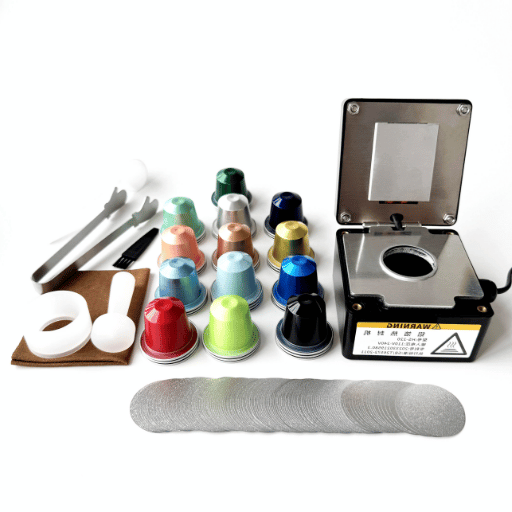
เอเอฟแพค ได้ผลิตอุปกรณ์บรรจุและปิดผนึกแคปซูลกาแฟมานานกว่า 14 ปี โดยมีการติดตั้งในกว่า 50 ประเทศทั่วโลก กลุ่มผลิตภัณฑ์ของบริษัทครอบคลุมทุกระดับ (ตั้งแต่เครื่องซีลกึ่งอัตโนมัติพื้นฐานที่มุ่งเป้าไปที่เครื่องคั่วขนาดเล็กไปจนถึงกลุ่มผลิตภัณฑ์ H-Series ที่ได้รับการจัดอันดับสูงถึง 600 CPM สําหรับผู้บรรจุหีบห่อตามสัญญาที่มีปริมาณมาก.
คุณลักษณะหลักสามประการที่ทําให้ AFPak แตกต่างจากซัพพลายเออร์ในตลาดรายอื่น ประการแรกคือรูปแบบแคปซูลหลักทั้งสี่รูปแบบNespresso, K-Cup, Dolce Gusto และ Lavazzaare ให้บริการโดยโมเดลเครื่องจักรเฉพาะที่มีรูปแบบเครื่องมือเฉพาะตามที่ออกแบบมาสําหรับรูปทรงแคปซูลแต่ละแบบ ประการที่สอง ระบบล้างไนโตรเจนของ AFPak บรรลุระดับ O2 ที่เหลือที่บันทึกไว้ซึ่งน้อยกว่า 3% ที่ความเร็วการผลิตที่กําหนดตามที่ตรวจสอบใน FAT.
ประการที่สาม เครื่องจักรแต่ละเครื่องที่จัดส่งมีโปรแกรมการบํารุงรักษาเชิงป้องกัน การวินิจฉัยระยะไกล และสินค้าคงคลังอะไหล่ระดับภูมิภาคเพื่อลดการหยุดทํางานโดยไม่ได้วางแผนไว้.
สําหรับผู้ซื้อที่ใช้กรอบการทํางาน 6 ขั้นตอนที่ระบุไว้ข้างต้น AFPak ให้คําปรึกษาด้านการวางแผนปริมาณและความช่วยเหลือในการติดตั้งในสถานที่ (AS) ทําให้แบรนด์เปลี่ยนจากแนวคิดไปสู่การผลิตกาแฟได้อย่างราบรื่นด้วยแนวคิดเดียว ผู้ให้บริการโซลูชั่นบรรจุภัณฑ์.
คําถามที่พบบ่อย
เครื่องบรรจุแคปซูลกาแฟสามารถทํางานได้เร็วแค่ไหน?
ดูคําตอบ
หน่วยกึ่งอัตโนมัติสามารถผลิตแคปซูลได้ 50 ถึง 100 แคปซูลต่อชั่วโมง เครื่องเชิงเส้นอัตโนมัติสามารถผลิต CPM ได้ 20 ถึง 80 CPM แพลตฟอร์มโรตารี่ความเร็วสูงสามารถผลิต CPM ได้มากกว่า 100 ถึงมากกว่า 500+.
เครื่องจักรการผลิตเชิงพาณิชย์ที่เร็วที่สุดสามารถผลิตได้มากกว่า 600CPM.
การชะล้างไนโตรเจนทําอะไรในบรรจุภัณฑ์แคปซูล?
ดูคําตอบ
การชะล้างไนโตรเจนจะแทนที่ O2 ภายในช่องว่างส่วนหัวของแคปซูลด้วยไนโตรเจนเกรดอาหาร การลดลงของ O2 ที่ตกค้างเหลือน้อยกว่า 3% จะชะลอปฏิกิริยาออกซิเดชั่นและยืดอายุการเก็บรักษา 6 12 เดือนเมื่อเทียบกับแคปซูลที่ถือโดยไม่มีก๊าซไนโตรเจนภายในช่องว่างส่วนหัวซึ่งแสดงถึงการเก็บรักษาความสดเกือบสองเท่า: 1.
เครื่องบรรจุแคปซูลกาแฟราคาเท่าไหร่?
ดูคําตอบ
เครื่องซีลกึ่งอัตโนมัติกึ่งอัตโนมัติทั้งหมดอยู่ในระดับเริ่มต้น $6,000 เครื่องเชิงเส้นอัตโนมัติระดับกลางทั้งหมดราคาตั้งแต่ $25,000 ถึง $50,000 ระบบโรตารี่ความเร็วสูงทั้งหมดมีตั้งแต่ $80,000 ถึง $250,000 ของความเร็วต่างๆรูปแบบความยืดหยุ่นและการติดตั้งเพิ่มเติม.
เครื่องหนึ่งสามารถจัดการรูปแบบแคปซูลได้หลายรูปแบบหรือไม่?
ดูคําตอบ
แน่นอน. เครื่องหลายรูปแบบใช้เครื่องมือที่สลับได้อย่างรวดเร็วซึ่งช่วยให้เครื่องเดียวกันสามารถประมวลผลแคปซูล Nespresso, K-Cup, Dolce Gusto และ Lavazza ได้ ระยะเวลาการเปลี่ยนแปลงมีตั้งแต่ 15 นาทีไปจนถึง 2 ชั่วโมง ขึ้นอยู่กับการออกแบบเครื่องจักรโดยเฉพาะ.
น้ําหนักเติมมาตรฐานสําหรับแคปซูลกาแฟคืออะไร?
ดูคําตอบ
แคปซูลส่วนใหญ่มีน้ําหนักประมาณ 5-15 กรัม น้ําหนักที่แน่นอนขึ้นอยู่กับรูปแบบของแคปซูลและความแข็งแรงในการชงที่ต้องการ.
เครื่องบรรจุแคปซูลต้องบํารุงรักษาบ่อยแค่ไหน?
ดูคําตอบ
ขอแนะนําว่าทุกส่วนของผลิตภัณฑ์สําเร็จรูปที่สัมผัสกับกาแฟควรล้างสัปดาห์ละครั้งปะเก็นและสปริงตรวจสอบสัปดาห์ละครั้งโดยมีการสอบเทียบระบบการบรรจุเกิดขึ้นตามความจําเป็น (ควรระบุไว้ในตารางเวลาปกติในคู่มือที่ผู้ผลิตเครื่องจัดเตรียมไว้ให้) ผู้ปฏิบัติงานแคปซูลมืออาชีพมักอ้างถึงความล้มเหลวในการปฏิบัติตามตารางการบริการ/การบํารุงรักษาตามปกติซึ่งเป็นสาเหตุอันดับหนึ่งของการหยุดทํางานโดยไม่ได้วางแผนในสายการผลิต.
อะไรคือความดันการแทมปิ้งที่เหมาะสําหรับแคปซูลกาแฟ?
ดูคําตอบ
10-15 กิโลกรัม/ซม. เป็นแรงดันใช้งานที่แนะนํา แรงดันน้อยเกินไปส่งผลให้ความหนาแน่นไม่เพียงพอในขณะที่แรงดันสูงเกินไปเสี่ยงต่อการบดอัดของเตียงกาแฟมากเกินไป.
ตลาดแคปซูลกาแฟยังเติบโตอยู่หรือไม่?
ดูคําตอบ
ใช่. ในปี 2025 ตลาดแคปซูลกาแฟทั่วโลกมีมูลค่า 16.42 พันล้านดอลลาร์สหรัฐ และคาดว่าจะสูงถึง 22.56 พันล้านดอลลาร์สหรัฐภายในปี 2029 ที่ CAGR ที่ 8.3% ในสหรัฐอเมริกา มูลค่าตลาด 9.58 พันล้านดอลลาร์สหรัฐในปี 2568 เติบโตที่ 5.95% รายงานล่าสุดของ NCA Spring 2025 พบว่าการผลิตเบียร์แบบถ้วยเดียวคิดเป็น 42% ของความต้องการในการผลิตเบียร์ทั้งหมด.
พร้อมที่จะหาเครื่องบรรจุแคปซูลกาแฟที่เหมาะสมสําหรับสายการผลิตของคุณแล้วหรือยัง?
คุณช่วยบอกเราเกี่ยวกับปริมาณการผลิตและรูปแบบแคปซูลของคุณได้ไหม วิศวกรของ AFPak สามารถแนะนําเครื่องที่ดีที่สุดสําหรับคุณภายใน 24 ชั่วโมง.
คําชี้แจงความโปร่งใส
ข้อมูลนี้รวบรวมโดยทีมบทความของ AFPak เอง โดยมีรายละเอียดทางเทคนิคโดยวิศวกรบรรจุภัณฑ์ ข้อมูลการตลาดที่เผยแพร่จัดทําโดยบริษัทวิจัยบุคคลที่สาม (ดูข้อมูลอ้างอิงด้านล่าง) ความเร็วของเครื่องจักรและช่วงราคาขึ้นอยู่กับสภาวะตลาดปี 2025-2026 และจะแตกต่างกันไปตามการกําหนดค่า ภูมิภาค และปริมาณ ในกรณีที่เราอ้างอิงผลิตภัณฑ์ของ AfgPak เอง หมายเลขประสิทธิภาพจะขึ้นอยู่กับผลการทดสอบการยอมรับของโรงงาน นี่เป็นข้อมูลทั่วไปและไม่ควรถือเป็นการให้คําปรึกษาด้านวิศวกรรมอย่างมืออาชีพ โปรดประเมินสถานการณ์เฉพาะของคุณกับวิศวกรที่มีคุณสมบัติเหมาะสมในเวลาและการตั้งค่าของคุณเอง.
ข้อมูลอ้างอิงและแหล่งที่มา
- National Coffee Association (NCA), รายงานแนวโน้มข้อมูลกาแฟแห่งชาติฤดูใบไม้ผลิปี 2025- การผลิตเบียร์ถ้วยเดียวคิดเป็น 42% ของความต้องการทั้งหมด.
- ข้อมูลเชิงลึกของตลาดที่สอดคล้องกัน 8.3% CAGR.
- บริษัทวิจัยธุรกิจ, รายงานตลาดแคปซูลกาแฟสหรัฐอเมริกา, 9.58 ดอลลาร์ (2025).
- โรเวมา เอ็นเอ, ,ออกซิเจนตกค้างความสําคัญในบรรจุภัณฑ์กาแฟ.
- คอฟฟี่เทค, ,ไนโตรเจนล้างภาพรวมทางเทคนิคของการรักษากาแฟคั่วสด.


