
Emballer champignons café moulu avec un extrait de champignon actif gousses de café, chaga, re reishi ou cordyceps (en anglais seulement) emballer un café moulu avec une canicule de champignons, une crince de chaga, une re re re, ou une cordyceps (en anglais seulement) emballer une tasse de K-Cup ou une taille Nespresso Pour le buveur, ils offrent un regain d'énergie lisse et pauvre en caféine aux marques de café, ce n'est pas la recette qui pose l'obstacle : plutôt, doser la quantité minuscule de poudre active avec une consistance précise et la sceller avant qu'elle ne devienne rassis des joueurs de catégorie précoce.
Réponse rapide
Les dosettes de café aux champignons mélangent le café moulu avec une poudre de champignon à double extraction (souvent un rapport café/champignon de 8 :2), le mesurent avec précision et le fourrent dans une tasse recyclable avant de le fermer par thermoscellage. Une dosette a tendance à contenir environ 40 à 60 mg de caféine par rapport aux 95 à 150 mg que vous trouverez dans une tasse normale. La plupart des marques démarrent avec un co-emballeur (les dosettes ont un minimum de 5 000 à 10 000 unités) et passent à la production interne si leur entreprise décolle.
Spécifications rapides : Gousses à café aux champignons
| Formats POD | K-Cup (Keurig), Nespresso Original & Vertuo, ESE |
| Remplissage typique du café | 813 g (K-Cup) / 56 g (Nespresso) |
| Champignons communs | crinière de lion, chaga, reishi, cordyceps, queue de dinde |
| Caféine | ~400 mg par gousse (~950 mg régulier) |
| MoQ de marque privée | ~5 000 pods 10 000 pods ; l'essai dure 100 500 |
| Premier délai de production | 6 semaines |
Que sont les gousses à café aux champignons ?
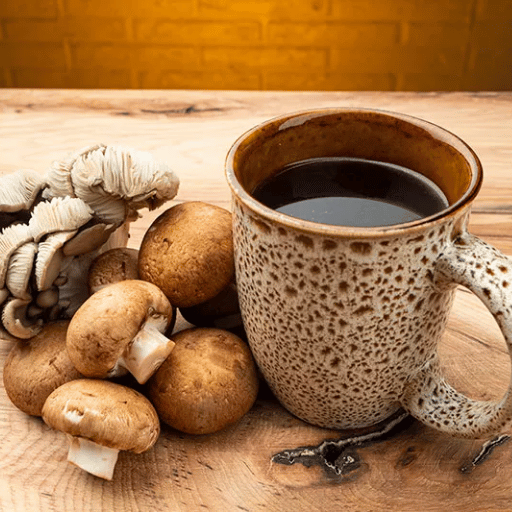
Les dosettes de café aux champignons combinent votre café moulu préféré en portion individuelle avec un puissant mélange de champignons fonctionnels tels que le chaga, la crinière de lion et le reishi qui peuvent aider à la concentration, à la fonction immunitaire et à la santé intestinale. La teneur en champignons n'est pas infusée, entière ou ajoutée après coup ; il arrive dans une poudre fine et est simplement mélangé avec du café moulu avant le remplissage de la tasse, donc tout ce que vous faites est de brasser et de déguster comme n'importe quelle autre capsule.
Conçu pour dynamiser plus doucement avec moins de caféine, environ 40 à 60 mg par tasse contre le 80 à 100 mg, cite la FDA pour un café ordinaire [TRADUCTION] Un café ramolli avec une touche de fonction champignon a migré d'une poudre de boisson spécialisée vers l'allée de commodité grâce aux dosettes Alors que les gens apprécient le rituel du café en portion individuelle, l'espace d'étagère d'une capsule la rend attrayante pour la marque comme pour les consommateurs Ce que peu de gens envisagent probablement : ce qui rentre dans ces minuscules boîtes.
Les champignons et les adaptogènes à l'intérieur du pod
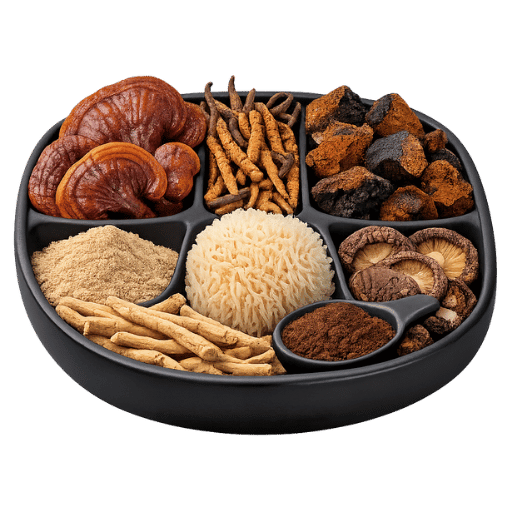
La recette du café aux champignons peut aller d'aussi peu qu'un ingrédient fonctionnel jusqu'à sept ou plus, y compris souvent des ingrédients de champignons en combinaison avec des adaptogènes botaniques tels que l'ashwagandha. Chaque champignon sert son propre objectif et se présentera différemment à l'équipement de la chaîne de production. Quelque chose que vous devrez garder à l'esprit dès que vous produisez des centaines de milliers de tasses par mois. Cette grille présente les ingrédients les plus populaires, ce pour quoi chacun est connu et comment chacun se comporte dans une trémie de remplissage.
| Type de champignon/ingrédient | Utilisé pour | Clé active | Comportement de remplissage |
|---|---|---|---|
| Crinière de lion (Hericium erinaceus) | Concentrez-vous, mémoire | Bêta-glucanes, héricénones | Léger, faible densité, sujet au pontage |
| Chaga (Inonotus obliquus) | Antioxydant, immunitaire | Bêta-glucanes, mélanine | Sombre, dense se fond bien visuellement |
| Reishi (Lingzhi) | Calme, dors | Triterpènes, bêta-glucanes | Amer : petites doses seulement |
| Cordyceps | Énergie, endurance | Cordycépine, bêta-glucanes | Flux |
| Queue de dinde | Santé intestinale, immunitaire | PSK, bêta-glucanes | Fibreux, variable |
| Maitake | Immune, métabolique | Bêta-glucanes | Débit modéré |
| Ashwagandha (Withania Somnifera) | Stress (adaptogène) | Withanolides | Collant, hygroscopique |
| L-théanine (souvent ajoutée) | Lisse la caféine | Acide aminé | La dose minuscule a besoin de précision |
| Base arabique biologique | Saveur, corps | Caféine | Flux de référence (facile) |
La matrice de gousses fonctionnelles à 5 champignons.
Un niveau se trouve sous ceux-ci et détermine si les actifs sont réellement présents : fructifier le corps par rapport au mycélium. Le fructifier est le champignon familier : le champignon chaga ou la crinière de lion que vous imaginez ; le mycélium est la structure en forme de racine, généralement cultivée sur un substrat en grains. Une découverte constante tests en laboratoire indépendants de produits commerciaux, [traduction], faisant écho à une analyse des Rapports scientifiques de 2017 : les extraits de fructification-corps sont richement chargés de bêta-glucanes, souvent garnis de 25% et peu frelatés avec de l'amidon, tandis que le mycélium-sur-grain peut tomber en chiffres uniques pour les bêta-glucanes et marquer 30% ou plus d'amidon-beaucoup plus près du grain sur lequel il a été cultivé que du champignon lui-même Cela se reproduira dans la section qualité, puisque sur une étiquette de gousse, les deux se ressemblent exactement.
Les gousses à café aux champignons sont-elles bonnes pour vous ? Avantages, caféine et inconvénients

La réponse honnête est “ légèrement, et cela dépend de la dose.” Les composés fonctionnels de champignons ont de véritables recherches derrière eux, mais généralement des études ont utilisé des doses beaucoup plus élevées qu'une gousse contient Des extraits standardisés de crinière de lion dans les études ont été obtenus à peu près 1,8 grammes à 3 grammes d'extrait (même alors, les résultats cognitifs sont mélangés et semblent dépendre du contexte) par jour ; une gousse contenant un mélange, disons, de cinq champignons différents à 1-2 grammes au total ne s'en rapproche pas.
La caféine est l'endroit où les gousses gagnent clairement Parce que la poudre de champignon n'a pas de caféine et est ajoutée au marc de café existant, une K-Cup de champignon fonctionnel pèse généralement entre 40 et 60 milligrammes de caféine, contre 95 à 150 mg dans votre tasse moyenne (une tasse de 8 oz est mise à environ 80 à 100 mg par le Administration américaine des aliments et des médicaments), donnant que “energy sans l'effet jitters” que décrivent les buveurs.
Quel est l'inconvénient du café aux champignons ?
Trois choses. Premièrement : S'il contient trop de reishi ou de chaga, le goût peut devenir terreux ou amer, bien que les produits de dosettes bien fabriqués atteignent un goût neutre et peu offensant, avec un critique sur un forum de café observant leur favori : “Il a en fait le goût du café, pas des champignons.” Deuxièmement : le coût Une dosette vous fera reculer plus qu'un K-Cup assez marchand Troisièmement, et sans doute le plus important : divulgation de dosage La grande majorité des marques vantent la quantité de champignons emballés dans la dosette, mais donnent rarement des dosages spécifiques par milligrammes, il n'y a donc aucun moyen de savoir si vous allez obtenir un niveau adéquat, recherche-se de sprown, sprooking, sprooms regultiplicing ou sprown comme reguling, sprooms regulat, islying, sprown, sprown, sprown, sprown, sprown, sprown, sprown, sprown, sprown, third, sprown, thising, thising, sprowsing, thising, sprowsing, thising, sprowsing, thising,.
Formats de pod : K-Cup, Nespresso et compatibilité ESE
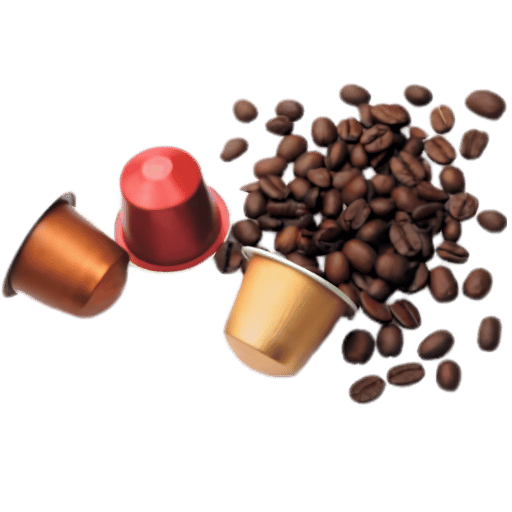
Votre choix de format dicte finalement l'équipement, le poids de remplissage, et l'acheteur Trois importent pour une marque fonctionnelle.
| Format | Machine | Remplissage typique | Meilleur pour |
|---|---|---|---|
| K-Cup (gousses à service unique) | Keurig 1,0 /2,0 | 81g | Marché de masse américain, abonnement |
| Nespresso Original | Ligne originale | 5g | Espresso, positionnement premium |
| Nespresso Vertuo | Vertuo (code-barres) | varie selon la taille de la tasse | Gobelet plus grand, système sous licence |
| ESE (44 mm) | Machines à expresso ESE | ~7g | Cafés, papier-pod/compostable |
Pouvez-vous mettre du café aux champignons dans un Keurig ?
Oui, si c'est au format K-Cup compatible Keurig La forme standard est une K-Cup de 51 mm qui est compatible avec les brasseurs Keurig 1.0 et 2.0, et beaucoup sont maintenant disponibles avec des tasses recyclables ou compostables Alors que vous ne voudriez pas essayer de verser de la poudre de champignons en vrac dans un filtre réutilisable et vous attendre à un résultat cohérent-c'est tout simplement trop fin, et fera un gâteau-la K-Cup fonctionne précisément parce que le mélange est fabriqué à la bonne dose en usine, en utilisant un Machine de remplissage et de scellement K-Cup.
Comment les gousses à café aux champignons sont réellement fabriquées
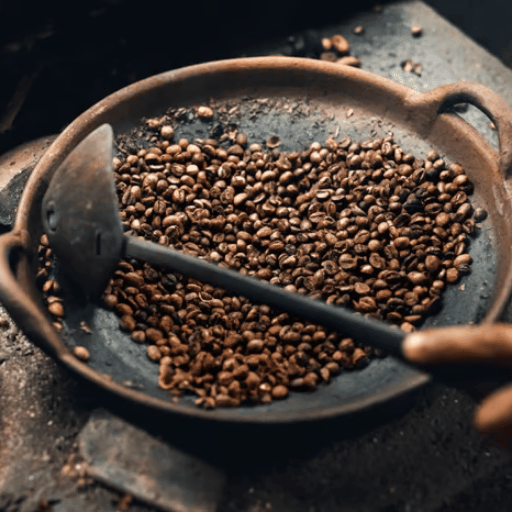
Cette étape est omise sur les pages Web de la marque. Une dosette K-Cup de champignon fonctionnelle comprend deux étapes : d'abord, vous convertissez les champignons en poudre utilisable, et ensuite, vous dopez la K-Cup.
Du point de vue des ingrédients, les producteurs de qualité commencent par isoler le corps fructifère, le sécher à basse température et le broyer en poudre La poudre de champignon est ensuite préparée par extraction à l'eau chaude, qui décompose les parois cellulaires, concentrant les bêta-glucanes hydrosolubles Les meilleurs ingrédients ajoutent de l'alcool (une double extraction) pour augmenter la solubilité des bêta-glucanes et également capturer les triterpènes Ces extraits sont lyophilisés ou séchés par pulvérisation en une poudre à spectre complet et mélangés avec des grains de café torréfiés et moulus n'importe où d'un torréfaction clair ou moyen à un café torréfié foncé audacieux souvent à un rapport 8 :2 de café au champignon alors que le champignon aide un masque au champignon facile, le café au champignon peut aider le produit de couleur facile.
Du point de vue du remplissage, le mélange est ensuite introduit dans chaque dosette ; le plus souvent, cela est réalisé à l'aide d'une vis volumétrique ou d'une charge de pesée ; il est suivi d'un rinçage à l'azote, qui ralentit la vitesse d'oxydation de l'oxygène, et le thermoscellage avec un couvercle en feuille. L'ordre de fonctionnement est très important d'abord, la poudre, puis le déplacement, puis le scellement.
Chaque capsule K-Cup peut contenir environ 8 à 13 grammes. Des précisions de remplissage de 0,1 gramme par tasse sont possibles à partir d'un apport constant dans la tarière, mais seulement si les ingrédients mélangés aux champignons s'écoulent en douceur. C'est cette nature hygroscopique des huiles de café (ainsi que des extraits), qui sont sensibles à l'oxydation et nécessitent donc un rinçage à l'azote à l'intérieur de la tête de remplissage, et pas seulement en aval de la charge. En fait, une application USPTO pour un dosateur de capsules de poudre sèche (US9642812B2) va jusqu'à dire que la poudre peut se charger à partir de la purge à l'azote, renforçant le fait que pour les poudres fonctionnelles, le gaz fait partie du défi de remplissage et pas seulement de la préservation.
Pourquoi les poudres fonctionnelles sont plus difficiles à remplir que le café ordinaire
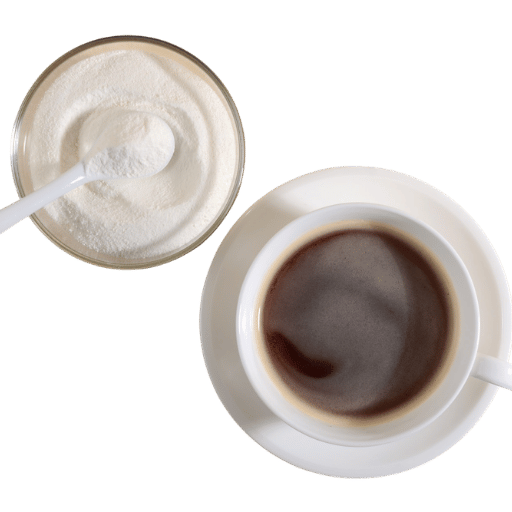
La plupart des gens croient à tort que lorsqu'ils achètent du café aux champignons dans une dosette, ce n'est que du café contenant de la poudre. Cela ne peut pas être plus éloigné de la vérité. Comme vous pouvez l'imaginer, le café peut être très sec et fluide. La poudre de champignons, cependant, est très légère, hygroscopique et sujette à la formation d'un “bridge” ou arch par-dessus la tarière lorsqu'elle sort de la trémie afin qu'elle ôte le débit de“ sans aucun avertissement indiquant que le débit s'est arrêté et se remplit donc sans être détectée. Donc remplir avec plus de champignons n'est pas nécessairement meilleur car chaque composant supplémentaire ajouté est une autre poudre avec son propre poids qui présente une autre méthode pour que le montant de remplissage varie.
C'est précisément pourquoi la grande majorité de ces produits fonctionnels ne livrent pas de“ selon l'étiquette. Cette échelle classe les ingrédients courants en fonction de leur difficulté à doser avec précision.
| Poudre | Remplissabilité (1 facile 5 dur) | Pourquoi |
|---|---|---|
| Café moulu | 1 | Référence dense et fluide |
| Extrait de Cordyceps | 2 | Raisonnablement fluide |
| Extrait de Chaga | 3 | Taille des particules dense mais variable |
| Extrait de crinière de lion | 4 | Ponts très légers, à faible densité |
| Reishi/mélange multi-champignons | 4 | Les densités mixtes se séparent |
| Ashwagandha /L-théanine | 5 | Hygroscopique, dose cible minuscule |
L'échelle de remplissage en poudre fonctionnelle.
Brevets de remplissage industriel tels que le Dosateur de poudre sèche USPTO (US9642812B2) exister précisément pour mesurer la poudre de faible densité sans pontage ni dérive statique Pour les marques, le message est direct : vos allégations d'étiquettes n'ont pas d'importance si vous ne pouvez pas remplir de manière cohérente Ce “dosing accurn de précision doit être considéré comme un problème de conception de machine et, plus important encore, un problème de trémie et de débit de poudre autant que c'est une question de recette ; par conséquent, c'est la spécification que vous voulez sonder le plus haut.
Étiquette blanche vs étiquette privée vs production interne
Il existe trois grandes approches pour mettre une dosette de café aux champignons sur une étagère, à chaque heure de négociation, pour le contrôle et la marge L'échelle ci-dessous décrit les trois étapes qu'une majorité de fabricants suivraient très probablement.
| Route | Temps de mise au rayon | MOQ | Contrôle des recettes | Choisir quand |
|---|---|---|---|---|
| Étiquette blanche (formule existante) | Plus rapide | Faible | Aucun mélange fixe | Tester un marché rapidement |
| Marque privée (mélange personnalisé) | 6 semaines | ~ 5 000 pods | Ratios complets | Construire une marque différenciée |
| Ligne de remplissage interne | Configuration la plus longue | Vos propres courses (à partir d'un mélange d'environ 3 kg) | Total recette + dose + QC | Le volume est prouvé, la marge compte |
Le label blanc → label privé → échelle de production interne.
Oubliez de mettre “FDA-approuvé fabricant” sur votre fournisseur liste de contrôle La phrase porte zéro sens, parce que la FDA n'approuve pas les plantes ou les étiquettes des aliments avant qu'ils n'atteignent le marché Ce dont vous avez besoin est vérifiable : l'installation est enregistré auprès de la FDA et fonctionne sous cGMP, [TRADUCTION], et votre étiquette est correctement attribuée Sous 21 CFR 101,5, (traduction), si vous possédez la marque et qu'un co-emballeur fabrique les dosettes, l'étiquette doit déclarer “Manufacturée pour” ou “Distribuée par” (minuscule phrase qui indique aux régulateurs et aux acheteurs qui est sur le crochet pour le produit.
“Payer pour la ligne de production en interne permet d'économiser de l'argent le jour où votre facture de co-pack pour une seule série de production coûte plus d'un mois de paiements en ligne Pour la plupart des marques de pod ce seuil vient étonnamment rapidement, généralement une fois que les commandes régulières dépassent environ 20 000 pods par”
équipe d'ingénierie AFPAK, systèmes de remplissage en portion individuelle
Ce qu'il en coûte pour lancer une ligne de pod de café champignon

Le coût d'un pod se résume à seulement une poignée d'articles, dont aucun n'est statique Ce tableau est un guide de planification, pas un devis.
| Composant | Référence typique |
|---|---|
| Tasse vide | $0.035$0.05 |
| Couvercle en aluminium | ~$0.01 |
| Mélange café + champignons | Piste les prix du café vert et des extraits |
| Remplissage de main-d'œuvre | Opérateurs américains d'emballage/remplissage ~$21/h |
| Machine de remplissage | Entrée ligne à voie unique à ligne multiple |
Deux ensembles de données gouvernementales ancrent cela. Le salaire moyen d’un opérateur de machine d’emballage et de remplissage est de $21,44 par heure en mai 2025, selon le Bureau américain des statistiques du travail le travail de votre sol. Et les matériaux dominent : dans son SEC 10-K, « Keurig Dr Pepper rapporte des ingrédients et des matériaux à un coût d'environ 551 °T3 T, avec des ventes de résine et de pâte à papier, la tasse et le couvercle étant nommés comme principaux facteurs de coûts K-Cup.
Ces intrants sont en pleine évolution Dans son dossier de 2025, Keurig Dr Pepper a signalé une baisse de 4,8% du volume des dosettes de la K-Cup américaine sur l'élasticité des prix et une baisse d'environ 11% du résultat opérationnel du segment café, citant des ingrédients défavorables, des matériaux et un effet tarifaire d'une valeur d'environ 22 points de pourcentage. La leçon pour une nouvelle marque : modélisez votre coût par dosette comme une cible mobile et protégez la marge lorsque vous le contrôlez surremplissez, rejette, diminuez le temps et emballez le travail. C'est à quel point c'est une main-d'est fiable et précise ligne de production de capsules de café gagne son donjon.
Qualité et conformité : les bêta-glucanes et le problème Ryze
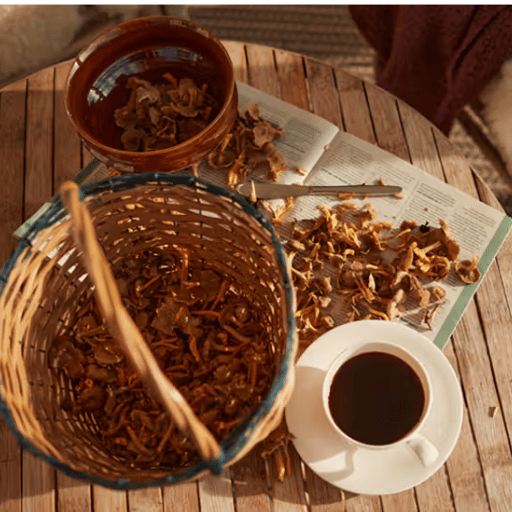
C'est là qu'une marque fonctionnelle est fabriquée ou cassée Deux chèques séparent une dosette de café champignon crédible d'une dosette marketing.
L'écart entre le corps fructifère et l'étiquette en mycélium. La différence se résume aux composés bêta-glucanes derrière la plupart des avantages des champignons fonctionnels Les extraits de corps fructifères donnent une teneur élevée en bêta-glucane, tandis que le mycélium cultivé sur un substrat de grain est beaucoup plus faible, généralement avec de l'amidon important Pourtant, tant qu'un café biologique est combiné avec soit un corps fruitier, soit du mycélium cultivé en grains, le mélange peut être admissible à la certification biologique et être étiqueté de cette façon Un acheteur ne peut pas les distinguer à moins qu'un pourcentage de bêta-glucane et une allégation de fructification ne soient indiqués, de préférence avec un certificat d'analyse Un scellage organique de l'USDA certifie la méthode de culture, et non l'approvisionnement ou la puissance.
Allégations et contaminants. La catégorie est sous un véritable coup de projecteur Ryze Superfoods a abandonné ses allégations de santé en septembre 2025 après une enquête de la Division nationale de la publicité des programmes nationaux de la BBB dans des instructions telles que l'énergie tout jour“ et l”“arper focus”, un cas qui mettez le marketing du café fonctionnel en demeure. Il a résolu séparément une réclamation de la proposition 65 de Californie concernant les avertissements d'exposition au plomb. Le conseil pratique pour une nouvelle marque : conserver les allégations de langage de structure/fonction défendable et tester chaque lot de métaux lourds avec des champignons bioaccumulables au plomb et au cadmium sont les échecs qui mettent fin aux marques.
Perspectives de l'industrie : où se dirigent les gousses à café fonctionnelles
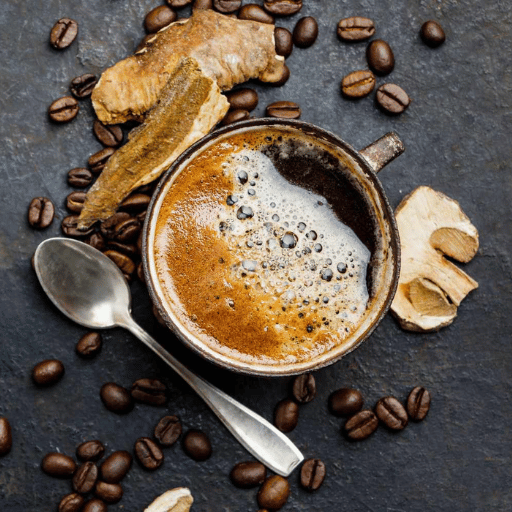
La catégorie en est encore à ses débuts dans l’adoption du format pod.
Le marché du café aux champignons était proche $2,9 milliards en 2025 et continue de se composer jusqu'au début des années 2030, avec la crinière de lion le plus gros champignon avec une part d'environ 39%. Le signal de demande est fort : Yelp a signalé un bond d'une année sur l'autre de 501% dans les recherches de boissons aux champignons“” en 2025.
Le format lui-même pivote lentement des bacs et des paquets en portion individuelle vers les dosettes Four Sigmatic a commencé à lancer ses dosettes de café fonctionnelles, étiquetées dosettes d'espresso fonctionnelles, en septembre 2025 chez Whole Foods ; cela pourrait être le signe du prochain niveau de concurrence qui se présente dans le format capsule, et non poudre, Pour une marque décidant s'il est temps d'entrer dans l'espace des dosettes de café aux champignons, maintenant par le biais d'une marque privée pour prouver votre demande et plus tard apporter vos propres capacités de remplissage en ligne car le volume justifie la dépense est probablement une stratégie gagnante.
L'objectif ultime sera de montrer à l'industrie la marque qui gagnera : ceux qui ont le dosage honnête qui fournissent également une étanchéité propre commenceront par contrôler le processus de remplissage lui-même.
Foire aux questions
Quel est l'inconvénient des dosettes de café aux champignons ?
Voir la réponse
Pouvez-vous mettre du café aux champignons dans un Keurig ?
Voir la réponse
Comment les champignons sont-ils infusés dans les gousses ?
Voir la réponse
Quelle quantité de caféine contient une dosette de café aux champignons ?
Voir la réponse
Les dosettes de café aux champignons sont-elles biologiques et recyclables ?
Voir la réponse
Quelle est la commande minimale pour lancer ma propre marque de dosettes de café aux champignons ?
Voir la réponse
Corps fruitiers vs mycélium qui est dans la gousse ?
Voir la réponse
Références et sources
- Supplémentation de la crinière du lion et fonction cognitive (étude pilote) /NCBI
- Effets aigus d'Hericium erinaceus sur la cognition et l'humeur /NCBI
- Renverser les haricots : combien de caféine coûte trop L'administration des aliments et des médicaments
- 21 CFR 101.5 Étiquette alimentaire Déclaration du fabricant/distributeur Code électronique des réglementations fédérales
- Statistiques de l'emploi et des salaires professionnels (mai 2025) 'U.S. Bureau des statistiques du travail'
- Keurig Dr Pepper Form 10-K (coût des ventes /matériaux K-Cup) 'U.S. Commission des valeurs mobilières et des changes'
- Ryze Superfoods met fin aux allégations de santé à la suite d'une enquête de la NAD Programmes nationaux BBB
- Taille et prévisions du marché du café aux champignons Recherche sur la préséance
Pourquoi Nous avons écrit Ceci
Chez AFPAK, nous fournissons des machines de remplissage et de scellement compatibles K-Cup et Nespresso, et nous pouvons clairement voir la divergence entre les revendications énumérées sur le côté d'une dosette de café fonctionnelle et la quantité de produit qu'une charge donnée peut mettre de manière adéquate dans la tasse, qui varierait généralement de 8 grammes à 13 grammes selon l'apparence du produit et de l'emballage.
Ces notes de remplissabilité et ces chiffres de précision de dosage proviennent de notre propre point de vue de production, mais les données de marché, de santé et de conformité proviennent d'informations publiques afin de pouvoir être vérifiées.
Articles connexes
- Machines de remplissage et d'étanchéité K-Cup formats, vitesses et précision du dosage
- Machine de remplissage et de scellement de capsules Nespresso Original et Vertuo
- Ligne de production de capsules de café, étiquette privée et OEM
- Machine de remplissage de gousses de café choisissant par sortie et format
Concevoir une ligne de dosettes de café aux champignons ?
Assurez-vous qu'il remplit le meilleur dès le premier jour.