
Voor een lineaire versus roterende k-bekervulmachine vergelijking, begin met uw maandelijkse cup doel, vloerindeling, SKU mix, en versheid spec Rotary kan de superieure compacte starterlijn Multi-lane lineaire productie kan de superieure high-volume pad zijn.
Snelle specificaties: het korte antwoord
Kies roterend wanneer uw installatie een compacte vulmachine, één-operatorstroom, en middelgrote output nodig heeft Kies lineair wanneer uw groeiplan meer rijstroken, stroomafwaarts kartoneren, of grootschalige productie nodig heeft Gebruik de onderstaande tabel als primair scherm voordat u een K-Cup vulmachines quote.
| Beslissingspunt | Roterende indeling | Lineaire indeling |
|---|---|---|
| Best-fit koper | Startup roaster, specialiteit merk, pilot private label lijn | Kweekbrander, co-packer, industriële CPG-lijn |
| Openbare AFPAK snelheidsvoorbeelden | RN1S 50-70 CPM en AF-RN120 tot 120 CPM | HB410 200-400 CPM; productfamiliebereik 40-600 CPM |
| Primair risico | Het ontgroeien van de indextabel, stroomafwaartse verpakking of afkeurbehandeling | Meer lengte, nutsvoorzieningen en automatisering kopen dan het eerste jaar nodig heeft |
Hoe elke lay-out K-Cups door het vullen, het spoelen van stikstof en het verzegelen beweegt
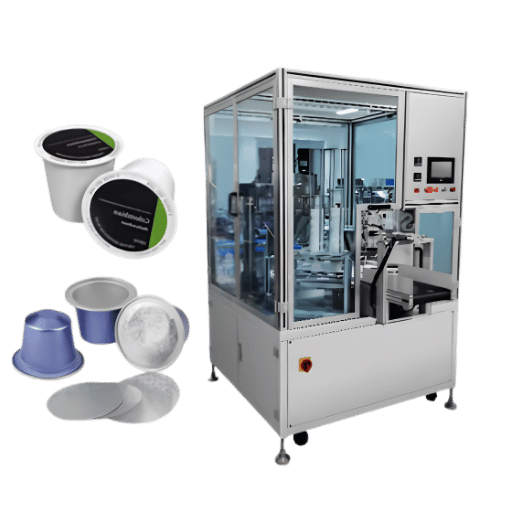
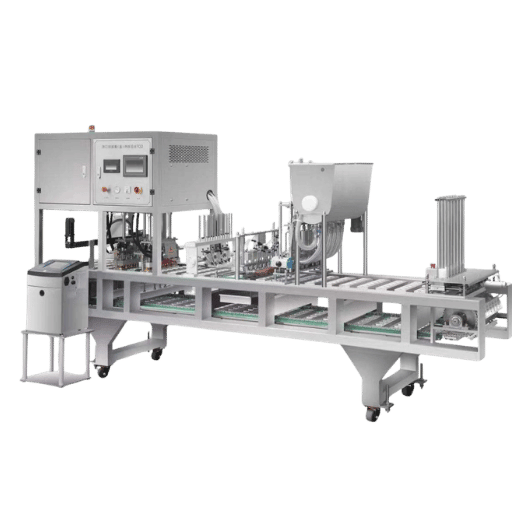
roterende machines indexcups in cirkel Ondertussen gebruikt een lineair cups die langs een rechte transportband of rijbaanset gaan. Beide lay-outs kunnen cups ontdoen, koffie doseren, stikstof doorspoelen, deksels plaatsen, verzegelen, verifiëren en uitwerpen; het verschil is de toegang van de operator, het aantal rijstroken en de stroomafwaartse stroom.
Op een roterende vulmachine is de bekerbehandeling strak. Stations draaien rond het midden, zodat een kleine voetafdruk het denesteren, vullen, afdekken, afdichten en uitwerpen kan omsluiten. Dit werkt wanneer 1 operator een strakke cel moet bekijken en wanneer de SKU-familie dicht bij dezelfde beker- en dekselvorm blijft. Voor productcontext, zie AFPAK's K-Cup vulmachine page.
lineaire machines breiden het proces uit over rijstroken Extra lengte lijkt op papier misschien inefficiënt, maar het laat ingenieurs meer koppen toevoegen, grotere dekselbehandeling, controlewegen, coderen, uitwerpstations, kartoneren en boksen. In de regel wordt een lineair stromingspatroon vaak de beste productielijn als de vulstof slechts één onderdeel is van een groter verpakkingsmachinesysteem.
Voordelen en grenzen per lay-out
| Indeling | Voordelen | Beperkingen |
|---|---|---|
| Roterend | Compacte, eenvoudigere zichtlijn met één operator, kort overdrachtspad, goed voor kleine tot middelgrote runs | Toekomstige expansie kan worden beperkt door de tabelformaat, het aantal stations en de stroomafwaartse stroom |
| Lineair | Schaalt door rijstroken, gemakkelijker om inspectie- en verpakkingsmodules toe te voegen, sterker pad voor uitvoer met een hoog volume | Heeft meer lijnplanning, meer goedkeuring en een sterkere discipline voor het opvoeren van materiaal nodig |
Het ontwerp van voedselapparatuur heeft ook een beperking op het gebied van sanitaire voorzieningen. De huidige regelgeving voor goede productiepraktijken van de FDA in 21 CFR Deel 117 van toepassing op het ontwerp van de fabriek, sanitaire handelingen, gebruiksvoorwerpen en apparatuur, en procescontroles. Als gevolg hiervan zou de offertebeoordeling moeten vragen hoe beide machinetypes de toegang tot reiniging, productcontactmateriaal en puinpreventie helpen, en niet alleen CPM.
De CPM-naar-verschuiving uitgangsladder
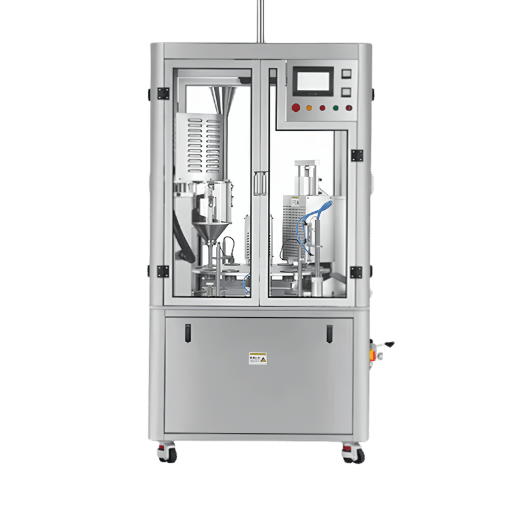
Deze ladder verandert bekers per minuut in een 8-uurs planningsnummer Maar, het is geen garantie Het is een nuttig eerste scherm omdat het aangeeft wanneer een compacte roterende machine aan de vraag kan voldoen, en wanneer een lineaire machine met meerdere rijstroken een RFQ rechtvaardigt.
De openbare informatie van AFPAK demonstreert roterende opties zoals RN1S bij 50-70 CPM en AF-RN120 tot 120 CPM. Het productassortiment omvat ook apparatuur met een hoger vermogen, zoals HB410 bij 200-400 CPM en bredere K-Cup-vuloplossingen van 40 tot 600 CPM. Kopers die offertes vergelijken, willen mogelijk verwijzen naar AFPAK's roterende K-Cup machine blad en zijn K-Cup productiekostencalculator.
| Naambordsnelheid | Bruto-output van 8 uur | Typisch citaatpad | Wat te verifiëren |
|---|---|---|---|
| 50 CPM | 24.000 kopjes | Roterende starter of compacte cel | Operatorlading, cupstackhoogte, dekselrolbehandeling |
| 70 CPM | 33.600 kopjes | Bovenste roterende startband | Afvalpercentage en verwijdering van afval |
| 120 CPM | 57.600 kopjes | High-end roterende beoordeling | Of het kartonneren of het verpakken van dozen bijhoudt |
| 200 CPM | 96.000 kopjes | Lineaire groeilijn | Baanbalans en inspectieplan |
| 400 CPM | 192.000 kopjes | Hoogvolume lineaire productielijn | Stikstofvoorraad, dekselvoeding, gegevens weigeren |
| 600 CPM | 288.000 kopjes | Grootschalig productieproject | Stroomopwaarts malen, stroomafwaarts boksen, personeelsbezetting |
Tel woorden als CPM x 60 minuten x 8 uur Verfijn het cijfer voor downtime als gevolg van herhaling van de operator, navullingen van de beker, reiniging, filmsplitsing, QC-bemonstering, programmering, verandering van ploegendienst Alleen plannen door piekinspanning kan de dagelijkse output sterk overschatten.
Voetafdruk, nutsvoorzieningen en materiaalstroom
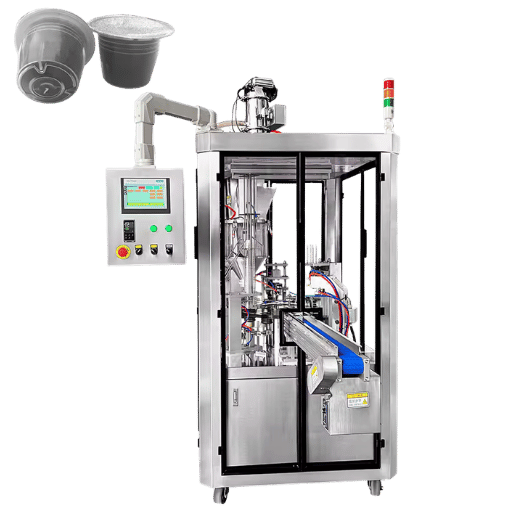
Voetafdruk is niet alleen de breedte en lengte van de machinelichaam Als hij roterend in een rondere kamer zit, kan het nog steeds ruimte nodig hebben om veilig kopjes te stapelen, deksels te plaatsen, te vullen met stikstof en perslucht, af te wijzen, onderhoud uit te voeren, elektrische kasten te plaatsen en afgewerkte dozen op te voeren.
The OSHA lockout/tagout standaard geldt alleen voor service en onderhoud wanneer onverwachte energie of opgeslagen energie (inclusief druk of temperatuur) letsel bij de werknemer kan veroorzaken Vraag hoe het project omgaat met blokkeerpunten tijdens installatie, service en omschakeling.
Lay-outcontrole voordat u offertes vergelijkt
- (Veiligheid tijdens de einde-levenscyclusreiniging, gereedschapswissels, jam clearing, en onderhoud van de heat-seal krijgt prioriteit zodra de blastoff-tafel van de pilotlijn veilig is Bij het bekijken van tekeningen, identificeer de locatie van het station, de toegang tot het paneel, en of andere activiteit van de operator tegelijkertijd materiaal nog veilig kan verplaatsen.)
- Repliceer bekerinvoer, dekselrol, stikstof, perslucht, kracht en afvoer in dezelfde tekening.
- Zorg ervoor dat het inbrengen van knijppanelen en andere onderhoudstoegang aan beide zijden van de machine worden geverifieerd, niet alleen aan de bestuurderszijde.
- Gebruik een lijncalculator (AFPAK's tijdcalculator voor orderafhandeling kan jaarlijkse volumeberekeningen verifiëren.) om dagelijkse volumeaannames te verifiëren.
Laat ruimte voor afgewezen cups en QC-monsters, uitval kan inzicht geven in de normale procescontrole.
Omschakeling: K-Cup, Nespresso, Dolce Gusto en seizoens-SKU's
Typische planningsfout: een zeer compacte roterende machine selecteren voor een drukke kamer, en er vervolgens achter komen dat de materiaalstroom knelpunten heeft Omgekeerd geval: citeer een toekomstige uitgangslijn met een lineaire machine, zonder te beseffen dat de fabriek momenteel niet genoeg lege kopjes, deksels, dozen en afgewerkte koffers kan opvoeren.
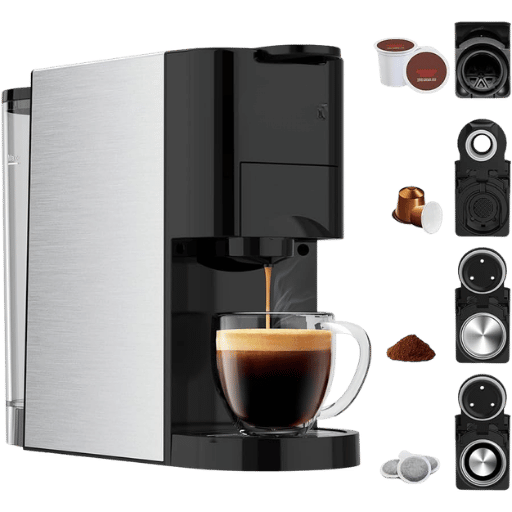
Omschakeling hangt minder af van het woord “linear” of “rotary” en meer van de formaatwijziging K-Cup naar een vergelijkbare K-Cup SKU kan recept - en filmwijzigingen nodig hebben K-Cup naar Nespresso, Dolce Gusto, of Lavazza-achtige capsules kunnen verschillende gereedschappen, cup handling, dekselplaatsing, sealparameters en testritten gebruiken K-Cup machine selectie gids om in te kaderen welke formaten thuishoren in de initiële aanhalingstekens.
| Omschakeltype | Waarschijnlijk werk | Plannota |
|---|---|---|
| Rooster- of mengwissel binnen dezelfde K-Cup | Recept, hopperreiniging, dekselrol, lotcode | Snelste pad wanneer de geometrie van de beker en het deksel vast blijft |
| K-Cup-formaat naar een andere compatibele beker | Gereedschapscontrole, recept, zegelvalidatie | AFPAK metadata verwijst naar een omschakeling van 30 minuten in productcontext; bevestig met uw kopje en deksel set |
| K-Cup naar Nespresso of Dolce Gusto | Bekerbehandeling, gereedschap, afdichtingsprofiel, testbatches | Citaat als technische recensie, geen kleine receptbewerking |
“De veiligste omschakelingsvraag is niet hoe snel de machine is Het is welk kopje, deksel, filter, koffiedichtheid, en seal recept de gebruikte snelheidsclaim.”
Vulnauwkeurigheid, restzuurstof en afdichtingskwaliteit
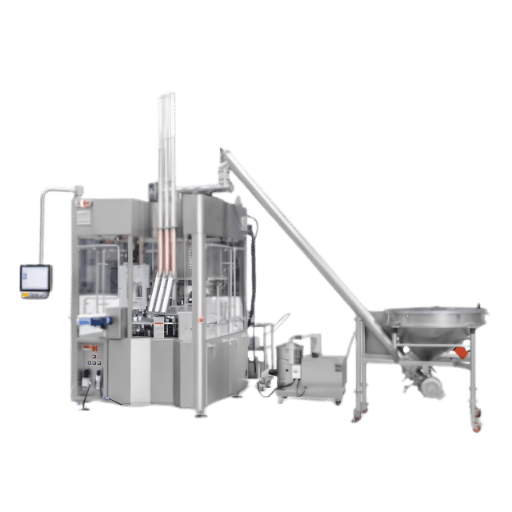
Machine-indeling beïnvloedt toegang en snelheid, maar versheid komt van gemeten kwaliteitscontroles Vraag elke leverancier om het doel voor de vulnauwkeurigheid, het doel voor resterende zuurstof, het bereik van de afdichtingstemperatuur, het bereik van de afdichtingsdruk, de logica voor het weigeren en het monster-run-protocol te definiëren.
De openbare K-Cup pagina metadata van AFPAK vermeldt +/-0.1 g vulnauwkeurigheid, minder dan 1% restzuurstof, 0-400 C afdichtingstemperatuurbereik en 0-0.8 MPa drukbereik Die waarden moeten in de RFQ worden gebruikt omdat overvulling van koffie, zwakke afdichtingen of overtollige zuurstof meer dan een klein verschil in initiële machineprijs kan kosten.
Technische opmerking: versheid is een systeemtest
De Specialty Coffee Association meldt dat het verlagen van het zuurstofgehalte tot 0,5% in een koffiecontainer de houdbaarheid tot wel 20 keer kan verlengen, terwijl een temperatuurstijging van 10 C de ontgassingssnelheid kan verdubbelen Uit onderzoek in een artikel over Food Packaging and Shelf Life uit 2024 bleek ook dat vochtopname in composteerbare capsules de kwaliteit van het koffiebrouwsel kan verminderen.
De juiste machine is niet alleen “lineair of rotary.” Het is uw koffie, uw kopje, uw deksel, uw filter, uw stikstofstroom, uw afdichtingsvenster en uw bewaarconditie.
| Spec om te verzoeken | Waarom het ertoe doet | Kopersactie |
|---|---|---|
| Vulgewichttolerantie | Bestuurt weggeef- en cup-to-cup-consistentie | Voer je sleur, braadstuk en dichtheid uit tijdens FAT |
| Residu zuurstofdoel | Beschermt aroma- en houdbaarheidsaannames | Meet na afdichting, niet eerder |
| Voedselcontactmaterialen | Bekers, deksels, lijmen, afdichtingen en contactonderdelen moeten voldoen aan de regels voor voedselcontact | Review 21 CFR-bepalingen inzake voedselcontact voor verpakkings - en verwerkingsapparatuur |
Als u nog steeds kiest tussen kop- en dekselmaterialen, bekijk dan AFPAK's kopjes en deksels leveren en lege K-Cups voordat u uw machinelichaam kiest.
Kosten, arbeid en ROI: welke veranderingen per lay-out?
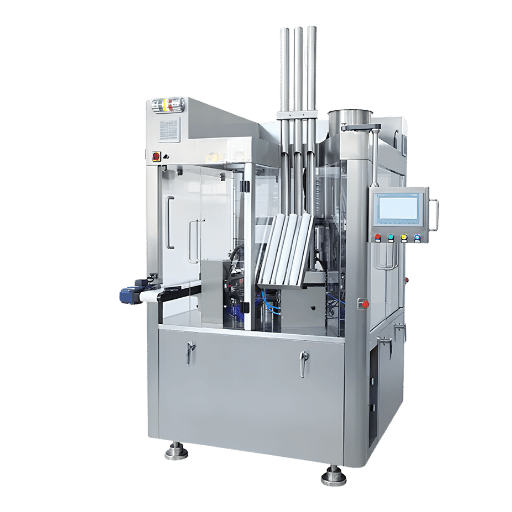
Lage offertes kunnen kostbaar zijn als ze overvulling, afgekeurde cups, extra werk, zwakke afdichtingen of knelpunten in uw pakkamer veroorzaken. Hoge offertes kunnen ook verkeerd zijn als ze een lijn met een hoog volume kopen voordat uw merk de vraag heeft bevestigd.
PMMI's State of the Industry 2025 rapportpagina geeft een samenvatting van automatisering, arbeidsbeperkingen, operatorvrije packrooms, vulling, inspectie, onderdelen, diensten en voorspellende onderhoudsthema's Bouw die ROI: arbeid, downtime van de planning, toegang tot de service, downstream pack count, samen met machine prijs.
Bouw de ROI-case twee keer Eerst, vergelijk de toepassing van vandaag: doel CPM, verschuivingen per week, aantal operators, verwacht afkeurpercentage en koffieweggeefactie Vergelijk vervolgens de toepassing van 18 maanden: nieuwe SKU's, extra rijstroken, inspectie, kartonnering en dekking van de pakkamer Deze twee gevallen helpen een kleine brander te voorkomen dat hij te veel machines koopt en helpen een co-verpakker een lijn te vermijden die de groei na het eerste contract beperkt.
| Kostenvariabele | Roterend uitkijkpunt | Lineair uitkijkpunt |
|---|---|---|
| Arbeid | Kan goed werken met één attente operator bij bescheiden CPM | Heeft een personeelsplan nodig voor de stroom van kopjes, deksel, afkeur, karton en dozen |
| Afval | Minder stations kunnen gemakkelijker te bekijken zijn, maar afwijzingen moeten nog worden gevolgd | Een hoger vermogen vergroot elk vulgewicht of afdichting |
| Toekomstige automatisering | Kan een tweede cel nodig hebben als de vraag de tabel ontgroeit | Gemakkelijker om inspectie, kartoneren, boksen en kofferverpakking te bevestigen |
Voor degenen die K-Cups nog steeds vergelijken met andere typen: de capsule-applicatie van AFPAK in de vulmachine voor koffiepads hulpbron kan helpen strategie van machinelichaam te splitsen. .
De 4-Gate Linear-to-Rotary Decision Matrix
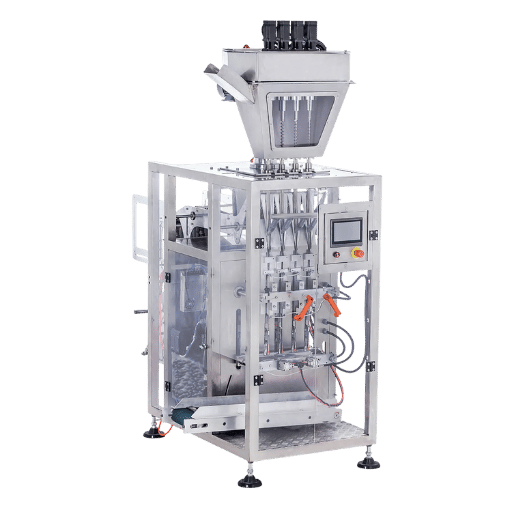
Gebruik deze matrix nadat u een daadwerkelijke volumeprojectie, installatie-indeling, SKU-matrix en kwaliteitsspecificatie heeft. Deze poorten versmallen het offertepad zonder te beweren dat één machinetype altijd het beste is.
| Gate | Als dit uw lijn beschrijft | Citeer pad |
|---|---|---|
| Volume | Minder dan 100.000 kopjes/maand | Begin met compact roteren tenzij SKU complexiteit anders zegt |
| Volume | 100.000-500.000 kopjes/maand | Vergelijk roterend en lineair met shift-output wiskunde |
| Volume | 500.000+ kopjes/maand | Model een lineaire productielijn en downstream verpakking |
| Voetafdruk | Kleine kamer met beperkte uitbreiding | Geef prioriteit aan roterend gebruik en controleer vervolgens de toegang tot de service |
| Voetafdruk | Uitbreidbare lijnhal | Overweeg lineair met inspectie- en verpakkingsmodules |
| SKU mix | Zelfde kopje, veel braadstuk/mengwissels | Receptcontrole is belangrijker dan architectuur |
| SKU mix | K-Cup plus Nespresso, Dolce Gusto of Lavazza | Vraag naar tooling, recept en sample-run scope |
| Automatisering | Alleen vulafdichting | Rotary kan de beste ROI voor het eerste jaar dragen |
| Automatisering | Vul, inspecteer, karton, doos en code | Lineair is meestal gemakkelijker te integreren tussen stations |
Als twee poorten roterend aanbevelen en twee lineair aanbevelen, stuur AFPAK dan een bekermonster, dekselmonster, doel-CPM, maandelijks volume, formaatlijst, vloertekening, nutslijst en restzuurstofdoel. Begin die technische beoordeling vanuit de contactpagina.
Koperscenario Matrix
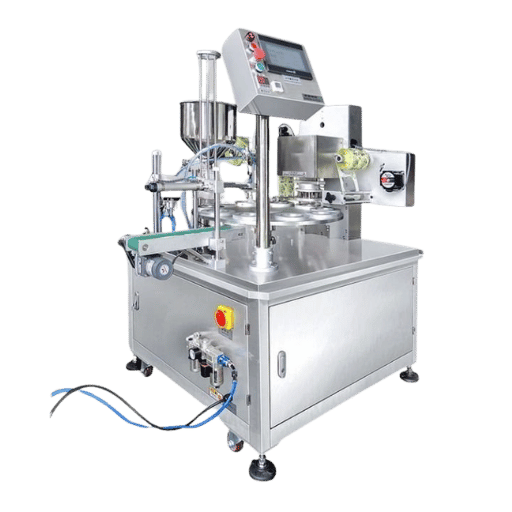
Dezelfde machine kan wel of niet het beste zijn voor elke koper. Deze matrix sorteert de vergelijking in clustertypen, dus een kleine speciale rooster selecteert niet per ongeluk de specificaties van een andere co-verpakker.
| Type koper | Waarschijnlijk nodig | Layout bias | RFQ-bewijs |
|---|---|---|---|
| Startup roaster | Kleine batches en cash control | Roterend | Beker-/dekselmonsters en eerste volume van 12 maanden |
| Specialty roaster | Frequente mengsels en versheidsclaims | Roterend of compact lineair | Resterend zuurstof- en sensorisch houdbaarheidstestplan |
| Opkomend merk DTC | Snelle lancering, gecontroleerde SKU-telling en snelle bemonstering | Eerst roterend, daarna uitbreidingsoverzicht | Lanceringskalender, steekproeflotgrootte en vraagband voor het eerste jaar |
| Private label merk | Meerdere SKU's en deadlines voor retailers | Lineaire, indien stroomafwaartse verpakking inbegrepen | SKU kalender en karton/doos formaat |
| Regionaal kruideniersmerk | Uitrol van winkels met een stabiel maar niet nationaal volume | Vergelijk roterende en compacte lineaire | Wekelijkse ordervoorspelling en case-pack patroon |
| O & O of proeflab | Formaattesten vóór een kapitaalaankoop | Roterende proefcel of semi-automatisch stadium | Testmatrix, aantal monsters en criteria voor slagen/mislukken |
| Co-packer | Hoge uptime en snelle klantenswaps | Lineaire of meerdere roterende cellen | Omschakelings-SOP en reservegereedschapsplan |
| Multi-formaat capsule leverancier | K-Cup-, Nespresso-, Dolce Gusto- of Lavazza-projecten | Architectuur is afhankelijk van toolingstrategie | Lijst opmaken, doel voor gereedschapswijziging en splitsing opschonen |
| Producent van seizoenspromotie | Korte runs, deadline druk, en wisselende kunstwerken | Roterende of flexibele lineaire cel | Promokalender, dekselkunstwerkplan en omschakelstappen |
| Industriële CPG | Hoge output met inspectiegegevens | Lineair | FAT-acceptatiecriteria en gegevensexportbehoeften |
Twee randkoffers vereisen extra aandacht Een snelgroeiende speciale brander lijkt vandaag misschien een rotary nodig te hebben, maar zal lineaire schaalbaarheid nodig hebben binnen 12-18 maanden als groothandels- of clubwinkeltoepassingen arriveren Een industriële koper lijkt mogelijk lineair nodig te hebben, maar kiest een cluster van verschillende roterende lijnen wanneer verschillende klanten meerdere capsuleformaten, ingrediënten of allergeencontroles nodig hebben. Begeleid niet elke RFQ in een oplossing met één machine. Citeer zowel de cel op korte termijn als de volgende uitbreidingsstap en vergelijk vervolgens het totale productieplan.
Wat verandert er in de selectie van K-Cup-vulmachines in 2026?
In 2026 moet uw RFQ vraag, automatisering, materialen, voedsel-contact beoordeling, en versheidsvalidatie omvatten NCA meldde in april 2025 dat 66% van Amerikaanse volwassenen dagelijks koffie drinken, 71% van koffiedrinkers van de afgelopen dag bereidden koffie alleen thuis, en 42% van Amerikaanse huishoudens hebben een eenkopbrouwer De grote vraag houdt een enkele-service verpakking relevant, maar het neemt niet de noodzaak voor zorgvuldige machine sizing weg.
Capsulematerialen veranderen ook Het aanbod van composteerbare capsules kan andere afdichtingsvensters en vochtbarrièretests vereisen dan traditionele cups. ISO22000 stelt criteria vast voor voedselveiligheidsbeheersystemen in de hele voedselketen, wat relevant is wanneer kopers leveranciersverpakkingsdocumentatie samenstellen.
Projectbewijsbestand: wat u moet vragen vóór de inkooporder
Een roterende-vs-lineaire offerte moet een klein projectbewijsbestand achterlaten, niet alleen een prijskaart. Vraag om de berekening van de basisdoorvoer, de tijdlijn voor het uitvoeren van monsters, aannames voor de installatie, het doel voor het afwijzen van tarieven en het ondersteuningspad van 24 uur voordat de beslissing wordt vergrendeld. Deze items maken de vergelijking nuttig na de eerste FAT-dag, wanneer een lijnmanager te maken heeft met kopjes, deksels, stikstof, dozen en operators in plaats van met verkooptaal.
| Bewijsverzoek | Standaard - of codenzens | Projectbewijs om te vragen |
|---|---|---|
| Beoordeling van toegang tot sanitaire voorzieningen | 21 CFR Part 117 en CFR Part 117 schoonmaaktaal | Fotogemarkeerde toegangspunten, washdown-limieten en een schoonmaakrecordplan van 12 maanden |
| Materiaalbestand met voedselcontact | 21 CFR Part 174 en CFR Part 174 leveranciersbeoordeling | Beker-, deksel-, lijm- en contactonderdeelbewijs gekoppeld aan de daadwerkelijke projectmonsters |
| Recordstroom op het gebied van voedselveiligheid | ISO 22000 en ISO-achtige verantwoordelijkheidsrecords | Wie registreert het afkeurpercentage, wie ondertekent het FAT-blad en wie eigenaar is van de basislijn na installatie |
| Onderhoudstoegang en opgeslagen energie | OSHA 1910.147 en OSHA-uitsluitingsplanning | Vergrendelingspunten, drukontluchtingsstappen, bewakingstoegang en een trainingstijdlijn voor operators van 8 uur |
| FAT acceptatie pakket | ISO 22000-records plus 21 CFR Part 117-reinigingsnotities | Basislijn van de doorvoer, aantal monsters, limiet voor het afkeurpercentage en aanname van reserveonderdelen over twee jaar |
| Hulpprogramma en lay-out release | OSHA-toegangsbeoordeling plus CFR Part 117-notities voor installatie-indeling | waarden van 5 kW, 7,5 kW, 50 Hz, 60 Hz, 100 mm, 150 mm en 200 mm bevestigd aan de hand van de definitieve tekening |
Vraag bij een aankoop in 2026 schriftelijk om drie dingen: het sample-run plan, de acceptatiecriteria en het post-install ondersteuningsplan Soms verslaat een machine met een iets langzamere doorvoer maar betere vulnauwkeurigheid, afdichtingskwaliteit, training en reserveonderdelen een snellere offerte waardoor de koper alleen met die risico's omgaat.
RFQ-pakket: 10 ingangen die een verkeerde offerte voorkomen
Een leverancier kan alleen de apparatuur opgeven die u opgeeft Als uw RFQ notes “K-Cup vulmiddel, hoge snelheid, laagste prijs,” de offerte zal te veel aannames hebben Als uw RFQ monsters, doeldoorvoer, en acceptatiecriteria levert, kan de leverancier de grootte van de roterende machine of lineaire machines voor het echte project Schaalbaarheid wordt een ontwerpvraag, geen marketing zin.
| Invoer | Waarom AFPAK het nodig heeft |
|---|---|
| Kop en deksel monsters | Bevestigt denesting, dekselopname, afdichtingsprofiel en gereedschapspassing. |
| Doel-CPM en maandelijks volume | Scheidt de roterende behoeften van starters van automatisering op lijnschaal. |
| Koffiedichtheid en maling | Beschermt de doseernauwkeurigheid en het hoppergedrag tijdens de proef. |
| Residu zuurstofdoel | Maakt van frisheid een meetbaar acceptatiecriterium. |
| Vloertekening en nutsvoorzieningen | Toont of het echte knelpunt de ruimte-, lucht-, stikstof-, stroom- of eindproductenstroom is. |
Voeg één meetblad toe aan de RFQ. De onderstaande waarden zijn geen universele machinelimieten; het zijn inputs aan de koperszijde die ervoor zorgen dat gereedschappen, afschermingen, transportbanden en monsterruns niet op basis van aannames worden vermeld.
| Meting | Verzenden als gemeten waarden | Citeer het risico dat het vermindert |
|---|---|---|
| Bekergeometrie | Velg-, basis- en hoogtemetingen, bijvoorbeeld 51 mm, 37 mm en 44 mm | Vermijdt denester en tooling mismatch |
| Dekselvoorraad | Werkelijke rol- of stansdikte zoals 0,08 mm, 0,12 mm of 0,18 mm | Beschermt de keuzes voor het ophalen, plaatsen en stilzetten van afdichtingen |
| Koffiedosis | Doel en tolerantie, indien van toepassing geschreven als 0,008 kg, 0,010 kg of 0,012 kg per kopje | Houdt vijzel, trechter en controleweegschaal realistisch |
| Versheidsdoel | Resterende zuurstofdoorlaatpunten zoals 0.5%, 1% en 2% | Maakt van stikstof en afdichting acceptatiecriteria |
| Proefvenster afdichten | Proeftemperaturen zoals 160 °C, 180 °C, 200 °C en 220 °C | Voorkomt dat één brochure-instelling de offerte aanstuurt |
| Kamer toegang | Bedieningsgang, dienstzijde, en halteplaats, bijvoorbeeld 0,8 m, 1,0 m, en 2,0 m | Toont of roterende compactheid of lineaire toegang belangrijker is |
| Elektrische belasting | Planningwaarden met geïnstalleerde belasting, zoals 3 kW, 5 kW of 7,5 kW, totdat de definitieve tekeningen het aantal bevestigen | Vlaggenpaneel, nutsvoorziening en faciliteit werken vroeg |
| Koffie conditie | Vochtmetingen of testbanden zoals 2%, 3% en 4% | Helpt bij het verklaren van het doserings - en doorstroomgedrag tijdens FAT |
| Pack-off geometrie | Karton-, bak- of transportspelingen zoals 100 mm, 150 mm en 200 mm | Zorgt ervoor dat stroomafwaartse verpakking geen bijzaak is |
FAQ
Wat zijn de nadelen van roterende machines?
Roterende limieten
Uitbreiding kan moeilijker zijn nadat de tabel, het aantal stations of het stroomafwaartse verpakkingspad vol is. Toegang vereist ook een zorgvuldige beoordeling omdat veel functies dicht bij elkaar liggen.
Zijn lineaire vulmachines eenvoudiger te onderhouden of te bedienen?
Onderhoudsopgave
Lineaire machines geven vaak meer stationstoegang, wat het onderhoud kan bevorderen. De bediening kan veeleisender zijn als de lijn meerdere rijstroken, inspectiestations en stroomafwaartse modules heeft. Onderhoudsteams moeten de toegang tot de bewaker, de blokkeerpunten, de gereedschapskarren en de opslag van reserveonderdelen beoordelen voordat ze besluiten dat een langere lijn automatisch eenvoudiger is.
Is roterend of lineair beter voor kleine koffiebranders?
Kleine roaster antwoord
Rotary is vaak het eerste offerte pad voor kleine branders omdat het een compacte kamer en bescheiden output kan passen Lineair kan nog steeds gelijk hebben als de brander al een grote maandelijkse vraag of meerdere downstream verpakkingsbehoeften heeft.
Welke machine is beter voor co-packers met een hoog volume?
Co-packer antwoord
Voor co-packers met een hoog volume verdienen een lineaire machine of meerdere gecoördineerde cellen meestal beoordeling omdat het aantal rijstroken, inspectie, kartoneren en boksen belangrijker kunnen worden dan alleen het vulmiddel. De beste offerte moet ook SOP's voor omschakeling, reservegereedschap, gegevens weigeren en toegang tot de service bevatten. Co-packers verkopen uptime, dus de vuller moet in de hele verpakkingskalender passen.
Hoeveel vloeroppervlak moet ik plannen voordat ik een offerte aanvraag?
Indeling antwoord
Stuur een vloertekening met kamerafmetingen, deuropeningen, nutsvoorzieningen, cup- en dekselopstelling, onderhoudstoegang, afkeurbehandeling en stroom van eindproducten. Machineafmetingen alleen zijn niet voldoende.
Heeft de machine-indeling invloed op de resterende zuurstof- of afdichtingskwaliteit?
Kwaliteitsantwoord
Indeling beïnvloedt toegang, verblijf, stationafstand, en inspectiemogelijkheden Werkelijke resterende zuurstof en de kwaliteit van de afdichting zijn afhankelijk van stikstofstroom, beker - en dekselmateriaal, koffiedichtheid, afdichtingstemperatuur, druk en monster-run validatie Behandel resterende zuurstof en de sterkte van de afdichting als acceptatiecriteria, vraag dan de leverancier om ze te bewijzen met uw monsters in plaats van een generieke brochure run.
Kan één AFPAK-machine K-Cup- en Nespresso-capsules gebruiken?
Formaat antwoord
AFPAK vermeldt K-Cup, Nespresso, Dolce Gusto en Lavazza onder de ondersteunde capsuletypen op openbare productpagina's. Gereedschapspakket, bekerafmetingen, dekselmateriaal en omschakelingsbereik bepalen of één project meerdere formaten aankan.
Welke informatie moet ik AFPAK sturen voordat ik om een lay-out vraag?
RFQ-antwoord
Stuur doel CPM, maandelijks volume, beker - en dekselmonsters, koffiedichtheid, formaatlijst, gewenste resterende zuurstof, doel voor vulnauwkeurigheid, beschikbare plattegrond, hulpprogramma's, downstream verpakkingsbehoeften en lokale ondersteuningsverwachtingen Voeg de eerste 12 maanden van SKU-volume toe als u het hebt Eén bestand helpt een startmachine te scheiden van een lijn die is gebouwd voor de volgende fase.
Klaar om een echte lay-out te vergelijken?
Stuur AFPAK uw cupmonster, dekselmonster, doel-CPM, plattegrond, SKU-lijst, gewenste versheid en trainingsbehoeften van de operator. De technische beoordeling kan roterend zijn tegen lineaire aanhalingstekens en uw werkelijke behoeften.
Hoe deze gids werd gebouwd
Deze primer breidt een AFPAK-vergelijkingspagina uit naar een huidige koopreis. De openbare AFPAK-specificaties zijn alleen opgenomen waar ze op de bronpagina passen. Externe bronnen die worden aangehaald zijn onder meer voedselveiligheid, trends in verpakkingsmachines, versheid van koffie, begeleiding bij contact met voedsel en onderhoudsveiligheid.
Referenties en bronnen
- 21 CFR Deel 117 -- Elektronische Code van Federale Regelgeving
- OSHA 1910.147 Uitsluiting/tagout - Arbeidsveiligheids- en gezondheidsadministratie
- Versheid behouden: een race tegen de klok -- Speciality Coffee Association
- Vochtopname tijdens opslag van koffie verpakt in composteerbare capsules. Voedselverpakking en houdbaarheid, 2024.
- 21 CFR Deel 174, Indirecte levensmiddelenadditieven: algemeen. Elektronische code van federale regelgeving.
- State of the Industry 2025. PMMI.
- Elke dag drinken meer Amerikanen koffie dan welke andere drank dan ook. Nationale Koffievereniging, 2025.
- ISO 22000 Voedselveiligheidsbeheer. Internationale Organisatie voor Standaardisatie.