
O que você realmente está comprando: Especificações novas versus usadas da máquina K-Cup rapidamente
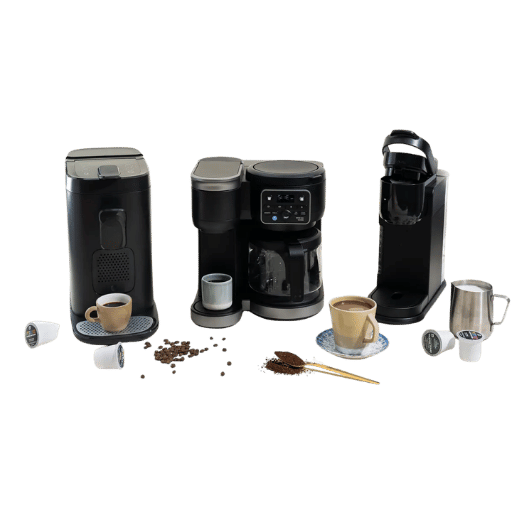
a máquina de enchimento K-Cup cobre uma ampla gama de especificações de desempenho (de copos semiautomáticos) para sistemas rotativos de mais de 200 minutos. Quando você está considerando uma máquina usada, você está efetivamente comprando dentro de uma faixa mais limitada dessas especificações. Veja como essas categorias se comparam umas com as outras, usando dados atuais do mercado:
| Categoria | Velocidade | Vintage Típico | Preço de mercado usado | Novo Preço (Referência) |
|---|---|---|---|---|
| Entrada semiautomática (12 faixas) | 10 cpm | 2018–2023 | $14,900–$22,500 | $15,000–$25,000 |
| Automatizado de médio alcance (inline) | 25 cpm | 2015–2022 | $20.000–$75.000 | $30,000–$80,000 |
| Rotativo de alta velocidade | 600+ cpm | 2012–2021 | $28.000–$447.900 | $80,000–$200,000+ |
As classificações de velocidade nas listagens de máquinas usadas refletem a taxa de transferência avaliada pelo fabricante (não a produção real do primeiro dia após a compra).O desempenho do mundo real pode ser afetado pela idade do sistema, pelo desgaste do conjunto do sem-fim e pela degradação da cabeça de vedação. Qualquer compra de máquina usada deve incluir um teste de produção cronometrado no material real do produtor antes de comprar.
Para uma explicação completa de como o design afeta a produção em diferentes níveis de rendimento, confira nosso guia tipos de máquinas, velocidades e como escolher o certo.
Por que as máquinas K-C usadas chegam ao mercado e onde encontrá-las
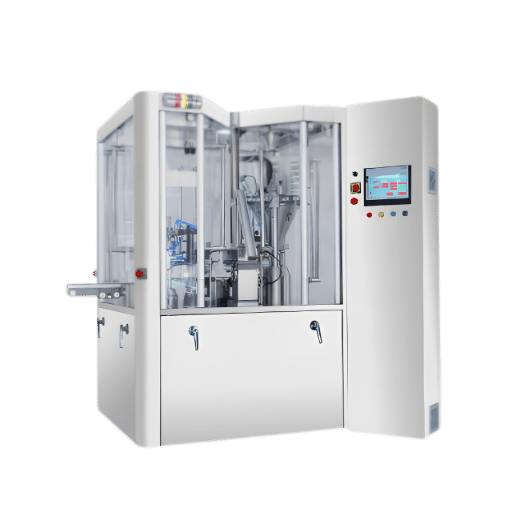
Equipamentos k-cup usados não são comprados às cegas Existem casos conhecidos e razoáveis para trazer um sistema usado para sua operação, e saber qual motivação um vendedor tem para descarregar seu sistema pode ajudá-lo a priorizar a condição da máquina em relação ao preço pedido.
Quatro situações comuns quando os vendedores descarregam equipamentos k-cup são:
- Saltos de capacidade: um torrador operando em uma linha em linha de 25 cpm supera suas capacidades e atualiza para um rotativo de 120 cpm A linha em linha é colocada no mercado de usados Tais unidades geralmente têm uso moderado, mas são mecanicamente finas.
- Fechamentos ou consolidações de empresas: os co-embaladores focados em líquidos fecham ou fundem, liquidando todo o estoque de sua linha de produção Tais unidades tendem a ter poucas horas de operação, mas exigem a validação de conformidade de uma nova instalação.
- Saltos de formato: os co-embaladores que passam dos formatos tradicionais de k-cup para compatíveis com Nespresso ou compostáveis descartarão sistemas de fabricação de K-cup calibrados com PP que ainda não são compatíveis com novos formatos sem modificações dispendiosas.
- Simplificações de linha: linhas de índice lineares mais antigas são descartadas quando os projetistas de linha se movem para linhas rotativas servo-acionadas mais recentes.
A diferença entre a máquina de enchimento linear vs rotativa K-cup vai além da velocidade. Isso afeta a carga de manutenção, o custo das peças e a estabilidade da calibração a longo prazo. Saiba qual tipo você está comprando em um caminho de atualização de alto volume, consulte nossa visão geral máquinas rotativas K-cup.
Onde usado Máquinas de enchimento K-cup estão listados:
| Plataforma | O que você encontrará | Nível de risco |
|---|---|---|
| coffeeequipmentpros.com | Mercado de equipamentos de café especializados e focado nos EUA; algumas máquinas testadas antes da listagem | Inferior (vetificação especializada) |
| machinio. com | 145 listagens de máquinas K-cup (18 EUA, 121 China); ampla faixa de preço; o comprador possui a devida diligência | Médio (sem inspeção padronizada) |
| eBay /industrial geral | Listagens ocasionais, muitas vezes de liquidatários ou propriedades; registros de serviço geralmente escassos ou ausentes | Mais alto (consciente do comprador) |
Um indicador dourado: as listagens machinio.com no início de 2025 passaram de $14.900 para um inline de 2020 para $447.900 para duas linhas rotativas de 6 pistas IMA vintage de 2014 As máquinas usadas de alta velocidade não se depreciam como os eletrônicos de consumo Se você planeja comprar uma linha rotativa com grande desconto, os números podem não somar como você espera.
Lista de verificação de inspeção de 7 pontos antes de comprar uma máquina de enchimento K-Cup usada
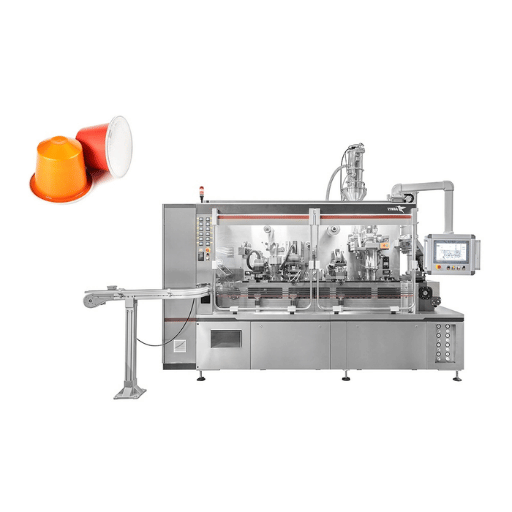
O que você não sabe sobre uma máquina k-cup usada pode atrasar um plano $3.000 ou 12 meses de retrabalho para condicionar a máquina para uma produção confiável seis fatores-chave de seleção para qualquer máquina k-cup aplicar a máquinas usadas como bem, mas as máquinas usadas requerem validação física que não.
Aqui estão os 7 critérios críticos que toda inspeção de máquina k-cup usada deve incluir.
1 Cabeça de vedação e condição do elemento térmico
A cabeça de vedação e seus elementos: é a peça mais vulnerável de um enchimento k-cup Examine as barras de vedação para empenamento, distribuição irregular de calor e acúmulo no elemento de vedação Faça com que o vendedor execute um teste de vedação ao vivo, puxando e testando manualmente 5 copos de amostra para resistência ao descascamento e consistência em todas as quatro bordas da tampa de folha de alumínio Resistência variável à tração significa que os elementos térmicos estão fora de calibração, ou a pressão de vedação está desalinhada, e ambos exigem substituição no mínimo.
2 Integridade do Sistema de Lavagem de Nitrogênio
Se o vendedor dispõe de um sistema de lavagem com nitrogênio — e enchedoras K-Cup para produção devem tê-lo —, peça uma demonstração em tempo real. Teste a operação das válvulas e do regulador de vazão e verifique se as mangueiras apresentam rachaduras ou desgaste. Melhor ainda: sele cinco cápsulas com nitrogênio na configuração de teste e meça o oxigênio residual; a meta é menos de 2% de oxigênio. Teores acima desse limite comprometem prazo de validade da cápsula de café dentro de semanas, não meses Um sistema de nitrogênio com defeito pode ser reparado, mas os custos de reparo devem ser levados em consideração no preço de sua oferta.
3 Auger Desgaste e Preenchimento Precisão
O trado é a peça de reposição mais urgente em qualquer enchimento de pó/café em termos de produção de saída Variações no volume do trado equivalem a variações nos pesos de enchimento, e em uma linha k-cup, a variação nos pesos de enchimento impulsiona a variação no desempenho do copo Execute uma série de produção experimental com seu próprio estoque de café moído real, no seu tamanho de moagem alvo, e meça o peso de enchimento de 20 xícaras consecutivamente Qualquer coisa fora de 1,5 por cento do seu alvo requer a substituição do trado Pergunte ao vendedor o número da peça e verifique se ele pode obter um novo de uma fonte local dos EUA antes de comprar.
4 Ecossistema de Marcas e Peças PLC
Seis segundos de verificação Basta perguntar ao vendedor: Quantas marcas são o PLC?
Escolha de várias marcas padrão da indústria disponíveis atualmente, prontamente Schneider, Siemens, Allen-Bley, Omron (com tecnologia) devem ter componentes que você pode adquirir em distribuidores industriais nos EUA (ou outras economias desenvolvidas).PLC proprietário/desconhecido significa fornecedores proprietários/desconhecidos Na realidade, o sistema de controle proprietário fará com que o equipamento sofra um atraso documentado de 4 a 6 semanas no envio de peças do fornecedor internacional por evento de solução de problemas.
Para uma máquina como a linha de produção que opera a mais de 500 xícaras/dia, um tempo de desligamento de linha de produção de 4 semanas constitui um risco financeiro significativo. Inclua isso em sua correção de custo total.
5 Conformidade com superfícies de contato com alimentos (FDA §117.40)
De acordo com FDA 21 CFR Parte 117 117.40, todas as superfícies de contato com alimentos em equipamentos de produção são obrigados a ser resistente à corrosão, feito de materiais não tóxicos, e ter juntas suavemente coladas para evitar a acumulação de resíduos de produtos Este regulamento é baseado em condição, não idade-baseada uma máquina usada PODE cumprir, mas apenas se as superfícies estão em conformidade de produção atual Por inspeção visual, procure ferrugem de superfície na cabeça de enchimento, tremonha, e pontos de contato de vedação.
Inspecione juntas e vedações quanto a rachaduras Confirme se todas as peças de reposição usadas pelos proprietários anteriores são de qualidade alimentar Qualquer máquina com superfícies corroídas de contato com alimentos não é apenas uma responsabilidade regulatória, mas também uma responsabilidade da marca, mesmo antes de passar o primeiro copo.
Para manutenção após a compra, consulte o nosso manutenção da máquina de enchimento K-Cup guia.
6 Documentação de Peças e Contatos de Fornecedores
Primeiro, obtenha o manual de peças original, uma lista completa de materiais, números de peças para as cinco principais peças de desgaste e as informações do fornecedor Em seguida, verifique: ligue ou envie um e-mail para pelo menos dois desses fornecedores e verifique a disponibilidade e o prazo de entrega. Se o vendedor não conseguir localizar informações sobre peças, obtenha o número de série da máquina e ligue para o fabricante.
Uma máquina usada sem registro de fornecimento de peças não é uma pechincha, é um passivo que você descobrirá no pior momento possível.
7 Histórico de serviço e horário de funcionamento
Registros de manutenção de demanda, histórico de calibração e horas de funcionamento acumuladas. Horas baixas em uma máquina vintage de 2015 não são necessariamente um indicador positivo. Armazenar por períodos prolongados e não correr suas próprias dificuldades (componentes de mandril, vedações secas, deterioração do lubrificante).A evidência ideal é uma máquina que tem executado regularmente registros de produção e calibração atualizados nos últimos 90 dias.
Documentação zero e um operador desconhecido devem reduzir o valor em pelo menos 20-30% em comparação com máquinas semelhantes adequadamente documentadas ou ser rejeitadas imediatamente, a menos que a disponibilidade de sua própria capacidade de recomissionar totalmente.
Quer uma comparação de especificações lado a lado entre uma máquina usada que você está avaliando e uma nova unidade AFPAK no mesmo nível de velocidade? envie um e-mail para os detalhes da máquina inquiry@afpak.co ‘ll construir a comparação para você.
Custo total de propriedade de 3 anos: máquina de enchimento K-Cup usada versus nova
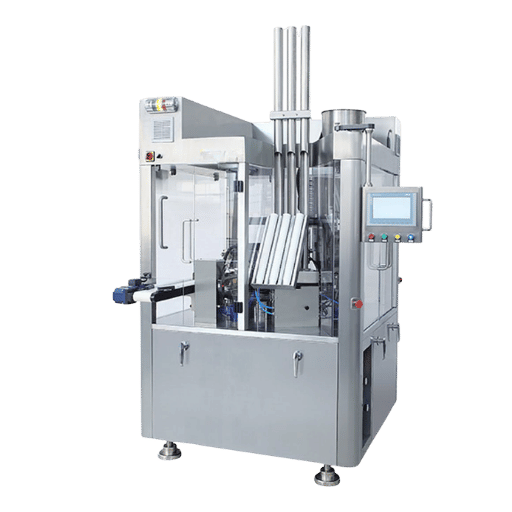
Preço de compra é o que os compradores se concentram em Custo total de propriedade é o que conta Para o equipamento de enchimento k-cup, a diferença entre os dois é muitas vezes grande o suficiente para virar a decisão usado-vs-novo inteiramente.
O preço real impulsiona esta comparação: uma unidade de 25 cpm em linha vintage de 2020 em $14.900 (coffeeequipmentpros.com, início de 2025) serve como referência usada contra uma nova máquina de 20 cpm de nível básico em aproximadamente $18.000. As estimativas de peças e tempo de inatividade são construídas a partir de dados de mercado e garantia Os resultados individuais variam de acordo com a intensidade de uso e a habilidade do operador.
| Categoria Custo | Usado em linha (25 cpm, 2020) | Novo nível de entrada (20 cpm) |
|---|---|---|
| Preço de compra | $14,900 | ~$18,000 |
| Remodelação imediata/calibração | $004T04T4T4, est. | $0 |
| Peças consumíveis (média de 3 anos) | $0004T3004T6, est. | $04,500$3, est. |
| Exposição não planejada de reparo e tempo de inatividade | $2.000–$8.000 de risco (sem garantia) | Coberto sob a garantia mecânica de 2-yr |
| Acesso de suporte técnico | Variável (dependente do vendedor) | Apoiado pelo fabricante; envio de peças no dia seguinte |
| Total de 3 anos (intervalo estimado) | $21,900–$32,900 | $19,500–$24,000 |
Ao levar em consideração o custo de reforma, um custo de consumo mais alto e uma potencial exposição de reparo não planejada, a aparente vantagem de preço de compra de $3.100 para as máquinas usadas é eliminada, um delta de custo de 3 anos mostra uma verdade no limite superior do risco de reparo usado. a nova máquina é a opção de custo mais baixo durante todo o tempo de serviço.
Isto pode ser superado por: (a) se todos os 7 pontos de inspeção forem alcançados sem necessidade de reparo, (b) reforma marginal planejada com antecedência e (c) um comprador que mantenha uma equipe técnica interna que possa processar chamadas de serviço confiáveis. Nesse modelo, a rota usada pode trazer economias reais.
Para um olhar mais profundo sobre como justificar o investimento em equipamentos de capital na produção de cápsulas de café, veja nossa análise em se o equipamento de produção de cápsulas de café vale o investimento.
5 bandeiras vermelhas que devem impedir a compra
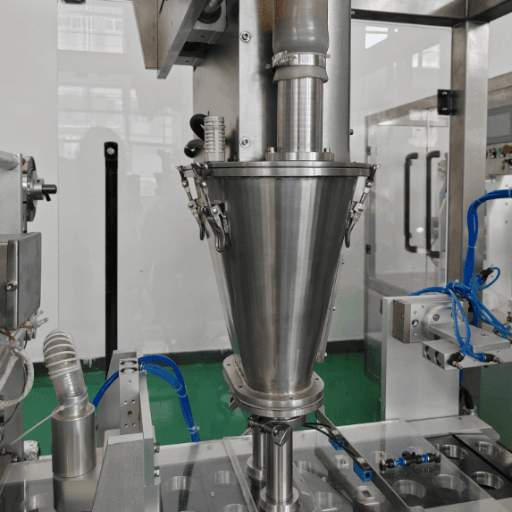
Nem toda máquina k-cup usada vale o trabalho. Algumas são desmembradoras. Aqui estão as cinco condições que forçam você a se afastar ou a concordar com um preço de compra radicalmente reduzido.
PLC proprietário sem fornecedor local documentado
Esta é a maneira mais rápida de saber qual equipamento usado evitar para questões de custo de propriedade Se o PLC for de um fabricante estrangeiro nenhum dos reparos será conduzido pelo seu técnico local ou provedor de serviços Encontre um PLC sobressalente e um pacote de peças para acompanhar, você pode renegociar essa condição na venda.
ines O vendedor recusa uma produção ao vivo antes da compra
Conseguir ligar o equipamento não significa que ele consiga executar as sequências de produção. O enchimento, a lavagem com nitrogênio, a selagem e o corte precisam ser testados sob carga, com café real na máquina. Um vídeo não substitui uma inspeção presencial com o vendedor. Se ele não consegue disponibilizar a máquina em funcionamento para essa inspeção, provavelmente há problemas que apareceriam durante o ciclo.
Sem registros de serviço e horas de execução desconhecidas
Ninguém está apenas comprando hardware Eles estão comprando um histórico de manutenção Sem um registro de serviço você não pode pesquisar a vida útil restante em peças de alto desgaste cabeça de vedação, brocas, válvulas pneumáticas Nenhum registro de serviço não significa necessariamente uma máquina ruim, mas significa que você não tem dados para apoiar uma negociação de preço sobre o risco de desgaste-peça Exigir um desconto proporcional a essa incerteza, ou encomendar uma inspeção independente de um técnico de equipamentos qualificado.
Corrosão visível em superfícies de contato com alimentos
De acordo com FDA 21 CFR Parte 117 117.40 aquelas superfícies em contato com alimentos não devem ser inerentemente corroídas ou tóxicas A ferrugem superficial na cabeça de enchimento, tremonha, trado ou nas superfícies de contato para a vedação é uma violação antes que a máquina tenha processado qualquer café O tratamento de superfície às vezes pode restaurar essa conformidade, mas deve ser incluído no modelo de custo como um custo, e alguns componentes não são mais úteis.
🚩 “Como está, sem retorno” em compras acima de $20.000
Comprar lado se você está razoavelmente certo de que é menor desempenho (modelo mais antigo, estoque morto, custos operacionais mais elevados) e o vendedor está venda de pressão, estar preparado para ir embora Ofertas de desconto têm um limite; você sempre pode deixar alguns no banco para peças de reparação ou atualização mais tarde Espere alguma margem nesta fase Os vendedores razoáveis de equipamentos industriais incluem uma janela de inspeção de entrega pós curto dizer 7-14 dias para você verificar em sua própria instalação que a máquina live run atinge a especificação de desempenho Uma empresa como está, nenhuma posição de recurso em uma transação de dólar grande é contrária à prática padrão da indústria e irá transferir todo o risco de defeito oculto para você Se o vendedor não se mover, preço no risco ou se afastar.
Usado vs. Novo: Uma estrutura de decisão simples para compradores de equipamentos K-Cup
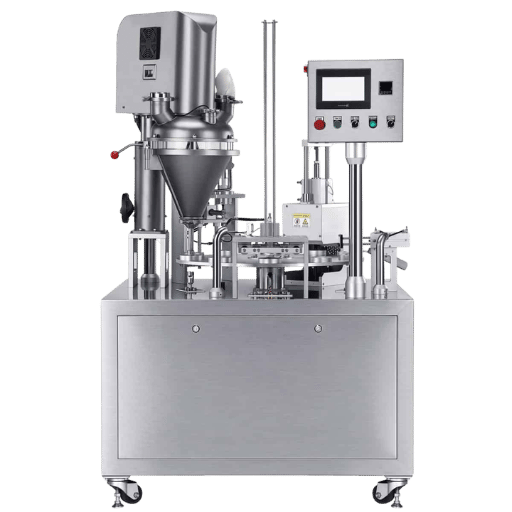
Aqui está a lógica IF/THEN mais simples baseada nas quatro variáveis de maior impacto usadas versus nova decisão volume, capital disponível, habilidades técnicas internas, demandas regulatórias de produtos.
Árvore Decisão
volume IF<500 cups/dia E orçamento<$20 K E serviço local disponível Usado (entrada em linha) viável SE passar todos os 7 pontos da lista de verificação de inspeção operacional
SE volume de 500-2000 cápsulas/dia E técnico no local → usada (categoria intermediária) é viável — reserve 15% do preço de compra para futuras reformas
volume IF>2000 cups/dia Forte preferência por nova escala & cost, a Downtime em escala > economia de compra
SE nenhum pessoal técnico E produto tiver requisitos de alérgenos, alérgenos ou exportação, a nova cadeia de documentação de conformidade apenas orgânica deverá começar a partir do primeiro dia
SE a máquina usada é 10 anos rotativo de alta velocidade e o preço de venda original era GT$100K Seja cauteloso (a) (a) get inspeção independente da máquina e auditoria de peças antes de comprar
Dois cenários do mundo real que mostram a decisão na prática:
Cenário A: Sarah (Sarah) Pequena Roaster, 400 Copos/Day Target
Sarah opera uma torrefação de café especial para 3 pessoas e quer trazer embalagens K-cup internamente Ela tem $18.000 disponíveis no orçamento de equipamentos e está considerando uma unidade em linha vintage de 25 cpm de 2020 em $14.900. ela não tem técnico no local, mas há uma empresa local de manutenção de equipamentos industriais a 40 minutos de distância
Decisão certa: uma máquina usada é viável para a Sarah — SE passar em todos os 7 critérios de inspeção e se ela conseguir negociar um contrato de 1 ano com a assistência técnica local incluído no orçamento. 400 cápsulas/dia com 1 hora de parada por dia é um risco administrável. Reserve $3.000-$4.000 para calibração e peças de reposição no primeiro ano.
Movimento errado: Comprar sem uma corrida ao vivo, aceitar proveniência não documentada ou pular a verificação do PLC Consulte nosso guia para o melhor máquina de enchimento K-copo para pequenas empresas sobre como avaliar novas opções nesta escala e nossa visão geral de K-cup embalagem para pequenas marcas de café para a imagem completa.
Cenário B: Marcus (Marcus Scaling Co-Packer), 3.200 Copas/Day Target
Marcus opera um negócio de co-embalagem visando 3.200 xícaras/dia com 4-6 SKUs Ele está revisando um rotativo de pista dupla vintage usado em 2014 em $105.000 contra um novo sistema rotativo em $120.000-$150.000.
Movimento certo: Comprar um novo trabalho aqui Uma década de idade 3.200 copos/dia significará Marcus $15.000-$25.000 desperdiçando uma semana de tempo de inatividade não planejado custo morto contra perda de receita de contrato de co-embalagem O $15 K-$45 K poupança de despesas simplesmente desaparece com um único grande evento de despesas 200-400 cups/dia sistema vem com um dois anos de peças e garantia mecânica Para um 200-400 cups/dia sistema, veja este resumo de linha de produção de cápsulas de café configurações.
Movimento errado: Tratar mal a margem $45K como economia de custos sem respeito pelo risco de peças, prêmios de garantia e o fato de que as peças proprietárias a bordo de uma máquina 2014 já podem ser descontinuadas.
A captura de pod compostável: uma máquina usada pode executar pods de novo formato?
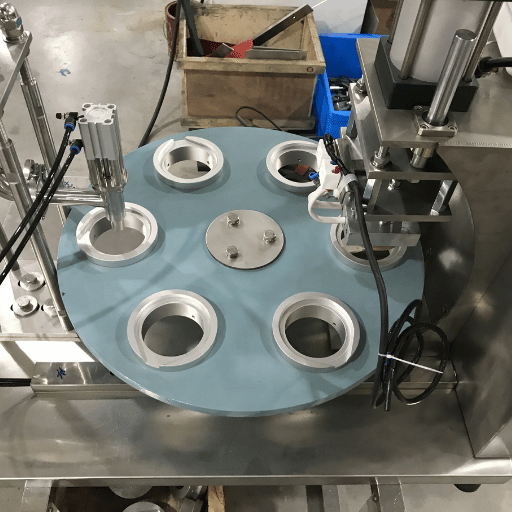
Os formatos de cápsula compostáveis e biodegradáveis são agora o segmento de crescimento mais rápido do mercado de cápsulas de café — expandindo a um CAGR de 11,2%, quase o dobro da taxa de crescimento de 6,1% do mercado como um todo, impulsionados pelas regulamentações da UE e pelas exigências de sustentabilidade dos varejistas.
Muitas máquinas de enchimento k-cup usadas populares atualmente no mercado foram calibradas para o material padrão da tampa de polipropileno (PP).A temperatura da vedação e os requisitos de tempo de permanência para PP e folhas compostáveis são significativamente diferentes:
| Material Tampa | Temperatura de vedação | Hora de permanência |
|---|---|---|
| Folha PP padrão | 18020°C | 3000 ms |
| PLA Compostável/PBAT | 140 °C | 4000 ms |
Nota de Engenharia: Verificação de Compatibilidade Compostável
Certifique-se de que qualquer máquina de enchimento k-cup usada destinada à produção de cápsulas compostáveis tenha uma cabeça de vedação com uma faixa de temperatura ajustável de até 120-160 C e suporte para programação de tempo de permanência de até 600 ms. Executar um formato compostável em um alto temperatura apenas a cabeça de vedação PP queimará ou deformará a folha, sem que as vedações estejam configuradas corretamente Entre em contato com o vendedor para obter a folha de especificação técnica na cabeça de vedação e confirme se a faixa de temperatura ajustável está escrita no contrato de compra.
Uma máquina usada comprada hoje por PP não é necessariamente um formato de produção K-cup se representa a maioria do volume K-cup Mas você antecipa a mudança para formatos compostáveis dentro de 24 PP3 meses, a capacidade do sistema de vedação para suportar essa transição precisa fazer parte da decisão de compra agora, não um retrofit caro mais tarde Para obter informações sobre as opções atuais de formato biodegradável, consulte nossa visão geral de soluções biodegradáveis de cápsulas de café.
2025 2026 Sinais de Mercado e o que significam para a Janela de Equipamentos Usados
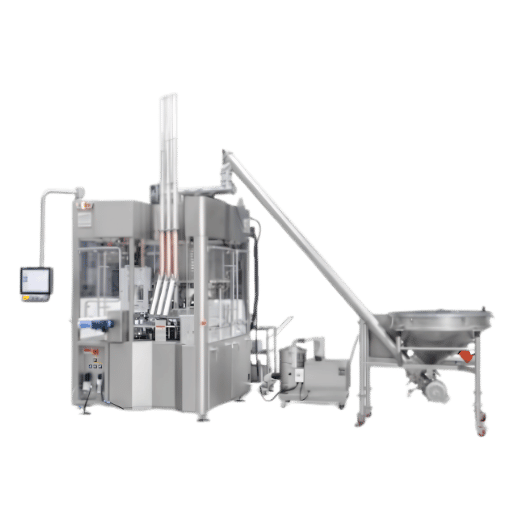
O tempo no setor de vagens de café define a disponibilidade de equipamentos secundários Aqui está um resumo das condições atuais do mercado, provenientes de vários contatos e eventos do setor:
- Tamanho total do mercado: O mercado global de cápsulas e cápsulas de café atingiu US$30,4 bilhões em 2025 e deverá atingir US$58,3 bilhões até 2036, representando uma taxa composta de crescimento anual de 6,1 por cento (Fact.MR, 2025).
- Base instalada nos EUA: mais de 40 milhões de lares nos EUA habilitados para Keurig geram demanda contínua por volume para o formato k-cup (Fact.MR).
- Parceria KDP + KKR + Apollo para uma JV de $4 bilhões (outubro de 2025): A joint venture da grande marca de café com duas grandes casas de investimento indica expansão em escala de infraestrutura do local de fabricação de serviço único; que impulsiona novas compras de equipamentos e acelera ciclos de substituição para linhas de produção envelhecidas.
- Crescente setor compostável: 11.2 CAGR para formatos compostáveis (Fact.MR) a parte de crescimento mais rápido do mercado, ampliada pelas diretivas de varejo dos EUA e pela regulamentação de sustentabilidade da UE.
- Expandindo a pegada Ásia-Pacífico: rápido crescimento no consumo de café na Índia, 8,2% CAGR na China 7,6%, no Brasil 7,1% A demanda internacional aumenta o fluxo de novas capacidades e aproxima cada vez mais o momento das atualizações de linhas programadas na América do Norte.
O que o atual momento significa para os compradores que desejam adquirir equipamentos usados: o horizonte temporal 2025-2026 provavelmente marcará o pico de disponibilidade de equipamentos de mercado secundário de nível intermediário À medida que os profissionais de hoje atualizam equipamentos lineares antigos para modernas máquinas k-cup rotativas de alta velocidade para acomodar a demanda em rápido crescimento, um número sem precedentes de linhas vintage 2016-2022 fluirá para o mercado secundário E esse gasoduto não permanecerá aberto para sempre em conjunto, o crescimento da demanda de empresas com foco em formatos compostáveis empurrou a disponibilidade de máquinas somente PP para venda para obstrução de formato.
A conclusão: se você vai comprar usado, a janela de entrada para fazer isso é agora, e a janela de formato requer uma inspeção de compatibilidade compostável como parte do processo.
Perguntas frequentes
O que é uma máquina de enchimento usada do K-copo?
Uma máquina de enchimento k-cup usada refere-se a uma máquina de produção comercial de segundo/terceiro proprietário que no local enche automaticamente, descargas de nitrogênio e vedações térmicas cápsulas de dose única compatíveis com K-cup. Máquina de enchimento k-cup usada em mesa semiautomática existe na faixa de produção de 10-25 xícaras por minuto e pode até existir em configurações rotativas totalmente automatizadas que produzem mais de 200 xícaras/minuto. Listei principalmente uma máquina“ ”used se ela for reformada com precisão com componentes reformados, levemente executada durante o fechamento de uma empresa ou fortemente executada e, portanto, atrasada para reparos e inspeção.
Quanto custa uma máquina de enchimento K-cup usada?
O preço da máquina de enchimento k-cup usada no início de 2025 variou de $14.900 a $447.900 nos principais sites do mercado secundário As unidades inline de 20-25 cpm de nível básico geralmente listadas na faixa $14.900-$28.000 Máquinas automatizadas de nível médio listadas na faixa $28.000-$75.000 Sistemas rotativos rápidos de alta qualidade de produtores confiáveis listados para $100.000-$450.000, o que significa que o capital usado vale quase tanto quanto o novo capital O preço da lista e a soma finalmente paga (negociações de fabricação, recondicionamento e peças) podem variar em 20-40%.
Posso comprar uma máquina de enchimento de K-cup recondicionada certificada?
O recondicionamento totalmente certificado, ou seja, peças mecanicamente intensivas desmontadas e replicadas, recalibradas de acordo com as especificações OEM e vendidas junto com uma garantia, continua incomum no mercado de k-cup usados Os sites industriais gerais fornecem uma verificação menos completa do que as plataformas especializadas de equipamentos de café e, mesmo lá, o rótulo “refurbished” reflete a descrição do vendedor em vez da verificação independente Se você deseja tranquilidade apoiada pela garantia em uma máquina de segunda mão, a única opção confiável é negociar uma garantia de serviço pós-venda com o vendedor ou terceiros.
Quais peças se desgastam mais rapidamente em uma máquina de envase K-cup?
Em uma máquina de enchimento K-cup, cabeças de vedação e elementos de calor falham primeiro (ponto de desgaste primário), seguido por conjuntos de trado (a precisão da dosagem degrada com o desgaste) e válvulas e sensores pneumáticos (categoria de falha elétrica mais comum) As máquinas de indexação linear também experimentam desgaste mais rápido da correia e da câmera de indexação do que os sistemas rotativos Antes de comprar usados, confirme que todas essas cinco categorias de componentes documentaram números de peça e verificaram fornecedores acessíveis aos EUA.
Comprar equipamento K-cup usado é melhor do que alugar uma máquina nova?
Operar um novo sistema em locação e comprar um sistema usado fornece diferentes vantagens e desvantagens O leasing mantém o fluxo de caixa de trabalho, mantém o suporte de manutenção com muitas empresas de leasing e concede acesso a versões atualizadas sem um grande gasto de capital de instalação Os sistemas usados geralmente exigem menos desembolso total de capital e permitem a propriedade de negócios Para micro torrefadores sem capital de lista C que desejam atualizações sem custo, um arrendamento pode ser mais seguro do que comprar uma máquina usada sem pessoal especializado interno Se sua capacidade e recurso permitirem, ambas as opções devem ser comparadas lado a lado antes de tomar uma decisão.
Quanto tempo duram as máquinas de enchimento K-cup?
Uma máquina de enchimento de K-copo bem conservada de um fabricante respeitável pode funcionar 10 rotativo 5 anos em volumes moderados com manutenção preventiva Os sistemas de alta velocidade que funcionam três turnos por dia ver desgaste mais rápido em cabeças de vedação e componentes pneumáticos orçamento para substituições de peças mais frequentes A vida útil não é um número fixo É uma função de quão consistentemente a máquina é atendida, quão difícil é executado e se as peças de desgaste são substituídas dentro do cronograma e não após a falha Os registros de serviço são, portanto, uma medida direta da vida útil restante, não apenas um registro histórico As baixas horas documentadas em uma máquina que ficou sem uso por dois anos carregam risco diferente das mesmas horas registradas em uma unidade de produção mantida ativamente.
Ainda decidindo? Obtenha uma comparação de especificações construída para seu volume e orçamento.
Envie-nos o seu volume de produção (copos/dia), requisito de velocidade e orçamento disponível Vamos construir uma comparação direta entre uma máquina usada correspondente do mercado secundário uma nova unidade AFPAK no mesmo nível de velocidade incluindo TCO, termos de garantia e compatibilidade de formato.
E-mail: inquiry@afpak.co | Assunto: “UU Nova comparação [seus copos/dia alvo]”


