
K Cupa de umplere mașină Lead Time Specificații rapide:
| Mașină/Factor | Cronologie din ușă în ușă din SUA |
|---|---|
| Sigilant semi-automat (BZD95) | Se livrează ~1 săptămână (în stoc, pre-testat) |
| Rotativ RN1S (50,70 CPM) | 4 sau 5 săptămâni din ușă în ușă |
| HB410 Automat (200:300 CPM) | 6 sau 10 săptămâni din ușă în ușă |
| Seria H Linear (200 rh600+ CPM) | 8 sau 10+ săptămâni din ușă în ușă |
| Transport maritim (China → portul de pe coasta de vest a SUA) | 14 -18 zile |
| vămuire SUA (standard) | 1,5 zile lucrătoare |
| Testare QA înainte de livrare | 10.000+ cicluri de producție per mașină |
| Garanție (mecanică/electrică) | 2 ani /1 an |
Sursa: Specificațiile produsului AFPAK, 2025 sau 2026
Majoritatea cumpărătorilor care aprovizionează o mașină de umplere cu k ceașcă din China pun mai întâi o întrebare: cât timp? Răspunsul depinde foarte mult de cine întrebi. un reprezentant al fabricii care citează “2 sau 3 săptămâni” descrie aproape întotdeauna fereastra de producție singur. cumpărătorii din SUA care plănuiesc o lansare a producției în jurul acestui număr își pierd în mod constant datele cu 3 sau 5 săptămâni.
Acest ghid descompune fiecare fază a calendarului de livrare în funcție de modelul mașinii, explică ce prelungește de fapt timpul de livrare și vă oferă o listă de verificare concretă pentru a o scurta înainte de a plasa comanda.
Ce este timpul de livrare al mașinii de umplere a cupei K și de ce sunt de fapt 3 faze separate
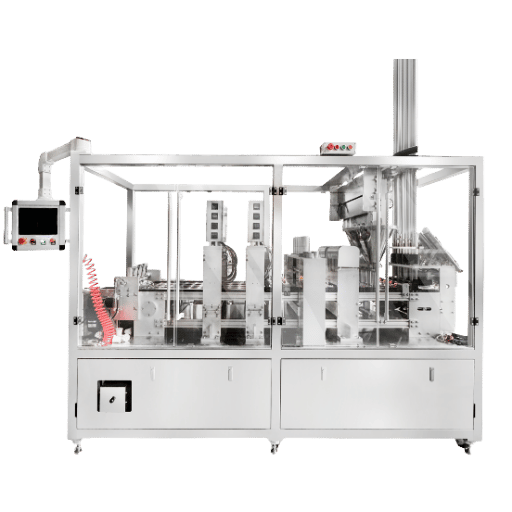
Cereți oricărui furnizor de mașini de umplere cu k ceașcă o estimare a livrării, iar răspunsul acoperă aproape întotdeauna Faza 1 numai (în engleză) din perioada de la confirmarea comenzii până la expedierea din fabrică. pentru cumpărătorii din SUA, calendarul complet al achizițiilor include două faze suplimentare care, împreună, adaugă trei până la cinci săptămâni.
Și iată cronologia completă a achizițiilor de mașini cu 3 faze K Cup:
| Fază | Ce se întâmplă | Durata |
|---|---|---|
| Faza 1: Producție |
PLC asamblat de mașină, servo-driven programat conform specificațiilor, testat QA (10.000+ cicluri), documentație pregătită | 1-8 săptămâni |
| Faza 2: Transport maritim |
Container expediat din China către portul de pe coasta de vest sau de est a SUA | 14 -18 zile |
| Faza 3: Vama + Ultima milă |
Autorizare CBP, depunere taxe de import, livrare DDP la etajul unității dumneavoastră | 1,10 zile lucrătoare |
| Total (Usa-la-usa din SUA) |
Semi-auto: ~3 săptămâni 4 | RN1S: ~4 săptămâni 6 | HB410: ~8 săptămâni 10 | 3 10+ săptămâni |
Vizualizați întreaga gamă de k mașini de umplere cu cupe de la AFPAK, inclusiv sigilatoarele semiautomate din stoc care se livrează în decurs de o săptămână.
Timp de livrare în funcție de tipul mașinii: de la sigilatorul semi-automat la linia completă de producție
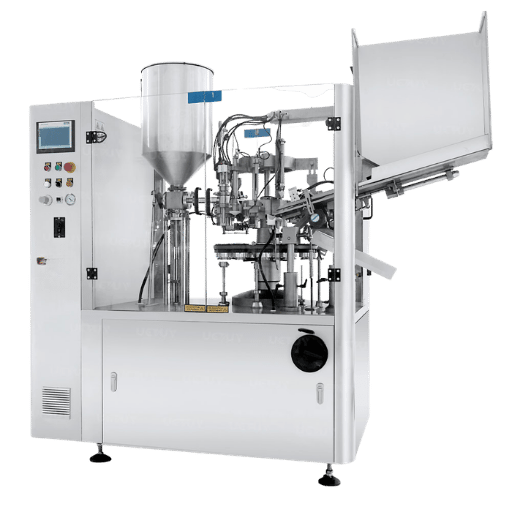
Viteza de producție și completarea mașinii au un impact direct asupra duratei fazei 1. Tabelul evidențiază modelul, calendarul de fabricație, o estimare a livrării totale din SUA și volumele acoperite.
| Model | Viteza (cupe pe minut) | Fereastra MFG | Ușă-la-ușă din SUA | Cel mai bun pentru |
|---|---|---|---|---|
| Semi-automat (BZD95) | 5–10 | ~1 săptămână (stoc) | 3,4 săptămâni | Prelevare de probe /<5 K cupe/lună |
| RN1S Rotativ | 50–70 | 2,4 săptămâni | 4 usp6 săptămâni | Startup-uri /20 K cupe de 100 K/lună |
| HB410 Automat | 200–300 | 4 usp8 săptămâni | 8 key10 săptămâni | Scară medie /100 K cupe quest500 K/lună |
| Seria H Linear | 200–600+ | 6 u.s.8 săptămâni | 8 10+ săptămâni | Industrial /1 M+ cupe/lună |
Cât durează umplerea cupei RN1S K pentru a livra?
RN1S este cea mai comandată mașină automată entry-level de la AFPAK. Timpul din ușă în ușă din SUA este de 4 săptămâni sau 5 săptămâni pentru configurațiile standard. Defalcare: 2 săptămâni de producție + 14 ore din 18 zile transport maritim + 3 zile și 5 zile vămuire. RN1S se livrează pe 220 V monofazat, cântărește aproximativ 700 kg și se potrivește într-un container standard de 20 de picioare, fără logistică specială. Cea mai rapidă livrare realistă: 4 săptămâni, presupunând formatul standard K-Cup, plata imediată și programarea fără vacanță.
Vezi din plin mașină de umplere liniară vs rotativă k cupă comparație pentru o defalcare a debitului și a formatului. Dacă scalați o mică operațiune de prăjire, cea mai bună mașină de umplere a cupei k pentru afaceri mici ghidul acoperă în detaliu opțiunile entry-level.
În interiorul ferestrei de producție: ce face fabrica înainte ca mașina dvs. să fie expediată
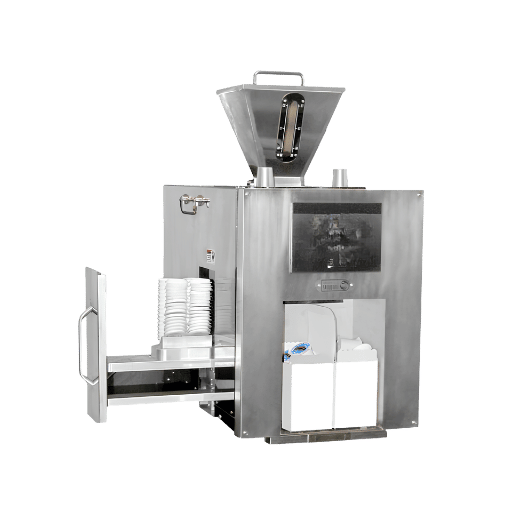
Fereastra de fabricație nu este pur și simplu timpul de construcție. Fiecare mașină complet automată de umplere și etanșare a cupei k trece printr-un proces structurat de producție și validare înainte ca unitatea să fie în cutie pentru transportul maritim. Fiecare mașină AFPAK eliberează șase etape:
- Achizitie componente: Schneider PLC, senzori Omron, pneumatică Airtac pentru toate mărcile stocate la nivel global, ceea ce înseamnă că piesele de schimb din SUA sunt disponibile prin dealerii locali fără o întârziere de import de 4 până la 6 săptămâni
- Prelucrare de precizie CNC de cuiburi capsulă, șine de ghidare & melci la toleranța dimensională
- Ansamblu mecanic + integrare electrică servo-acționată + programare PLC conform specificațiilor dvs. exacte: tensiune, format capsulă, greutate țintă de umplere
- Proba de pre-producție utilizând formatul capsulei, confirmarea parametrilor de etanșare pentru grosimea specifică a peretelui capsulei va trebui să aibă loc înainte de începerea cozii de producție
- Peste 10.000 de cicluri QA de testare a asigurării calității cu precizia umplerii (±0,1 g) documentată pe întreaga perioadă de producție
- Generarea raportului QA + transportul de marfă oceanică (transport maritim) (transport maritim) (transfer maritim) (transfer) (carting) (carrier) (transport maritim) (transfer) (transport) (transport) (transport) (transport) (transport) (transport) (transport) (transport) (transport) (tranzacționare) (transfer) (tranzacționare) (transfer) (tranzacționare) (transfer) (tranzacționare) (transfer) (tranzacționare) (transfer) (tranzacționare) (transfer) (tranzacționare) (transfer) (tranzacționare) (transfer) (tranzacționare) (transfer) (tranzac
Notă de inginerie: FDA 21 CFR Partea 110
Toate suprafețele de contact cu produsul din camera de umplere, ansamblul melcului, colectorul de azot și stația de etanșare din seria 300 sunt fabricate din oțel inoxidabil de calitate alimentară din seria 300, în conformitate cu standardele FDA 21 CFR Partea 110 pentru echipamentele alimentare. Raportul de asigurare a calității înainte de livrare documentează acuratețea umplerii (±0,1 g) pe parcursul a peste 10.000 de cicluri QA. Raportul poate fi prezentat cumpărătorilor cu amănuntul care necesită certificare de producție sau înregistrări de conformitate FSMA, eliminând astfel un blocaj comun de audit post-livrare pentru co-ambalatori și prăjitoriile cu etichetă privată.
Transport, vamă și ultima milă: faza pe care majoritatea cumpărătorilor o subcalculează
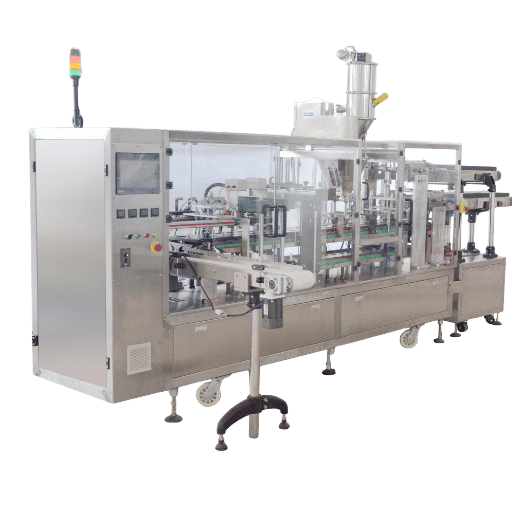
Transportul maritim de marfă din China către un port din SUA durează 14-18 zile pentru porturile de pe Coasta de Vest (Los Angeles, Long Beach) în condiții standard. După sosirea în port, procesarea vamală și de protecție a frontierei din SUA (CBP) pentru mașinile industriale durează 1-5 zile lucrătoare în circumstanțe normale. Variația mare a timpului total al fazei 3, de la 3 zile la 4+ săptămâni, este atribuită aproape în întregime unei decizii: DDP sau FOB.
DDP Livrat Taxa plătită
Standard AFPAK pentru clienții din SUA și Canada
- Mașina livrată la etajul unității dvs. nu este necesară coordonarea portului
- AFPAK vamă broker fișiere cod HTS corect (Capitolul 84, utilaje de umplere)
- Taxa de import precalculată; fără facturi surpriză după livrare
- Ora tipică adăugată după sosirea în port: 3,5 zile lucrătoare
- Previne greșeala cumpărătorului cel mai frecvent făcută: depunerea incorectă a codului HTS
⚠️ FOB 4 Free On Board
Comun cu alți furnizori de mașini de cupe k
- Responsabilitatea furnizorului se încheie în portul de origine chinez
- Cumpărătorul trebuie să aranjeze brokerul vamal, depunerea HTS, ridicarea portului
- Codurile HTS depuse incorect pot provoca reinspectarea CBP: +15-21 zile lucrătoare
- Coordonarea de la port la unitate adaugă 1 13 săptămâni pentru importatorii începători
- Timp total de fază 3: 1-4 săptămâni, în funcție de capacitatea logistică a cumpărătorului
5 factori care vă pot prelungi timpul de livrare (și cum să controlați fiecare)
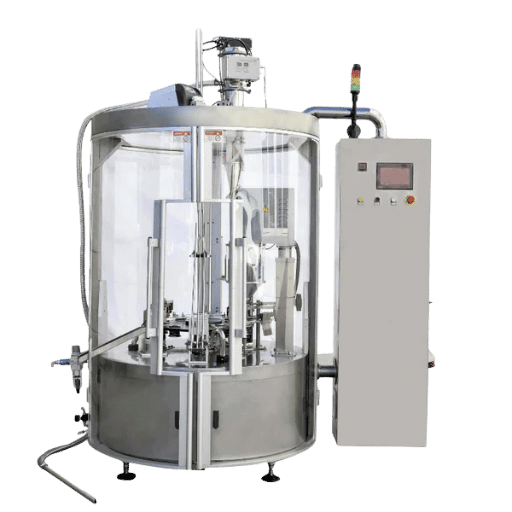
Chiar și cu o configurație standard a mașinii și o livrare DDP selectată, cinci variabile de achiziție pot extinde livrarea totală în ultimele zece săptămâni. Fiecare este previzibil și majoritatea sunt gestionabile cu programare strategică.
1. Personalizare non-standard (+1 trei3 săptămâni).
Formatele standard K-Cup utilizează scule prevalidate și intră imediat în coada de producție. dimensiunile personalizate ale capsulei, contururile modificate ale plăcii de cuib sau profilurile de temperatură de etanșare non-standard necesită evaluarea inginerească și un lot prototip de pre-producție înainte de inițierea perioadei principale de producție. Adăugați 1-3 săptămâni la fereastra implicită de fabricație pentru toate specificațiile non-standard.
2. Ferestre chinezești de vacanță (+2 săptămâni sau 4).
Anul Nou Chinezesc (aproximativ 20 ianuarie și 20 februarie) suspendă producția din fabrică timp de 10-15 zile lucrătoare. comenzile plasate între 1 ianuarie și 20 februarie cresc termenele standard de livrare cu 3-4 săptămâni în majoritatea cazurilor. Săptămâna de Aur (1-7 octombrie) adaugă 5-7 zile lucrătoare. Pentru a asigura o mașină înainte de Anul Nou Chinezesc, comandați până la 15 decembrie a anului anterior.
3. Timpul de plată (+3 trei7 zile lucrătoare).
Producția începe odată ce plata soldului șterge contul din fabrică. transferurile bancare de la instituțiile financiare americane către China necesită 3-5 zile lucrătoare. un fir de joi pierde efectiv o săptămână întreagă de zile lucrătoare înainte de confirmare. specialiștii în achiziții de mașini B2 B recunosc acest lucru ca fiind cel mai frecvent omis factor de întârziere. Trimiteți plata într-o zi de luni sau marți pentru a vă rezerva data de producție în aceeași săptămână.
4. Profunzimea cozii de producție din fabrică (+1 trei2 săptămâni în sezonul de vârf).
Q3 și Q4 (septembrie până în decembrie) reprezintă cele mai grele sezoane de achiziție pentru echipamentele de cafea, deoarece mărcile își pregătesc produsele pentru vânzarea cu amănuntul de sărbători. în aceste perioade, adâncimea cozii poate prelungi duratele de fabricație cu 1-2 săptămâni. Comenzile plasate între mai și iulie se confruntă cu cele mai scurte perioade de așteptare.
5. Metoda de expediere: mare vs aer (-2 săptămâni de tranzit/cost cu 3 tec6× mai mare).
Transportul maritim este metoda obișnuită de livrare pentru mașinile de umplere a cupei k. Utilizarea transportului aerian reduce timpul de tranzit de la 14-18 zile la 3-5 zile, dar crește rapid cu greutatea. Un RN1S de 700 kg costă aproximativ $8.000-$15.000 pe calea aerului, spre deosebire de $800-$1.500 pe mare. Transportul aerian are sens numai atunci când veniturile din producție pierdute prin așteptarea timpului suplimentar depășesc prima de transport, probabil în cazul operațiunilor de ambalare contractuală care lucrează la obiectivele de producție săptămânale stabilite.
Lista de verificare a riscului de timp înainte de comandă
Completați lista de verificare și mențineți apăsat buffer-ul de timp indicat în calendarul de lansare a producției pentru fiecare răspuns NO.
| ☐ | Format standard de capsulă K-Cup nu este necesară nicio unealtă personalizată? | NU → +2 săptămâni |
| ☐ | Comandați în afara 1 ianuarie, 20 februarie și 20 septembrie, 10 octombrie? | NU → +3 săptămâni |
| ☐ | Transfer bancar inițiat luni sau marți din săptămâna comenzii? | NU → +3 zile |
| ☐ | Livrare DDP selectată (nu FOB)? | NU → +1,3 săptămâni |
| ☐ | Puterea instalației și spațiul de podea confirmat (tensiune, sq ft, alimentare cu azot)? | NU → instalați întârzieri |
6 moduri de a reduce 2 până la 3 săptămâni de la livrarea mașinii de umplere a cupei K
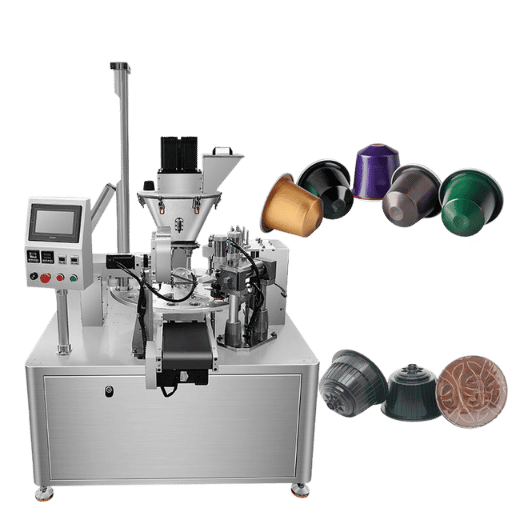
Cele mai multe întârzieri de livrare a mașinii k cup pot fi prevenite. cei șase pași de mai jos abordează cele mai frecvente motive pentru prelungiri ale timpului de livrare în peste 500 de implementări ale mașinii. Implementarea acestor șase pași împreună poate elimina 2-3 săptămâni din timpul total de livrare, fără impact asupra specificațiilor mașinii.
1. Trimiteți o fișă completă de specificații cu întrebarea dvs. Includeți tipul de cafea și densitatea de măcinare, CPM țintă, formatul capsulei, tensiunea instalației și dimensiunile podelei disponibile. Acest lucru elimină 5 până la 7 zile de rafinare a cotațiilor înainte ca slotul dvs. de producție să poată fi evaluat. The factori cheie pentru selectarea mașinilor de umplere cu k cupe ghidul este un punct de plecare util atunci când vă redactați specificația.
2. Trimiteți mostre fizice de capsule la AFPAK înainte de confirmarea comenzii. AFPAK efectuează un test de etanșare înainte de producție în raport cu grosimea reală a peretelui capsulei și materialele capacului. Acest lucru ocolește cea mai probabilă cauză a întârzierilor de livrare cauzate de ajustările de etanșare și perioada corectivă de 2-5 zile necesară pentru a pune în funcțiune prima producție.
3. Fonduri de transfer bancar imediat după acceptarea cotației. slotul dvs. de producție este asigurat timp de 24 de ore după aprobarea cotației. Confirmarea plății vă solidifică slotul. Așteptarea unei facturi oficiale înainte de a iniția transferul adaugă 5-7 zile la majoritatea situațiilor, transferând adesea comanda în coada de procesare a săptămânii următoare.
4. Achiziționarea în afara perioadelor de vacanță din China. Pentru a respecta datele de producție din ianuarie sau februarie 2026, comandați până pe 15 decembrie. Planificați o lansare la sfârșitul anului 2026 Q3 sau Q4? Plasați comanda până în mai-iunie 2026 pentru a evita pintenul Q4 și cozile de vară.
5. Solicitați transport DDP mai degrabă decât FOB. DDP minimizează coordonarea portului, brokerul vamal și timpul de documente HTS de la cumpărător cu 1-3 săptămâni. Dintre toate cele șase practici, DDP are cel mai mare efect de viteză asupra termenelor de livrare, mai ales dacă acesta este primul dvs. import de mașini.
6. Confirmați toate cerințele de instalare și funcționare a instalației înainte ca mașina să fie expediată. verificați alimentarea electrică, amprenta mașinii și autorizațiile de service în raport cu desenul de instalare aprobat de producător. Dacă este necesară spălarea cu azot, confirmați și specificația de alimentare cu azot. O instalație nepregătită poate întârzia instalarea și punerea în funcțiune.
Transparența timpului de livrare: cum se compară AFPAK cu alți furnizori de mașini K Cup
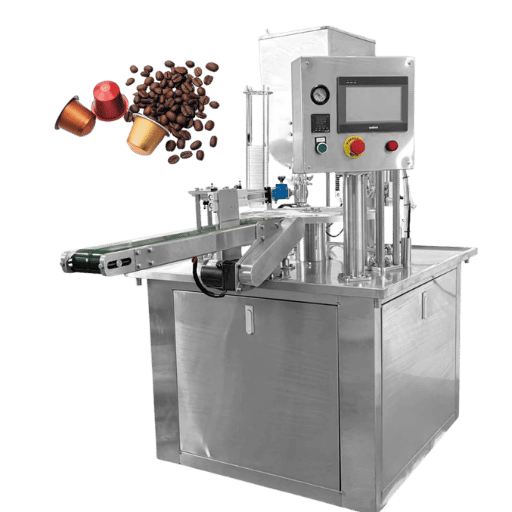
Una dintre cele mai clare modalități de a diferenția furnizorii de mașini de cupă k nu este prețul sau debitul evaluat, deoarece este cât de precis descriu termenele de livrare înainte de a vă angaja. Când evaluați furnizorii, întrebați-i pe fiecare: “Care este cronologia din ușă în ușă pentru instalația mea din SUA pentru acest model specific și gestionați vămuirea?” Majoritatea nu pot răspunde cu numere specifice modelului.
| Criterii | AFPAK | Furnizorul A | Furnizorul B |
|---|---|---|---|
| Termenul de livrare declarat public | Specific modelului (1,8 săptămâni) | “Contact pentru lead time” | “2 în3 luni” |
| Metoda de expediere | DDP (de la uşă la uşă) | Numai FOB | Numai FOB |
| Vama administrata de furnizor | Da 4 HTS pre-depus | 1 Responsabilitatea cumpărătorului | 1 Responsabilitatea cumpărătorului |
| Tehnician la fața locului din SUA disponibil | viză SUA de 10 ani | (Ie) Nu este declarat | (Ie) Nu este declarat |
| Documentație QA înainte de livrare | 10.000+ cicluri + raport de greutate de umplere | (Ie) Nu este declarat | (Ie) Nu este declarat |
| Piese de schimb la dealerii locali din SUA | Schneider / Omron / Airtac | 1. Piese proprietare | (Ie) Nu este declarat |
Date comparate ale concurenților pe baza estimărilor de modelare a paginilor de comandă. nume redactate în conformitate cu standardele de comparație corectă.
“Cel mai mare motiv pentru care nu ne atingem ținta de lansare a producției pentru noile mărci de cupe k este hârtiile. Mașinile noastre stăteau în port în timp ce cumpărătorii căutau un broker vamal, depunând codul HS2 greșit, așteptând ca CBP să elibereze lotul. Am evitat asta gestionând noi înșine întregul lanț logistic.”
ric AFPAK Engineering & Sales Team, 2025 Documente de integrare a clienților
AFPAK a instalat mașini în sute de operațiuni ale clienților în ultimii 15 ani. tehnicienii de teren din SUA au vize de 10 ani pentru servicii complete în persoană. Ghidul de instalare a ROI și a liniei de producție a echipamentelor de producție a capsulei de cafea intră în planificarea capacității și în specificul perioadei de rambursare. Trebuie să adăugați o a doua sau a treia mașină la linia dvs? O prezentare generală completă a liniei de producție este aici.
Perspectivă 2026: de ce cererea de mașini K Cup este în creștere și ce înseamnă aceasta pentru timpii de livrare
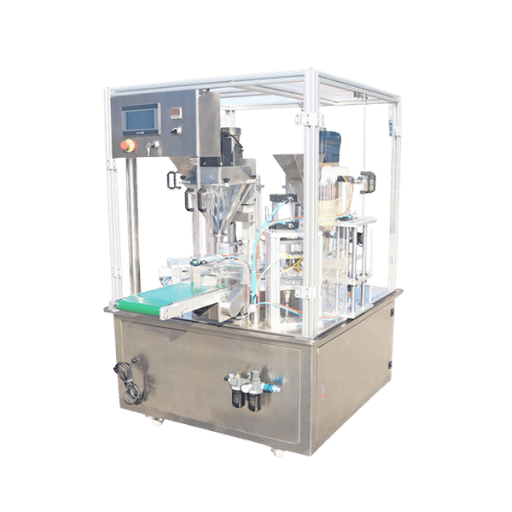
Potrivit Cercetare Grand View, piața globală a păstăilor și capsulelor de cafea a atins $40,49 miliarde în 2024 și este pe cale să atingă $58,19 miliarde până în 2030, cu un CAGR de 6,1%. Creșterea cererii de pe piață are un efect direct asupra disponibilității echipamentelor și adâncimii cozii de producție pe care cumpărătorii din 2026 ar trebui să le țină seama atunci când stabilesc calendarul comenzilor.
Instantaneu de piață: cafea cu o singură porție 2024 sau 2030
| Dimensiunea pieței globale (2024) | $40,49 miliarde |
| Dimensiunea proiectată a pieței (2030) | $58,19 miliarde |
| CAGR (2025-2030) | 6.1% |
| Gospodăriile americane care dețin producători de bere cu o singură ceașcă | ~42% |
| Timpul de schimbare RN1S (K-Cup → format Nespresso) | 30 de minute |
Sursa: Cercetare Grand View, Raportul pieței păstăilor de cafea, 2024
Patru semnale ale pieței afectează direct calendarul achizițiilor din 2026:
- Presiunea cozii din creșterea pieței: o expansiune CAGR de 6,1% înseamnă că mai multe prăjitori și mărci private intră în producția cu o singură porție în fiecare an. Sloturile de producție din clasa RN1S pot rezerva cu 6 trei săptămâni înainte în timpul sezonului de vârf T3/T4 2026, cu o fereastră mai strânsă decât liniile de bază din 2025.
- Schimbare biodegradabilă a capsulei: materialele capsulei PLA și porumb-amidon necesită temperaturi de etanșare mai scăzute. Controlul adaptiv al căldurii 0-400° C de la AFPAK găzduiește formate biodegradabile fără schimbarea hardware-ului „într-un punct util de flexibilitate pe termen lung atunci când se evaluează mașinile.
- Creșterea volumului etichetei private: micile prăjitoare de specialitate intră în canalul cu o singură porție în număr tot mai mare, concentrând cererea la nivelul RN1S. Planificați o lansare în 2026? Comanda anterioară blochează o poziție mai bună în coadă.
- Mediul tarifar din SUA: ajustările tarifare din 2025 au făcut ca mașinile expediate DDP cu coduri HTS pre-depuse să fie mai valoroase pentru costurile de aterizare previzibile. Solicitați certificate de pre-clasificare HTS de la orice furnizor în curs de evaluare, deoarece acest lucru afectează direct calculul costului total de import.
Obțineți o cotație personalizată pentru timpul de livrare
Trimiteți-ne CPM-ul țintă, formatul capsulei și adresa de destinație a expedierii din SUA. Vă vom reveni prin programul din ușă în ușă specific modelului în termen de 24 de ore.
Întrebări frecvente
the Descărcați lista de verificare a riscului de timp de livrare
Lista de verificare în 5 puncte pentru a vă asigura că vi se comandă este configurată pentru cea mai rapidă rată de livrare realistă.
Solicitați o rulare gratuită a probei mașinii
Trimiteți-ne mostrele capsulei dvs. Executăm un test de etanșare pre-producție și trimitem date despre greutatea de umplere înapoi, astfel încât să știți exact ce veți primi înainte de plasarea oricărei comenzi.
Despre această analiză
Cifrele brute ale timpului de livrare sunt preluate direct din specificațiile produsului AFPAK și din informațiile de integrare a clienților (peste 500 de implementări). Estimările de creștere a pieței sunt confirmate prin accesarea sursei directe Grand View Research. estimările de timp de reexaminare a autorităților vamale sunt preluate din SUA oficiale.
Ghid pentru protecția vamală și a frontierei. Timpii de transport maritim sunt de 20-50 de zile dus-întors pentru ruta de pe Coasta de Vest, luate din intervalele normale afișate în sursele de date logistice, cu toate acestea, timpul real este afectat și mai mult de rută, sezon și transportator. Acest material a fost pregătit de AFPAK Engineering & Sales Group și verificat pentru acuratețe din mai 2026.
Domeniu: afpak machine.com | Ultima actualizare: mai 2026
Referințe și surse
- Lista costurilor produselor AFPAK-RN1S, HB410, H-Series, BZD95 [afpakmachine.com 2025-2026]
- Sfaturi de la Serviciul Vamal și Protecția Frontierei din SUA pentru importatori/exportatori (cbp.gov)
- Sursa: Grand View Research privind prognoza pieței păstăilor și capsulelor de cafea până în 2024
- HTS Classe 84 CROClassification des machines (Commission du commerce international des Etats-Unis)
- FDA 21 CFR Partea 117 4 Buna practică actuală de fabricație pentru alimentația umană; §117.40 acoperă echipamentele și ustensilele (fda.gov).
Articole înrudite
- Mașină de umplere liniară vs rotativă K Cup: care este potrivită pentru volumul dvs. de producție?
- Cea mai bună mașină de umplere K Cup pentru întreprinderile mici: opțiuni de la semi-automat la rotativ de intrare
- Echipamentul de producție a capsulelor de cafea merită investiția? Analiza ROI
- Întreținerea mașinii de umplere a cupei K: program zilnic, săptămânal și trimestrial
- Linia de producție a capsulelor de cafea: Prezentare generală completă a sistemului de la umplere la cartonare


