
K Kupası Dolum Makinesi Kurşun Zamanı Hızlı Özellikler:
| Makine / Faktör | ABD Kapıdan Kapıya Zaman Çizelgesi |
|---|---|
| Yarı otomatik kapatıcı (BZD95) | Gemiler ~1 hafta (stokta, önceden test edilmiş) |
| RN1S Döner (50–70 CPM) | 4–5 hafta kapı kapı |
| HB410 Otomatik (200–300 CPM) | 6–10 hafta kapı kapı |
| H Serisi Doğrusal (200–600+ CPM) | 8–10+ hafta kapı kapı |
| Okyanus taşımacılığı (Çin → ABD Batı Kıyısı limanı) | 14–18 gün |
| ABD gümrükleme (standart) | 1–5 iş günü |
| Teslimat öncesi QA testi | Makine başına 10.000+ üretim döngüsü |
| Garanti (mekanik / elektrik) | 2 yıl / 1 yıl |
Kaynak: AFPAK ürün özellikleri, 2025–2026
Çin’den bir k fincan dolum makinesi tedarik eden çoğu alıcı ilk önce bir soru sorar: ne kadar süre? Cevap büyük ölçüde kime sorduğunuza bağlıdır. “2–3 hafta” dan alıntı yapan bir fabrika temsilcisi neredeyse her zaman yalnızca üretim penceresini tanımlar. Bu sayı civarında bir üretim lansmanı planlayan ABD’li alıcılar sürekli olarak tarihlerini 3–5 hafta kaçırıyor.
Bu kılavuz, teslimat zaman çizelgesinin her aşamasını makine modeline göre ayırır, aslında teslim süresini neyin uzattığını açıklar ve siparişinizi vermeden önce kısaltmanız için somut bir kontrol listesi verir.
K Kupası Dolum Makinesi Kurşun Süresi Nedir — Ve Neden Aslında 3 Ayrı Aşama
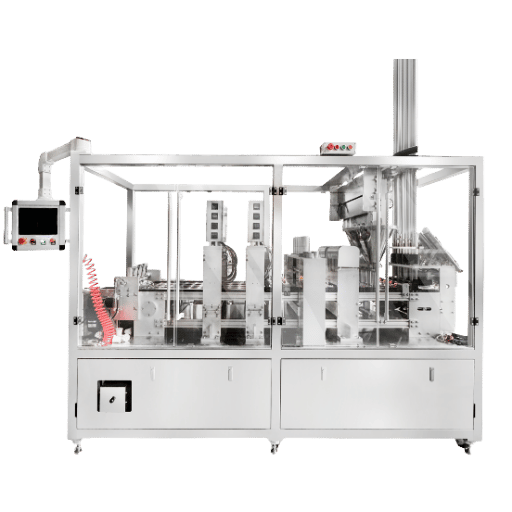
Herhangi bir k fincan dolum makinesi tedarikçisine bir teslimat tahmini isteyin ve yanıt neredeyse her zaman yalnızca Aşama 1’i kapsar – sipariş onayından fabrika sevkiyatına kadar olan süre. ABD’li alıcılar için tam tedarik zaman çizelgesi, birlikte üç ila beş hafta ekleyen iki ek aşama içerir.
Ve işte tam 3 Fazlı K Kupası Makine Tedarik Zaman Çizelgesi:
| Aşama | Ne Olur | Süre |
|---|---|---|
| Aşama 1: İmalat |
Makine montajlı, servo tahrikli PLC spesifikasyonlara göre programlanmış, QA testli (10.000+ döngü), belgeler hazırlandı | 1–8 hafta |
| Aşama 2: Okyanus Taşımacılığı |
Konteyner Çin’den ABD’nin Batı veya Doğu Kıyısı limanına gönderildi | 14–18 gün |
| Aşama 3: Gümrük + Son Mil |
CBP izni, ithalat vergisi dosyalama, tesis katınıza DDP teslimatı | 1–10 iş günü |
| Toplam (ABD kapıdan kapıya) |
Yarı otomatik: ~3–4 hafta | RN1S: ~4–6 hafta | HB410: ~8–10 hafta | 3–10+ hafta |
Tüm ürün yelpazesini görüntüleyin k fincan dolum makineleri bir hafta içinde sevk edilen stokta bulunan yarı otomatik sızdırmazlık elemanları da dahil olmak üzere AFPAK’tan.
Makine Tipine Göre Kurşun Süresi: Yarı Otomatik Kapatıcıdan Tam Üretim Hattına
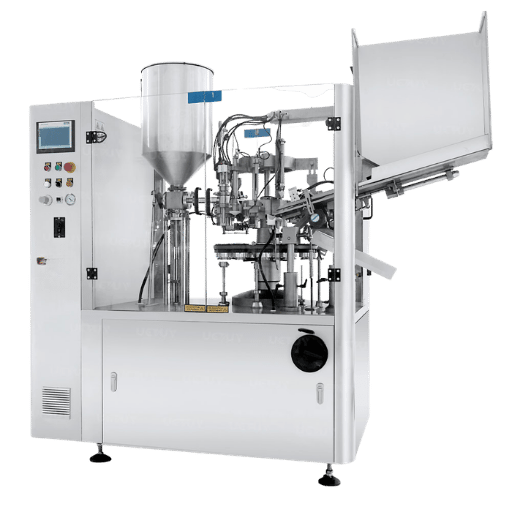
Üretim hızı ve makine tam × lik faz 1 süresi üzerinde doğrudan bir etkiye sahiptir Tablo modeli, üretimin zaman çizelgesi, genel ABD teslimatının bir tahminini ve hitap edilen hacimleri vurgulamaktadır.
| Model | Hız (dakikada fincan) | Mfg Penceresi | ABD Kapıdan Kapıya | Için En İyi |
|---|---|---|---|---|
| Yarı otomatik (BZD95) | 5–10 | ~1 hafta (stok) | 3–4 hafta | Örnekleme / <5K bardak/ay |
| RN1S Döner | 50–70 | 2–4 hafta | 4–6 hafta | Startup’lar / 20K–100K kupalar/ay |
| HB410 Otomatik | 200–300 | 4–8 hafta | 8–10 hafta | Orta ölçekli / 100K–500K bardak/ay |
| H Serisi Doğrusal | 200–600+ | 6–8 hafta | 8–10+ hafta | Endüstriyel / 1M+ bardak/ay |
RN1S K Cup Dolgusunun Teslimatı Ne Kadar Sürer?
RN1S, AFPAK’ın en çok sipariş edilen giriş seviyesi otomatik makinesidir.ABD kapıdan kapıya çalışma süresi standart kurulumlar için 4–5 haftadır. Arıza: 2–4 hafta üretim + 14–18 gün okyanus taşımacılığı + 3–5 gün gümrükleme. RN1S, tek fazlı 220V’de gönderilir, yaklaşık 700 kg ağırlığındadır ve standart 20 metrelik bir konteynere sığar — özel lojistik gerekmez. En hızlı gerçekçi teslimat: 4 hafta, standart K-Cup formatı, anında ödeme ve tatil dışı planlama varsayarak.
Fullunu gör doğrusal vs döner k fincan dolum makinesi verim ve format dökümü için karşılaştırma. Küçük bir manastır işlemini ölçeklendiriyorsanız, küçük işletmeler için en iyi k fincan dolum makinesi kılavuz, giriş seviyesi seçeneklerini ayrıntılı olarak kapsar.
Üretim Penceresinin İçinde: Makineniz Gönderilmeden Önce Fabrikanın Yaptıkları
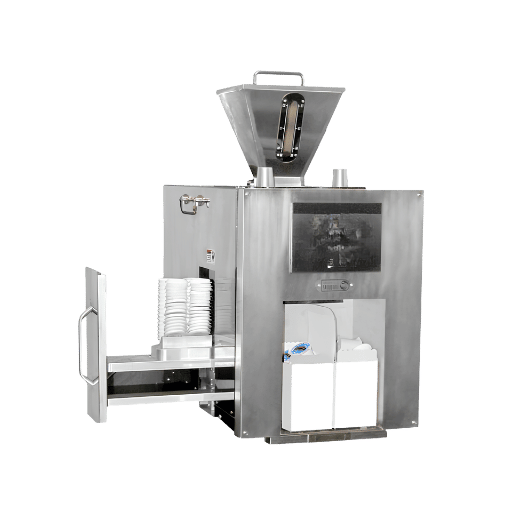
Üretim penceresi sadece inşa zamanı değildir.Her tam otomatik k fincan dolum ve sızdırmazlık makinesi, ünite okyanus taşımacılığı için kasalanmadan önce yapılandırılmış bir üretim ve doğrulama sürecinden geçer.Her AFPAK makinesi altı aşamayı temizler:
- Bileşen tedariki: Schneider PLC, Omron sensörleri, Airtac pnömatik — tüm küresel stoklu markalar, yani ABD yedek parçaları 4–6 haftalık ithalat gecikmesi olmadan yerel bayiler aracılığıyla temin edilebilir
- CNC hassas işleme kapsül yuvaları, kılavuz rayları ve burgulardan boyutsal toleransa kadar
- Mekanik montaj + servo tahrikli elektrik entegrasyonu + tam spesifikasyonlarınıza göre PLC programlama: voltaj, kapsül formatı, hedef dolum ağırlığı
- Belirli kapsül duvar kalınlığınız için sızdırmazlık parametrelerinin kapsül formatınızın onayını kullanan üretim öncesi numune çalışmasının, üretim kuyruğunuzun başlamasından önce gerçekleşmesi gerekecektir
- 10.000+ QA döngüsü kalite güvence testi – dolum doğruluğu (±0,1g) tam üretim çalışması boyunca belgelenmiştir
- QA raporu oluşturma + okyanus navlun kasası – CBP ithalat dosyalaması, alıcı QA arşivleri ve herhangi bir perakende uyumluluk gereksinimi için paketlenmiş kayıtlar
📋 Mühendislik Notu: FDA 21 CFR Bölüm 110
Tüm ürün temas yüzeyleri – dolum odası, burgu düzeneği, nitrojen manifoldu ve sızdırmazlık istasyonu – FDA 21 CFR Bölüm 110 gıda ekipmanı standartlarına uygun 300 serisi gıda sınıfı paslanmaz çelikten üretilmiştir. Teslimat öncesi kalite güvence raporu, 10.000+ QA döngüsünde dolum doğruluğunu (±0,1g) belgelemektedir. Rapor, üretim sertifikası veya FSMA uyumluluk kayıtları gerektiren perakende alıcılara sunulabilir, böylece ortak paketleyiciler ve özel etiketli kavurma makineleri için ortak bir teslimat sonrası denetim darboğazını ortadan kaldırır.
Nakliye, Gümrük ve Son Mil: Çoğu Alıcının Düşük Hesapladığı Aşama
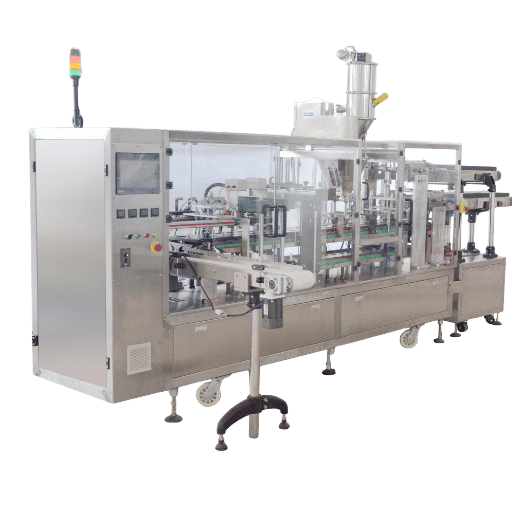
Çin’den bir ABD limanına okyanus taşımacılığı, standart koşullar altında Batı Kıyısı limanları (Los Angeles, Long Beach) için 14-18 gün sürer Liman varışından sonra, endüstriyel makineler için ABD Gümrük ve Sınır Koruması (CBP) işlemleri normal koşullar altında 1-5 iş günü sürer Toplam Faz 3 zamanındaki geniş değişim – 3 günden 4+ haftaya – neredeyse tamamen tek bir karara atfedilebilir: DDP veya FOB.
✓ DDP — Verilen Görev Ödendi
ABD ve Kanada müşterileri için AFPAK standardı
- Makine tesisinizin zeminine teslim edildi – liman koordinasyonuna gerek yok
- AFPAK gümrük komisyoncusu dosyaları doğru HTS kodu (Bölüm 84, dolum makineleri)
- İthalat vergisi önceden hesaplanmıştır; teslimattan sonra sürpriz fatura yok
- Limana varıştan sonra eklenen tipik süre: 3–5 iş günü
- En sık yapılan alıcı hatasını önler: yanlış HTS kod dosyalama
⚠️ FOB — Gemide Ücretsiz
Diğer k fincan makinesi tedarikçileriyle ortak
- Tedarikçi sorumluluğu Çin menşe limanında sona ermektedir
- Alıcı gümrük komisyoncusu, HTS dosyalama, liman teslim alma düzenlemelidir
- Yanlış dosyalanmış HTS kodları CBP’nin yeniden denetlenmesine neden olabilir: +15-21 iş günü
- Limandan tesise koordinasyon, ilk kez ithalat yapanlar için 1–3 hafta ekler
- Toplam Faz 3 süresi: Alıcının lojistik kapasitesine bağlı olarak 1-4 hafta
Kurşun Sürenizi Uzatabilecek 5 Faktör (Ve Her Biri Nasıl Kontrol Edilir)
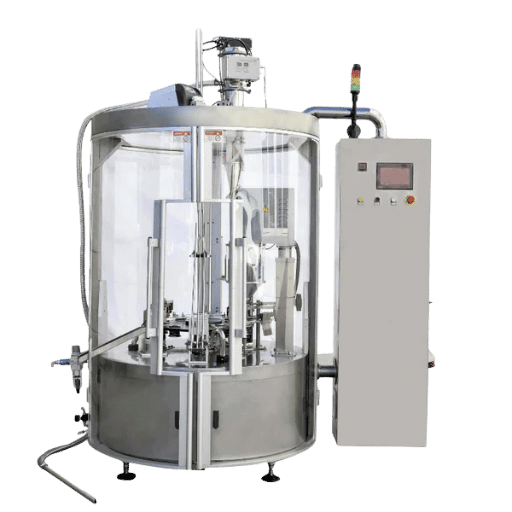
Standart bir makine konfigürasyonu ve DDP gönderimi seçilmiş olsa bile, beş tedarik değişkeni toplam teslimatı on haftadan fazla uzatabilir. Her biri öngörülebilir ve çoğu stratejik planlamayla yönetilebilir.
1. Standart Dışı Özelleştirme (+1–3 hafta).
Standart K-Cup formatı yapıları önceden doğrulanmış takımları kullanır ve üretim kuyruğuna hemen girer. Özel kapsül boyutları, değiştirilmiş yuva plakası konturları veya standart olmayan sızdırmazlık sıcaklığı profilleri, ana üretim çalışmasının başlatılmasından önce mühendislik değerlendirmesini ve üretim öncesi prototip partisini gerektirir. Standart olmayan tüm özellikler için varsayılan üretim penceresine 1-3 hafta ekleyin.
2. Çin Tatil Pencereleri (+2–4 hafta).
Çin Yeni Yılı (kabaca 20 Ocak – 20 Şubat) fabrika üretimini 10-15 iş günü süreyle askıya alır.1 Ocak ile 20 Şubat arasında verilen siparişler çoğu durumda standart teslim sürelerini 3-4 hafta artırır.Altın Hafta (1-7 Ekim) 5-7 iş günü ekler.Çin Yeni Yılı’ndan önce bir makineyi güvence altına almak için, önceki yılın 15 Aralık tarihine kadar sipariş verin.
3. Ödeme Zamanlaması (+3–7 iş günü).
Denge ödemesi fabrika hesabını temizlediğinde üretim başlar. ABD finans kuruluşlarından Çin’e yapılan banka havaleleri 3-5 iş günü gerektirir. Perşembe günü yapılan bir havale, onaylanmadan önce tam haftalık iş günlerini etkili bir şekilde kaybeder. B2B makine tedarik uzmanları bunu en sık ihmal edilen gecikme faktörü olarak kabul eder. Aynı hafta içinde üretim tarihinizi rezerve etmek için Pazartesi veya Salı günü ödeme gönderin.
4. Fabrika Üretim Kuyruğu Derinliği (yoğun sezonda +1–2 hafta).
Q3 ve Q4 (Eylül-Aralık arası), markaların ürünlerini tatil perakende satışına hazırlaması nedeniyle kahve ekipmanları için en yoğun satın alma sezonlarını temsil ediyor. Bu dönemlerde kuyruk derinliği üretim sürelerini 1-2 hafta uzatabiliyor.Mayıs-Temmuz ayları arasında verilen siparişler en kısa kuyruk sürelerini yaşıyor.
5. Nakliye Yöntemi: Deniz vs Hava (−2 hafta transit / 3–6× daha yüksek maliyet).
Okyanus navlun k fincan dolum makineleri için teslim olağan yöntemidir.hava navlun kullanarak transit süresini azaltır 14-18 gün 3-5 gün ama ağırlık ile hızla yükselir.bir 700 kg RN1S kabaca maliyeti $8.000-$15,000 deniz yoluyla $800-$1,500 aksine hava yoluyla.hava navlun sadece üretim geliri ekstra süre bekleyerek kaybedilen navlun primi aştığında mantıklı – muhtemelen sözleşme paketleyici operasyonları ile durum yerleşmiş haftalık çıktı hedefleri için çalışıyor.
Teslim Süresi Riski Kontrol Listesi – Siparişinizden Önce
Kontrol listesini doldurun ve her NO yanıtı için üretim lansman takviminizde belirtilen teslim süresi arabelleğini tutun.
| ☐ | Standart K-Cup kapsül formatı — özel takım gerektirmez mi? | HAYIR → +2 hafta |
| ☐ | 1 Ocak – 20 Şubat ve 20 Eylül – 10 Ekim dışında sipariş mi veriyorsunuz? | HAYIR → +3 hafta |
| ☐ | Banka havalesi sipariş haftasının Pazartesi veya Salı günü mü başlatıldı? | HAYIR → +3 gün |
| ☐ | DDP gönderimi seçildi (FOB değil)? | HAYIR → +1–3 hafta |
| ☐ | Tesis gücü ve zemin alanı onaylandı (gerilim, sq ft, nitrojen kaynağı)? | HAYIR → yükleme gecikmeleri |
K Cup Dolum Makinesi Teslimatınızdan 2–3 Hafta Uzakta Kesmenin 6 Yolu
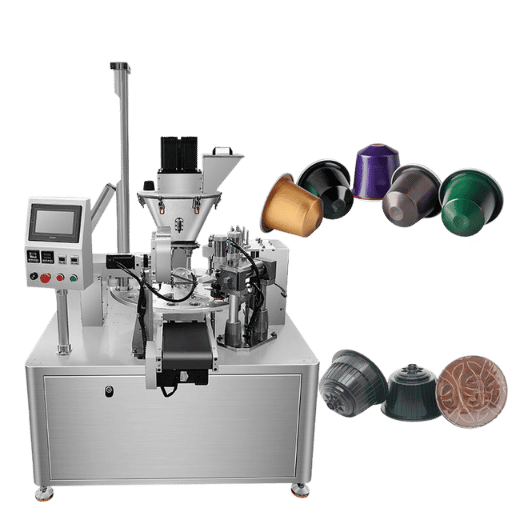
Çoğu k fincan makine teslim gecikmeleri önlenebilir.aşağıdaki altı adım, 500’den fazla makine dağıtımında tedarik süresi uzatmalarının en sık nedenlerini ele almaktadır. Bu altı adımı birlikte uygulamak, toplam teslim sürenizin 2-3 haftasını ortadan kaldırabilir ve makine özellikleri üzerinde hiçbir etkisi olmaz.
1. Tam bir spesifikasyon sayfası gönderin sorunuzla. Kahve türünü ve öğütme yoğunluğunu, hedef BGBM’yi, kapsül formatını, tesis voltajını ve mevcut zemin boyutlarını ekleyin. Bu, üretim yuvanızın değerlendirilebilmesinden önce 5–7 günlük ileri geri teklif iyileştirmesini ortadan kaldırır. The k fincan dolum makinelerinin seçiminde temel faktörler kılavuz, spesifikasyonunuzu hazırlarken yararlı bir başlangıç noktasıdır.
2. Siparişi onaylamadan önce AFPAK’a fiziksel kapsül numuneleri gönderin. AFPAK, gerçek kapsülünüzün duvar kalınlığına ve kapak malzemelerine karşı üretim öncesi sızdırmazlık testi gerçekleştirir. Bu, sızdırmazlık ayarlamalarının neden olduğu teslimat gecikmelerinin en olası nedenini saptırır – ilk üretiminizi çalıştırmak ve çalıştırmak için gereken 2-5 günlük düzeltme süresi.
Teklif kabulünden hemen sonra 3. Banka havalesi fonları Üretim slotunuz teklif onayını takiben 24 saat boyunca güvence altına alınır Ödeme onayı slotunuzu sağlamlaştırır Transferi başlatmadan önce resmi bir fatura beklemek çoğu duruma 5-7 gün ekler ve genellikle siparişinizi bir sonraki haftanın işlem kuyruğuna kaydırır.
4. Çin tatil dönemleri dışında satın alma. Ocak veya Şubat 2026 üretim tarihlerini karşılamak için 15 Aralık’a kadar sipariş verin. 2026’nın 3. çeyreği veya 4. çeyreğin lansmanının sona ermesini mi planlıyorsunuz? 4. çeyrek mahmuz ve yaz kuyruklarından kaçınmak için siparişi Mayıs-Haziran 2026’ya kadar verin.
FOB yerine DDP nakliye 5. request. DDP liman koordinasyonu, gümrük komisyoncu, ve HTS evrak süresi alıcıdan 1-3 hafta kadar en aza indirir.tüm altı uygulamalar, DDP teslim zaman çizelgeleri üzerinde en büyük hız etkisi vardır, özellikle bu ilk makine ithalat ise.
Makine sevk edilmeden önce tüm tesis kurulum ve işletme gereksinimlerini 6. Onaylayın Üreticinin onaylı kurulum çizimine karşı elektrik beslemesini, makine ayak izini ve servis izinlerini doğrulayın Azot yıkama gerekiyorsa, azot besleme şartnamesini de onaylayın Hazırlıksız bir tesis kurulumu ve devreye almayı geciktirebilir.
Kurşun Zaman Şeffaflığı: AFPAK Diğer K Kupası Makinesi Tedarikçileriyle Nasıl Karşılaştırılır
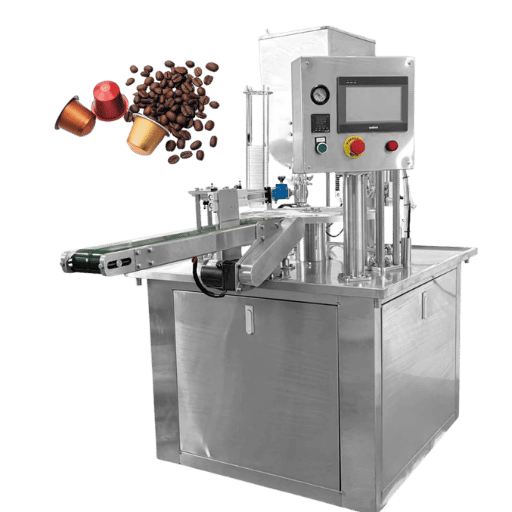
K fincan makinesi tedarikçilerini ayırt etmenin en açık yollarından biri fiyat veya nominal verim değildir — taahhüt etmeden önce teslimat zaman çizelgelerini ne kadar kesin olarak tanımladıklarıdır. Tedarikçileri değerlendirirken her birine sorun: “Bu özel model için ABD tesisime kapıdan kapıya zaman çizelgesi nedir ve gümrük işlemlerini yönetiyor musunuz?” Çoğu modele özel numaralarla cevap veremez.
| Kriterler | AFPAK | Tedarikçi A | Tedarikçi B |
|---|---|---|---|
| Kurşun zamanı kamuya açıklanır | ✓ Modele özel (1–8 hafta) | 1 “Kurşun zamanı için iletişime geçin” | △ “2–3 ay” |
| Nakliye yöntemi | DDP (kapıdan kapıya) | Yalnızca FOB | Yalnızca FOB |
| Tedarikçi tarafından yönetilen gümrükler | ✓ Evet — HTS önceden dosyalanmış | 1 alıcının sorumluluğu | 1 alıcının sorumluluğu |
| ABD yerinde teknisyen mevcut | ✓ 10 yıllık ABD vizesi | 1 Belirtilmemiş | 1 Belirtilmemiş |
| Teslimat öncesi QA belgeleri | ✓ 10.000+ döngü + doldurma ağırlığı raporu | 1 Belirtilmemiş | 1 Belirtilmemiş |
| ABD yerel bayilerinde yedek parçalar | ✓ Schneider / Omron / Airtac | 1 Tescilli parçalar | 1 Belirtilmemiş |
Sipariş sayfası modelleme tahminlerine dayalı olarak rakip verileri karşılaştırıldı Adil karşılaştırma standartlarına göre düzeltilmiş isimler.
“Yeni k kupa markaları için üretim lansman hedefimize ulaşamamamızın en büyük nedeni evrak işleridir. Alıcılar bir Gümrük komisyoncusu ararken, yanlış HS2 kodunu doldururken, CBP’nin partiyi temizlemesini beklerken makinelerimiz limanda oturuyordu. Lojistik zincirinin tamamını kendimiz ele alarak bundan kaçındık.”
– AFPAK Mühendislik ve Satış Ekibi, 2025 Müşteri Katılım Belgeleri
AFPAK son 15 yılda yüzlerce müşteri operasyonunda makineler kurdu ABD saha teknisyenleri tam yüz yüze hizmet için 10 yıllık vizelere sahip Kahve kapsülü üretim ekipmanı ROI ve üretim hattı kurulum kılavuzu kapasite planlamasına ve geri ödeme süresi özelliklerine giriyor Hattınıza ikinci veya üçüncü bir makine eklemeniz mi gerekiyor? tam bir üretim hattına genel bakış burada.
2026 Görünümü: K Cup Makine Talebi Neden Artıyor ve Kurşun Zamanları İçin Ne Anlama Geliyor
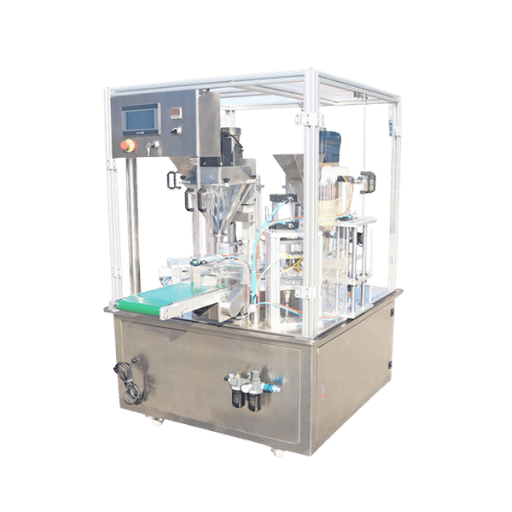
Göre göre Grand View Araştırması, küresel kahve kapsülleri ve kapsül pazarı 2024’te $40,49 milyara ulaştı ve 2030’da $58,19 milyara ulaşma yolunda ilerliyor – 6,1%’lik bir CAGR. Artan pazar talebinin, 2026 alıcılarının sipariş zamanlamasını belirlerken hesaba katması gereken ekipman kullanılabilirliği ve üretim kuyruğu derinliği üzerinde doğrudan etkisi var.
📊 Market Anlık Görüntüsü: Tek Servis Kahve 2024–2030
| Küresel pazar büyüklüğü (2024) | $40,49 milyar |
| Öngörülen pazar büyüklüğü (2030) | $58,19 milyar |
| CAGR (2025–2030) | 6.1% |
| Tek fincan bira üreticilerine sahip ABD’li haneler | ~42% |
| RN1S değişim süresi (K-Cup → Nespresso formatı) | 30 dakika |
Kaynak: Grand View Araştırması, Kahve Bölmeleri Pazar Raporu, 2024
Dört piyasa sinyali 2026 satın alma zamanlamasını doğrudan etkiliyor:
- Pazar büyümesinden kaynaklanan kuyruk baskısı: 6.1% CAGR genişlemesi, her yıl daha fazla kavurma tesisi ve özel markalı markaların tek hizmet üretimine girmesi anlamına geliyor. RN1S sınıfı üretim slotları, 2026’nın 3. Çeyreği/4. Çeyreği yoğun sezonunda 6–8 hafta önceden rezervasyon yapabilir — 2025 temel çizgilerinden daha dar bir pencere.
- Biyolojik olarak parçalanabilen kapsül kayması: PLA ve mısır nişastası kapsül malzemeleri daha düşük sızdırmazlık sıcaklıkları gerektirir. AFPAK’ın 0–400 °C uyarlanabilir ısı kontrolü, donanım değişimi olmadan biyolojik olarak parçalanabilen formatları barındırır — makineleri değerlendirirken kullanışlı bir uzun vadeli esneklik noktası.
- Özel etiket hacmi büyüme: küçük özel kavurma makineleri, tek hizmet kanalına artan sayıda giriyor ve talebi RN1S katmanında yoğunlaştırıyor. 2026 lansmanını mı planlıyorsunuz? Daha önce sipariş vermek daha iyi kuyruk konumunu kilitler.
- ABD tarife ortamı: 2025 tarife ayarlamaları, önceden dosyalanmış HTS kodlarına sahip DDP tarafından gönderilen makineleri öngörülebilir iniş maliyetleri için daha değerli hale getirdi. Değerlendirme altındaki herhangi bir tedarikçiden HTS ön sınıflandırma sertifikaları isteyin — bu, toplam ithalat maliyeti hesaplamanızı doğrudan etkiler.
Özel Teslim Süresi Teklifi Alın
Bize hedef CPM, kapsül formatı ve sevkiyat ABD hedef adresinizi gönderin. 24 saat içinde modele özel kapıdan kapıya programla size geri döneceğiz.
Sıkça Sorulan Sorular
📋 Kurşun Zamanı Riski Kontrol Listesini İndirin
Sipariş verdiğinizden emin olmak için 5 noktalı doğrulama kontrol listesi, en hızlı gerçekçi teslimat oranına göre yapılandırılmıştır.
🔬 Ücretsiz Makine Örnek Çalıştırma İsteyin
Kapsül örneklerinizi bize gönderin Üretim öncesi sızdırmazlık testi yapıyoruz ve herhangi bir sipariş verilmeden önce tam olarak ne alacağınızı bilmeniz için dolgu ağırlığı verilerini geri gönderiyoruz.
Bu Analiz Hakkında
Ham teslim süresi rakamları doğrudan AFPAK ürün spesifikasyonlarından ve müşteri katılım bilgilerinden (500’den fazla dağıtım) alınmıştır. Pazar büyüme tahminleri Grand View Research doğrudan kaynağına erişilerek doğrulanır. Gümrüklerin yeniden inceleme süresi tahminleri resmi ABD’den alınır.
Gümrük ve Sınır Koruma rehberliği Okyanus nakliye süreleri, lojistik veri kaynaklarında görüntülenen normal aralıklardan alınan Batı Kıyısı rotası için tek yön 20-50 gündür, ancak gerçek süre rota, sezon ve taşıyıcıdan daha da etkilenir. Bu malzeme AFPAK Mühendislik ve Satış Grubu tarafından hazırlanmış ve Mayıs 2026 itibarıyla doğruluğu kontrol edilmiştir.
Etki alanı: afpak machine.com | Son güncelleme: Mayıs 2026
Referanslar ve Kaynaklar
- AFPAK Ürün Maliyet Listesi- RN1S, HB410, H-Serisi, BZD95 [afpakmachine.com 2025-2026]
- İthalatçılar/İhracatçılar için ABD Gümrük ve Sınır Korumasından İpuçları (cbp.gov)
- Kaynak: Grand View Araştırması – Kahve Kapsülleri ve Kapsülleri 2024 Piyasa Tahmini
- HTS Classe 84—Classification des machines (Commission du commerce international des Etats-Unis)
- FDA 21 CFR Bölüm 117 — İnsan Gıdaları için Mevcut İyi Üretim Uygulamaları; §117.40 ekipman ve mutfak eşyalarını kapsar (fda.gov).
İlgili Makaleler
- Lineer vs Döner K Kupası Dolum Makinesi: Üretim Hacminiz İçin Hangisi Doğru?
- Küçük İşletmeler İçin En İyi K Bardak Dolum Makinesi: Yarı Otomatikten Giriş Dönerine Seçenekler
- Kahve Kapsülü Üretim Ekipmanları Yatırıma Değer mi? ROI Analizi
- K Kupası Dolum Makinesi Bakımı: Günlük, Haftalık ve Üç Aylık Program
- Kahve Kapsülü Üretim Hattı: Dolumdan Kartonlamaya Tam Sisteme Genel Bakış


