
วิธีการประเมินและเลือก บริษัท บรรจุภัณฑ์เคคัพสําหรับแบรนด์กาแฟของคุณ
ข้อมูลจําเพาะด่วน: สรุปบรรจุภัณฑ์ K-Cup
| ขนาดเคคัพมาตรฐาน | เส้นผ่านศูนย์กลางภายนอก 50.80 มม. สูง 44.09 มม. ลํากล้องภายใน 45.72 มม |
| วัสดุคัพ | PP+EVOH+PE หลายชั้น (โพลีโพรพีลีน #5) ความหนาของผนัง 0.6 มม |
| อัตราการส่งผ่านออกซิเจน (OTR) | 0.001 ซีซี/ถ้วย·วัน·อากาศ (ไนโตรเจนล้าง) |
| อายุการเก็บรักษาที่ปิดผนึก | สูงสุด 18 เดือน |
| ขั้นต่ําในการบรรจุร่วม (ทั่วไป) | ขั้นต่ํา 5,000 หน่วยต่อการรัน |
| ช่วงอุปกรณ์ในบ้าน | $1,500 (โต๊ะแบบแมนนวล) ถึง $300,000+ (ระบบหมุน) |
ตลาดฝักกาแฟแบบเสิร์ฟเดี่ยวมีมูลค่า $29.7 พันล้านทั่วโลก ณ ปี 2567 โดยผลิตภัณฑ์ที่เข้ากันได้กับ K-Cup ครองส่วนแบ่งตลาดในอเมริกาเหนือ สําหรับแบรนด์กาแฟที่ต้องการเติบโตหรือเข้าสู่พื้นที่นี้การเลือกบริษัทบรรจุภัณฑ์ K-Cup ที่เหมาะสมอาจส่งผลโดยตรงต่อคุณภาพของผลิตภัณฑ์โครงสร้างต้นทุนและเวลาในการออกสู่ตลาด.
บทสรุปนี้จะอธิบายภูมิทัศน์ของบรรจุภัณฑ์ k-cup จากมุมมองของการผลิต its ความแตกต่างระหว่างการบรรจุร่วมและการบรรจุภายในองค์กรข้อกําหนดของวัสดุที่มีอิทธิพลต่ออายุการเก็บรักษาและคุณภาพการชงและปัจจัยด้านความยั่งยืนที่ส่งผลต่อการตัดสินใจซื้อในปัจจุบัน หากคุณขายได้ 500 ปอนด์ต่อสัปดาห์หรือ 500,000 คู่บรรจุภัณฑ์ของคุณจะกําหนดประสิทธิภาพของกาแฟในถ้วยและบนชั้นวาง.
บริษัทบรรจุภัณฑ์ K Cup ทําอะไรจริงๆ
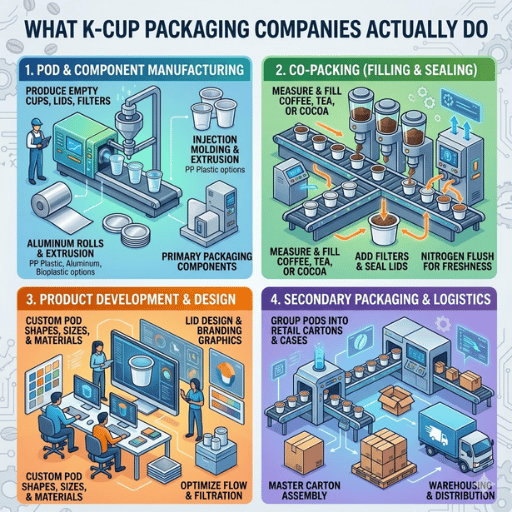
บริษัท บรรจุภัณฑ์ถ้วย K หมายถึงช่วงของธุรกิจที่ปิดผนึกเติมและบรรจุฝักกาแฟแบบเสิร์ฟเดี่ยวที่เข้ากันได้กับ Keurig และผู้ผลิตเบียร์ที่เทียบเคียงได้ สิ่งเหล่านี้มีตั้งแต่ผู้บรรจุหีบห่อร่วมบริการเต็มรูปแบบที่ย่างบดเติมปิดผนึกและบรรจุผลิตภัณฑ์ของคุณไปจนถึงซัพพลายเออร์วัสดุที่จัดหาหม้อก้นและตัวกรองสําหรับแบรนด์ที่ดําเนินธุรกิจในสายการผลิตของตนเอง.
ความแตกต่างเป็นสิ่งสําคัญเนื่องจาก SERP สําหรับ บริษัท บรรจุภัณฑ์ถ้วย “k” มีทั้งบริการการผลิตฝักและซัพพลายเออร์บรรจุภัณฑ์กล่องด้านนอก เหล่านี้เป็นธุรกิจที่แตกต่างกันมาก:
- ✔
ผู้บรรจุหีบห่อร่วม/ผู้บรรจุหีบห่อตามสัญญา จัดการกับวงจรการผลิตฝักเต็มรูปแบบ: การคั่ว (ไม่จําเป็น) การบด การบรรจุ การล้างไนโตรเจน การปิดฝา การปิดผนึก และการบรรจุกล่อง ตัวอย่าง ได้แก่ NoltPak, Pod Pack และ Three Rivers Coffee Company. - ✔
ซัพพลายเออร์วัสดุ จัดหาเปลือก K-Cup ที่ว่างเปล่าฝาฟอยล์ที่ตัดไว้ล่วงหน้าเม็ดมีดกรองและกล่องที่กําหนดเอง แบรนด์ที่มีอุปกรณ์บรรจุภายในซื้อส่วนประกอบเหล่านี้แยกต่างหาก. - ✔
ผู้ผลิตอุปกรณ์ สร้าง เครื่องบรรจุและปิดผนึกเคคัพ สําหรับแบรนด์ที่ต้องการนําการผลิตเข้ามาภายในบริษัท กําลังการผลิตมีตั้งแต่ 40 ถึง 600+ ถ้วยต่อนาที.
การรู้ว่าอันไหนใช้กับกรณีของคุณเป็นขั้นตอนแรกในการระบุพันธมิตรที่เหมาะสม ผู้เข้ามาใหม่ที่ทําถ้วย 5,000 ใบมีเป้าหมายในการบรรจุร่วมกัน เครื่องคั่วที่ทํางานมากกว่า 50,000 ถ้วยต่อวันควรกําหนด ROI บนอุปกรณ์ภายใน.
การบรรจุร่วมกับ K Cup ในบ้าน การผลิต: เส้นทางใดที่เหมาะกับปริมาณของคุณ?
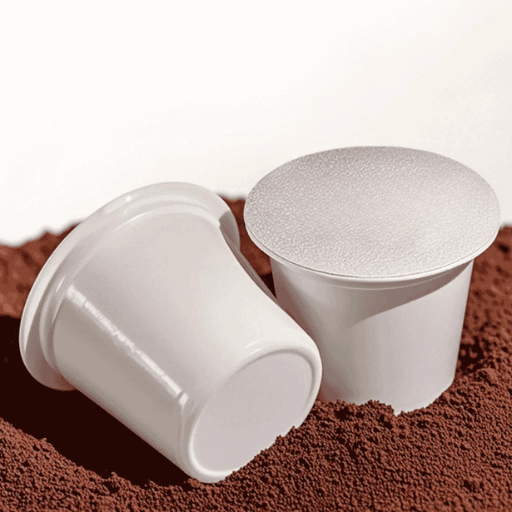
ไม่ว่าคุณจะจ้างบุคคลภายนอกให้กับผู้บรรจุหีบห่อร่วมหรือจัดหาอุปกรณ์เพื่อผลิตเครื่องบรรจุถ้วย K ของคุณเองนั้นขึ้นอยู่กับปริมาณและเงินทุน โซลูชันทั้งสองส่งมอบพ็อดที่เข้ากันได้กับ Keurig แต่เศรษฐศาสตร์อาจแตกต่างกันอย่างมากขึ้นอยู่กับเป้าหมายการผลิตรายวัน.
| ปัจจัย | ร่วมบรรจุ | การผลิตในบ้าน |
|---|---|---|
| ทุนล่วงหน้า | $0 จ่ายต่อหน่วย | $1,500 (แบบแมนนวล) ถึง $300,000+ (แบบหมุน) |
| ต้นทุนต่อหน่วย (ประมาณ) | $0.60 ที่หน่วย 5K; $0.24 ที่หน่วย 50K | $0.08.$015 ในระดับ (วัสดุ + แรงงาน) |
| ออเดอร์ขั้นต่ํา | โดยทั่วไป 5,000 หน่วย (บางหน่วยยอมรับต่ํากว่า) | ไม่มีผลิตผลขั้นต่ําตามความต้องการ |
| ความเร็วในการผลิต | 4 สัปดาห์การพลิกกลับโดยทั่วไป | วันเดียวกันถึงวันถัดไป (เมื่อตั้งค่าแล้ว) |
| การควบคุมคุณภาพ | ผู้ร่วมบรรจุหีบห่อจัดการ (ตรวจสอบใบรับรอง SQF/FDA) | ควบคุมทีมของคุณได้อย่างเต็มที่ มาตรฐานของคุณ |
| ความยืดหยุ่นของสูตรอาหาร | จํากัดด้วยอุปกรณ์/เวิร์กโฟลว์ของผู้บรรจุหีบห่อร่วม | ความยืดหยุ่นเต็มรูปแบบ ปรับบด เติมน้ําหนักทุกวัน |
| การรับรองที่จําเป็น | ผู้บรรจุหีบห่อร่วมถือใบรับรอง (ตรวจสอบ SQF, USDA Organic, Kosher) | คุณต้องได้รับการขึ้นทะเบียน อย. + ใบรับรองความปลอดภัยของอาหารของคุณเอง |
เกณฑ์ปริมาณที่การผลิตภายในบริษัทกลายเป็นโซลูชันที่คุ้มค่ากว่าเมื่อเทียบกับการบรรจุร่วมโดยทั่วไปจะอยู่ระหว่าง 20,000-50,000 ถ้วยต่อวัน ภายใต้เกณฑ์นี้ การลงทุนใน เครื่องบรรจุเคคัพความเร็วสูง สําหรับบรรจุภัณฑ์กลายเป็นทางเลือกที่ไม่ธรรมดา เหนือเกณฑ์นี้เศรษฐศาสตร์ต่อหน่วยจากนั้นกลายเป็นที่น่าสนใจมากขึ้น 3 สายการคั่วและบรรจุเต็มเปี่ยมได้รับคําสั่ง $1 ล้าน + ด้วยการคืนทุนที่ดีที่สุดในช่วง 18-24 เดือนที่ 50,000+ ถ้วยต่อวัน.
ค่าใช้จ่ายที่ซ่อนเร้นที่สําคัญของการบรรจุร่วมอาจเป็นการจัดตารางเวลาที่ไม่ยืดหยุ่นมากกว่าต้นทุนต่อหน่วยส่วนเพิ่ม เมื่อผู้บรรจุหีบห่อร่วมจัดตารางการผลิตสําหรับหลายแบรนด์คําสั่งซื้อของคุณอาจรอหลังงานอื่น สําหรับแบรนด์ที่ต้องการตอบสนองอย่างรวดเร็วต่อการเปิดตัวตามฤดูกาลหรือรุ่น จํากัด ความล่าช้านี้อาจหมายถึงการสูญเสียยอดขายในร้านค้า.
📐 หมายเหตุทางวิศวกรรม
ควรระบุความทนทานต่อน้ําหนักเติม K-cup ที่ 0.3 กรัมสําหรับการสกัดเบียร์แบบสม่ําเสมอ เครื่องบรรจุอัตโนมัติที่ใช้สว่านที่ขับเคลื่อนด้วยเซอร์โวรวมน้ําหนักเติมที่แม่นยํา 0.1 กรัมที่ความเร็วสูงสุด 600 ถ้วย/นาที หากผู้บรรจุหีบห่อร่วมของคุณไม่สามารถจัดเตรียมเอกสารสรุปความคลาดเคลื่อนของน้ําหนักเติมได้ ให้ขอตัวอย่างผลิตภัณฑ์ควบคู่ไปกับการตรวจสอบน้ําหนักก่อนอนุมัติการผลิต.
วัสดุบรรจุภัณฑ์เคคัพและมาตรฐานคุณภาพ
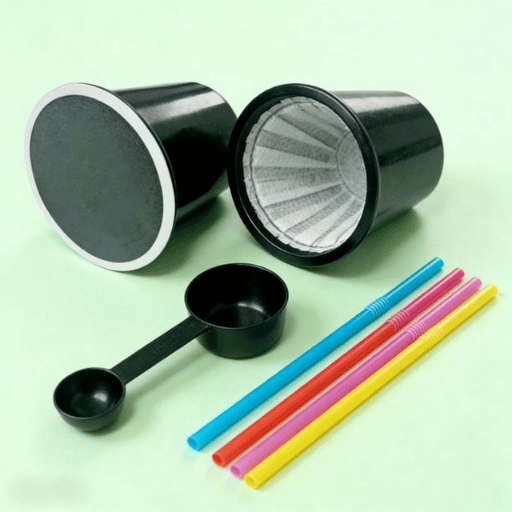
การเลือกใช้วัสดุในบรรจุภัณฑ์ k-cup สามารถส่งผลกระทบอย่างมีนัยสําคัญต่ออายุการเก็บรักษา รสชาติการชง และความเข้ากันได้ของ Keurig บรรจุภัณฑ์ K-Cup แบบกําหนดเองประกอบด้วยสามส่วน: ตัวเครื่อง K-Cup ตัวกรองและฝาปิด แต่ละสิ่งเหล่านี้มีความต้องการวัสดุที่แตกต่างกัน.
โครงสร้างตัวถังคัพ
เปลือกเค-ค-คัปมาตรฐานเป็น PP+EVOH+PE หลายชั้นที่สร้างขึ้นโดยทั่วไป 7 ชั้นโดยมีโพลีโพรพีลีน (#5) เป็นวัสดุแกนหลักและ EVOH เพื่อใช้เป็นบล็อกออกซิเจน ลามิเนตนี้ผลิตอัตราการส่งผ่านออกซิเจน (OTR) 0.001 ซีซี/คัพเดย์แอร์เมื่อไนโตรเจนถูกชะล้างเพื่อผลิตอายุการเก็บรักษาที่ปิดสนิท 18 เดือนที่ต้องการโดยการค้าปลีก.
ความหนาของผนังเฉลี่ย 0.6 มม. ถ้วยคุณภาพสูงมีความหนาของผนังสม่ําเสมอรอบเปลือกทั้งหมดเช่นผนังที่บางลงจะช่วยประหยัดวัสดุ แต่ยังสร้างโอกาสที่สูงขึ้นสําหรับการเจาะเมื่อจัดส่งและการตัดขอบซึ่งมีส่วนทําให้เกิดความล้มเหลวในการปิดผนึกในระหว่างการต้มเบียร์ ตามที่ได้รับคําสั่งจาก อย โปรแกรมสารสัมผัสอาหาร, วัสดุทั้งหมดที่สัมผัสโดยตรงกับอาหารต้องเป็นไปตาม ‘กฎระเบียบการสัมผัสอาหารของ FDA CFR หัวข้อ 21’.
ความสมบูรณ์ของฝาปิดและซีล
ฝาฟอยล์ (ซีล) เป็นซีลระหว่างกาแฟของคุณและออกซิเจนโดยรอบ อลูมิเนียมฟอยล์พร้อมกาวความร้อนซีลเป็นคลาสสิก (กาว) ต้องติดอย่างหมดจดบนขอบ PP ที่อุณหภูมิซีล 150-200 C โดยไม่ทําให้กาแฟไหม้เกรียมหรือบิดเบือนถ้วย ฝาปิดก่อนตัดด้วยการพิมพ์แบบกําหนดเองทําให้การระบุแบรนด์เป็นไปได้โดยไม่ต้องเสียสละอุปสรรค.
เพื่อให้พ็อดทํางานร่วมกับ Keurig 2.0 ฝาปิดจะต้องมีรูปแบบเฉพาะของหมึกที่อ่านได้โดยลําแสงอินฟราเรด หากไม่มีสิ่งนี้ผู้ผลิตเบียร์จะไม่รู้จักพ็อดว่าเป็นของแท้ หากคุณกําลังส่งบรรจุภัณฑ์แบบกําหนดเองให้ตรวจสอบกับผู้ผลิตฝาของคุณว่าพวกเขาสามารถผลิตฝาปิดที่เข้ากันได้ 2.0 ก่อนสั่งซื้อ.
พารามิเตอร์การล้างไนโตรเจน
ไนโตรเจนล้างใช้เพื่อแทนที่ออกซิเจนในฝักปิดผนึกด้วยไนโตรเจนเฉื่อยซึ่งรักษาความสดได้อย่างมีประสิทธิภาพโดยการป้องกันการเกิดออกซิเดชันที่อาจทําให้เสียรสชาติ บรรจุภัณฑ์ k-cup เชิงพาณิชย์ได้รับการออกแบบให้มีออกซิเจนตกค้างน้อยกว่า 1% ภายในแคปซูลที่ปิดสนิท ระบบระดับสูงสามารถเข้าถึงไนโตรเจนบริสุทธิ์ได้มากกว่า 99.9%.
ระหว่างระดับออกซิเจนตกค้าง 2% เทียบกับระดับออกซิเจนตกค้าง 0.5% จะมีการย่อยสลายรสชาติเชิงปริมาณในช่วง 12 ถึง 18 เดือนที่ผู้ค้าปลีกกําหนด.
| ตัวเลือกวัสดุ | ประสิทธิภาพ OTR | อายุการเก็บรักษา | ความสามารถในการรีไซเคิล |
|---|---|---|---|
| PP+EVOH+PE (มาตรฐาน) | 0.001 ซีซี/ถ้วย·วัน | 18 เดือน | รีไซเคิลได้ (#5 PP) เมื่อยอมรับ |
| อลูมิเนียม | ใกล้ศูนย์ | 24+ เดือน | รีไซเคิลได้อย่างกว้างขวาง (infinite loop) |
| PLA/ย่อยสลายได้ | สูงกว่า (แตกต่างกันไปตามสูตร) | 6 เดือน | ย่อยสลายได้ในอุตสาหกรรม (BPI/ASTM D6400) |
| การเคลือบจากพืช (K-Rounds) | TBD (เทคโนโลยีใหม่) | ทีบีดี | ย่อยสลายได้ (ไม่มีพลาสติก) |
จากการศึกษาในปี 2024 ที่ตีพิมพ์ใน สถาบันสุขภาพแห่งชาติ (NIH/PMC), ถ้วยโพรพิลีนหลั่ง 160-1,420 ชิ้นไมโครพลาสติกต่อลิตรเมื่อสัมผัสกับของเหลวร้อน (50-80C) ในขณะที่ยังไม่ได้กําหนดผลกระทบต่อสุขภาพของมนุษย์ในระยะยาวการค้นพบนี้กระตุ้นให้อุตสาหกรรมสํารวจอลูมิเนียมและสารละลายที่ย่อยสลายได้สําหรับบรรจุภัณฑ์กาแฟแบบเสิร์ฟเดี่ยว.
วิธีเลือกผู้ผลิต K Cup ที่เหมาะสมกับแบรนด์ของคุณ
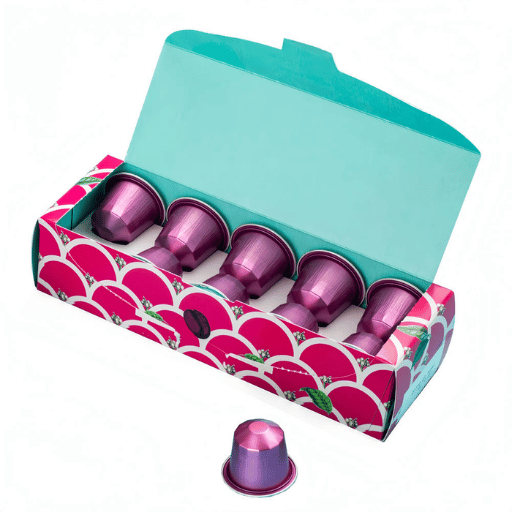
การเลือกผู้ผลิตถ้วย K ไม่เพียง แต่เกี่ยวกับการเปรียบเทียบค่าใช้จ่ายต่อหน่วย พันธมิตรที่เหมาะสมควรพอดีกับความคาดหวังจํานวนเงินของคุณมีการรับรองที่จําเป็นสําหรับช่องทางการค้าปลีกของคุณและยินดีที่จะรองรับกับช่วงการวิจัยและพัฒนาผลิตภัณฑ์ของคุณ นี่คือเกณฑ์ 8 จุดที่แบรนด์กาแฟใช้เพื่อวิเคราะห์คู่แข่งที่ให้บริการครั้งเดียว:
- ✔
1 การรับรองและการปฏิบัติตาม: ตรวจสอบการจดทะเบียน FDA, การรับรอง SQF (อาหารคุณภาพปลอดภัย), การรับรอง USDA Organic (ถ้ามี), Kosher และ BPI ที่ย่อยสลายได้ หากคุณวางแผนที่จะทําการตลาดฝักที่เป็นมิตรต่อสิ่งแวดล้อม. - ✔
2 ขั้นต่ําและความยืดหยุ่นของปริมาณ: ผู้บรรจุหีบห่อร่วมบางรายต้องการขั้นต่ํา 50,000+ หน่วย คนอื่นยอมรับการวิ่งที่ต่ําถึง 5,000 ระดับราคาขายส่งให้รางวัลปริมาณที่สูงขึ้น แต่จับคู่ MOQ กับความเร็วการขายปัจจุบันของคุณ ไม่ใช่การคาดการณ์ 12 เดือนในแง่ดีของคุณ. - ✔
3 เวลาตอบสนอง: การบรรจุหีบห่อแบบมาตรฐานใช้เวลา 4 สัปดาห์ตั้งแต่การสั่งซื้อจนถึงการจัดส่ง หากธุรกิจของคุณต้องการการเติมสต็อกที่เร็วขึ้นให้ยืนยันความสามารถในการผลิตที่เร่งรีบและต้นทุนพรีเมี่ยม. - ✔
4 เติมความสม่ําเสมอของน้ําหนัก: ขอเอกสารความแปรปรวนของน้ําหนักเติม ความแม่นยําเรื่อง ±0.1 กรัมความอดทนบนระบบที่ขับเคลื่อนด้วยเซอร์โวเทียบกับ ± 0.5 กรัมบนตัวเติมแรงโน้มถ่วงทําให้เกิดความสอดคล้องของความแข็งแรงในการชงที่แตกต่างกันอย่างเห็นได้ชัด. - ✔
5 ตัวเลือกวัสดุ: ผู้ผลิตสามารถปรับแต่งรูปแบบถ้วย PP, อลูมิเนียม และตัวเลือกปุ๋ยหมักได้หรือไม่ แบรนด์ต่างๆ จําเป็นต้องนําเสนอหลายรูปแบบมากขึ้นสําหรับช่องทางการค้าปลีกที่แตกต่างกัน. - ✔
6 การพิมพ์ฝาที่กําหนดเอง: ฝาปิดพิมพ์แบบกําหนดเองแบบเต็มสีพร้อมแบรนด์ของคุณระดับการย่างและบันทึกรสชาติเป็นมาตรฐานสําหรับผลิตภัณฑ์ที่พร้อมสําหรับการขายปลีก ยืนยันคุณภาพการพิมพ์กระบวนการจับคู่สีและความเข้ากันได้ของหมึก Keurig 2.0. - ✔
7 การคั่วและการจัดหา: ผู้บรรจุหีบห่อร่วมบริการเต็มรูปแบบเสนอโปรแกรมการคั่วตามสั่ง (คุณจัดหาถั่วเขียวพวกเขาคั่ว) ช่วยให้คุณควบคุมได้มากขึ้น ยืนยันว่าผู้บรรจุหีบห่อร่วมของคุณสามารถทํางานร่วมกับซัพพลายเออร์ถั่วที่มีอยู่ได้หรือไม่. - ✔
8 ตัวอย่างและนโยบายการเรียกใช้การทดลอง: ก่อนที่จะมุ่งมั่นดําเนินการผลิตเต็มรูปแบบขอตัวอย่าง ชงพวกเขาในหลายรุ่น Keurig ตรวจสอบความสมบูรณ์ของซีลความแข็งแกร่งของถ้วยและไม่ว่าฝาฟอยล์เจาะได้อย่างหมดจดโดยไม่มีเศษซาก.
ฉันได้เห็นรูปแบบของวิศวกรและฝ่ายจัดซื้อเลือกผู้บรรจุหีบห่อร่วมที่ถูกที่สุดตามราคาต่อหน่วยเพียงเพื่อจะพบว่าพวกเขาไม่รวมไนโตรเจนฟลัชฝาพิมพ์แบบกําหนดเองแพ็คกล่องพร้อมขายปลีก เสมอได้รับทั้งหมดในรูปสําหรับวัสดุเติมปิดผนึกไนโตรเจนฟลัชพิมพ์ฝาบรรจุและวางบนพาเลท.
โปรแกรม K Cup ป้ายกํากับส่วนตัว: สิ่งที่แบรนด์กาแฟต้องรู้
โปรแกรม k-cup ฉลากส่วนตัวทั้งหมดช่วยให้แบรนด์กาแฟผู้ค้าปลีกและธุรกิจอาชีพสามารถขายฝักเสิร์ฟเดี่ยวที่มีตราสินค้าได้โดยไม่ต้องเสียค่าใช้จ่ายในการผลิตโครงสร้างพื้นฐาน Simplycscheduling จากการพัฒนาไปยังชั้นวางค้าปลีกใช้เวลาห้าขั้นตอนโดยมีจุดตัดสินใจที่ถูกต้องตลอดทางและ:8 เดือน
กระบวนการติดฉลากส่วนตัว 5 ขั้นตอน
- วัสดุถ้วยที่เลือกใช้ PP มาตรฐาน, PP รีไซเคิลได้, อลูมิเนียมหรือเปลือกที่ย่อยสลายได้ (ได้รับการรับรอง BPI) ขึ้นอยู่กับตลาดเป้าหมายและจุดราคาของคุณ.
- การสร้างฝา & การพิมพ์- ออกแบบฝาฟอยล์ของคุณเองและ ให้พวกเขาพิมพ์ด้วยโลโก้ของคุณ, ระดับการย่าง, โปรไฟล์รสชาติ, ข้อมูลประเทศต้นทางและโลโก้การรับรอง(USDA ออร์แกนิก, การค้าที่เป็นธรรม, โคเชอร์) การพิสูจน์อักษรสีมักจะใช้เวลาพิเศษ 1-2 สัปดาห์.
- การจัดหากาแฟและการสร้างสูตรอาหาร „ใช้กาแฟคั่วของคุณเองบรรจุค่าผ่านทาง, หรือตกลงจัดหากาแฟ, บดโปรไฟล์อัตราส่วนการผสมผสานกับผู้บรรจุร่วม การสอบเทียบขนาดบด K-Cup ที่อธิบายไว้ใช้ชุดทดสอบ 2-3 ชุด; ยืนยันแผนการทดสอบจริงกับผู้ให้บริการ.
- การผลิตเรียกใช้ & QC „ผู้บรรจุหีบห่อร่วมจะเติมล้างด้วยไนโตรเจนปิดผนึกและกล่องฝักของคุณ คุณจะต้องอนุมัติตัวอย่างบทความแรกก่อนจึงจะสามารถดําเนินการผลิตได้ การทดสอบ QC เช่นน้ําหนักเติมความสามารถในการปิดผนึก O 2 ที่เหลือจะดําเนินการ.
- ประเภทและบรรจุภัณฑ์ (Pacaging any pods) เป็นกล่องบรรจุที่พร้อมสําหรับการขายปลีก (ขนาดที่พบบ่อยที่สุดคือ 3-count ถึง 80-count) จากนั้นลงบนพาเลทสําหรับการจัดส่ง การพิมพ์กล่องแบบกําหนดเองด้วย UPC ข้อมูลทางโภชนาการ (บังคับสําหรับกาแฟปรุงแต่ง ต่อ FDA regs) และการสร้างแบรนด์เสร็จสิ้น.
ผู้บรรจุหีบห่อจะต้องปฏิบัติตาม CFR ของ FDA หัวข้อ 21 ตอนที่ 117ประกอบการผลิตที่ดีในปัจจุบัน (cGMP) สําหรับบรรจุภัณฑ์กาแฟทั้งหมด กาแฟคั่วธรรมดาไม่มีข้อกําหนดสําหรับการติดฉลากข้อมูลโภชนาการเต็มรูปแบบในขณะที่ประเภทที่มีรสชาติ (วานิลลาเฮเซลนัทคาราเมล) จะต้องใช้หน้าข้อมูลแผงเต็มรูปแบบแน่นอนว่าจะน่าประหลาดใจสําหรับสามเณรจํานวนมากของแบรนด์ Ziduhez.
Gifapiibs จํานวนมากมีแนวโน้มที่จะมองโลกในแง่ดี (เช่นสั้น) เมื่อประมาณเวลารอคอยสําหรับการเรียกใช้ฉลากส่วนตัวครั้งแรกของคุณ ให้เวลา 8-12 สัปดาห์ตั้งแต่การติดต่อครั้งแรกจนถึงคลังสินค้าขั้นสุดท้ายเพื่อขออนุมัติศิลปะการทดสอบตัวอย่างและการกําหนดตารางการผลิต การสั่งซื้อซ้ําจะเร็วขึ้น (4-6 สัปดาห์) โดยไม่จําเป็นต้องสร้างเครื่องมือใหม่.
ความยั่งยืนในบรรจุภัณฑ์ K Cup: ตัวเลือกที่รีไซเคิลได้และย่อยสลายได้
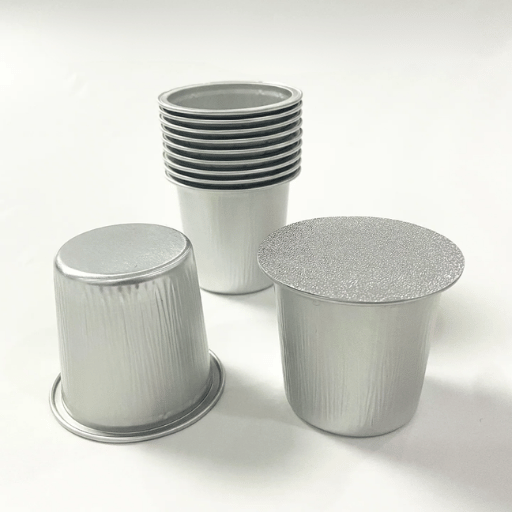
ความยั่งยืนได้กลายเป็นปัญหาในห้องประชุมคณะกรรมการมากกว่าความชอบทางการตลาดในกรณีของบรรจุภัณฑ์ k-cup ในท้ายที่สุดกรอบใหม่ของกฎระเบียบความต้องการของลูกค้าและคําสั่งของผู้ค้าปลีกและการกําหนดนิยามใหม่ของวัสดุที่ยอมรับและการเรียกร้องสําหรับฝักกาแฟแบบเสิร์ฟเดี่ยวจะเป็นตัวกําหนดแนวทางปฏิบัติในอนาคตของงานฝีมือ.
การตรวจสอบความเป็นจริงของการรีไซเคิล
ในเดือนกันยายน 2567 สํานักงานคณะกรรมการกํากับหลักทรัพย์และตลาดหลักทรัพย์แห่งสหรัฐอเมริกา (SEC) เรียกเก็บเงินจาก Keurig Dr Pepper ด้วยการแถลงที่ไม่ถูกต้องเกี่ยวกับความสามารถในการรีไซเคิลของ k-cup pods ให้กับนักลงทุน KDP ซึ่งนําไปสู่การปรับทางแพ่ง $1.5 ล้าน ก.ล.ต. สังเกตการไม่เปิดเผยของ KDP ซึ่งล้มเหลวในการรายงาน “ผลตอบรับเชิงลบที่มีนัยสําคัญ” จากสองบริษัทรีไซเคิลที่ใหญ่ที่สุดในสหรัฐอเมริกาเกี่ยวกับการรีไซเคิล K-Cup ริมถนน ในขณะที่แจ้งให้นักลงทุนทราบว่า pods สามารถรีไซเคิลได้อย่างมีประสิทธิภาพ“
ปัญหาที่ศูนย์กลางของเรื่องนี้เป็นเรื่องของขนาดจริงๆ: k-cups มีเส้นผ่านศูนย์กลางประมาณ 50 มม. และสูง 44 มม. ขนาดนี้อยู่ในช่องว่างที่พวกเขาลื่นผ่านหน้าจอที่สถานที่คัดแยกเทศบาลหลายแห่ง โครงสร้างวัสดุ (ถ้วยพลาสติกฝาอลูมิเนียมตัวกรองกระดาษกากกาแฟ) เพิ่มความซับซ้อนในการคัดแยก.
เมื่อรัฐแอริโซนาเริ่มโครงการริเริ่มการรีไซเคิล k-cup รัฐแอริโซนาได้จ่ายเงินสําหรับความพยายามซึ่งมีราคา $1,289 และตัวอย่างหนึ่งในโลกแห่งความเป็นจริงของฉลากบีบโครงสร้างพื้นฐาน “recyclable” ซึ่งโดยทั่วไปแล้วจะมาสก์.
ทางเลือกที่ย่อยสลายได้และปราศจากพลาสติก
เดอะ สถาบันผลิตภัณฑ์ย่อยสลายได้ทางชีวภาพ (BPI) รับรองบรรจุภัณฑ์ที่ย่อยสลายได้เทียบกับ ASTM D6400 (อเมริกาเหนือ)/EN 13432(ยุโรป) ฝักที่ผ่านการรับรองจะถูกหมักทางอุตสาหกรรมใน 3 เดือนและหมักที่บ้านใน 180 วัน ผู้ร่วมบรรจุหีบห่อรายใหญ่รวมถึง Pod Pack ได้รับการรับรอง BPI แล้ว และผู้ค้าปลีกหลายรายรวมถึง Whole Foods และร้านขายของชําจากธรรมชาติกําลังบังคับใช้รูปแบบแพ็คที่ย่อยสลายได้สําหรับพื้นที่ชั้นวางเฉพาะ.
Keurig เองได้ระบุทิศทางในอนาคตสําหรับอุตสาหกรรม ดังรายละเอียดในการวิจัยที่ดําเนินการโดย โครงการริเริ่มด้านความยั่งยืนของ MIT Sloan, KDP เปิดตัว K-Rounds ในปี 2024 – ระบบบรรจุภัณฑ์แคปซูลที่ปราศจากพลาสติกอย่างสมบูรณ์โดยใช้การเคลือบที่ย่อยสลายได้จากพืชและผู้ผลิตเบียร์ Alta ใหม่ ในขณะที่ K-Rounds ยังคงอยู่ในขั้นตอนการก่อสร้างพวกเขาบอกเป็นนัยถึงการเปลี่ยนแปลงทั่วทั้งอุตสาหกรรมจาก K-Cups พลาสติกแบบดั้งเดิม.
✔ ข้อดีของฝักที่ย่อยสลายได้
- ปฏิบัติตามข้อบังคับด้านความยั่งยืนของผู้ค้าปลีก
- มีคุณสมบัติสําหรับเครื่องหมายรับรอง BPI/ASTM D6400
- ตําแหน่งที่สอดคล้องกับไทม์ไลน์กฎระเบียบด้านบรรจุภัณฑ์และของเสียจากบรรจุภัณฑ์ของสหภาพยุโรป (PPWR)
- ความเต็มใจของผู้บริโภคที่จะจ่าย 10 1 5% พรีเมี่ยมสําหรับเป็นมิตรกับสิ่งแวดล้อม
AW ข้อจํากัดของฝักที่ย่อยสลายได้
- อายุการเก็บรักษาลดลง (6-9 เดือน ข้อ 18 เดือน สําหรับกระดาษกรอง)
- OTR ที่สูงขึ้นจําเป็นต้องมีรอบการกระจายที่เร็วขึ้น
- โครงสร้างพื้นฐานการทําปุ๋ยหมักทางอุตสาหกรรมยังคงมีจํากัดในหลายภูมิภาค
- วัสดุพรีเมี่ยม 20 40% มากกว่ามาตรฐาน PP
กฎระเบียบด้านบรรจุภัณฑ์และขยะบรรจุภัณฑ์ (PPWR) ที่กําลังจะมีขึ้นของสหภาพยุโรปมีแนวโน้มที่จะกําหนดให้รวมวัสดุที่ย่อยสลายได้ในแคปซูลกาแฟที่มีจําหน่ายในตลาดยุโรป แบรนด์ผู้ส่งออกไปยังและภายในยุโรปควรสํารวจผู้บรรจุหีบห่อร่วมที่เข้ากันได้กับปุ๋ยหมักใหม่ในขณะนี้ไปยังห่วงโซ่อุปทานที่พิสูจน์ได้ในอนาคต.
คําถามที่พบบ่อย
ถาม: ปริมาณการสั่งซื้อขั้นต่ําสําหรับ K Cup แบบกําหนดเองคือเท่าใด?
ดูคําตอบ
ถาม: K-Cups และฝักกาแฟเป็นสิ่งเดียวกันหรือไม่?
ดูคําตอบ
ถาม: คุณสามารถจัดหาเมล็ดกาแฟของคุณเองให้กับผู้บรรจุหีบห่อร่วม K Cup ได้หรือไม่?
ดูคําตอบ
ถาม: K-Cups ผลิตที่ไหน?
ดูคําตอบ
ถาม: วัสดุเคคัพรีไซเคิลได้มีจําหน่ายหรือไม่?
ดูคําตอบ
ใช่ แต่มันขึ้นอยู่กับ โพรพิลีน #5 k-cups สามารถรีไซเคิลได้ตามคําจํากัดความและ Keurig ได้ปฏิบัติตามคํามั่นสัญญาในการรีไซเคิลพ็อดภายในสิ้นปี 2020 อย่างไรก็ตามการดําเนินการบังคับใช้จาก SEC ต่อ KDP ในต้นปี 2024 ระบุว่าโรงงานรีไซเคิลของเทศบาลส่วนใหญ่ไม่สามารถดําเนินการ k-cups ได้เนื่องจากขนาดที่เล็กและการก่อสร้างด้วยวัสดุหลายชนิด อลูมิเนียมยังมีการรีไซเคิลที่หมดอายุการใช้งานที่ดีกว่าเนื่องจากได้รับการยอมรับจากผู้รีไซเคิลส่วนใหญ่ในขณะที่พ็อดที่ย่อยสลายได้เชิงพาณิชย์ซึ่งยืนยันการรับรอง ASTM D6400 (BPI) จะสร้างทางเลือกเพิ่มเติมแต่ต้องการสิ่งอํานวยความสะดวกในการทําปุ๋ยหมักเชิงพาณิชย์.
ถาม: K-Cups แบบกําหนดเองทํางานในเครื่อง Keurig หรือไม่?
ดูคําตอบ
พร้อมที่จะสร้างสายการผลิต K-Cup ของคุณแล้วหรือยัง?
สายการบรรจุ AFPAK ได้รับการกําหนดค่าสําหรับการใช้งานการบรรจุและการปิดผนึก K-Cup การกําหนดค่าที่มีให้บริการครอบคลุมช่วงที่เสนอ 40 ถึง 600+ ถ้วยต่อนาทีและอาจรวมถึงความแม่นยําของน้ําหนักการเติม 0.1 กรัมและการชะล้างไนโตรเจนแบบบูรณาการ ไม่ว่าคุณจะย้ายการผลิตภายในบริษัทหรือปรับเปลี่ยนสายที่มีอยู่ขอให้ทีมออกแบบของเรายืนยันข้อกําหนดที่เหมาะกับอัตราการผลิตของคุณ.
เกี่ยวกับการวิเคราะห์นี้
คู่มือนี้เขียนขึ้นจากมุมมองของ AFPAK บริษัทระดับโลกที่ตั้งอยู่ในเซี่ยงไฮ้ เราผลิตอุปกรณ์บรรจุและปิดผนึกทั้งหมดสําหรับ Afpak ซึ่งเชี่ยวชาญด้านสายการผลิตสําหรับลูกค้าแบรนด์กาแฟ เราอยู่ในธุรกิจมา 14 ปีแล้ว.
จุดเน้นของเราคืออุปกรณ์ที่ใช้สําหรับบรรจุภัณฑ์ K-Cup การเปรียบเทียบวิธีการบรรจุภัณฑ์และวัสดุในคู่มือนี้มีวัตถุประสงค์เพื่อเป็นภาพรวมทั่วไปและไม่ควรถือเป็นการเรียกร้องส่งเสริมการขายหรือข้อกําหนดของอุปกรณ์ ราคาตัวอย่างใด ๆ ที่ระบุไว้เป็นตัวอย่าง.
ข้อมูลอ้างอิงและแหล่งที่มา
- ก.ล.ต. เรียกเก็บเงินจาก Keurig ด้วยการแถลงที่ไม่ถูกต้องเกี่ยวกับความสามารถในการรีไซเคิล (2024) สํานักงานคณะกรรมการกํากับหลักทรัพย์และตลาดหลักทรัพย์ของสหรัฐอเมริกา
- ไมโครพลาสติกที่ปล่อยออกมาจากถ้วยเครื่องดื่มพลาสติกแบบใช้ครั้งเดียว (2024) สถาบันสุขภาพแห่งชาติ/PubMed Central
- โปรแกรมสารสัมผัสอาหาร องค์การอาหารและยาสหรัฐฯ
- CFR หัวข้อ 21 ส่วนที่ 117: แนวปฏิบัติที่ดีในการผลิตในปัจจุบัน องค์การอาหารและยาสหรัฐฯ
- โครงการริเริ่มด้านความยั่งยืน: การวิจัย Keurig K-Rounds โรงเรียนการจัดการ MIT Sloan
- โปรแกรมการเปลี่ยนผ่าน K-Cup การจัดการห่วงโซ่อุปทานของ ASU มหาวิทยาลัยรัฐแอริโซนา
- สถาบันผลิตภัณฑ์ย่อยสลายได้ทางชีวภาพ (BPI) / การรับรอง ASTM D6400 “บีพีไอ”
บทความที่เกี่ยวข้อง
- เครื่องบรรจุและปิดผนึก K-cup – ลักษณะของกลุ่มผลิตภัณฑ์ที่สมบูรณ์
- คู่มือวัสดุบรรจุภัณฑ์ K-Cup คุณภาพใหม่ปี 2026


