
Alüminyum Kahve Bölmeleri Neden Plastiklerin Yerini Alıyor — Ve Markalar Bunları Ölçekte Nasıl Üretiyor
Tek servislik kahve 2025 yılında $32,62 milyara ulaştı ve en hızlı büyüyen sektör plastik değil. Alüminyumdur. Nespresso gibi üst düzey markalara yönelik kahve kapsülü paketleri ve kitlesel pazardaki küçük partili kızartma mağazaları, görünümünden dolayı değil, alüminyumu benimsiyor.
Daha iyi bir oksijen bariyeri ve bitmek bilmeyen geri dönüştürülebilirlik ile tüketici zevkleri alüminyuma geçiş dikte etmeye başlıyor. Bu rapor, alüminyum kahve kapsüllerinin malzeme bilimini araştırıyor, plastikler ve kompostlaştırılabilir ürünlerle doğrudan bir karşılaştırma yapıyor ve boş diskten nitrojenle yıkanmış, vakumla paketlenmiş pod’a kadar adım adım üretim süreci dökümü rafta gitmeye hazır.
Hızlı Özellikler
| Birincil Malzeme | Gıda sınıfı alüminyum alaşımı (8011 / 3003 serisi) |
| Duvar Kalınlığı | 0,08 – 0,12 mm |
| Bariyer Katmanı | İç gıda güvenli lake kaplama (doğrudan teması önler) |
| Ortak Formatlar | Nespresso Orijinal (37 mm), K-Cup (48 mm), Dolce Gusto (52 mm) |
| Oksijen İletim Hızı | <0,05 cm³/kapsül/gün |
| Raf Ömrü (azotla yıkanmış) | 12 – 18 ay |
Alüminyum Kahve Bölmeleri Nedir?
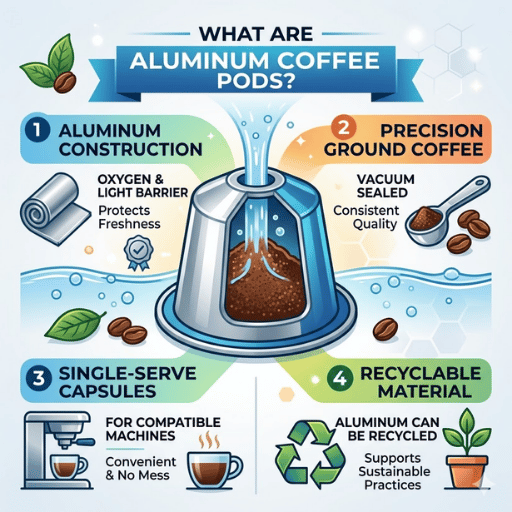
Folyo kahve kapsülleri—Güçlü 2. bariyer kapları, gıda sınıfı alüminyum alaşımından preslenmiş, en iyi kahve çekirdeklerinden elde edilen kavrulmuş kahve telveleri ile paketlenmiş, nitrojenle yıkanmış ve alüminyum kapaklı folyo ile kapatılmış. Ne oksijene, ne neme, ne de ışığın dalga boylarına karşı geçirgen olmayan küçük hermetik kasalar gibidirler.
2000’ler Fikir yeni değil 1976’da Nestle ilk alüminyum kapsül patenti için başvurdu o zamandan beri Nespresso, patentli alüminyum kapsüllerle formatı onlarca yıl tekeline aldı.
Bu, patentlerin süresinin dolması ve üçüncü taraf kavurucuların Nespresso uyumlu kapsül pazarına girmesiyle sona erdi. Cambio Roasters, 2024 yılında Keurig bira üreticileri için ilk alüminyum kapsülü piyasaya sürdü ve alüminyumu daha önce plastik K-Cup’lara kilitlenmiş bir kahve makinesi formatına getirdi.
Bugün, alüminyum kahve kapsülleri üç geniş makine ekosistemine sığmaktadır: Nespresso Original Line makineleri (37mm çapında), Keurig K-Cup (48mm) ve Dolce Gusto (52mm).Malzemenin büyük şekillendirilebilirliği sayesinde, üreticiler neredeyse her formdaki bölmeleri tüm bariyer özellikleri bozulmadan tutularak şekillendirebilmektedir – plastik bölmeler ve kompostlanabilir malzemeler buna uyum sağlamakta zorlanmaktadır. İtalyan espresso markaları ve özel kavurma makineleri, birden fazla makine platformunda çeşit paketleri piyasaya sürerken bu esnekliğe değer vermektedir.
Alüminyum ve Plastik Kahve Bölmeleri: Yan Yana Karşılaştırma
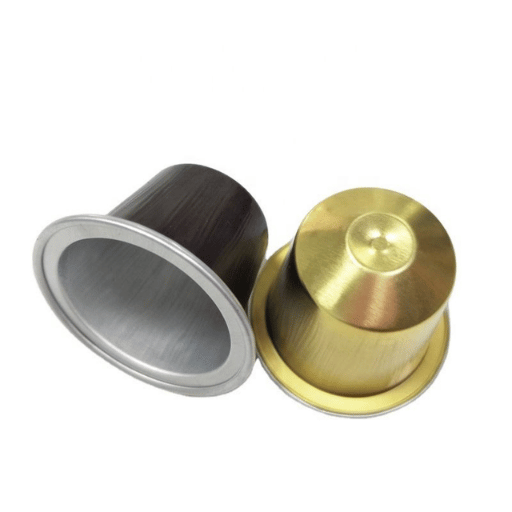
Pod malzeme seçiminiz, ürününüzün tazeliğini, ürününüzün geri dönüştürülebilirliğini, kullanıcı tarafından nasıl algılandığını ve üretim fiyatını kontrol eder. Aşağıda, belirli bir malzeme seçimi için 8 kriter üzerinde objektif bir karşılaştırma – bir alan derecelendirme ölçeklerinden 2, 3 gibi puan.
| Kriter | Alüminyum | Plastik (PP/PE) | Kompostlanabilir (PLA) |
|---|---|---|---|
| Oksijen Bariyeri (OTR) | <0,05 cm³/kapak/gün | 50 – 150 cm³/m²/gün | 100 – 300 cm³/m²/gün |
| Raf Ömrü | 12 – 18 ay | 6 – 9 ay | 3 – 6 ay |
| 18 Ayda Tazelik | 83% tutuldu | 54% tutuldu | N/A (süresi doldu) |
| Geri dönüştürülebilirlik | Sonsuz (curbside) | Maksimum 1 – 2 döngü | Yalnızca endüstriyel kompost |
| Malzeme Maliyeti / Birim | $0.03 – $0.06 | $0.01 – $0.03 | $0.05 – $0.10 |
| Isı Direnci | >300 °C | 120 – 160 °C | <70 °C |
| Boş Pod Ağırlığı | 1,0 – 1,5 g | 2,5 – 3,5 g | 3,0 – 4,0 g |
| Tüketici Algısı | Premium, çevreye duyarlı | Bütçe, emtia | Eko-niş, sınırlı kullanılabilirlik |
Oksijen iletim hızı (OTR) açığı. Alüminyumun 0 OTR’ye yakın olması, tazeliği kilitleme ve ince bir espresso veya ay gibi aroma uçucu bileşik özelliklerini tutma potansiyeline eşittir. içinde yayınlanan araştırma Gıda Ambalajı ve Raf Ömrü (PMC, 2024) 18 ay demlenmiş kahveden sonra, alüminyum kapsüllerde tutulduğunda orijinal tazelik profilinin 83%’sini koruduğunu, buna karşılık standart polipropilen kapsüller kullanıldığında sadece 54%’yi koruduğunu ortaya çıkardı.
Bu yaygın bir sorudur ve sıcak su bir alüminyum kapsülden geçirildiğinde zararlı metal göçü konusu ayrıntılı olarak incelenmiş ve temelsiz olduğu kanıtlanmıştır.Gıda Kompozisyonu ve Analizi Dergisi tarafından yapılan bir araştırma, demlenmiş espressodaki alüminyum seviyelerinin 0,46 mg / kg olduğunu, bunun da önerilen ilk günlük alımın sadece 0,15% olduğunu buldu Avrupa Gıda Güvenliği Otoritesi (EFSA). Gıda sınıfı alüminyum kapsüllerin içi, alüminyumun kahve telveleriyle temas etmesini önleyen bir cila ile kaplanmıştır. EFSA dahil sağlık yetkilileri, alüminyum kapsüllerden kaynaklanan potansiyel sağlık risklerinin normal tüketimde ihmal edilebilir düzeyde olduğunu doğrulamaktadır – günde beş espresso çekimi bile güvenlik eşiklerinin çok altında kalıyor.
Kahve Markaları Neden Alüminyum Kapsüllere Geçiyor
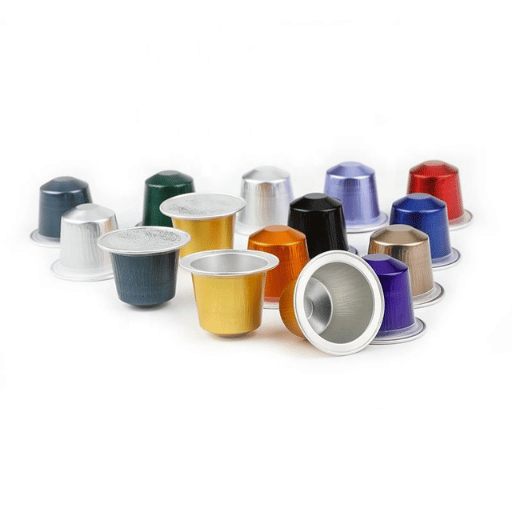
Plastik kapsüllerden alüminyum kapsüllere geçiş bir trend değil — yapısal bir piyasa düzeltmesidir.. Düzenleme, tüketici talebi ve ekonomi sayesinde markaları alüminyum yönüne çeken 5 güç var.
Rekabetçi bir hendek olarak 1. Tazelik.kör demleme testi sırasında, azotla yıkanmış alüminyum kapsülden gelen kahve, kadifemsi bir krema tabakası, tam gövdeli aroma ve plastik kapsüllerin aynı depolama süresinden sonra eşleşemeyeceği lezzet karmaşıklığı sunar. İster ristretto, americano veya latte demlemek olsun, bu tazelik farkı kahve deneyimini tanımlar.Tek menşeli arabica çekirdekleri veya koyu kavrulmuş kahve profiline sahip özel kavurma makineleri için bu avantaj üründür.Kavurmadan bardağa kadar tazelikte alüminyum kilitler — tek servis kahve üreten her kavurma makinesi bu avantajı anlıyor.
2. Düzenleyici baskılar hızlanıyor The AB Ambalaj ve Ambalaj Atıkları Yönetmeliği (PPWR), 2024’ten itibaren geçerli olmak üzere, tüm ambalajların 2030 yılına kadar geniş ölçekte geri dönüştürülebilir olması gerektiğini şart koşuyor. Alüminyum zaten hak kazanıyor. Bir dizi tek hizmetli plastik format, Avrupa pazarlarına satış yapan markaları yeniden formüle etmeye veya uyumluluk cezalarına maruz kalmaya zorlamıyor.
3. Tüketici insanların tercihleri. 2024’teki Nielsen IQ araştırması, tüketicilerin 78%’sinin sürdürülebilirliği bir satın alma etkisi olarak gördüğünü ve kahve severlerin alüminyum kapsülleri giderek günlük kahve ritüellerine uyan geri dönüştürülebilir, kaliteli kahveyle ilişkilendirdiğini gösteriyor. Metalik bir yüzey, perakende rafındaki barista düzeyinde kahve deneyiminin sinyalini veriyor – bir görüntü kenarı plastik ürünleri sunamıyor.
4. Büyük markalar taşınıyor JDE Peet, Eylül 2024’te Costa markalı alüminyum kapsülleri üretmek ve Büyük Britanya’ya dağıtmak için ortaklığını genişletme sözü verdi Nespresso, Ocak 2026’da alüminyum kapsül toplama ve sınıflandırma için Avrupa geri dönüşüm altyapısı geliştirmek üzere Amcor ve Lindt ile ortaklık kurduğunu duyurdu. Bunlar tek seferlik değil – yılda yüz milyonlarca kapsül üreten markalar tarafından ölçekli taahhütler veriliyor.
5. Toplam sahip olma maliyeti fiyat farkını daraltır.$0.01-$0.03 plastik aralığına karşı kapsül başına alüminyum maliyetleri $0.03-$0.06. Ancak, uzatılmış raf ömrü (6-9 aya karşı 12-18 ay) fazla stok ve talep dalgalanmalarından kaynaklanan atıkları azaltır.Ticari üretim hacminde, alüminyumun düşük bozulma ve prim fiyat gücü, ilk yıldaki malzeme maliyet priminden daha ağır basmaktadır.
Plastikten alüminyuma geçiş yapmayı düşünüyorsanız En yüksek marj SKU, kategori için en iyi geri ödemeyi temsil eder. Premium fiyatlı, tek kaynaklı veya koyu kavrulmuş kahve karışımlarının yüzdesi olarak incelendiğinde, artan malzeme masrafı en aza indirilir ve bu ürünler daha uzun raf ömrünün maksimum faydasını korur.
Alüminyum Kahve Bölmeleri Nasıl Üretilir: Boştan Demlenmeye Hazır
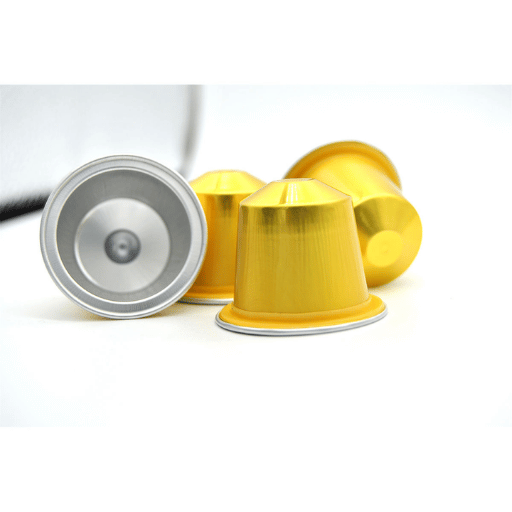
Alüminyum bazlı kahve kapsüllerinin ticari hacimlerde çıkarılması, her istasyonun kapsül başına bir saniyeden kısa sürede gerçekleştirdiği, sıkı bir şekilde kontrol edilen, yüksek düzeyde sıralı bir işlemi zorunlu kılar. Aşağıda dünya çapındaki dolum hatlarında kullanılan yedi aşamalı bir üretim akışı bulunmaktadır.
Adım 1: Dolum istasyonuna Denesting Kapsüller Alüminyum kapsüller önceden kesilir ve şarjörler olarak bilinen toplu kaplarda teslim edilir.Bir denesting cihazı kapsülleri pnömatik olarak ayrı birimlere ayırır ve taşıyıcı şeritte pozisyonuna bırakır.Birçok kapsül doldurma ve sızdırmazlık istasyonu, hızlı takım değişimi ile K-Cup, Dolce Gusto ve Nespresso orijinal makine uyumlu kapsüllerle uyumludur.
Adım 2: Öğütme Kahve.öğütülmüş kahve, bilgisayar kontrollü vida tipi hacimsel başlık dolgu maddesi kullanılarak hazırlanan alüminyum kapsüllere dozlanır. Ağırlıkları, espresso kapsülleri için 5–7 g’dan, ay porsiyonları için 9–12 g’a kadar, aynı ağırlık hedeflerini kullanan kafeinsiz ve koyu kavrulmuş karışımlarla doldurun. Standart endüstri toleransları ± 0,2 g’dır, son teknoloji makineler ise ± 0,1 g’a ulaşabilir. Kapsül basıncı yapısının yanı sıra ekstraksiyon süresi için öğütme boyutuna göre ince ayarlanmıştır.
Adım 3: Sıkıştırma (bazı zamanlarda gerekli).Belirli formatlar, yataktan eşit su geçişini sağlayan, kahve yatağının yumuşak bir paketini gerektirir. Uygulanan kuvvet ve paketin derinliği, kapsül geometrisinin bir fonksiyonudur (kapsül: Nespresso hafifçe basınç yapar, K-Cup daha sık atlanır).
– Adım 4: Azot yıkama Bu temel Tazelik koruma adımıdır Azot gazı zaten dolu kapsüldeki oksijenin yerini alır.Kalan oksijen, dozaj istasyonundan sızdırmazlık istasyonuna kadar nitrojen konsantrasyonunun 95%’nin üzerinde tutulmasıyla elde edilen 1%’nin altına düşmelidir.
Hat boyunca bir dizi nitrojen enjeksiyon portu oksijenin düzgün yer değiştirmesini sağlar Oksidasyon durur ve uçucu aroma bileşikleri 12–18 ay boyunca kapsülün içinde sıkışıp kalır.
📐 Mühendislik Notu
‘Azot yıkama’ verimliliği üç parametre ile ifade edilir; gaz akış hızı (geleneksel olarak 2-5 L/dak/yol), enjeksiyon ve sızdırmazlık arasındaki bekleme süresi (yüksek hızlı hatlar için 0,5 saniyeden az) ve artık O ölçüm yöntemi.Sızdırmazlık istasyonunda izlenen zirkonya hücre sensörleri ve toplu QC – hedef için kullanılan paramanyetik analizörler, üretim başına doğrulama ile 1% artık O’dan azdır ASTM D3985 gaz kromatografisi spesifikasyonları
Adım 5 – Kapak folyo sızdırmazlık Bir alüminyum folyo kapak ısıyla kapatılır veya pod jantına ultrasonik kaynak yapılır Conta kalitesi esastır – contadaki bir gedik oksijen girişi sağlar ve nitrojen yıkamanın amacını yener.
Soyulma kuvveti gereksinimleri boyunca sızdırmazlık mukavemeti testi (parti talebine göre) (Nespresso formatlı kapaklar için normalde 8-15 N).
6. Kalite denetimi.kapalı kapsüller bir kontrol tartısından (alt/üst dolguyu reddeder), bir sızdırmazlık bütünlüğü test cihazından (basınç azalması veya vakum yöntemi) ve bir metal dedektöründen geçer. Bakımlı hatlarda reddetme oranları 0,5%’den azdır.
Adım 7: Kartonlama ve kasa paketleme Tamamlanan bölmeler, perakende paketleme için otomatik bir kartonlama makinesine bir konveyörden aşağı akar (genellikle 10 veya 20 sayım). Kasa paketleyicileri dağıtım için paletlenir.
Boş bardaktan kapalı kartona kadar tüm seri minimum manuel müdahaleyle çalışır.
Doğru Alüminyum Pod Dolum Ekipmanını Seçmek
Üretim hacmi, pod formatı karışımı ve büyüme planları, pod dolum makinesinin hangi sınıfının operasyonunuza uygun olduğunu belirler. Birincil kararınız doğrusal (satır içi) ve döner kurulum arasındadır.
| Faktör | Lineer Makineler | Döner Makineler |
|---|---|---|
| Hız | 30 – 200 BGBM | 200 – 600+ BGBM |
| Zemin Alanı | 6 – 12 m² (kompakt) | 15 – 30 m² |
| Format Esnekliği | Takım değişimi ile çoklu format | Tipik olarak adanmış format |
| Dolum Doğruluğu | ±0,2 g standart | ±0,1 g ulaşılabilir |
| Sermaye Yatırımı | Alt giriş noktası | Daha yüksek, ancak daha düşük maliyet/hacim açısından |
| Için En İyi | Startup’lar, sözleşmeli paketleyiciler, çoklu SKU | Yüksek hacimli tek formatlı markalar |
- ✔ Hedef çıktısını tanımla: dakikada bölmeler, günde vardiyalar, yıllık hacim
- ✔ Bölme formatı uyumluluğunu onaylayın: Nespresso, K-Cup, Dolce Gusto veya tescilli
- ✔ Dozaj doğruluğu gereksinimlerini belirtin: prim için ±0,1 g, emtia için kabul edilebilir ±0,3 g
- ✔ Aynı satırda birden fazla SKU veya format çalıştırıyorsanız geçiş süresini değerlendirin
- ✔ Toplam sahip olma maliyetini hesaplayın: sermaye + bakım + enerji + kesinti süresi
AFPAK, 14+ yıldır uzmanlaşmıştır kahve kapsülü doldurma ve sızdırmazlık ekipmanları, hem doğrusal hem de sunar döner kapsül dolum sistemleri 30–600+ CPM serisinin tamamını kapsayan Mühendislik ekipleri, plastikten alüminyum kapsül üretimine geçiş yapan markalar için formata özel danışmanlık sağlıyor.
Geri Dönüşüm ve Sürdürülebilirlik: Alüminyum Pod Yaşam Döngüsü
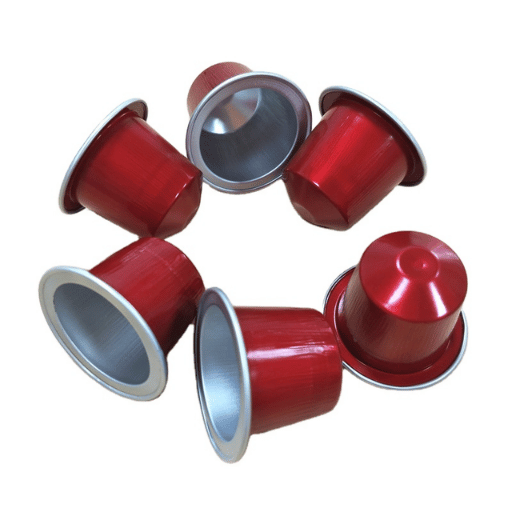
Alüminyum, doğal fiziksel özelliklerinden hiçbir ödün vermeden sonsuza kadar geri dönüştürülebilen bir avuç ambalaj malzemesi türünden biridir. Şimdiye kadar üretilen tüm alüminyumun 75%’si bugün hala aktif kullanımdadır Alüminyum Derneği notlar.4 Boksit cevherinin bakir madenciliğine karşı geri dönüştürülmüş kaynaklardan alüminyum üretmek için birincil enerjinin sadece 5%’sini alır (95% enerji tasarrufu): geri dönüştürülebilir kapsül başına karşılık gelen karbon ayak izi önemli ölçüde azalır.
Burada, alüminyum demleme kapsülleri basit bir döngüyü takip ediyor: tüketiciler kullanılmış öğütülmüş kahveyi bir kompost kutusuna boşaltıyor, kapsülü duruluyor ve kaldırım kenarındaki geri dönüşüm akışına bırakıyor; tesis, alüminyum elemanları manyetik olarak sıralıyor/girdap akımı teknolojisini kullanarak, yeniden eriyor ve yeni alüminyum ürünü olarak yeniden döküyor; Atılan kapsülden rafa hazır ham maddeye kadar geçen süre: 30 günden az.
Burada geri dönüştürülebilirlik konularında şeffaf raporlama önemlidir Teoride alüminyum sonsuz geri dönüştürülebilir olsa da, tek servislik kahve kapsüllerinin geri dönüşüm oranları, pazar lideri Nespresso için küresel olarak yalnızca 32% olarak kaydedildi; bağımsız tahminler (Mongabay, Earth.org) fincanların küresel ortalamasının bir bütün olarak 5%“ye daha yakın olduğunu ve her dakika yaklaşık 29.000 atılan kapsülün çöp sahasına düştüğünü gösteriyor. ”Geri dönüştürülebilir“ ve ”geri dönüştürülmüş” arasındaki bu fark, endüstri destekli geri alma programlarının çoğunun ve Nespresso/Amcor 2026 koleksiyon ittifakının neden önemli olduğunun altını çiziyor.
Temel Sürdürülebilirlik Faktörleri
- Alüminyum geri dönüşümü, birincil eritme işleminden 95% daha az enerji kullanır
- burada, şimdiye kadar üretilen tüm alüminyumun şaşırtıcı bir 75%’si hala dolaşımda.
- Belediye toplama programları değişkendir, yerel olarak kontrol edin.
- Kapsülün içindeki kahve telveleri geri dönüşümden önce kompostlaştırılabilir ve ayrılabilir
- Geri dönüştürülebilir alüminyum bölmeler, kahve markaları için çiftlikten bardağa sürdürülebilirlik hikayesini destekliyor
- Temel nihai ürün formatlarının 2030 yılına kadar ölçeklendirilebilir olmasını zorunlu kılan AB PPWR 2024: alüminyum zaten mevcut.
Sıkça Sorulan Sorular
Alüminyum kahve kapsüllerinden içmek güvenli midir?
Cevabı Görüntüle
Alüminyum kahve kapsülleri plastikten daha mı iyi?
Cevabı Görüntüle
Alüminyum kahve kapsüllerini nasıl geri dönüştürürsünüz?
Cevabı Görüntüle
Alüminyum kahve kapsülleri PFAS veya kurşun içeriyor mu?
Cevabı Görüntüle
Alüminyum kahve kapsülleri kahve tadını etkiler mi?
Cevabı Görüntüle
Alüminyum kahve kapsülleri süresi dolmadan ne kadar sürer?
Cevabı Görüntüle
Plastikten alüminyum pod üretimine geçmenin maliyeti nedir?
Cevabı Görüntüle
Alüminyum Kahve Bölmeleri Üretmeye Başlamaya Hazır mısınız?
AFPAK eksiksiz sağlar alüminyum kapsül doldurma ve sızdırmazlık çözümleri dakikada 30 ila 600+ kapsül — plastikten geçiş yapan markalar için mühendislik desteğiyle.
Bu Analiz Hakkında
AFPAK, 14 yılı aşkın bir süredir kahve kapsülü doldurma ve sızdırmazlık ekipmanı üretmekte olup, 60+ ülkedeki kavurmacılara ve markalara üretim hatları tedarik etmektedir. Bu makaledeki üretim süreci verileri, nitrojen yıkama parametreleri ve ekipman özellikleri, günlük olarak alüminyum pod hatları için tasarladığımız ve dağıttığımız konfigürasyonları yansıtmaktadır. Piyasa verileri ve güvenlik çalışmaları, aşağıdaki referanslarda belirtilen kamuya açık endüstri raporlarından ve hakemli araştırmalardan elde edilmektedir.
Referanslar ve Kaynaklar
- Geri Dönüştürülebilir Polipropilen Çok Katmanlı Film ve Kahve Pod Raf Ömrü Çalışması (2024) — PMC / Ulusal Sağlık Enstitüleri
- EFSA’nın Gıdada Alüminyum Güvenliğine İlişkin Bilimsel Görüşü — Avrupa Gıda Güvenliği Otoritesi
- Gıda ile Temas Eden Malzemelerden Kahve İçeceğine Alüminyum Geçişi — Gıda Bileşimi ve Analizi Dergisi (ScienceDirect)
- AB Ambalaj ve Ambalaj Atıkları Yönetmeliği (PPWR) — Avrupa Komisyonu
- Kahve Kapsülleri: (İçeride) Uygun Bir Atık Fırtınası Oluşturmak — Mongabay
- Kahve Kapsülleri: (İçeride) Uygun Bir Atık Fırtınası Oluşturmak — Earth.org
- Kahvede Alüminyum — PMC / Ulusal Sağlık Enstitüleri
- ASTM D3985 Oksijen Gazı İletim Hızı için Standart Test Yöntemi — ASTM Uluslararası


