
2025 Yılının En İyi Kahve Kapsülü Paketleme Makineleri — Hız, Format ve Fiyata Göre Karşılaştırıldı
Hızlı Özellikler
| Parametre | Değer |
|---|---|
| Hız Aralığı | 20–800+ kapsül/dak |
| Dolum Doğruluğu | ±0,1g ila ±0,3g |
| Kapsül Formatları | Nespresso, K-Cup, Dolce Gusto, Lavazza |
| Fiyat Aralığı | $2.000–$300.000+ |
| İnşaat | 304 gıda sınıfı paslanmaz çelik |
| Tazelik Sistemi | Azot yıkama (<3% artık O2) |
Tek servislik kahve pazarı büyük ilgi gördü $32.62bn 2025 yılında ve 6.26% CAGR’de büyüyor. Bu büyüme kavurma makinelerini, özel markalı markaları ve sözleşmeli paketleyicileri rekor hızlarda kapsül üretimine çekiyor. Ancak en iyi kahve kapsülü paketleme makinesini seçmek büyük bir seçimdir – maliyetler tezgah üstü yarı otomatik makine için $2.000’den başlayarak tüm endüstriyel hat için $300.000’in ötesine kadar.
Bu kılavuz, her seviyeyi hıza, dolum doğruluğuna, kapsül form faktörüne ve genel maliyete göre karşılaştırır, böylece gerçek üretim ihtiyacınıza göre hangi makineye ölçekleneceğinizi belirleyebilirsiniz.
Kahve Kapsülü Dolum ve Sızdırmazlık Makinesi Nasıl Çalışır
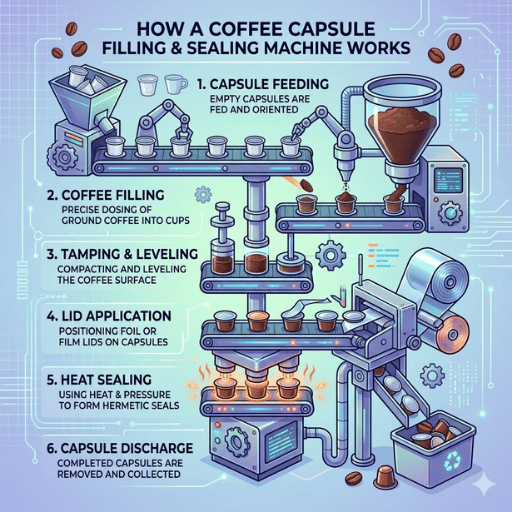
Tüm kahve doldurma & kapatma makineleri altı işlem adımını izleyin: Boş kapsüller, titreşimli bir kase dolgusu veya yerçekimi şarjörü aracılığıyla doldurma ve sızdırmazlık ekipmanına beslenir. Her kapsül, döner veya doğrusal bir platform aracılığıyla kalıp ceplerine yerleştirilir. Öğütülmüş kahve daha sonra servo tahrikli burgu dolgusu tarafından her kapsüle doldurulur; dönüş sayısı doğrudan dolum ağırlığıyla ilgilidir; mevcut makineler saatte binlerce döngüde 0,1 g doğruluk elde eder.
Dozlama sonrası, kapsül bir nitrojen yıkama istasyonuna uğrar Azot, üst boşluktaki oksijenin yerini alır.Tek bir yıkama döngüsü, 3%’nin altında kalan O’yu sağlar.
Premium hatlar, 1%’nin altında kalan oksijen elde etmek için üçlü yıkama işleme döngüsü kullanır — raf ömrü 18-24 ay. Kapsül, önceden kesilmiş alüminyum / plastik kapağın üst tarafa konulduğu sızdırmazlık bölgesine girer, hava geçirmez bir bağ oluşturmak için düzenlenmiş sıcaklık ve basınç altında ısıyla kapatılır. Kapsül, sızdırmazlıktan sonra ağırlık doğrulaması için bir kontrol terazisinden ve kirlenme taraması için bir metal dedektöründen geçer.
Her makine tüm vücut için 304 gıda sınıfı paslanmaz çelik ile tasarlanmıştır.Operatör girişleri bir PLC dokunmatik ekrandan geçer ve çeşitli kapsül formatları için tarifler hafızada saklanır.Nespresso’dan K-Cup kalıbına geçiş, çok formatlı bir makinede yaklaşık 30–60 dakika sürer.
📐 Mühendislik Notu
0,1 g’lık dolum doğruluğu buna göre kontrol edilecektir FDA 21 CFR Bölüm 117 gıda sınıfı uyumluluk standartları. Auger dolgu maddeleri, toleransların geçerli olmasını sağlamak için başlangıçta ve üretimde her 2 saatte bir minimum 30 numunenin tartım kontrolü ile doğrulanacaktır.
Bir Bakışta — Kahve Kapsülü Paketleme Makineleri Bütçeye Göre Karşılaştırıldı
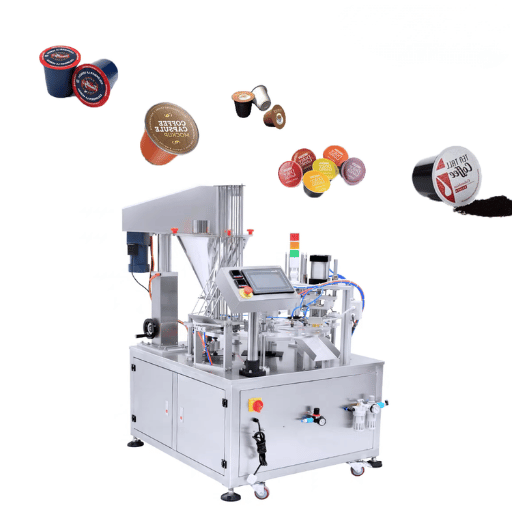
Size bir bağlam vermek için, burada 3 farklı makine seviyesinin yan yana karşılaştırılması Bu tablo, bir alışveriş yaparken karşılaştırmak için ilgili olan temel özellikleri özetlemektedir kahve kapsülü paketleme makinesi.
| Kategori | Fiyat Aralığı | Hız (CPM) | Şeritler | Dolum Doğruluğu | Azot Yıkama | Için En İyi |
|---|---|---|---|---|---|---|
| Yarı Otomatik | $2.000–$8.000 | 20–50 | 1 | ±0,3g | İsteğe bağlı eklenti | Startup’lar, Ar-Ge laboratuvarları |
| Orta Menzilli Döner | $15.000–$60.000 | 60–200 | 2–4 | ±0,1–0,2g | Standart (tek veya çift) | Kavurma yetiştirmek |
| Endüstriyel Hat | $80.000–$300.000+ | 200–800+ | 4–12 | ±0,1g | Üçlü yıkama (<1% O2) | Büyük ölçekli üreticiler |
Yarı otomatik & endüstriyel arasındaki fark tüm hızında değildir.doldurma doğruluğu, nitrojen yıkama yeteneği & kapsül başına yan maliyet tüm önemli ölçüde değişir.aşağıdaki bölümler gerçek rakamlarla her bir seviyeyi tanımlar.
Küçük Kavurma Makineleri için Yarı Otomatik Kapsül Dolum Makineleri
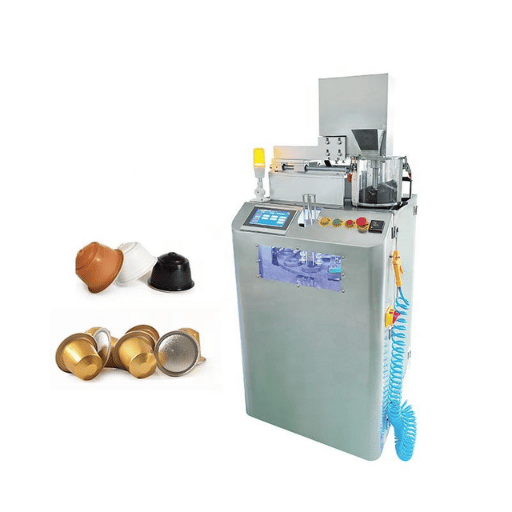
Yeni bir karışımla çalışan birçok yeni başlangıç kavurma makinesi ve küçük hacimli partilerle çalışan Ar-Ge laboratuvarları, $2,000-$8,000 aralığında yarı otomatik kapsül dolum makinesiyle başlar.Bu tek şeritli makineler dakikada 20–50 kapsül üretimine bağlıdır.Elle kapsül beslemeye bağlıdırlar. -her kapsülün bir insan tarafından kalıp tepsisine konulması gerekir.
8 saat boyunca 50 CPM’de çalışıyorsa, bu, gün için 3.000 bitmiş kapsül demektir. Çiftçi pazarlarında veya 500-1.000 kapsül/hafta satan yerel bir manastır tarafından küçük bir e-ticaret mağazası aracılığıyla satılmaya yetecek kadar. ‘nin çeşitleri Nespresso kapsül dolum makinası bu fiyat / verim aralığında şimdi tipik olarak sadece tek bir formatı desteklemektedir Nespresso’dan K-Cup veya Dolce Gusto’ya geçiş ya ikinci bir kalıp takım seti ya da ikinci bir makinenin satın alınmasını gerektirir.
✔ Avantajları
- En düşük sermaye yatırımı ($2.000–$8.000)
- Hafif ayak izi (1,2 m’ye 0,8 m’lik bir masaya uyar)
- Temel versiyonlar için basınçlı hava veya nitrojen kaynağına gerek yoktur
- Basit eğitim — 1 günden tam operatör yeterliliğine
⚠ Sınırlamalar
- ±0,3g dolum toleransı — fark edilebilir ağırlık değişimi
- Manuel besleme, 3.000 kapsül/günden fazla üretim darboğazı yaratır
- Azot yıkama isteğe bağlıdır veya yoktur, bu da raf ömrünü sınırlar
- Kapsül başına işçilik maliyeti: Otomatik hatlarda $0.005’e kıyasla $0.02-$0.04
Yaygın bir hata, tek servislik bir kahve kapsülü doldurma ve kapatma makinesinde kapsül başına işçilik maliyetini hafife almaktır. Manuel beslemeli 50 CPM’de, her kapsül, orta sınıf otomatik kahve kapsülü doldurma makinesine kıyasla işçilik yükünün 4–8 katı kadarını taşır. Kahve üretim planlarınız ilk yıl içinde 500 kapsül/gün’ü aşarsa, bir sonraki kademe için bütçe.
Orta Menzilli Döner Kahve Kapsülü Paketleme Makineleri ($15.000–$60.000)
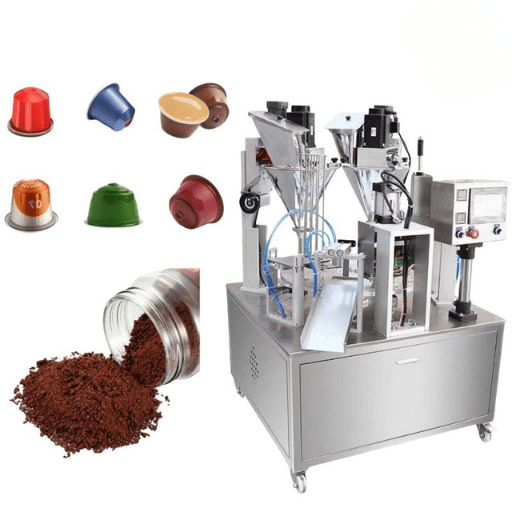
Bu, çoğu orta boy kavurmahanenin ve özel etiket markasının yerleştiği yerle ilgilidir. Orta menzilli döner makineler için doldurma ekipmanı genellikle ya 60-100 CPM çalıştıran 2 şeritli bir sistemdir ya da 120-200 CPM’ye ulaşan 4 şeritli bir makinedir. Her ikisinde de 0,1-0,2 g hassasiyete sahip servo tahrikli burgu dolgu maddeleri, entegre nitrojen yıkama, otomatik hata tespiti ve PLC dokunmatik ekran işlemi bulunur.
| Spesifikasyon | 2 Şeritli Model | 4 Şeritli Model |
|---|---|---|
| Hız | 60–100 BGBM | 120–200 BGBM |
| Dolum Doğruluğu | ±0,2g | ±0,1g |
| Ayak izi (L × W) | 2,8m×1,2m | 3,6m×1,5m |
| Güç | 3,5 kW, 220V | 5,5 kW, 380V |
| Fiyat | $15.000–$30.000 | $30.000–$60.000 |
Bu sistemlerde ROI hesaplaması mantıklı 4 şeritli görselleştirin otomatik kahve kapsülü dolum makinası 100 CPM çalıştırma.8 saatten fazla, 250 gün boyunca normal yoğun bir çalışma haftasında 12 milyon kahve kapsülü satacaksınız.Yarı otomatik ekipmanı değiştirmek kapsül başına $0.015 tasarruf sağlarsa, toplam tasarrufunuz $180.000’e ulaşır. $40.000 makinenin ödemesi kabaca üç ayda tamamen ödenir.
Formatların hızlı bir şekilde değiştirilmesine izin verecek şekilde tasarlanmıştır Nespresso ve Lavazza arasında kalıp takımlarının değiştirilmesi genellikle yetenekli bir teknisyenin elinde 45 dakikalık bir değişim süresidir. Bu kahve kapsülü doldurma ve kapatma sistemlerinin çoğu, hazne dolumu ve periyodik kalite güvencesi dışında operatör müdahalesi olmadan çalışabilir.
K-Cup ile gidiyor? her makine bir spec sayfası ile birlikte gelir — yerleşik K-Cup kalıp takım içerir onaylayın.K-Cup kapsüller genelinde 70mm — Nespresso neredeyse iki kez — bu yüzden tamamen farklı bir sızdırmazlık kafası mimarisi gerektirir. K-Cup dolgu/Mühür sistemleri diğer ürün formatlarıyla değiştirilemeyen özel takımlarla satılmaktadır.
$80,000 Üstü Yüksek Hızlı Kahve Kapsülü Üretim Hatları
50.000+ kapsül/gün dışarı pompalama? rulo beslemeli veya kapaklı mağazacılık hiçbir miktarı çaba değer.tam bir kahve kapsülü üretim hattı tek pratik yoldur.Bu sistemler 4–12 şerit boyunca 200–800+ CPM çalıştırın ve hammadde girişinden paletli kartonlara kadar her istasyonu içerir.
Tipik bir kahve kapsülü üretim hattı i̇çerir: kapsül besleyici, çok şeritli döner dolgu, üçlü nitrojen yıkama istasyonu, ısı yalıtıcı, kontrol kantarları, metal dedektörü, karton plaser, kartonlayıcı, Asansör konveyörü, Paletleyici Vakum besleme makinesi veya vidalı besleme makinesi gibi yardımcı ekipmanlar, öğütülmüş kahveyi silodan dolgu haznesine manuel taşıma olmadan otomatik olarak iletir.
Yıllık çıktı sayıları önemlidir.300 gün / yıl boyunca 8 saatlik vardiyalarla çalışan 400 CPM’lik bir makine yılda 57.6 milyon kapsül üretebilir.$0.08–$0.12 sözleşmeli paketleme oranında, o tek hat yıllık gelirde $4.6–$6.9 milyon üretir.tüm makine hattaki her istasyonda güvenilir bir şekilde çalışmalıdır.Bu nedenle tüm endüstriyel paketleme hatları 304 dereceli çelik, yedekli sensörler ve otomatik arıza kurtarma kullanır.
📐 Mühendislik Notu
Anma CPM gerçek çıkış oranı değildir.gerçek çıkış = anma CPM × OEE (Genel Ekipman Etkinliği), hangi tipik olarak arasında düşer 75–85% bakımlı kahve kapsül hatları için.400 CPM bir makine 300–340 kapsül sürekli operasyonda dakikada üretmek olacak bir kez sen faktör geçişleri, temizlik, ve küçük durmalar.
Nespresso vs K-Cup vs Dolce Gusto — Pazarınıza Hangi Kapsül Formatı Uyuyor?
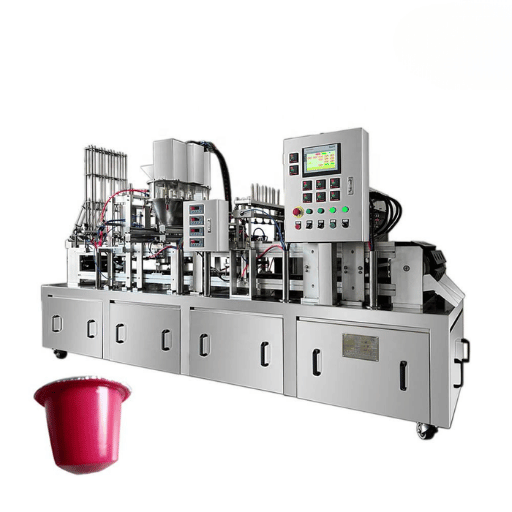
Seçtiğiniz kapsül formatı hedef markeplace, takım ve maliyetleri belirleyecektir. Aşağıda üç baskın formatın göreceli karşılaştırması yer almaktadır.
| Spesifikasyon | Nespresso | K Kupası | Dolce Gusto |
|---|---|---|---|
| Çapı | 37 mm | 70 mm | 54 mm |
| Yükseklik | 30 mm | 40 mm | 36 mm |
| Malzeme | Alüminyum | Plastik + kağıt filtre | Plastik |
| Kahve Dolgu Ağırlığı | 6–7g | 9–12 gr | 8 g’a kadar |
| Pazar Gücü | Avrupa, Asya | Kuzey Amerika | Avrupa, Latin Amerika |
Tek formatlı Nespresso kapsül pazarına ulaşıldı 21,6 milyar dolar 2024 yılında Kuzey Amerika kahve kabukları pazarı rapor verdi $9,58 milyar 2025 için.birincil hedef pazarınız Kuzey Amerika ise, K-Cup formatı en genişini içerecektir.Avrupa ve Asya pazarları Nespresso uyumlu kapsüllere en açık olacaktır.
AFPAK gibi makine üreticileri tarafından sağlanan çok formatlı sızdırmazlık makineleri, geçiş kalıp değişimlerinin 30-60 dakikada tamamlanmasına olanak tanır. Sabah Nespresso kapsülleri, öğleden sonra ise Dolce Gusto kapsülleri üretebilirsiniz. Bir kapsül dolgu-modüler makine sermaye maliyetlerini artırmadan iki veya üç format için kullanılabilir.
Kapsül üretimine başlamadan önce seçilen her format için patent ve lisans kısıtlamalarını belirleyin. Belirli kapsül türlerinin belirli bölgelerde patent veya ticari marka kısıtlamaları vardır. Hedeflenenler için takım siparişi vermeden önce hukuk danışmanlığı isteyin kahve pod paketleme makinesi biçim.
Azot Yıkama, Conta Bütünlüğü ve Raf Ömrü — Kahvenizi Koruyan Özellikler
Öğütülmüş kahve, oksijene maruz kaldığında hemen aroma ve lezzetini kaybetmeye başlayacaktır. Azotla yıkanmazsa, nispeten açık kapsül, birkaç gün içinde aktif aroma bileşiklerinin oksitlenmesine neden olur. Kullanımının ardındaki prensip budur modifiye atmosfer paketleme(MAP) tüm ciddi kahve paketleme işletmeleri tarafından.
Azot yıkama sistemleri rutin olarak 3%’den daha düşük seviyelerde artık oksijen üretin Üçlü yıkama kabiliyetine sahip tepe sistem performansı 1% veya daha az artık oksijendir Oksijene duyarlı paketlenmiş kahveler için raf ömrü daha sonra 1-2 haftadan 12-24 aya kadar uzanır Üretim hacminin gerektirdiği şekilde 99.9% nitrojenden az olmayan sıvı nitrojen depolama tankları veya PSA jeneratör sistemleri seçin.
Conta kalite göstergeleri de aynı derecede önemlidir.Folyo kapağın yüksek kaliteli ısıyla yapıştırılması herhangi bir oksijen girişini önler. Conta performansı, her malzeme için ayarlanması gereken bekleme süresine ve sıcaklığa bağlıdır — alüminyum folyo kapaklar 180–220 °C, plastik kapaklar 140–170 °C gerektirir. Çevrimiçi bir O2 analizörü, her kapsüldeki artık oksijeni sürekli olarak ölçer. Makine, uygun olmayan herhangi bir paketin otomatik olarak reddedilmesini sağlar.
📐 Mühendislik Notu
Hedef artık O2 < 3% başına azot yıkama için endüstrideki en iyi uygulama. Çevrimiçi O2 analizörleri ISO 6142’ye göre kalibre edilmeli ve MAP paketleri karşılanmalıdır FDA 21 CFR Bölüm 117 değiştirilmiş atmosfer ambalajı için gıda güvenliği standartları.
İşletmeniz için Doğru Kahve Kapsülü Paketleme Makinesi Nasıl Seçilir
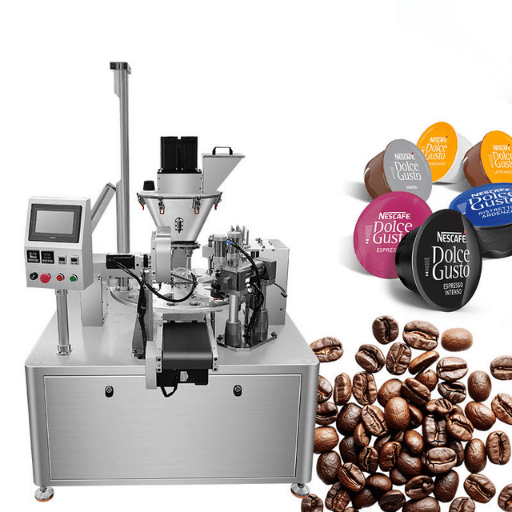
Yüzlerce makineden uygun birine kadar, anahtar beş sorudur Teklif istemeden önce bu kısa kılavuzu inceleyin.
- Günlük hacim (1): 3000’den az kapsül / gün yarı otomatik olduğunu, 3.000 ila 50.000 arasında orta aralıkta bir döner gerektirdiğini, 50.000’den fazla tam bir endüstriyel hat üzerinde ısrar ettiğini gösteriyor.
- Kapsül formatı (2): tek formatlı uygulamak daha kolay ve daha ucuzdur Çok formatlı (Nespresso + K-Cup + Dolce Gusto) 15-25% daha fazla maliyete sahiptir ancak ek pazarlara giriş sağlar.
- Komple paket (3): buna göre bütçe kullanın Makine 60-70%, azot, basınçlı hava, kontrol terazileri ve kartoner gibi yardımcı ekipmanlar dahil değildir.
- Zemin ve yardımcı gereksinim (4): 4 şeritli döner ek 2m boşluk ile 3.6mx1.5m uzunluk gerektirir Kurulum 380v 3 fazlı güç, 0.6 MPa basınçlı hava ve azot beslemesine erişim gerektirir.
- Beklenen büyüme (5): 2-3 yıl içinde hacmi iki katına çıkarsa, yarı otomobili daha sonra döner ile değiştirmek zorunda kalmamak için bugün marjinal olarak daha büyük bir makine satın alın. Kahve işiniz için doğru ambalaj çözümünü bulmak artık daha sonra maliyetli bir ikinci satın alma işleminden kaçınıyor.
Bu Analiz Hakkında
Bu kahve kapsülü doldurma / mühürleme makinesi karşılaştırmalı grafik tarafından yayınlanmaktadır AFPAK, 14 + yıl tecrübesi ile dünya çapında 300 + kahve markaları için kapsül dolgu / mühürleyici çözümleri uygulayan Şangay merkezli bir ürün üreticisi.Makineler tüm döner ve endüstriyel hatlarda ± 0.1g doldurma doğruluğu özelliği.Dünya çapında 60 + ülkelere gönderilen AFPAK ekipmanı.Kullanılan tüm özellikler AFPAK verilerine ve yayınlanmış bağımsız üçüncü taraf verilerine dayanmaktadır.Tüketiciler satmadan önce projeye özel teklifleri onaylamalıdır.
Sıkça Sorulan Sorular
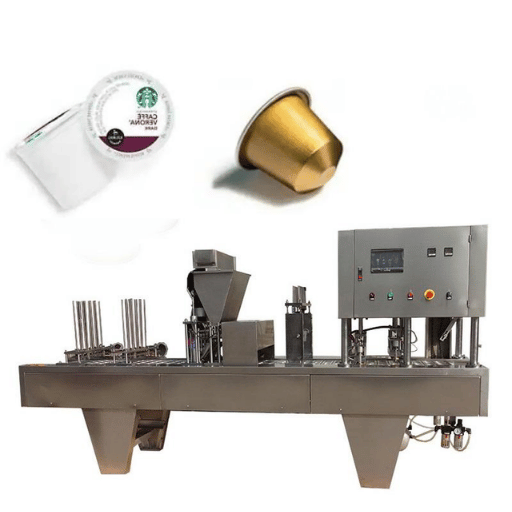
S: Kahve kapsülü doldurma ve kapatma makinesi nasıl çalışır?
Cevabı Görüntüle
S: Bir kahve kapsülü paketleme makinesinin ana bileşenleri nelerdir?
Cevabı Görüntüle
S: Bir kahve kapsülü paketleme makinesinin maliyeti nedir?
Cevabı Görüntüle
S: Paketleme ekipmanının türü kahve raf ömrünü etkiler mi?
Cevabı Görüntüle
S: Nespresso vs Dolce Gusto: İşletmeniz hangi kapsül sistemini üretmeli?
Cevabı Görüntüle
S: Özel bir kahve kapsülü dolum makinesini almak ne kadar sürer?
Cevabı Görüntüle
Referanslar ve Kaynaklar
- FDA 21 CFR Bölüm 117 — ABD Gıda ve İlaç İdaresi
- Kahve Kapsülü Küresel Pazar Raporu 2025 — Araştırma ve Piyasalar
- Kahve Kapsülleri ve Kapsülleri Pazarı — Mordor İstihbaratı
- Nespresso Kapsülleri Pazar Büyüklüğü ve Tahmini — Doğrulanmış Pazar Araştırması
- Azot Yıkama Açıklaması — CoffeeTec
- MAP ile Raf Ömrünü Uzatma — Gıda Güvenliği Enstitüsü
- ABD’de Kahve Kapsülleri ve Kapsülleri Pazarı — Mordor İstihbaratı
İlgili Makaleler
- Nespresso Kahve Kapsülü Dolum & Sızdırmazlık Makinesi
- K-Cup Dolum & Sızdırmazlık Makineleri
- Afpak Hakkında — 14+ Yıldır Önde Gelen Kapsül Ambalaj Yenilikleri
- AFPAK Komple Çözümler — Kapsül Ambalaj Yenilikleri
- Tüm Makinelere Göz Atın


