
Alüminyum Kahve Kapsülleri Nasıl Yapılır: Malzemeler, Makineler ve Tam Üretim Süreci
Alüminyum kahve kapsülleri giderek dünya kapsül pazarından pay alıyor. tahminen düştü 2025 yılında 32,62 milyar ABD doları, Mordor istihbaratına göre. Kavurmacılar ve özel markalı markalar ve içecek işletmelerinin kapsüllere girmesi için, içerikleri, üretim sürecini ve makineleri – hammaddeleri, süreci ve makineyi – bilmek önemlidir, çünkü bu faktörler nihai ürünün kalitesini, raf ömrünü, emtia düzenlemelerini ve birim ekonomisini belirler. Bu kılavuz, alaşım seçiminden doldurma, kapatma ve geri dönüşüme kadar alüminyum kahve kapsülleri üretme sürecinin tamamını ortaya koymaktadır.
Hızlı Özellikler
| Birincil Alaşım | 8011-O / 8079-O alüminyum |
| Folyo Kalınlığı (Gövde) | 0,07–0,12 mm (70–120 μm) |
| Boş Kapsül Ağırlığı | ~1,0–1,2g |
| Kapsül Başına Kahve Dozu | 5,5–7 g (biçime bağlı) |
| Artık Oksijen (N2 Yıkama) | <2% (hedef <1%) |
| Üretim Hız Aralığı | 50–300 kapsül/dak (modele bağlı) |
| Mühürlü Raf Ömrü | 9–12 ay (3–6 ay plastiğe karşı) |
| Mevzuata Uygunluk | FDA 21 CFR §175.300 / AB (EC) No 1935/2004 |
Kahve Kapsülleri İçin Neden Alüminyum Tercih Edilen Malzemedir
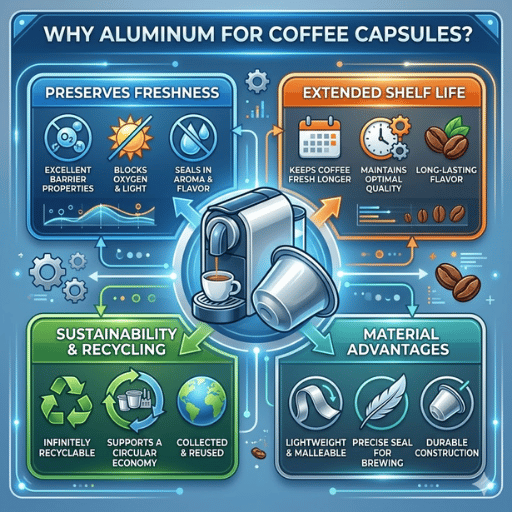
Alüminyum, plastikten farklı olarak, kavurma sonrası öğütülmüş kahvenin bozulmasının üç potansiyel nedeni olan ışık, oksijen ve neme karşı mutlak bir bariyer sağlar. Bu, alüminyum kapsülleri plastiklerden ayıran temel özelliktir ve Nespresso dahil olmak üzere yılda yaklaşık 14 milyar kapsül üreten tüm ana üreticilerin bunu onlarca yıl önce seçmesinin ve değişmemesinin temel nedenidir.
Pratik bir şekilde bu, sızdırmazlıktan sonra 9-12 ay raf ömrüne sahip alüminyum anlamına gelir, standart plastik kapsüller için ise 3-6 ay. Bu, raf ömrü belirsiz olan perakende satış mağazaları aracılığıyla satış yapan herhangi bir kavurma makinesi veya özel markalı marka için önemlidir. Alüminyum ayrıca, espresso demlemenin sıcaklığına ve basıncına (genellikle 9-19 barda 90-95C) bozulmadan ve içeceğe acı veya diğer kötü tatlar vermeden dayanmaya da uygundur.
Performans faydalarının yanı sıra alüminyum, gelecekte tüketicilerin satın alma kararlarını giderek daha fazla etkileyecek bir sürdürülebilirlik faktörüne sahiptir Uluslararası Alüminyum Enstitüsü metalin yapısında veya bariyer özelliklerinde herhangi bir bozulma olmadan sonsuza kadar geri dönüştürülebilmesi nedeniyle bugüne kadar üretilen tüm alüminyumun yaklaşık yüzde 75’inin bugün dolaşımda olduğunu belirtti. Doğrudan bu bilinçli tüketicileri hedef alan markalar için bu bariz bir satış noktasıdır.
Alüminyum Alaşım Özellikleri ve Kapsül Malzemesi Bileşimi
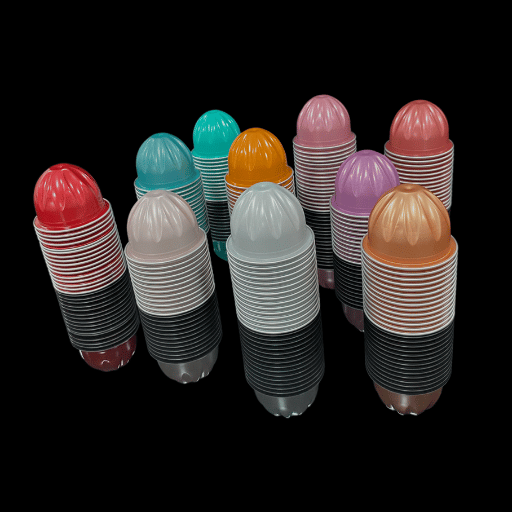
Ancak, tüm alüminyum alaşımları kutu şekillendirme işlemi için uygun değildir Endüstri standardı alaşımlar, hermetikliği korumak için daha yumuşak temperlerin gerekli şekillendirilebilirliğine (mikro çatlama olmadan derin çekme) sahip olan 8011-O veya 8079-O temperdir.
8011’e karşı 3003: Doğru Alaşımı Seçmek
Çoğu için nespresso kapsülü formatlar ve diğer oluşturulmuş kaplar, 8011 ve 3003 değiştirilebilir özelliklerden ziyade malzeme seçenekleridir.Alaşım 8011 demir ve silikon içerir; alaşım 3003 manganez alaşımlı.kapsül tedarikçisi ile alaşım, temper, kalınlık, kaplama ve şekillendirme performansını onaylayın. Daha karmaşık bir şekil tek başına 3003’ün gerekli olduğunu kanıtlamaz.
| Mülkiyet | 8011-O | 3003-O |
|---|---|---|
| Birincil Katkı Maddeleri | Fe + Si | Mn (1,0–1,5%) |
| Çekme Dayanımı | 100–130 MPa | 110–150 MPa |
| Uzama | ≥12% | ≥15% |
| Birincil Kullanım | Standart kapsül bardakları + kapak folyosu | Karmaşık şekiller, derin çekilmiş tepsiler |
| Tipik Kalınlık | 0,07–0,12 mm (gövde), 0,03–0,04 mm (kapak) | 0,10–0,15 mm |
Karşılaştırma için, tipik bir Nespresso Orijinal kapsülün üst dış çapı=37 mm, taban çapı=24 mm ve yüksekliği=29 mm olup, duvar kalınlığı 110 μm (0,11 mm) düzeyinde ve boş ağırlığı 1,0 g düzeyindedir.
İç Kaplama ve Gıda Güvenliği
Kapsüller, alüminyum yüzey ile kavrulmuş öğütülmüş kahve çekirdeği veya demlenmiş ürün arasındaki doğrudan teması yasaklamak için dahili olarak bir epoksi veya BPA-kasıtsız (BPA-NI) lake bariyerle kaplanır ve kaplamanın Gıda Yönetmeliğinin uyumluluk gerekliliklerini karşılaması gerektiğine dair göstergeler bulunur. ve İlaç İdaresi (FDA 21 CFR 175.300) Kaplamadaki uçucu olmayan maddelerin gıdaya ve Avrupa Birliği mevzuatına genel göçü 50 ppm (EC) No 1935/2004 yükleniciler tarafından sağlanan uygun belgelerle birlikte genel geçiş 10 mg/dm’yi aşmamalıdır. Bu yorum her üretim çalışmasında test edilmelidir.
📐 Mühendislik Notu
Kapsül duvar kalınlığı 0.07-0.12mm, hermetik ısı-sızdırmazlık basıncı altındayken hermetik bir conta tutmak için kapsül kenarında ± 0.02mm toleransda tutulur.derin çekme sırasında çeşitli aşamalarda duvar kalınlığının dağılımı optimize edilmiştir, böylece kapsül 9 ila 19 barlık bir ekstraksiyon basıncını hatasız sürdürebilir.kapsül kapağının folyo kalınlığı 0.03-0.04mm, oksijen bariyeri özelliklerini korurken makine iğnesi tarafından delinebilir olmalıdır.
Dış tasarım, onaylanmış gıdaya uygun mürekkepler kullanılarak ısmarlama markalamayla basılabilir. Kapsül yüzeyleri çeşitli renklerde eloksallanabilir veya cilalanabilir, bu da özel etiket üreticilerine herhangi bir ek takım maliyeti olmadan ürün markalamasını kişiselleştirme olanağı sağlar.
Kahve Kapsülü Üretim Süreci: Fasulyeden Mühürlü Kapsüllere
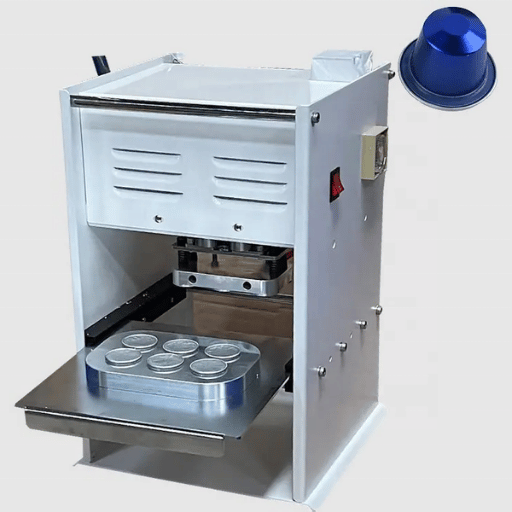
Kahve kapsülü üretimi, kapsül oluşumunu, kahve hazırlamayı ve otomatik doldurmayı ve hermetik sızdırmazlığı sürekli, kesintisiz bir sıraya entegre eden standart bir üretim zincirini takip eder. Tüm formatlar aynı tesiste işlenir (Nespresso, K-Cup, Dolce Gusto, Lavazza uyumlu).
- Alüminyum Levha Damgalama – Boş 8011-O alüminyum bobin, jant toleranslarını 0,02 mm’ye kadar tutan, her kapsül kabını basan ve derin çeken bir transfer presine yüksek hızda (>600 ila 1.200 döngü/dakika) beslenir.
- İç Lake Kaplama – Bardak, bir oksijen bariyeri oluşturan aşağı akışlı bir kaplama istasyonu tarafından gıdaya uygun cila ile kaplanır.
- Kahve Kavurma ve Frezeleme – Çekirdekler geleneksel olarak ekstraksiyon sırasında çözünürlüğü arttırmak için orta-koyu bir renge kavrulur, daha sonra her biri için tutarlı tane boyutu üretmek üzere endüstriyel 3 aşamalı bir valsli değirmenden (kırma, ara öğütme ve ultra ince son öğütme) gönderilir. kapsül.
- Kapsül Temizleme – Kağıtsı, çukurlu kapsüller tozsuz basınçlı hava ile üflenir, ardından gıda sınıfı hijyen standartlarını karşılamak için birden fazla kapsül ardışık olarak bir UV sterilizasyon odasından geçer.
- Auger Filler – Doser, ±0,2 gram seviye doğruluğu ile her bir kapsüle tek bir sabit seviyeli hazneden 5,5-7 g soğuk öğütülmüş kahve ile beslenir.
- Azot yıkama – dozajlama ve hermetik sızdırmazlık aşamaları arasında, kapsül içindeki çoklu nitrojen enjeksiyon portları, artık oksijeni hedeflenen <2% seviyelerine, 1% oksijen altına ulaşan yüksek saflık hatlarına, 9-12 aylık bir raf ömrüne sahiptir.
- Kapak Kesme ve hermetik sızdırmazlık – kapak folyosu boyutuna göre kesilir ve kapsülün üstüne hermetik conta ısısı uygulanır, böylece tüketim noktasında ışık, nem ve oksijen girişi önlenir.
- Kalite kontrol & Muayene – Mühürlü kapsüller, conta bütünlüğü standartlarına bağlılık için artık OTR ve C0 seviyelerinin daldırma bazlı ölçümü ile denetime tabidir Reddedilen kapsüller atılır.
- Kartonlama & Paletleme – Son kapsüller kartonlara yerleştirilir ve sevkiyat için paletlenir Tipik bir kahve kapsülü üretim hattı siparişten ilk sevkiyata kadar 30 ila 60 gün arasında herhangi bir yerde olabilir.
Azot yıkama adımı, birçok küçük kavurucunun raf ömrünü kaybedebileceği yerdir.Sızdırmazlık istasyonunda yalnızca tek bir nitrojen portu bulunan otomasyon, yüzde 3 ila 5’lik artık oksijen seviyelerine ulaşırken, dozaj istasyonundan sızdırmazlık hattına kadar birden fazla nitrojen portu olan makinelerde, tekrar tekrar yüzde 1’in altında artık oksijen seviyeleri bulunur. Karşılaştırırken kahve kapsülü üreticileri her zaman sadece spesifikasyonu değil, artık oksijen verilerini de isteyin.
Kahve Kapsülü Dolum ve Sızdırmazlık Makineleri: Çeşitleri ve Özellikleri
Kapsül dolgu ve kapatıcı iki ana türü vardır – doğrusal ve döner – seçiminizi etkileyen birincil faktör aylık hacim ve büyüme planlarınız olmalıdır.
| Şartname | Doğrusal Makine | Döner Makine |
|---|---|---|
| Hız | 50–100 kapsül/dak | 100–300 kapsül/dak |
| Saatlik Çıkış | 1.800–6.000 cph | 6.000–24.000 cph |
| Şerit / İstasyon Sayısı | 1–4 şerit | 6–12 istasyon |
| Dolum Doğruluğu | ±0,2 gr | ±0,2 gr |
| N2 Yıkama Bağlantı Noktaları | 1–2 istasyon | 3–5 istasyon (dozaj → sızdırmazlık) |
| Için En İyi | Kavurma makineleri <500K kapsül/ay | Markalar >500K kapsül / ay |
| Gıda-İletişim Malzemesi | 304 paslanmaz çelik | 304 paslanmaz çelik |
| Biçim Uyumluluğu | Nespresso, K-Cup, Lavazza | Nespresso, K-Cup, Dolce Gusto, Lavazza, özel |
Her iki makine stili de burgu dolgu dozajı, nitrojen yıkama ve ısıyla yapıştırma gibi aynı temel teknolojiyi kullanır. Farklı oldukları nokta verim ve kapsüllerin istasyondan istasyona taşınma şeklidir. Doğrusal makineler kapsülleri şeritlerde düz bir yol üzerinden hareket ettirirken, döner makineler çeşitli istasyon konumları etrafında yüksek hızlarda ve daha az taban alanı kullanarak dönen dairesel taret konum kapsülleri kullanır – üretimde devrim yaratan bir yenilik.
Kapsül kaplarının oluşturulması için (doldurmadan önce), bazı üreticiler dolgu ve sızdırmazlık tasarımlarıyla entegre kalıplanmış kapsülleme preslerine sahiptir.C-Serisi kompakt presler (45-80 ton, 1-5 boşluk), tek kaynaklı kapsülleri doldurmak isteyen butik kavurucular için uygunken, yüksek hacimli presler (63-80 ton, 6 boşluğa kadar) toplu ölçekli üreticiler için uygundur. Hepsi mevcut bira üretim ekipmanıyla uygun şekilde uyumlu olması için kritik boyutsal doğruluğu sağlar.
A kahve kapsülü dolgu ve mühürleyici sadece maksimum hız açısından değil, minimum geçiş süreleri, besleme güvenilirliği ve temizleme kesintileri açısından da değerlendirilmelidir.
Doğru Kahve Kapsülü Paketleme Makinesi Nasıl Seçilir
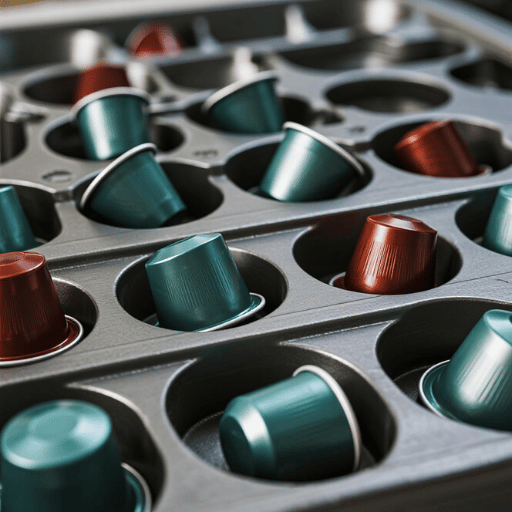
Kahve kapsülü paketleme makinesi seçimi, üretim kapasitenizi, ürün karışımınızı ve gelecek yıllar için birim ekonominizi tanımlayacak bir sermaye yatırımıdır.Bir paket makinesi seçerken kapasite planlaması altında kaçının (haciminiz arttıkça birden fazla hatta yatırım yapmak zorunda kalırsınız) veya iyi yapılmış bir inert gaz sisteminin önemini gözden kaçırın – her ikisi de maliyetli hatalardır. Bu kontrol listesi dikkate alınması gereken yedi kritik alanı vurgulamaktadır.
- ✔
Üretim Hacmi — Mevcut aylık kapsül talebinizi hesaplayın ve 2 yıllık büyümeyi öngörün. 18 ay içinde 500.000 kapsül/ay’ı geçmeyi bekliyorsanız, döner makineyle başlayın. Şimdi doğrusal satın almak ve iki yıl içinde değiştirmek sermaye harcamanızı iki katına çıkarır. - ✔
Kapsül Formatı Uyumluluğu — Makinenin hedef formatınızı (Nespresso, K-Cup, Dolce Gusto veya özel) işlediğini onaylayın. Birden fazla format sunmayı planlıyorsanız, hızlı kalıp değişimine sahip makinelere öncelik verin — bazı modeller formatları 30 dakikanın altında değiştirir, diğerleri saat gerektirir. - ✔
Malzeme Taşıma — Alüminyum, plastik ve kompostlaştırılabilir kapsüllerin her biri besleme ve kapatma konusunda farklı davranır. Alüminyum için kalibre edilmiş bir makinenin bir ayarlanması gerekebilir kompostlanabilir kapsül dolum makinası i̇ş akışı. satın almadan önce malzeme uyumluluğunu doğrulayın. - ✔
Azot Yıkama Yeteneği — Sadece broşür spesifikasyonlarından değil, gerçek üretim çalışmalarından kalan oksijen verilerini isteyin. Alüminyum kapsüller için yüzde 2’nin altında, birinci sınıf hatlar için yüzde 1’in altında hedefleyin. - ✔
Dolum Doğruluğu — ±0,2 g doğruluğunu onaylayın. Tutarsız dozaj, marka itibarına diğer kalite sorunlarından daha fazla zarar veren lezzet çeşitliliğine yol açar. - ✔
Değişim Süresi — Birden fazla SKU (farklı karışımlar, öğütme boyutları veya kapsül formatları) üretirseniz, geçiş süresi etkili günlük çıktılarınızı doğrudan etkiler. Hızlı geçiş için tasarlanan makineler, daha kısa kesinti süresinde kendileri için ödeme yapar. - ✔
Satış Sonrası Destek — Yedek parça bulunabilirliğini, teknik destek için yanıt süresini ve üreticinin yerinde eğitim sunup sunmadığını değerlendirin. Yüzde 20 daha hızlı çalışan ancak yedek parça alması iki hafta süren bir makine pratikte daha yavaştır.
Yalnızca yüksek hızda seçim yapmak Birincisi, bu, bir makinenin ideal koşullar altında maksimum hızında çalışabilme yeteneğinin kısa bir patlama ölçüsüdür. İkincisi, kapsül besleme, parti değiştirme, temizleme çalışmaları ve kalite güvencesi dahil olmak üzere üretim koşulları altında makinenin gerçek dünyadaki maksimum verimi genellikle aşırı hızın yüzde 15 ila 25 altındadır. Kahve kapsülü dolgusu seçerken her zaman düşük verim verilerini arayın ve ideal olarak karşılaştırılabilir hacme sahip bir üreticinin referans saha ziyaretini ayarlayın.
Alüminyum ve Plastik Kahve Kapsülleri: Bir Üretim Karşılaştırması
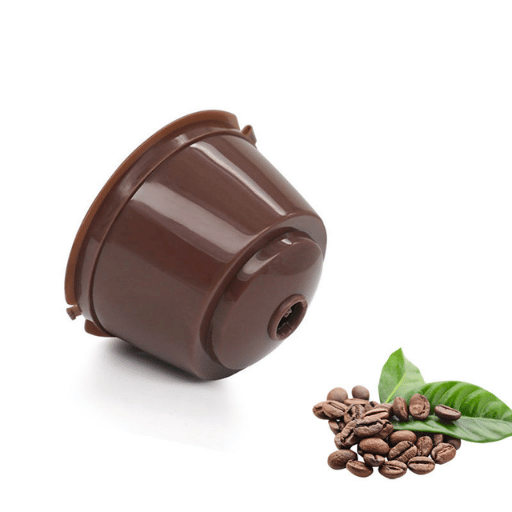
Alüminyum ve plastik kapsüller arasında seçim yapmak, tedarik zincirinizin her yönünü etkiler – hammadde maliyetinden evde algılanan değere ve kullanım ömrü sonu atık işlemeye kadar. Malzeme seçimi sonuçta genellikle bir eko soru olarak sunulsa da, üretim kararlarını daha iyi bilgilendirmek için üretim ve performans farklılıkları birçok açıdan aynı derecede kritiktir.
✔ Alüminyum Avantajları
- işık, oksijen, neme karşı 100% bariyeri
- 9–12 aylık raf ömrü (mühürlü)
- Kalite kaybı olmadan sonsuz geri dönüştürülebilir
- Tüketicilerde premium marka algısı
- Deformasyon olmadan 90–95 °C demlenmeye dayanır
⚠ Alüminyum Sınırlamaları
- Birim başına daha yüksek malzeme maliyeti (~$0.03–0.05’e karşı $0.01–0.02 plastik)
- Özel şekillendirme presleri gerektirir
- Besleme sistemlerinde daha ince duvarların dikkatli kullanılması gerekir
- Geri dönüşüm altyapısı bölgeler arasında hâlâ dengesiz
| Boyut | Alüminyum | Plastik (PP/PBT) |
|---|---|---|
| Oksijen Bariyeri | 100% (doğal metal özelliği) | Kısmi (çok katmanlı veya EVOH eki gerektirir) |
| Raf Ömrü (mühürlü) | 9–12 ay | 3–6 ay |
| Birim Başına Malzeme Maliyeti | $0.03–0.05 | $0.01–0.02 |
| Geri dönüştürülebilirlik | Sonsuz geri dönüştürülebilir (kalite kaybı yok) | Sınırlı döngüler, aşağı dönüşüm ortak |
| Demleme Sıcaklığı Toleransı | 90–95 °C’de stabil, 9–19 bar | Basınç altında 90 °C’nin üzerinde deforme olabilir |
| Çevresel Etki (yaşam sonu) | Standart alüminyum akışında geri dönüştürülebilir | 30.000+ kapsül aylık olarak Birleşik Krallık’taki çöp depolama alanlarına ulaşıyor |
Kompostlanabilir kapsül malzemeleri üçüncü bir alternatiftir ancak yine de altyapı kısıtlamaları nedeniyle engellenmektedir.Kapsülleri işleyebilecek ticari kompostlama tesisleri tüm coğrafyalarda mevcut değildir, kapsül başına maliyet alüminyum ve plastiğinkini aşmaktadır ve bariyer nitelikleri alüminyumunkinden daha azdır – bu da daha kısa raf ömrüne neden olur.Kapsül üretimine yeni girenlerin çoğu için alüminyum, performans ve geri dönüştürülebilirlik kombinasyonu açısından varsayılan seçim olmaya devam etmektedir.
Alüminyum Kapsül Üretiminde Sürdürülebilirlik ve Geri Dönüşüm
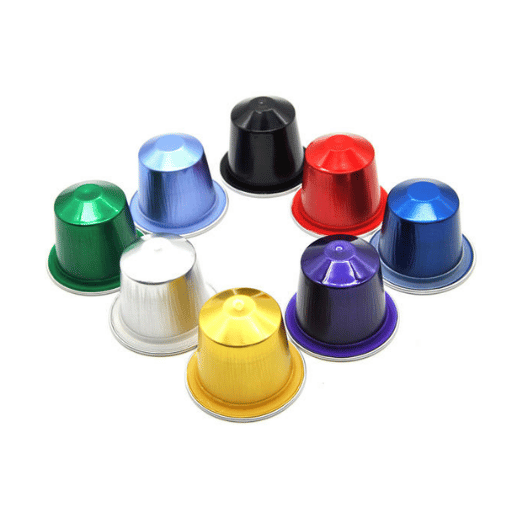
Alüminyum, bariyer veya mekanik özellikleri kaybetmeden sonsuza kadar geri dönüştürülebilir – hiçbir plastik veya kompostlanabilir malzemenin sunamayacağı bir fayda. Bu nedenle, alüminyum kapsül üretimi, geri dönüşüm altyapısının birçok alanda hala olgunlaşması gerekmesine rağmen, döngüsel ekonomi ilkeleri için tartışmasız daha uygundur.
En büyük alüminyum kapsül üreticisi olan Nespresso, performansı endüstri düzeyinde izlemek için ayrıntılı sürdürülebilirlik verileri yayınladı. Nespresso’da sürdürülebilirlik raporu, tüm Orijinal kapsüller artık yüzde 80’i geri dönüştürülmüş alüminyumdan üretilirken, Vertuo kapsüllerinin yüzde 88’i yüzde 85’i geri dönüştürülmüş malzemeden üretiliyor Novelis 2020’de duyurulan özel bir geri dönüştürülmüş alüminyum tedarik zinciri aracılığıyla.
Küresel kapsül geri kazanımı 2024’te yüzde 35 seviyesinde gerçekleşti ve Nespresso, 2025’e kadar yüzde 50’ye, 2030’a kadar yüzde 60’a ulaşma planını yayınladı.Bu hedeflere ulaşmak için, 2009’a kadar uzanan, dünya çapındaki kamu toplama merkezlerinde 100’den fazla Eddy akım ayırıcısının kurulumunu desteklediler. Nespresso’nun teknolojinin test tesislerindeki üstün performansını kanıtlamasının ardından Fransa’da 65 makine eklendi. Nespresso, kapsül geri dönüşüm programını 2019’da diğer kapsül şirketlerine açtı – rekabet yerine endüstri çapında böyle bir işbirliği, endüstri için evrensel, küresel bir geri dönüşüm altyapısı oluşturmanın tek yoludur.
Özel markalı üreticiler ve pazara yeni girenler için alüminyum kapsüller, tüketicilerin tek servislik kahve konusunda dile getirdiği sürdürülebilirlik itirazlarını – özellikle tüketici sonrası geri dönüştürülmüş alüminyumdan temin edildiğinde – azaltarak çevresel sorumluluk olabilecek şeyi olumlu bir marka hikayesine dönüştürüyor.
Sıkça Sorulan Sorular
Nespresso kapsülleri alüminyumdan mı yapılmıştır?
Cevabı Görüntüle
Alüminyum kapsüllerden kahve içmek güvenli midir?
Cevabı Görüntüle
Kahve kapsülleri nasıl üretilir ve doldurulur?
Cevabı Görüntüle
Alüminyum ve plastik kahve kapsülleri arasındaki fark nedir?
Cevabı Görüntüle
Bir kahve kapsülü dolum makinesi ne kadar hızlı üretebilir?
Cevabı Görüntüle
Alüminyum kahve kapsülleri geri dönüştürülebilir mi?
Cevabı Görüntüle
Alüminyum kahve kapsülü üretim kapasitenizi başlatmak veya genişletmek ister misiniz?
Bu Rehbere Bakış Açımız
Bu veriler AFPAK’ın Kahve kapsülü pazarına yönelik dolum ve paketleme ekipmanı üretiminde 14 yıllık deneyim, Nespresso, K-Cup ve Dolce Gusto kapsülleri için doğrusal ve döner formatlı makineler dahil. Bahsedilen özellikler, 8011-O folyo tedarikinden nitrojen kabuğu doğrulamasına ve otomatik doldurma ağırlığı kaydına kadar üretim hatlarının günlük devreye alınması sırasında kullanılan referans spesifikasyonlardır.
Referanslar ve Kaynaklar
- Kahve Kapsülleri ve Kapsülleri Endüstri Tahmini – Mordor Intelligence
- Uluslararası Alüminyum Geri Dönüşüm Verileri – Uluslararası Alüminyum Enstitüsü
- 21 CFR 175.300 – Reçineli ve Polimerik Kaplamalar – ABD Gıda ve İlaç İdaresi
- Gıda Maddeleriyle Temas Etmesi Amaçlanan Malzeme ve Maddelere İlişkin (EC) 1935/2004 Sayılı Yönetmelik – Avrupa Parlamentosu
- Kahve – Alüminyumun Gıdayla Göçü – ABD NIH/NLM
- Kapsül Geri Dönüşümü ve Döngüsel Ekonomi – Nespresso Sürdürülebilirlik
- Geri Dönüştürülmüş İçeriğin Temini ve Geri Dönüşümü Aluminium Packard – Novelis Inc.
İlgili Makaleler
- Kapsül Dolum ve Paketleme Hattı – Pilot Makineler ve Ekipmanlar
- RN1S modüler Nespresso Kapsül dolgu ve Sealer
- AL86 Nespresso Alüminyum kapsüller. Malzeme Özellikleri
- Kompostlanabilir Nespresso Kapsül Dolum Makinesi


