
Come sono fatte le capsule di caffè in alluminio: materiali, macchine e il processo di produzione completo
Le capsule di caffè in alluminio stanno prendendo sempre più una quota del mercato mondiale delle capsule, che. è sceso a una stima 32,62 miliardi di dollari nel 2025, secondo l’intelligence di Mordor. Per i marchi di torrefazione e di private label e le aziende di bevande che entrano nelle capsule, è essenziale conoscere il processo di produzione degli ingredienti, le macchine, le materie prime, le materie prime e la macchina, poiché questi fattori determinano la qualità del prodotto finale, la durata di conservazione, le normative sulle materie prime e l’economia delle unità. Questa guida rivela l’intero processo di produzione delle capsule di caffè in alluminio, dalla scelta della lega al riempimento, sigillatura e riciclaggio.
Specifiche rapide
| Lega Primaria | Alluminio 8011-O/8079-O |
| Spessore della lamina (Corpo) | 0,07 (70,12 mm) |
| Peso vuoto della capsula | ~1.0,1,2 g |
| Dose di caffè per capsula | 5.5-dipendente g (formato) |
| Ossigeno residuo (N2 Flush) | <2% (obiettivo <1%) |
| Gamma di velocità di produzione | 50 300 capsule/min (dipendente dal modello) |
| Periodo di validità sigillato | 9 12 mesi (vs 3 mesi plastica) |
| Conformità normativa | FDA 21 CFR §175.300 /UE (CE) n. 1935/2004 |
Perché l’alluminio è il materiale preferito per le capsule di caffè
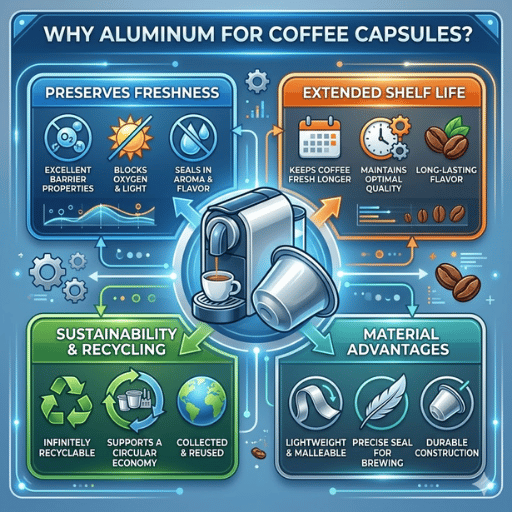
L’alluminio, a differenza della plastica, fornisce una barriera assoluta alla luce, all’ossigeno e all’umidità, tre potenziali cause di degradazione del caffè macinato dopo la tostatura. Questa è la proprietà chiave che differenzia le capsule di alluminio dalle materie plastiche ed è la ragione principale per cui tutti i principali produttori, incluso Nespresso, che produce circa 14 miliardi di capsule all’anno, l’hanno selezionata decenni fa e non è cambiata.
In modo pratico questo si traduce in alluminio avente una durata di conservazione di 9-12 mesi dopo la sigillatura, vs 3-6 mesi per le capsule di plastica standard Che è significativo per qualsiasi torrefazione o marchio del distributore di vendita attraverso punti vendita al dettaglio con durata di conservazione incerta L’alluminio è anche adatto a resistere alla temperatura e alla pressione della preparazione dell’espresso (generalmente 90-95C a 9-19 bar) senza distorsioni e conferendo amarezza o altri sapori offn nella bevanda.
Oltre ai vantaggi in termini di prestazioni, l’alluminio ha un fattore di sostenibilità che influenzerà sempre più le decisioni di acquisto dei consumatori in futuro. IL Istituto Internazionale Alluminio ha indicato che circa il 75% di tutto l’alluminio mai prodotto circola oggi poiché il metallo può essere riciclato all’infinito senza degradazione della sua struttura o delle proprietà barriera. Per i marchi che si rivolgono direttamente a questi consumatori consapevoli, questo è un ovvio punto di forza.
Specifiche della lega di alluminio e composizione del materiale della capsula
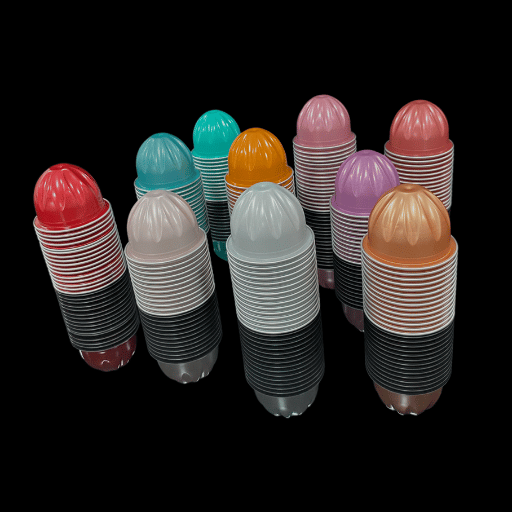
Tuttavia, non tutte le leghe di alluminio sono appropriate per il processo di formatura delle lattine. Le leghe standard del settore sono la tempera 8011-O o 8079-O, che hanno la formabilità necessaria (imbutitura profonda senza microfessurazioni) dei teneri più morbidi per mantenere l’ermeticità.
8011 vs 3003: Scegliere la Lega Giusta
Per la maggior parte nespresso capsule formati e altri contenitori formati, 8011 e 3003 sono opzioni di materiale piuttosto che specifiche intercambiabili La lega 8011 contiene ferro e silicio; la lega 3003 è legata al manganese Confermare le prestazioni di lega, tempera, spessore, rivestimento e formatura con il fornitore della capsula Una forma più complessa non stabilisce di per sé che 3003 sia richiesto.
| Proprietà | 8011-O | 3003-O |
|---|---|---|
| Additivi primari | Fe+Si | Mn (1.00).5% (1.0) |
| Resistenza alla trazione | 100130 MPa | 110150 MPa |
| Allungamento | ≥12% | ≥15% |
| Uso primario | Tazze standard della capsula + foglio di alluminio del coperchio | Forme complesse, vassoi disegnati in profondità |
| Spessore Tipico | 0,070,12 mm (corpo), 0,030,04 mm (lid) | 0,10,15 mm |
Per confronto, una tipica capsula Nespresso Original ha diametro esterno superiore=37 mm, diametro base=24 mm e altezza=29 mm con uno spessore della parete dell’ordine di 110 micron (0,11 mm) e un peso a vuoto dell’ordine di 1,0 g.
Rivestimento interno e sicurezza alimentare
Le capsule sono rivestite internamente con una barriera epossidica o laccata BPA-non intent (BPA-NI) per impedire il contatto diretto tra la superficie di alluminio e il chicco di caffè macinato tostato o il prodotto preparato, con indicazioni che il rivestimento deve soddisfare i requisiti di conformità della Food and Drug Administration (Amministrazione dei farmaci e degli alimenti)FDA 21 CFR 175.300) 50 ppm di migrazione complessiva di non volatili nel rivestimento verso gli alimenti e la legislazione dell’Unione Europea (CE) n. 1935/2004 la migrazione complessiva non deve superare i 10 mg/dm, con la documentazione conforme fornita dagli appaltatori Questa interpretazione deve essere testata su ogni ciclo di produzione.
Nota ingegneristica
Lo spessore della parete della capsula 0,07-0,12 mm è mantenuto ad una tolleranza di ± 0,02 mm sul bordo della capsula per mantenere una tenuta ermetica mentre si trova sotto pressione ermetica di termosaldatura La distribuzione dello spessore della parete nelle varie fasi durante la trafilatura profonda è ottimizzata in modo che la capsula sia in grado di sostenere una pressione di estrazione da 9 a 19 bar senza guasti Lo spessore del foglio del coperchio della capsula 0,03-0,04 mm deve essere perforabile dall’ago della macchina pur mantenendo le proprietà di barriera all’ossigeno.
Il design esterno può essere stampato con il marchio su misura utilizzando inchiostri sicuri per gli alimenti approvati Le superfici delle capsule possono essere anodizzate o laccate in una gamma di colori, offrendo ai produttori di marchi privati la possibilità di personalizzare il marchio del prodotto senza costi aggiuntivi per gli utensili.
Il processo di produzione della capsula del caffè: dal fagiolo al Cialda di caffè sigillato
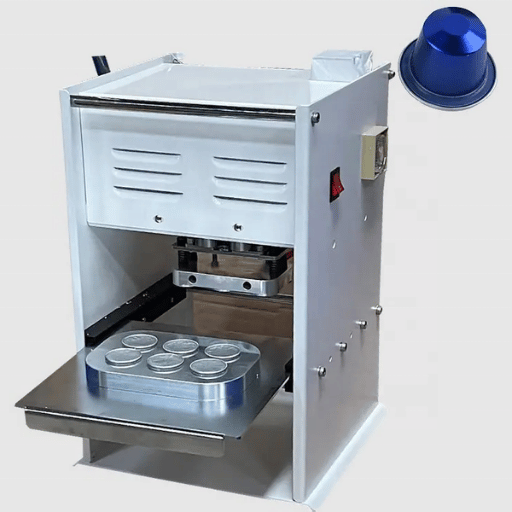
La produzione di capsule di caffè segue una catena di produzione standard, integrando la formazione di capsule, la preparazione del caffè, il riempimento automatizzato e la sigillatura ermetica in una sequenza continua e ininterrotta Tutti i formati vengono lavorati nello stesso impianto (compatibile Nespresso, K-Cup, Dolce Gusto, Lavazza).
- La bobina in alluminio Stamping 8011 Bl Foglio di alluminio Bl-O viene alimentata ad alta velocità (>600 fino a 1.200 cicli/min) in una pressa di trasferimento che stampa e aspira in profondità ciascuna tazza della capsula, mantenendo le tolleranze del bordo a 0,02 mm.
- La tazza interna con rivestimento in lacca è rivestita con lacca resistente agli alimenti da una stazione di rivestimento a valle, che forma una barriera all’ossigeno.
- Tostatura e macinazione del caffè I bean vengono tradizionalmente tostati in un colore medio-scuro per aumentare la solubilità durante l’estrazione, quindi inviati attraverso un mulino a rulli industriale a 3 stadi (rottura, macinazione intermedia e macinazione finale ultrafine) per produrre granulometrie costanti per ogni capsula.
- Capsula Sanitizing (paperie), le capsule con fossette vengono soffiate con aria compressa priva di polvere, quindi più capsule passano consecutivamente attraverso una camera di sterilizzazione UV per soddisfare gli standard igienici di qualità alimentare.
- Auger Filler 5 Doser si nutre di 0,5-7 g di caffè macinato freddo da una singola tramoggia a livello costante a ciascuna capsula con una precisione del livello di ±0,2 grammi.
- Il lavaggio dell’azoto (azoto) tra le fasi di dosaggio e di sigillatura ermetica, le porte multiple di iniezione di azoto all’interno della capsula spostano l’ossigeno residuo a livelli mirati <2%, linee ad elevata purezza che raggiungono meno di 1% ossigeno, con una durata di conservazione di 9-12 mesi.
- Coperchio Taglio e sigillatura ermetica Il foglio di copertura viene tagliato a misura e il calore di tenuta ermetica viene applicato alla parte superiore della capsula, a sua volta ingresso di luce, umidità e ossigeno nel punto di consumo.
- Controllo di qualità & ispezione Le capsule sigillate sono soggette a ispezione, con misurazione basata su immersione dei livelli residui di OTR e C0 per l’aderenza agli standard di integrità della tenuta Le capsule rifiutate vengono scartate.
- Cartonatura & Pallettizzazione & Capsule finali sono collocate in cartoni e pallettizzate per la spedizione Un tipico linea di produzione della capsula del caffè può richiedere da 30 a 60 giorni dall’ordine alla prima spedizione.
La fase di lavaggio con azoto è quella in cui molte piccole torrefazioni possono perdere la durata di conservazione L’automazione con una sola porta di azoto nella stazione di sigillatura raggiunge livelli di ossigeno residuo dal 3 al 5%, mentre le macchine con più porte di azoto dalla stazione di dosaggio fino alla sigillatura in linea hanno livelli di ossigeno residuo inferiori all’1% più e più volte Quando si confronta produttori di capsule di caffè chiedere sempre i dati sull’ossigeno residuo non solo le specifiche.
Macchine per il riempimento e la sigillatura di capsule di caffè: tipi e specifiche
Esistono due tipi principali di riempitivo per capsule e sigillatore. Il fattore lineare e rotatorio dovrebbe influenzare la selezione del volume mensile e la crescita.
| Specificazione | Macchina lineare | Macchina Rotativa |
|---|---|---|
| Velocità | 500 capsule/min | 100 capsule/min. 300 capsule/min |
| Uscita oraria | 1.80 cph6.000 cph | 6,000 cph24.000 cph |
| Corsia/Conto stazione | 14 corsie | 612 stazioni |
| Precisione di riempimento | ±0,2 g | ±0,2 g |
| N2 Porte di lavaggio | 12 stazioni | 3→ stazioni di sigillatura (dosaggio) |
| Migliore Per | Torrefattori <500K capsule/mese | Marchi >500K capsule/mese |
| Materiale di contatto alimentare | Acciaio inossidabile 304 | Acciaio inossidabile 304 |
| Compatibilità Formato | Nespresso, K-Cup, Lavazza | Nespresso, K-Cup, Dolce Gusto, Lavazza, custom |
Entrambi gli stili di macchina utilizzano la stessa tecnologia fondamentale di dosaggio del riempitivo della coclea, lavaggio dell’azoto e termosaldatura. Dove differiscono è la produttività e il modo in cui le capsule vengono trasportate da una stazione all’altra. Le macchine lineari spostano le capsule in corsie tramite un percorso rettilineo mentre le capsule rotanti utilizzano capsule circolari di posizione della torretta attorno a varie posizioni delle stazioni ad alta velocità e utilizzando meno spazio sul pavimento, un’innovazione che ha rivoluzionato la produzione.
Per la formazione delle tazze delle capsule (prima del riempimento), alcuni produttori hanno presse incapsulanti stampate integrate con design di riempitivi e sigillanti. Le presse compatte della serie C (45-80 tonnellate, 1-5 cavità) sono adatte per torrefattori boutique che desiderano riempire capsule monoorigine, mentre le presse ad alto volume (63-80 tonnellate, fino a 6 cavità) sono adatte ai produttori di bilance sfuse. Tutti forniscono la precisione dimensionale fondamentale per una corretta compatibilità con le apparecchiature di produzione della birra esistenti.
A riempitivo e sigillante per capsule di caffè dovrebbe essere valutato non solo sulla velocità massima, ma sui tempi minimi di cambio, sull’affidabilità dell’alimentazione e sui tempi di fermo della pulizia.
Come scegliere la macchina imballatrice giusta della capsula del caffè
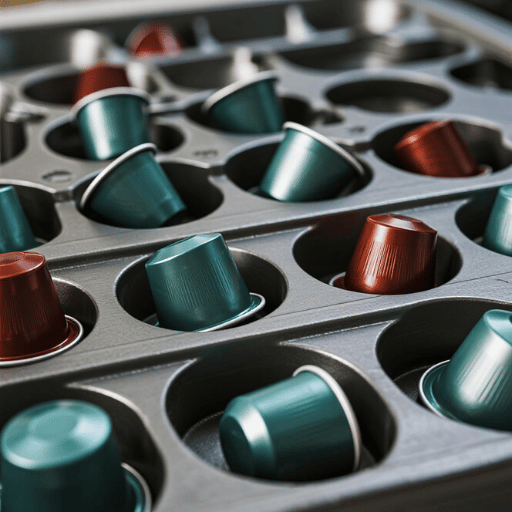
La scelta di una macchina confezionatrice per capsule è un investimento di capitale che definirà la capacità produttiva, il mix di prodotti e l’economia delle unità per gli anni a venire Quando si seleziona una macchina confezionatrice evitare sotto la pianificazione della capacità (con l’aumento del volume si è costretti a investire in più linee) trascurando l’importanza di un sistema a gas inerte ben fatto entrambi sono errori costosi Questa lista di controllo evidenzia le sette aree critiche da considerare.
- ✔
Volume Produzione (Calcola la tua attuale domanda mensile di capsule e il tuo progetto di crescita di 2 anni) Se prevedi di attraversare 500.000 capsule/mese entro 18 mesi, inizia con una macchina rotativa Acquistare lineare ora e sostituirlo in due anni raddoppia il tuo esborso di capitale. - ✔
Compatibilità del formato capsula (conf.) Il formato target gestisce il formato target (Nespresso, K-Cup, Dolce Gusto o personalizzato) Se si prevede di eseguire più formati, assegnare priorità alle macchine con cambio rapido dello stampo (con cambio rapido dello stampo) alcuni modelli cambiano formato in meno di 30 minuti, altri richiedono ore. - ✔
Movimentazione Materiali Le capsule di alluminio, plastica e compostabili si comportano ciascuna in modo diverso nell’alimentazione e nella sigillatura. Una macchina calibrata per l’alluminio può richiedere la regolazione per a macchina di rifornimento compostabile della capsula flusso di lavoro Verificare la compatibilità dei materiali prima dell’acquisto. - ✔
Capacità di lavaggio dell’azoto (Chiedi dati sull’ossigeno residuo dalle esecuzioni effettive, non solo dalle specifiche della brochure. Obiettivo inferiore al 2% per le capsule di alluminio, inferiore all’1% per le linee premium. - ✔
Precisione di riempimento ±0,2 g di precisione Il dosaggio incoerente porta a variazioni di sapore che danneggiano la reputazione del marchio più di qualsiasi altro problema di qualità. - ✔
Tempo di cambio (Se produci più SKU, diverse dimensioni di macinazione o formati di capsule), il tempo di cambio influisce direttamente sulla tua produzione giornaliera effettiva. Macchine progettate per un cambio rapido si ripagano da sole in tempi di inattività ridotti. - ✔
Supporto post-vendita (E) La disponibilità dei pezzi di ricambio di Evaluate, il tempo per il supporto tecnico e se il produttore offre formazione in loco Una macchina che funziona il 20% più velocemente ma richiede due settimane per ottenere i pezzi di ricambio è più lenta nella pratica.
Selezionando solo ad alta velocità. In primo luogo, si tratta di una metrica di scoppio breve della capacità di una macchina di funzionare alla massima velocità in circostanze ideali. In secondo luogo, perché la produttività massima reale della macchina in circostanze di produzione, tra cui l’alimentazione della capsula, il cambio lotto, le corse di pulizia e la garanzia della qualità, è in genere compresa tra il 15 e il 25% inferiore alla capacità massima specificata. Quando si sceglie un riempitivo per capsule di caffè, cercare sempre dati di produttività ridotti e idealmente organizzare una visita in un sito di riferimento di un produttore con volume comparabile.
Capsule di alluminio vs caffè in plastica: un confronto di produzione
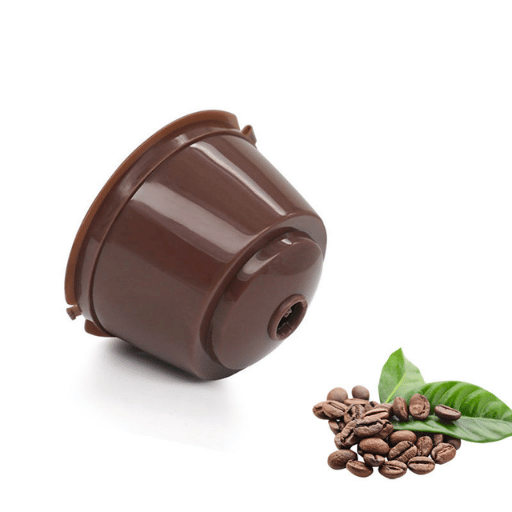
La scelta tra capsule di plastica e capsule di plastica ha un impatto su ogni aspetto della catena di fornitura. dall’alluminio al valore percepito a casa e al trattamento dei rifiuti a fine vita. Sebbene la scelta del materiale in definitiva sia spesso presentata come una questione ecologica, le differenze di produzione e di prestazione per informare meglio le decisioni di produzione sono per molti versi altrettanto critiche.
ages Vantaggi dell’alluminio
- 100% barriera contro la luce, ossigeno, umidità
- 9 12 mesi di durata di conservazione (sealed)
- Riciclabile all’infinito senza perdita di qualità
- Percezione del marchio premium tra i consumatori
- Resiste alla infusione di 9 °C senza deformazione 90 °C
Limitazioni dell’alluminio
- Costo del materiale per unità più elevato (~$0.03.05 vs $0.0.00.00 plastica)
- Richiede presse di formatura specializzate
- Le pareti più sottili necessitano di un’attenta manipolazione nei sistemi di alimentazione
- Le infrastrutture di riciclaggio sono ancora disomogenee tra le regioni
| Dimensione | Alluminio | Plastica (PP/PBT) |
|---|---|---|
| Barriera all’ossigeno | 100% (proprietà intrinseca del metallo) | Parziale (richiede multistrato o inserto EVOH) |
| Periodo di validità (sigillato) | 912 mesi | 3 mesi |
| Costo del materiale per unità | $0,030,05 | $0.01–0.02 |
| Riciclabilità | Riciclabile all’infinito (nessuna perdita di qualità) | Cicli limitati, downcycling comune |
| Brewing Temp Toleranza | Stabile a 9095 °C, 919 bar | Può deformarsi oltre i 90 °C sotto pressione |
| Impatto ambientale (fine vita) | Riciclabile in flusso di alluminio standard | Oltre 30.000 capsule raggiungono mensilmente le discariche del Regno Unito |
I materiali compostabili per capsule rappresentano una terza alternativa ma sono comunque ostacolati da restrizioni infrastrutturali Gli impianti di compostaggio commerciale in grado di gestire capsule non sono disponibili in tutte le aree geografiche, il costo per capsula supera quello di plastica e plastica e le qualità barriera sono inferiori a quelle dell’alluminio. L’alluminio ha una durata di conservazione più breve Per la maggior parte dei nuovi entranti nella produzione di capsule, l’alluminio rimane la scelta predefinita per la sua combinazione di prestazioni e riciclabilità.
Sostenibilità e Riciclaggio nella Produzione di Capsule in Alluminio
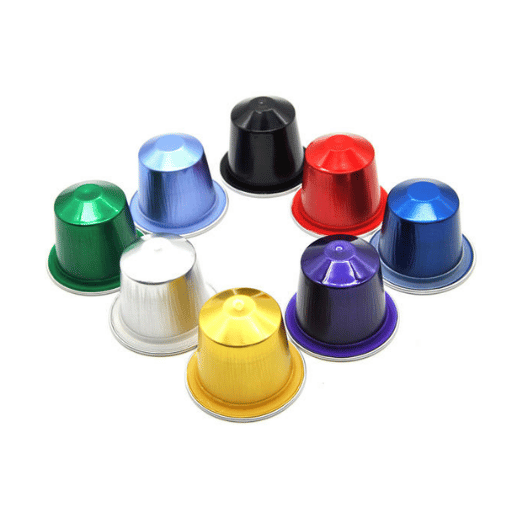
L’alluminio può essere riciclato per sempre senza perdere caratteristiche barriera o meccaniche: un vantaggio che nessun materiale plastico o compostabile può offrire. Pertanto, la produzione di capsule di alluminio è probabilmente più adatta ai principi dell’economia circolare, sebbene le infrastrutture di riciclaggio debbano ancora maturare in molte aree.
Nespresso, che è il più grande produttore di capsule in alluminio, ha pubblicato dati di sostenibilità granulari per monitorare le prestazioni a livello di settore. In Nespresso bilancio sostenibilità, tutte le capsule originali sono ora prodotte con l’80% di alluminio riciclato, mentre l’88% delle capsule Vertuo è prodotto con l’85% di materiale riciclato fornito da Novelis attraverso una catena di fornitura dedicata all’alluminio riciclato annunciata nel 2020.
Il recupero globale delle capsule si è attestato al 35% nel 2024 e Nespresso ha pubblicato un piano per raggiungere il 50% entro il 2025 e il 60% entro il 2030. per raggiungere questi obiettivi, hanno sostenuto l’installazione di oltre 100 separatori a correnti parassite nei centri di raccolta pubblica di tutto il mondo, risalenti al 2009. 65 macchine sono state aggiunte in Francia, dopo che Nespresso ha dimostrato le prestazioni superiori della tecnologia negli impianti di prova Nespresso ha aperto il suo programma di riciclaggio delle capsule ad altre società di capsule nel 2019, una cooperazione a livello di settore piuttosto che la concorrenza è l’unico modo per costruire un’infrastruttura di riciclaggio globale e universale per l’industria.
Per i produttori di marchi privati che entrano nel mercato, le capsule di alluminio riducono le obiezioni di sostenibilità sollevate dai consumatori riguardo al caffè monodose e alle nuove capsule quando provengono da alluminio riciclato post-consumo, trasformando quella che potrebbe essere una responsabilità ambientale in una storia positiva del marchio.
Domande Frequenti
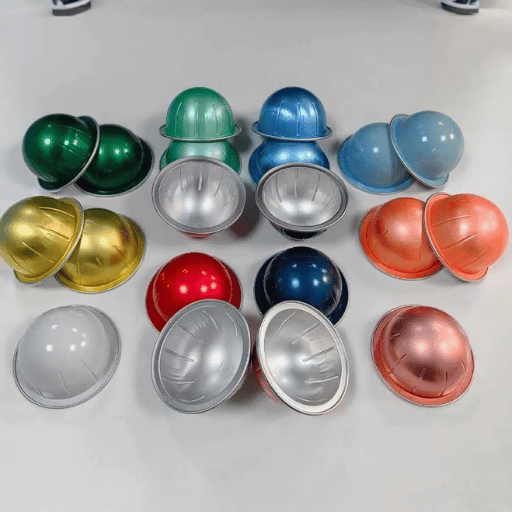
Le capsule Nespresso sono in alluminio?
Visualizza risposta
È sicuro bere caffè da cialde di alluminio?
Visualizza risposta
Come vengono prodotte e riempite le capsule di caffè?
Visualizza risposta
Qual è la differenza tra capsule di caffè in alluminio e plastica?
Visualizza risposta
Quanto velocemente può produrre una macchina riempitrice per capsule di caffè?
Visualizza risposta
Le capsule di caffè in alluminio possono essere riciclate?
Visualizza risposta
Sei interessato ad avviare o espandere la tua capacità di produzione di capsule di caffè in alluminio?
La nostra prospettiva su questa guida
Questi dati provengono da AFPAK 14 anni di esperienza nella produzione di attrezzature per il riempimento e l’imballaggio per il mercato delle capsule di caffè, compresi i macchinari in formato lineare e rotativo per capsule Nespresso, K-Cup e Dolce Gusto Le proprietà a cui si fa riferimento sono specifiche di riferimento utilizzate durante la messa in servizio quotidiana delle linee di produzione, dall’approvvigionamento della lamina 8011-O fino alla validazione del guscio di azoto e alla registrazione automatizzata del peso di riempimento.
Riferimenti e fonti
- Cialde e capsule di caffè Previsioni di settore Mordor Intelligence
- Dati internazionali sul riciclaggio dell’alluminio (International Aluminium Recycling Institute)
- 21 CFR 175.30 0 Coatings Resinosi e Polimerici U. Food and Drug Administration
- Regolamento (CE) n. 1935/2004 sui materiali e gli oggetti destinati a venire a contatto con i prodotti alimentari (CE) n. 1935/2004 Parlamento europeo
- Caffè/NLM Migrazione di alluminio statunitense
- Capsule Recycling and Circular Economy Riciclaggio Nespresso Sostenibilità
- Fornitura e riciclaggio di contenuti riciclati Aluminium Packard & Recycling Novelis Inc.
Articoli Correlati
- Capsule e attrezzature per l’imballaggio Linea di riempimento e imballaggio Macchine pilota e attrezzature
- RN1S modulare Nespresso Capsule filler e Sealer
- AL86 Nespresso Capsule in alluminio Specificazione del materiale
- Macchina di rifornimento compostabile della capsula di Nespresso


