
Plnicí stroje kompatibilní s Dolce Gusto: Jak sladit model, rychlost a rozpočet
Publikováno duben 2026 · 12 min přečteno
Pokud se snažíte dát dohromady výrobní linku kávových kapslí postavenou kolem struktury dolce gusto, plnicí stroj, který si vyberete, určí vaše náklady na kapsli, váš maximální denní výkon a jak rychle se budete přesouvat mezi směsmi. Existuje nějaká myšlenka, která jde do toho rozhodnutí.
Tento přehled vás provede dvěma strukturami stroje – lineární a rotační ó, pak se ponoří do tří specifikací, na které byste se měli zaměřit pro maximální ziskovost: přesnost plnění, kapacita proplachování dusíkem a doba a náklady na přechod. Ať už vytváříte soukromou značku nebo rozšiřujete stávající provoz kapslí, najdete konkrétní data a kontrolní seznam funkcí, které vám pomohou vytvořit užší výběr.
Rychlé specifikace Karta „naplňovací stroje kompatibilní s dolce gusto“
| Parametr | Hodnota |
|---|---|
| Formát kapsle | Dolce Gusto kompatibilní (Ø 54 mm × 36 mm výška) |
| Typy strojů | Lineární (1,4 pruh), Rotační |
| Rozsah rychlosti | 20 600+ kapslí/min (závislé na modelu) |
| Přesnost plnění | ±0,1 g až ±0,3 g |
| Materiály výplně | Mletá káva, práškové směsi, tekuté koncentráty |
| Metoda těsnění | Tepelné těsnění s alμminum fólií nebo víkem z plastové fólie |
| Stavebnictví | Nerezová ocel 304/316L (potravinářská) |
| Úroveň automatizace | Poloautomatické až plně automatické |
Co je plnicí stroj kompatibilní s Dolce Gusto?

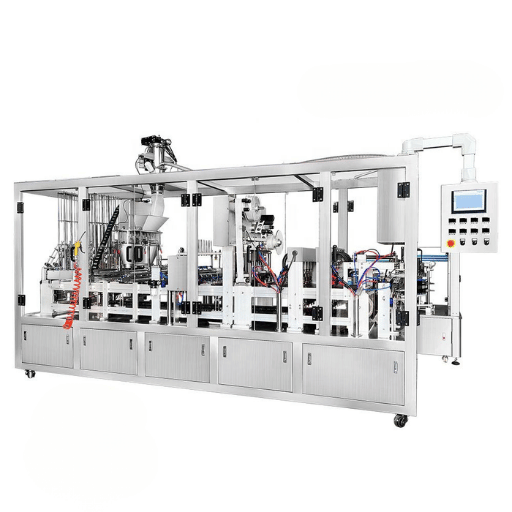
Plnicí stroj kompatibilní s dolce gusto je typ strojního zařízení používaného k dávkování, plnění a tepelnému uzavírání jednodávkových nádob na kávové kapsle určených pro systém Dolce Gusto. Jsou vyrobeny z polypropylenu (PP) a měří 54 mm x 36 mm. V závislosti na obsahu – káva, kakaový prášek nebo sušené mléko – mohou vydávat mezi 8 g a 16 g materiálu. Dvě primární operace zařízení jsou umístění výplňového materiálu do každé části kapsle a utěsnění fólie nebo fóliového víka na místě.
To, co odlišuje plnicí stroj dolce gusto od zařízení určeného pro aplikace nespresso nebo K-Cup, je jeho forma. Kapsle Nespresso jsou kuželové hliníkové skořepiny o průměru asi 27 mm. K-Cup jsou široké 48 mm s plochým dnem pro filtraci. Kapsle dolce gusto je větší než obě a vyžaduje zcela odlišné desky formy, těsnicí matrice a měření plnění. Neexistuje žádná křížová kompatibilita: konstrukce K-Cup nemůže přejít na desky formy generické Dolce Gusto a okamžitě pracovat, protože upínací, rozměry víka a tepelný profil spolu zcela nesouvisí.
V celém odvětví jednoho servisu moderní plnění a těsnění Dolce gusto vybavení sahá od poloautomatických stolních modelů schopných produkovat 20 kapslí/minutu až po plně automatické velkoobjemové rotační linky s přebytkem 600 kapslí/minutu. Nabídky AFPAK v rámci tohoto segmentu udržují přesnost plnění v rozmezí 0,1 g na platformách s rotační podporou „z funkce, která snižuje množství kávového odpadu a zajišťuje jednotný vývoj produktů od pohovky ke stolu.
Vzhledem k jedinečné práškové a kapalinové analyzovatelnosti formátu dolce gusto mnoho kupujících také používá stejné stroje na horkou čokoládu, čaj a dokonce i koncentráty z vařeného piva za studena – čímž rozšiřují své investice do nastavení víceproduktového balicího zařízení se skutečným všestrannost.
Lineární vs. Rotační plnicí stroje Dolce Gusto
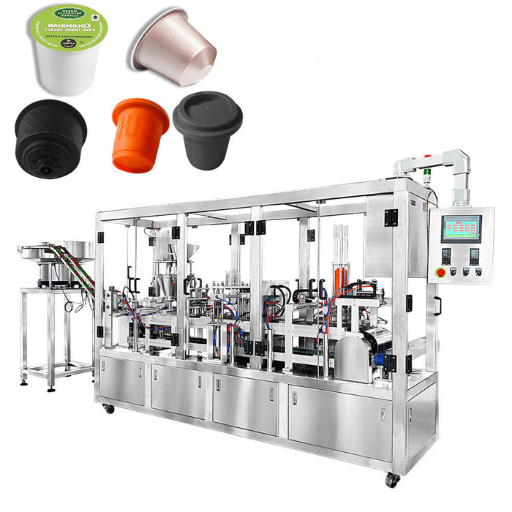
Všechny stroje na plnění kapslí dolce gusto spadají do jedné ze dvou architektur: lineární nebo rotační. Je to velký rozdíl: na vaši propustnost, půdorys vaší továrny a velikost vaší peněženky. Zde je způsob, jakým odpovídají.
| Funkce | Lineární | Rotační |
|---|---|---|
| Rychlost | 40 200 CPM | 200 600+ CPM |
| Přesnost plnění | ±0,15 g | ±0,1 g |
| Cenové rozpětí | $20,000 th$80,000 | $80,000 th$300,000+ |
| Stopa | Delší, užší rozložení | Kompaktní, kruhové uspořádání |
| Doba výměny | Delší (44+ formovacích desek) | Kratší (12 formovacích desek) |
| Nejlepší Pro | Střední, víceformátové | Velkoobjemové, jednoformátové |
Pokud vyhraje lineární stroj. A lineární plnicí stroj nejlépe se hodí pro značky vyrábějící 5 000 až 50 000 kapslí za směnu. S lineárními platformami můžete snadno přidat pruhy (trasy) jdoucí z jednoho pruhu do dvou nebo čtyř (tra) bez sešrotování celého stroje Lineární platformy jsou více kompatibilní s víceformátovou výrobou, protože desky forem lze přepínat na lineární kolejnici, I když to může nějakou dobu trvat, poskytuje vám flexibilitu pro spuštění formátů dolce gusto, K-Cup a nespresso na jednom rámu.
Pokud rotační stroj vyhraje Když váš objem dostane přes asi 150.000 kapslí denně, plně automatický rotační plnicí stroj začne získávat na jednotkových nákladech. Kruhová konstrukce stanice znamená plnění, proplachování dusíkem a těsnění vše probíhá v hladkém, valivém pohybu bez tolika hand-offs, To se promítá do přesnosti plnění (0,1 g), která je trvale těsnější a dává vám méně prostojů mezi stanicemi.
Lineární výhody
Nižší kapitálové výdaje ($20K,$80K)
Flexibilita více formátů
Modulární rozšíření jízdního pruhu
Jednodušší školení operátorů
Rotary Advantages
200 600+ propustnost CPM
Přísnější kontrola dávky (±0,1 g)
Menší půdorys na CPM
Rychlejší výměna (12 desek formy vs 44+)
Pozor na slepotu při přechodu na euro. Stroj se 100 CPM, kterému přepínání mezi formáty trvá 3 hodiny, produkuje méně kapslí týdně než stroj s 60 CPM s 20minutovým časem přechodu na euro. Při provozu více SKU vždy vypočítejte efektivní propustnost „nejen jmenovitou rychlost. Toto je jedno z největších úskalí, které kupující při porovnávání dělají kávový pod plnicí stroj stroje.
Méně zjevné úskalí: nadměrná velikost Nákup rotačního stroje, který je příliš velký pro výrobní linku vyžadující pouze 30 000 kapslí denně, znamená, že platíte za výrobní kapacitu, kterou nebudete používat roky Finanční rozdíl v kilokapitálu mezi lineárním a rotačním je často třikrát až pětkrát větší než tato částka Tyto peníze by mohly stejně financovat zásoby surovin, marketing nebo druhý lineární stroj, který vám poskytne redundanci, pokud je primární offline pro údržbu.
Klíčové specifikace Kupující by měli porovnat
Jakmile vyberete mezi lineárními nebo rotačními, vaším dalším krokem je porovnat specifikace modelů podle specifikace. Níže uvedená tabulka shrnuje klíčové parametry, které oddělují přijatelný stroj od stroje, který pouze chrání vaši marži.
| Specifikace | Vstupní úroveň | Střední rozsah | Prémiový |
|---|---|---|---|
| Přesnost plnění | ±0,3 g | ±0,15 g | ±0,1 g |
| Kontaktní materiály | SS 304 | SS 304 + potravinářské těsnění | Těsnění SS 316L + FDA |
| Dusík Flush | Není zahrnuto | Volitelný doplněk | Integrované, dvoubodové splachování |
| Těsnící systém | Jednobodové tepelné těsnění | Kroužkové těsnění + kontrola | Ultrazvukové + ověření kamery |
| Požadavek napájení | Jednofázový 220V | 3-fázový 380V | 3-fázové zálohování 380 V + UPS |
| Pneumatické napájení | 0,4 MPa | 0,6 MPa | 0,6 až 0,8 MPa se sušičkou |
Engineering Note (Inženýrská poznámka) Chrogen Flush and Shelf Life (Proplachování dusíkem a doba použitelnosti)
Proplachování dusíkem odstraňuje kyslík z vnitřku kapsle předtím, než je k ní víčko tepelně utěsněno. Zatímco standardním cílem je čistota 99,9 procenta N se zbytkovým O menším než 3 procenta, některé vysoce kvalitní systémy tlačí zbytky dolů pod 1 procento. A recenzovaná studie publikovaná v časopise indexovaném PMC testované hladiny kyslíku uvnitř uzavřených kávových kapslí a naměřené zbytkové jako 1,7 procenta po 30 dnech a 1,9-3 procenta po 180 dnech, a dokazuje, že utěsněná kapsle správně propláchnutá N udržuje nízké kyslíkové prostředí po celé měsíce V praxi se proplachování dusíkem mění 2-3 měsíční trvanlivost (neproplachované kapsle) na 6-12 měsíční trvanlivost.
Nepředpokládejte, že splachování dusíkem je součástí všech strojů na plnění kávových kapslí. Není. Mnoho lineárních modelů základní úrovně a střední úrovně ve výchozím nastavení nemá schopnost dusíku, musíte zaplatit dalších 1 TP4T3 000-$8 000, abyste tuto funkci zahrnuli. Před podepsáním tečkované čáry zkontrolujte tuto specifikaci.
přesnost plnění má přímý dopad na náklady na suroviny Při marži 0,3 g pro dávku 10 g ztratíte až 3 procenta kávy každou kapsli na přeplnění Ztráta marže klesne na 1 procento při 0,1 g. V průběhu milionu kapslí to znamená významný rozdíl v dolarech 800-$1 200 v ušetřené surovině jen pro lineární linii středního rozsahu.
Konstrukce potravinářské kvality je nesmlouvavá. Všechny povrchy, které přicházejí do přímého kontaktu s produktem, musí být minimálně z nerezové oceli 304, přičemž se dává přednost 316 l. Vaše zpracovatelské zařízení by mělo žít až USDA GMP specifikace a být navrženy podle Zásady HACCP pro zařízení na zpracování potravin. Pokud prodáváte v USA, stroj a zařízení musí splňovat normy FDA 21 CFR Part 117 pro současné správné výrobní postupy. Součásti balení by měly nést Certifikace NSF jako doplňkový ukazatel kvality.
Těsnicí systém je místo, kde se nejvíce liší spousta těsnících strojů pro plnění kávových kapslí Levnější stroje budou používat jednobodové tepelné těsnění, které dělá práci, ale ponechává méně prostoru pro chyby Lepší systémy přidávají prstencové těsnění s inline kontrolou v každém kroku, To zachytí všechny špatné těsnění, což zabraňuje tomu, aby odpadní kapsle zasáhly pytlovač. Špičkové balicí stroje na kávové kapsle používají ultrazvukové těsnění v kombinaci s ověřením kamery, aby prakticky eliminovaly jakoukoli šanci na selhání těsnění v terénu.
Jak funguje proces plnění a těsnění
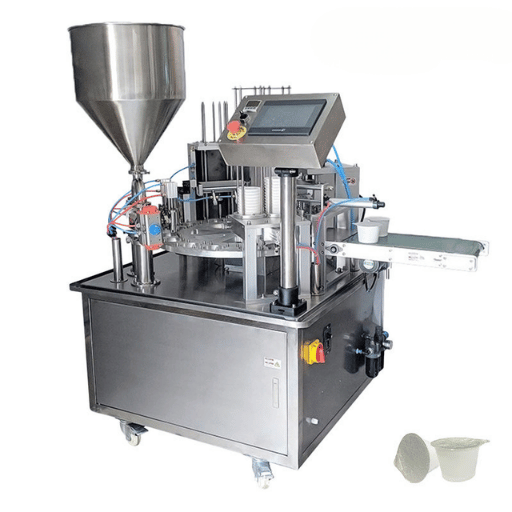
Podrobné seznámení se s procesem plnění a utěsňování kapslí vám pomůže rozhodnout, jak se sekvence stanic stroje shoduje se specifikacemi vašeho produktu. Zde je typické pořadí operací pro výrobní linku kompatibilní s dolce gusto:
1. Plnění kapsle
Prázdné kapsle jsou přiváděny do stroje násypkou nebo zásobníkem. Plně automatické stroje obsahují denester kapslí, který odděluje naskládané kelímky a ukládá je do desek formy. U poloautomatických jednotek může být vyžadováno ruční umístění.
2. Dávkování a plnění
Na stanici dvě plní dávkovací mechanismus každou kapsli na požadovanou úroveň buď specifickým množstvím kávového prášku (pro kapalné koncentráty) nebo definovaným objemem kapalného vývaru pomocí systému, jako je šneková plnička Přesné dávkování je klíčem k udržení kvality a účinnosti Standardní hmotnost náplně spadá mezi 8 g a 16 g pro kapsle dolce gusto.
3. Proplachování dusíkem
Ihned po podání dávky vytlačí dusíková tryska kyslík uvnitř kapsle, aby se zachovala kvalita kávy pro delší trvanlivost Toto proplachování kyslíkem trvá jen malý okamžik a opakuje se v každém kroku stanice.
4. Umístění víka a tepelné utěsnění
Předřezaná fólie nebo fóliové víko je vystředěno nad každou výše uvedenou upravenou kapslí a pomocí tlaku a tepla utěsňuje okraj. Standardní těsnicí fólie se skládá z třívrstvého laminátu: PET (12 μm) + hliník (8 μm) + PE (60 μm).Uzavřené víko by mělo vydržet testování na roztržení 15 psi °C, což je považováno za průmyslový standard pro kapsle kompatibilní s dolce gusto.
5. Kontrola kvality
Inline kontrolní váhy potvrzují, že každá kapsle je v rámci ideálních hmotnostních parametrů. Stanice pro kontrolu těsnění testují případné netěsnosti nebo nesprávně utěsněné kapsle. Všechny, které neprovedou řez, jsou automaticky vysunuty.
6. Výstup a sběr
Hotové kapsle jsou dodávány na dopravník, který se přesune na proces kartonování nebo balení. Pokud je vaše zařízení vysoce produktivní, může se před skladováním v maloobchodě hladce vložit přímo do jiného stroje na balení kapslí pro sekundární montáž balení.
Tip: Požádejte výrobce stroje o záznam kompletního cyklu plnění a těsnění, aniž by došlo k úpravě zvýraznění. Pozorování umístění víka a kontrolních stanic těsnění ukazuje, jak dobře vaše zvolené zařízení zvládá kosmetické anomálie, jako je vrásčitá fólie nebo nestředěné kapsle.
Jak vybrat správný plnicí stroj Dolce Gusto
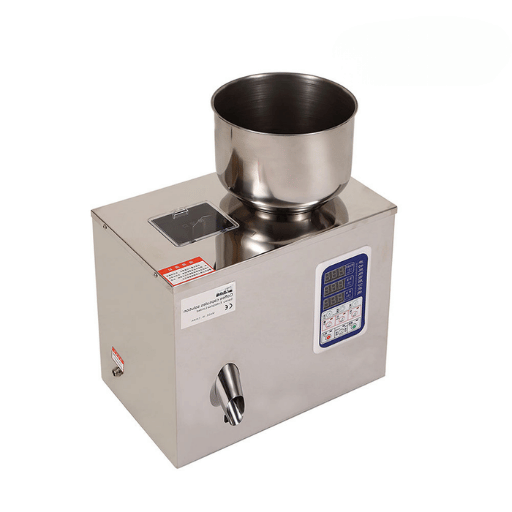
Při výběru jednoho stroje z tuctu modelů je nejlepším způsobem, jak určit “BUY, nebo Don’t Buy určitě, umístit každý na pětibodový kontrolní seznam kupujících a zaručit, že každý porovnáte se stejnými faktory.
Kontrolní seznam kupujícího 5 otázek, než se zavážete
Jaký je váš denní objemový cíl? Vypočítejte v kapslích za den, ne za minutu. Například 60 000 kapslí za den v jedné 8hodinové směně vyžaduje alespoň 105 CPM 0, což posouvá horní hranici lineárních strojů a vstupuje do rotačního území.
Kolik formátů kapslí spustíte? Pokud je jediným produktem kapsle dolce gusto, jednoformátový rotační stroj může snížit náklady na kapsli. Pokud plánujete vyrábět kapsle dolce gusto, K-Cups a nespresso, víceformátový lineární stroj s výměnnými formovacími deskami vám poslouží lépe.
Jaké jsou vaše celkové dostupné dolary? Sečtením kupní ceny zařízení, instalace/uvedení do provozu (3-5%), školení operátorů a prvních 12 měsíců náhradních dílů získáte průběžný start. Proč podepisovat smlouvy, dokud si nebudete jisti, že jsou všechna tři čísla přesně uvedena?
Jsou vaše utility připraveny? Středně velká výrobní linka stopa zhruba 8 m x 15 m vyžaduje 3-fázové napájení (380 V), stlačený vzduch (0,6 MPa), a přívod dusíku Potvrďte svou tovární infrastrukturu před zadáním objednávky.
Jaké jsou vaše plány růstu na další tři roky? Pokud plánujete zdvojnásobit objem, poroste s vámi zmenšený rotační stroj (paralelní pruhy) nebo vyšší rychlost (lineární). Nekupujte stroj a o 18 měsíců později zjistěte, že jste si měli koupit větší kapacitu…
Tip: Požádejte o test před skutečným nákupem, protože na vlastnostech vašeho produktu záleží! Vlhkost, velikost mletí a hustota ovlivňují, jak se dávka usadí v konkrétním typu stroje (množství náplně) a konkrétním modelu (různá měřicí zařízení).Co nejlépe odděluje od průměrného ve stroji, je, zda může vaše gravitace výstřelu naplnit určitého Guinnesse nebo ne? Hrubší mletí, sušička a hrubší velikost částic obvykle ‘rozbijí dávku Chcete stroj, který bude s vašimi fazolemi takto zacházet?
Ještě jeden detail, na kterém záleží při porovnávání obalových řešení: vzdálenost od servisu a podpory. Pokud je váš stroj postaven v zámoří, zeptejte se, jak rychle dostanete odpověď, jak diagnostikují vzdálené stroje, vozí náhradní díly lokálně.. atd. Stroj s mírně nižší specifikací s lokálně dostupnými lokálně dostupnými lokálními díly, které jsou dodávány přes noc a 48hodinová doba odezvy může překonat stroj s extrémně vysokou specifikací, jehož náhradní díly dorazí čtyři týdny.
Pro značky zkoumající obalová řešení napříč formáty má AFPAK a podrobný průvodce kupujícího pro balení kávových kapslí. Když jste připraveni porovnat konkrétní modely Dolce Gusto, prozkoumejte plnicí stroje AFPAK Dolce Gusto pro datové listy a cenové pokyny.
Údržba, záruka a celkové náklady na vlastnictví
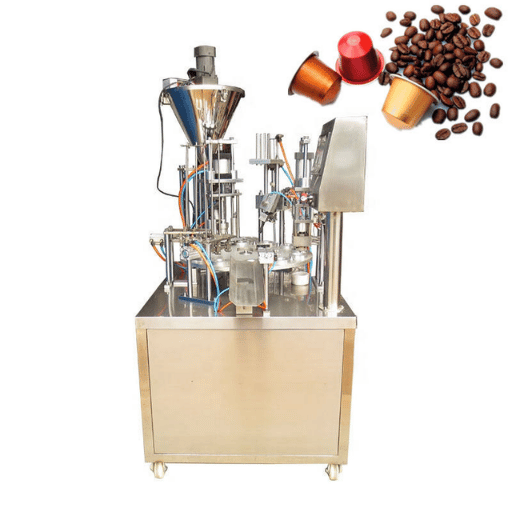
Cena nálepky plnicího stroje Dolce Gusto představuje zhruba 601 TP3 T z toho, co strávíte během pěti let Instalace a uvedení do provozu přidávají asi 51 TP3 T a roční údržba běží přibližně 101 TP3 T z kupní ceny každý rok Ignorování těchto následných nákladů vede k rozpočtovým překvapením, která mohou vykolejit jinak zdravou investici do balení kávy.
Tady je praktický plán údržby strojů na balení kapslí že většina výrobců doporučuje:
Každý den: Čistý šnekový šroub utěsnící plochy zkontrolujte mechanismus podávání kapslí
Týdně: Kontrola kalibrace hmotnosti dávky pneumatické měření tlaku mazání pohyblivých částí
Měsíčně: Kontrolujte a vyměňte těsnicí válečky a těsnění, proplachujte dopravní pásy kontrolujte průtok dusíku.
Ročně: Úplná mechanická přestavba a recertifikace kontrolních vah aktualizují řídicí software PLC
Skryté náklady varování: Dodací lhůta na jakýchkoli náhradních dílů od zahraničních dodavatelů může být až 4-6 týdnů přes loď. Udržujte zásoby kritických vysoce opotřebovaných dílů na polici 4-set válečky, šneky, fotoelektrické senzorové moduly, aby se zabránilo nákladné době nečinnosti závodu.
Průmyslové zdroje naznačují, že plně automatické plnicí zařízení kapslí přinese návratnost za 8-12 měsíců při 701 TP3T+využití v továrně běžící na 3 směny, vzhledem k nákladově efektivním surovinám. Nižší provozní doba závodu znamená pomalejší amortizaci, ale také větší opotřebení pohyblivých částí „předpokládejte, že vaše roční výdaje na údržbu se v tomto scénáři zvýší o 30-401 TP3T.
Pro dlouhodobou životnost sledujte značku OEM servomotorů, PLC ovladačů a pneumatických válců. plně automatické stroje na plnění kapslí s díly Siemens, Festo nebo SMC nabízejí lepší odolnost a méně zpoždění při nákupu, když je továrna daleko. od výrobce strojů.
Často kladené otázky
Kolik kapslí Dolce Gusto může plnicí stroj naplnit za hodinu?
Zobrazit odpověď
Výstup je závislý na typu Například lineární operace s jedním jízdním pruhem naplní 2 400-4 800 kapslí/hodinu (40-80 jízd/minutu).4 jízdní pruhy lineární až do 12 000 a rotační 12 000-36 000++/GD za hodinu při 200-600 jízd/minutu.
Je plnicí stroj kompatibilní s Dolce Gusto ziskový?
Zobrazit odpověď
Ano, při správné kalibraci pro vaše trhy. Náklady na kapsli pro plně automatický je kolem $0.03-$0.06, zatímco kompatibilní kapsle za regálové ceny se obvykle prodávají mezi $0.25 a $0.50 za jednotku. S průmyslovými benchmarky přesahujícími využití 70%, dejte návratnost za 8-12 měsíců. To vše se sníží na náklady na suroviny, značku a distribuční náklady, protože to je to, co vám vydělává peníze po stroji.
Co stojí odeslání plnicího stroje Dolce Gusto z Číny?
Zobrazit odpověď
Námořní přeprava za stroj na plnění kapslí obecně stojí mezi 1 TP4T2 000 a 1 TP4T5 000, v závislosti na velikosti stroje a místě určení. Zásilky rotační linky často jezdí 1 TP4T4 000-$8 000 za plnou bednu Přidejte do celkových nákladů na vykládku cla, vnitrozemskou nákladní dopravu a lanoví.
Jaké dovednosti potřebuji k obsluze plnicího stroje Dolce Gusto?
Zobrazit odpověď
V průměru plně automatické modely vyžadují jeden vyškolený operátor pro denní výkon a jeden servisní technik pro údržbu/kalibraci každý týden. Očekávejte 3-4 dny času na podlaze závodu pro školení o spouštění stroje, optimalizaci dávky a nastavení parametrů těsnění. Na to není v technickém oddělení potřeba nic zvláštního.
Jak zjistím, zda je výrobce plnicího stroje Dolce Gusto spolehlivý?
Zobrazit odpověď
Ověřte tři základní kritéria: provozní historii poskytovatelů (více než 10 let na zařízení kapslí prokazuje důvěryhodnost), důvěryhodné reference (zavolejte skutečným kupujícím) a certifikace (CE, ISO 9001 nebo HACCP/ISO/GMP/FDA).Trvejte na prohlídce výrobní linky továrny nebo prohlížení živého vysílání prostředí sestavení. Jakýkoli poskytovatel kvality dodává podrobný plán instalace, seznam dílů s katalogovými čísly a náklady a dokument o garantované záruce, než si vezmete peníze. Překvapen, pokud nezískáte reference pro jiné severoamerické kupující.
Mohu získat záruku s plnicím strojem kompatibilním s Dolce Gusto?
Zobrazit odpověď
Ano. Většina poskytovatelů kvality nabízí minimálně 12měsíční záruční rozsah pokrývající mechaniku a elektroniku stroje. Za příplatek lze sjednat delší záruky v délce až 24 měsíců.
O této analýze
Tuto příručku vydává AFPAK (afpakmachine.com), výrobce kapslí se sídlem v Šanghaji s více než 14 lety zkušeností s vývojem a instalací strojů na plnění a uzavírání kávových kapslí. Protože vyrábíme zde diskutované zařízení, měli by čtenáři odpovídajícím způsobem zvážit náš pohled. Specifikace produktů, cenové rozpětí a průmyslová měřítka citovaná v tomto článku pocházejí z veřejných dat a našich vlastních výrobních záznamů k datu zveřejnění.
Reference a zdroje
- Lipidové a těkavé složky kávových lusků a kapslí balené v alternativní vícevrstvé fólii 1. PMC /Národní zdravotní ústav
- Kontrolní seznam GMP V1 před ministerstvem zemědělství USA
- Zásady HACCP a GMP pro zpracovatele potravin ez eHACCP.org
- Standardy balení potravin ět NSF International
- Dolce Gusto ít Wikipedie


