
Mesin penyegel cangkir K yang salah adalah kesalahan $50,000 yang dilakukan kebanyakan roaster hanya sekali. Ini jauh lebih jarang mesin itu sendiri! Beberapa kegagalan segel dihasilkan dari peralatan jelek-sekitar 70% dari mereka disebabkan oleh $12,000 yang tidak dikalibrasi dengan benar bukan $12,000 yang murah.
— K Piala Sealing Machine — Referensi Cepat
| Parameter | Rentang Khas |
|---|---|
| Kecepatan Produksi | 15 ج600 CPM (cangkir per menit, tergantung model) |
| Akurasi Pengisian | ±0,1 g (servo auger) hingga ±0,3 g (volumetrik) |
| Suhu Sealing | 160͕200°C (aluminium foil); 120͕145°C (PLA kompos) |
| Oksigen Residu (N2 flush) | <1% |
| Waktu Pergantian | 15 ج 30 menit (ukuran cangkir /tipe foil) |
| Kompatibilitas Foil | Aluminium / PE-dilapisi film / PLA Kompos |
| Power Supply | 110V / 220V (50 atau 60 Hz) |
Apa Itu Mesin Penyegel K Cup dan Bagaimana Cara Kerjanya?
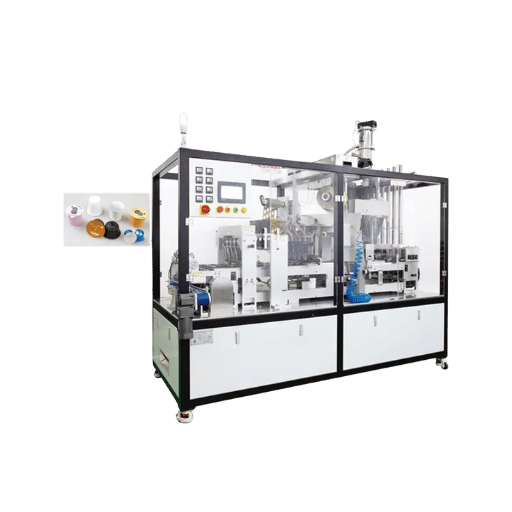
Mesin penyegel cangkir K adalah mesin semi/otomatis yang menempatkan dan menyegel tutup foil die cut untuk cangkir K yang diisi menggunakan panas dan tekanan rol memastikan segel kedap udara untuk menjaga aroma & mencegah kontak oksigen. Untuk mesin otomatis, pengisian & penyegelan dilakukan dalam operasi terus-menerus- mesin secara otomatis menempatkan cangkir, dosis kopi, menyiram nitrogen melalui cangkir & mengikat foil ke tab cangkir.
Proses inti memiliki empat tahap:
- Pemuatan cangkir. Kosongkan K cangkir جم dengan filter mesh sudah terpasang جم dijatuhkan ke stasiun cetakan diindeks. Mesin manual dan semi-otomatis mengharuskan operator untuk memuat cangkir satu per satu.Mesin otomatis putar dan inline memiliki hopper overhead dengan roda cangkir-jatuhkan yang memberi makan pelat cetakan terus menerus.
- Pengisian kopi. Pengisi auger servodriven memberikan dosis terkontrol dari kopi bubuk (biasanya 9-12 g per cangkir). Mesin spesifikasi yang lebih tinggi termasuk stasiun tamping yang sedikit menekan tempat tidur kopi, mengurangi ruang kepala dan meningkatkan kontak foil di rim.Inline menimbang —in yang cangkir ditolak dialihkan sebelum penyegelan —is dimasukkan ke dalam beberapa model.
- Pembilasan nitrogen. Pada mesin yang dilengkapi, nitrogen inert mendorong oksigen keluar dari ruang kepala cangkir sesaat sebelum penyegelan. Tentukan target oksigen sisa dan verifikasi di bawah kondisi produksi yang disepakati. Umur simpan tergantung pada kopi, penghalang paket, integritas segel dan kondisi penyimpanan dan harus divalidasi untuk produk jadi. Konfirmasikan dalam kutipan apakah pembilasan nitrogen termasuk atau opsional; harga saja tidak menetapkan konfigurasi.
- Penyegelan panas. Sebuah mati dipanaskan menekan tutup foil pra-potong di tepi miring 160-200 C terhadap tepi cangkir, total 0,8-1,0 detik dwell time. Pemanasan memulai lapisan ikatan tutup; tekanan dipertahankan pada 1,7 bar-7,4 bar untuk kontak tepi penuh optimal dari tutup ke segel cup.The ketika benar mengatur menahan uji jatuh 3meter dan penyimpanan ambient 12 bulan.
— CATATAN TEKNIK — DWELL TIME VS. TEMPERATUR
Pada 175 C, diam selama hanya 0,6 detik memberikan segel marjinal. Tinggal yang sama diadakan selama 1,0 detik memberikan segel lebih kuat dari kekuatan tarik rim cangkir. Ketika melakukan kalibrasi segel, jika segel lemah ditemukan, meningkatkan waktu tinggal sebelum menyentuh waktu ¡tu mayoritas PLC controller memiliki resolusi 0,1 detik.
Suhu adalah spesifikasi utama, waktu tinggal adalah tempat segel sebenarnya dibuat.
Untuk melihat secara lengkap lini produksi kapsul penuh — penanganan cangkir, dosis, dan kemasan hilir — lihat kami panduan mesin pengisian kapsul kopi lengkap.
Apa Perbedaan Antara Mesin Pengisi K Cup dan Mesin Sealing?
Pengisi kopi volumetrik mengukur dan menyimpan biji yang telah ditimbang sebelumnya ke dalam cangkir kosong. Sealer memadukan bagian atas foil. Dalam operasi komersial, mereka adalah mesin yang satu dan sama — maka terminologi yang dapat dipertukarkan yang digunakan oleh produsen. Sealer cangkir yang dikemas hanyalah fungsi yang —one, foil-gluing. Itu harus diberi makan cangkir yang tidak terisi. Jika Anda melihat harga vendor untuk mesin pengisian dan penyegelan cangkir K Anda, peralatan formasi inklusif digambarkan sebagai satu mesin terintegrasi.
Jenis Mesin Penyegel K Cup: Manual, Semi-Otomatis, dan Sepenuhnya Otomatis
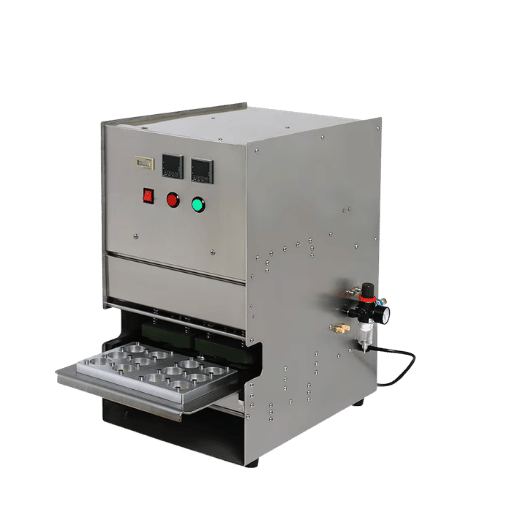
Faktor penentu dalam pemilihan mesin adalah kapasitas produksi — cangkir per hari. Pengeluaran berlebihan pada kapasitas yang tidak akan Anda gunakan, atau berjalan dengan baik di atas 100% terlalu lama dan menyebabkan kegagalan mesin prematur keduanya bisa menjadi kesalahan yang mahal.
| Type | Keluaran | Rentang Harga | Terbaik Untuk |
|---|---|---|---|
| Sealer cangkir manual | 30͕60 cangkir/jam | $200φ$2,000 | Café-skala sampling, gifting, pengujian produk |
| Semi-otomatis tabletop | 500Σ2.000 cangkir/hari | $5,000͕$15,000 | Pemanggang mikro, startup berlangganan DTC |
| Rotary otomatis (entry ̂mid) | 40͕120 BPS | $15,000͕$100,000 | Roaster جَالشركة فَلَّ فَالْلَّ فَقَّ فَقَّ فَقَّ فَقَّ فَقَالْلَّ فَقَّ فَلَّ فَالَّ فَایل فَلَایل فَلَّ فَاهُ و حَالْلَّ فَاهُ عَلْلْلَّ فَلَّ فَلَّ فَالَّ فَلْلَّ فَلَّ فَلَّ فَلَالََََََََََََََََََّّّّّّّّّّّّّّّّّّْلََّّْلَّْلَّْلََّّْلَّْلَّْوَّنَّنَّْوََّّْفَ فَلَلَالََََََّّّّّّْلَّْوَّْلََّّْلَ فَّْ |
| Rotary berkecepatan tinggi / segaris | 200͕600 BPS | $100,000͕$500,000+ | Co-packer industri, merek nasional |
High-end rotary versus format inline. Untuk menjalankan produksi terbesar, mesin rotary memiliki pelat pengindeksan melingkar dengan dua belas stasiun cetakan —kecil, stabil secara mekanis, dan ideal untuk output SKU tunggal. Untuk beralih format, dua belas pelat cetakan yang sesuai ditukar, pekerjaan yang memakan waktu 15-25 menit. Mesin inline (atau “linear”) memiliki konveyor yang berjalan dalam garis lurus, dan mereka akan memiliki lebih dari 44 pelat cetakan per format —membutuhkan bodi mesin yang lebih berat dan lebih panjang dengan stasiun tambahan untuk injeksi rasa, penimbangan sekunder, atau pola penyegelan multi-langkah. Untuk roaster mengisi satu atau dua SKU cangkir K pada volume yang konsisten, rotary umumnya membutuhkan lebih sedikit perawatan; untuk co-packer yang melompat di antara format pod yang berbeda setiap hari, inline dapat memiliki manfaat yang sepadan dengan tenaga pergantian ekstra.
Bandingkan spesifikasi pada halaman Mesin pengisian dan penyegelan cangkir K kami, di mana kami merinci model putar dan inline di seluruh rentang keluaran.
CONTOH DUNIA NYATA
Pemanggang yang membandingkan co-packing pihak ketiga dengan jalur pengisian dan penyegelan internal harus menghitung pengembalian menggunakan peralatan dan biaya operasi yang dikonfirmasi, output bulanan yang dapat dijual, biaya pengepakan bersama, dan margin yang diharapkan. Periode pengembalian generik tidak dapat menetapkan pengembalian untuk bisnis tertentu. Pembilasan nitrogen dan klaim umur simpan memerlukan validasi produk jadi dan tidak boleh diasumsikan menjamin jendela penjualan ritel.
5 Fitur Utama yang Memisahkan Sealer K Cup Berkualitas Tinggi Dari Mesin Anggaran
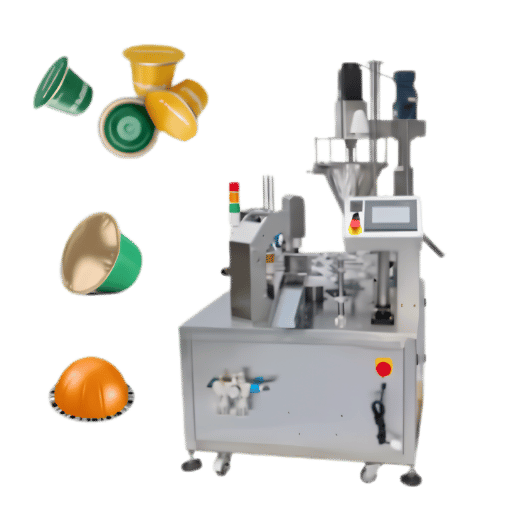
Pembilasan nitrogen dapat dimasukkan sebagai peralatan standar atau ditawarkan sebagai tambahan opsional. Nozzle pembilasan saja tidak menetapkan tingkat oksigen sisa dalam cangkir yang disegel. Sebelum mengeluarkan Pesanan Pembelian, pastikan untuk mengkonfirmasi lima angka ini SECARA TERTULIS:
- Pengisi auger yang digerakkan oleh servo — akurasi pengisian ± 0,1 g
Dosis cangkir volumetrik (mesin yang jauh lebih tidak canggih) memiliki akurasi hingga 0,3-0,5 gram, dan melayang karena ukuran partikel penggilingan bervariasi. Auger yang digerakkan oleh servo akan bertahan dalam 0,1 gram, tidak peduli ukuran partikel kopi. Sadarilah: pada panggang gelap yang tinggi kandungan minyaknya, konsistensi dosis hanya begitu andal selama operator mesin Anda mengurangi separuh unit “kecepatan” dari maksimum. Anda dapat dilayani dengan baik beroperasi pada 30-35 CPM, bukan nilai maksimum. - Pembilasan nitrogen dengan sisa O2 yang terdokumentasi <1%
Minta vendor untuk hasil uji oksigen sisa aktual — bukan klaim lembar spesifikasi. Kesenjangan antara <1% O2 (terverifikasi) dan “sistem siram nitrogen termasuk” diterjemahkan langsung ke umur simpan: 14 bulan vs. 5 bulan dalam praktik. Untuk melihat lebih dalam bagaimana pembilasan nitrogen mempengaruhi kimia kapsul, lihat panduan kami di memperpanjang umur simpan kapsul kopi. - Suhu yang dapat disesuaikan + tekanan — 160 –200 °C dan 0,3 – 0,8 MPa
Pembuatan-temp-tetap memaksa Anda menjadi hanya satu jenis foil. Banyak sistem dengan profil-up yang dapat disesuaikan untuk menjalankan aluminium foil pada 175C dan beralih ke PLA kompos pada 130C tanpa perubahan perangkat keras. Dengan kompos sekarang terhitung 11 ¡15% dari pasar pada awal 2026 ¡ddan meningkatkan ¡fleksibilitas ini semakin menjadi persyaratan produksi dan kurang fitur premium. - Waktu pergantian ≤30 menit (ukuran cangkir /jenis foil)
Untuk mesin rotary pergantian format cangkir adalah mengganti 12 pelat cetakan ج dapat dilakukan dalam 15-25min dengan operator berpengalaman. Pada mesin linier proses yang sama melibatkan 44 + piring dan akan sering mengambil 30-60mins. Waktu pergantian langsung terkait dengan Kapasitas Harian yang efektif, ketika menjalankan beberapa SKU.Selalu periksa jumlah piring yang sebenarnya sebelum membeli, bukan hanya waktu pergantian judul dalam pesan pemasaran.
- Kontrol PLC + HMI layar sentuh dengan penolakan otomatis
Mesin berbiaya lebih rendah melibatkan pengatur waktu mekanis sederhana, penyesuaian parameter individu, dan entri manual resep produksi mesin. Mesin penyegel cangkir K industri bersertifikat dilengkapi dengan pengontrol PLC yang mencatat resep produksi, jumlah item yang ditolak berdasarkan jenis kegagalan, dan protes penimbangan inline menolak ketika berat pengisian aktual melebihi toleransi. Antarmuka HMI layar sentuh tidak hanya mengurangi pelatihan manusia, tetapi menghindari modifikasi mesin tidak terdokumentasi yang umum untuk peralatan kelas generik yang digunakan untuk menghasilkan beberapa resep tidak seragam.Semua komponen makanan-kontak — auger filler, cetakan cangkir, penyegelan mati — harus stainless steel food-grade; memverifikasi ini didokumentasikan dalam sertifikat kepatuhan mesin sebelum penerimaan pabrik.
ATURAN 70%
Dari tanggapan layanan lapangan, sekitar 70% dari kegagalan segel cangkir K disebabkan oleh kalibrasi suhu yang salah, bukan kegagalan mekanis, bukan kualitas foil, bukan toleransi pada dimensi cangkir. Pesan di sini: mesin $12,000 yang dikalibrasi dengan benar akan menjadi yang terbaik setiap $40,000 yang gagal dengan profil panas yang salah. Fitur 5 ͕فالهیم فاهیم dengan penolakan inline —adalah untuk mencegah gangguan kalibrasi menjadi penarikan kembali.
PRO TIP: JENDELA DEGASSING
Kopi panggang segar off-gasses CO selama 24-72 jam setelah panggang. K cangkir diisi jam setelah panggang dapat mengembangkan tekanan gas yang cukup untuk mendorong tanah ke dalam dan ke tepi cangkir yang mengarah ke kontaminasi zona segel sebelum foil bahkan di atasnya. Jangan pernah menjalankan batch dalam waktu kurang dari 24-48 jam degassing ¡ni hanya tentang satu titik kegagalan yang paling umum bahwa operator mesin baru kesalahan untuk masalah bagian ketika itu sebenarnya batch ketidakcocokan.
Apa Akurasi Pengisian Yang Harus Saya Harapkan Dari Mesin Penyegel K Cup?
Pada pengisi auger servo 0,1 g per cangkir untuk kondisi operasi yang stabil. Pada dosis cangkir volumetrik 0,3-0,5 g, penyimpangan meningkat seperti ukuran partikel grind. Untuk cangkir K ritel untuk 10 g mengisi, itu adalah kesalahan 0,5% vs. kesalahan 5% ¡ ¡ ¡ · · · · · · · · · · · · · · · · · · · · · · · · · · · · · · · · · · · · · · · · · · · · · · · · · · · · · · · · · · · · · · · · · · · · · · · · · · · 10,00 + cangkir/bulan.
Bersikeras pada laporan uji penerimaan pabrik (FAT) yang menunjukkan berat isi melalui lari 500 cangkir sebelum menerima pengiriman mesin.
Kompatibilitas Tutup Foil: Aluminium, Film PE, dan Opsi Kompos
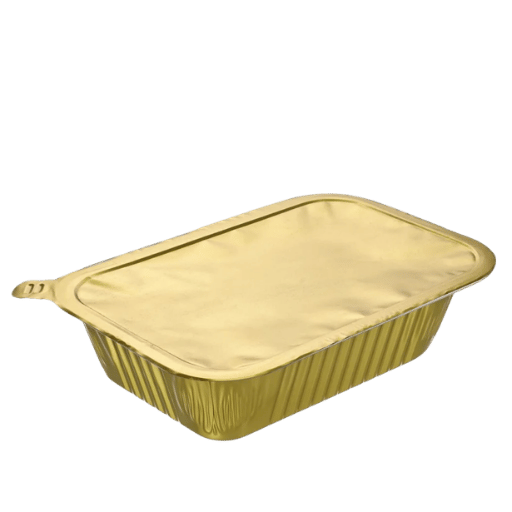
Aluminium foil masih menjadi standar industri untuk penyegelan cangkir K karena satu alasan: laju transmisi oksigen mendekati nol, itulah sebabnya mengapa cangkir K aluminium-disegel yang dibilas nitrogen dapat diandalkan menahan umur simpan 12-18 bulan. Aluminium tidak lagi menjadi satu-satunya pilihan bahan tutup, namun, dan celahnya menyempit lebih cepat daripada yang disadari sebagian besar pembeli mesin.
| Jenis Tutup | Segel Temp | Shelf Life | Keberlanjutan | Catatan Kunci |
|---|---|---|---|---|
| Aluminium foil | 160͕180°C | 12ج18 bulan | Dapat didaur ulang (terpisah) | Standar industri; penghalang oksigen terbaik |
| Kertas PE-coated | 140͕160°C | 6ج9 bulan | Sebagian | Penghalang oksigen yang lebih rendah; umur simpan lebih pendek |
| Pla Kompos | 120͕145°C | 3φ6 bulan | BPI certified (ASTM D6400) | Membutuhkan rentang temp yang lebih rendah; mesin harus mendukung |
Setiap produsen mesin akan memberi tahu Anda hal ini di muka. Pertama: tutup PLA yang dapat dibuat kompos secara komersial membutuhkan panas 30-40C lebih sedikit (suhu operasi lebih rendah) untuk menyegel daripada aluminium. Jika profil penyegelan pendapatan foil Anda diatur untuk pelat panas 180C, tutup PLA akan terbakar atau ikatan tidak akan berkembang 錦 pastikan rentang temp berjalan di bawah 145C sebelum berkomitmen untuk jumlah palet stok tutup yang dapat dibuat kompos. Kedua: “compostable” bukan sertifikasi selimut lulus/gagal. Kompos standar BPI (ASTM D6400) dalam pemrosesan komersial rata-rata temp 58C selama 90 hari. Home processable tidak memiliki tingkat panas atau waktu yang sama, verifikasi standar Anda sebelum menggembar-gemborkan kemasan berkelanjutan pada label produk baru.
Untuk perbandingan format pod K-cup, Nespresso, dan Dolce Gusto serta persyaratan pengemasannya masing-masing, lihat kami panduan perbandingan format kapsul.
CONTOH DUNIA NYATA
Sebuah co-packer dialihkan ke beban penuh tutup PLA kompos pada profil penyegelan aluminium 170C sebelum tutup berubah rapuh dan mulai membuka segel. Selama proses pemecahan masalah, retrofit diperbaiki dengan mengurangi suhu penyegelan ke 130C, tekanan benturan kembali 0,15 MPa. Akuisisi bagian tidak diperlukan setelah vendor foil memverifikasi data kalibrasi termal, dan 15 menit di Log Data Mesin/PLC.
Harga Mesin Penyegel K Cup: Apa yang Harus Dianggarkan di Setiap Skala Produksi
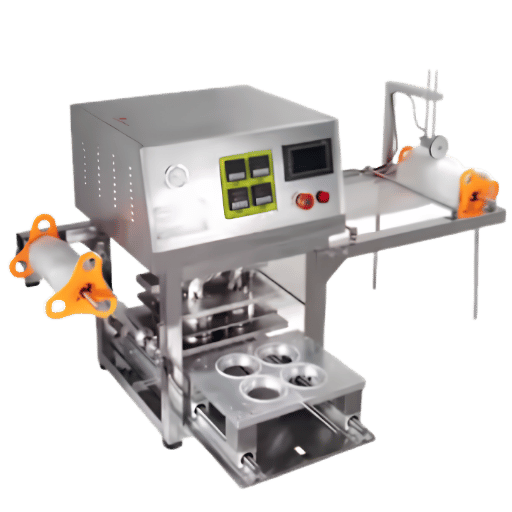
Harga untuk mesin penyegel cangkir K berkorelasi kuat dengan hasil produksi. Pada akhirnya, tingkat juga dapat mencerminkan penempatan relatif peralatan di jalur produksi keseluruhan, kecanggihan mekaniknya, dan umur total produk جم ميناء ميناء ميناء ميناء ميناء ميناء ميناء ميناء ميناء ميناء ميناء ميناء ميناء ميناء ميناء ميناء ميناء مينالالالالاناء مينالالالالاء ميناء مينالاء مينالالالالالاء مينالالالالالالالالالالالالالالالالالالالالالالالالالالالالالالالالالالالالالالعرالالالالعربي.
| Anggaran | Jenis Mesin | Keluaran | Terbaik Untuk |
|---|---|---|---|
| $200φ$2,000 | Sealer cangkir manual | 30͕60 cangkir/jam | Pengambilan sampel, pemberian hadiah, produksi skala kafe |
| $5,000͕$15,000 | Semi-otomatis tabletop | 500Σ2.000 cangkir/hari | Pemanggang mikro, startup berlangganan DTC |
| $15,000͕$100,000 | Rotary otomatis | 40͕120 BPS | Roaster جَالشركة فَالشركة فَلْتَالفَّنَّنَّ فَالْتَالْتَقَالْتَقَالْلْتَقَالْلَّنَّ فَقَّْلَّْلَّْلَّْلْتَّنَّوَالْلْتَّهُ فَاهُ فَاهُ فَایلْلْتَّفَّهُ فَایلْلْلْتَّْفَّْفَ فَفَایهُ فَایلََََّّّّْلَّْلَّْلَّْلَّْلَّْلَّْلَّْفَّْفَّْفَّْلَّْفَّْفَّْفَّْفَّنَّْفَّْفَ فَّْفََّّنَّنَ فَّْفَُّفَ فَ فَّْفَّmid |
| $100,000͕$500,000+ | Rotary industri / segaris | 200͕600 BPS | Co-packer industri, merek nasional |
Biaya bukanlah faktor penentu. Total biaya kepemilikan selama lima tahun di masing-masing beberapa tingkatan peralatan nama merek dapat dipecah sebagai: pembelian awal mesin (30-45% dari total 5 tahun), bahan foil pada $0.015-0.08 per pod dikalikan dengan volume lari tahunan yang diharapkan, pemeliharaan pada $500$2,000/tahun pada mesin standar, listrik rata-rata 1,5-4,5kW, dan waktu yang dihabiskan operator untuk menonton peralatan. Pada akhirnya, mesin bisa menjadi biaya terkecil.
Untuk pemanggang kecil yang mengevaluasi investasi cangkir K secara khusus, lihat panduan kami di Strategi pengemasan cangkir K untuk merek kecil. Untuk spesifikasi dan konfigurasi model AFPAK saat ini, lihat AFPAK K cup machine models.
TIP: TOTAL BIAYA KEPEMILIKAN
Minta perkiraan TCO selama lima tahun dari setiap calon vendor. Ini harus mencakup biaya kit dalam rantai pasokan sumber foil, suku cadang dari pabrik, dan cakupan layanan lokal. Lead time 6-9 bulan pada suku cadang dapat meningkatkan biaya pemeliharaan aktual yang terjadi dengan biaya kerugian OEE. Penghematan satu kali antara dua pilihan peralatan biasanya gagal terwujud ketika Anda melihat pengeluaran keseluruhan.
Masalah Mesin Penyegel K Cup: 3 Kegagalan Segel Umum dan Cara Memperbaikinya
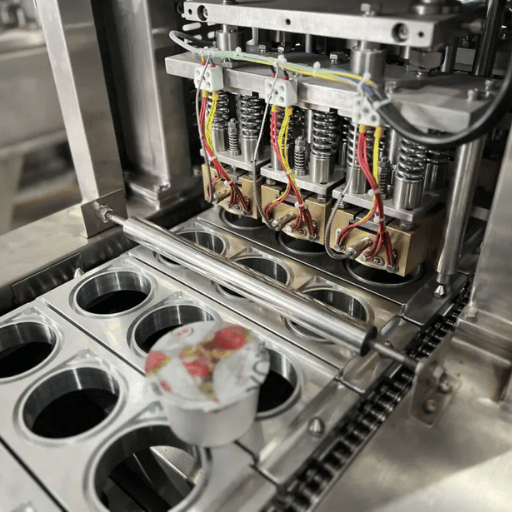
Sebagian besar kegagalan segel cangkir K diselesaikan dalam waktu kurang dari satu jam mesin sedang offline. Jika kegagalan berlanjut di luar jangka waktu itu, penyebabnya hampir selalu salah didiagnosis. Salahkan mesin untuk masalah material atau kalibrasi yang sebenarnya dimilikinya. Ganti komponen Anda satu per satu, mulai dari suhu dan bekerja turun.
Mengapa Mesin K Cup Sealing Saya Meninggalkan Celah atau Bocor?
Tiga alasan kegagalan segel utama: mengatur panas di bawah jendela ikatan foil, butiran ikatan statis atau jenis bubuk, minyak atau partikel kopi yang sakit mencemari pelek. Bekerja melalui tiga area masalah itu sebelum mengasumsikan mesin secara mekanis kaput.
MASALAH 1: Segel tidak lengkap, foil naik di sudut atau tepi;
Penyebab: Suhu penyegelan terlalu rendah relatif terhadap suhu aktivasi ikatan untuk foil, atau waktu tinggal di bawah 0,8s. Mode kegagalan tunggal yang paling umum dan sering salah menyalahkan baik kualitas foil atau kesalahan mesin.
Perbaiki: Naikkan T dengan kenaikan 5C (Jalankan 5 cangkir pada setiap langkah). Konfirmasikan waktu tinggal telah diatur ke 0,8 s dengan menggunakan PLC. Jangan menaikkan tekanan sebagai respons langsung (lebih banyak tekanan sangat sedikit untuk defisit termal dan bahkan lebih untuk risiko kerutan pada segel yang sudah mendekati batas).
MASALAH 2: Segel tanda keriput/kusut φ foil di pelek dilipat
Penyebab: tekanan segel berlebihan, kontaminasi cup rim atau degassing oleh CO kopi yang baru dipanggang. Kopi dipanggang di bawah 24 jam, menunjukkan degassing aktif φ mengosongkan kopi ke dalam kemasan hangat yang baru dipanggang dapat mendorong tanah ke tepi cangkir yang membungkus foil bersih, mencegah kontak yang kuat. Skenario pendamping: listrik statis yang timbul dari kelembaban rendah atau pemrosesan cepat dari panggang gelap minyak tinggi menyebabkan partikel kopi kecil tertarik secara elektrostatik ke pelek cangkir φ mencegah kontak.
Mencegah: 24-48hr waktu degassing pasca-panggang sebelum produksi berjalan. Tekanan segel yang lebih rendah 0.05MPa langkah. Sasis mesin dibumikan untuk potensi statis, karena masalah statis mungkin ada dengan jenis panggang lainnya.
Jika statis tetap ada di banyak sampel kopi, tambahkan batang udara pengion di atas stasiun pengisian.
MASALAH 3: Segel yang tidak konsisten di seluruh batch produksi
Penyebab: Melayang dalam kalibrasi termokopel. Penyegelan mati pergi dari ambient ke 175 C berkali-kali dalam satu jam. Selama berbulan-bulan operasi, termokopel offset membangun Σ (mesin) HMI membaca 175 C, tetapi mati sebenarnya 160 C atau 190 C.
Set Point: Verifikasi termokopel sekali dalam seperempat dengan membandingkannya dengan termometer kontak. Suhu permukaan die yang sebenarnya akan dibandingkan dengan pembacaan pada HMI selama start dingin, kondisi stabil, dan setelah berjalan selama dua jam berturut-turut. Setiap termokopel akan diganti pada interval yang dijadwalkan sebagai bagian dari program pemeliharaan preventif daripada setelah kegagalan.
CONTOH DUNIA NYATA
Pemanggang Midwest lainnya, memproses 60.000 cangkir per bulan, mengembangkan integritas segel intermiten selama enam bulan. Awalnya, tingkat penolakan adalah 1-2%. Setelah enam bulan, meningkat menjadi 8%.
Masalahnya disebabkan oleh kegagalan kepala penyegel tembaga dengan titik rendah 0,3 mm. Titik rendah menghasilkan celah mikro pada posisi yang sama pada setiap putaran pelek cangkir. Harga untuk mengganti bagian ini adalah $180 ditambah biaya satu jam downtime mesin.
Kegagalan untuk mendiagnosis masalah ini dengan benar mengakibatkan beberapa modifikasi suhu dan tekanan selama enam bulan, tambahan tenaga kerja pengerjaan ulang, dan tiga keluhan pelanggan.
Tren Pasar Kemasan K Cup: Apa yang Berubah di 2025 –2028
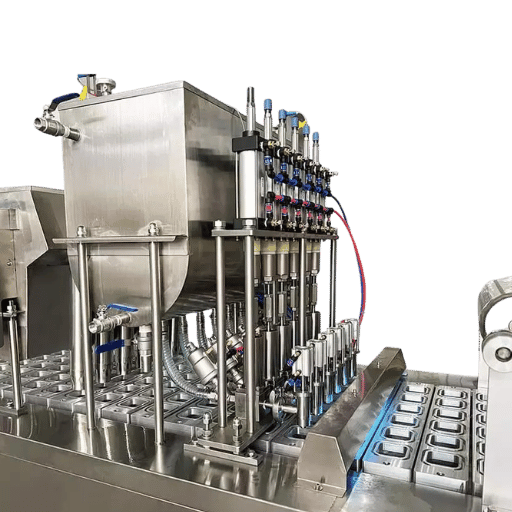
– SNAPSHOT PASAR — 2025φ2028
- Pasar polong kopi AS: $5.26B (2024) → $7.62B (2030), CAGR 6.2%
- Pod kompos: 11-15% dari campuran produk (awal 2026), tumbuh pada 6,7-10,5% tingkat pertumbuhan tahunan gabungan
- Label pribadi single-serve: ~18% pangsa pasar; 32% dari produsen label-pribadi memperluas ke format ini
- Kemasan aluminium: CAGR 6.82 % hingga 2031 subdivisi bahan tutup yang tumbuh paling cepat
Kompos adalah mainstream, bukan niche. Pada awal 2026, dengan pangsa pasar 11-15%, kompatibilitas cangkir K kompos telah menjadi standar bukan fitur premium. Penegakan Petunjuk Plastik Sekali Pakai UE dan peningkatan peraturan regional AS tentang pod yang tidak dapat didaur ulang mempercepat perubahan. Penjualan kembali mesin tanpa profil temp fleksibel ¡t ¡p specifically tanpa ikatan segel di bawah 145C ̂m点 menjadi lebih sulit di pasar 2ndhand. Ingatlah hal ini saat memilih mesin jika Anda berencana untuk meningkatkan skala di luar 2027.
Label pribadi adalah tempat volume. Dengan private-label yang mewakili sekitar 18% pangsa pasar single-serve dan sepertiga pemain private-label yang berkembang ke dalam format, konstituen pembelian utama Anda lebih kecil, roaster yang lebih gesit dan co-packer regional. Yang terakhir membutuhkan output yang andal dan pergantian cepat lebih dari kecepatan CPM mentah.
Multi-format menjadi parit yang kompetitif. Pemanggang yang tumbuh paling cepat menjalankan garis multi-format ج K-Cup dengan format Nespresso atau Dolce Gusto جمين ميناء ميناء ميناء ميناء ميناء ميناء ميناء ميناء ميناء ميناء ميناء ميناء ميناء فایل فایل فایل فالالایل فالالالالالالالالالالالالالالالالالالالالالالالالالالالالالالالا Mesin pengisian Nespresso and the panduan perbandingan format kapsul.
Pertanyaan yang Sering Diajukan
Apakah mesin penyegel cangkir K layak investasi untuk pemanggang kopi kecil?
Untuk lebih dari 50.000 cangkir/bulan, periode impas umumnya mendukung sistem pengisian internal versus co-packing dalam waktu kurang dari dua tahun. Periode impas yang tepat dapat dihitung berdasarkan tingkat biaya co-packing Anda saat ini ($0.08-0.15/cangkir), volume target, dan apakah umur simpan nitrogen-flushed diperlukan. Ketika kurang dari 30.000 cangkir/bulan pertimbangkan mesin meja semi-otomatis sebagai risiko investasi masuk yang lebih rendah. Jika volume yang lebih tinggi diantisipasi, lihat kasus untuk mesin putar otomatis melalui analisis total biaya kepemilikan.
Apa perbedaan antara mesin pengisian cangkir K dan mesin penyegel cangkir K?
Mesin pengisi mengisi (atau dosis) kopi bubuk ke dalam pod kopi. Mesin penyegel menerapkan tutup foil. Unit komersial multi-tahap menggabungkan dua fungsi dalam satu mesin ̂ itulah sebabnya saya sering merujuk pada “pengisian” dan “penyegelan” sebagai istilah yang dapat dipertukarkan dalam daftar saya. Unit sealer independen hanya dapat mengikat foil ke cangkir yang sudah diisi sebelumnya φ “Mesin penyegel K Cup”. Yang saya maksud adalah mesin all-in-one yang mampu mengisi tanah dan menyegelnya.
Berapa lama waktu yang dibutuhkan untuk mengganti mesin penyegel cangkir K ke ukuran cangkir yang berbeda?
Pada mesin rotary, dibutuhkan 15-25 menit untuk menukar 12 pelat cetakan dan memprogram profil pengisian PLC jika Anda memiliki operator terlatih. Pada peralatan inline/linear, dapat memakan waktu 30-60 menit karena persediaan besar pelat cetakan yang dibutuhkan per format (44 +..). Memori profil PLC memungkinkan pemuatan parameter pengisian dalam waktu kurang dari 5 menit, meskipun, proses pertukaran pelat fisik membutuhkan waktu yang jauh lebih lama.
Dapatkah mesin penyegel cangkir K menangani tutup foil yang dapat dibuat kompos atau ramah lingkungan?
Ya, tetapi hanya jika mesin Anda dapat menangani suhu segel yang lebih rendah. Tutup kompos PLA harus diikat pada 120-145C – sekitar 30-40C di bawah profil foil normal. Mesin yang dikalibrasi untuk aluminium foil dengan pengaturan suhu tetap akan terbakar atau tidak menyegel dengan pergeseran profil suhu ini. Untuk mencegah ini, verifikasi kemampuan mesin Anda untuk mencapai suhu di bawah 145C dan bahwa itu dapat menyimpan profil alternatif dalam sistem PLC.
Akurasi pengisian apa yang harus saya harapkan dari mesin penyegel cangkir K?
Pengisi auger sekrup dengan penggerak motor servo atau stepper mencapai 0,1 g per cangkir dalam kondisi tunak. Ini adalah tolok ukur komersial untuk produksi cangkir K eceran. Dosis cangkir volumetrik yang menggunakan mesin dengan harga lebih rendah mencapai 0,3-0,5 g, meskipun dengan akurasi yang melayang tergantung pada ukuran partikel penggilingan yang bervariasi. Tuntut laporan uji penerimaan pabrik (FAT) untuk uji berat lapangan produksi cangkir 500 + sebelum menerima pengiriman mesin.
Bagaimana pembilasan nitrogen dalam sealer cangkir K memperpanjang umur simpan kopi?
Panggang kopi juga teroksidasi ketika terkena udara- mereka menjadi basi dalam beberapa hari setelah penggilingan pada oksigen ~ 21% di sebagian besar udara sekitar. Pembilasan nitrogen menggantikan oksigen di ruang kepala K-Cup sebelum tutup foil disegel; mengukur sisa oksigen pada kapsul jadi di bawah kondisi pengujian yang disepakati. Umur simpan tergantung pada kopi, penghalang oksigen, integritas segel dan kondisi penyimpanan; klaim 12-18 bulan tertentu memerlukan validasi produk jadi. Paket yang disegel harus mempertahankan keadaan O rendah itu sepanjang umur simpan dan itulah sebabnya spesifikasi penghalang oksigen foil, dan bukan hanya metode penyegelan, menjadi spesifikasi yang sama pentingnya.
Artikel Terkait
- Panduan Mesin Pengisi Kapsul Kopi Lengkap
- Mesin Pengisian dan Penyegelan K Cup: Model dan Spesifikasi
- Memperpanjang Umur Simpan Kapsul Kopi
- Strategi Kemasan K Cup untuk Merek Kopi Kecil
- Mesin Pengisi Nespresso
Tertarik memesan mesin penyegel K cup untuk pengujian produksi?
AFPAK secara langsung mendukung lebih dari 500 klien di 40 negara dari penyelidikan pertama melalui instalasi: mitra terbaik Anda di awal…
Produksi undershot? Produksi overshot? mesin AFPAK dibangun di pabrik pelanggan untuk memberikan laporan uji penerimaan pabrik (FAT) yang menentukan berat isi yang dilakukan selama produksi cangkir 500 + berjalan pada operasi kondisi tunak.
Hak Cipta 2011 AFPAK: Semua hak dilindungi undang-undang
Penulis: AFPAK Engineering Group-AFFP profesional yang dapat membantu Anda (800) 451 8441, {info@afpak.com} Ukuran pasar dan CAGR berasal dari sumber pihak ketiga (Grand View Research & Verified Market Research) Spesifikasi berasal dari fasilitas AFPAK dan memeriksa ulang data yang dipublikasikan. Skenario produksi adalah komposit simulasi dari data lapangan aktual, tergantung kasusnya.


