
เครื่องปิดผนึกถ้วย K ผิดเป็นข้อผิดพลาด $50,000 ที่เครื่องคั่วส่วนใหญ่กระทําเพียงครั้งเดียว มันน้อยกว่ามากบ่อยครั้งที่เครื่องเอง!ความล้มเหลวของซีลเล็กน้อยเป็นผลมาจากอุปกรณ์ที่ไม่แข็งแรง-ประมาณ 70% ของพวกเขาเกิดจากการปรับเทียบอย่างไม่เหมาะสม $12,000 ไม่ใช่ $12,000 ราคาถูก.
◉ เครื่องซีลถ้วยเค อ้างอิงด่วน
| พารามิเตอร์ | ช่วงทั่วไป |
|---|---|
| ความเร็วในการผลิต | 15 (00 CPM ต่อนาที ขึ้นอยู่กับรุ่น) |
| ความแม่นยําในการเติม | ±0.1 กรัม (เซอร์โวสว่าน) ถึง ±0.3 กรัม (ปริมาตร) |
| อุณหภูมิการปิดผนึก | 160 (ฟอยล์อลูมิเนียม 200°C); 120 145°C (PLA ที่ย่อยสลายได้) |
| ออกซิเจนตกค้าง (N2 ฟลัช) | <1% |
| เวลาเปลี่ยนแปลง | 15 ครั้ง 3 นาที (ขนาด cup / แบบฟอยล์) |
| ความเข้ากันได้ของฟอยล์ | อลูมิเนียม/ฟิล์มเคลือบ PE/PLA ที่ย่อยสลายได้ |
| พาวเวอร์ซัพพลาย | 110V/220V (50 หรือ 60 เฮิรตซ์) |
เครื่องซีลถ้วย K คืออะไรและทํางานอย่างไร?
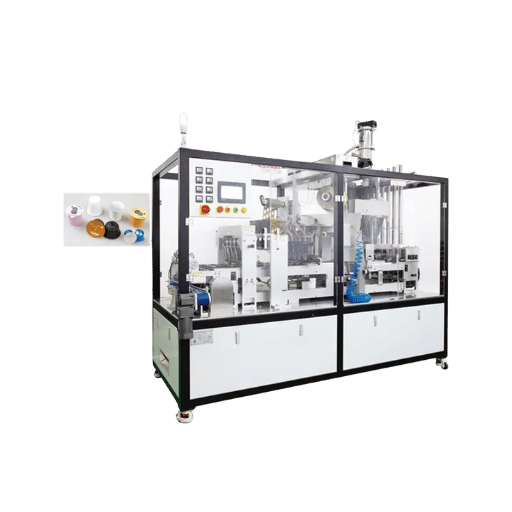
เครื่องปิดผนึกถ้วยเคเป็นเครื่องกึ่ง/อัตโนมัติซึ่งวางและปิดผนึกฝาฟอยล์ไดคัทสําหรับถ้วยเคที่เติมโดยใช้ความร้อนและความดันของลูกกลิ้งเพื่อให้มั่นใจว่าซีลสุญญากาศเพื่อรักษากลิ่นหอมและป้องกันการสัมผัสออกซิเจน สําหรับเครื่องอัตโนมัติการบรรจุและการปิดผนึกจะดําเนินการในการทํางานอย่างต่อเนื่อง – เครื่องจะวางถ้วยกาแฟปริมาณล้างไนโตรเจนผ่านถ้วยโดยอัตโนมัติและยึดฟอยล์กับแท็บถ้วย.
กระบวนการหลักมีสี่ขั้นตอน:
- การโหลดถ้วย ถ้วย K ที่ว่างเปล่า = มีตัวกรองตาข่ายติดตั้งอยู่แล้ว 3 หล่นลงในสถานีแม่พิมพ์ที่จัดทําดัชนี เครื่องจักรแบบแมนนวลและกึ่งอัตโนมัติต้องการให้ผู้ปฏิบัติงานโหลดถ้วยทีละครั้งเครื่องอัตโนมัติแบบหมุนและแบบอินไลน์มีถังเก็บเหนือศีรษะพร้อมล้อวางถ้วยที่ป้อนแผ่นแม่พิมพ์อย่างต่อเนื่อง.
- การเติมกาแฟ ตัวเติมสว่านที่ขับเคลื่อนด้วยเซอร์โวให้การควบคุมปริมาณของกาแฟบด (ปกติ 9-12 กรัมต่อถ้วย) เครื่องที่มีสเปคสูงกว่าประกอบด้วยสถานีแทมปิ้งที่บีบอัดเตียงกาแฟเบา ๆ ลดช่องว่างส่วนหัวและปรับปรุงการสัมผัสฟอยล์ที่ขอบ การชั่งน้ําหนักแบบอินไลน์ซึ่งถ้วยที่ถูกปฏิเสธจะถูกเปลี่ยนเส้นทางก่อนที่จะปิดผนึกรวมอยู่ในบางรุ่น.
- ไนโตรเจนฟลัชชิง บนเครื่องที่ติดตั้งไนโตรเจนเฉื่อยผลักดันออกซิเจนออกจากพื้นที่หัวถ้วยเพียงก่อนที่จะปิดผนึก ระบุเป้าหมายออกซิเจนที่เหลือและตรวจสอบภายใต้เงื่อนไขการผลิตที่ตกลงกัน อายุการเก็บรักษาขึ้นอยู่กับกาแฟอุปสรรคแพคเกจความสมบูรณ์ของซีลและสภาพการเก็บรักษาและต้องได้รับการตรวจสอบสําหรับผลิตภัณฑ์สําเร็จรูป ยืนยันในใบเสนอราคาว่าไนโตรเจนฟลัชชิงรวมหรือเป็นทางเลือก; ราคาเพียงอย่างเดียวไม่ได้สร้างการกําหนดค่า.
- ปิดผนึกความร้อน แม่พิมพ์ที่ให้ความร้อนจะกดฝาฟอยล์ที่ตัดไว้ล่วงหน้าในขอบเอียง 160-200 C กับขอบถ้วยรวมเวลาพัก 0.8-1.0 วินาที การทําความร้อนเริ่มต้นชั้นพันธะฝา; ความดันจะคงอยู่ที่ 1.7 บาร์ -7.4 บาร์สําหรับการสัมผัสขอบเต็มที่เหมาะสมของฝาไปยังถ้วยซีลเมื่อตั้งค่าอย่างถูกต้องทนต่อการทดสอบการตก 3 เมตรและการจัดเก็บโดยรอบ 12 เดือน.
□ วิศวกรรม หมายเหตุ DWELL กับอุณหภูมิ
ที่ 175 C, อาศัยอยู่เพียง 0.6 วินาทีให้ซีลขอบ ที่อยู่อาศัยเดียวกันที่จัดขึ้นเป็นเวลา 1.0 วินาทีให้ตราประทับที่แข็งแกร่งกว่าความต้านทานแรงดึงขอบถ้วย เมื่อดําเนินการสอบเทียบซีลหากพบซีลที่อ่อนแอให้เพิ่มเวลาการอยู่อาศัยก่อนสัมผัสเวลา – ส่วนใหญ่ของตัวควบคุม PLC มีความละเอียด 0.1 วินาที.
อุณหภูมิเป็นข้อมูลจําเพาะพาดหัว เวลาพักคือที่ที่ซีลถูกสร้างขึ้นจริง.
หากต้องการดูสายการผลิตแคปซูลแบบเต็ม (การจัดการถ้วย) การจ่ายยา และบรรจุภัณฑ์ขั้นปลายน้ํา โปรดดูของเรา คู่มือเครื่องบรรจุแคปซูลกาแฟฉบับสมบูรณ์.
อะไรคือความแตกต่างระหว่างเครื่องบรรจุถ้วย K และเครื่องปิดผนึก?
ฟิลเลอร์กาแฟปริมาตรวัดออกและฝากถั่วที่ชั่งน้ําหนักไว้ล่วงหน้าลงในถ้วยเปล่า เครื่องปิดผนึกหลอมฟอยล์ด้านบน ในการดําเนินการเชิงพาณิชย์พวกเขาเป็นหนึ่งและเครื่องเดียวกันจากนั้นคําศัพท์ที่ใช้แทนกันได้ที่ใช้โดยผู้ผลิต เครื่องปิดผนึกถ้วยบรรจุเป็นเพียงฟังก์ชัน thatone การติดกาวฟอยล์ จะต้องป้อนถ้วยที่ยังไม่ได้บรรจุ หากคุณดูราคาผู้ขายสําหรับเครื่องบรรจุและปิดผนึกถ้วย K ของคุณอุปกรณ์การก่อตัวแบบรวมจะอธิบายว่าเป็นเครื่องเดียวแบบรวม.
ประเภทเครื่องซีลถ้วย K: แบบแมนนวล กึ่งอัตโนมัติ และอัตโนมัติเต็มรูปแบบ
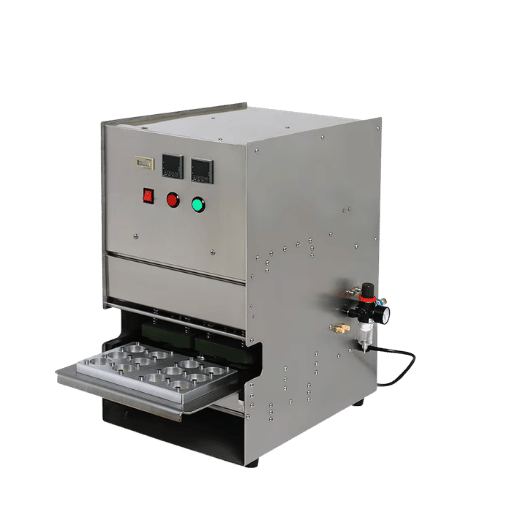
ปัจจัยในการตัดสินใจเลือกเครื่องจักรคือกําลังการผลิตเป็นถ้วยต่อวัน การใช้จ่ายเกินกําลังการผลิตที่คุณจะไม่ใช้หรือทํางานได้ดีเกิน 100% นานเกินไปและทําให้เครื่องจักรล้มเหลวก่อนเวลาอันควรอาจเป็นความผิดพลาดที่มีค่าใช้จ่ายสูงทั้งคู่.
| ชนิด | เอาท์พุต | ช่วงราคา | ดีที่สุดสําหรับ |
|---|---|---|---|
| เครื่องซีลถ้วยด้วยตนเอง | 30 ถ้วย/ชม | $200, $2,000 | การสุ่มตัวอย่างระดับคาเฟ่ การให้ของขวัญ การทดสอบผลิตภัณฑ์ |
| โต๊ะกึ่งอัตโนมัติ | 5000 ถ้วย/วัน | $5,000 $15,000 | เครื่องคั่วขนาดเล็ก สตาร์ทอัพสมัครสมาชิก DTC |
| โรตารีอัตโนมัติ (ENT RY MID) | 40 120 CPM | $15,000 $100,000 | การผลิตขนาดเล็ก roasters ส่วนตัว |
| โรตารีความเร็วสูง/อินไลน์ | 2000 CPM | $100,000+$500,000+ | ผู้ร่วมบรรจุหีบห่ออุตสาหกรรมแบรนด์ระดับประเทศ |
รูปแบบโรตารี่ระดับไฮเอนด์เทียบกับแบบอินไลน์ สําหรับการดําเนินการผลิตที่ใหญ่ที่สุดเครื่องโรตารี่มีแผ่นดัชนีแบบวงกลมที่มีสิบสองสถานีแม่พิมพ์ทั้งหมดมีความเสถียรทางกลไกและเหมาะสําหรับเอาต์พุต SKU เดียว ในการสลับรูปแบบแผ่นแม่พิมพ์ที่สอดคล้องกันสิบสองแผ่นจะถูกสลับออกงานที่ใช้เวลา 15-25 นาที (หรือ “”เชิงเส้น”) เครื่องมีสายพานลําเลียงที่ทํางานเป็นเส้นตรงและพวกเขาจะมีแผ่นแม่พิมพ์มากกว่า 44 แผ่นต่อรูปแบบที่ต้องการตัวเครื่องจักรที่หนักกว่าและยาวกว่าพร้อมสถานีเพิ่มเติมสําหรับการฉีดรสชาติการชั่งน้ําหนักรองหรือรูปแบบการปิดผนึกหลายขั้นตอน สําหรับเครื่องคั่วที่บรรจุ K cup SKU หนึ่งหรือสองถ้วยในปริมาณที่สอดคล้องกันโดยทั่วไปโรตารี่ต้องการการดูแลรักษาน้อยกว่าระหว่างการกระโดดรูปแบบที่แตกต่างกัน.
เปรียบเทียบข้อกําหนดในหน้าเครื่องบรรจุและปิดผนึกถ้วย K ของเรา ซึ่งเราจะให้รายละเอียดเกี่ยวกับรุ่นโรตารีและอินไลน์ในช่วงเอาต์พุต.
📦 ตัวอย่างในโลกแห่งความเป็นจริง
เครื่องคั่วเปรียบเทียบการบรรจุร่วมของบุคคลที่สามกับสายการบรรจุและปิดผนึกภายในควรคํานวณการคืนทุนโดยใช้อุปกรณ์ที่ได้รับการยืนยันและต้นทุนการดําเนินงานผลผลิตที่ขายได้รายเดือนค่าธรรมเนียมการบรรจุร่วมและอัตรากําไรที่คาดหวัง ระยะเวลาคืนทุนทั่วไปไม่สามารถสร้างผลตอบแทนสําหรับธุรกิจใดธุรกิจหนึ่งได้ การล้างไนโตรเจนและการเรียกร้องอายุการเก็บรักษาจําเป็นต้องมีการตรวจสอบผลิตภัณฑ์สําเร็จรูปและไม่ควรถือว่ารับประกันหน้าต่างการขายปลีก.
5 คุณสมบัติหลักที่แยกเครื่องซีลถ้วย K คุณภาพสูงออกจากเครื่องราคาประหยัด
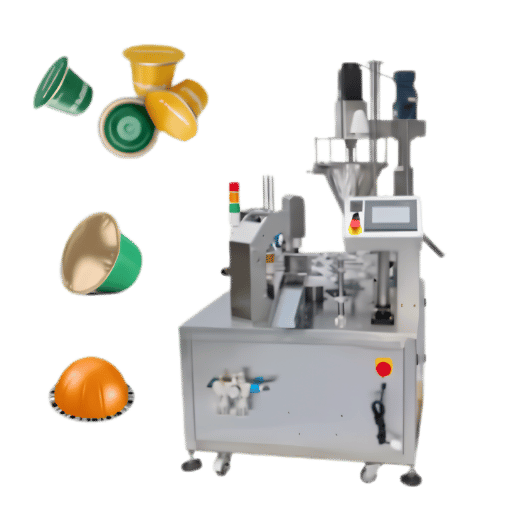
การชะล้างไนโตรเจนอาจรวมเป็นอุปกรณ์มาตรฐานหรือเสนอเป็นส่วนเสริมเสริมเสริม หัวฉีดชะล้างเพียงอย่างเดียวไม่ได้กําหนดระดับออกซิเจนที่ตกค้างในถ้วยที่ปิดสนิท ก่อนที่จะออกใบสั่งซื้อให้แน่ใจว่าได้ยืนยันตัวเลขห้าเหล่านี้ในการเขียน:
- ฟิลเลอร์สว่านที่ขับเคลื่อนด้วยเซอร์โว 1 ความแม่นยําในการเติม ±0 g
ปริมาณถ้วยปริมาตร (เครื่องที่มีความซับซ้อนน้อยกว่ามาก) มีความแม่นยําภายใน 0.3-0.5 กรัมและมันจะลอยไปตามขนาดอนุภาคบดแตกต่างกันไป สว่านที่ขับเคลื่อนด้วยเซอร์โวจะถืออยู่ภายใน 0.1 กรัมไม่ว่าขนาดของอนุภาคกาแฟจะเป็นอย่างไร พึงระวัง: ในการคั่วสีเข้มที่มีปริมาณน้ํามันสูงความสม่ําเสมอในการจ่ายจะเชื่อถือได้ตราบใดที่ผู้ควบคุมเครื่องของคุณลดหน่วยลงครึ่งหนึ่ง “ความเร็ว” จากสูงสุด คุณสามารถให้บริการได้ดีที่สุดโดยทํางานที่ 30-35 CPM ไม่ใช่พิกัดสูงสุด. - การชะล้างไนโตรเจนด้วย O2 ที่เหลือที่บันทึกไว้ <1%
ขอให้ผู้ขายสําหรับผลการทดสอบออกซิเจนตกค้างที่เกิดขึ้นจริง “ไม่ใช่การเรียกร้องแผ่นข้อมูลจําเพาะ ช่องว่างระหว่าง <1% O2 (ตรวจสอบแล้ว) และ ”ระบบล้างไนโตรเจน" รวม" แปลโดยตรงเพื่ออายุการเก็บรักษา: 14 เดือนเทียบกับ 5 เดือนในทางปฏิบัติ สําหรับการมองลึกขึ้นว่าการล้างไนโตรเจนส่งผลต่อเคมีแคปซูลอย่างไรดูคําแนะนําของเราที่ การยืดอายุการเก็บรักษาแคปซูลกาแฟ. - ปรับอุณหภูมิความดัน ORDERATE16 200°C และ 0.3 ช่วง MPa 8
การกําหนดจังหวะคงที่บังคับให้คุณเป็นฟอยล์ประเภทเดียว หลายระบบที่มีโปรไฟล์ที่ปรับได้เพื่อเรียกใช้อลูมิเนียมฟอยล์ที่ 175C และเปลี่ยนไปใช้ PLA ที่ย่อยสลายได้ที่ 130C โดยไม่มีการเปลี่ยนแปลงฮาร์ดแวร์ใดๆ ด้วย compostables ตอนนี้คิดเป็น 11 51% ของตลาดเป็นช่วงต้น 202 ความยืดหยุ่นนี้มากขึ้นเป็นความต้องการการผลิตและน้อยลงคุณสมบัติพรีเมี่ยม. - เวลาเปลี่ยน ≤30 นาที (ขนาดถ้วย/ชนิดฟอยล์)
สําหรับเครื่องโรตารี่การเปลี่ยนรูปแบบถ้วยคือการเปลี่ยนแผ่นแม่พิมพ์ 12 แผ่น „สามารถทําใน 15-25 นาทีด้วยผู้ปฏิบัติงานที่มีประสบการณ์ บนเครื่องเชิงเส้นกระบวนการเดียวกันเกี่ยวข้องกับแผ่น 44 + และมักจะใช้เวลา 30-60 นาที เวลาการเปลี่ยนจะเชื่อมโยงโดยตรงกับประสิทธิภาพความจุรายวันเมื่อเรียกใช้ SKU หลายตัว.ตรวจสอบจํานวนจานจริงก่อนซื้อเสมอ ไม่ใช่แค่เวลาเปลี่ยนหัวข้อข่าวในข้อความทางการตลาด.
- การควบคุม PLC + หน้าจอสัมผัส HMI พร้อมการปฏิเสธอัตโนมัติ
เครื่องจักรที่มีต้นทุนต่ํากว่าเกี่ยวข้องกับตัวจับเวลาเชิงกลอย่างง่ายการปรับพารามิเตอร์แต่ละตัวและการป้อนสูตรการผลิตเครื่องจักรด้วยตนเอง เครื่องปิดผนึกถ้วย K อุตสาหกรรมที่ผ่านการรับรองติดตั้งตัวควบคุม PLC ที่บันทึกสูตรการผลิตการนับรายการปฏิเสธตามประเภทความล้มเหลวและการปฏิเสธการชั่งน้ําหนักแบบอินไลน์ประท้วงเมื่อน้ําหนักเติมจริงเกินเกณฑ์ความคลาดเคลื่อน อินเทอร์เฟซ HMI หน้าจอสัมผัสไม่เพียงลดการฝึกอบรมของมนุษย์เท่านั้น แต่ยังหลีกเลี่ยงการดัดแปลงเครื่องจักรที่ไม่มีเอกสารซึ่งพบได้ทั่วไปกับอุปกรณ์เกรดทั่วไปที่ใช้ในการผลิตสูตรอาหารที่ไม่สม่ําเสมอหลายสูตร.ส่วนประกอบที่สัมผัสกับอาหารทั้งหมด (ตัวเติมสว่าน, แม่พิมพ์ปิดผนึกแม่พิมพ์ถ้วย) ควรเป็นสแตนเลสเกรดอาหาร ตรวจสอบสิ่งนี้ได้รับการบันทึกไว้ในใบรับรองการปฏิบัติตามข้อกําหนดของเครื่องจักรก่อนที่จะได้รับการยอมรับจากโรงงาน.
□กฎ 70%
จากการตอบสนองของบริการภาคสนามประมาณ 70% ของความล้มเหลวของซีลถ้วย K เกิดจากการสอบเทียบอุณหภูมิที่ไม่ถูกต้องไม่ใช่ความล้มเหลวทางกลไม่ใช่คุณภาพฟอยล์ไม่ใช่ความคลาดเคลื่อนในมิติถ้วย ข้อความที่นี่: เครื่อง $12,000 ที่ปรับเทียบอย่างถูกต้องจะดีที่สุด $40,000 ที่ล้มเหลวใด ๆ ที่มีโปรไฟล์ความร้อนที่ไม่ถูกต้อง คุณสมบัติ 5 PLC พร้อมการปฏิเสธแบบอินไลน์มีไว้เพื่อป้องกันไม่ให้การปรับเทียบอารมณ์เสียกลายเป็นการเรียกคืน.
□เคล็ดลับมืออาชีพ: DEGASS WINDOW
กาแฟคั่วสดนอกก๊าซ CO สําหรับ 24-72 ชั่วโมงหลังจากการคั่ว ถ้วย K เติมชั่วโมงหลังจากการคั่วสามารถพัฒนาความดันก๊าซเพียงพอที่จะผลักดันพื้นดินเข้าและลงบนขอบของถ้วยนําไปสู่การปนเปื้อนของโซนซีลก่อนที่ฟอยล์จะแม้กระทั่งมากกว่า ไม่เคยเรียกใช้ชุดในน้อยกว่า 24-48 ชั่วโมงของการไล่ก๊าซ นี้จะเป็นเพียงเกี่ยวกับจุดเดียวที่พบมากที่สุดของความล้มเหลวที่ผู้ประกอบการเครื่องใหม่ผิดพลาดสําหรับปัญหาชิ้นส่วนเมื่อมันเป็นความจริงชุดเข้ากันไม่ได้.
ฉันควรคาดหวังความแม่นยําในการบรรจุอะไรจากเครื่องซีล K Cup?
บนฟิลเลอร์เซอร์โวสว่าน 0.1 กรัมต่อถ้วยสําหรับสภาพการทํางานที่มั่นคง ในการจ่ายถ้วยปริมาตร 0.3-0.5 กรัมการดริฟท์จะเพิ่มขึ้นตามขนาดอนุภาคบด สําหรับถ้วย K สําหรับขายปลีกสําหรับการเติม 10 กรัมนั่นคือข้อผิดพลาด 0.5% เทียบกับข้อผิดพลาด 5% ใหญ่มากที่ 10,000+ ถ้วย/เดือน.
ยืนยันรายงานการทดสอบการยอมรับจากโรงงาน (FAT) ที่แสดงน้ําหนักการเติมผ่านการวิ่ง 500 ถ้วยก่อนรับการส่งมอบเครื่องจักร.
ความเข้ากันได้ของฝาฟอยล์: ตัวเลือกอลูมิเนียม ฟิล์ม PE และย่อยสลายได้
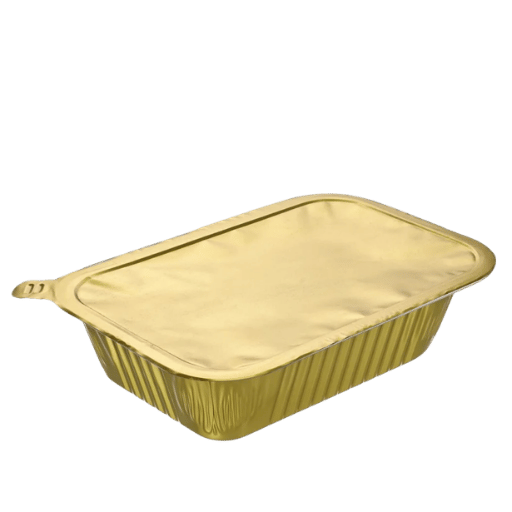
อลูมิเนียมฟอยล์ยังคงเป็นมาตรฐานอุตสาหกรรมสําหรับการปิดผนึกถ้วย K ด้วยเหตุผลเดียว: อัตราการส่งผ่านออกซิเจนอยู่ใกล้ศูนย์ซึ่งเป็นสาเหตุที่ถ้วย K ที่ปิดผนึกด้วยอลูมิเนียมล้างด้วยไนโตรเจนสามารถเก็บอายุการเก็บรักษาได้ 12-18 เดือนอย่างน่าเชื่อถือ อลูมิเนียมไม่ใช่ทางเลือกเดียวของวัสดุฝาอีกต่อไป อย่างไรก็ตาม ช่องว่างนั้นแคบลงเร็วกว่าที่ผู้ซื้อเครื่องจักรส่วนใหญ่ตระหนัก.
| ประเภทฝา | อุณหภูมิซีล | อายุการเก็บรักษา | ความยั่งยืน | หมายเหตุสําคัญ |
|---|---|---|---|---|
| อลูมิเนียมฟอยล์ | 160 180°C | 12 เดือน 8 เดือน | รีไซเคิลได้ (แยกกัน) | มาตรฐานอุตสาหกรรม อุปสรรคออกซิเจนที่ดีที่สุด |
| กระดาษเคลือบพีอี | 140 160°C | 6 เดือน | บางส่วน | อุปสรรคออกซิเจนต่ํา; อายุการเก็บรักษาสั้นลง |
| PLA ที่ย่อยสลายได้ | 1200145°C | 3 เดือน | ได้รับการรับรอง BPI (ASTM D6400) | ต้องการช่วงอุณหภูมิที่ต่ํากว่า เครื่องจักรต้องรองรับ |
ผู้ผลิตเครื่องจักรทุกรายจะบอกคุณล่วงหน้า ขั้นแรก: ฝา PLA ที่ย่อยสลายได้ในเชิงพาณิชย์ใช้ความร้อนน้อยกว่า 30-40C (อุณหภูมิการทํางานต่ํากว่า) ในการปิดผนึกมากกว่าอลูมิเนียม หากโปรไฟล์การปิดผนึกรายได้ฟอยล์ของคุณถูกตั้งค่าสําหรับจานร้อน 180C ฝา PLA จะเผาไหม้หรือพันธบัตรจะไม่พัฒนา ให้แน่ใจว่าช่วงอุณหภูมิทํางานต่ํากว่า 145C ก่อนที่จะตกลงกับปริมาณพาเลทของสต็อกฝาที่ย่อยสลายได้ ประการที่สอง: “ย่อยสลายได้” ไม่ใช่การรับรองผ้าห่มผ่าน/ไม่ผ่าน ปุ๋ยหมักมาตรฐาน BPI (ASTM D6400) ในการประมวลผลเชิงพาณิชย์เฉลี่ยอุณหภูมิ 58C ในช่วง 90 วัน ระดับความร้อนที่แปรรูปได้ที่บ้านของคุณคือเวลาใหม่ที่ยั่งยืนของบรรจุภัณฑ์.
สําหรับการเปรียบเทียบระหว่างรูปแบบพ็อด K-cup, Nespresso และ Dolce Gusto และข้อกําหนดด้านบรรจุภัณฑ์ที่เกี่ยวข้อง โปรดดูของเรา คู่มือเปรียบเทียบรูปแบบแคปซูล.
📦 ตัวอย่างในโลกแห่งความเป็นจริง
ผู้บรรจุหีบห่อร่วมเปลี่ยนไปใช้ฝา PLA ที่ย่อยสลายได้เต็มโหลดที่โปรไฟล์การปิดผนึกอะลูมิเนียม 170C ก่อนที่ฝาจะเปราะและเริ่มเปิดผนึก ในระหว่างกระบวนการแก้ไขปัญหาการปรับปรุงแก้ไขโดยการลดอุณหภูมิการปิดผนึกลงเหลือ 130C แรงดันกระแทกกลับ 0.15 MPa การได้มาซึ่งชิ้นส่วนไม่จําเป็นหลังจากที่ผู้จําหน่ายฟอยล์ตรวจสอบข้อมูลการสอบเทียบความร้อนและ 15 นาทีในบันทึกข้อมูลเครื่องจักร/PLC.
ราคาเครื่องซีล K Cup: สิ่งที่ควรจ่ายในทุกขนาดการผลิต
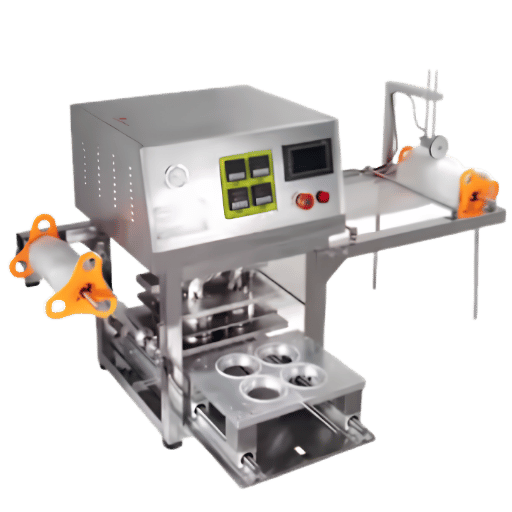
การกําหนดราคาสําหรับเครื่องซีลถ้วย K มีความสัมพันธ์อย่างมากกับปริมาณการผลิต ในที่สุดชั้นยังสามารถสะท้อนตําแหน่งสัมพัทธ์ของอุปกรณ์ในสายการผลิตโดยรวมความซับซ้อนของกลไกและอายุการใช้งานรวมของผลิตภัณฑ์ (ไม่ใช่ชื่อแบรนด์).
| งบประมาณ | ประเภทเครื่อง | เอาท์พุต | ดีที่สุดสําหรับ |
|---|---|---|---|
| $200, $2,000 | เครื่องซีลถ้วยด้วยตนเอง | 30 ถ้วย/ชม | การสุ่มตัวอย่าง การให้ของขวัญ การผลิตในระดับคาเฟ่ |
| $5,000 $15,000 | โต๊ะกึ่งอัตโนมัติ | 5000 ถ้วย/วัน | เครื่องคั่วขนาดเล็ก สตาร์ทอัพสมัครสมาชิก DTC |
| $15,000 $100,000 | อัตโนมัติโรตารี่ | 40 120 CPM | ป้ายกํากับขนาดเล็ก, ส่วนตัว |
| $100,000+$500,000+ | โรตารีอุตสาหกรรม/อินไลน์ | 2000 CPM | ผู้ร่วมบรรจุหีบห่ออุตสาหกรรมแบรนด์ระดับประเทศ |
ต้นทุนไม่ใช่ปัจจัยกําหนด ต้นทุนรวมของการเป็นเจ้าของในช่วงห้าปีในแต่ละระดับอุปกรณ์แบรนด์เนมหลายระดับสามารถแยกย่อยได้เป็น: การซื้อเครื่องจักรครั้งแรก (30-45% ของทั้งหมด 5 ปี) วัสดุฟอยล์ที่ $0.015-0.08 ต่อพ็อดคูณด้วยปริมาณการวิ่งประจําปีที่คาดหวังการบํารุงรักษาที่ $500$2,000/ปีสําหรับเครื่องมาตรฐานไฟฟ้าที่ 1.5-4.5kW โดยเฉลี่ยและผู้ปฏิบัติงานใช้เวลาดูอุปกรณ์ ในที่สุดเครื่องอาจเป็นค่าใช้จ่ายที่น้อยที่สุด.
สําหรับผู้คั่วขนาดเล็กที่ประเมินการลงทุน K cup โดยเฉพาะ โปรดดูคําแนะนําของเราที่ กลยุทธ์การบรรจุถ้วยเคสําหรับแบรนด์ขนาดเล็ก. สําหรับข้อมูลจําเพาะและการกําหนดค่ารุ่น AFPAK ปัจจุบัน โปรดดู รุ่นเครื่องถ้วย AFPAK K.
💡 เคล็ดลับ: ต้นทุนรวมของการเป็นเจ้าของ
ขอประมาณการ TCO มากกว่าห้าปีจากผู้ขายที่คาดหวัง ซึ่งควรรวมค่าใช้จ่ายของชุดอุปกรณ์ในห่วงโซ่อุปทานแหล่งฟอยล์อะไหล่จากโรงงานและความคุ้มครองบริการในท้องถิ่น เวลานํา 6-9 เดือนสําหรับชิ้นส่วนอะไหล่สามารถเพิ่มค่าใช้จ่ายในการบํารุงรักษาที่เกิดขึ้นจริงโดยต้นทุนของการสูญเสีย OEE การประหยัดครั้งเดียวระหว่างตัวเลือกทั้งสองของอุปกรณ์มักจะล้มเหลวที่จะเกิดขึ้นจริงเมื่อคุณดูการใช้จ่ายโดยรวม.
ปัญหาเครื่องซีลถ้วย K: 3 ความล้มเหลวของซีลที่พบบ่อยและวิธีแก้ไข
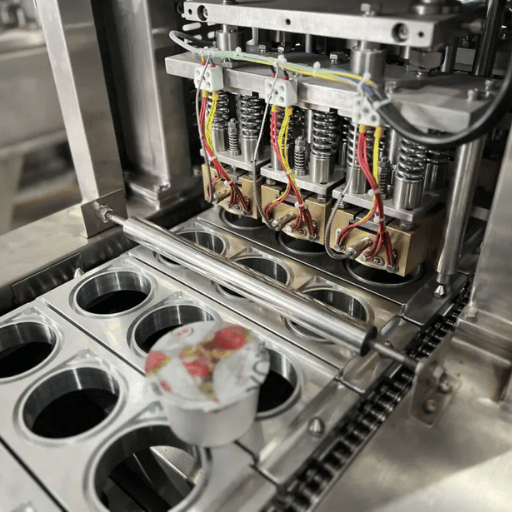
ความล้มเหลวของซีลถ้วย K ส่วนใหญ่ได้รับการแก้ไขในเวลาน้อยกว่าหนึ่งชั่วโมงของเครื่องออฟไลน์ หากความล้มเหลวยังคงมีอยู่เกินกรอบเวลานั้นสาเหตุเกือบจะได้รับการวินิจฉัยผิดพลาดเสมอ ตําหนิเครื่องสําหรับวัสดุหรือปัญหาการสอบเทียบที่เกิดขึ้นจริง เปลี่ยนส่วนประกอบของคุณทีละชิ้นโดยเริ่มจากอุณหภูมิและการทํางานลง.
เหตุใดเครื่องปิดผนึก K Cup ของฉันจึงทิ้งช่องว่างหรือรั่ว?
สามหลักซีลล้มเหลวเหตุผล: การตั้งค่าความร้อนด้านล่างหน้าต่างการยึดเกาะของฟอยล์ธัญพืชพันธะคงที่หรือชนิดของพื้นดินน้ํามันหรืออนุภาคกาแฟป่วยปนเปื้อนขอบ ทํางานผ่านสามพื้นที่ปัญหาดังกล่าวก่อนที่จะสมมติว่าเครื่องเป็น kaput กลไก.
ปัญหา 1: ซีลไม่สมบูรณ์ฟอยล์ขึ้นที่มุมหรือขอบ;
สาเหตุ: อุณหภูมิการปิดผนึกต่ําเกินไปเมื่อเทียบกับอุณหภูมิการเปิดใช้งานการติดสําหรับฟอยล์หรือเวลาพักต่ํากว่า 0.8s โหมดความล้มเหลวเดี่ยวที่พบบ่อยที่สุดและมักตําหนิอย่างไม่ถูกต้องทั้งคุณภาพฟอยล์หรือความผิดพลาดของเครื่องจักร.
แก้ไข: เพิ่ม T เพิ่มขึ้นทีละ 5C (วิ่ง 5 ถ้วยในแต่ละขั้นตอน) ยืนยันเวลาพักได้รับการตั้งค่าเป็น 0.8 วินาทีโดยใช้ PLC อย่าเพิ่มแรงกดดันเป็นการตอบสนองทันที (ความดันมากขึ้นทําน้อยมากสําหรับการขาดดุลความร้อนและมากยิ่งขึ้นสําหรับความเสี่ยงของริ้วรอยในซีลใกล้เส้นขอบแล้ว).
ปัญหาที่ 2: รอยย่น/รอยพับป้ายซีล ♦ฟอยล์ที่ขอบพับ
สาเหตุ: ความดันซีลมากเกินไปการปนเปื้อนของขอบถ้วยหรือการไล่แก๊สโดย CO ของกาแฟคั่วสด กาแฟคั่วภายใต้ 24 ชั่วโมงแสดง degassing ที่ใช้งานอยู่ (การไล่แก๊สแบบแอคทีฟ) กาแฟเปล่าลงในแพ็คคั่วสดที่อบอุ่นอาจดันพื้นดินลงบนขอบถ้วยห่อหุ้มฟอยล์ที่สะอาดป้องกันการสัมผัสแน่น สถานการณ์ร่วม: ไฟฟ้าสถิตที่เกิดจากความชื้นต่ําหรือการประมวลผลอย่างรวดเร็วของน้ํามันคั่วสีเข้มสูงทําให้อนุภาคกาแฟขนาดเล็กถูกดึงดูดด้วยไฟฟ้าไปยังขอบถ้วย ป้องกันไม่ให้สัมผัส.
ป้องกัน: เวลา 24-48 ชม. หลังการกําจัดก๊าซย่างก่อนดําเนินการผลิต ลดความดันซีลลง 0.05MPa ขั้นตอน แชสซีเครื่องต่อสายดินสําหรับศักยภาพคงที่เนื่องจากปัญหาคงที่อาจเกิดขึ้นกับประเภทอื่น ๆ ย่าง.
หากยังคงมีไฟฟ้าสถิตอยู่ในตัวอย่างกาแฟจํานวนมาก ให้เพิ่มแท่งอากาศไอออไนซ์เหนือสถานีเติม.
⊙ ปัญหาที่ 3: ซีลที่ไม่สอดคล้องกันในชุดการผลิต
สาเหตุ: ดริฟท์ในการสอบเทียบเทอร์โมคัปเปิล ตายปิดผนึกไปจากสภาพแวดล้อม 175 C หลายครั้งต่อชั่วโมง กว่าเดือนของการทํางานชดเชยเทอร์โมคัปเปิลสร้างขึ้น 175 C HMI อ่าน แต่ตายจริง 160 C หรือ 190 C.
จุดที่ตั้งไว้: ตรวจสอบเทอร์โมคัปเปิลไตรมาสละครั้งโดยเปรียบเทียบกับเทอร์โมมิเตอร์แบบสัมผัส อุณหภูมิพื้นผิวแม่พิมพ์จริงจะถูกเปรียบเทียบกับการอ่านค่าบน HMI ระหว่างการสตาร์ทขณะเครื่องเย็น สภาวะคงตัว และหลังจากทํางานเป็นเวลาสองชั่วโมงติดต่อกัน เทอร์โมคัปเปิลแต่ละตัวจะถูกแทนที่ตามช่วงเวลาที่กําหนดซึ่งเป็นส่วนหนึ่งของโปรแกรมการบํารุงรักษาเชิงป้องกันมากกว่าหลังจากความล้มเหลว.
📦 ตัวอย่างในโลกแห่งความเป็นจริง
เครื่องคั่วมิดเวสต์อื่น ๆ การประมวลผล 60,000 ถ้วยต่อเดือนพัฒนาความสมบูรณ์ของซีลเป็นระยะ ๆ ในช่วงหกเดือน ในขั้นต้นอัตราการปฏิเสธคือ 1-2% หลังจากผ่านไปหกเดือนก็เพิ่มขึ้นเป็น 8%.
ปัญหาเกิดจากความล้มเหลวของหัวซีลทองแดงที่มีจุดต่ํา 0.3 มม. จุดต่ําทําให้เกิดช่องว่างขนาดเล็กที่ตําแหน่งเดียวกันในทุกการหมุนของขอบถ้วย ราคาที่จะเปลี่ยนชิ้นส่วนนี้คือ $180 บวกกับค่าใช้จ่ายในการหยุดทํางานของเครื่องจักรหนึ่งชั่วโมง.
ความล้มเหลวในการวินิจฉัยปัญหานี้อย่างถูกต้องส่งผลให้มีการปรับเปลี่ยนอุณหภูมิและความดันหลายครั้งในช่วงหกเดือน มีการจ้างงานซ้ําเพิ่มเติม และข้อร้องเรียนของลูกค้าสามรายการ.
แนวโน้มตลาดบรรจุภัณฑ์ K Cup: อะไรเปลี่ยนแปลงในปี 20252028
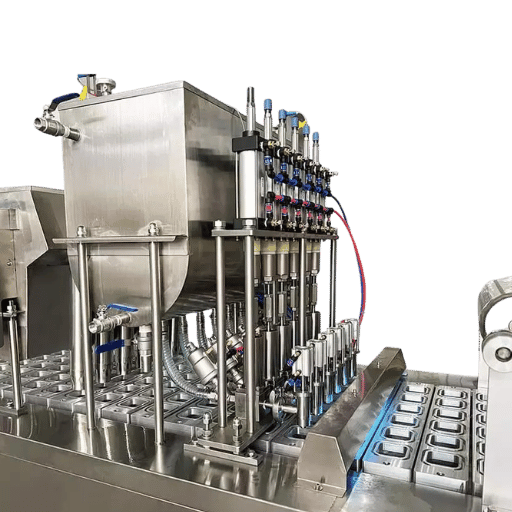
▪ ▪ ตลาด SNAPSHOT 202 – 2028
- ตลาดฝักกาแฟสหรัฐ: $5.26B (2024) → $7.62B (2030), CAGR 6.2%
- ฝักที่ย่อยสลายได้: 11-15% ของส่วนผสมผลิตภัณฑ์ (ต้นปี 2569) เติบโตที่ 6.7-10.5% อัตราการเติบโตต่อปีของสารประกอบ
- บริการเดี่ยวฉลากส่วนตัว: ~18% ส่วนแบ่งการตลาด; 32% ของผู้ผลิตฉลากส่วนตัวขยายเป็นรูปแบบนี้
- บรรจุภัณฑ์อลูมิเนียม: CAGR 6.82 % จนถึง 2031 การแบ่งย่อยวัสดุฝาที่เติบโตเร็วที่สุด
ย่อยสลายได้เป็นกระแสหลักไม่ใช่เฉพาะกลุ่ม ในช่วงต้นปี 2569 ด้วยส่วนแบ่งการตลาด 11-15% ความเข้ากันได้ของถ้วย K ที่ย่อยสลายได้ได้กลายเป็นมาตรฐานไม่ใช่คุณสมบัติระดับพรีเมียม การบังคับใช้คําสั่งพลาสติกแบบใช้ครั้งเดียวของสหภาพยุโรปและการควบคุมระดับภูมิภาคของสหรัฐอเมริกาที่เพิ่มขึ้นของฝักที่ไม่สามารถรีไซเคิลได้กําลังเร่งการเปลี่ยนแปลง การขายต่อเครื่องจักรโดยไม่มีโปรไฟล์เทมที่ยืดหยุ่น โดยเฉพาะโดยไม่มีการเชื่อมซีลที่ต่ํากว่า 145C กลายเป็นเรื่องยากมากขึ้นในตลาด 2ndhand โปรดคํานึงถึงสิ่งนี้เมื่อเลือกเครื่องจักรหากคุณวางแผนที่จะขยายขนาดเกินปี 2027.
ป้ายกํากับส่วนตัวคือที่ที่ปริมาณอยู่ ด้วยฉลากส่วนตัวซึ่งแสดงถึงส่วนแบ่งการตลาดแบบบริการเดียวประมาณ 18% และหนึ่งในสามของผู้เล่นฉลากส่วนตัวที่ขยายไปสู่รูปแบบเขตเลือกตั้งการซื้อที่สําคัญของคุณมีขนาดเล็กลงเครื่องคั่วที่ว่องไวและผู้บรรจุหีบห่อร่วมในระดับภูมิภาค หลังต้องการผลผลิตที่เชื่อถือได้และการเปลี่ยนแปลงอย่างรวดเร็วมากกว่าความเร็ว CPM ดิบ.
หลายรูปแบบกลายเป็นคูน้ําแข่งขัน เครื่องคั่วที่เติบโตเร็วที่สุดเรียกใช้สายหลายรูปแบบ = K-Cup ด้วยรูปแบบ Nespresso Dolce Gusto (รูปแบบ Dolce Gusto) หรือรอยเท้าเครื่องเดียว เครื่องจักรที่มีการเปลี่ยนชุด 30 นาทีและความเข้ากันได้ที่สามารถย่อยสลายได้สามารถเปิดใช้งานสัญญาหลายรูปแบบได้ หากเป็นส่วนหนึ่งของแผนงานของคุณโปรดดูภาพรวมของเรา เครื่องบรรจุเนสเพรสโซ และ คู่มือเปรียบเทียบรูปแบบแคปซูล.
คําถามที่พบบ่อย
เครื่องซีลถ้วยเคคุ้มค่ากับการลงทุนสําหรับเครื่องคั่วกาแฟขนาดเล็กหรือไม่?
สําหรับกว่า 50,000 ถ้วย/เดือนระยะเวลาคุ้มทุนโดยทั่วไปชอบระบบการบรรจุภายในองค์กรเทียบกับการบรรจุร่วมในเวลาน้อยกว่าสองปี ระยะเวลาคุ้มทุนที่แม่นยําสามารถคํานวณได้จากอัตราค่าธรรมเนียมการบรรจุร่วมในปัจจุบันของคุณ ($0.08-0.15/ถ้วย) ปริมาณเป้าหมายและไม่ว่าจะต้องมีอายุการเก็บรักษาที่ล้างด้วยไนโตรเจนหรือไม่ เมื่อน้อยกว่า 30,000 ถ้วย/เดือนให้พิจารณาเครื่องตั้งโต๊ะกึ่งอัตโนมัติเป็นความเสี่ยงในการลงทุนรายการที่ต่ํากว่า หากคาดว่าจะมีปริมาณมากขึ้นให้ดูกรณีของเครื่องโรตารี่อัตโนมัติผ่านการวิเคราะห์ต้นทุนรวมของการเป็นเจ้าของ.
เครื่องบรรจุถ้วยเคและเครื่องซีลถ้วยเคต่างกันอย่างไร?
เครื่องบรรจุเติม (หรือปริมาณ) กาแฟบดลงในฝัก เครื่องปิดผนึกใช้ฝาฟอยล์ หน่วยเชิงพาณิชย์หลายขั้นตอนรวมสองฟังก์ชันในเครื่องเดียว (ซึ่งเป็นเหตุผลที่ฉันมักจะอ้างถึง“การบรรจุ” และ “การปิดผนึก” เป็นเงื่อนไขที่สามารถแลกเปลี่ยนได้ในรายการของฉัน หน่วยซีลอิสระสามารถผูกมัดกับฟอยล์ที่เติมไว้ล่วงหน้าเท่านั้นถ้วย “เครื่องซีลคัพ” สิ่งที่ฉันหมายถึงคือเครื่องออลอินวันที่มีความสามารถในการเติมพื้นดินและปิดผนึก.
การเปลี่ยนเครื่องซีลถ้วย K เป็นขนาดถ้วยอื่นใช้เวลานานเท่าใด?
บนเครื่องโรตารี่จะใช้เวลา 15-25 นาทีในการสลับแผ่นแม่พิมพ์ 12 แผ่นและตั้งโปรแกรมโปรไฟล์การเติม PLC หากคุณมีผู้ปฏิบัติงานที่ได้รับการฝึกอบรม บนอุปกรณ์อินไลน์/เชิงเส้นอาจใช้เวลา 30-60 นาทีเนื่องจากสินค้าคงคลังจํานวนมากของแผ่นแม่พิมพ์ที่จําเป็นต่อรูปแบบ (44+…) หน่วยความจําโปรไฟล์ PLC ช่วยให้สามารถโหลดพารามิเตอร์การเติมได้ภายในเวลาไม่ถึง 5 นาทีแม้ว่ากระบวนการสลับแผ่นทางกายภาพจะใช้เวลานานกว่ามาก.
เครื่องซีลถ้วย K สามารถจัดการฝาฟอยล์ที่ย่อยสลายหรือเป็นมิตรกับสิ่งแวดล้อมได้หรือไม่?
ใช่ แต่ถ้าเครื่องของคุณสามารถจัดการกับอุณหภูมิซีลที่ต่ํากว่าได้ ฝาปิดที่ย่อยสลายได้ของ PLA ควรถูกยึดที่ 12-145C 30-40C โดยประมาณภายใต้โปรไฟล์ฟอยล์ปกติเท่านั้น เครื่องจักรที่ปรับเทียบสําหรับอลูมิเนียมฟอยล์ที่มีการตั้งค่าอุณหภูมิคงที่จะถูกเผาไหม้ผ่านหรือไม่ปิดผนึกด้วยการเปลี่ยนแปลงโปรไฟล์อุณหภูมินี้ เพื่อป้องกันสิ่งนี้ให้ตรวจสอบความสามารถของเครื่องของคุณในการเข้าถึงอุณหภูมิที่ต่ํากว่า 145C และสามารถจัดเก็บโปรไฟล์สํารองในระบบ PLC ได้.
ฉันควรคาดหวังความแม่นยําในการบรรจุอะไรจากเครื่องซีลถ้วย K?
ฟิลเลอร์สว่านสกรูที่มีเซอร์โวหรือสเต็ปเปอร์มอเตอร์ไดรฟ์ถึง 0.1 กรัมต่อถ้วยภายใต้เงื่อนไขสถานะคงที่นี่เป็นเกณฑ์มาตรฐานทางการค้าสําหรับการผลิตถ้วย K ขายปลีก ปริมาณถ้วยปริมาตรที่ใช้เครื่องที่มีราคาต่ํากว่าถึง 0.3-0.5 กรัมแม้ว่าจะมีความแม่นยําที่เลื่อนลอยขึ้นอยู่กับขนาดอนุภาคบดที่แตกต่างกัน ต้องการรายงานการทดสอบการยอมรับจากโรงงาน (FAT) สําหรับการทดสอบน้ําหนักภาคสนามของการผลิตถ้วย 500+ ก่อนรับการจัดส่งเครื่องจักร.
การชะล้างไนโตรเจนในเครื่องซีลถ้วย K ช่วยยืดอายุการเก็บกาแฟได้อย่างไร?
คั่วกาแฟยังออกซิไดซ์เมื่อสัมผัสกับอากาศ- พวกเขาไปค้างภายในไม่กี่วันของการบดที่ ~ 21% ออกซิเจนในอากาศแวดล้อมส่วนใหญ่ ไนโตรเจนล้างแทนที่ออกซิเจนในพื้นที่ส่วนหัว K-Cup ก่อนที่ฝาฟอยล์จะถูกปิดผนึก; วัดออกซิเจนที่เหลืออยู่บนแคปซูลสําเร็จรูปภายใต้เงื่อนไขการทดสอบที่ตกลงกัน อายุการเก็บรักษาขึ้นอยู่กับกาแฟอุปสรรคออกซิเจนความสมบูรณ์ของซีลและเงื่อนไขการเก็บรักษา; การเรียกร้อง 12-18 เดือนที่เฉพาะเจาะจงต้องมีการตรวจสอบผลิตภัณฑ์สําเร็จรูป แพคเกจที่ปิดผนึกจะต้องรักษาสถานะต่ํา O นั้นตลอดอายุการเก็บรักษาและนั่นคือเหตุผลที่ข้อกําหนดอุปสรรคออกซิเจนฟอยล์และไม่เพียงแค่วิธีการปิดผนึกกลายเป็นข้อกําหนดที่สําคัญพอ ๆ กัน.
บทความที่เกี่ยวข้อง
- คู่มือเครื่องบรรจุแคปซูลกาแฟฉบับสมบูรณ์
- เครื่องบรรจุและปิดผนึก K Cup: รุ่นและข้อมูลจําเพาะ
- การยืดอายุการเก็บรักษาแคปซูลกาแฟ
- กลยุทธ์การบรรจุถ้วยเคสําหรับแบรนด์กาแฟขนาดเล็ก
- เครื่องบรรจุเนสเพรสโซ
สนใจสั่งซื้อเครื่องซีลถ้วยเคเพื่อทดสอบการผลิต?
AFPAK สนับสนุนลูกค้ากว่า 500 รายโดยตรงใน 40 ประเทศตั้งแต่การสอบถามครั้งแรกจนถึงการติดตั้ง: พันธมิตรที่ดีที่สุดของคุณในตอนเริ่มต้น
การผลิตต่ํากว่าปกติ? การผลิตเกินกําหนด? เครื่องจักร AFPAK ถูกสร้างขึ้นที่โรงงานของลูกค้าเพื่อจัดทํารายงานการทดสอบการยอมรับจากโรงงาน (FAT) ที่ระบุน้ําหนักการเติมที่ดําเนินการมากกว่าการผลิตถ้วยมากกว่า 500 รายการที่ดําเนินการในสภาวะคงตัว.
ลิขสิทธิ์ 2011 AFPAK: สงวนลิขสิทธิ์
ผู้เขียน: AFPAK Engineering Group-AFFP ผู้เชี่ยวชาญที่สามารถช่วยคุณได้ (800) 451 8441, {info@afpak.com} ขนาดตลาดและ CAGR มาจากแหล่งบุคคลที่สาม (Grand View Research & Verified Market Research) ข้อมูลจําเพาะมาจากสิ่งอํานวยความสะดวกของ AFPAK และการตรวจสอบข้ามข้อมูลที่เผยแพร่ สถานการณ์การผลิตเป็นวัสดุคอมโพสิตจําลองจากข้อมูลภาคสนามจริง แล้วแต่กรณี.


