
Le cialde Nespresso in acciaio inossidabile sono le domande di marca in cima alla lista per i sourcer di caffè nel ²026 Capsule in alluminio la categoria come la conosciamo e la birra fatta in casa Tuttavia le ricariche di plastica hanno dato agli appassionati di caffè molto per celebrare ora i riutilizzabili in acciaio consentono torrefazioni speciali e private etichette per superare la questione dell“”se abbandonare il monouso.“ Invece è sorta una nuova domanda, ”Come può la mia azienda assumere la proprietà di questo formato distinto e di alto livello?” Questo manuale esamina le opportunità del marchio mentre scompone le capsule inossidabili, delinea i vantaggi e gli svantaggi dei materiali, discute come il codice a barre Vertuo funge ancora da ostacolo e come il calendario del regolamento UE può modellare le decisioni di acquisto per questo trimestre.
Specifiche rapide — cialda Nespresso in acciaio inossidabile (scheda sintetica per acquirenti B2B)
| Grado predefinito | 304 (18% Cr /8% Ni); 316 (+ 2-3% Mo) solo quando posizionamento premium o acqua pesante con cloruro |
| Parete conchiglia | ~0,5-0,8 mm tipico (gamma di settore; varia a seconda del fornitore) |
| Compatibilità macchina | OriginalLine: quasi universale Vertuo: richiede un flusso di lavoro con adesivo per codici a barre su Vertuo Plus/Vertuo Next/Vertuo POP |
| conformità FDA/UE | 304 soddisfa 21 CFR 175.300 (rivestimenti a contatto con alimenti) e UE 1935/2004; Dati sulla migrazione dell’EFSA: rilascio di nichel < 0,05 mg per porzione nelle bevande calde acide |
| Break-even del ciclo di vita | Circa 100-200 cicli di infusione rispetto all’alluminio monouso, interpretati dalla letteratura comparativa LCA su tazza per bevande |
| B2B MOQ (etichetta privata) | Inossidabile comunemente 5.000-10.000 unità (4-6 settimane di termine d’esecuzione); alluminio/compostabile può iniziare a ~ 8.000 unità attraverso i principali co-packer |
| Vento contrario regolamentare | Il Regolamento UE PPWR 2025/40 è entrato in vigore nel 2025; ampia applicazione dal 2026; mandato compostabile di cialde di caffè da parte dello Stato membro previsto intorno al 2028 |
| Flusso di lavoro del codice a barre Vertuo | Necessario per Vertuo Plus/ Next / POP tramite adesivi sostitutivi laminati impermeabili; non necessario su OriginalLine |
| Pulizia filtro mesh | Il risciacquo giornaliero è la variabile più grande che separa la durata di servizio di 500 cicli e 1.500 cicli |
| Guida alle dimensioni della macinatura | Più fine della macinazione dell’espresso del supermercato; pressione di manomissione intorno a 10-15 libbre equivalente |
| Contesto del mercato del caffè | Mercato globale delle cialde di caffè proiettato da $32.6B 2025 verso $46.9B entro il 2031; over-index di sottosegmenti riutilizzabili in DTC e canali speciali |
Cosa rende un Nespresso Pod in acciaio inossidabile diverso dal formato predefinito
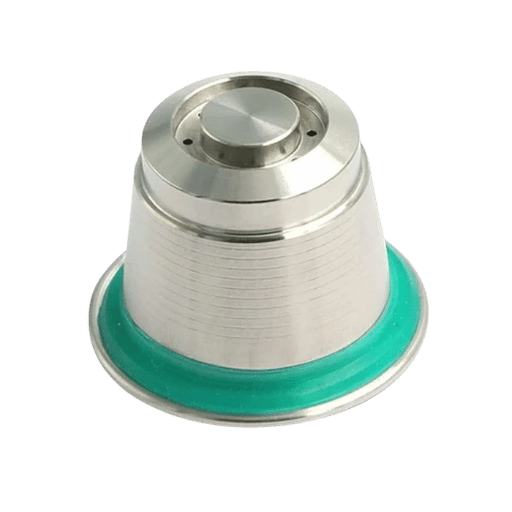
Una capsula in acciaio-Nespresso è una cialda di caffè riutilizzabile che consiste in un guscio in acciaio austenitico per uso alimentare e un designato per la linea originale Nespresso o il sistema a capsule Vertuo A differenza dei contenitori in alluminio di dimensioni sigillate, usate e successivamente smaltite, questa cialda in acciaio è progettata per essere riempita con fondi, quindi sigillata con tappo a rete o disco sostitutivo prima di essere prodotta ripetutamente.
l’inserto di produzione di 8 centimetri per capsule di acciaio inossidabile è intenzionalmente semplice per un motivo Per una quantità di caffè di 5-9 grammi (5-8 centimetri, a seconda del tipo a capsula) sarà sufficiente una quantità di caffè senza pretese, tirato o pressato in modo profondo. Un guscio di acciaio inossidabile forato incorporato nella capsula di acciaio, che svolge la funzione che in precedenza era fornita dalla lamina nelle capsule di alluminio. I coperchi variano; alcuni modelli hanno tappi permanenti e a rete mentre altri hanno dischi sostituibili e ultrasottili che calcolano l’azione meccanica più dettagliata del loro predecessore. Per un’indagine del guscio., stock in acciaio inossidabile di TiAlloy è un riferimento al catalogo di partenza; confermare la documentazione relativa all’idoneità, al grado, alla finitura e al contatto con gli alimenti della capsula completata.
La divisione della capsula tra le due opzioni della macchina è più significativa rispetto al materiale della capsula Entrambi i tipi possono utilizzare la pressione di 19 bar che è parte integrante delle macchine Nespresso; tuttavia perché le capsule non possono autenticarsi alla macchina attraverso la comunicazione elettronica solo l’inserimento della capsula/corretta sigillatura nel meccanismo. il Brevetto di progettazione USPTO USD1111659S1 Per un coperchio riutilizzabile della capsula del caffè rafforza ulteriormente che lo sviluppo del prodotto in questo formato rimane una ricerca attiva Ad esempio, i tappi intelligenti richiedono che un marchio abbia hardware aggiuntivo o sviluppi prodotti completamente nuovi I prodotti fabbricati da Nespresso che funzionano sono quelli fabbricati o provenienti esclusivamente attraverso i loro canali (e un Cialda di caffè di acciaio realizzato al di fuori di questi probabilmente, ad esempio, violerebbe alcuni progetti industriali, a meno che non siano stati specificamente realizzati attraverso accordi di licenza tramite Nespresso, LLC e/o le sue società affiliate (“Nespresso”) Questo per sottolineare la differenza tra le proprietà dei materiali (acciaio), la costruzione (come sopra) e la licenza/IP (che è ciò che conta per i dispositivi a marchio Nespresso, principalmente per Vertuo).
Acciaio inossidabile vs alluminio vs baccelli di plastica: materiale fianco a fianco
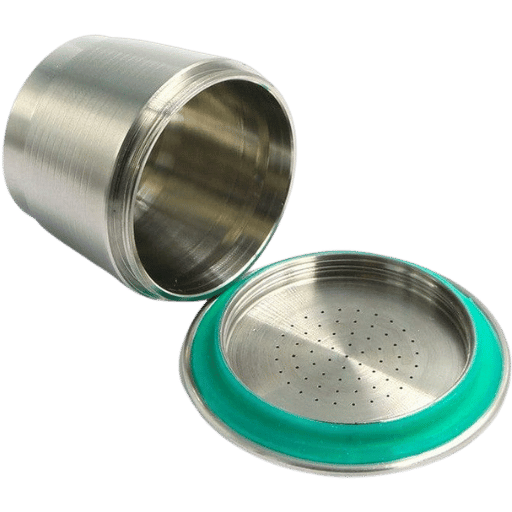
Il test dei materiali a tre vie (tutte e tre queste categorie di capsule – capsule di alluminio o altre capsule rivestite metalliche, capsule a base plastica o sistemi di capsule riutilizzabili e capsule di acciaio inossidabile ) produce un confronto vario su cinque fattori: neutralità del gusto, sicurezza alimentare per Guida FDA sulle sostanze a contatto con gli alimenti, conteggio di riutilizzabilità, costo energetico incorporato, e il settore dei prezzi premium-con nessuno che offre il massimo dei voti su ogni categoria Pertanto è doveroso direttori degli acquisti per valutare i propri valori di marca in considerazione sia delle opzioni monouso, l’impegno del loro marchio per gli sforzi di sostenibilità, o come un modo di dominare una nicchia per le etichette private.
| Dimensione | Alluminio (predefinito) | Plastica (PP/PLA) | Inossidabile (304/316) |
|---|---|---|---|
| Neutralità gustativa | Alto (interno laccato inerte) | Medio (possibili alcune note off in PP) | Alto (nessuna lisciviazione organica) |
| Sicurezza del contatto alimentare | Omologato con barriera laccata | Approvato (gradi senza BPA) | 21 CFR 175 + UE 1935/2004; migrazione del nichel < 0,05 mg/porzione in alimenti caldi acidi |
| Conteggio pratico del riutilizzo | Monouso | ~50-200 cicli (degradazione) | 500+ cicli tipici (l’usura a rete è il limite) |
| Carbonio incorporato | Elevato (la produzione primaria di Al domina il carbonio dei baccelli) | Basso per unità, ma i cicli di riutilizzo limitati | Alto per unità; ammortizzato rispetto al riutilizzo |
| Fascia di prezzo al dettaglio | $0.50-$1.20 per colpo | Riutilizzabile: set $12-25 | Riutilizzabile: set $25-60, $8-20 per pod |
Una cialda di caffè in acciaio inossidabile è migliore della plastica?
Per quanto riguarda gusto e durata, sì, il margine è più ampio di quanto suggeriscano la maggior parte delle affermazioni di marketing. Potresti non rilevarlo dopo 1-2 mesi di consumo quotidiano da una cialda riutilizzabile in polipropilene (PP), ma nel tempo PP perde lentamente il suo plastificante, cosa che probabilmente noteresti L’acciaio è inerte se esposto alle temperature della birra intorno a 92° C (198° F), mentre anche alcuni sistemi economici di pentole in alluminio hanno attirato l’attenzione dei sostenitori dei consumatori per una possibile migrazione degli elementi nel caffè preparato tramite il suo rivestimento passivo (PP). Sulla sostenibilità, tuttavia, trasforma i tavoli, a seconda della frequenza con cui la cialda viene effettivamente utilizzata: una capsula in acciaio raggiungerà rapidamente il suo pareggio sull’equivalente ambientale anche se utilizzata solo due volte a settimana (una capsula utilizzata una volta in quattro settimane), tuttavia, ha un’impronta ambientale ancora maggiore di quella mantenuta in una linea di rottura rispetto a quella dei venditori di fondo.
Perché i marchi del caffè stanno cambiando: i 5 fattori scatenanti del cambio

Le cialde in acciaio inossidabile non sono attualmente un’alternativa di spostamento di massa ai produttori di cialde in alluminio. Attività di progettazione-brevetto recenti come USPTO USD1111659S1 conferma la continua innovazione in questo segmento (il loro successo è stato finora in cinque distinti contesti di branding di nicchia; ciascuno con il proprio insieme di prove distinte e il tempo di consegna associato per il processo decisionale strategico richiesto a livello di marchio/sourcing è importante da considerare in linea con il suo contesto.
| Trattore | Prove citate | Tipo di marca più interessato | Tempi di consegna delle decisioni tipiche |
|---|---|---|---|
| 1. espansione del livello Premium | Illy ha lanciato la macchina pod premium X-Caps alla Milano Design Week 2025; seguono torrefazioni speciali con kit riutilizzabili in co-branding | Torrefattori specializzati; marchio privato premium | 6-9 mesi (attrezzaggio + confezionamento in co-branding) |
| 2. Pressione normativa PPWR dell’UE | Il regolamento 2025/40 si applica a partire dal 2026; mandati compostabili di cialde di caffè da parte degli Stati membri previsti intorno al 2028; restrizioni più ampie sulla plastica monouso introdotte gradualmente verso il 2030 | esportatori del mercato UE; marchi multinazionali | 12-18 mesi (documentazione di conformità) |
| 3. controllo del marchio monorigine | Le cialde riutilizzabili consentono ai marchi di spedire fagioli tostati + kit riutilizzabile di marca, catturando l’acquisto ricorrente della macinatura piuttosto che una vendita di capsule one-shot | Torrefattori diretti al consumatore; marchi in abbonamento | 3-4 mesi (kit assembly + LMS) |
| 4. Economia costo per inquadratura su larga scala | I fornitori del settore del marchio del distributore citano MOQ da ~8.000 capsule per alluminio a 3-4 settimane di termine d’esecuzione; i MOQs inossidabili atterrano a ~5.000-10.000 con 4-6 settimane di termine d’esecuzione | Gruppi di ospitalità; programmi di caffè per ufficio | 2-3 mesi (ciclo di approvvigionamento) |
| 5. Differenziazione del commercio al dettaglio nella categoria riutilizzabile | Il mercato globale delle cialde di caffè sta monitorando da circa $32.6B nel 2025 verso $46.9B entro il 2031, con l’over-indexing del sottosegmento riutilizzabile nei canali DTC e di vendita al dettaglio specializzati | Sfidanti al dettaglio indipendenti; SKU regalo/stile di vita | 4-6 mesi (finestra di elenco al dettaglio) |
Si può perseguire un mix della suddetta“Triggers”; e in realtà molte strategie di pod inossidabili del 2026 incorporano elementi di diversi, ma due sono spesso fusi a scapito del marchio. Il PPWR dell’UE richiede una “preference” verso compostabile rispetto a riutilizzabile (il percorso predefinito secondo cui molti grandi attori come la nuova Nespresso di Nestlé, la nuova capsule offerta di Lavazza e McCaf, fornendo una certificazione compostabile da parte dello stato membro) l’argomento ‘plastic free’ non è automatico per l’inox riutilizzabile e dovrebbe essere inquadrato onestamente e responsabilmente come quello che è: una strategia speciale/B2B/premium non un ‘pulsante facile’ normativo per la vendita intera.
Compatibilità con la macchina: OriginalLine vs Vertuo (perché la storia di Vertuo è diversa)
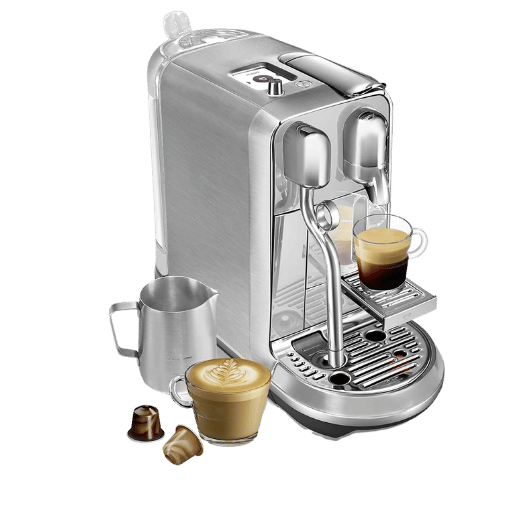
La decisione più importante di un team di sourcing ‘SKU’ quando produce cialde in acciaio inossidabile per Nespresso è se intende commercializzarlo sul proprio sistema OriginalLine (dove potrebbe funzionare) o sul sistema Vertuo (quasi certamente richiederà un adattatore/lavorare per una soluzione di compatibilità completa) che presenta differenze secondo cui i due sono meccanicamente/elettronicamente e non solo semplici come applicare un adesivo L’innovazione progettuale in questa nicchia rimane attiva; cfr USPTO USD1111659S1 per una recente limatura riutilizzabile del coperchio della capsula.
| Famiglia Macchina | Pod inossidabile Viabilità | Perché funziona (o non funziona) |
|---|---|---|
| OriginalLine (tutti i modelli) | Alto supporto universale di terze parti vicino a 5 | Estrazione a pressione (~19 bar); nessuna autenticazione elettronica; qualsiasi pod adatto alla camera che sigilla correttamente si infrangerà |
| Vertuo (eredità /Vertuo+) | Il flusso di lavoro dell’adesivo del codice a barre medio richiede | Estrazione centrifuga attivata dal codice a barre stampato sul coperchio; gli adesivi laminati impermeabili sostitutivi riautenticano ogni birra |
| Vertuo Avanti | Medium – funziona con disegni di adesivi attuali | Stesso protocollo di codice a barre; le dimensioni dell’adesivo sono le specifiche del gating del fornitore |
| Vertuo POP | Flusso di lavoro medio-adesivo affidabile | I professionisti del settore riferiscono che Vertuo Plus e POP hanno le prestazioni degli adesivi più affidabili su tutta la linea Vertuo |
| Vertuo (riutilizzabile a buon mercato senza marchio) | Bassa perdita e rischio di danni | Segnalazioni di distacco di adesivi per codici a barre, guasti alla tenuta e danni alla camera da gusci di terze parti sottostrutturati |
304 vs 316 inossidabile: in che modo il grado di acciaio influisce su gusto, sicurezza e costi
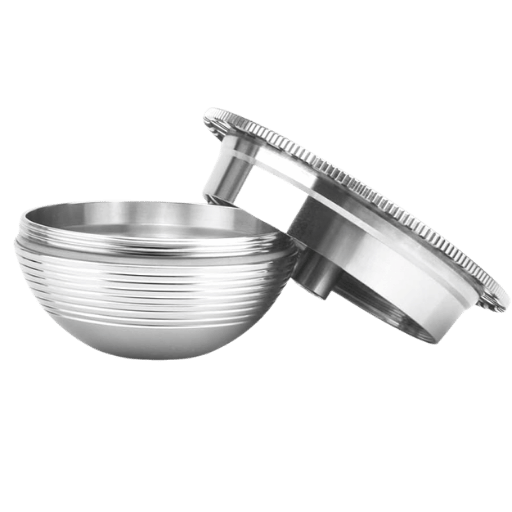
La scelta della miscela di acciaio, almeno dal punto di vista del costo di branding vs sourcing, può determinare una differenza di 18% nella materia prima e questo punto decisionale raramente conta sulla sostenibilità del brew-304 residenziale (lo standard per cucinare) ha in genere una composizione di acciaio inossidabile più che sufficiente adeguata per i sistemi Nespresso domestici, con tutte le etichette di ‘grado medico’/‘grado chirurgico’ che identificano semplicemente varie qualità all’interno della più ampia famiglia austenitica 300.
| Dimensione | 304 (18/8) | 316 (18/10/2) | “Rivendicazione”Surgical / Medical Grade” |
|---|---|---|---|
| Contenuto di cromo | ~18% | ~16-18% | Termine di commercializzazione; di solito significa 316 o 316L |
| Contenuto di nichel | ~8% | ~10-14% | Nessuno standard ASTM separato per le cialde di caffè“medical grade” |
| Contenuto di molibdeno | Nessuno | ~2-3% (resistenza al cloruro) | Indistinguibile da 316 nei test di laboratorio |
| Corrosione dell’acido del caffè | Ottimo sotto uso residenziale | Ottimo nelle regioni di acqua pesante cloruro | Lo stesso di 316 |
| conformità FDA/UE | 21 CFR 175.300 /175.390 /UE 1935/2004 | Stesso percorso, portata più ampia | Stessa base normativa; nessun certificato di dispositivo medico coinvolto |
| Premio di costo (materia prima) | Baseline | +15-25% | Nessun premio aggiuntivo solo per la richiesta di marketing |
- Il vostro cliente è su un mercato di acqua ad alto contenuto di cloruro (città con la vicinanza di acqua di mare, la maggior parte delle parti di FL e della costa del golfo di USA, Europa meridionale).200mg/LCl è normale.
- Il tuo marchio sta giocando sul segmento di livello superiore, ($25/2pack) dove il cliente si aspetta “316” “marine grade” nella scheda tecnica.
- Il tuo marchio sarà associato a un marchio di strumenti sanitari o chirurgici in cui l’allineamento a “316” e “316L” ha senso per la narrativa del tuo marchio.
Per qualsiasi altro caso 304 è l’impostazione predefinita nella produzione di birra commerciale, anche nell’applicazione di alimenti caldi per prodotti inossidabili per uso alimentare, secondo i dati del comitato di esperti dell’EFSA e del JECFA. La migrazione del nichel per applicazioni di alimenti inossidabili caldi, acidi e austenitici risulta in frazioni di milligrammo per porzione ed è trascurabile rispetto alla quantità di nichel già contenuta nel caffè. I dati EFSA e JECFA specificano i livelli consentiti per porzione che sono molto più elevati di quanto riportato per la lisciviazione dell’acciaio nei prodotti alimentari.
Su una base di volume di produzione la differenza diventa significativa 35 kg di acciaio inossidabile sarebbero necessari in un ordine medio di 50.000 unità di cialda di caffè inossidabile (a 0,7 grammi per lo spessore del guscio) Con 316 materiale che costa un extra 15 a 25% in più, il vostro costo totale aumenterà per cialda con costi più elevati che passano fino al prezzo finale del prodotto Con questo in mente default 304 dovrebbe essere considerato, facendo riferimento alla conformità EFSA o FDA come base di selezione, riservando il premio, 316 specifica solo per quegli acquirenti che richiedono “marine grade”.
All’interno del processo di riempimento del pod: per cosa devono pianificare i marchi
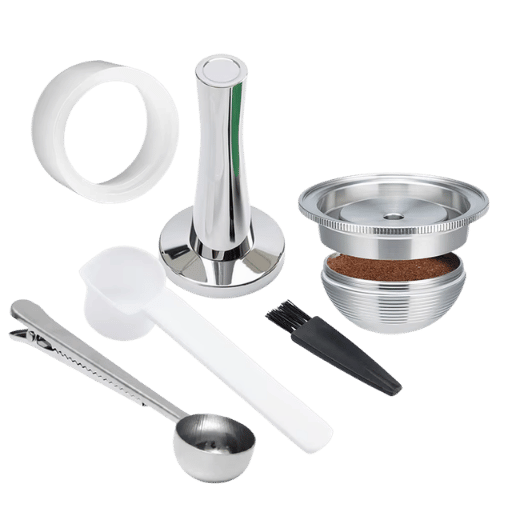
Le linee di produzione hanno altre 5 fasi di processo oltre alla parte in acciaio inossidabile.
- Dosaggio Dosaggio 7 grammi per cialda o 9 grammi per cialda 12 per le cialde vert.io è la dose di caffè da alimentare all’interno L’intervallo di errore tollerato per ogni shot è solitamente inferiore a 0,2 grammi per una linea di produzione decente per la Linea Originale.
- Manomissione La manomissione meccanica può applicare una forza di pressione effettiva intorno a 10 -15 libbre. La manomissione porta a colpi acquosi e nemmeno alla crema estratta, mentre la sovrastampa potrebbe soffocare lo schermo e potenzialmente aumentare la pressione della camera di infusione, in alcuni casi può portare ad un accumulo di pressione e a una rottura durante la infusione.
- Sigillatura Esistono principalmente due tipi: un coperchio a rete permanente con motivo a marchio integrato (senza coperchi in lamina con design integrato, brevettato solo dai marchi, “Nespresso original behaviouraprerea), o tappi in pellicola di alluminio-lega termosaldati (comportamento dei baccelli in stile originale Nespresso) La guarnizione dei tappi in lamina è sigillata su una piastra riscaldante regolata a un livello di calore compreso tra 165 e 185 gradi per un periodo compreso tra 0,5 e 1,0 secondi.
- Test di perdita Alcune aziende controllano periodicamente l’integrità delle perdite delle capsule (ad esempio 1 su 1000, 1 su 500) tramite test pneumatici o utilizzando un’unità di test sotto vuoto che è la causa per cui alcune capsule di acciaio inossidabile di terza parte e di bassa qualità si guastano sotto la pressione di infusione e comportano chiamate in garanzia del cliente.
- Confezione Sacchetto di poli film soffiato e sigillato di azoto, noto anche come flow-wrap o sacchetto di cuscino, proteggere il caffè macinato tostato dall’ossigeno attraverso la durata di conservazione L’opera d’arte del marchio copre questa busta, per quei caffè etichettatura privata per i marchi ci sarà anche una scatola di cartone esterna stampata personalizzata che porta il marchio.
Zegbrk_0010.
L’insieme di categorie di attrezzature di riempimento e sigillatura, precisamente la provincia in cui afpakmachine.com e simili società di macchine per il riempimento di cialde di caffè dedicate giustificano le loro tariffe è se il loro cliente ha una linea co-imballata in alluminio esistente e desidera passare a un’attrezzatura inossidabile a marchio privato versione L’attrezzatura necessaria per l’inossidabile sembra un’opzione meccanicamente più semplice dell’alluminio (nessun punzone di alluminio dal bordo superiore), tuttavia il requisito per il test di perdita di essere mantenuto in modo più rigoroso a causa di ciascuno dei cialde di caffè inox riutilizzabili che vengono infusi almeno un poche centinaia di volte che sarebbero state appena più accettabili dell’alluminio originale, ma che termineranno con un richiamo.
Quante volte un Cialda di caffè in acciaio inossidabile può essere effettivamente riutilizzato prima che necessiti di sostituzione?
Le rese medie riutilizzabili si basano su una cialda inossidabile di media qualità con un coperchio a rete fissa utilizzato da circa 500-1500 cicli di infusione, dopodiché la rete si intasa oltre la capacità di semplice lavaggio o la sede della cialda non riesce a mantenere un’adeguata guarnizione di tenuta Le cialde con un disco di alluminio sostituibile hanno una durata di servizio molto più lunga sul guscio esterno (molte migliaia di cicli), ma il disco di alluminio utilizzato è un elemento usa e getta su base per birra che spesso fa parte delle confezioni di ricarica della confezione da 100 confezioni di marca. I caffè petroliferi ‘pesanti’ (arrosti scuri o alcuni singoli in stile indonesiano) tendono a limitare la durata della rete mediante un accumulo più rapido di residui, gli arrosti ‘leggeri’ prolungano la durata della rete. Un buon professionista del settore indica che il lavaggio regolare del filtro a rete è la variabile più grande tra l’utilizzo di 500 cicli e l’utilizzo di 1500 cicli.
La matematica della sostenibilità: quando il riutilizzabile batte l’uso singolo
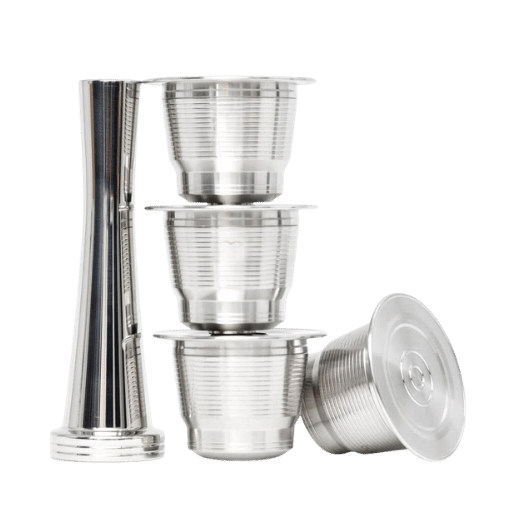
La copia di sostenibilità è l’albero fruttato a bassa sospensione, facilmente sovrapromesso e quindi facile da minare. Le affermazioni sulla sicurezza dei contatti alimentari che ancorano la storia della sostenibilità dovrebbero fare riferimento a testi normativi primari come FDA 21 CFR 175.390 piuttosto che studi secondari sul blog citazioni LCA studi di tazze riutilizzabili per bevande inossidabili e ci sono molti di questi studi in effetti, un documento comparativo riassuntivo LCA pubblicato dall’UNEP (UNEP) suggerisce che un pareggio di carbonio da smaltibili inizia in genere a insinuarsi su basse centinaia di usi, a seconda del presupposto che si basa su quanta energia va nell’acqua calda, il peso delle tazze o delle cialde e quale energia detergente viene utilizzata Applicare quella logica alle cialde di caffè, ad esempio, una conclusione ragionevolmente difendibile potrebbe essere che inizia a rompersi anche contro l’alluminio solo nell’ordine di circa 100-200 cicli di infusione.
Al di sotto di tale intervallo, il costo iniziale delle emissioni di carbonio supera il risparmio derivante dalla riduzione dei cicli di produzione dell’alluminio.
Perché l’impronta di alluminio è importante Un motivo importante per cui esiste la linea di base del carbonio per la cialda di caffè è che la fusione dell’alluminio vergine costituisce di un fattore enorme l’elemento più grande dell’impronta di carbonio di una cialda monouso convenzionale. Un LCA standard sugli imballaggi di caffè effettuato di recente ha evidenziato l’apporto energetico al punto di fusione dell’alluminio come il singolo e più grande generatore di emissioni nel processo di creazione di una capsula di caffè. Una capsula realizzata in acciaio e prodotta 300 volte quindi mette da parte la stragrande maggioranza di quel carbonio di alluminio con un aumento relativamente modesto L’impatto della produzione (monouso) di un guscio in acciaio.
Il PPWR dell’UE (Regolamento 2025/40) è l’orologio normativo sotto questa matematica. Il regolamento è entrato in vigore nel 2025 ed è sostanzialmente attivo nel 2026, sostituendo la precedente Direttiva sugli imballaggi e sui rifiuti di imballaggio. (Vedi “Legal Analyses of PPWR,” from Plastics Packaging.”): “EU PPWR potrebbe presto richiedere, attraverso le azioni degli Stati membri, che la maggior parte dei sacchetti di caffè e della maggior parte dei baccelli di caffè siano compostabili a partire dal 12 febbraio 2028, con ulteriori restrizioni sulla plastica monouso che entreranno in vigore entro il 1 gennaio 2030 e un mandato sul riutilizzo degli imballaggi per il trasporto. Per i marchi che osservano onestamente: PPWR spinge la categoria del caffè più direttamente in compostabile, mentre l’acciaio inossidabile riutilizzabile è la risposta alla domanda sulla plastica non a uso singolo, ma non riesce a fornire direttamente preferenze di compostabilità. Allineare l’affermazione di sostenibilità con la matematica di riutilizzo che è difendibile, non la casella di controllo regolamentare che effettivamente spunta il formato.“
La copia di marketing che afferma che le cialde riutilizzabili in“stainless sono conformi al PPWR” non funziona. Il PPWR dell’UE spinge gli Stati membri a imporre una singola porzione compostabile già all’inizio del 2028. La riutilizzabile in acciaio inossidabile è un modo per rispondere ai mandati degli Stati membri, ma non è l’intento politico. “Progettato per superare le restrizioni sulla plastica monouso” è più accurato di quanto non sia conforme a “PPWR,” fino a quando i team legali non hanno scritto il documento.
Uso quotidiano: Riempire, Brew, Pulire (i marchi di UX dovrebbero testare prima di impegnarsi)
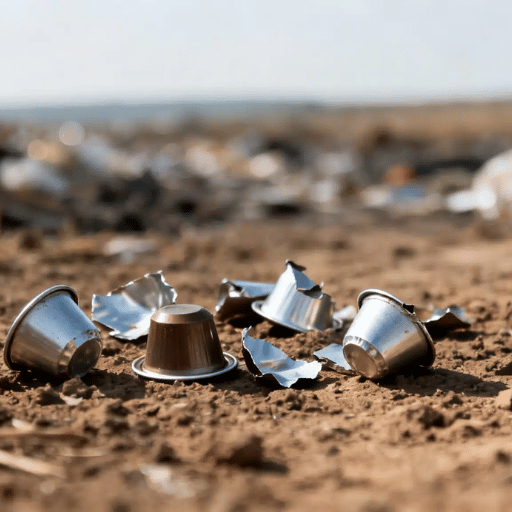
L’attrito dell’utente finale un B2B decisione è o convalidato dall’acquisto o schiacciato da ticket di supporto sourcing è il luogo affidabilità del prodotto rimane un obiettivo ingegneristico attivo, come brevetto OMPI recente WO2025120122A1 sull’affidabilità di erogazione della capsula illustra Quattro modalità di guasto UX primaria intorno all’acciaio inossidabile sono prevedibili e mitigarli rientra nell’ambito degli sforzi pre-prodotto, non post-prodotto.
Pod Type × Use Case Classification Matrix
Prima di finalizzare il protocollo di test UX per uso quotidiano, classifica il tipo di pod specifico della tua biancheria rispetto all’utilizzo da parte dell’utente finale che incontrerà Ogni combinazione pod/utente impone un programma di test su misura e un piano di formazione per l’utente specifico.
| Tipo Pod | Caso di utilizzo primario | Riutilizza Cadenza | Priorità del test pre-lancio |
|---|---|---|---|
| Coperchio a rete permanente (OriginalLine) | Produzione casalinga giornaliera, pacchetti di torrefazioni speciali | 1-3 birre al giorno | Otturazione della maglia a 30 giorni; dimensione della macinazione corrispondente |
| Guscio riutilizzabile a disco in lamina (OriginalLine) | Programmi di ospitalità/ufficio; profilo di birra quasi originale | 5-20 birre al giorno | Coerenza della catena di fornitura della lamina; calibrazione del rivestimento sigillante |
| Adesivo per codici a barre riutilizzabile (Vertuo Plus) | Famiglie Vertuo che desiderano il controllo del volume | 1-2 birre al giorno | Durata dell’adesivo adesivo durante il ciclo a caldo umido |
| Barcode-sticker riutilizzabile (Vertuo Next) | Famiglie Vertuo più recenti, segmento regalo | 1-2 birre al giorno | Corrispondenza della dimensione dell’adesivo rispetto al firmware Vertuo Next più recente |
| Adesivo per codici a barre riutilizzabile (Vertuo POP) | SKU stile di vita; segmento di consumo più giovane | 1-3 birre al giorno | Varianti SKU abbinate al colore; stabilità del colore dell’adesivo |
| Starter kit OriginalLine in etichetta privata | marchi di abbonamento DTC, pacchetti regalo | Varia in base al profilo dell’abbonato | Incisione del marchio/durata della stampa a tampone dopo 100 cicli di lavaggio |
| B2B bulk Riutilizzabile originale | Programmi di caffè per ufficio, dispense di co-working | Uso pesante; regime di pulizia condiviso | SOP igienico ad uso condiviso; cadenza di ispezione della rete |
| Regalo monounità Premium 316 | Narrazione di marca di alto livello; segmento collezionista | Uso leggero; acquisto emotivo | Unboxing dell’imballaggio UX; documentazione di certificazione del grado |
| Pacchetto torrefazioni speciali in co-branding | Controllo del marchio delle torrefazioni indipendenti; entrate ricorrenti della macinazione | Cadenza educativa guidata da torrefattori | Scheda di accoppiamento per profilo arrosto; riordinare il flusso |
| Modalità di guasto | Causa sottostante | Frequenza Reclami Clienti | Mitigazione Brand-Side |
|---|---|---|---|
| Perdita alla cucitura del coperchio | Sedili con guarnizione sotto le specifiche; guarnizione in silicone invecchiato; pressione di manomissione aggressiva | Elevato nelle importazioni a basso costo; raro nei fornitori disciplinati dal QA | Test di tenuta 1 su 100 pre-lancio; includere una guarnizione di ricambio nel pacco di avviamento |
| Colpo acquoso o crema sottile | Macinare troppo grossolano; sotto-timp; sottodose | Il più alto reclamo singolo tra i prodotti riutilizzabili | Spedire un grafico grind-size nella confezione; consigliare più fine rispetto al supermercato espresso grind |
| Intasamento del filtro a rete | Macinare troppo fine; arrosti scuri e pesanti come l’olio; pulizia poco frequente | Medium – 3-4 settimane di utilizzo giornaliero senza pulizia | Includere una piccola spazzola per la pulizia nel kit; istruire il risciacquo quotidiano |
| Buccia dell’adesivo del codice a barre Vertuo | Guasto dell’adesivo durante il ciclo del calore umido; laminato sub-spec | Medium sulle linee Vertuo; near zero su OriginalLine | Adesivi laminati impermeabili di origine di un fornitore noto; raggruppare un foglio sostitutivo |
Eseguire un pilota interno di 30 giorni della linea di macchine di destinazione prima di firmare un contratto per le attrezzature in acciaio inossidabile Una volta ogni mattina e pomeriggio per tutta la durata, documentare le variabili di rettifica, la tecnica di rincalzatura, le perdite osservate e fotografare la crema Raramente il guasto viene mancato con un approccio disciplinato durante o prima del 14° giorno di questo tipo di pozzo pilota prima che un partner del marchio del distributore effettui un ordine iniziale.
Puoi posizionare efficacemente l’inossidabile nel tuo marketing comunicando francamente i successi degli utenti sul campo Questi utenti hanno lavorato per identificare il corretto ritmo di macinazione, tamp e pulizia richiesto dalle loro particolari macchine. Identificare chiaramente questo processo di apprendimento per i consumatori in anticipo nei materiali di supporto impedisce il sovraccarico del ticket di supporto che seppellisce gli sforzi di lancio riutilizzabili B2C.
Dove è diretto il formato pod inossidabile: 2026 e oltre
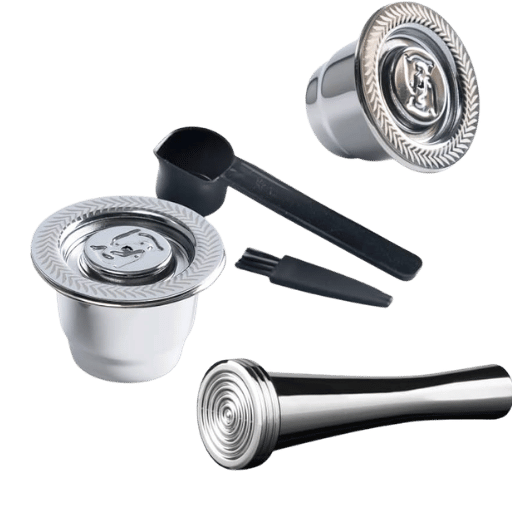
Quando si imposta una strategia di 12-24 mesi per l’acciaio inossidabile, essere consapevoli di tre segnali emergenti – tutti con un orizzonte temporale associato e tutti non riescono a segnalare il movimento del formato verso il diventare mainstream con l’esclusione di alternative in alluminio.
- Compostable domina come la risposta principale per il PPWR dell’UE, non l’attività dei marchi inossidabili in questo spazio fino al 2026 dimostra questo impegno (il Nespresso compatibile con la casa di McCaf, gli Eco Caps di Lavazza, i pod compostabili per la casa Constantia Flexibles/Greiner Packaging, il brevetto monodose di Constantia, le capsule di carta sperimentali di Nestlé, ecc.) I prodotti speciali, indie e B2B a marchio del distributore possono favorire l’inossidabile riutilizzabile, ma non si aspettano che la categoria si allontani del tutto dall’alluminio.
- L’espansione del livello pod premium è diventata reale La macchina pod premium X-Caps di Illy ha debuttato alla Milano Design Week 2025 e ha confermato che il livello pod premium superiore al Nespres mainstream Nespresso è ora aperto per le opportunità di business per lo spazio sugli scaffali premium e le opportunità per i formati pod premium, come kit riutilizzabili in acciaio inossidabile e co-marchi di torrefazione speciali.
- L’interesse per la ricerca è ora in crescita L’interesse per il pod“ in acciaio inossidabile ”nespresso ha avuto un trend più alto di circa 23% rispetto alle recenti finestre trimestrali, correlando con l’aumento delle ricerche di query in formato riutilizzabile adiacenti Sebbene reale, questa crescita parte da una base bassa ed è una categoria nata nella specialità di nicchia, non una tendenza di consumo diffusa.
Per i brand che pianificano la roadmap 2026-2027, l’azione dipende dal loro stadio Le fonti dell’autorità da tenere d’occhio includono l’attivo Documento di progettazione-brevetto USPTO per le innovazioni riutilizzabili delle capsule I torrefattori specializzati Startup possono esplorare la sperimentazione di un kit riutilizzabile in acciaio inossidabile a basso MOQ con un co-brand a rischio finanziario trascurabile I marchi in crescita a marchio del distributore devono abbinare gli utensili in acciaio inossidabile al contesto normativo dei mercati previsti pesanti per la regolamentazione UE, ha senso investire in opzioni compostabili come offerta principale con l’inox come quello premium piuttosto che investire esclusivamente nell’inox I grandi marchi multinazionali che considerano un pivot all’ingrosso sono la soluzione più bassa per l’inox A causa di problemi normativi, avrà ancora più senso che la maggior parte degli SKU tradizionali siano compostabili.
Domande Frequenti
D: Ci sono cialde Nespresso in acciaio inox?
Visualizza risposta
D: Qual è la differenza di costo tra una capsula in acciaio inossidabile e una capsula in alluminio per colpo?
Visualizza risposta
D: Tutte le cialde Nespresso sono realizzate in alluminio?
Visualizza risposta
D: Le cialde in acciaio danneggeranno la mia macchina Vertuo?
Visualizza risposta
D: È possibile etichettare privatamente una cialda in acciaio inossidabile con i marchi del mio marchio?
Visualizza risposta
D: Quanto dura effettivamente una cialda di caffè in acciaio inossidabile?
Visualizza risposta
Come abbiamo compilato questa guida
Questo documento guida lato marchio sulle cialde per caffè Nespresso in acciaio inossidabile è stato assemblato utilizzando quanto segue: rapporti di analisi legale del regolamento UE PPWR 2025/40, database FDA 21 CFR Food Contact Substances (FCS), Journal of Agricultural and Food Chemistry “Research on Stainless Steel Corrosion and Leaching”, recenti domande di brevetto USPTO ed EPO relative a progetti di capsule ricaricabili e le linee di prodotti disponibili al pubblico 2025-2026 delle principali marche di cialde riutilizzabili con etichetta privata Non vendiamo cialde di caffè in acciaio inossidabile Produciamo i macchinari per il riempimento e la sigillatura delle cialde di caffè che questi marchi utilizzano durante la transizione dall’alluminio co-imballato alla loro soluzione interna in acciaio inossidabile con etichetta privata.
Riferimenti e fonti
- Regolamento sui rifiuti di imballaggio e imballaggio (PPWR) 2025/40 Commissione europea per l’ambiente, Direzione generale
- 21 CFR 175.300 (Rivestimenti resinosi e polimerici per contatto alimentare) Amministrazione degli alimenti e dei farmaci
- 21 CFR 175.390 Rivestimenti a matrice di biossido di silicio Z Amministrazione degli alimenti e dei farmaci
- Determinazione dello stato normativo dei componenti di un materiale a contatto con gli alimenti Amministrazione degli alimenti e dei farmaci
- Valutazione semplificata del ciclo di vita dei rifiuti di imballaggio nella preparazione e nel consumo del caffè (2 Giornale italiano di scienze alimentari)
- Valutazione comparativa del ciclo di vita e analisi decisionale multicriterio delle capsule di caffè 20Direct (20)
- Nuove norme UE sugli imballaggi e sui rifiuti di imballaggio: 10 cose fondamentali che ogni impresa globale dovrebbe conoscere – Fieldfisher LLP
- USD1111659S11 Brevetto di design: Coperchio per capsule di caffè riutilizzabili (USPTO
- WO2025120122A1 Sistema di erogazione di bevande a capsule affidabili – Organizzazione mondiale della proprietà intellettuale
- Le guerre dei baccelli continuano (i marchi legacy statunitensi assumono) – Intelligenza del caffè
- Capsule Compostabili per Sistemi Linea Originale Nespresso – Mondo di imballaggio


