
สแตนเลสสตีล Nespresso pods เป็นคําถามแบรนด์เนมด้านบนรายการสําหรับผู้จัดหากาแฟใน ²026 แคปซูลอลูมิเนียมประเภทที่เรารู้จักและชงที่บ้าน อย่างไรก็ตามการเติมพลาสติกทําให้ผู้ที่ชื่นชอบกาแฟมีความอุดมสมบูรณ์เพื่อเฉลิมฉลองตอนนี้เหล็กที่นํากลับมาใช้ใหม่ได้อนุญาตให้ใช้เครื่องคั่วแบบพิเศษและเป็นส่วนตัว ป้ายกํากับ เพื่ออยู่เหนือคําถามที่ว่า “จะละทิ้งการใช้ครั้งเดียวหรือไม่” แทนที่จะเกิดคําถามใหม่ขึ้นมา “บริษัทของฉันจะเป็นเจ้าของรูปแบบที่แตกต่างและหรูหรานี้ได้อย่างไร” คู่มือนี้จะตรวจสอบโอกาสของแบรนด์ในขณะที่มันแยกฝักสแตนเลสออก สรุปประโยชน์และข้อเสียของวัสดุ อภิปรายว่าบาร์โค้ด Vertuo ยังคงทําหน้าที่เป็นอุปสรรคอย่างไร และปฏิทินการควบคุมของสหภาพยุโรปสามารถกําหนดการตัดสินใจซื้อสําหรับไตรมาสนี้ได้อย่างไร.
ข้อมูลจําเพาะด่วน orders Stainless Steel Nespresso Pod (แผ่นโกงของผู้ซื้อ B2B)
| เกรดเริ่มต้น | 304 (18% Cr / 8% Ni); 316 (+ 2-3% Mo) เฉพาะเมื่อมีการวางตําแหน่งระดับพรีเมียมหรือน้ําที่มีคลอไรด์หนักเท่านั้น |
| ผนังเปลือกหอย | ~0.5-0.8 มม. โดยทั่วไป (ช่วงอุตสาหกรรม; แตกต่างกันไปตามซัพพลายเออร์) |
| ความเข้ากันได้ของเครื่อง | OriginalLine: ใกล้สากล Vertuo: ต้องใช้เวิร์กโฟลว์บาร์โค้ด-สติกเกอร์บน Vertuo Plus/Vertuo Next / Vertuo POP |
| การปฏิบัติตามข้อกําหนดของ FDA/สหภาพยุโรป | 304 ตรงตาม 21 CFR 175.300 (สารเคลือบสัมผัสอาหาร) และ EU 1935/2004; ข้อมูลการย้ายถิ่นของ EFSA: การปล่อยนิกเกิล < 0.05 มก. ต่อหนึ่งหน่วยบริโภคในเครื่องดื่มร้อนที่เป็นกรด |
| จุดคุ้มทุนของวงจรชีวิต | รอบการต้มเบียร์ประมาณ 100-200 รอบเทียบกับการใช้อะลูมิเนียมแบบใช้ครั้งเดียว ตีความจากวรรณกรรม LCA ถ้วยเครื่องดื่มเปรียบเทียบ |
| ขั้นต่ํา B2B (ฉลากส่วนตัว) | สแตนเลสทั่วไป 5,000-10,000 ยูนิต (ระยะเวลารอคอย 4-6 สัปดาห์) อลูมิเนียม/ย่อยสลายได้สามารถเริ่มต้นที่ ~8,000 ยูนิตสําหรับผู้บรรจุหีบห่อร่วมรายใหญ่ |
| ลมท้ายตามกฎระเบียบ | ระเบียบ PPWR ของสหภาพยุโรป 2025/40 มีผลบังคับใช้ในปี 2025 การใช้งานแบบกว้างๆ ตั้งแต่ปี 2026 คําสั่งย่อยสลายฝักกาแฟของรัฐสมาชิกคาดว่าจะประมาณปี 2028 |
| เวิร์กโฟลว์บาร์โค้ด Vertuo | จําเป็นสําหรับ Vertuo Plus / Next / POP ผ่านสติกเกอร์ทดแทนลามิเนตกันน้ํา ไม่จําเป็นสําหรับ OriginalLine |
| การทําความสะอาดตัวกรองตาข่าย | การล้างรายวันเป็นตัวแปรที่ใหญ่ที่สุดเพียงตัวเดียวที่แยกอายุการใช้งาน 500 รอบและ 1,500 รอบ |
| คําแนะนําขนาดบด | ละเอียดกว่าเครื่องบดเอสเปรสโซในซูเปอร์มาร์เก็ต แรงดันแทมประมาณ 10-15 ปอนด์เทียบเท่า |
| ฉากหลังตลาดกาแฟ | ตลาดกาแฟทั่วโลกคาดการณ์ตั้งแต่ $32.6B 2025 ถึง $46.9B ภายในปี 2031 ส่วนย่อยที่นํากลับมาใช้ใหม่ได้เกินดัชนีใน DTC และช่องพิเศษ |
อะไรทําให้พ็อด Nespresso สแตนเลสแตกต่างจากรูปแบบเริ่มต้น
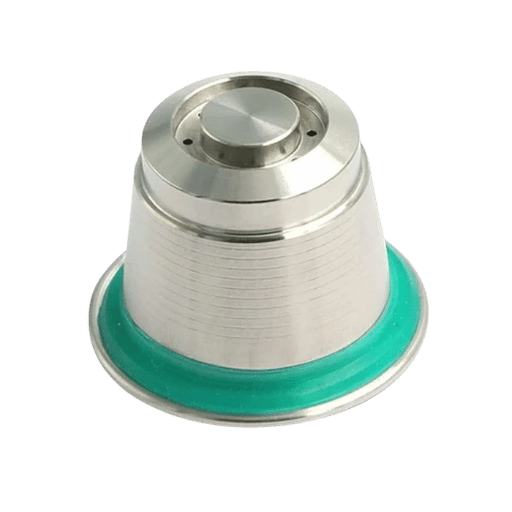
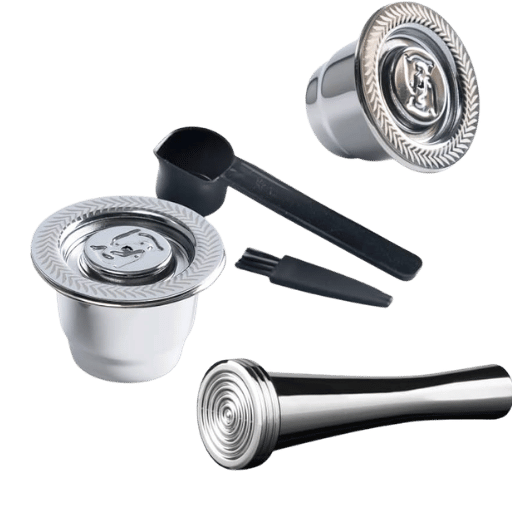
แคปซูลเหล็ก-เนสเพรสโซเป็นฝักกาแฟที่ใช้ซ้ําได้ซึ่งประกอบด้วยเกรดอาหารเปลือกเหล็กออสเทนนิติกและขนาดที่กําหนดสําหรับระบบแคปซูล Nespresso Original Line หรือ Vertuo แตกต่างจากภาชนะอลูมิเนียม (ซึ่งปิดผนึกใช้และกําจัดในภายหลัง) ฝักเหล็กนี้ได้รับการออกแบบให้เติมด้วยพื้นดินแล้วปิดผนึกด้วยฝาตาข่ายหรือจานเปลี่ยนก่อนที่จะถูกต้มซ้ํา ๆ.
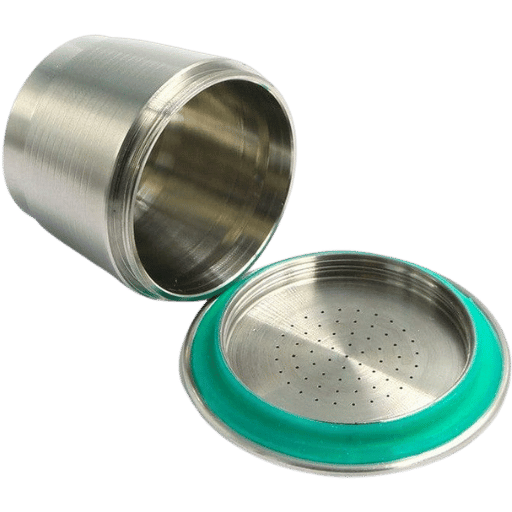
การผลิต 3 ขั้นตอนสําหรับแคปซูลสแตนเลสสตีลมีเจตนาตรงไปตรงมาด้วยเหตุผล สําหรับปริมาณ 5-9 กรัม (5-8 เซนติเมตรตามความเหมาะสมของชนิดแคปซูล) ของกาแฟเปลือกสแตนเลสที่ไม่โอ้อวดวาดหรือกดลึกจะเพียงพอ เม็ดมีดตาข่ายเจาะถูกรวมไว้ภายในแคปซูลเหล็กเติมเต็มฟังก์ชั่นที่เคยได้รับจากฟอยล์ในแคปซูลอลูมิเนียม ฝาปิดแตกต่างกันไป; บางรุ่นมีถาวร, ตาข่ายหมวกในขณะที่คนอื่น ๆ มีแผ่นดิสก์บางเฉียบที่สามารถเปลี่ยนได้ซึ่งเลียนแบบการกระทําทางกลที่มีรายละเอียดมากขึ้นของบรรพบุรุษของพวกเขา สําหรับการสอบถามเกี่ยวกับวัสดุเปลือกหอย, สต็อกสแตนเลสจาก TiAlloy เป็นการอ้างอิงแค็ตตาล็อกเริ่มต้น ยืนยันความเหมาะสมในการขึ้นรูป เกรด การตกแต่ง และเอกสารการสัมผัสอาหารสําหรับแคปซูลที่เสร็จสมบูรณ์.
การแบ่งแคปซูลระหว่างตัวเลือกเครื่องทั้งสองมีความสําคัญมากกว่าเมื่อเทียบกับวัสดุของแคปซูล ทั้งสองประเภทอาจใช้แรงดัน 19 บาร์ที่เป็นส่วนประกอบของเครื่อง Nespresso อย่างไรก็ตามเนื่องจากแคปซูลไม่สามารถตรวจสอบความถูกต้องของเครื่องผ่านการสื่อสารทางอิเล็กทรอนิกส์เท่านั้นการประกอบแคปซูล/การปิดผนึกที่เหมาะสมในกลไก สิทธิบัตรการออกแบบ USPTO USD1111659S1 สําหรับฝาแคปซูลกาแฟที่นํากลับมาใช้ใหม่ได้ยิ่งตอกย้ําว่าการพัฒนาผลิตภัณฑ์ในรูปแบบนี้ยังคงเป็นการแสวงหาอย่างแข็งขัน ตัวอย่างเช่นสมาร์ทแคปต้องการให้แบรนด์มีฮาร์ดแวร์เพิ่มเติมหรือพัฒนาผลิตภัณฑ์ใหม่ทั้งหมด ผลิตภัณฑ์ที่ผลิต Nespresso ที่ทํางานคือผลิตภัณฑ์ที่ผลิตหรือจัดหาเฉพาะผ่านช่องทางของพวกเขา (เช่นด้านบน) และฝักเหล็กที่ทํานอกสิ่งเหล่านี้มีแนวโน้มที่จะละเมิดการออกแบบอุตสาหกรรมบางอย่างเว้นแต่จะทําโดยเฉพาะผ่านการจัดการที่ได้รับอนุญาตผ่าน Nespresso, LLC และ/หรือ บริษัท ในเครือ (“Nespresso”) ทั้งนี้เพื่อเน้นความแตกต่างระหว่างคุณสมบัติของวัสดุ (เหล็ก) การก่อสร้าง (ตามข้างต้น) และการออกใบอนุญาต/IP (ซึ่งเป็นสิ่งสําคัญสําหรับอุปกรณ์แบรนด์ Nespresso) สําหรับ Vertuo เป็นหลัก.
สแตนเลสกับอลูมิเนียมกับฝักพลาสติก: วัสดุเคียงข้างกัน
การทดสอบวัสดุสามทาง (ทั้งสามประเภทแคปซูลเหล่านี้ ได้แก่ อลูมิเนียมหรือแคปซูลเคลือบโลหะอื่นๆ แคปซูลพลาสติกหรือระบบแคปซูลที่นํากลับมาใช้ใหม่ได้ และแคปซูลสแตนเลส) ให้การเปรียบเทียบที่แตกต่างกันในห้าปัจจัย: ความเป็นกลางของรสชาติ ความมั่นคงทางอาหาร ต่อ คําแนะนําเกี่ยวกับสารสัมผัสอาหารของ FDA, จํานวนการนํากลับมาใช้ใหม่, ต้นทุนพลังงานที่เป็นตัวเป็นตน, และภาคราคาพรีเมียม- โดยไม่มีใครเสนอคะแนนสูงสุดในทุกหมวดหมู่ ดังนั้นจึงสมควรที่กรรมการจัดซื้อจะต้องประเมินมูลค่าแบรนด์ของตนเองโดยคํานึงถึงตัวเลือกแบบใช้ครั้งเดียวความมุ่งมั่นของแบรนด์ต่อความพยายามด้านความยั่งยืนหรือเป็นวิธีการครอบงําช่องสําหรับฉลากส่วนตัว.
| มิติ | อลูมิเนียม (ค่าเริ่มต้น) | พลาสติก (PP/PLA) | สแตนเลส (304/316) |
|---|---|---|---|
| ลิ้มรสความเป็นกลาง | สูง (ภายในแลคเกอร์เฉื่อย) | ปานกลาง (สามารถบันทึกนอก PP บางส่วนได้) | สูง (ไม่มีการชะล้างแบบอินทรีย์) |
| ความปลอดภัยในการสัมผัสอาหาร | อนุมัติด้วยไม้กั้นแลคเกอร์ | ได้รับการอนุมัติ (เกรดปลอดสาร BPA) | 21 CFR 175 + EU 1935/2004; การอพยพของนิกเกิล < 0.05 มก./เสิร์ฟในอาหารร้อนที่เป็นกรด |
| จํานวนการใช้ซ้ําในทางปฏิบัติ | ใช้ครั้งเดียว | ~50-200 รอบ (การย่อยสลาย) | โดยทั่วไปมีรอบมากกว่า 500 รอบ (การสึกหรอของตาข่ายคือขีดจํากัด) |
| คาร์บอนที่เป็นตัวเป็นตน | สูง (การผลิตอัลหลักมีอิทธิพลเหนือพอดคาร์บอน) | ต่ําต่อหน่วย แต่รอบการใช้ซ้ํามีจํากัด | สูงต่อหน่วย ตัดจําหน่ายเมื่อนํากลับมาใช้ใหม่ |
| วงราคาขายปลีก | $0.50-$1.20 ต่อนัด | นํากลับมาใช้ใหม่ได้: ชุด $12-25 | นํากลับมาใช้ใหม่ได้: ชุด $25-60, $8-20 ต่อพ็อด |
พ็อดกาแฟสแตนเลสดีกว่าพลาสติกหรือไม่?
เกี่ยวกับรสชาติและความทนทานใช่ 3 อัตรากําไรขั้นต้นกว้างกว่าการอ้างการตลาดส่วนใหญ่แนะนํา คุณอาจตรวจไม่พบหลังจาก 1-2 เดือนของการดื่มทุกวันจากพ็อดที่ใช้ซ้ําได้ของโพลีโพรพีลีน (PP) แต่เมื่อเวลาผ่านไป PP จะรั่วไหลของพลาสติไซเซอร์อย่างช้าๆซึ่งคุณน่าจะสังเกตเห็น เหล็กเฉื่อยเมื่อสัมผัสกับอุณหภูมิการชงประมาณ 92° C (198° F) ในขณะที่แม้แต่ระบบเครื่องครัวอลูมิเนียมราคาถูกบางระบบก็ดึงดูดการตรวจสอบจากผู้สนับสนุนผู้บริโภคสําหรับการย้ายองค์ประกอบที่เป็นไปได้ไปยังกาแฟที่ชงผ่านการเคลือบออกไซด์แบบพาสซีฟ (โครเมียม) อย่างไรก็ตามเพื่อความยั่งยืนจะเปลี่ยนตารางขึ้นอยู่กับความถี่ที่ฝักจะถูกใช้จริง: แคปซูลเหล็กจะถึงจุดคุ้มทุนที่เทียบเท่ากับอลูมิเนียมในช่วงสี่สัปดาห์แม้จะใช้อย่างรวดเร็วมากกว่า.
เหตุใดแบรนด์กาแฟจึงเปลี่ยน: ทริกเกอร์การสลับ 5 ตัว
ปัจจุบันฝักสแตนเลสไม่ใช่ทางเลือกในการแทนที่ตลาดจํานวนมากแทนผู้ผลิตฝักอะลูมิเนียม กิจกรรมสิทธิบัตรการออกแบบล่าสุด เช่น USPTO USD1111659S1 ยืนยันนวัตกรรมอย่างต่อเนื่องในส่วนนี้ ความสําเร็จของพวกเขาอยู่ในบริบทการสร้างแบรนด์เฉพาะกลุ่มที่แตกต่างกันห้าประการ แต่ละรายการมีหลักฐานที่แตกต่างกันออกไป และระยะเวลารอคอยที่เกี่ยวข้องสําหรับการตัดสินใจเชิงกลยุทธ์ที่จําเป็นในระดับแบรนด์/การจัดหาเป็นสิ่งสําคัญที่ต้องพิจารณาให้สอดคล้องกับบริบท.
| ทริกเกอร์ | หลักฐานที่อ้างถึง | ประเภทแบรนด์ที่ได้รับผลกระทบมากที่สุด | ระยะเวลาในการตัดสินใจโดยทั่วไป |
|---|---|---|---|
| 1 การขยายระดับพรีเมี่ยม | Illy เปิดตัวเครื่องพ็อดระดับพรีเมียม X-Caps ที่ Milan Design Week 2025 เครื่องคั่วแบบพิเศษตามมาด้วยชุดอุปกรณ์ที่นํากลับมาใช้ใหม่ได้ร่วมแบรนด์ | เครื่องคั่วแบบพิเศษ ฉลากส่วนตัวระดับพรีเมียม | 6-9 เดือน (เครื่องมือ + บรรจุภัณฑ์ร่วมแบรนด์) |
| 2 ความกดดันด้านกฎระเบียบของสหภาพยุโรป PPWR | กฎระเบียบ 2025/40 มีผลบังคับใช้ตั้งแต่ปี 2026 คําสั่งย่อยสลายฝักกาแฟของรัฐสมาชิกคาดว่าจะประมาณปี 2028 ข้อจํากัดด้านพลาสติกแบบใช้ครั้งเดียวที่กว้างขึ้นจะค่อยๆ ยุติลงในปี 2030 | ผู้ส่งออกตลาดสหภาพยุโรป แบรนด์ข้ามชาติ | 12-18 เดือน (เอกสารการปฏิบัติตามข้อกําหนด) |
| 3 การควบคุมแบรนด์แบบแหล่งกําเนิดเดียว | พ็อดที่นํากลับมาใช้ใหม่ได้ช่วยให้แบรนด์ต่างๆ จัดส่งถั่วคั่ว + ชุดอุปกรณ์ที่นํากลับมาใช้ใหม่ได้ที่มีตราสินค้า โดยจับการซื้อบดซ้ําๆ แทนที่จะขายแคปซูลนัดเดียว | เครื่องคั่วโดยตรงถึงผู้บริโภค แบรนด์สมัครสมาชิก | 3-4 เดือน (ชุดประกอบ + LMS) |
| 4 เศรษฐศาสตร์ต้นทุนต่อช็อตในระดับ | ซัพพลายเออร์ฉลากเอกชนในอุตสาหกรรมเสนอราคาขั้นต่ําจาก ~8,000 แคปซูลสําหรับอะลูมิเนียมที่ระยะเวลารอคอยสินค้า 3-4 สัปดาห์ ขั้นต่ําสแตนเลสลงจอดที่ ~5,000-10,000 โดยมีระยะเวลารอคอยสินค้า 4-6 สัปดาห์ | กลุ่มการบริการ โปรแกรมกาแฟสํานักงาน | 2-3 เดือน (รอบการจัดซื้อจัดจ้าง) |
| 5 ความแตกต่างของการค้าปลีกในหมวดที่สามารถนํากลับมาใช้ใหม่ได้ | ตลาดกาแฟทั่วโลกกําลังติดตามจากประมาณ $32.6B ในปี 2568 เป็น $46.9B ภายในปี 2574 โดยกลุ่มย่อยที่นํากลับมาใช้ใหม่ได้มีการจัดทําดัชนีมากเกินไปใน DTC และช่องทางการค้าปลีกเฉพาะทาง | ผู้ท้าชิงร้านค้าปลีกอินดี้; ของขวัญ/ SKU ไลฟ์สไตล์ | 4-6 เดือน (หน้าต่างรายการขายปลีก) |
หนึ่งอาจติดตามส่วนผสมของดังกล่าวข้างต้น “ทริกเกอร์”; และในความเป็นจริงกลยุทธ์ฝักสแตนเลสปี 2026 จํานวนมากรวมองค์ประกอบของหลาย ๆ อย่าง แต่สองมักจะปะปนกับความเสียหายของแบรนด์ EU PPWR ต้องการ “ความชอบ” ต่อการย่อยสลายได้เทียบกับที่นํากลับมาใช้ใหม่ได้ (เส้นทางเริ่มต้นที่ผู้เล่นรายใหญ่จํานวนมากเช่น Nespresso ใหม่ของ Nestle, Lavazza และข้อเสนอแคปซูลใหม่ของ McCaf โดยการให้การรับรองที่ย่อยสลายได้ของรัฐสมาชิกบางส่วน) อาร์กิวเมนต์ ‘พลาสติกฟรี’ ไม่ได้เกิดขึ้นโดยอัตโนมัติสําหรับสแตนเลสที่นํากลับมาใช้ใหม่ได้ และควรวางกรอบอย่างตรงไปตรงมาและมีความรับผิดชอบตามที่เป็นอยู่: กลยุทธ์พิเศษ/B2B/พรีเมียม ไม่ใช่ข้อบังคับการขายปุ่มทั้งหมด‘.
ความเข้ากันได้ของเครื่อง: OriginalLine กับ Vertuo (เหตุใดเรื่องราวของ Vertuo จึงแตกต่างกัน)
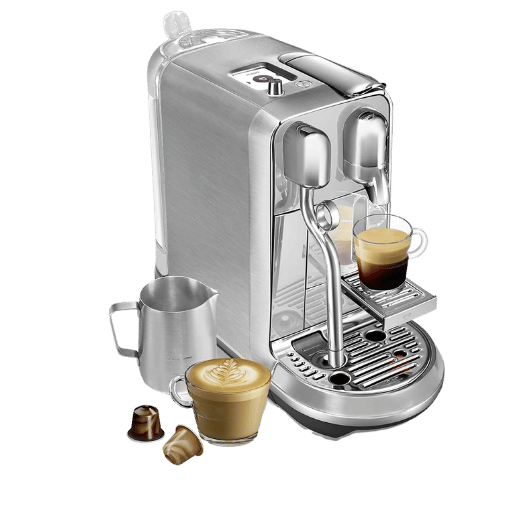
การตัดสินใจ ‘SKU’ ที่เป็นผลสืบเนื่องมากที่สุดของทีมจัดหาเมื่อผลิตฝักสแตนเลสสําหรับ Nespresso คือพวกเขาตั้งใจที่จะทําการตลาดกับระบบ OriginalLine (ซึ่งอาจใช้งานได้) หรือระบบ Vertuo (เกือบจะแน่นอนว่าจะต้องมีอะแดปเตอร์/ทํางานรอบ ๆ สําหรับโซลูชันความเข้ากันได้เต็มรูปแบบ) ซึ่งมีความแตกต่างว่าทั้งสองเป็นแบบกลไก/อิเล็กทรอนิกส์และไม่ง่ายเพียงแค่ใช้สติกเกอร์ นวัตกรรมการออกแบบในช่องนี้ยังคงใช้งานอยู่ ดู USPTO USD1111659S1 สําหรับการยื่นฝาแคปซูลแบบใช้ซ้ําได้ล่าสุด.
| ครอบครัวเครื่องจักร | ความมีชีวิตของพ็อดสแตนเลส | ทําไมมันถึงได้ผล (หรือไม่) |
|---|---|---|
| OriginalLine (ทุกรุ่น) | การสนับสนุนบุคคลที่สามที่เป็นสากลใกล้กับการสนับสนุน | การสกัดด้วยแรงดัน (~19 บาร์); ไม่มีการตรวจสอบสิทธิ์ทางอิเล็กทรอนิกส์ พ็อดแบบห้องที่ปิดผนึกอย่างถูกต้องจะชง |
| Vertuo (มรดก/ Vertuo+) | ปานกลาง — ต้องใช้งานสติกเกอร์บาร์โค้ด | การสกัดแบบแรงเหวี่ยงที่เกิดจากบาร์โค้ดที่พิมพ์ด้วยฝาปิด สติกเกอร์ลามิเนตกันน้ําทดแทนจะตรวจสอบความถูกต้องของการชงแต่ละครั้งอีกครั้ง |
| เวอร์ทู ต่อไป | ปานกลาง ทํางานด้วยการออกแบบสติกเกอร์ปัจจุบัน | โปรโตคอลบาร์โค้ดเดียวกัน ขนาดสติกเกอร์คือข้อมูลจําเพาะเกตของซัพพลายเออร์ |
| เวอร์ทูโอ ป๊อป | ขั้นตอนการทํางานสติกเกอร์ขนาดกลางเชื่อถือได้ | ผู้ปฏิบัติงานในอุตสาหกรรมรายงานว่า Vertuo Plus และ POP มีประสิทธิภาพสติกเกอร์ที่น่าเชื่อถือที่สุดในกลุ่มผลิตภัณฑ์ Vertuo |
| Vertuo (นํากลับมาใช้ใหม่ได้โดยไม่มีแบรนด์ราคาถูก) | ความเสี่ยงการรั่วไหลและความเสียหายต่ํา | รายงานการลอกสติกเกอร์บาร์โค้ด การปิดผนึกล้มเหลว และความเสียหายของห้องเพาะเลี้ยงจากเปลือกหอยของบุคคลที่สามที่ไม่ได้สร้างไว้ |
สเตนเลส 304 ต่อ 316: เกรดเหล็กส่งผลต่อรสชาติ ความปลอดภัย และต้นทุนอย่างไร
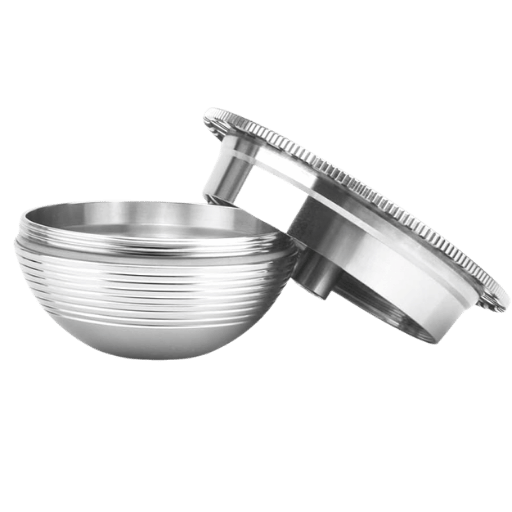
การเลือกส่วนผสมเหล็ก อย่างน้อยก็จากมุมมองของการสร้างแบรนด์เทียบกับต้นทุนการจัดหา สามารถกําหนดความแตกต่าง 18% ในวัตถุดิบได้ และจุดตัดสินใจนี้ไม่ค่อยมีความสําคัญต่อความยั่งยืนของเบียร์สําหรับที่อยู่อาศัย- 304 (มาตรฐานสําหรับการปรุงอาหาร) โดยทั่วไปจะมีมากเกินพอ ส่วนประกอบสแตนเลสที่เพียงพอสําหรับระบบ Nespresso ในบ้าน โดยมีฉลาก ‘เกรดทางการแพทย์’ / ‘เกรดการผ่าตัด’ ทั้งหมดเพียงระบุคุณสมบัติต่างๆ ภายในตระกูลออสเทนนิติก 300 ที่กว้างขึ้น.
| มิติ | 304 (18/8) | 316 (18/10/2) | “การผ่าตัด / เกรดทางการแพทย์” |
|---|---|---|---|
| ปริมาณโครเมียม | ~18% | ~16-18% | เงื่อนไขการตลาด; มักจะหมายถึง 316 หรือ 316L |
| เนื้อหานิกเกิล | ~8% | ~10-14% | ไม่มีมาตรฐาน ASTM แยกต่างหากสําหรับฝักกาแฟ “”เกรดทางการแพทย์” |
| ปริมาณโมลิบดีนัม | ไม่มี | ~2-3% (ความต้านทานคลอไรด์) | แยกไม่ออกจาก 316 ในการทดสอบในห้องปฏิบัติการ |
| การกัดกร่อนของกรดกาแฟ | ยอดเยี่ยมภายใต้การใช้งานที่อยู่อาศัย | ยอดเยี่ยมในบริเวณที่มีคลอไรด์หนัก | เช่นเดียวกับ 316 |
| การปฏิบัติตามข้อกําหนดของ FDA/สหภาพยุโรป | 21 ซีเอฟอาร์ 175.300 / 175.390 /สหภาพยุโรป 1935/2004 | เส้นทางเดียวกัน ขอบเขตที่กว้างขึ้น | พื้นฐานการกํากับดูแลเดียวกัน ไม่มีใบรับรองอุปกรณ์การแพทย์ที่เกี่ยวข้อง |
| เบี้ยประกันภัยต้นทุน (วัตถุดิบ) | พื้นฐาน | +15-25% | ไม่มีเบี้ยประกันภัยเพิ่มเติมสําหรับการเคลมทางการตลาดเพียงอย่างเดียว |
- ลูกค้าของคุณอยู่ในตลาดน้ําคลอไรด์สูง (เมืองที่มีน้ําทะเลใกล้เคียงส่วนใหญ่ของ FL และชายฝั่งอ่าวของสหรัฐอเมริกา, ยุโรปตอนใต้) 200มก./LCl เป็นเรื่องปกติ.
- แบรนด์ของคุณกําลังเล่นในส่วนระดับบนสุด ($25/2pack) ซึ่งลูกค้าคาดหวัง “316” “เกรดทะเล” ในเอกสารข้อมูลจําเพาะ.
- แบรนด์ของคุณจะเชื่อมโยงกับแบรนด์เครื่องมือดูแลสุขภาพหรือศัลยกรรมซึ่งการจัดตําแหน่งกับ “316” และ “316L” นั้นสมเหตุสมผลสําหรับการเล่าเรื่องแบรนด์ของคุณ.
สําหรับกรณีอื่น ๆ 304 เป็นค่าเริ่มต้นในการผลิตเบียร์เชิงพาณิชย์แม้แอปพลิเคชันอาหารร้อนสําหรับสเตนเลสเกรดอาหารตามข้อมูลของคณะกรรมการผู้เชี่ยวชาญของ EFSA และ JECFA การโยกย้ายนิกเกิลสําหรับการใช้งานอาหารสเตนเลสร้อนเป็นกรดออสเทนนิติกจะออกมาเป็นเศษส่วนของมิลลิกรัมต่อหนึ่งหน่วยบริโภคและไม่มีนัยสําคัญเมื่อเทียบกับปริมาณนิกเกิลที่มีอยู่ในกาแฟแล้ว ข้อมูล EFSA และ JECFA ระบุระดับที่อนุญาตต่อขนาดหน่วยบริโภคที่สูงกว่าที่รายงานไว้มากสําหรับการชะล้างเหล็กในผลิตภัณฑ์อาหาร.
บนพื้นฐานปริมาณการผลิตความแตกต่างจะกลายเป็นนัยสําคัญ สแตนเลส 35 กิโลกรัมจะต้องสั่งซื้อโดยเฉลี่ย 50,000 หน่วยฝักกาแฟสแตนเลส (ที่ 0.7 กรัมสําหรับความหนาของเปลือก) ด้วยวัสดุ 316 ที่มีค่าใช้จ่ายเพิ่มเติม 15 ถึง 25% มากขึ้นค่าใช้จ่ายทั้งหมดของคุณจะเพิ่มขึ้นต่อฝักด้วยค่าใช้จ่ายที่สูงขึ้นซึ่งผ่านไปยังราคาผลิตภัณฑ์ขั้นสุดท้าย ด้วยความคิดนี้ค่าเริ่มต้น 304 ควรได้รับการพิจารณาทําให้อ้างอิงถึงการปฏิบัติตาม EFSA หรือ FDA เป็นพื้นฐานของการเลือกสงวนพรีเมี่ยม 316 ข้อกําหนดเฉพาะสําหรับผู้ซื้อที่ต้องการเกรด “ทะเล”.
ภายในกระบวนการเติม Pod: แบรนด์ใดที่ต้องวางแผน
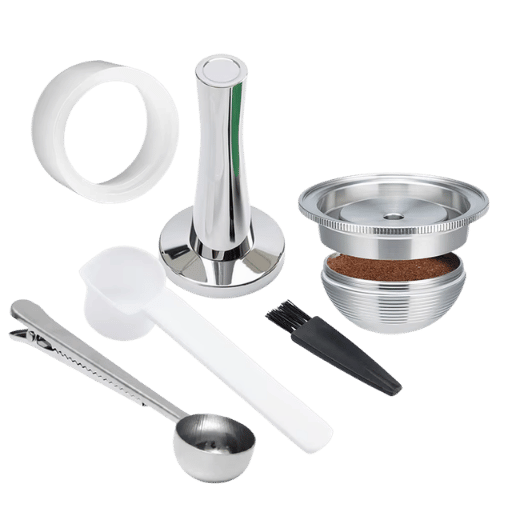
สายการผลิตมีขั้นตอนกระบวนการอื่น ๆ อีก 5 ขั้นตอนนอกเหนือจากชิ้นส่วนสแตนเลส.
- การให้ยา 5 7 ฝักหรือ 9 กรัม 12 สําหรับ vertu pods คือปริมาณกาแฟที่จะป้อนเข้าไปภายใน ช่วงข้อผิดพลาดที่ยอมรับได้สําหรับการยิงแต่ละครั้งมักจะต่ํากว่า 0.2 กรัมสําหรับสายการผลิตที่เหมาะสมสําหรับสายการผลิตดั้งเดิม.
- การตอก การตอกด้วยกลไกสามารถใช้แรงกดที่มีประสิทธิภาพประมาณ 10 -15 ปอนด์ ภายใต้การตอกจะนําไปสู่การฉีดน้ําและไม่แม้แต่จะสกัดครีมออกมา ในขณะที่การตอกมากเกินไปอาจทําให้หน้าจอสําลักและอาจเพิ่มแรงดันในห้องชง ในบางกรณีอาจนําไปสู่แรงดันสะสมและทะลุระหว่างการชง.
- การปิดผนึก ส่วนใหญ่มีสองประเภท: ฝาตาข่ายถาวรที่มีรูปแบบแบรนด์แบบบูรณาการ (ไม่มีฝาฟอยล์ที่มีการออกแบบแบบบูรณาการจดสิทธิบัตรโดยแบรนด์เท่านั้น, “พฤติกรรมดั้งเดิมของ Nespresso”) หรือฝาฟิล์มอลูมิเนียมอัลลอยด์ปิดผนึกด้วยความร้อน (พฤติกรรมฝักสไตล์ดั้งเดิมของ Nespresso) ซีลฝาฟอยล์ถูกปิดผนึกบนจานร้อนที่ปรับความร้อนระหว่าง 165-185 องศาเป็นเวลาระหว่าง 0.5 ถึง 1.0 วินาที.
- การทดสอบการรั่วไหล บาง บริษัท ตรวจสอบความสมบูรณ์ของการรั่วไหลของฝักเป็นระยะ ๆ (เช่น 1 ใน 1000, 1 ใน 500) ผ่านการทดสอบนิวเมติกหรือใช้หน่วยทดสอบสูญญากาศที่เป็นสาเหตุให้ฝักสแตนเลสเกรดต่ําของบุคคลที่สามบางล้มเหลวภายใต้ความดันชงและส่งผลให้เกิดการโทรรับประกันของลูกค้า.
- บรรจุภัณฑ์ ถุงฟิล์มโพลีปุยไนโตรเจนและปิดผนึกหรือที่เรียกว่าถุงโฟลว์ห่อหรือหมอนปกป้องกาแฟบดคั่วจากออกซิเจนตลอดอายุการเก็บรักษา งานศิลปะของแบรนด์ครอบคลุมกระเป๋านี้สําหรับผู้ที่มีกาแฟติดฉลากส่วนตัวสําหรับแบรนด์นอกจากนี้ยังจะมีกล่องกระดาษแข็งภายนอกพิมพ์แบบกําหนดเองที่มีการสร้างแบรนด์.
เซกบริก_0010.
ชุดอุปกรณ์บรรจุและปิดผนึกของหมวดหมู่อย่างแม่นยําจังหวัดที่afpakmachine.comและ บริษัท เครื่องบรรจุฝักกาแฟเฉพาะที่คล้ายกันให้เหตุผลว่าค่าธรรมเนียมของพวกเขาคือหากลูกค้าของพวกเขามีสายการบรรจุอลูมิเนียมที่มีอยู่และต้องการที่จะเปลี่ยนไปใช้รุ่นสแตนเลสฉลากส่วนตัว อุปกรณ์ที่จําเป็นสําหรับสแตนเลสมีลักษณะเป็นตัวเลือกที่ง่ายกว่ากลไกกว่าอลูมิเนียม (ไม่มีฟอยล์เจาะจากขอบด้านบน) (ไม่มีฟอยล์เจาะจากขอบด้านบน) ใด ๆ ความต้องการสําหรับการทดสอบการรั่วไหลที่จะรักษาอย่างเข้มงวดมากขึ้นเพิ่มขึ้นเนื่องจากแต่ละฝักกาแฟสแตนเลสที่นํากลับมาใช้ใหม่ได้จะถูกต้มอย่างน้อยสองสามร้อยครั้งซึ่งแทบจะไม่เป็นที่ยอมรับกับอลูมิเนียมเดิมแต่จะจบลงด้วยการโทรออก.
พ็อดสแตนเลสสามารถนํากลับมาใช้ใหม่ได้กี่ครั้งก่อนที่จะต้องการเปลี่ยน?
อัตราผลตอบแทนเฉลี่ยที่นํากลับมาใช้ใหม่ได้จะขึ้นอยู่กับฝักสแตนเลสเกรดปานกลางที่มีฝาปิดตาข่ายคงที่ซึ่งใช้จากรอบการชงประมาณ 500-1500 รอบหลังจากนั้นตาข่ายจะอุดตันเกินความสามารถในการซักแบบธรรมดาหรือที่นั่งฝักไม่สามารถรักษาซีลปะเก็นที่เพียงพอ ฝักที่มีแผ่นฟอยล์แบบเปลี่ยนได้มีอายุการใช้งานยาวนานกว่ามากบนเปลือกนอก (หลายพันรอบ) แต่แผ่นฟอยล์ที่ใช้เป็นองค์ประกอบที่ใช้แล้วทิ้งบนพื้นฐานต่อเบียร์ซึ่งมักจะเป็นส่วนหนึ่งของชื่อแบรนด์ 100 แพ็คเติม ‘หนัก’ กาแฟน้ํามัน (คั่วสีเข้มหรือบางสไตล์อินโดนีเซียเดี่ยว) มีแนวโน้มที่จะ จํากัด อายุการใช้งานของตาข่ายโดยการสร้างเร็วขึ้น‘ คั่วตาข่ายปกติ 5 ตัวแปร.
คณิตศาสตร์ความยั่งยืน: เมื่อนํามาใช้ซ้ําได้เอาชนะการใช้ครั้งเดียว
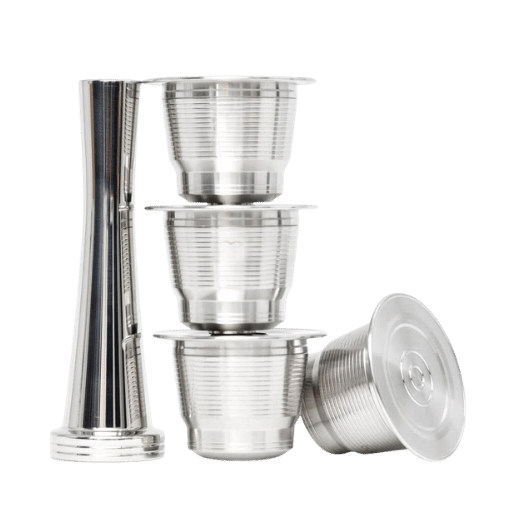
สําเนาความยั่งยืนเป็นไม้ผลที่แขวนต่ําสัญญาเกินได้ง่ายและดังนั้นจึงง่ายต่อการบ่อนทําลายต้นไม้ผลไม้ ความปลอดภัยในการสัมผัสอาหารอ้างว่ายึดเรื่องราวความยั่งยืนควรอ้างอิงข้อความกํากับดูแลหลักเช่น อย.21 CFR 175.390 มากกว่าบล็อกทุติยภูมิ การศึกษา LCA ของถ้วยเครื่องดื่มสแตนเลสที่นํากลับมาใช้ใหม่ได้ การอ้างอิงและมีการศึกษาดังกล่าวมากมาย; แท้จริงแล้วเอกสาร LCA เปรียบเทียบโดยสรุปที่เผยแพร่โดย UNEP เสนอแนะจุดคุ้มทุนคาร์บอนจากวัสดุใช้แล้วทิ้งโดยทั่วไปจะเริ่มคืบคลานออกไปในการใช้งานที่ต่ําหลายร้อยครั้งขึ้นอยู่กับสมมติฐานที่ตั้งไว้รอบ ๆ ปริมาณพลังงานที่ลงไปในน้ําร้อนน้ําหนักของถ้วยหรือฝักและพลังงานทําความสะอาดที่ใช้ตรรกะนั้นกับฝักกาแฟตัวอย่างเช่นข้อสรุปที่สามารถป้องกันได้อย่างสมเหตุสมผลอาจเป็นได้ว่ามันเริ่มทําลายแม้กระทั่งกับอลูมิเนียมที่ลําดับประมาณ 100-200 รอบการต้ม.
หากต่ํากว่าช่วงดังกล่าว ต้นทุนการปล่อยก๊าซคาร์บอนล่วงหน้าของคุณจะมีมากกว่าการประหยัดในการลดวงจรการผลิตอะลูมิเนียม.
ทําไมรอยเท้าอลูมิเนียมมีความสําคัญ เหตุผลใหญ่ว่าทําไมพื้นฐานคาร์บอนสําหรับฝักกาแฟของคุณมีอยู่ทั้งหมดคือการถลุงอลูมิเนียมบริสุทธิ์ประกอบขึ้นเป็นองค์ประกอบเดียวที่ใหญ่ที่สุดของการปล่อยก๊าซคาร์บอนไดออกไซด์ของฝักแบบใช้ครั้งเดียวทั่วไปโดยปัจจัยขนาดใหญ่ LCA มาตรฐานบนบรรจุภัณฑ์กาแฟที่ดําเนินการเมื่อเร็ว ๆ นี้เน้นพลังงาน-อินพุตที่จุดหลอมเหลวของอลูมิเนียมเป็นเครื่องกําเนิดการปล่อยก๊าซที่ใหญ่ที่สุดเครื่องเดียวในกระบวนการสร้างแคปซูลกาแฟ แคปซูลที่ทําจากเหล็กและชง 300 ครั้งแล้วไซด์สเตปส่วนใหญ่ของคาร์บอนอลูมิเนียมนั้นด้วยการเพิ่มขึ้นค่อนข้างเจียมเนื้อเจียมตัว (ใช้ครั้งเดียว) ผลกระทบการผลิตของเปลือกเหล็ก.
EU PPWR (Regulation 2025/40) เป็นนาฬิกากํากับดูแลภายใต้คณิตศาสตร์นี้ กฎระเบียบมีผลบังคับใช้ในปี 2025 และนําไปใช้ในวงกว้างในปี 2026 แทนที่คําสั่งบรรจุภัณฑ์และขยะบรรจุภัณฑ์เดิม (ดู “การวิเคราะห์ทางกฎหมายของ PPWR,” จากบรรจุภัณฑ์พลาสติก”): “EU PPWR อาจกําหนดในไม่ช้าผ่านการดําเนินการของรัฐสมาชิกว่าถุงกาแฟส่วนใหญ่และฝักกาแฟส่วนใหญ่สามารถย่อยสลายได้ ณ วันที่ 12 กุมภาพันธ์ 2028 โดยมีข้อจํากัดเพิ่มเติมเกี่ยวกับพลาสติกแบบใช้ครั้งเดียวที่จะมีผลภายในวันที่ 1 มกราคม 2030 และคําสั่งเกี่ยวกับการนําบรรจุภัณฑ์สําหรับการขนส่งกลับมาใช้ใหม่“ สําหรับแบรนด์ที่ปฏิบัติตามข้อกําหนดส่วนใหญ่ ppwres”
สําเนาการตลาดที่อ้างว่า “ฝักสแตนเลสที่นํากลับมาใช้ใหม่ได้นั้นเป็นไปตาม PPWR” ไม่ได้ผล EU PPWR ผลักดันให้รัฐสมาชิกมุ่งสู่การบังคับใช้บริการเดี่ยวที่ย่อยสลายได้เร็วที่สุดในช่วงต้นปี 2028 Stainless reusable เป็นวิธีหนึ่งในการตอบสนองต่อคําสั่งของรัฐสมาชิก แต่ไม่ใช่ เจตนานโยบาย “ออกแบบให้เกินข้อจํากัดพลาสติกแบบใช้ครั้งเดียว” มีความแม่นยํามากกว่า “เป็นไปตามข้อกําหนด PPWR” จนกว่าทีมกฎหมายจะเขียนเอกสาร.
การใช้งานประจําวัน: เติม ชง ทําความสะอาด (แบรนด์ UX ควรทดสอบก่อนทํา)
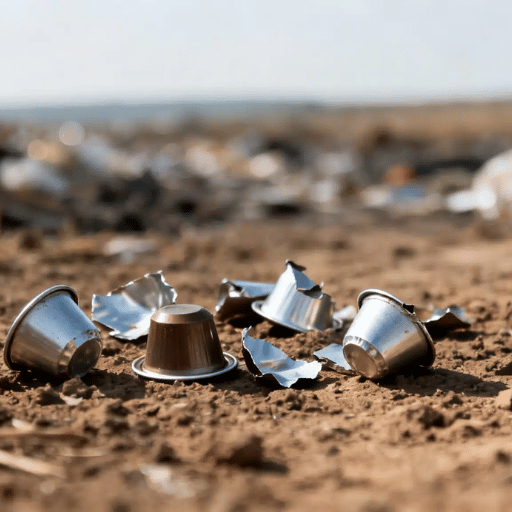
ความขัดแย้งของผู้ใช้ปลายทางคือจุดที่การตัดสินใจจัดหา B2B ได้รับการตรวจสอบโดยการซื้อหรือถูกบดขยี้โดยตั๋วสนับสนุน และความน่าเชื่อถือของผลิตภัณฑ์ยังคงเป็นเป้าหมายทางวิศวกรรมที่ใช้งานอยู่ สิทธิบัตร WIPO ล่าสุด WO2025120122A1 บนความน่าเชื่อถือในการจ่ายแคปซูลแสดงให้เห็น โหมดความล้มเหลว UX หลักสี่โหมดรอบสแตนเลสสามารถคาดเดาได้ และการบรรเทาอาการเหล่านั้นตกอยู่ในขอบเขตของความพยายามก่อนผลิตภัณฑ์ ไม่ใช่หลังผลิตภัณฑ์.
ประเภทพ็อด × ใช้เมทริกซ์การจําแนกกรณี
ก่อนที่จะสรุปโปรโตคอลการทดสอบ UX ที่ใช้ทุกวันของคุณให้จัดประเภทประเภทพ็อดเฉพาะของ linel ของคุณเทียบกับการใช้งานของผู้ใช้ปลายทางที่จะพบ ทุกชุดพ็อด/ผู้ใช้กําหนดตารางการทดสอบที่ปรับแต่งและแผนการศึกษาผู้ใช้เฉพาะ.
| ประเภทพ็อด | กรณีการใช้งานเบื้องต้น | ใช้จังหวะซ้ํา | ลําดับความสําคัญของการทดสอบก่อนการเปิดตัว |
|---|---|---|---|
| ฝาตาข่ายถาวร (OriginalLine) | การต้มเบียร์ที่บ้านทุกวัน, ชุดเครื่องคั่วแบบพิเศษ | 1-3 ชงต่อวัน | การอุดตันของตาข่ายที่ 30 วัน; การจับคู่ขนาดบด |
| เปลือกแผ่นฟอยล์ที่นํากลับมาใช้ใหม่ได้ (OriginalLine) | โปรแกรมการบริการ/สํานักงาน โปรไฟล์การชงที่ใกล้เคียงต้นฉบับ | 5-20 ชงต่อวัน | ความสม่ําเสมอของห่วงโซ่อุปทานฟอยล์ การสอบเทียบแผ่นซีล |
| สติ๊กเกอร์บาร์โค้ดสามารถนํากลับมาใช้ใหม่ได้ (Vertuo Plus) | ครัวเรือน Vertuo ต้องการการควบคุมปริมาณ | 1-2 ชงต่อวัน | ความทนทานของกาวสติกเกอร์ภายใต้การหมุนเวียนความร้อนเปียก |
| สติ๊กเกอร์บาร์โค้ดสามารถนํากลับมาใช้ใหม่ได้ (Vertuo Next) | ครัวเรือน Vertuo รุ่นใหม่ ส่วนของขวัญ | 1-2 ชงต่อวัน | การจับคู่ขนาดสติกเกอร์กับเฟิร์มแวร์ Vertuo Next ใหม่ล่าสุด |
| สติ๊กเกอร์บาร์โค้ดสามารถนํากลับมาใช้ใหม่ได้ (Vertuo POP) | SKU ไลฟ์สไตล์; กลุ่มผู้บริโภคอายุน้อย | 1-3 ชงต่อวัน | ตัวแปร SKU ที่จับคู่สี ความเสถียรของสีสติกเกอร์ |
| ชุดสตาร์ทเตอร์ OriginalLine แบบฉลากส่วนตัว | แบรนด์สมัครสมาชิก DTC ชุดของขวัญ | แตกต่างกันไปตามโปรไฟล์สมาชิก | การแกะสลักแบรนด์/ความทนทานของกระดาษรองหลังจาก 100 รอบการซัก |
| B2B จํานวนมาก นํากลับมาใช้ใหม่ได้ดั้งเดิม | โปรแกรมกาแฟสํานักงาน, ตู้กับข้าวที่ทํางานร่วมกัน | การใช้งานหนัก; ระบอบการทําความสะอาดร่วมกัน | สุขอนามัยการใช้งานร่วมกัน SOP; จังหวะการตรวจสอบตาข่าย |
| พรีเมี่ยม 316 ของขวัญหน่วยเดียว | การเล่าเรื่องแบรนด์ชั้นนํา ส่วนนักสะสม | การใช้แสง การซื้อทางอารมณ์ | บรรจุภัณฑ์แกะกล่อง UX; เอกสารการรับรองเกรด |
| ชุดเครื่องคั่วแบบพิเศษร่วมแบรนด์ | การควบคุมแบรนด์เครื่องคั่วอินดี้ รายได้จากการบดซ้ํา | จังหวะการศึกษาที่นําโดยเครื่องคั่ว | การ์ดจับคู่บดต่อโปรไฟล์การย่าง จัดลําดับการไหลใหม่ |
| โหมดความล้มเหลว | สาเหตุพื้นฐาน | ความถี่ในการร้องเรียนของลูกค้า | การบรรเทาผลกระทบด้านแบรนด์ |
|---|---|---|---|
| การรั่วไหลที่ตะเข็บฝา | ที่นั่งซีลต่ํากว่าสเปค ปะเก็นซิลิโคนที่มีอายุมาก แรงดันแทมป์ที่ก้าวร้าว | มีการนําเข้าต้นทุนต่ําสูง หายากในซัพพลายเออร์ที่มีระเบียบวินัยในการสอบบัญชี | การทดสอบการรั่วไหล 1 ใน 100 ก่อนเปิดตัว รวมปะเก็นทดแทนในชุดเริ่มต้น |
| ช็อตน้ําหรือครีมบาง ๆ | บดหยาบเกินไป ต่ํากว่าแทม; ปริมาณน้อยเกินไป | การร้องเรียนเดี่ยวสูงสุดเกี่ยวกับผลิตภัณฑ์ที่นํากลับมาใช้ใหม่ได้ | จัดส่งแผนภูมิขนาดบดในบรรจุภัณฑ์ แนะนําให้ละเอียดกว่าการบดเอสเปรสโซในซูเปอร์มาร์เก็ต |
| การอุดตันตัวกรองตาข่าย | บดละเอียดเกินไป การคั่วสีเข้มที่มีน้ํามันหนัก ทําความสะอาดไม่บ่อยนัก | ปานกลางหลังจากใช้ 3-4 สัปดาห์ต่อวันโดยไม่ต้องทําความสะอาด | รวมแปรงทําความสะอาดขนาดเล็กไว้ในชุดอุปกรณ์ สั่งให้ล้างทุกวัน |
| เปลือกสติ๊กเกอร์บาร์โค้ด Vertuo | ความล้มเหลวของกาวภายใต้การหมุนเวียนความร้อนเปียก ลามิเนตสเปคย่อย | ปานกลางบนเส้น Vertuo; ใกล้ศูนย์บน OriginalLine | แหล่งที่มาของสติ๊กเกอร์ลามิเนตกันน้ําจากซัพพลายเออร์ที่รู้จัก มัดแผ่นทดแทน |
เรียกใช้นําร่องภายใน 30 วันของสายเครื่องเป้าหมายก่อนที่จะลงนามในสัญญาสําหรับเครื่องมือสแตนเลส หนึ่งครั้งทุกเช้าและบ่ายสําหรับระยะเวลาตัวแปรการบดเอกสารเทคนิคการแทมปิ้งการรั่วไหลที่สังเกตและถ่ายภาพครีม ความล้มเหลวจะไม่ค่อยพลาดด้วยวิธีการที่มีระเบียบวินัยในหรือก่อนวันที่ 14 ของชนิดของการนําร่องนี้-ดีก่อนที่พันธมิตรฉลากส่วนตัวจะสั่งซื้อเริ่มต้น.
คุณสามารถวางตําแหน่งสเตนเลสได้อย่างมีประสิทธิภาพในการตลาดของคุณโดยการสื่อสารความสําเร็จของผู้ใช้ภาคสนามอย่างตรงไปตรงมา ผู้ใช้เหล่านี้ได้ทํางานของพวกเขาในการระบุจังหวะการบด การแทม และการทําความสะอาดที่ถูกต้องซึ่งเครื่องเฉพาะของพวกเขาต้องการ การระบุกระบวนการเรียนรู้นี้อย่างชัดเจนสําหรับผู้บริโภคล่วงหน้าในวัสดุสนับสนุนลูกค้าช่วยป้องกันการโอเวอร์โหลดตั๋วสนับสนุนที่ฝังความพยายามในการเปิดตัว B2C ที่นํากลับมาใช้ใหม่ได้.
รูปแบบพ็อดสแตนเลสมีหัวเรื่อง: 2026 และต่อๆ ไป
เมื่อกําหนดกลยุทธ์ 12-24 เดือนสําหรับสแตนเลส ให้ระวังสัญญาณที่เกิดขึ้นใหม่สามสัญญาณ – ทั้งหมดนี้มีกรอบเวลาที่เกี่ยวข้อง และสัญญาณทั้งหมดไม่สามารถส่งสัญญาณการเคลื่อนไหวของรูปแบบไปสู่การเป็นกระแสหลักโดยไม่รวมทางเลือกอื่นของอะลูมิเนียม.
- Compostable ครองตําแหน่งคําตอบหลักสําหรับ PPWR ของสหภาพยุโรป ไม่ใช่กิจกรรมของแบรนด์สเตนเลสในพื้นที่นี้จนถึงปี 2026 แสดงให้เห็นถึงความมุ่งมั่นนี้ (ผลิตภัณฑ์ Nespresso ที่ย่อยสลายได้ที่บ้านของ McCaf, Eco Caps ของ Lavazza, Constantia Flexibles / Greiner Packaging ฝักที่ย่อยสลายได้ที่บ้าน, สิทธิบัตรแบบเสิร์ฟเดี่ยวของ Constantia, แคปซูลกระดาษทดลองของ Nestlé ฯลฯ) ผลิตภัณฑ์ฉลากส่วนตัวชนิดพิเศษ อินดี้ และ B2B อาจนิยมใช้สเตนเลสซ้ําได้ แต่อย่าคาดหวังว่าหมวดหมู่นี้จะเปลี่ยนจากอะลูมิเนียมโดยสิ้นเชิง.
- การขยายระดับพ็อดระดับพรีเมียมได้กลายเป็นเรื่องจริง เครื่องพ็อดระดับพรีเมียม X-Caps ของ Illy เปิดตัวครั้งแรกที่งาน Milan Design Week 2025 และยืนยันว่าระดับพ็อดระดับพรีเมียมเหนือ Nespres กระแสหลักได้เปิดให้บริการแล้วสําหรับธุรกิจ (สร้างพื้นที่ชั้นวาง) และโอกาสของพันธมิตรสําหรับรูปแบบพ็อดระดับพรีเมียม เช่น ชุดอุปกรณ์สแตนเลสที่นํากลับมาใช้ใหม่ได้ และแบรนด์ร่วมเครื่องคั่วแบบพิเศษ.
- ความสนใจในการค้นหาในขณะนี้เติบโตขึ้น ความสนใจใน “nespresso สแตนเลส pod” มีแนวโน้มสูงขึ้นประมาณ 23% ในช่วงหน้าต่างรายไตรมาสล่าสุดซึ่งสัมพันธ์กับการค้นหาที่เพิ่มขึ้นสําหรับการสืบค้นรูปแบบที่ใช้ซ้ําได้ที่อยู่ติดกัน แม้ว่าจะเป็นจริงการเติบโตนี้เริ่มต้นจากฐานที่ต่ําและเป็นหมวดหมู่ที่เกิดในเฉพาะกลุ่มพิเศษไม่ใช่แนวโน้มผู้บริโภคที่แพร่กระจายในวงกว้าง.
สําหรับแบรนด์ที่วางแผนแผนงานปี 2569-2570 การดําเนินการจะขึ้นอยู่กับขั้นตอนของพวกเขา แหล่งที่มาของผู้มีอํานาจที่จะดูรวมถึงที่ใช้งานอยู่ เอกสารสิทธิบัตรการออกแบบ USPTO สําหรับนวัตกรรมแคปซูลที่นํากลับมาใช้ใหม่ได้ เครื่องคั่วแบบพิเศษสําหรับการเริ่มต้นสามารถสํารวจการทดสอบชุดอุปกรณ์สเตนเลสแบบใช้ซ้ําได้ที่มีปริมาณขั้นต่ําต่ํากับแบรนด์ร่วมที่มีความเสี่ยงทางการเงินเล็กน้อย แบรนด์ฉลากส่วนตัวที่กําลังเติบโตจะต้องจับคู่เครื่องมือสแตนเลสกับสภาพแวดล้อมด้านกฎระเบียบของตลาดที่ตั้งใจไว้ – ในตลาดที่หนักหน่วงในกฎระเบียบของสหภาพยุโรปมันสมเหตุสมผลที่จะลงทุนในตัวเลือกที่ย่อยสลายได้เป็นข้อเสนอหลักที่มีสเตนเลสเป็นพรีเมี่ยมแทนที่จะลงทุนในสเตนเลสเพียงอย่างเดียว แบรนด์ข้ามชาติขนาดใหญ่ที่กําลังพิจารณาจุดหมุนขายส่งนั้นเหมาะสมที่สุดสําหรับสเตนเลส เนื่องจากปัญหาด้านกฎระเบียบจะยังคงสมเหตุสมผลมากขึ้นสําหรับ SKU กระแสหลักส่วนใหญ่ที่สามารถย่อยสลายได้.
คําถามที่พบบ่อย
ถาม: มีฝัก Nespresso สแตนเลสหรือไม่?
ดูคําตอบ
ถาม: อะไรคือความแตกต่างของต้นทุนระหว่างฝักสแตนเลสและแคปซูลอลูมิเนียมต่อช็อต?
ดูคําตอบ
ถาม: ฝัก Nespresso ทั้งหมดทําจากอลูมิเนียมหรือไม่?
ดูคําตอบ
ถาม: ฝักเหล็กจะทําให้เครื่อง Vertuo ของฉันเสียหายหรือไม่?
ดูคําตอบ
ถาม: พ็อดสแตนเลสสามารถติดฉลากส่วนตัวพร้อมเครื่องหมายแบรนด์ของฉันได้หรือไม่?
ดูคําตอบ
ถาม: พ็อดกาแฟสแตนเลสมีอายุการใช้งานจริงนานแค่ไหน?
ดูคําตอบ
เรารวบรวมคู่มือนี้อย่างไร
เอกสารคําแนะนําด้านแบรนด์เกี่ยวกับฝักกาแฟ Nespresso สแตนเลสนี้ประกอบขึ้นโดยใช้สิ่งต่อไปนี้: รายงานการวิเคราะห์ทางกฎหมายของ EU PPWR Regulation 2025/40, ฐานข้อมูล FDA 21 CFR Food Contact Substances (FCS), วารสารเคมีเกษตรและอาหาร “การวิจัยเกี่ยวกับสแตนเลสสตีล การกัดกร่อนและการชะล้างของเหล็ก” การยื่นขอรับสิทธิบัตร USPTO และ EPO ล่าสุดที่เกี่ยวข้องกับการออกแบบแคปซูลแบบรีฟิลได้ และสายผลิตภัณฑ์ที่เปิดเผยต่อสาธารณะในปี 2025-2026 ของแบรนด์ฝักส่วนตัวที่มีฉลากหลักและนํากลับมาใช้ใหม่ได้ เราไม่ขายฝักกาแฟสแตนเลสใดๆ เราผลิตเครื่องจักรบรรจุและปิดผนึกฝักกาแฟที่แบรนด์เหล่านี้ใช้ในขณะที่เปลี่ยนจากอะลูมิเนียมส่วนตัวที่อัดแน่นไปเป็นสารละลายในฉลาก.
ข้อมูลอ้างอิงและแหล่งที่มา
- กฎระเบียบด้านบรรจุภัณฑ์และบรรจุภัณฑ์ (PPWR) ข้อบังคับ 2025/40 คณะกรรมาธิการยุโรป อธิบดีเพื่อสิ่งแวดล้อม
- 21 CFR 175.300 สารเคลือบเรซินและโพลีเมอร์สําหรับการสัมผัสกับอาหาร องค์การอาหารและยาสหรัฐฯ
- 21 CFR 175.390 การเคลือบเมทริกซ์สังกะสี-ซิลิคอนไดออกไซด์ องค์การอาหารและยาสหรัฐฯ
- การกําหนดสถานะการควบคุมของส่วนประกอบของวัสดุสัมผัสอาหาร องค์การอาหารและยาสหรัฐฯ
- การประเมินวงจรชีวิตที่คล่องตัวสําหรับขยะบรรจุภัณฑ์ในการเตรียมและการบริโภคกาแฟ วารสารวิทยาศาสตร์การอาหารอิตาลี (2024)
- การประเมินวงจรชีวิตเปรียบเทียบและการวิเคราะห์การตัดสินใจหลายเกณฑ์ของแคปซูลกาแฟ วิทยาศาสตร์โดยตรง (2024)
- กฎบรรจุภัณฑ์และขยะบรรจุภัณฑ์ใหม่ของสหภาพยุโรป: 10 สิ่งสําคัญที่ทุกธุรกิจทั่วโลกควรรู้ “ฟิชเชอร์”
- USD1111659S1สิทธิบัตรการออกแบบ: ฝาปิดสําหรับแคปซูลกาแฟที่นํากลับมาใช้ใหม่ได้ “USPTO”
- WO2025120122A1 ระบบจ่ายเครื่องดื่มแคปซูลที่เชื่อถือได้ในตัว องค์การทรัพย์สินทางปัญญาโลก
- สงครามพอดยังคงดําเนินต่อไป แบรนด์ดั้งเดิมของสหภาพยุโรปเข้าปะทะกับสหรัฐอเมริกา ความฉลาดทางกาแฟ
- แคปซูลที่ย่อยสลายได้สําหรับระบบสายดั้งเดิมของ Nespresso บรรจุภัณฑ์โลก


