
Стручки Nespresso из нержавеющей стали – это вопросы о фирменных наименованиях, которые возглавляют список поставщиков кофе в ²026 г. Алюминиевые капсулы – это категория, какой мы ее знаем, и домашнее пиво. Однако пластиковые заправки дали любителям кофе достаточно поводов для празднования, теперь стальные многоразовые продукты позволяют использовать специальные обжарщики и частные этикетки подняться над вопросом “, отказаться ли от одноразового.” Вместо этого возник свежий вопрос, “Как моя компания может взять на себя право собственности на этот особый, высококлассный формат?” В этом руководстве рассматриваются возможности бренда, поскольку он разбивает капсулы из нержавеющей стали, излагаются материальные выгоды и недостатки, обсуждается, как штрих-код Vertuo по-прежнему действует как препятствие и как календарь регулирования ЕС может формировать решения о покупке на этот квартал.
Быстрые характеристики — капсула для Nespresso из нержавеющей стали (шпаргалка покупателя B2B)
| Оценка по умолчанию | 304 (18% Cr/8% Ni); 316 (+ 2-3% Mo) только при премиальном позиционировании или в воде с высоким содержанием хлоридов |
| Оболочка стены | Типичный ~0,5-0,8 мм (серийный диапазон; зависит от поставщика) |
| Совместимость машин | ОригиналЛиния: около универсальный. Vertuo: требует рабочего процесса стикера штрих-кода на Vertuo Plus/Vertuo Next/Vertuo POP |
| Соответствие FDA/ЕС | 304 соответствует 21 CFR 175.300 (покрытия, контактирующие с пищевыми продуктами) и EU 1935/2004; Данные миграции EFSA: выделение никеля < 0,05 мг на порцию в кислых горячих напитках |
| Безубыточность жизненного цикла | Примерно 100-200 циклов заваривания по сравнению с одноразовым использованием алюминия, интерпретировано из сравнительной литературы по LCA по чашкам для напитков |
| Минимальный заказ B2B (частная торговая марка) | Нержавеющая сталь обычно 5000-10 000 единиц (время выполнения 4-6 недель); алюминий/компостируемый может начинаться с ~8000 единиц у крупных со-упаковщиков |
| Регулирующий попутный ветер | Регламент ЕС PPWR 2025/40 вступил в силу в 2025 году; широкое применение с 2026 года; Мандат на компостирование капсул кофе между государствами-членами ожидается примерно в 2028 году |
| Рабочий процесс штрих-кода Vertuo | Требуется для Vertuo Plus/Next/POP с помощью водонепроницаемых ламинированных сменных наклеек; не требуется на OriginalLine |
| Очистка сетчатого фильтра | Ежедневное полоскание – это самая большая переменная, разделяющая срок службы 500 циклов и 1500 циклов |
| Руководство по размеру шлифования | Тонче, чем измельчение эспрессо в супермаркете; давление тампона около 10-15 фунтов эквивалентно |
| Фон кофейного рынка | Мировой рынок кофейных капсул прогнозируется с $32.6B 2025 года до $46.9B к 2031 году; многоразовые сверхиндексы подсегментов в DTC и специализированных каналах |
Что отличает капсулу для эспрессо из нержавеющей стали от формата по умолчанию
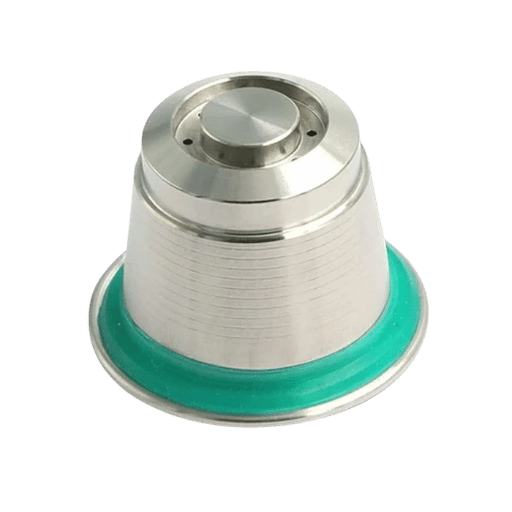
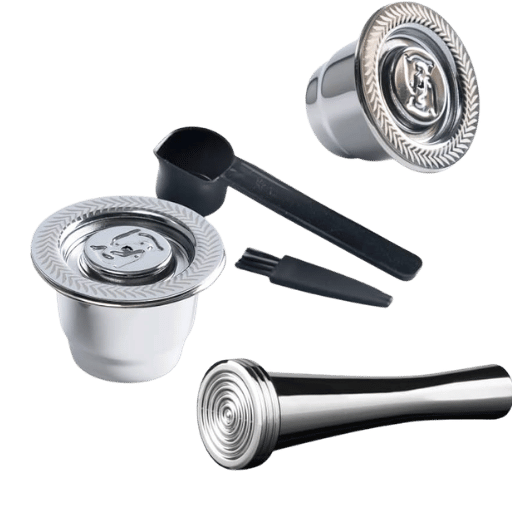
Капсула из стали-неспрессо – это многоразовая коробочка для кофе, которая состоит из оболочки из пищевой аустенитной стали и размера, предназначенного для оригинальной линии Nespresso или системы капсул Vertuo. В отличие от алюминиевых контейнеров (которые были запечатаны, использованы и впоследствии утилизированы), этот стальной капсула предназначена для повторного наполнения гущей, затем запечатывания сетчатой крышкой или сменным диском перед повторной завариванием.
процесс изготовления — для капсул из нержавеющей стали намеренно прост по какой-то причине. Для количества кофе 5-9 граммов (5-8 сантиметров, в зависимости от типа капсулы) достаточно неприхотливой, вытянутой или глубоко прессованной оболочки из нержавеющей стали. В стальную капсулу встроена проколотая сетчатая вставка, выполняющая функцию, которую ранее выполняла фольга в алюминиевых капсулах. Крышки различаются; некоторые модели имеют постоянные сетчатые колпачки, в то время как другие имеют сменные, сверхтонкие диски, которые имитируют более детальное механическое действие своего предшественника. Для исследования оболочки и материала:, запас нержавеющей стали от TiAlloy является отправной ссылкой в каталоге; подтвердить документацию о пригодности, сорте, отделке и контакте с пищевыми продуктами готовой капсулы.
Разделение капсул между двумя вариантами машин более существенно по сравнению с материалом капсулы Оба типа могут использовать давление 19 бар, которое является неотъемлемой частью машин Nespresso; однако, поскольку капсулы не могут пройти аутентификацию в машине посредством электронной связи, только установка капсулы/надлежащее уплотнение в механизм.The патент СШАПТО на дизайн USD111659S1 для многоразовой крышки капсулы кофе дополнительно усиливает, что разработка продукта в этом формате остается активным занятием Например, умные крышки требуют, чтобы бренд имел дополнительное оборудование или разрабатывать совершенно новые продукты, Nespresso-производства продукты, которые работают те, которые производятся или поставляются исключительно через их каналы (и стальной Кофейная капсула, сделанный вне этих, вероятно, нарушили бы определенные промышленные конструкции, если только они специально не были сделаны через лицензионные договоренности через Nespresso, LLC и/или ее дочерние компании (“Nespresso) Это для того, чтобы подчеркнуть разницу между свойствами материала (сталь), конструкции (как выше), и лицензирования/IP (что имеет значение для Nespresso фирменных устройств, прежде всего для Vertuo).
Нержавеющая сталь против алюминия против пластиковых стручков: материал рядом
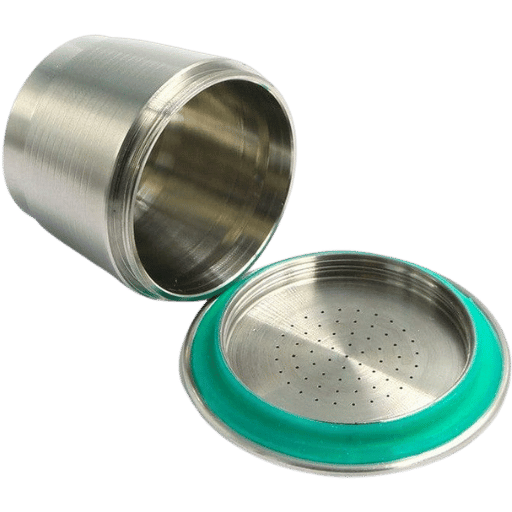
Испытание трехкомпонентных материалов (все три из этих категорий капсул – алюминиевые или другие капсулы с металлическим покрытием, капсульные или многоразовые капсульные системы на основе пластика и капсулы из нержавеющей стали) дает разнообразное сравнение по пяти факторам: нейтральность вкуса, продовольственная безопасность. на Руководство FDA по веществам, контактирующим с пищевыми продуктами, счет многоразового использования, воплощенные затраты на энергию, и премиум-сектор цен – никто не предлагает верхних оценок в каждой категории. поэтому директорам по закупкам надлежит оценивать стоимость собственного бренда с учетом либо одноразовых вариантов, либо приверженности их бренда усилиям по устойчивому развитию, либо как способ доминирования в нише для частных торговых марок.
| Размерность | Алюминий (по умолчанию) | Пластик (ПП/ПЛА) | Нержавеющая (304/316) |
|---|---|---|---|
| Вкусовая нейтральность | Высокий (интерьер из инертного лака) | Средний (возможны некоторые внезаметки PP) | Высокий (без органического выщелачивания) |
| Безопасность контакта с пищевыми продуктами | Одобрено лаковым барьером | Утверждено (оценки без BPA) | 21 CFR 175 + ЕС 1935/2004; миграция никеля < 0,05 мг/приготовление в кислой горячей пище |
| Практический подсчет повторного использования | Одноразовый | ~50-200 циклов (деградация) | Типично более 500 циклов (пределом является износ сетки) |
| Воплощенный углерод | Высокий (первичное производство Al доминирует над углеродом кофейных капсул) | Низкий показатель на единицу, но циклы повторного использования ограничены | Высокий на единицу; амортизируется по сравнению с повторным использованием |
| Диапазон розничных цен | $0.50-$1.20 за выстрел | Многоразовый: набор $12-25 | Многоразовый: набор $25-60, $8-20 на капсулу |
Кофейная капсула из нержавеющей стали лучше пластика?
Что касается вкуса и долговечности, да — маржа шире, чем предполагает большинство маркетинговых заявлений. Вы можете не обнаружить его после 1-2 месяцев ежедневного употребления из капсулы многоразового использования полипропилена (ПП), но со временем ПП медленно протекает из своего пластификатора, что вы, вероятно, заметите. Сталь инертна при воздействии температуры заваривания около 92° C (198° F), в то время как даже некоторые дешевые алюминиевые системы посуды привлекли внимание защитников потребителей на предмет возможной миграции элементов в заваренный кофе через его пассивное (хромовое) оксидное покрытие. Однако, что касается устойчивости, она поворачивает таблицы, в зависимости от того, как часто капсула на самом деле используется: стальная капсула достигнет точки безубыточности на фронте окружающей среды быстрее, чем алюминиевый эквивалент, даже если она используется всего два раза в неделю в течение 12 месяцев. капсула, используемая один раз в четыре недели, однако имеет еще больший экологический след, чем тот, который она заменила проблему, которую следует учитывать в момент разрыва, в отличие от тех, кто находится на нижней линии.
Почему бренды кофе меняются: 5 триггеров переключения
Кофейные капсулы из нержавеющей стали в настоящее время не являются альтернативой производителям алюминиевых кофейных капсул для массового рынка ♪ недавняя патентно-дизайнерская деятельность, такая как ВПТЗ США USD1111659S1 подтверждает продолжение инноваций в этом сегменте (их успех на данный момент достигнут в пяти различных контекстах нишевого брендинга; каждый из них имеет свой собственный набор доказательств, и соответствующее время принятия стратегических решений, необходимое на уровне бренда/сорсинга, важно учитывать в соответствии с его контекстом.
| Триггер | Приведенные доказательства | Тип бренда, наиболее пострадавший | Типичное время принятия решения |
|---|---|---|---|
| 1. Расширение премиум-уровня | Illy выпустила капсульный автомат премиум-класса X-Caps на Неделе дизайна в Милане в 2025 году; Затем следуют специальные обжарщики с комплектами многоразового использования под совместным брендом | Специальные обжарщики; премиум-лейбл | 6-9 месяцев (инструмент + кобрендовая упаковка) |
| 2. Регулирующее давление ЕС PPWR | Постановление 2025/40 применяется с 2026 года; мандаты на компостирование капсул кофе в государствах-членах ожидаются примерно в 2028 году; более широкие ограничения на одноразовый пластик будут введены поэтапно в 2030 году | Экспортеры рынка ЕС; транснациональные бренды | 12-18 месяцев (документация о соответствии) |
| 3. Контроль бренда одного происхождения | Многоразовые стручки позволяют брендам поставлять жареную фасоль + фирменный набор многоразового использования, фиксируя повторяющуюся покупку измельчения, а не продажу одноразовых капсул | Обжарщики напрямую потребителю; бренды подписки | 3-4 месяца (сборка комплекта + LMS) |
| 4. Экономика затрат на кадр в масштабе | Поставщики частных торговых марок отрасли указывают минимальный заказ на алюминий примерно из 8000 капсул на 3-4 недели; Минимальный заказ из нержавеющей стали составляет ~ 5000-10 000 с графиком выполнения заказов 4-6 недель | Группы гостеприимства; программы офисного кофе | 2-3 месяца (цикл закупок) |
| 5. Дифференциация розничной торговли в категории многоразового использования | Мировой рынок кофейных капсул колеблется примерно от $32.6B в 2025 году до $46.9B к 2031 году, при этом многоразовый подсегмент чрезмерно индексируется в DTC и специализированных розничных каналах | Претенденты на инди-ритейл; подарочные/образ жизни SKU | 4-6 месяцев (окно розничного списка) |
Можно преследовать микс вышеупомянутого “Triggers”; и в действительности многие стратегии 2026 нержавеющих капсул включают в себя элементы нескольких, но две часто путают в ущерб бренду. EU PPWR требует “preference” в сторону компостируемого и многоразового использования (путь по умолчанию, который предлагают многие крупные игроки, такие как новая Nespresso, Lavazza и новая капсула McCaf, предоставляя некоторую компостируемую сертификацию между государствами-членами). Аргумент ‘пластик бесплатно’ не является автоматическим для нержавеющей многоразовой версии, и его следует сформулировать честно и ответственно, как то, что это такое: стратегия специализации/B2B/премиума, а не цельная нормативная кнопка ‘Легкая продажа’.
Совместимость машин: OriginalLine vs Vertuo (Почему история Vertuo отличается)
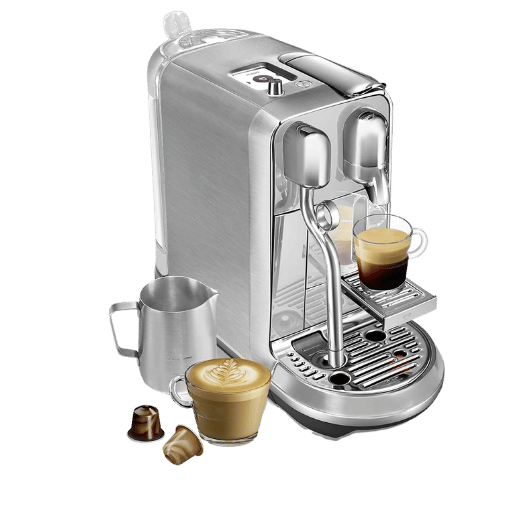
Наиболее значимое решение команды поставщиков ‘SKU’ при производстве капсул из нержавеющей стали для Nespresso заключается в том, намерены ли они продавать его в свою систему OriginalLine (где он может работать) или систему Vertuo (она почти наверняка потребует адаптера/работа вокруг для решения полной совместимости), которая имеет различия, что эти две механически/электронно и не так просто, как применение наклейки. Дизайнерские инновации в этой нише остаются активными; см ВПТЗ США USD1111659S1 для недавней многоразовой крышки капсулы.
| Семья машин | Жизнеспособность нержавеющей Кофейные капсулы | Почему это работает (или нет) |
|---|---|---|
| OriginalLine (все модели) | Высокая поддержка inducral indiversal 3-party | Экстракция под давлением (~ 19 бар); никакой электронной аутентификации; любая капсула, установленная в камере и правильно герметизирующая, заварится |
| Вертуо (устаревшее /Вертуо+) | Для работы со стикером среднего induage barclow | Центробежная экстракция, вызванная штрих-кодом с надписью на крышке; сменные водонепроницаемые ламинированные наклейки повторно аутентифицируют каждую заварку |
| Вертуо Следующий | Средний — работает с текущими дизайнами наклеек | Тот же протокол штрих-кода, размеры наклейки – спецификация стробирования поставщика |
| Вертуо ПОП | Средний рабочий процесс stick надежен | Практикующие специалисты отрасли сообщают, что Vertuo Plus и POP обладают самой надежной производительностью наклеек в линейке Vertuo |
| Vertuo (дешевое небрендовое многоразовое использование) | Низкая утечка и риск повреждения | Сообщения об отслаивании стикера штрих-кода, отказе уплотнения и повреждении камеры из-за недостроенных снарядов сторонних производителей |
Нержавеющая сталь 304 против 316: как качество стали влияет на вкус, безопасность и стоимость
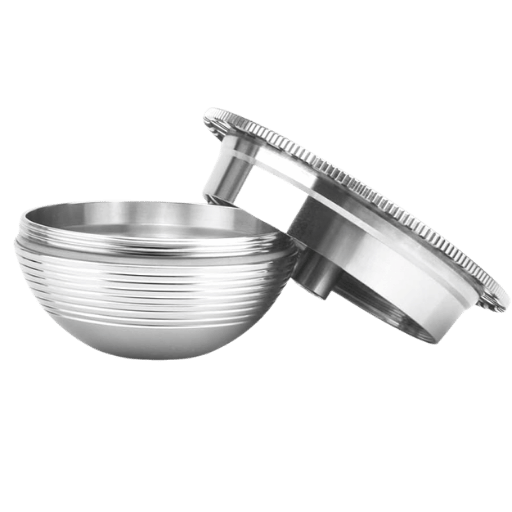
Выбор стальной смеси, по крайней мере, с точки зрения брендинга и стоимости поиска, может определить разницу в 18% в сырье, и этот момент принятия решения редко имеет значение для устойчивости бытовой пивоварни-304 (стандарт приготовления пищи) обычно имеет более чем достаточно адекватную композицию нержавеющей стали для домашних систем Nespresso, при этом все этикетки ‘медицинского класса’/‘хирургического класса’ просто идентифицируют различные качества в более широком семействе аустенитных 300.
| Размерность | 304 (18/8) | 316 (18/10/2) | “Surgical /Претензия Medical Grade” |
|---|---|---|---|
| Содержание хрома | ~18% | ~16-18% | Маркетинговый термин; обычно означает 316 или 316L |
| Содержание никеля | ~8% | ~10-14% | Нет отдельного стандарта ASTM для “medical grade” кофейных стручков |
| Содержание молибдена | Нет | ~2-3% (сопротивление хлоридам) | Неотличимо от 316 в лабораторных испытаниях |
| Кофейно-кислотная коррозия | Отлично подходит для жилого использования | Отлично в регионах с высоким содержанием хлоридов | То же, что и 316 |
| Соответствие FDA/ЕС | 21 175 300 франков /175.390 /ЕС 1935/2004 | Тот же путь, более широкий охват | Та же нормативная база; никакого сертификата медицинского оборудования не требуется |
| Себестоимость (сырье) | Базовый уровень | +15-25% | Никаких дополнительных премий только за маркетинговые претензии |
- Ваш клиент находится на рынке воды с высоким содержанием хлоридов (города с близостью к морской воде, большая часть Флориды и побережье Мексиканского залива США, южная Европа). 200 мг/LCl – это нормально.
- Ваш бренд играет на верхнем уровне сегмента, ($25/2pack) где клиент ожидает “316” “marine grade” в spec specific лист.
- Вы бренд будет ассоциироваться с брендом здравоохранения или хирургических инструментов, где выравнивание с “316” и “316L” имеет смысл для вашего бренда повествование.
Для любых других случаев 304 является дефолтом в коммерческом приготовлении кофе, даже горячего пищевого применения для пищевой нержавеющей, согласно данным экспертного комитета EFSA и JECFA. Миграция никеля для горячих, кислых, аустенитных нержавеющих пищевых применений выходит до долей миллиграмма на порцию и является незначительной по сравнению с количеством никеля, уже содержащимся в кофе. данные EFSA и JECFA действительно указывают допустимые уровни на размер порции, которые намного выше, чем сообщается для выщелачивания стали в пищевых продуктах.
На основе объема производства разница становится существенной. 35 кг нержавеющей стали потребуется в среднем порядка 50 000 единиц нержавеющей кофейной капсулы (на 0,7 грамма для толщины оболочки). С 316 материал стоит дополнительно от 15 до 25% больше, ваша общая стоимость увеличится на капсулу с более высокими затратами, которые переходят к цене конечного продукта. Имея это в виду по умолчанию 304 следует рассмотреть, делая ссылку на соответствие EFSA или FDA в качестве основы для выбора, резервируя премию, 316 спецификация только для тех покупателей, которые требуют “marine grade”.
Внутри процесса наполнения капсул: для чего бренды должны планировать
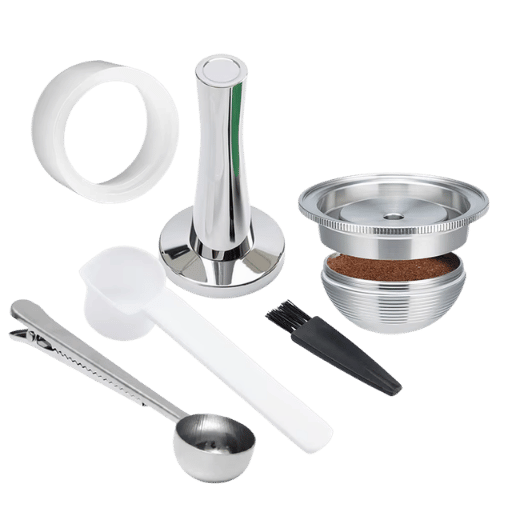
Производственные линии имеют еще 5 технологических этапов, помимо детали из нержавеющей стали.
- Дозировка. 5 — 7 граммов на капсулу или 9 い 12 для капсул vertuio – это доза кофе, которую следует подавать внутрь. Допустимый диапазон ошибок для каждой порции обычно ниже 0,2 грамма для достойной производственной линии для оригинальной линии.
- Тампонирование. Механическая трамбовка может оказывать эффективное давление около 10-15 фунтов. Под трамбовкой происходит водянистые выстрелы и даже не извлечение кремы, в то время как чрезмерная трамбовка может задушить сито и потенциально повысить давление в заварочной камере, в некоторых случаях это может привести к повышению давления и нарушению во время заваривания.
- Уплотнение. в основном существует два типа: постоянная сетчатая крышка со встроенным узором марки (отсутствие крышек из фольги со встроенным дизайном, запатентованная только брендами, “Nespresso оригинальное поведение”) или термосвариваемые крышки из алюминиево-сплавной пленки (поведение капсул оригинального стиля Nespresso).Уплотнение крышек из фольги герметизируется на горячей пластине, отрегулированной на степень нагрева от 165 до 185 градусов на время от 0,5 до 1,0 секунды.
- Испытание на утечку Некоторые компании периодически проверяют целостность капсул при утечке (например, 1 из 1000, 1 из 500) с помощью пневматического тестирования или использования вакуумного испытательного блока, который является причиной выхода из строя некоторых сторонних низкосортных капсул из нержавеющей стали под давлением заваривания и приводит к вызову гарантий клиентов.
- Упаковка. азот распушенный и запечатанный полипленочный пакет, также известный как flow-wrap или подушка мешок, защитить жареный молотый кофе от кислорода через вне срока хранения. обложка бренда покрывает этот мешок, для тех приват-лейблов кофе для брендов будет также пользовательский печатный внешний картонный ящик, который несет брендинг.
Зегбрк_0010.
Набор категорий оборудования для наполнения и запечатывания, а именно провинция, в которой afpakmachine.com и аналогичные компании, занимающиеся специализированными машинами для наполнения кофейных капсул, оправдывают свои сборы, если их клиент имеет существующую алюминиевую совместно упакованную линию и желает перейти на версию из нержавеющей стали с частной торговой маркой. Оборудование, необходимое для нержавеющей стали, выглядит механически более простым вариантом, чем алюминий (без пробития фольги с верхнего края) (однако требование более строгого соблюдения теста на утечку увеличивается из-за того, что каждый из многоразовых кофейных капсул нержавеющего кофе заваривается по крайней мере в несколько сотен раз (что было бы едва ли более чем приемлемо с оригинальным алюминием), но которое закончится вызовом.
Сколько раз можно повторно использовать капсулу из нержавеющей стали, прежде чем ее потребуется замена?
Средние выходы многоразового использования основаны на нержавеющей капсуле среднего качества с фиксированной сетчатой крышкой, используемой примерно в 500-1500 циклах заваривания, после чего сетка забивается сверх возможности простой стирки или сиденье капсулы не может поддерживать адекватное уплотнение прокладки. Кофейные капсулы со сменным диском из фольги имеют гораздо более длительный срок службы на внешней оболочке (многие тысячи циклов), но используемый диск из фольги представляет собой одноразовый элемент для каждого заварного крема, который часто является частью упаковки для заправки под торговой маркой 100. Масляный кофе ‘Тяжелые (темные жаркое или некоторые одиночные изделия в индонезийском стиле) имеют тенденцию ограничивать срок службы сетки за счет более быстрого накопления остатков, ’легкие‘ жаркое продлевает срок службы сетки. Хороший отраслевой продукт показывает, что регулярная стирка сетчатого фильтра является самой большой переменной между использованием 500 циклов и использованием 1500 циклов.
Математика устойчивого развития: когда многоразовое использование превосходит одноразовое использование
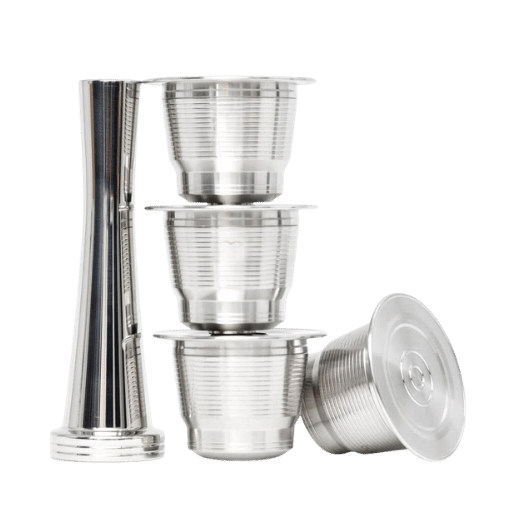
Копия устойчивого развития – это низко висящее, легко переобещаемое и, следовательно, легко поддающееся подрыву фруктовое дерево. Заявления о безопасности при контакте с пищевыми продуктами, которые закрепляют историю устойчивого развития, должны ссылаться на основной нормативный текст, такой как FDA 21 CFR 175.390 вместо вторичных цитат из блога. LCA исследования многоразовых стаканчиков для напитков из нержавеющей стали — и таких исследований много; действительно, сводный сравнительный документ LCA, опубликованный ЮНЕП (UNEP), предполагает безубыточность выбросов углерода от одноразовых материалов, обычно начинает ползти наружу при небольших сотнях применений, в зависимости от предположения, которое устанавливает, сколько энергии поступает в горячую воду, вес стаканчиков или стаканчиков и какая энергия очистки используется. Примените эту логику к кофейным стаканчикам, например, разумно оправданный вывод может заключаться в том, что она начинает безубыточно работать против алюминия только порядка 100-200 циклов заваривания.
Ниже этого диапазона ваши первоначальные затраты на выбросы углекислого газа перевешивают экономию за счет сокращения циклов производства алюминия.
Почему алюминиевый след имеет значение Основная причина, почему базовый уровень углерода для вашей кофейной капсулы вообще существует, заключается в том, что первичная выплавка алюминия составляет единственный, самый большой элемент углеродного следа обычной одноразовой капсулы в огромном факторе. Стандартный LCA на упаковке кофе, проведенный недавно, подчеркнул, что энергозатраты при температуре плавления алюминия являются единственным, самым большим генератором выбросов в процессе создания кофейной капсулы. Капсула, сделанная из стали и сваренная 300 раз, затем обходит подавляющее большинство этого алюминиевого углерода с относительно скромным увеличением (одноразового использования) воздействия производства стальной оболочки.
ППВР ЕС (Регламент 2025/40) – это регуляторные часы под этой математикой.Регламент вступил в силу в 2025 году и широко действует в 2026 году, заменив прежнюю Директиву об отходах упаковки и упаковки. (см. “Правовой анализ PPWR,” от Plastics Packaging.”): “ PPWR может вскоре потребовать, посредством действий государств-членов, чтобы большинство кофейных пакетов и большинство кофейных капсул были компостируемыми с 12 февраля 2028 года, с дополнительными ограничениями на одноразовые пластики, которые вступят в силу к 1 января 2030 года, и мандатом на повторное использование транспортной упаковки. Для брендов, честно соблюдающих: PPWR наиболее непосредственно переводит категорию кофе в компостируемую форму, в то время как многоразовая нержавеющая сталь является ответом на вопрос о одноразовой пластиковой“, но не может напрямую обеспечить компостируемость. Согласовать утверждение об устойчивости с математикой повторного использования, которая является защищаемой, а не с контрольным флажком нормативно-регу, который формат действительно тикает.”
Маркетинговая копия, утверждающая, что “нержавеющие многоразовые капсулы соответствуют требованиям PPWR” не работает. EU PPWR подталкивает государства-члены к обязательной одноразовой компостируемой эксплуатации уже в начале 2028 г. Нержавеющая сталь многоразового использования – это один из способов реагировать на мандаты государств-членов, но это не политический замысел. “Разработанный для превышения одноразовых пластиковых ограничений.” более точен, чем “PPWR-совместимый,”, пока юридические группы не напишут документ.
Ежедневное использование: наполните, заварите, очистите (марки UX должны пройти тестирование перед началом производства)
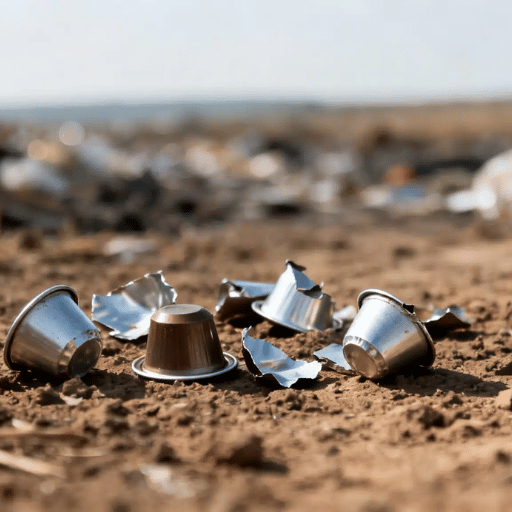
Трения конечного пользователя – это место, где решение о поиске B2B либо подтверждается покупкой, либо подавляется билетами поддержки — надежность продукта остается активной инженерной целью, поскольку недавний патент ВОИС WO2025120122A1 о надежности дозирования капсул иллюстрирует. Четыре основных режима отказа UX вокруг нержавеющей стали предсказуемы, и их смягчение входит в сферу усилий предварительного продукта, а не последующего продукта.
Тип модуля × Матрица классификации вариантов использования
Перед завершением работы над протоколом UX-тестов для ежедневного использования классифицируйте конкретный тип модуля вашего лайнела по сравнению с использованием конечным пользователем, с которым он столкнется. Каждая комбинация подкад/пользователя требует индивидуального графика тестирования и определенного плана обучения пользователей.
| Тип капсулы | Основной вариант использования | Повторное использование Cadence | Приоритет предстартовых испытаний |
|---|---|---|---|
| Постоянная сетчатая крышка (OriginalLine) | Ежедневное домашнее приготовление кофе, специальные пакеты для жарки | 1-3 варки в день | Засорение сетки через 30 дней; размер измельчения соответствует |
| Многоразовый корпус из фольгированных дисков (OriginalLine) | Гостеприимство/офисные программы; почти оригинальный профиль пивоварения | 5-20 заварок в день | Консистенция цепочки поставок фольги; калибровка уплотнения-платена |
| Наклейка со штрих-кодом многоразового использования (Vertuo Plus) | Домохозяйства Вертуо хотят контроля громкости | 1-2 варки в день | Стойкость клея наклейки при циклическом влажном нагреве |
| Наклейка со штрих-кодом многоразового использования (Vertuo Next) | Новые домохозяйства Vertuo, сегмент подарков | 1-2 варки в день | Соответствие размеров наклейки новейшей прошивке Vertuo Next |
| Наклейка со штрих-кодом многоразового использования (Vertuo POP) | Образ жизни Артикул; молодой потребительский сегмент | 1-3 варки в день | Варианты SKU с соответствием цвета; стабильность цвета наклейки |
| Стартовый комплект OriginalLine под частной торговой маркой | Бренды подписки DTC, подарочные пакеты | Различается по профилю абонента | Бренд гравировка/прочность отпечатков прокладок после 100 циклов стирки |
| B2B насыпной Оригинальный многоразовый | Кофейные программы для офиса, коворкинг-кладовые | Тяжелое использование; общий режим уборки | Гигиеническая СОП общего пользования; частота проверки сетки |
| Премиум 316 однокомнатный подарок | Рассказывание историй о брендах высшего уровня; сегмент коллекционеров | Легкое использование; эмоциональная покупка | Упаковка распаковки UX; документация по сертификации класса |
| Совместный фирменный пакет специальных жаровен | Управление брендом инди-ростера; повторяющийся доход от измельчения | Каденция образования под руководством Ростера | Карта измельчения-сочетания по профилю обжарки; переупорядочить поток |
| Режим отказа | Основная причина | Частота жалоб клиентов | Смягчение последствий со стороны бренда |
|---|---|---|---|
| Утечка в шве крышки | Некачественные сиденья уплотнения; стареющая силиконовая прокладка; агрессивное давление тампона | Высокий уровень дешевого импорта; редко встречается у поставщиков, дисциплинированных в области обеспечения качества | Предпусковые испытания на герметичность 1 из 100; включить сменную прокладку в стартерный блок |
| Водянистая дробь или тонкая крема | Измельчите слишком грубо; недоуплотнить; недодозировка | Самая высокая разовая жалоба на продукты многоразового использования | Отгрузите в упаковку таблицу размером с помол; рекомендуйте более тонкую, чем измельчение эспрессо в супермаркете |
| Засорение сетчатого фильтра | Измельчите слишком мелко; темное жаркое с высоким содержанием масла; нечастая уборка | Средний — после 3-4 недель ежедневного использования без очистки | В комплект входит небольшая чистящая щетка; проинструктируйте о ежедневном ополаскивании |
| Кожура стикера штрих-кода Vertuo | Клей разрушается при циклическом нагревании во влажном состоянии; подвид ламината | Средний на линиях Vertuo; около нуля на OriginalLine | Исходные водонепроницаемые ламинированные наклейки от известного поставщика; свяжите заменяющий лист |
Запустите внутренний 30-дневный пилот целевой линии станка перед подписанием контракта на оснастку из нержавеющей стали. Раз каждое утро и день в течение этого времени документируйте переменные шлифования, технику подбивки, наблюдаемые утечки и фотографируйте крему. Неисправность редко пропускается при дисциплинированном подходе на или до 14-го дня такого рода пилотного проекта, прежде чем партнер по частной торговой марке разместит первоначальный заказ.
Вы можете эффективно позиционировать нержавеющую в своем маркетинге, откровенно сообщая об успехах пользователей на местах. Эти пользователи проделали свой путь к определению правильного ритма шлифования, утрамбования и очистки, который требуется их конкретным машинам. Четкое определение этого процесса обучения для потребителей заранее в материалах поддержки клиентов предотвращает перегрузку опорными билетами, которая хоронит усилия по многоразовому запуску B2C.
Куда направляется формат нержавеющей капсулы: 2026 г. и далее
Устанавливая стратегию на 12-24 месяца для нержавеющей стали, имейте в виду три возникающих сигнала – все с соответствующим временным горизонтом и все они не могут сигнализировать о движении формата к тому, чтобы стать мейнстримом, исключая алюминиевые альтернативы.
- Компостируемый доминирует как основной ответ для PPWR ЕС, а не активность нержавеющих брендов в этом пространстве до 2026 года демонстрирует эту приверженность (домашняя компостируемая Nespresso-совместимая компания McCaf, Eco Caps от Lavazza, Constantia Flexibles/Greiner Packaging home-compostable pods, одноразовый патент Constantia, экспериментальные бумажные капсулы Nestlé и т. д.). Продукция Specialty, indie, B2B под частной торговой маркой может отдавать предпочтение нержавеющей многоразовой, но не стоит ожидать, что категория вообще откажется от алюминия.
- Расширение уровня премиум-под стало реальным. Премиальный подкапотный автомат X-Caps от Illy дебютировал на Неделе дизайна в Милане в 2025 году и подтвердил, что премиум-капот уровня выше основного Nespresso теперь открыт для бизнеса (создание места на полках и партнерских возможностей для премиум форматов капсул, таких как комплекты из нержавеющей стали многоразового использования и специальные кобренды обжарщиков.
- Интерес к поиску сейчас растет. интерес к кофейной капсулы смеси из нержавеющей стали “nespresso имеет тенденцию примерно на 23% выше в течение последних квартальных окон, что коррелирует с увеличением количества поисков по соседним запросам многоразового формата. Хотя этот рост и реален, он начинается с низкой базы и представляет собой категорию, рожденную в нишевой специальности, а не широко распространенной потребительской тенденции.
Для брендов, планирующих свою дорожную карту на 2026-2027 годы, действие зависит от стадии. Авторитетные источники, за которыми стоит следить, включают активное ВПТЗ США квитанция о патенте на конструкцию для многоразовых капсульных инноваций. стартап специальные ростеры могут изучить тестирование набора из нержавеющей стали с низким MOQ многоразового использования с кобрендом с незначительным финансовым риском. растущие частные марки марки должны соответствовать нержавеющей инструментальной среды их предполагаемых рынков – на рынках, тяжелых для регулирования ЕС, имеет смысл инвестировать в компостируемые опционы в качестве основного предложения с нержавеющей как премиум-предложение, а не инвестировать исключительно в нержавеющую. крупные транснациональные бренды, рассматривающие оптовый разворот, являются самыми низкими подходящими для нержавеющей стали. из-за проблем регулирования все равно будет более разумно, чтобы большинство основных SKU были компостируемыми.
Часто задаваемые вопросы
Вопрос: Есть ли капсулы Nespresso из нержавеющей стали?
Посмотреть Ответ
Вопрос: Какова разница в стоимости капсулы из нержавеющей стали и алюминиевой капсулы за выстрел?
Посмотреть Ответ
Вопрос: Все ли капсулы Nespresso изготовлены из алюминия?
Посмотреть Ответ
Вопрос: Повредят ли стальные стручки мою машину Vertuo?
Посмотреть Ответ
Вопрос: Можно ли маркировать капсулу из нержавеющей стали с маркировкой моей марки?
Посмотреть Ответ
Вопрос: Как долго на самом деле прослужит кофейный стакан из нержавеющей стали?
Посмотреть Ответ
Как мы составили это руководство
Этот фирменный руководящий документ по кофейным капсулам Nespresso из нержавеющей стали был собран с использованием следующего: Отчеты о юридическом анализе Регламента ЕС PPWR 2025/40, база данных FDA 21 CFR по пищевым контактным веществам (FCS), Журнал сельскохозяйственной и пищевой химии “Исследования по нержавеющей стали Коррозия и выщелачивание”, недавние патентные заявки USPTO и EPO, связанные с конструкциями многоразовых капсул, а также общедоступные линейки продуктов ключевых частных маркированных и многоразовых капсул на 2025-2026 годы. Мы не продаем кофейные капсулы из нержавеющей стали. Мы производим оборудование для наполнения и запечатывания кофейных капсул, которое эти бренды используют при переходе от совместно упакованного алюминия к собственному раствору из нержавеющей стали с частной маркировкой.
Ссылки и источники
- Регулирование отходов упаковки и упаковки (PPWR) ♪ Постановление 2025/40 Европейская комиссия, Главное управление по окружающей среде
- 21 CFR 175.300 い Резиновые и полимерные покрытия для контакта с пищевыми продуктами – Еда и лекарства
- 21 CFR 175.390 ♪ Матричные покрытия из диоксида цинка и кремния – Еда и лекарства
- Определение нормативного статуса компонентов материала, контактирующего с пищевыми продуктами – Еда и лекарства
- Оптимизированная оценка жизненного цикла упаковочных отходов при приготовлении и потреблении кофе 2024 Итальянский журнал пищевой науки
- Сравнительная оценка жизненного цикла и многокритериальный анализ решений по кофейным капсулам 2024)
- Новые правила ЕС в отношении упаковки и упаковочных отходов: 10 ключевых вещей, которые должен знать каждый глобальный бизнес ТОО “Филдфишер”
- USD1111659S1 (патент на дизайн): Крышка для многоразовых кофейных капсул ЫСПТ
- WO2025120122A1 ♪ Надежная капсульная система выдачи напитков – Всемирная организация интеллектуальной собственности
- Войны Pod продолжаются (наследие США бренды берут верх над брендами Pod – Интеллект
- Компостируемые капсулы для систем оригинальных линий Nespresso – Пакетный мир


