
As vagens de aço inoxidável Nespresso são as perguntas de marca no topo da lista para os fermentos de café em ²026. cápsulas de alumínio da categoria como a conhecemos e cerveja caseira No entanto recargas de plástico deu aos entusiastas do café muito para celebrar agora reutilizáveis de aço permitem torrefadores especiais e privados etiquetas para superar a questão de “se abandonar o uso único.” Em vez disso, surgiu uma nova questão: “Como minha empresa pode se apropriar desse formato distinto e sofisticado?” Este manual examina as oportunidades da marca ao quebrar cápsulas inoxidáveis, descreve benefícios e desvantagens materiais, discute como o código de barras Vertuo ainda funciona como um obstáculo e como o calendário de regulamentação da UE pode moldar as decisões de compra para este trimestre.
Especificações rápidas (placa Nespresso de aço inoxidável) (trapaça do comprador B2B)
| Grau padrão | 304 (18% Cr /8% Ni); 316 (+ 2-3% Mo) apenas quando posicionamento premium ou água com cloreto pesado |
| Parede concha | ~0,5-0,8 mm típico (faixa da indústria; varia de acordo com o fornecedor) |
| Compatibilidade máquina | OriginalLine: quase universal. Vertuo: requer fluxo de trabalho de adesivo de código de barras no Vertuo Plus/Vertuo Next/Vertuo POP |
| FDA /conformidade com a UE | 304 atende a 21 CFR 175.300 (revestimentos em contato com alimentos) e UE 1935/2004; Dados de migração da EFSA: liberação de níquel < 0,05 mg por porção em bebidas quentes ácidas |
| Ponto de equilíbrio do ciclo de vida | Aproximadamente 100-200 ciclos de fabricação de cerveja versus alumínio de uso único, interpretados a partir da literatura comparativa sobre ACV para xícaras de bebidas |
| B2B MOQ (marca própria) | Inoxidável geralmente 5.000-10.000 unidades (prazo de entrega de 4-6 semanas); alumínio/compostável pode começar em aproximadamente 8.000 unidades nos principais co-packers |
| Vento contrário regulatório | O Regulamento PPWR da UE 2025/40 entrou em vigor em 2025; ampla aplicação a partir de 2026; mandato compostável de Cápsula de café do estado membro esperado por volta de 2028 |
| Fluxo de trabalho do código de barras Vertuo | Necessário para Vertuo Plus/ Next / POP através de adesivos de substituição laminados à prova d’água; não necessário no OriginalLine |
| Limpeza do filtro de malha | O enxágue diário é a maior variável que separa a vida útil de 500 ciclos e 1.500 ciclos |
| Orientação do tamanho da moagem | Mais fino do que a moagem de café expresso de supermercado; pressão de compactação em torno de 10-15 lb equivalente |
| Cenário do mercado de café | Mercado global de cápsulas de café projetado de $32.6 B 2025 em direção a $46.9 B até 2031; sobre-índices de subsegmentos reutilizáveis em DTC e canais especiais |
O que torna um Nespresso Pod de aço inoxidável diferente do formato padrão
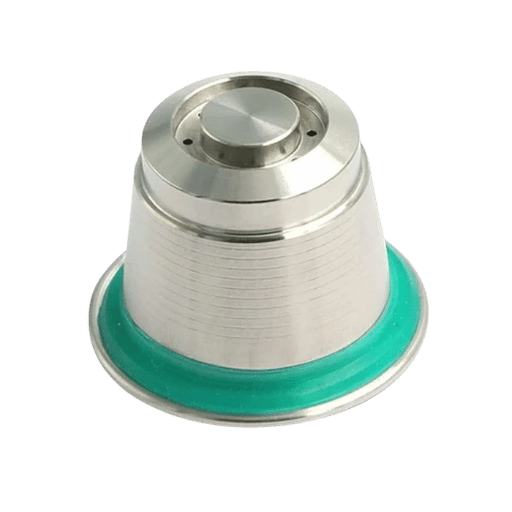
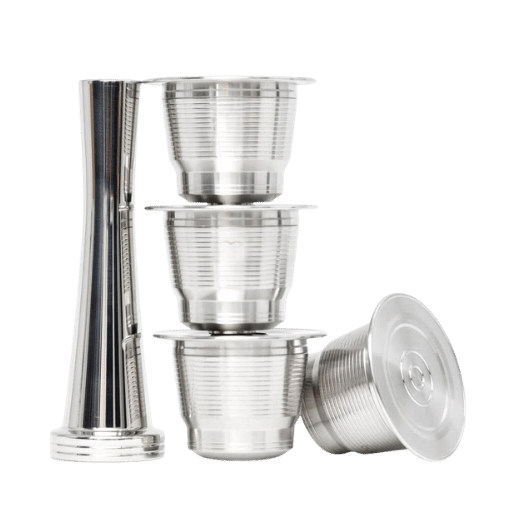
Uma cápsula de aço-Nespresso é uma cápsula de café reutilizável que consiste em uma casca de aço austenítico de qualidade alimentar e um tamanho designado para o sistema de cápsulas Nespresso Original Line ou Vertuo Ao contrário dos recipientes de alumínio que foram selados, usados, posteriormente descartados, esta cápsula de aço é projetada para ser recarregada com terra, depois selada com tampa de malha ou disco de substituição antes de ser fabricada repetidamente.
a fabricação (processo) para cápsulas de aço inoxidável é intencionalmente direta por uma razão Para uma quantidade de café de 5-9 gramas (5-8 centímetros apropriado ao tipo de cápsula) uma casca de aço inoxidável despretensiosa, estirada ou prensada profundamente será suficiente Uma inserção de malha perfurada é incorporada dentro da cápsula de aço, cumprindo a função que anteriormente era fornecida pela folha em cápsulas de alumínio As tampas variam; certos modelos têm tampas permanentes e de malha, enquanto outros têm discos substituíveis e ultrafinos que emulam a ação mecânica mais detalhada de seu antecessor Para uma consulta de material de casca, uma inserção de malha perfurada é incorporada, estoque de aço inoxidável da TiAlloy é uma referência inicial do catálogo; confirme a adequação da formação, grau, acabamento e documentação de contato com alimentos para a cápsula completa.
A divisão da cápsula entre as duas opções de máquina é mais significativa em comparação com o material da cápsula Ambos os tipos podem usar a pressão de 19 barras que é integral para as máquinas Nespresso; no entanto, porque as cápsulas não podem se autenticar na máquina através de comunicação eletrônica apenas encaixe de cápsula/selagem adequada no mecanismo Patente de design USPTO USD1111659S1 Para uma tampa de cápsula de café reutilizável reforça ainda mais que o desenvolvimento de produtos neste formato continua a ser uma busca ativa Por exemplo, tampas inteligentes exigem que uma marca de hardware adicional ou desenvolver produtos inteiramente novos Nespresso-fabricados produtos que funcionam são aqueles fabricados ou s exclusivamente através de seus canais e uma cápsula de aço feita fora destes provavelmente, por exemplo, violar certos desenhos industriais, a menos que especificamente foram feitos através de acordos licenciados através Nespresso, LLC e/ou suas empresas afiliadas (“Nespresso” Isto é para enfatizar a diferença entre as propriedades do material (aço), a construção (como acima), e licenciamento/IP (que é o que importa para dispositivos da marca Nespresso, principalmente para Vertuo).
Vagens de aço inoxidável vs alumínio vs plástico: material lado a lado
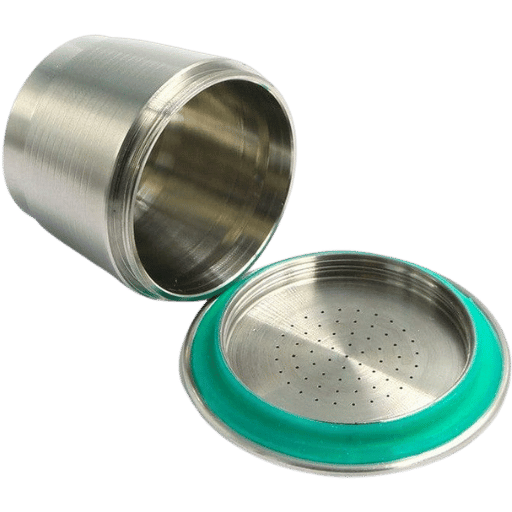
O teste de materiais de três vias (todas essas três categorias de cápsulas – cápsulas revestidas de alumínio ou outras cápsulas revestidas de metal, sistemas de cápsulas à base de plástico ou cápsulas reutilizáveis e cápsulas de aço inoxidável) produz uma comparação variada em cinco fatores: neutralidade de sabor, segurança alimentar por Orientação sobre substâncias em contato com alimentos da FDA, contagem de reutilização, custo de energia incorporada e o setor de preços premium – sem ninguém oferecendo notas máximas em todas as categorias Portanto, cabe aos diretores de compras avaliar os valores de sua própria marca em consideração às opções de uso único, ao compromisso de sua marca com os esforços de sustentabilidade ou como forma de dominar um nicho para marcas próprias.
| Dimensão | Alumínio (padrão) | Plástico (PP/PLA) | Inoxidável (304/316) |
|---|---|---|---|
| Neutralidade gustativa | Alto (interior de laca inerte) | Médio (algumas notas externas PP são possíveis) | Alto (sem lixiviação orgânica) |
| Segurança de contato com alimentos | Aprovado com barreira de laca | Aprovado (graus sem BPA) | 21 CFR 175 + UE 1935/2004; migração de níquel < 0,05 mg/servindo em alimentos quentes ácidos |
| Contagem prática de reutilização | Uso único | ~50-200 ciclos (degradação) | Mais de 500 ciclos típicos (o desgaste da malha é o limite) |
| Carbono incorporado | Alto (a produção primária de Al domina o carbono das vagens) | Baixo por unidade, mas ciclos de reutilização limitados | Alto por unidade; amortizado sobre reutilização |
| Faixa de preços de varejo | $0,50-$1,20 por tacada | Reutilizável: conjunto $12-25 | Reutilizável: conjunto $25-60, $8-20 por pod |
Uma cápsula de café de aço inoxidável é melhor que o plástico?
Sobre sabor e durabilidade, sim yeah margem é mais ampla do que a maioria das alegações de marketing sugerem Você pode não detectá-lo após 1-2 meses de beber diariamente de uma cápsula reutilizável de polipropileno (PP), mas com o tempo PP vaza lentamente seu Plastificante, que você provavelmente notaria O aço é inerte quando exposto às temperaturas de fermentação em torno de 92° C (198° F), enquanto mesmo certos sistemas baratos de panelas de alumínio têm atraído o escrutínio dos defensores do consumidor para possível migração de elementos para o café fabricado através de seu revestimento passivo (cromo) de óxido Na sustentabilidade, no entanto, ele vira as mesas, dependendo da frequência com que a cápsula realmente se usa: Uma cápsula de aço atingirá seu ponto de equilíbrio na frente ambiental mais rapidamente do que um equivalente de alumínio, mesmo quando usado apenas duas vezes por semana durante 12 meses, uma cápsula usada uma vez em quatro semanas, no entanto, tem uma pegada ambiental ainda maior do que substituiu (uma questão a ser mantida em mente pelos vendedores no ponto de ruptura em oposição àqueles na linha inferior.
Por que as marcas de café estão mudando: os 5 gatilhos de comutação

As cápsulas de aço inoxidável não são atualmente uma alternativa de deslocamento em massa do mercado aos fabricantes de cápsulas de alumínio, como atividades recentes de patentes de design USPTO USD1111659S1 confirma a inovação contínua neste segmento (até agora, o seu sucesso tem sido em cinco contextos distintos de nicho de marca; cada um com seu próprio conjunto de evidências distintas, e o prazo associado para a tomada de decisões estratégicas exigido no nível da marca/sourcing é importante considerar em alinhamento com seu contexto.
| Acionador | Evidências citadas | Tipo de marca mais afetado | Prazo de execução típico da decisão |
|---|---|---|---|
| Expansão de nível 1. premium | A Illy lançou a máquina pod premium X-Caps na Milan Design Week 2025; torrefadores especiais seguindo com kits reutilizáveis de marca conjunta | Torrefadores especiais; marca própria premium | 6-9 meses (ferramentas + embalagem de marca conjunta) |
| 2. Pressão regulatória do PPWR da UE | O Regulamento 2025/40 é aplicável a partir de 2026; mandatos compostáveis de vagens de café dos estados membros esperados por volta de 2028; restrições plásticas de uso único mais amplas faseadas em direção a 2030 | Exportadores do mercado da UE; marcas multinacionais | 12-18 meses (documentação de conformidade) |
| Controle de marca de origem única 3 | As vagens reutilizáveis permitem que as marcas enviem feijões torrados + kit reutilizável de marca, capturando a compra recorrente de moagem em vez de uma venda de cápsula única | Torrefadores diretos ao consumidor; marcas de assinatura | 3-4 meses (montagem de kit + LMS) |
| 4. Economia de custo por foto em escala | Os fornecedores de marca própria da indústria citam MOQ de ~ 8.000 cápsulas para alumínio em prazos de entrega de 3-4 semanas; MOQs inoxidáveis pousam em ~ 5.000-10.000 com prazos de entrega de 4-6 semanas | Grupos de hospitalidade; programas de café de escritório | 2-3 meses (ciclo de aquisição) |
| 5. diferenciação de varejo na categoria reutilizável | O mercado global de cápsulas de café está rastreando de aproximadamente $32.6 B em 2025 em direção a $46.9 B até 2031, com o subsegmento reutilizável indexando demais em DTC e canais de varejo especializados | Desafiadores do varejo independente; SKUs de presente/estilo de vida | 4-6 meses (janela de listagem de varejo) |
Pode-se buscar uma mistura do já mencionado “Triggers”; e na realidade muitas estratégias de 2026 de pods inoxidáveis incorporam elementos de vários, mas dois são frequentemente confundidos em detrimento da marca EU PPWR requer um “preference” em direção ao compostável versus re-usável (o caminho padrão que muitos grandes players como o novo Nespresso da Nestlé, a nova cápsula de Lavazza e McCaf oferecem, ao fornecer alguma certificação compostável membro-estado) o argumento ‘plástico livre’ não é automático para reutilizável inoxidável e deve ser enquadrado de forma honesta e responsável como é: uma estratégia especial/B2 B/premium não um ‘botão fácil’ regulador de venda total.
Compatibilidade da máquina: OriginalLine vs Vertuo (por que a história de Vertuo é diferente)
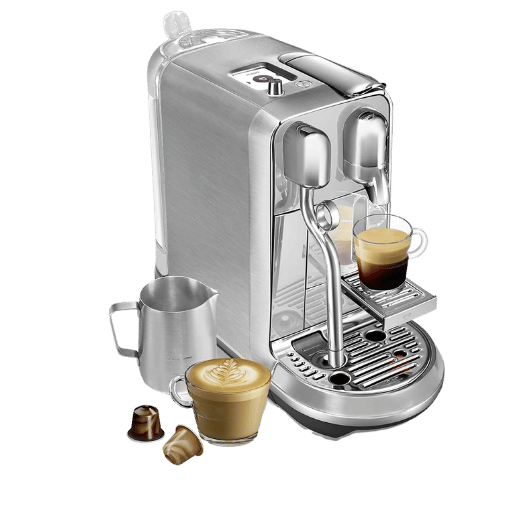
A decisão ‘SKU’ mais consequente de uma equipe de sourcing ao produzir cápsulas de aço inoxidável para a Nespresso é se eles pretendem comercializá-las para seu sistema OriginalLine (onde ele pode funcionar) ou sistema Vertuo (quase certamente exigirá um adaptador/trabalhar para uma solução de compatibilidade completa) que tem diferenças de que as duas são mecânica/eletronicamente e não tão simples quanto aplicar um adesivo A inovação de design neste nicho permanece ativa; veja USPTO USD1111659S1 para um arquivamento recente da tampa da cápsula reutilizável.
| Família Máquina | Viabilidade de pods inoxidáveis | Por que funciona (ou não) |
|---|---|---|
| OriginalLine (todos os modelos) | Alto suporte universal de terceiros | Extração sob pressão (~19 bar); sem autenticação eletrônica; qualquer cápsula de encaixe na câmara que vede corretamente será fabricada |
| Vertuo (legado /Vertuo+) | Trabalho de adesivo de código de barras médio | Extração centrífuga desencadeada por código de barras impresso com tampa; adesivos laminados impermeáveis de substituição autenticam novamente cada infusão |
| Vertuo Próximo | Médio com designs de adesivos atuais | Mesmo protocolo de código de barras; as dimensões do adesivo são as especificações de gating do fornecedor |
| Vertuo POP | Fluxo de trabalho médio confiável | Os profissionais da indústria relatam que Vertuo Plus e POP têm o desempenho de adesivo mais confiável em toda a linha Vertuo |
| Vertuo (reutilizável barato sem marca) | Baixo risco de danos | Relatos de descascamento do adesivo de código de barras, falha da vedação e danos à câmara causados por projéteis de terceiros subconstruídos |
304 vs 316 inoxidável: como o aço afeta o sabor, a segurança e o custo
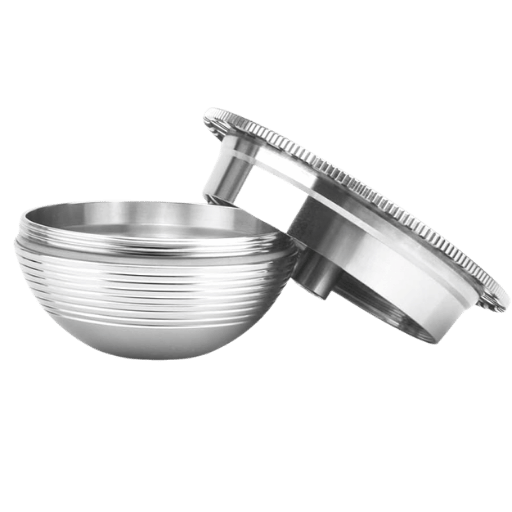
Escolher a mistura de aço, pelo menos do ponto de vista da marca versus custo de fornecimento, pode determinar uma diferença de 18% na matéria-prima e esse ponto de decisão raramente importa na sustentabilidade da cerveja residencial-304 (o padrão para cozinhar) normalmente tem composição de aço inoxidável adequada mais do que suficiente para sistemas Nespresso domésticos, com todas as etiquetas de ‘grau médico’/‘grau cirúrgico’ simplesmente identificando várias qualidades dentro da família austenítica 300 mais ampla.
| Dimensão | 304 (18/8) | 316 (18/10/2) | “Creivindicação de” de grau cirúrgico/médico |
|---|---|---|---|
| Teor de cromo | ~18% | ~16-18% | Termo de marketing; geralmente significa 316 ou 316L |
| Conteúdo níquel | ~8% | ~10-14% | Nenhum padrão ASTM separado para cápsulas de café“ de grau ”médico |
| Conteúdo molibdênio | Nenhum | ~2-3% (resistência ao cloreto) | Indistinguível de 316 em testes de laboratório |
| Corrosão café-ácido | Excelente sob uso residencial | Excelente em regiões de água com alto teor de cloreto | O mesmo que 316 |
| FDA /conformidade com a UE | 21 CFR 175.300 /175.390 /UE 1935/2004 | Mesmo caminho, escopo mais amplo | Mesma base regulatória; nenhum certificado de dispositivo médico envolvido |
| Prémio de custo (matéria-prima) | Linha de base | +15-25% | Nenhum prêmio adicional apenas para reivindicação de marketing |
- Seu cliente está em um mercado de água de alto cloreto (cidades com proximidade de água do mar, a maioria das partes da FL e costa do golfo dos EUA, sul da Europa).200 mg/LCl é normal.
- Sua marca está jogando no segmento de primeira linha ($25/2pack), onde o cliente espera “316” de grau “marine na folha de especificações.
- Sua marca será associada a uma marca de instrumentos de saúde ou cirúrgicos onde o alinhamento com “316” e “316L” faz sentido para a narrativa da sua marca.
Para quaisquer outros casos, 304 é o padrão na fabricação de cerveja comercial, mesmo na aplicação de alimentos quentes para produtos inoxidáveis de qualidade alimentar, de acordo com dados do comitê de especialistas da EFSA e do JECFA. A migração de níquel para aplicações de alimentos inoxidáveis quentes, ácidos e austeníticos chega a frações de miligrama por porção e é insignificante em comparação com a quantidade de níquel já contida no café. Os dados da EFSA e do JECFA especificam os níveis permitidos por porção que são muito superiores aos relatados para a lixiviação de aço em produtos alimentares.
Em uma base de volume de produção a diferença torna-se significativa.35 kg de aço inoxidável seria necessário em uma ordem média de 50.000 unidades de Cápsula de café inoxidável (a 0,7 grama para a espessura da casca) . Com 316 material custando um extra de 15 a 25% mais, seu custo total aumentará por Cápsula de café com custos mais elevados que passam até o preço final do produto Com isso em mente padrão 304 deve ser considerado, fazendo referência à conformidade EFSA ou FDA como base de seleção, reservando o prêmio, especificação 316 apenas para aqueles compradores que exigem “marine grau”.
Dentro do processo de preenchimento do pod: para que as marcas devem planejar
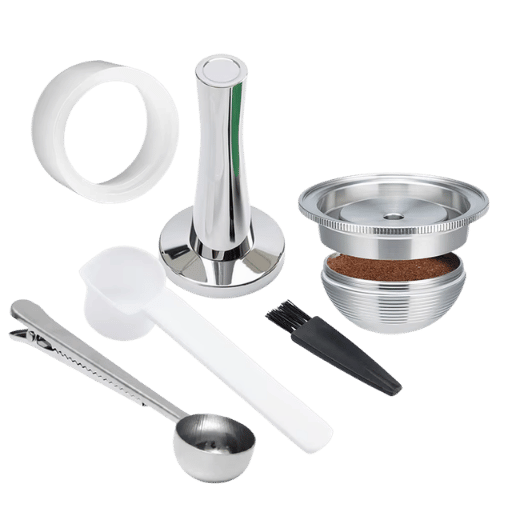
As linhas de produção têm outras 5 etapas do processo além da peça de aço inoxidável.
- Dosagem. 7 gramas por cápsula ou 9 gramas por cápsula. 12 para cápsulas de vert é o café a ser alimentado em seu interior. A faixa de erro tolerada para cada dose geralmente é inferior a 0,2 gramas para uma linha de produção decente para a Linha Original.
- A compactação. A compactação mecânica pode aplicar uma força de pressão efetiva em torno de 10 -15 lb. A compactação sob leva a injeções aquosas e nem mesmo a creme extraído, enquanto a compactação excessiva pode obstruir a tela e potencialmente aumentar a pressão da câmara de infusão, em certos casos pode levar ao aumento e ruptura da pressão durante a infusão.
- Vedação. existem principalmente dois tipos: uma tampa de malha permanente com padrão de marca integrado (sem tampa de folha com designs integrados, patenteada apenas por marcas, “Nespresso comportamento original”), ou tampas de filme de liga de alumínio seladas a quente (Nespresso comportamento de pods estilo original).O selo das tampas da folha é selado em uma placa quente ajustada entre 165-185 graus de calor por entre 0,5 e 1,0 segundos.
- Teste de vazamento Algumas empresas verificam a integridade do vazamento dos pods periodicamente (por exemplo, 1 em 1000, 1 em 500) por meio de testes pneumáticos ou usando uma unidade de teste a vácuo que é a causa para alguns pods de aço inoxidável de baixa qualidade de terceiros falharem sob pressão de infusão e resultar em chamadas de garantia do cliente.
- Embalagem. saco de filme poli fluffed e selado de nitrogênio, também conhecido como fluxo-envoltório ou saco de travesseiro, proteger o café moído torrado de oxigênio através da vida útil out A arte da marca cobre esta bolsa, para aqueles café de rotulagem privada para marcas também haverá uma caixa de papelão externa impressa personalizada que carrega branding.
Zegbrk_0010.
O conjunto de categorias de equipamentos de enchimento e vedação, precisamente a província em queafpakmachine.com e empresas similares de máquinas de enchimento de cápsulas de café dedicadas justificam suas taxas é se seu cliente tiver uma linha de alumínio co-embalada existente e desejar fazer a transição para uma versão inoxidável de marca própria O equipamento necessário para inoxidável parece uma opção mecanicamente mais simples do que o alumínio (sem perfurador de folha a partir da borda superior) (no entanto, a exigência de que o teste de vazamento seja mantido com mais rigor devido a cada uma das cápsulas de café inoxidável reutilizáveis sendo fabricadas pelo menos algumas centenas de vezes (o que teria sido pouco mais do que aceitável com o alumínio original, mas que terminará em uma chamada.
Quantas vezes uma cápsula de aço inoxidável pode realmente ser reutilizada antes de precisar ser substituída?
Os rendimentos reutilizáveis médios são baseados em uma cápsula inoxidável de grau médio com uma tampa de malha fixa usada de cerca de 500-1500 ciclos de infusão, após o que a malha fica entupida além da capacidade de lavagem simples ou o assento da cápsula não consegue manter uma vedação de junta adequada Os pods com um disco de folha substituível têm uma vida útil muito mais longa em sua casca externa (muitos milhares de ciclos), mas o disco de folha usado é um elemento descartável por cerveja que muitas vezes faz parte de pacotes de recarga de embalagem de 100 marcas. Os cafés de óleo ‘pesados’ (torrados escuros ou alguns singles de estilo indonésio) tendem a limitar a vida útil da malha pelo acúmulo mais rápido de resíduos, os torrados de malha prolongam a vida útil. Uma boa indústria profissional indica que a lavagem regular do filtro de malha é a maior variável entre o uso de 500 ciclos e o uso de 1500 ciclos.
A matemática da sustentabilidade: quando reutilizável vence o uso único
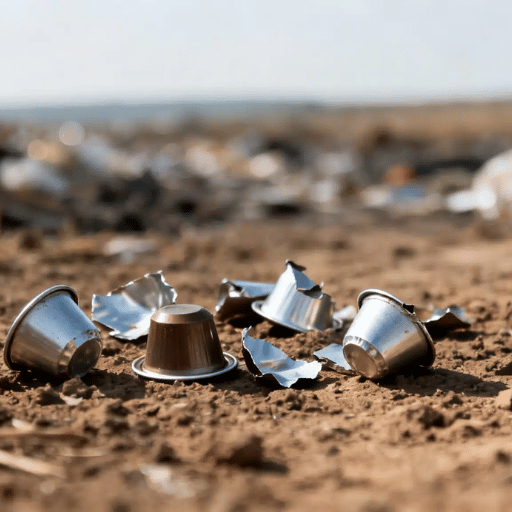
A cópia de sustentabilidade é a árvore frutada de baixo enforcamento, facilmente superprometida e, portanto, fácil de minar As alegações de segurança de contato com alimentos que ancoram a história da sustentabilidade devem fazer referência ao texto regulatório primário, como FDA 21 CFR 175.390 Em vez de citações secundárias de blogs. Estudos de ACV de copos reutilizáveis de bebidas inoxidáveis (copos reutilizáveis de bebidas inoxidáveis) e existem muitos desses estudos; na verdade, um documento comparativo resumido de ACV publicado pelo PNUMA sugere que um ponto de equilíbrio de carbono dos descartáveis normalmente começa a surgir em centenas de usos, dependendo dos conjuntos de suposições em torno de quanta energia entra em água quente, do peso dos copos ou cápsulas e da energia de limpeza usada. Aplique essa lógica às cápsulas de café, por exemplo, uma conclusão razoavelmente defensável pode ser que ela só começa a quebrar mesmo contra o alumínio na ordem de cerca de 100-200 ciclos de fermentação.
Abaixo dessa faixa, o custo inicial das emissões de carbono supera a economia na redução dos ciclos de produção de alumínio.
Por que a pegada de alumínio é importante Uma grande razão pela qual a linha de base de carbono para sua cápsula de café existe é que a fundição de alumínio virgem constitui o maior e único elemento da pegada de carbono de uma cápsula convencional de uso único por um fator enorme. Uma ACV padrão em embalagens de café realizada recentemente destacou a entrada de energia no ponto de fusão do alumínio como sendo o único e maior gerador de emissões no processo de criação de uma cápsula de café. Uma cápsula feita de aço e fabricada 300 vezes evita a grande maioria desse carbono de alumínio com um aumento relativamente modesto do impacto de fabricação (de uso único) de uma carcaça de aço.
O PPWR da UE (Regulamento 2025/40) é o relógio regulador por baixo desta matemática O regulamento entrou em vigor em 2025 e entra em vigor em 2026, substituindo a antiga Diretiva de Embalagens e Resíduos de Embalagens. (Ver “Legal Analyses of PPWR,” from Plastics Packaging.”): “EU PPWR pode exigir em breve, através de ações dos Estados-Membros, que a maioria dos sacos de café e a maioria das cápsulas de café sejam compostáveis a partir de 12 de fevereiro de 2028, com restrições adicionais aos plásticos descartáveis para entrar em vigor até 1 de janeiro de 2030, e um mandato sobre a reutilização de embalagens de transporte Para marcas que observam honestamente: O PPWR empurra a categoria de café mais diretamente para compostável, enquanto o aço inoxidável reutilizável é a resposta à questão plástica de uso único “”, mas não entrega diretamente das preferências de compostabilidade Alinhar a reivindicação de sustentabilidade com a matemática reutilizável, e não a caixa de verificação de conformidade regulatória que realmente marca.”
Cópia de marketing alegando “stainless reutilizável pods são PPWR complacente” não funciona UE PPWR empurra os estados membros para obrigar compostable single-serve tão cedo quanto o início de 2028 Inox reutilizável é uma maneira de responder aos mandatos dos estados membros, mas não é a intenção política “Projetado para exceder restrições de plástico de uso único” é mais preciso do que “PPWR-compliant, até que as equipes legais tenham escrito o documento.
Uso diário: Encha, ferva, limpe (as marcas UX devem testar antes de se comprometer)
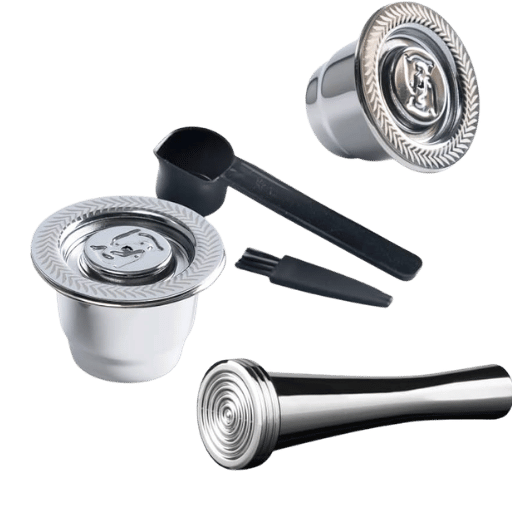
O atrito do usuário final é uma decisão de fornecimento B2B validada por compra esmagada por tickets de suporte e a confiabilidade do produto continua sendo uma meta de engenharia ativa, como patente recente da OMPI WO2025120122A1 na confiabilidade de distribuição de cápsulas ilustra Quatro modos de falha UX primários em torno do aço inoxidável são previsíveis, e mitigá-los cai no âmbito dos esforços pré-produto, não pós-produto.
Matriz de classificação de casos de uso tipo pod ×
Antes de finalizar seu protocolo de teste UX de uso diário, classifique o tipo de pod específico do seu linel em relação ao uso do usuário final que ele encontrará Cada combinação de pod/usuário exige um cronograma de testes personalizado e um plano específico de educação do usuário.
| Tipo de pod | Caso de Uso Primário | Reutilizar Cadência | Prioridade do teste de pré-lançamento |
|---|---|---|---|
| Tampa de malha permanente (OriginalLine) | Fabricação diária em casa, pacotes de torrefação especiais | 1-3 cervejas por dia | Entupimento de malha em 30 dias; correspondência de tamanho de moagem |
| Invólucro reutilizável de disco de folha (OriginalLine) | Programas de hospitalidade/escritório; perfil cervejeiro quase original | 5-20 cervejas por dia | Consistência da cadeia de abastecimento de folhas; calibração de placas de vedação |
| Adesivo de código de barras reutilizável (Vertuo Plus) | Famílias Vertuo que desejam controle de volume | 1-2 cervejas por dia | Durabilidade adesiva adesiva sob ciclagem de calor úmido |
| Adesivo de código de barras reutilizável (Vertuo Next) | Famílias Vertuo mais recentes, segmento de presentes | 1-2 cervejas por dia | Correspondência de dimensões de adesivo com o mais novo firmware Vertuo Next |
| Adesivo de código de barras reutilizável (Vertuo POP) | SKU de estilo de vida; segmento de consumidores mais jovens | 1-3 cervejas por dia | Variantes de SKU correspondentes a cores; estabilidade de cor do adesivo |
| Kit inicial OriginalLine de marca própria | Marcas de assinatura DTC, pacotes de presentes | Varia de acordo com o perfil do assinante | Gravura da marca /durabilidade da almofada-impressão após 100 ciclos da lavagem |
| B2 B granel Original reutilizável | Programas de café de escritório, despensas de coworking | Uso pesado; regime de limpeza compartilhada | SOP de higiene de uso compartilhado; cadência de inspeção de malha |
| Presente premium 316 de unidade única | Contação de histórias de marca de primeira linha; segmento de colecionador | Uso leve; compra emocional | Embalagem unboxing UX; documentação de certificação de grau |
| Pacote torrador especial de marca conjunta | Controle de marca de torradeira independente; receita recorrente de moagem | Cadência educacional liderada por torrador | Cartão de emparelhamento de moagem por perfil assado; reordenar fluxo |
| Modo Falha | Causa Subjacente | Frequência de Reclamação do Cliente | Mitigação Marca-Lado |
|---|---|---|---|
| Vazamento na costura da tampa | Assento de vedação sob especificação; junta de silicone envelhecida; pressão agressiva do tampão | Alto em importações de baixo custo; raro em fornecedores com disciplina de controle de qualidade | Pré-lançamento de teste de vazamento 1 em 100; inclua uma junta de substituição no pacote inicial |
| Tiro aguado ou creme fino | Moer muito grosso; sub-carimbo; subdose | Maior reclamação individual em produtos reutilizáveis | Envie uma tabela do grind-tamanho na embalagem; recomende mais fino do que o grind do expresso do supermercado |
| Fechamento do filtro de malha | Moer muito bem; assados escuros com óleo pesado; limpeza pouco frequente | Médio após 3-4 semanas de uso diário sem limpeza | Inclua uma pequena escova de limpeza no kit; instrua o enxágue diário |
| Casca adesivo código barras Vertuo | Falha adesiva sob ciclagem de calor úmido; laminado de subespécie | Médio nas linhas Vertuo; próximo de zero na OriginalLine | Adesivos laminados impermeáveis da fonte de um fornecedor conhecido; agrupe uma folha de substituição |
Execute um piloto interno de 30 dias da linha de máquinas alvo antes de assinar um contrato para ferramentas de aço inoxidável Uma vez todas as manhãs e tardes durante o período, documente variáveis de retificação, técnica de compactação, vazamentos observados e fotografe o creme. A falha raramente é perdida com uma abordagem disciplinada no ou antes do 14o dia deste tipo de piloto bem antes que um parceiro de marca própria faça um pedido inicial.
Você pode efetivamente posicionar inoxidável em seu marketing, comunicando francamente os sucessos do usuário de campo Esses usuários trabalharam seu caminho para identificar o ritmo correto de moagem, compactação e limpeza que suas máquinas particulares exigem Identificar claramente esse processo de aprendizagem para os consumidores na frente em materiais de suporte ao cliente evita a sobrecarga de ticket de suporte que enterra os esforços de lançamento reutilizáveis B2 C.
Para onde o formato de pod inoxidável é dirigido: 2026 e além
Ao definir uma estratégia de 12-24 meses para o aço inoxidável, esteja ciente de três sinais emergentes – todos com um horizonte de tempo associado e todos eles não sinalizando o movimento do formato para se tornar mainstream com a exclusão de alternativas de alumínio.
- Compostable domina como a resposta mainstream para o PPWR da UE, e não a atividade da stainless-Brands neste espaço até 2026 demonstra esse compromisso (o Nespresso-compatível home-compostable da McCaf, o Eco Caps da Lavazza, o Constantia Flexibles /Greiner Packaging home-compostable pods, a patente single-service da Constantia, as cápsulas de papel experimentais da Nestlé, etc). Produtos de marca própria especial, indie e B2 B podem favorecer o reutilizável inoxidável, mas não espere que a categoria faça a transição para longe do alumínio completamente.
- A máquina pod premium de nível pod se tornou real A máquina pod X-Caps da Illy estreou na Milan Design Week 2025 e confirmou que o nível pod premium acima do mainstream Nespresso agora está aberto para espaço de prateleira empresarial e oportunidades de parceiros para formatos pod premium, como kits reutilizáveis inoxidáveis e co-marca de torrefadores especiais.
- O interesse de pesquisa está crescendo agora O interesse em “nespresso pod” de aço inoxidável tem tendência cerca de 23% maior em relação às janelas trimestrais recentes, correlacionando-se com o aumento das pesquisas por consultas adjacentes de formato reutilizável Embora real, esse crescimento começa a partir de uma base baixa e é uma categoria nascida em especialidade de nicho, não uma tendência de consumo amplamente difundida.
Para as marcas que planejam seu roteiro 2026-2027, a ação depende de seu estágio As fontes de autoridade a serem observadas incluem o ativo Dockete de patente de design do USPTO Para inovações de cápsulas reutilizáveis Os torrefadores especiais de startups podem explorar o teste de um kit reutilizável inoxidável de baixo MOQ com uma marca conjunta com risco financeiro insignificante As marcas de marca própria em crescimento devem combinar o ferramental inoxidável com o ambiente regulatório de seus mercados pretendidos – em mercados pesados com a regulamentação da UE, faz sentido investir em opções compostáveis como a oferta primária com o inoxidável como o premium, em vez de investir apenas em inoxidável Grandes marcas multinacionais considerando um pivô de atacado são as mais baixas para o inoxidável Devido a questões regulatórias, ainda fará mais sentido que a maioria dos SKUs convencionais sejam compostáveis.
Perguntas frequentes
Q: Existem cápsulas de aço inoxidável Nespresso?
Ver Resposta
Q: Qual é a diferença de custo entre uma cápsula de aço inoxidável e uma cápsula de alumínio por tiro?
Ver Resposta
P: Todas as cápsulas Nespresso são feitas de alumínio?
Ver Resposta
P: As cápsulas de aço danificarão minha máquina Vertuo?
Ver Resposta
P: Uma cápsula de aço inoxidável pode ser rotulada de forma privada com as marcações da minha marca?
Ver Resposta
P: Quanto tempo dura realmente uma cápsula de café de aço inoxidável?
Ver Resposta
Como Compilamos Este Guia
Este documento de orientação do lado da marca sobre Vagens de Café Nespresso de Aço Inoxidável foi montado usando o seguinte: Relatórios de Análise Legal do Regulamento PPWR da UE 2025/40, banco de dados de Substâncias de Contato Alimentar (FCS) do FDA 21 CFR, Journal of Agricultural and Food Chemistry “Research on Stainless Steel Corrosion and Leaching”, pedidos recentes de patentes do USPTO & EPO relacionados a projetos de cápsulas recarregáveis e as linhas de produtos publicamente disponíveis de 2025-2026 das principais marcas de vagens reutilizáveis e de etiquetas privadas Não vendemos nenhuma cápsula de café de aço inoxidável Fabricamos as máquinas de enchimento e vedação de vagens de café que essas marcas usam à medida que fazem a transição do alumínio co-embalado para sua solução de aço inoxidável interna e de marca própria.
Referências e fontes
- Regulamento de Embalagens e Resíduos de Embalagens (PPWR) (Regulamento 2025/40 Çomissão Europeia, Direcção-Geral do Ambiente
- 21 CFR 175.300 Revestimentos resinosos e poliméricos para alimentos • Administração de Alimentos e Medicamentos
- 21 CFR 175.390 Revestimentos de matriz de dióxido de silício Zinc • Administração de Alimentos e Medicamentos
- Determinação do estado regulamentar dos componentes de um material em contacto com alimentos • Administração de Alimentos e Medicamentos
- Avaliação simplificada do ciclo de vida dos resíduos de embalagens na preparação e consumo de café 2024 Jornal de Ciência Alimentar (2024)
- Avaliação comparativa do ciclo de vida e análise multicritério de decisão de cápsulas de café (2024)
- Novas regras da UE em matéria de embalagens e resíduos de embalagens: 10 coisas fundamentais que todas as empresas globais devem saber (LLP)
- USD1111659S1 Patente de design: Tampa para cápsulas de café reutilizáveis 0,00
- WO2025120122A1 Sistema de distribuição de bebidas em cápsulas reassíveis Ção de Propriedade Intelectual
- As guerras de pods continuam (as marcas legadas da UE enfrentam os EUA – Inteligência
- Cápsulas Compostáveis para Sistemas de Linha Original Nespresso – Mundo


